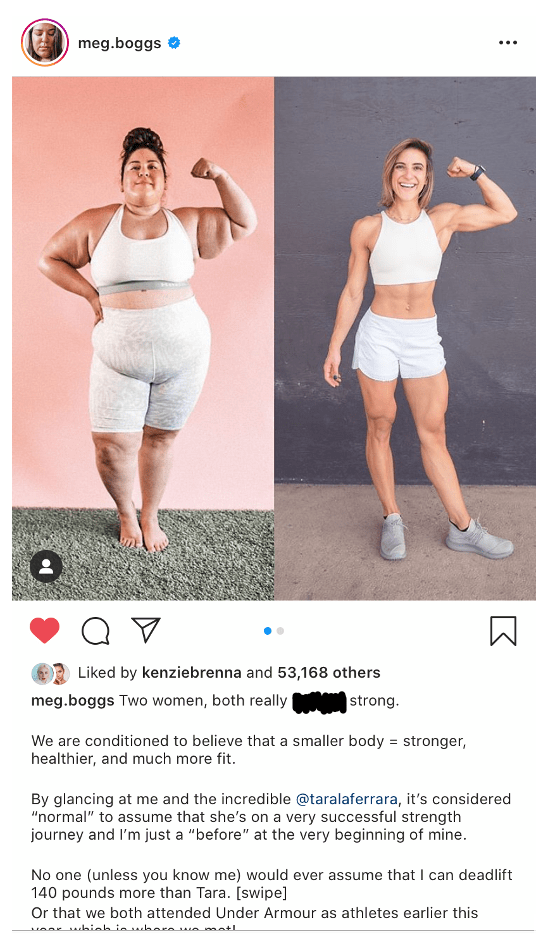
Public figure and body builder, Meg Boggs, posts on Instagram comparing herself to Tara Laferrara, a fitness professional and confidence coach, and acknowledges the stereotypes that because Boggs is bigger, it would seem she is unhealthy and unfit although both women are equally healthy and fit.
I was 16, mindlessly scrolling through Instagram, and feeling this dark cloud that sat over my head like Eeyore for months. I couldn’t place it. I was the skinniest I’d ever been, found a decent best friend that didn’t bully me like the ones from elementary school, and had just started dating a boy who I was crushing on for months. It took me years to figure out who I follow on social media makes a huge difference in our confidence.
The American flag is presented on the left and the Indian flag is presented on the right. The blend of both flags represents a blend of my two cultures: being an American and Indian.
Throughout my life, I have been lucky enough to identify myself with two cultures, an Indian and an American.
I am an American born.
My family’s roots go all the way back to South Asia.
And as for the confused part, having two cultures can definitely be confusing at times.
Background Story
My parents, who were born and raised in India, had a very different lifestyle there. After marriage, my parents left everything they had in India and moved to The United States aspiring towards the American dream. Coming to this country with only one hundred dollars in their pocket, they quickly embarked on the working life where they partook in many jobs to hold a steady income. 10 years later, having three daughters- 10 years old, 5 years old , and 1 month old- their life turned around with an outlook of great success and happiness.
Coming from a family with three daughters and no sons, my sisters and I were raised to be independent, courageous, and to have great integrity. We are classified as “first generation South Asians”.
Being a first generationer
Because my parents were born in another country, and my sisters and I were born in America, that makes us “first generationers”. This title holds big responsibilities upon us that other children born in this country may not understand.
For first generationers, our confusion stems from tasks of developing a new identity, in which we often have to do so without the guidance of our parents or the support from our community.
And that is both difficult and confusing.
Caught between cultures
Having two cultures can be confusing in a sense that you are living with two completely different identities. There tends to always be a dramatic difference in messages that come from our public lives versus our home lives. In this world we face challenges where the expectations of our family values contrast the larger culture. Sometimes it feels like I am “too American” to be a part of the Indian culture where some would think I am “white-washed”, and other times “too Indian” to be apart of the American culture. So what exactly am I?
Family Support
My parents taught my sisters and I to always think smartly and to never take things for granted. We were taught to cherish everything we have and to never forget our roots. From a young age my parents never failed to teach us about the Indian culture. Although English was our first language and we were raised as Americans, my sisters and I still connected with our Indian culture by celebrating all the holidays and attending Sunday school at our temple where were learned the history and beautiful language of the Hindu religion. After growing up and going to school and family events, I now realize how lucky my sisters and I are to be able to celebrate and be a part of more than one culture. We are able to see the beauty and importance of both cultures.
Although at times it feels like I am caught between cultures, I consider myself lucky that I am able to connect to not only one but two different ethnicities. I do not believe I am “white-washed” nor am I “too Indian”.
Us first generationers will continue to fight adversity so that those too can see us as being fortunate with two identities.
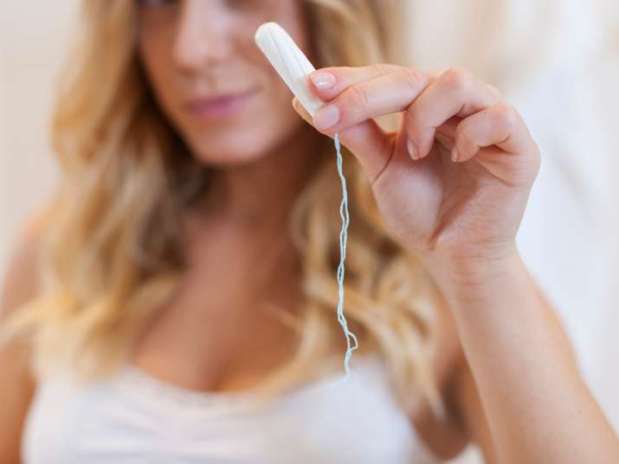
Ask any child between the ages of 10-13 about their experience in health class, and prepare yourself for a slew of interesting answers. You would likely hear about splitting the boys and girls into separate classrooms, being sent home with deodorant and pads, images of STIs, and of course, the infamous birthing video. I myself remember being shuffled into a room of fifth grade girls, only to learn that I would soon begin to bleed once a month, and it would be terrifying. We were shown a video of what happens anatomically during the menstrual cycle, taught a bunch of new words like “ovaries” and “fallopian tubes”, and were each given a box of sanitary products that we didn’t know how to use.
I think it is a mistake for boys and girls to be educated separately, because this adds to a sense of otherness and mystery about the other side, which can lead to rumors and misinformation; I distinctly remember being asked multiple times by boys “can’t you just hold it in?” (referring to menstrual fluid). There is also a sense of secrecy around periods, as shown by the way adolescent girls hide their sanitary products and give them to each other discreetly. A common “nightmare scenario” trope is an adolescent girl getting her first period in class, in which everyone sees and makes fun of her, of course making her incredibly embarrassed. Also, there will likely come a time in everyone’s life where they have a close relationship with someone who is biologically different from them, whether it be romantic or not. Having knowledge about what different bodies go through allows for greater understanding and empathy for others, which is a universally beneficial quality to have.
Treating menstruation as simply a girl’s/women’s issue that boys and men don’t need to know about also contributes to the sense of taboo and secrecy around periods. Many fully grown men get uncomfortable when the subject comes up, even if they have wives and daughters themselves. Knowing that many people feel this way is what keeps many girls, including my younger self, from openly talking about their periods except when with other girls. I believe this is why many young girls feel shame or embarrassment about their own menstruation, despite it being a natural process that is old as humanity itself. This is why that educating all people, not just those who will experience menstruation, about the changes bodies go through during puberty is crucial.
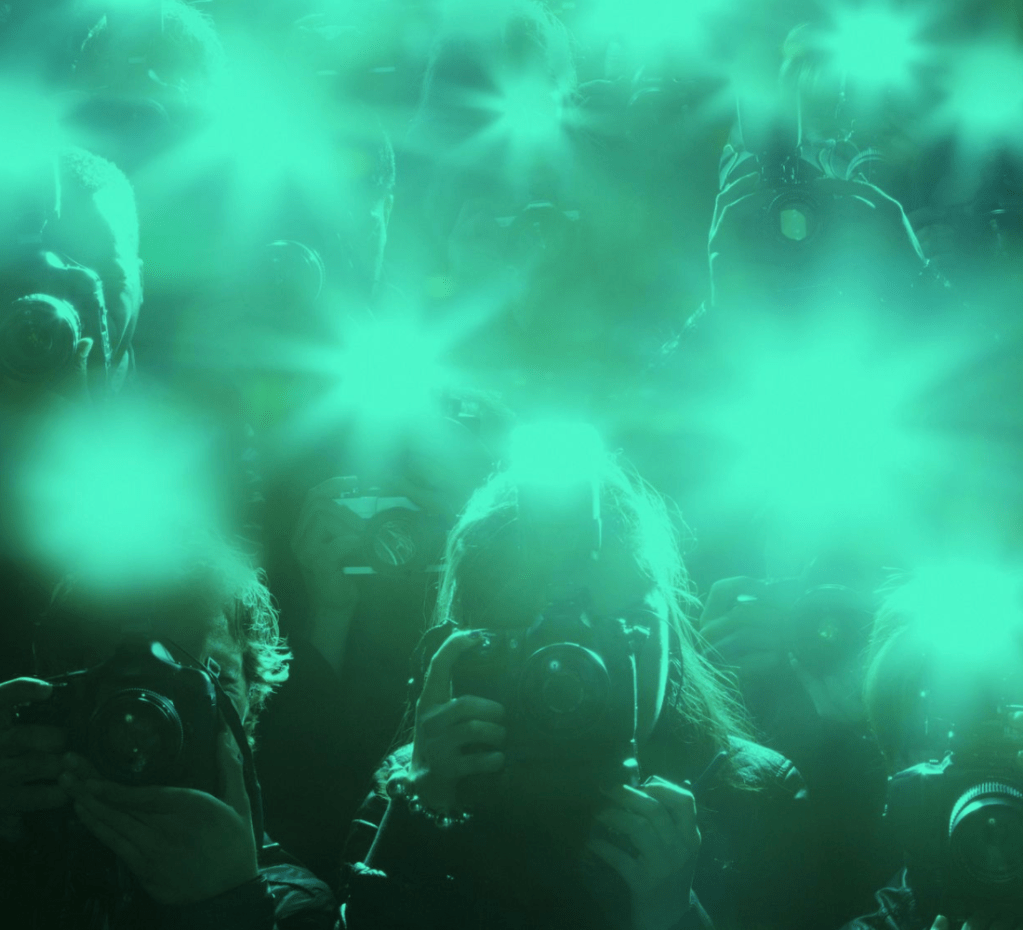
Just two days ago Emily Ratajkowski, a well known model, released an article about the complicated struggle of owning her own image. Simply put she brought to light the downsides of bodily capital, specifically as a current day model, and the complicated nature of seeing photographers and alike use her image for their own gain and without her knowledge.
TikTok is a popular app that allows users to post a video up to 60 seconds long of them singing, dancing, acting, cooking, etc. Millions of people, of all ages, use the app to express themselves and share information or art with others.
TikTok uses an algorithm to create a “for you page” full of users and videos that are tailored to your interests and likes. On my “for you page,” I see videos about cats, rescue animals, Hamilton, and engineers. However, something I do not see is a lot of disabled people. It took months of being on the app before I saw someone in a wheelchair on the app. She is a dancer and I was shocked; not because she was in a wheelchair and dancing, but because I never expected to see someone dancing in a wheelchair. In all of the months I have been on TikTok, I have seen dozens of people dance to viral songs. All involve hand movements and minimal feet movement, so why was I surprised to see someone in a wheelchair doing the same thing? A lot of the dances do have to be modified for the dancer’s specific ability, but they are still very similar to the original dances. These creators need to be promoted in order to show that anyone can dance and enjoy participating in TikTok trends.
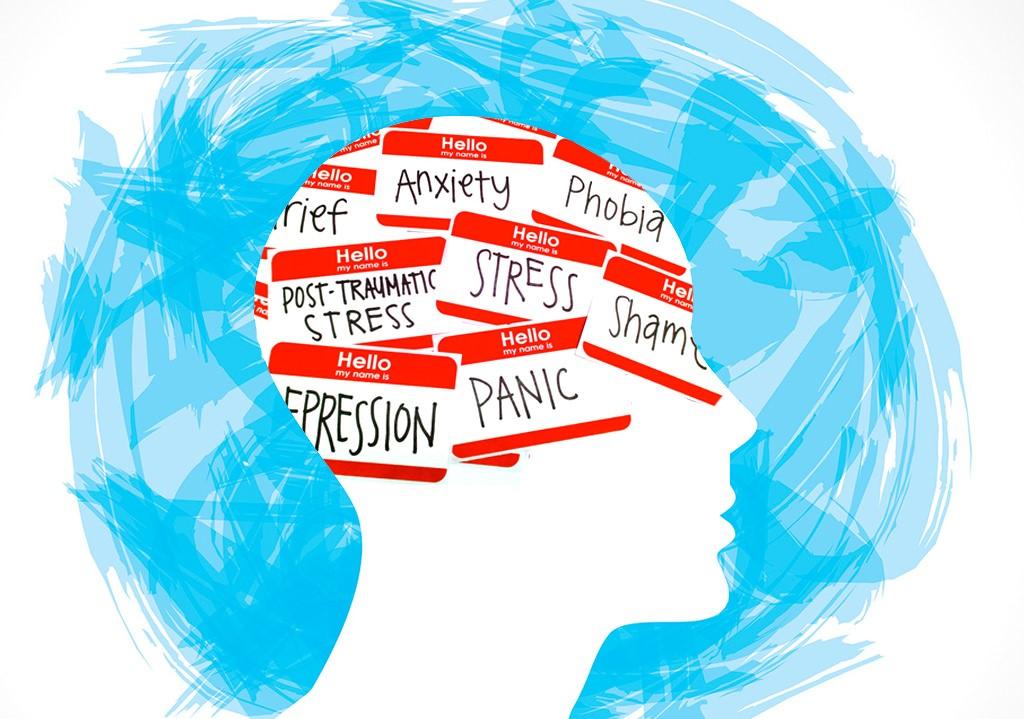
Mental Health has been a topic people have been talking about in today’s society. Our mental health can impact many of our relationships, friendships,and many experiences we may have in our life. Mental health should be talked about just as much as physical health. We tend to put a great investment of time on physical health but not much for mental health. For example, if someone were to break their leg, they will automatically call a doctor. When addressing mental health many people do not really talk about it, simply because of the stigmas that are attached to it.
We should break the stigmas about mental health and embrace an open communication through our society. We need to help others know that it is okay to ask for help. Life can be challenging at times and we never know what might happen, but all we can do, is keep our head up and take it one step at a time. Sometimes we go through things in life that makes us feel like we have hit rock bottom but always remember to “just keep swimming” as dory said. Also ask for help if needed. Sometimes we might feel like dory and not know where we are going and how to get somewhere, but just keep your head up and “just keep swimming”.
It is okay not to be okay!
Remember that every difficult road you come across; it often leads to a beautiful destination. If you ever feel like you are lost or need help, do not hesitate to ask for help. There is no shame in asking for help. Do not be scared to ask for help! We are all in this together!