Identity Denial

Identity Denial

I spent significantly more time figuring out a name for myself than I did understanding my sexuality or gender. It kind of came naturally to me once I was open to all the possibilities. Even still, I wish I had chosen another name and while I have one in mind, I never switched to using it because I didn’t want to inconvenience other people. My current chosen name is very basic and easy, while the other I would probably have to spell out regularly. I don’t even know if it’s a bad thing, because when I see my current chosen name I see MY name which means a lot. However, it’s so weighed down by my family being complete assholes about it.

My family frequently points and laughs when my chosen name shows up (on my mail, for example) and make comments when I remove my dead name from things. At thanksgiving, my cousin set the table and went out of her way to write names on napkins for everyone. Despite me being out, she still made the decision to do this, and to write my deadname. I immediately turned it over and someone else judged me. I don’t know, maybe consider not being a dickhead? “Be kind to others” they all say, until they don’t like you, I guess.
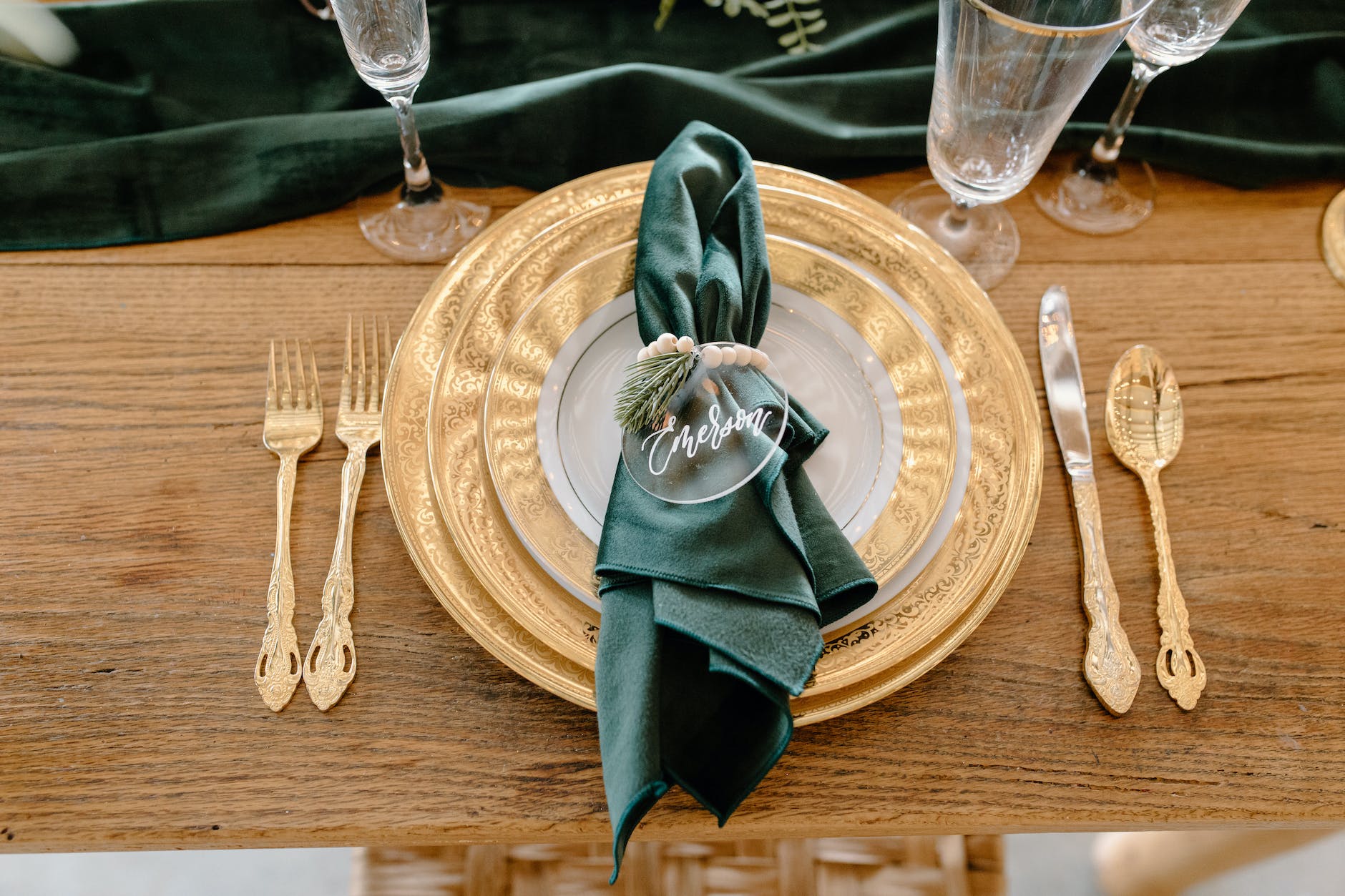
Photo by Tara Winstead on Pexels.com

Nonetheless, a story I think about frequently is that when I was younger and before I considered being trans, I thought I was a lesbian. I came out to my grandparents, who told my dad (which, don’t do that.) and he looked at me and said “No you’re not.”. What’s funny is that he was right, but he didn’t say it because he was right (he would rather I be cis + straight not trans + bi, probably). There’s a lot of denial towards anything other than cisgender and heterosexual identities, and my identity is always erased around my family and yet they all get confused when I avoid being around them.

I long for how things could’ve been. Where I had the guts to pick a different name I like, and I had the confidence to stand up to other people. But maybe I’m just as strong for remaining unchanged in my identities. Maybe I’m still strong for remaining alive. And maybe that is enough.
My Autistic Reading of Elsa from Frozen

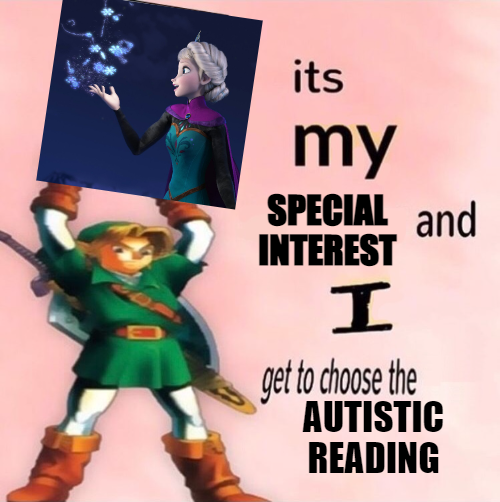
picture of Link from Legend of Zelda, holding an image of Elsa (Frozen). Text that reads "It's my special interest and I get to choose the autistic reading"

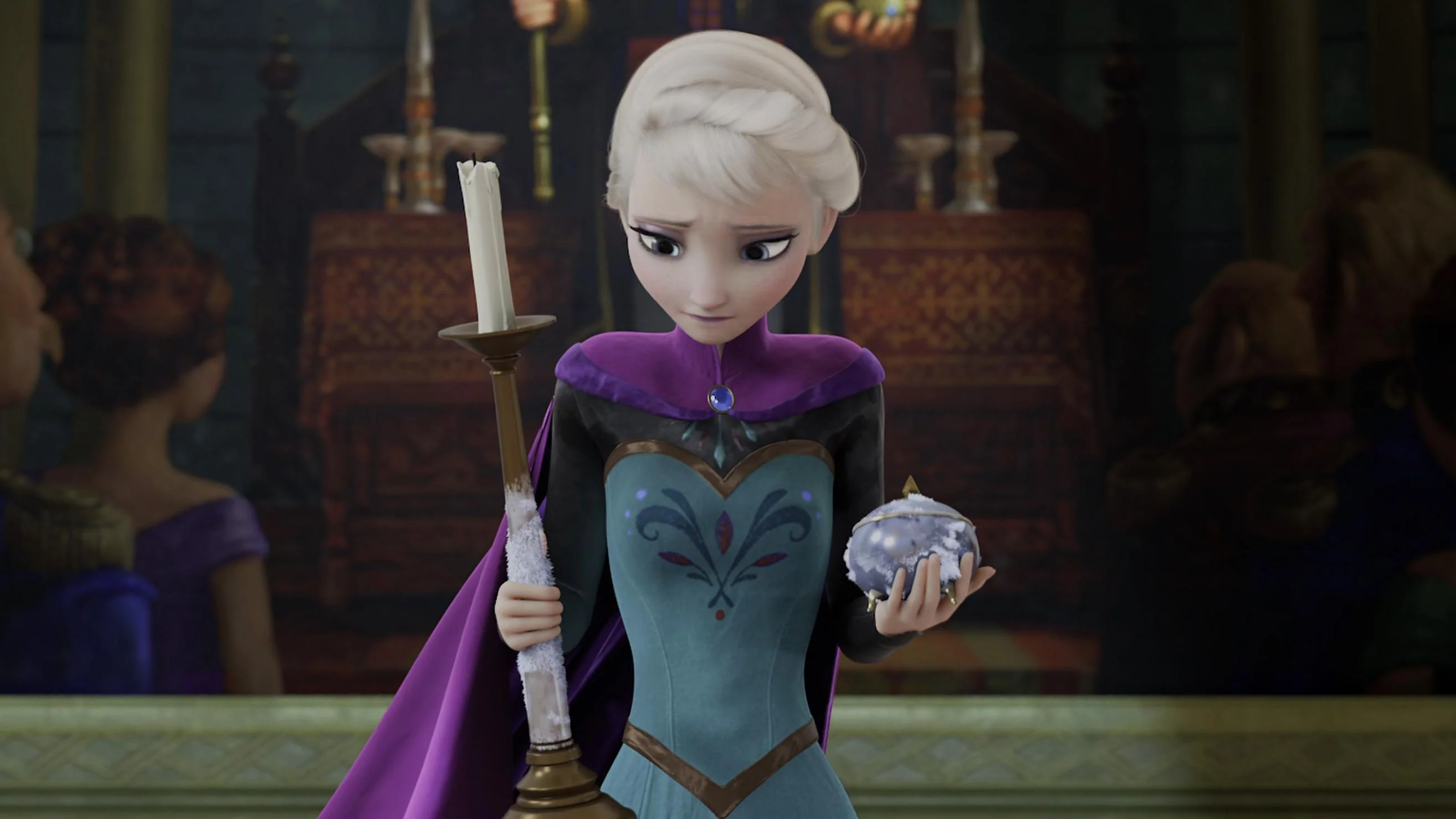
A lot of people have read Elsa’s story from the Frozen movies to be queer. Relating her letting go of fear and embracing her true self to be similar to a coming out story. As a queer person myself, I can see why and I totally agree, but I would also like to share why I consider it to be autistic. I’m a little bias since her story helped me cope a lot with the changes I made figuring out I’m autistic. There was a lot of anger, fear, and anxiety which is very prevalent in her arc of the first movie and it connected with me a lot.

The 3rd song of the movie, “For the First Time in Forever“, has some really interesting lyrics from Elsa:

Conceal, don’t feel

Put on a show

Make one wrong move and everyone will know

This is during her preparations for her coronation, where I feel that she is having to mask. She has to appear normal and if she messes up, everyone will know she isn’t. I relate it a lot to social expectations, being reserved and scared to mess up. I’m still that way, because I haven’t really figured out when it’s okay for me to talk. I beat myself up after any social interaction when all I did was add to a conversation, but I feel like I take up too much space when I do.

Moving on, I get sensory overload really fast and it takes a really long time to recover and I need to be alone for that. This is where I relate to her outburst at the event, and she runs away. She reveals herself and retreats and it feels very very similar to slipping up and the need to hide because of that. It’s embarrassing to be autistic around people who don’t really understand.

If we consider Elsa’s ice powers as a metaphor for autism, there’s a lot that can be done with that. This obviously isn’t explicit in the movie, nor the intention, but I will do it anyway. I think using her hands for create spirals of ice, especially in her song “Let it go”, where she is finally free to be her true self, the motions could be considered stimming. Stimming can be a lot of different things, but hands movement is common enough that I can relate, and hopefully so can other people. Apart from that, I think that her having to hide that specifically is good for an autistic reading. Her powers is the specific thing other people can’t see and it’s the one thing preventing her from “being/appearing normal”. Her parents desperately trying to teach her to conceal the powers is a lot like being trained in behaving “correctly” (obviously this isn’t about “bad” behaviors, but rather harmless autistic ones).

If we rewind a little, to the beginning of the film, the ice powers being a source of joy for Elsa and Anna, is a lot like embracing differences before you find them to be “weird”, before you’re taught to not be *like that*. Anna’s inclusion in this reading is really meaningful, because she is supportive. We know the parents care, but are going about it in a terrible way. Anna’s acceptance and care are the only reason the movie can end with Elsa being embraced by the kingdom and being able to use her ice powers freely.

Autism and the Prevention of being Trans

Autism and the Prevention of being Trans

There’s a problem with anti-trans activists trying to deny gender-affirming care to someone diagnosed as autistic. While it isn’t impossible to receive gender-affirming healthcare with an autism diagnosis, some people have reported issues with being denied on the idea that autistic people do not know their own mind or bodies.

This is becoming a concerning issue when you have to either choose to be autistic or choose to be transgender. I do not mean that you have to choose which one to identify with, as I consider myself to be both, I mean in accessing healthcare. There’s been a trend between transgender people having to choose between gender-affirming care or mental healthcare. James Pisani has noticed an issue where trans people sign up for insurance with good transition care, but terrible healthcare. While it wasn’t discussed in the article I read, when it comes to making a choice, you face mental health issues either way. If you choose good transition care, you get more gender euphoria, you face less personal and public issues regarding how you present yourself, even if it’s at the cost of mental health care and autism support. Say you aren’t the majority of people who made the previous choice, and you instead sacrifice gender-affirming care for mental healthcare. Even if you have the best mental healthcare possible, you will still face the dysphoria or other issues that come from being trans. Being transgender is already a toll on mental health (for most people, I think).

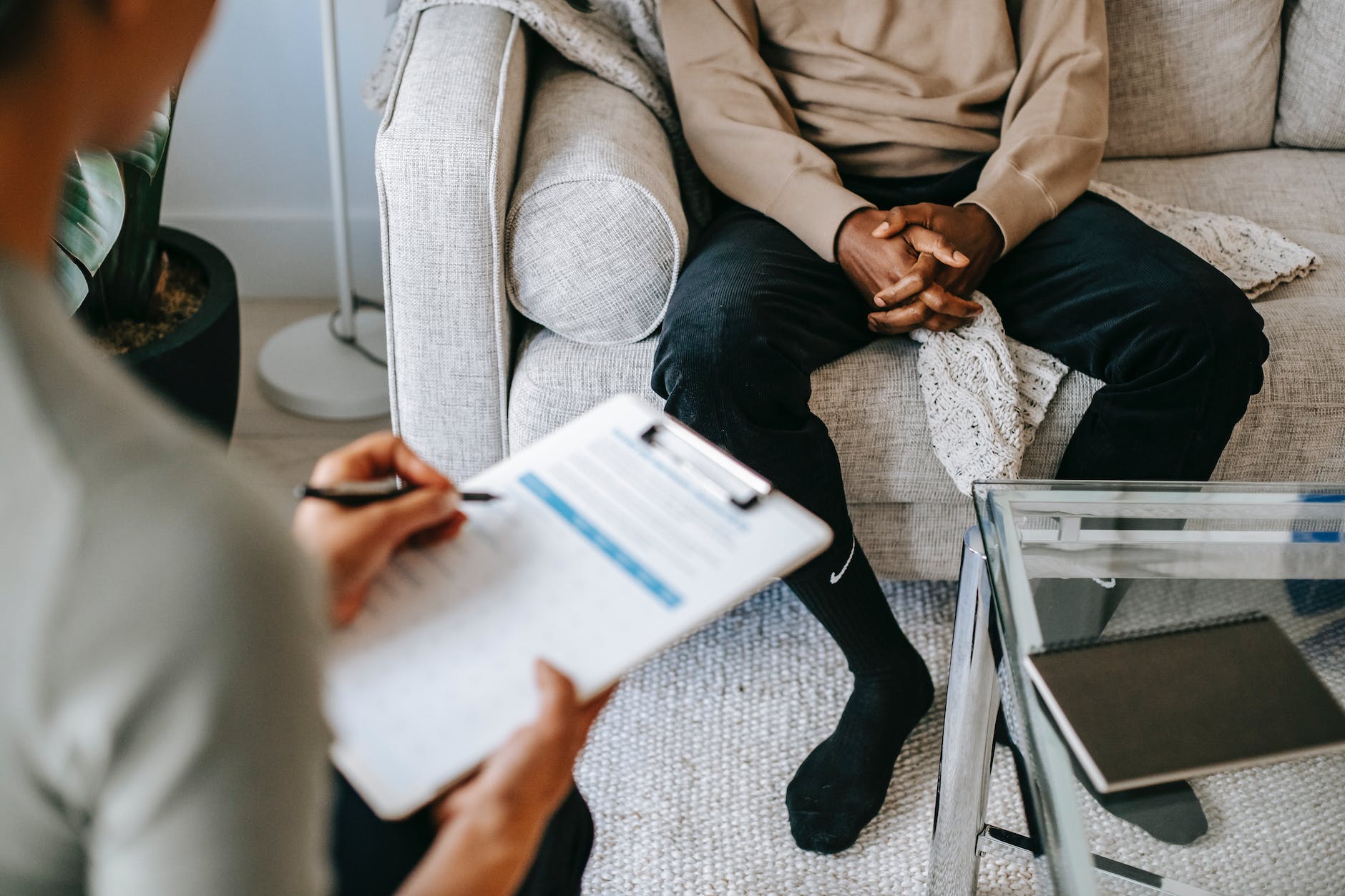
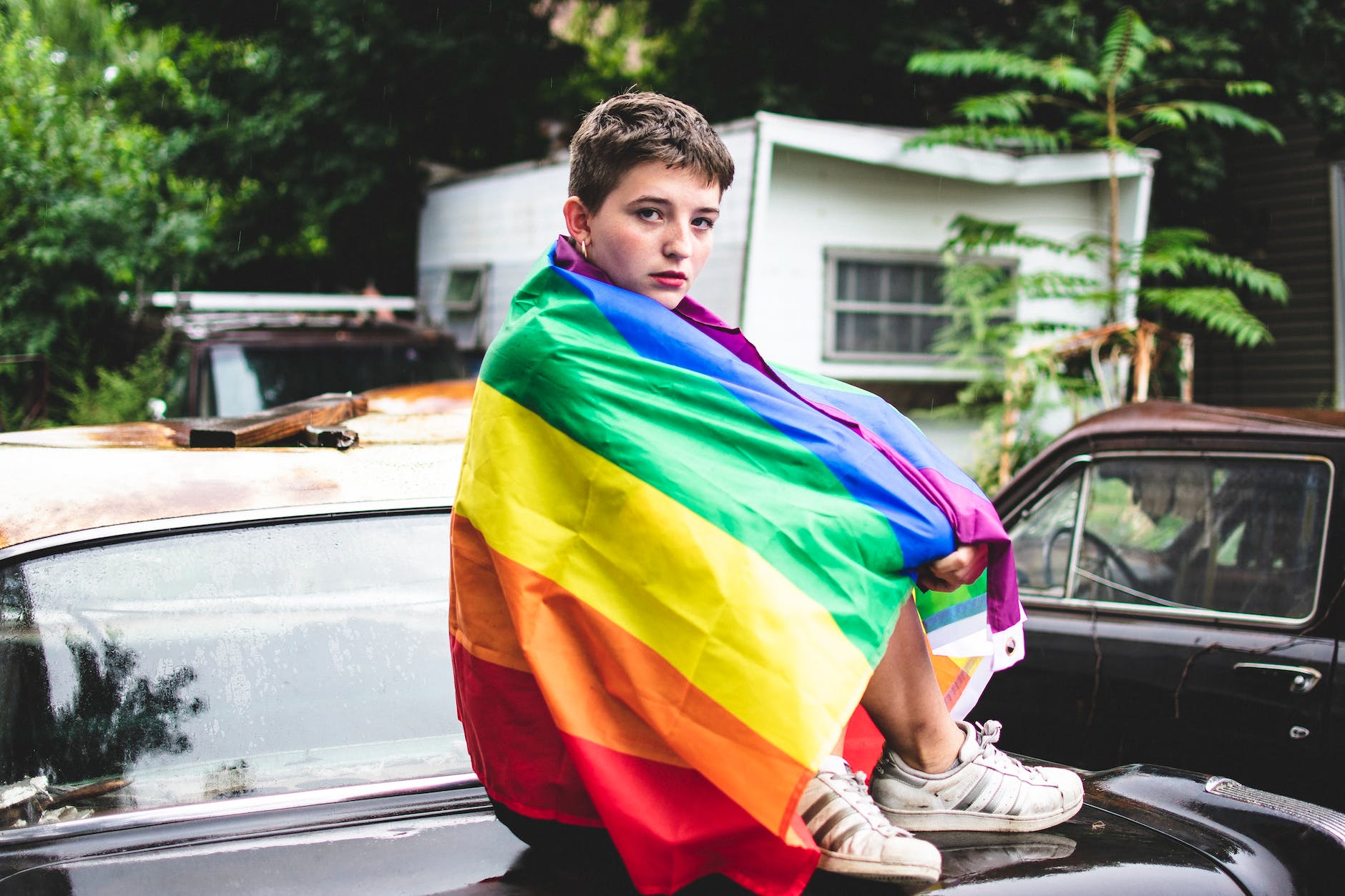
A slider image, with one side showing someone in therapy or similar location with another person holding a clipboard (This is meant to represent choosing healthcare). The other image is someone sitting on top of a car, wrapped inside a rainbow flag (meant to represent choosing transgender care).

Moving on, there’s already been a consistent problem in trying to deny trans identity for a long time. Especially when it become regarded as a “trend”, instead of wider visibility that made people consider their own idea. This exact thing occurs with autism, where some people see the rise in autism diagnoses and consider it to be a trend, rather than the fact they were always autistic and just never had the knowledge or resources to know beforehand.

Correlation between being gender-diverse and being autistic is still under-research. Some researchers, and myself, think that when someone identifies as genderqueer or autistic/ND in some way, that they are less concerned with fitting into society, and are more willing to consider their identity.

I want to wrap this up by the idea that although there’s an overlap in being genderqueer and autistic, that doesn’t mean either should be taken less seriously. I think there needs to be a pushback against the idea that autistic people are incapable of understanding themselves. Thank you for your time 🙂

Sources:

What are Memories like if You Can’t Visualize Them?

What are Memories like if You Can’t Visualize Them?

Perhaps you’ve heard of something called “Aphantasia” which is when someone can’t visualize things in their mind. This comes from the Greek words “a”, meaning “without” and “phantasia”, which is “the capacity to form mental images. (Metivier, 2022) Apparently, only 2-5% of the population has aphantasia, assuming people figure it out about themselves. Curious? Try the VVIQ test.

Read more: What are Memories like if You Can’t Visualize Them?

What does this mean for memories, though?

“People with aphantasia reported a reduced ability to remember the past, imagine the future, and even dream. This suggests that visual imagery might play a key role in memory processes,”

Alexei Dawes, PhD Candidate in the UNSW School of Psychology

Some aphantasics are still capable of reliving other senses, such as a feeling (how water feels on your skin, sun warmth, etc.), audio, or tastes. However, there are still many who don’t have any of these mentally. Everyone is a little bit different when it comes to what’s still present and what’s not, especially since we don’t know very much about “minds” at all. In a study about aphantasia, 26% of participants reported a lack of multi-sensory imagery.

If this is too hard to grasp, look into your own mind with such: Can you visualize a beach (No cheating with the picture)? Can you smell the salty air? Can you feel the sand on your toes or the sun on your skin? Can you hear the waves crash or the seagulls in the sky? Are you feeling emotions associated with the beach? Joy? Excitement? Irritation? Maybe you can do all of these. Maybe it’s a little vague. Maybe you can only see the image. If you take this idea, those 26% participants either can’t do any of these senses, or can’t do a majority of them (besides visualizing, because of course they can’t).

So what if none of these exist in your “mind’s eye”? For myself, who can’t visualize any of these things, it’s like a story. I have an inner voice, which does everything for me. It has my current thoughts, it speaks of my memories, it even does the sound effects as if my own voice made them. My memories are written like a story, which is hard to grasp for people who have always visualized a story when they read it. My memories are made up of only words and descriptions. Sometimes when I want to remember a situation I’m in, like a day out with my friends, I think of specific ways to describe things for later. It’s got a huge benefit because this means I can describe ideas or things to someone very easily, compared to someone who has to translate mental images into words.

That doesn’t apply to everyone, of course. I’ve talked to someone who was able to visualize something they’ve seen before, like an apple. On the other hand, they experienced memories similar to myself, where it’s like a book.

I highly encourage you to look within your own mind, and maybe you’ll learn something new.

Sources: