Autism and the Prevention of being Trans

Autism and the Prevention of being Trans

There’s a problem with anti-trans activists trying to deny gender-affirming care to someone diagnosed as autistic. While it isn’t impossible to receive gender-affirming healthcare with an autism diagnosis, some people have reported issues with being denied on the idea that autistic people do not know their own mind or bodies.

This is becoming a concerning issue when you have to either choose to be autistic or choose to be transgender. I do not mean that you have to choose which one to identify with, as I consider myself to be both, I mean in accessing healthcare. There’s been a trend between transgender people having to choose between gender-affirming care or mental healthcare. James Pisani has noticed an issue where trans people sign up for insurance with good transition care, but terrible healthcare. While it wasn’t discussed in the article I read, when it comes to making a choice, you face mental health issues either way. If you choose good transition care, you get more gender euphoria, you face less personal and public issues regarding how you present yourself, even if it’s at the cost of mental health care and autism support. Say you aren’t the majority of people who made the previous choice, and you instead sacrifice gender-affirming care for mental healthcare. Even if you have the best mental healthcare possible, you will still face the dysphoria or other issues that come from being trans. Being transgender is already a toll on mental health (for most people, I think).
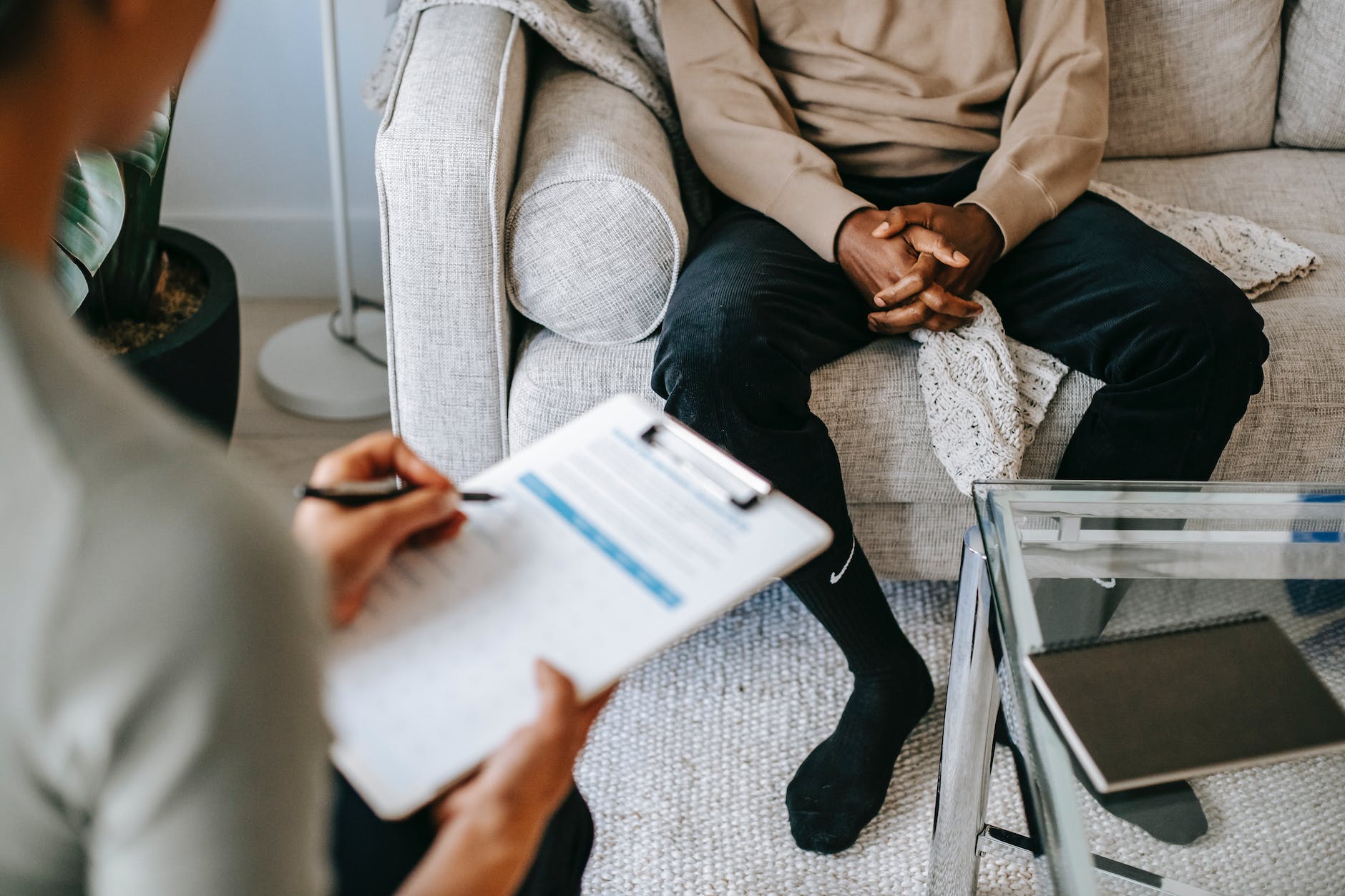
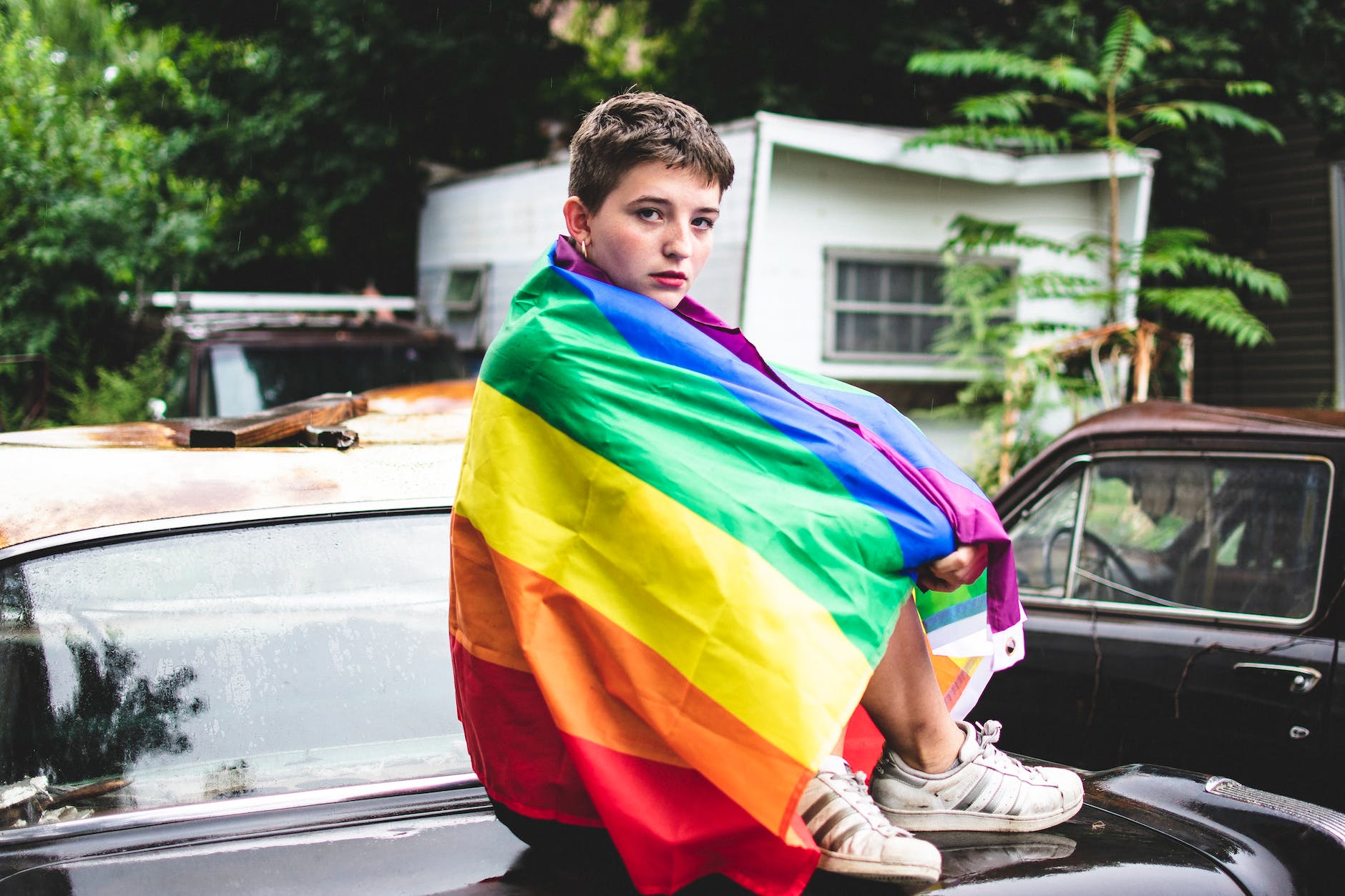
A slider image, with one side showing someone in therapy or similar location with another person holding a clipboard (This is meant to represent choosing healthcare). The other image is someone sitting on top of a car, wrapped inside a rainbow flag (meant to represent choosing transgender care).

Moving on, there’s already been a consistent problem in trying to deny trans identity for a long time. Especially when it become regarded as a “trend”, instead of wider visibility that made people consider their own idea. This exact thing occurs with autism, where some people see the rise in autism diagnoses and consider it to be a trend, rather than the fact they were always autistic and just never had the knowledge or resources to know beforehand.

Correlation between being gender-diverse and being autistic is still under-research. Some researchers, and myself, think that when someone identifies as genderqueer or autistic/ND in some way, that they are less concerned with fitting into society, and are more willing to consider their identity.

I want to wrap this up by the idea that although there’s an overlap in being genderqueer and autistic, that doesn’t mean either should be taken less seriously. I think there needs to be a pushback against the idea that autistic people are incapable of understanding themselves. Thank you for your time 🙂

Sources:

Bodies in Motion

Bodies in Motion

This is my last semester of college and I am now going to transition from being a body in academia to a body in the workforce. This is a terrifying new concept because I honestly never became comfortable in academia and now I get to go be uncomfortable in a whole new arena.  Continue reading

Blue Pills

Blue Pills

I went on estrogen almost four months ago. I don’t really pay attention to it much –I had to check to see if that was even right. As someone who is on HRT I think there is a serious gap in the discussion.

Continue reading

A pass on passing

A pass on passing

I am a nonbinary trans woman. Within the first year of being out as transgender I was constantly plagued with people asking “When are you going to go on hormones?”, a question which has & still does annoy me to this day.

The dialogue that every trans person must, or should, inherently want to seek medicalized transition, is a deeply flawed & even toxic viewpoint to hold.

Continue reading

Princess Joules

A few days ago, I have rediscovered one of my favorite YouTube bloggers, Princess Joules (Julie Vu). Princess Joules has been documenting her transition from male-to-female for about 3 years. About 5 months ago, she went under sex reassignment surgery and made a complete transition. What I love about her videos is that she is honest about her experiences. In the video below, she tells us about her feelings as she is an hour away from surgery.In class, we’ve read about how a transgender person must have a psychological assessment done before they are approved for sex reassignment surgery. I personally felt that it was upsetting that they had to prove that surgery was necessary; society should not be able to police our bodies, especially when we know ourselves best. However, Princess Joules tells us the truth about her feelings – something that most of us would not expect…

After seeing this video, a few questions came to mind:

  • Before Princess Joules came out as transgender, she came out as a gay male. I want to know if surgery changed her perception of her own sexuality. Because she believes that, internally, she is a female and belongs in a female body, and she is now a legal female, is her sexuality labelled as straight?
  • How do most transgender people define their sexuality after their transition into their true selves?
  • If we completely got rid of gender roles, gender, and sexuality (LGBT), how would we define our self?

Continue reading