Our relationship has been rocky for the past 22 years, to say the least. Some days, I see you and I smile. I stop and admire the little things about you. Sometimes that admiration stays, feeling like how a breeze feels on a warm summer day. Sometimes is not all the time. Most days, I see you and I want to cry. The little things I once admired have since disappeared, and the comforting breeze on that warm sunny day has turned into the searing gusts that cut my skin and leave me raw. These days are much more frequent. More often than not, when I pass you as I leave for the day, making eye contact with you is impossible. I avert my eyes to avoid the death by a thousand cuts that I know will ensue if I stay with you for too long.
I don’t know what its like to be comfortable with you. To be happy with you. To be secure with you. You have caused me endless tears, endless confusion, endless dread. What is it like to look in the mirror and feel completely and fully affirmed by you? Has anyone ever felt that? Or am I chasing a mirage, a confidence that will never truly be achieved by someone with a human brain and human body?
I hope that one day you and I will make amends. Maybe one day the gusts will turn into breezes, and my cuts will heal.
As I was watching Crip Camp (2020) for this class, I was reminded of one of my favorite childhood memories. My mom was a special educator for the Deaf and Hard-of-Hearing for around 25 years. She used to teach in the city schools of Brooklyn, and began working in Baltimore City when my family moved from New York to Maryland. My mom was like a second mother to her students. She would often bring hot food to her students around the holidays, crowd-source school supplies, teach her students Latin-dancing, and even would have some of her students over to her house when they were having a rough time at home. I treasured the days that I was able to come visit the classroom and her students. It always made me smile to see how my mom so deeply cared about her kids.
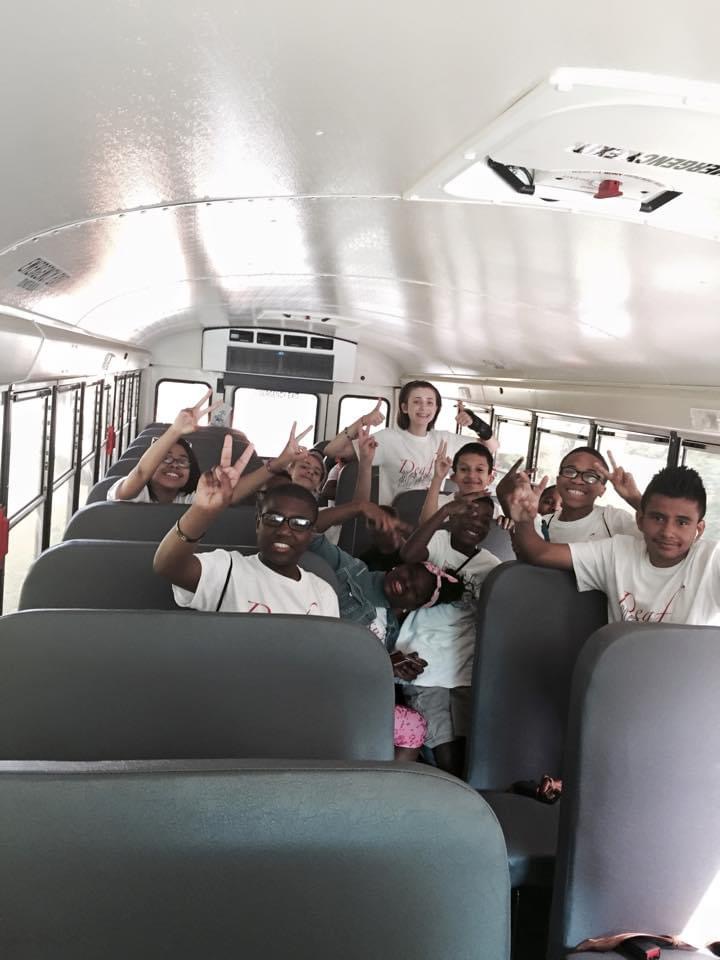
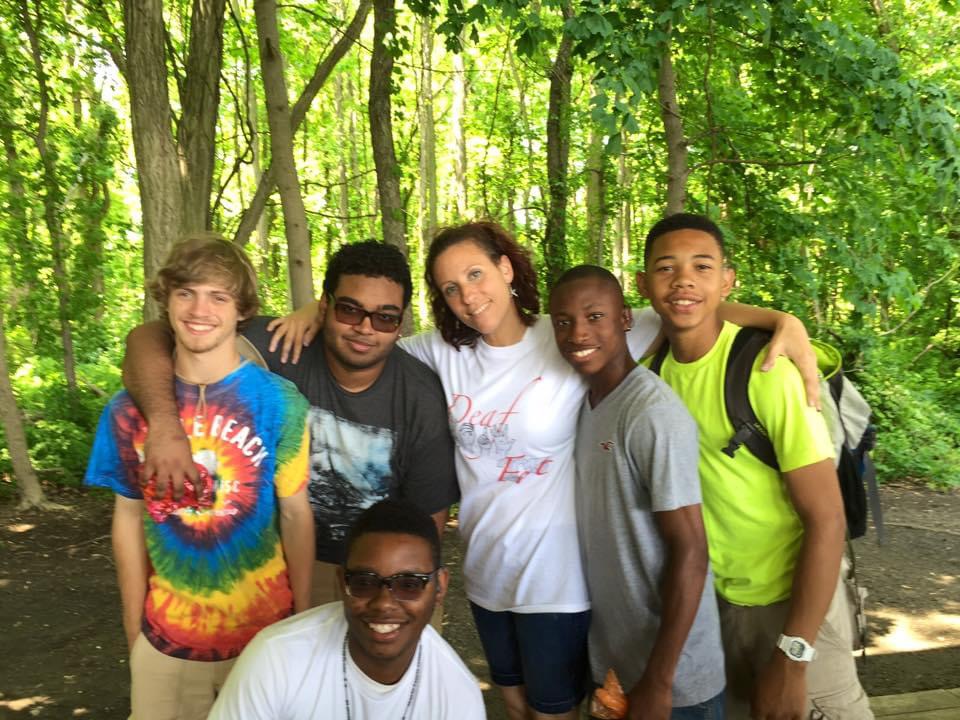
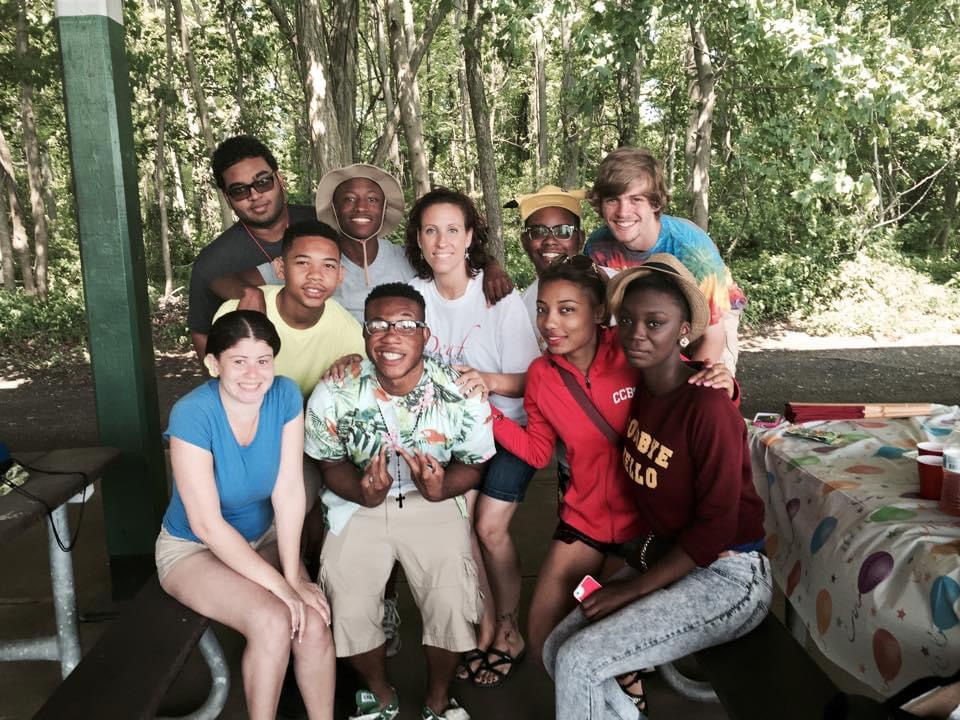
One of the things my mom and the other teachers did for the Deaf and Hard-of-Hearing students every year was Deaf Fest. One sunny day at the beach every year, complete with matching t-shirts designed by my mom, grilled hotdogs, hamburgers, pavilion snacks, arts & crafts, and games. The bus ride to the beach was loud and cheerful, and every student was so excited for the festivities to come. The students gave me my sign name during Deaf Fest one year- the letter “S” combined with the sign for “dance”, because I was always dancing around the classroom when I came to visit them. On the bus and in the pavilion, my mom’s students would help me learn sign language by signing to me. Even though I was very young during these years, I could feel the powerful sense of community Deaf Fest brought.
Although Deaf Fest only happened one day at the end of the school year, I was reminded of the happy memories it brought as I was watching Crip Camp. Nostalgic images of Deaf Fest floated through my mind while I witnessed the ways in which Camp Jened members were seen and supported during camp. I also saw resemblance in my memories of the days spent in my mom’s classroom, how the school system rendered these kids invisible to the hearing world. In my college years, I find myself eternally grateful for being able to experience the joy that Deaf Fest brought to my mom’s students, and I hope that I have the privilege of experiencing that level of community again.
Growing up with a twin brother taught me more than I would like to know about emotional labor. From my first memories of us growing up together, I knew that the expectations I was held to were quite different from those that my brother was held to. I was expected to be the picture of emotional maturity. Conflict resolution, good communication, and empathy was something that was supposed to be built in. My brother was merely expected to be a boy. The worst part about the expectation of performing emotional labor is that it goes largely unnoticed and unvalued.
When I was a child, maybe 7 or 8, my twin brother and I would fight relentlessly. I would come to hang out with him and his friends, and the argument would usually start of by him declaring that he did not want me there because I was a girl. I would defend myself and my ability to hang with the boys, and eventually he would give in. This was not the end of the emotional torment. Once it was decided that I was allowed to stay, my brother would do anything he could to belittle me, whether that was emotionally or physically, many times both. Sometimes I would ignore and play nice, and sometimes I would snap back. Snapping back never worked. The fight would escalate with my attempts to defend myself. It always came down to the fact that he was bigger than me or meaner than me.
When I had finally had enough and went to my parents for help, I got the same answer most of the time: “Don’t take it personally, boys will be boys. Either don’t hang out with them or suck it up and go back in.” Here is where the imbalance lied. I was always expected to do one of two things. My first option was to go back into the room and diffuse the situation, either by apologizing or by pretending like nothing happened. My second option was to stop hanging out with my brother and spend the rest of the day alone, thinking about what had just occurred. Either way, I was expected to perform emotional labor while no emotional labor was ever expected of my brother.
You would think that being expected to perform emotional labor since childhood would make one better at communicating in emotionally charged situations. For me at least, it did the opposite. I have spent so long prioritizing the diffusion of social situations that I seem to have forgotten how to advocate for myself. Instead of assertively communicating when someone has hurt me or I want something different than someone else, I freeze or avoid, which ultimately makes the situation worlds worse than if I just stood up for myself. Emotional labor is something that should be taught with equity and highly valued, not something that is expected of someone because of who they are. When emotional labor is expected rather than taught and respected, it can quickly become a source of massive trauma.
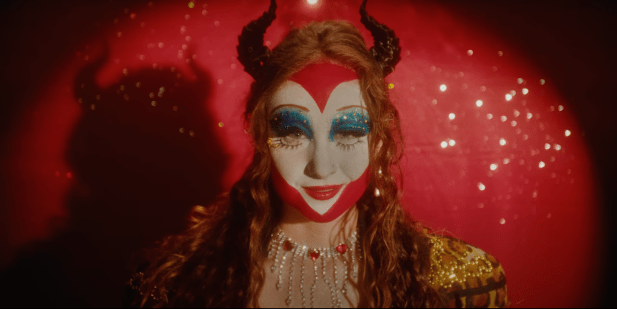
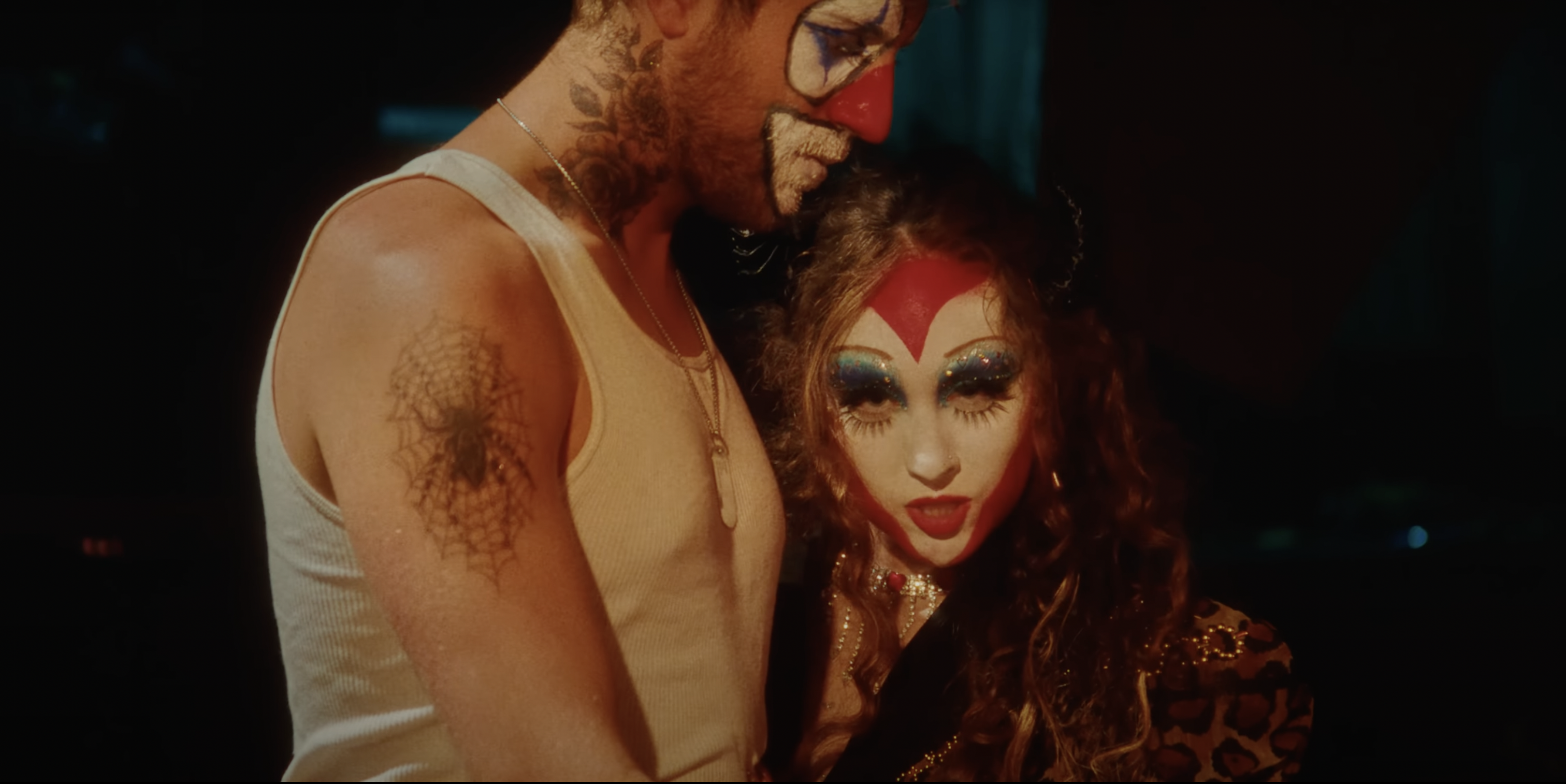
It’s 2023. I have just shut my computer after a grueling day of classes and homework, all to turn my attention to yet another blue-lit screen. As I catapult myself into my bed, I open YouTube in search of the Bob Ross marathon live-stream that I can always count on being my first suggested video. As the app opens, instead of Bob Ross’ comforting face, I am greeted by a smirking woman with curly red hair, glittery clown makeup, and devil horns. Her name is Chappell Roan. As a drag queen myself, I was instantly intrigued. I click on the video, named “My Kink is Karma”, and watch intently.
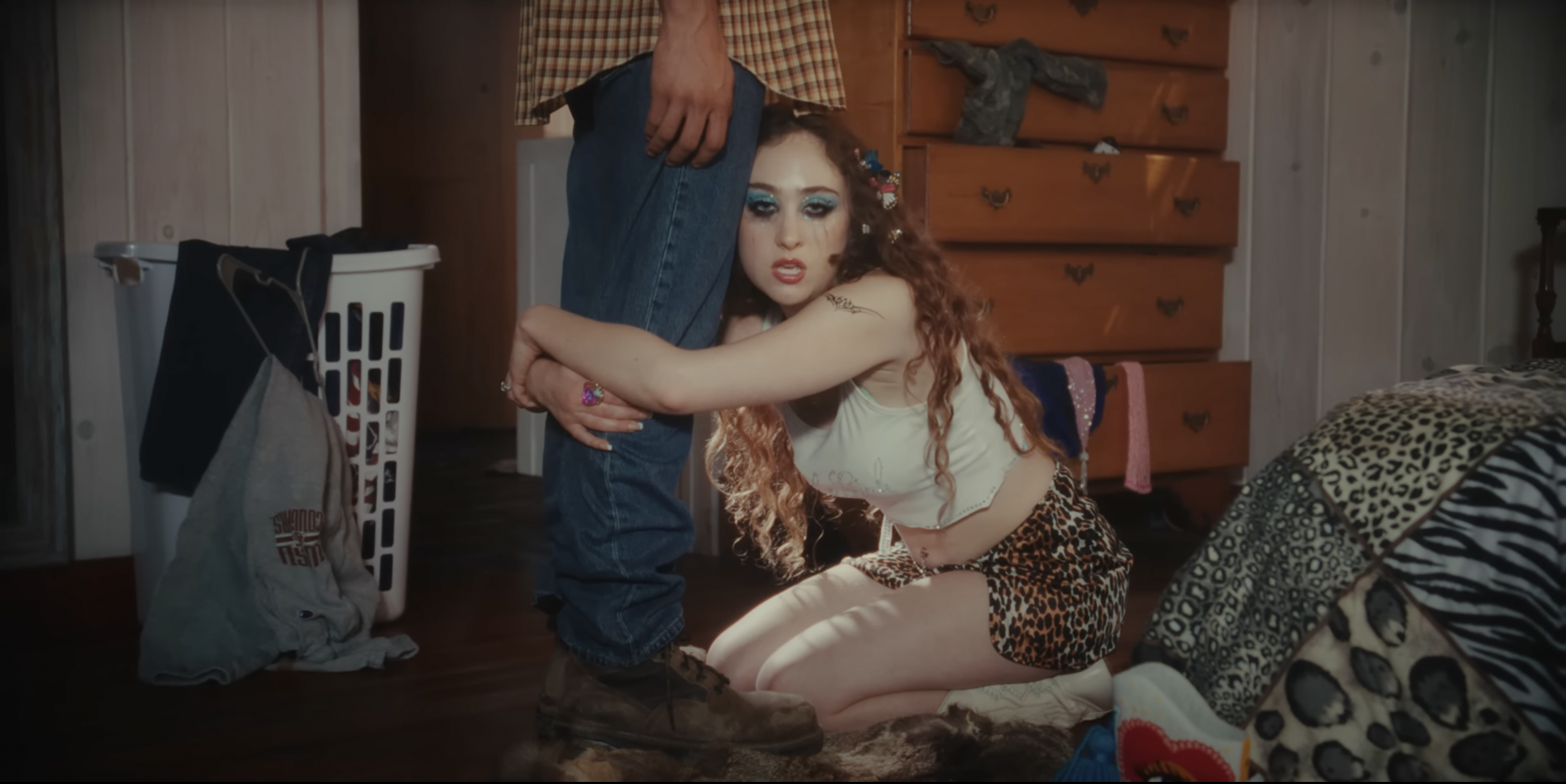
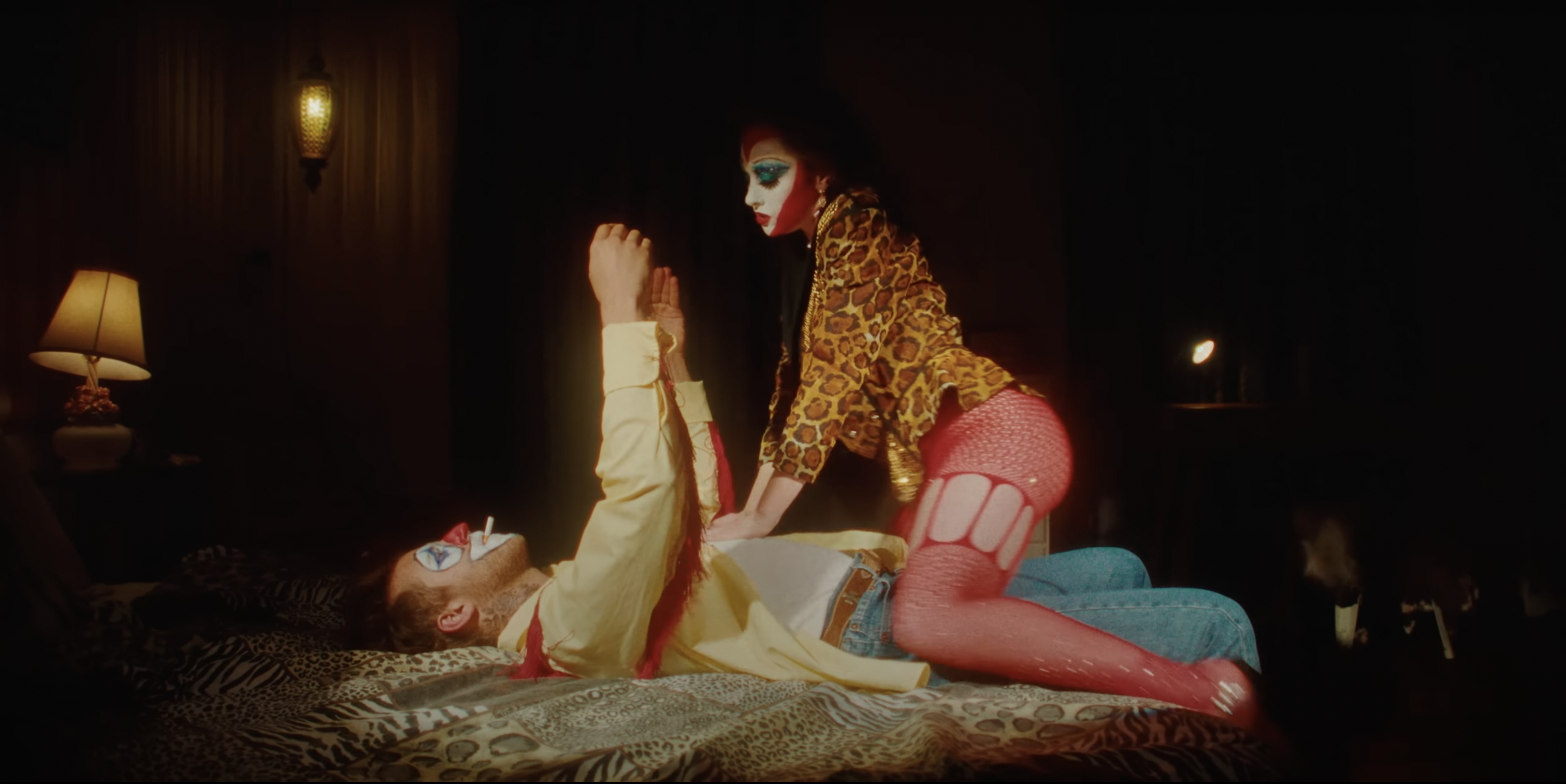
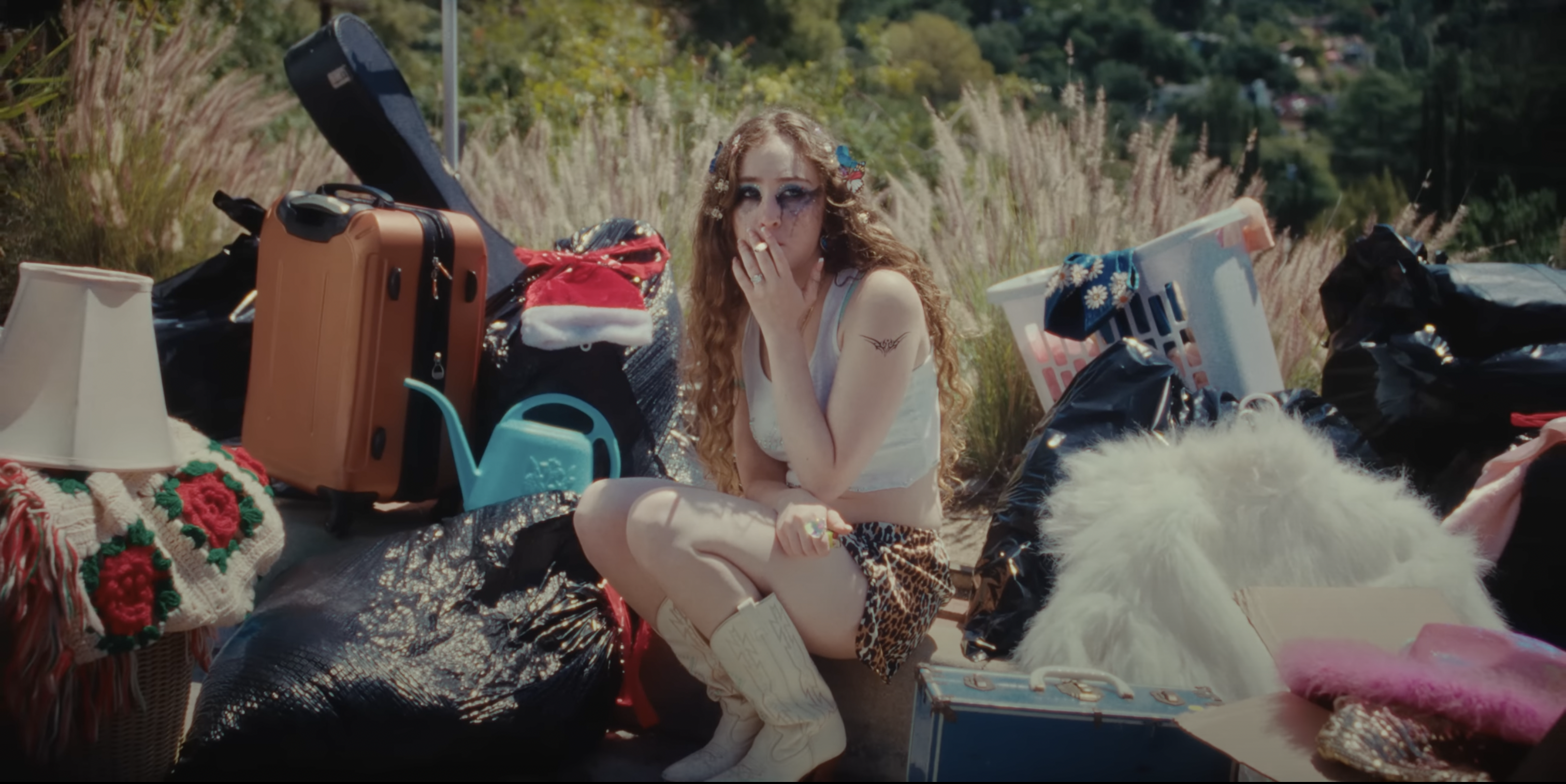
The video begins with Chappell packing her things, mascara running down her face after she broke up with her cheating boyfriend, Clownie. Her body language in this first scene communicates that her potential is repressed by Clownie’s emotionally abusive nature. I notice how during the first verse, it is made very clear that this story is not about him. In fact, his face is not shown throughout the first minute and twenty seconds of the video. As the first verse builds into the chorus, Chappell transforms from sitting timidly on a street curb to embodying power, confidence, and control. Her transformation into her drag persona represents a shift in embodiment, from a place of trauma to a place of dominance. For the majority of the video, aside from the first minute or so, Clownie is notably docile, in a trance-like state controlled by Chappell Roan. This dynamic in music videos, where one party has total control and the other serves as decoration, traditionally mirrors gendered expectations of embodiment. “My Kink is Karma” subverts this dynamic by explicitly depicting how this level of control looks when the roles are reversed.
According to Iris Marion Young’s piece “Throwing Like a Girl” (1980), feminine bodies are taught to occupy less space and use less bodily power compared to masculine bodies. When someone is socialized as a girl for example, they are taught to throw a ball without engaging the entire body; this results in a throw less powerful than someone who is socialized as a man, who is traditionally taught to maximize their physical strength. This dynamic can be seen in the first part of the video. Chappell’s posture is submissive and defeated while Clownie is throwing her things to the curb in a fit of rage.
During the rest of the music video, Chappell Roan breaks every rule of gendered embodiment. She looks directly into the camera while Clownie exists in his submissive state of hypnosis. He does not react when she pushes him down onto the bed, or when she throws his jacket into the fire. He does nothing when Chappell smashes his face into the cake, or when she pins him to the heart-shaped target. Clownie is not there to take up space like men typically do in music videos, but to receive the karma that Chappell exacts. His embodiment is completely in Chappell Roan’s hands.
Although I’m sure there is an argument to be made that reversing the roles of gendered embodiment is problematic because it still privileges one socialized group over another, I find Chappell’s subversion of feminine embodiment extremely compelling. Her video inspired me to revisit the ways that I practice embodiment through art. The next time I am on the stage in my heels (it’s where I belong 🎶), I will think of Chappell Roan’s subversive embodiment.