Docile Department Store Bodies

     When I find myself in need (or want) of new clothes, I often find myself in thrift stores. Early in my transition, this was where I shopped. As soon as I could drive, I would make my way to the local Goodwill and buy a $4 oversized rugby shirt. It was low stakes, high reward. I did not have to drop $20 every time I was curious if I might like to wear something, especially since I was still figuring out my style and tended to wear something for a week before burying it in my closet.

     Now in my life, I can comfortably buy brand new clothing from target, but I rarely do. Something about thrift stores is so inviting and comfortable, and on the contrary, something about department stores has such Bad Vibes. Foucault kind of helped me understand why.
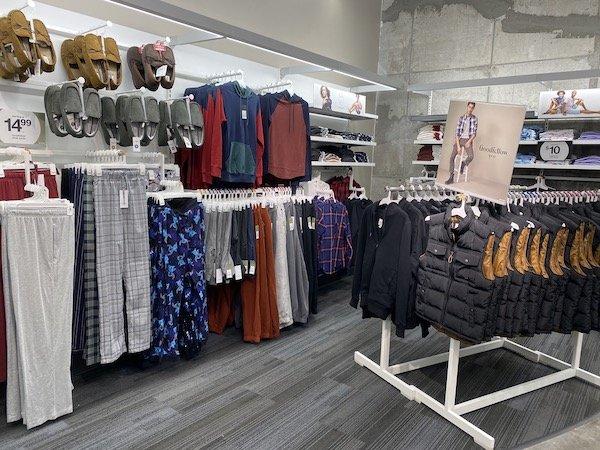
     Discipline is written all over department stores. Everything is in its place, to a meticulous extent – clothes folded or hanging from hangers in neat rows, sleek monochrome mannequins with ironed outfits, identical products stacked in rows of tens. The bodies of the employees have to work on their feet, constantly scanning to see if anything needs to be refolded or if they can smile for a customer or answer a question. The clothes themselves are even surveilling the customers, with tags that will sound an alarm if one step is taken outside of the store with them. I think the worst part for me in department stores is how much power I can feel being taken from me when I look at the options of clothes I can buy. The ultimate reduction of individuality is a stack of the same exact shirt in any size. 
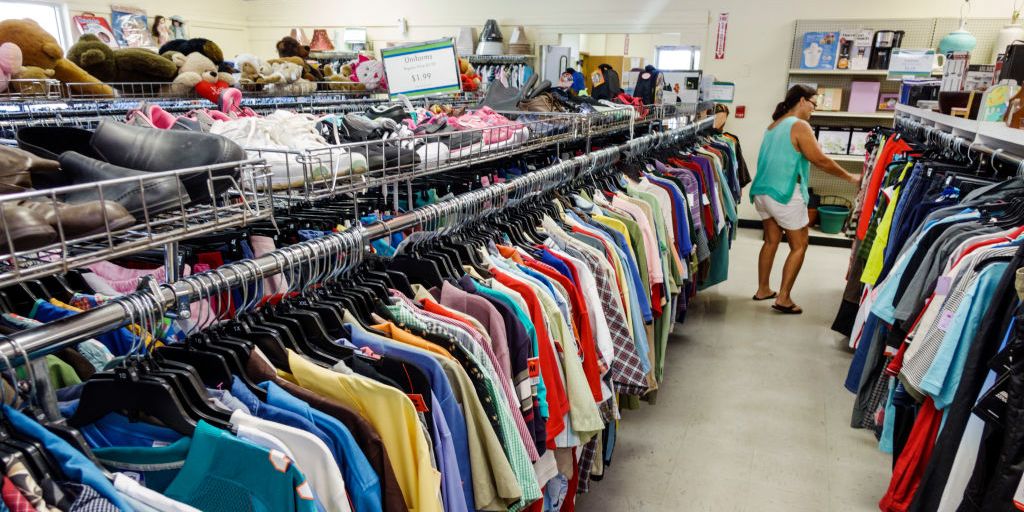
     Alternatively, the relaxing, comforting feeling of walking into a thrift store is unmatched. There are so many ways thrift stores subvert discipline and control. Thrift stores defy the intended life cycle of a piece of clothing or product. Our society wants us to buy new, use, and buy new again, and by ignoring this rule, we can escape a kind of control. Further, thrift stores neglect little details – there is imprecision everywhere! Stains on clothing, clothing you can tell has been worn for a lifetime, clothing that has been out of style for at least 20 years, differently gendered and sized clothing all mixed up together. The maximization of time and money is not evident, either. Employees take their time checking out customers, sometimes impressively slow, and products are usually less than $5! Even considering all of these glories, my favorite thing about thrift stores is the community it takes to curate what is inside. Anyone can contribute to what a thrift store/consignment shop sells, effortlessly ignoring trends in society, providing a vast array of options, and encouraging people to listen to their own desires.
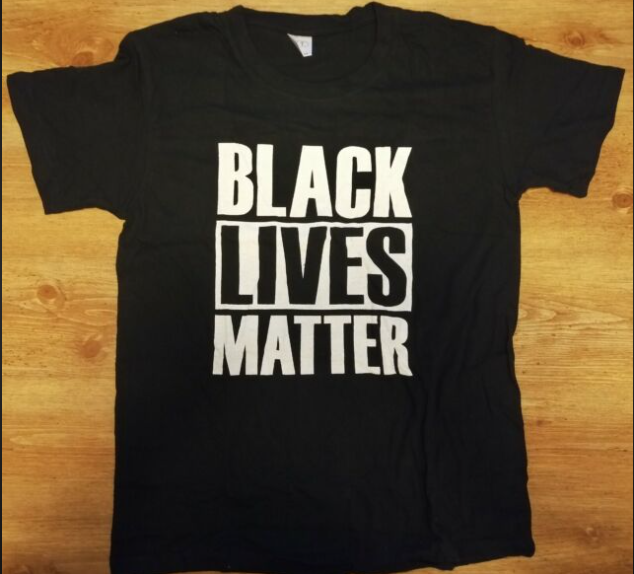
Cultural/political defining a body

Black Lives Matter t-shirt.

There are so many different factors that go into consideration when trying to understand our bodies. After talking in class and talking about how others are seeing your body and creating this sense of meaning that they give you. I had never thought about how others may see my outfits as a political or cultural statement, when really it is just the first thing I found in the morning to wear. I can also understand how we dress to make a statement. Today we can see how political movements are expressed through clothing. For example, it was common to see people wearing a shirt that said “BLM” or even a shirt that would support Trump or Biden at the time of elections. The purpose behind saying that is to think that some people may try to pass a cultural or political message through clothing but sometimes people are not trying but a message about how you dress will be created by people who see you in passing. Talking about what shapes our understanding of bodies like fashion and beauty. We may see certain fashion and beauty standards that we feel we must follow the trends, but they do not represent who we think we are. There are beauty trends to do full faces of makeup and understanding that not everyone wants to fit the standards. We see other things like religion trying to persuade us how you should dress and act. You can see religion as shaping what you wear or being judged if you do not. I personally dress for what environment I will be in, whether it is hot or cold. I do not take into effect how people may read my body based off what I wear when I am not dressing for them. 

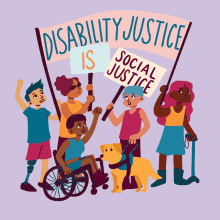
Justice for Disabilities

Disability justice movements are social justice movements that seek to challenge and dismantle ableism. Ableism is the discrimination and oppression of people with disabilities. Disability justice advocates argue that ableism perpetuates harmful stereotypes and barriers that prevent people with disabilities from fully participating in society.

Disability justice movements often work towards a wide range of goals, including increasing accessibility and inclusion, challenging stigma against disabilities, and promoting the rights and autonomy of people with disabilities. This can involve advocating for policies that support the independence of people with disabilities, such as accessible housing, public transportation, and employment options. For example, The Americans with Disabilities Act fights for prohibiting discrimination against people with disabilities in all public and private spaces.

There are many organizations and initiatives that work towards disability justice, including disability rights groups, disability justice collectives, and disability-led organizations. These groups often participate in and organize community activities, including advocacy and educating the general public. Another big group is the Disability Justice Initiative who fight for rights of disabled people of color so that they can participate in America’s economy and democracy.

However, sometimes people find it hard to join in activism activities because it requires a lot of time, energy and resources, or some people just aren’t outgoing enough, or because they experience public humiliation when others misinterpret the cause, and many more reasons. There are many other ways to support the disability activism without actively going to organized events though. You could share and boost articles about advocating for disabilities on social media. You could be more open to discuss disability activism in casual conversations, (of course at an appropriate time). You could vote for laws and policies that support accessibility and inclusion. This particular action is very impactful because it emphasizes it as a national issue.

Whether it is just liking a post about disability justice movements or actively joining a community activists’ event, any amount of recognition for intersections of disability work towards creating a more equitable and just world.

Ways to support Mental Health

Why mental health is important - Alivio Medical Center

Mental health refers to a person’s overall psychological well-being, including their social, emotional, and cognitive functioning. Good mental health is essential for living a happy, healthy, and fulfilling life. It allows us to cope with the challenges of daily life, work productively, and make meaningful contributions to our communities.

There are many different ways to support and improve mental health. One important aspect is seeking professional help when needed. This can include seeing a therapist or counselor, or in some cases, taking medication prescribed by a doctor. Therapy can be a great way to address mental health issues, as it provides a safe and supportive space for individuals to explore their thoughts and feelings and learn coping strategies.

Another important aspect of supporting mental health is creating a supportive and understanding environment. This can involve educating oneself and others about mental health, addressing stigma and discrimination, and creating a culture of openness and acceptance. It can also involve providing physical accommodations and support, such as flexible work schedules or mental health resources, to ensure that individuals have the resources they need to thrive.

In addition to seeking professional help, there are also many self-care practices that can support mental health. These can include getting enough sleep, exercising regularly, eating a healthy diet, and practicing relaxation techniques such as meditation or deep breathing. It can also be helpful to engage in activities that bring joy and meaning, such as hobbies or volunteering.

In conclusion, mental health is a critical aspect of overall well-being and is essential for living a fulfilling and meaningful life. By seeking professional help when needed, practicing self-care, and creating a supportive environment, we can all work towards improving our mental health and the mental health of those around us.

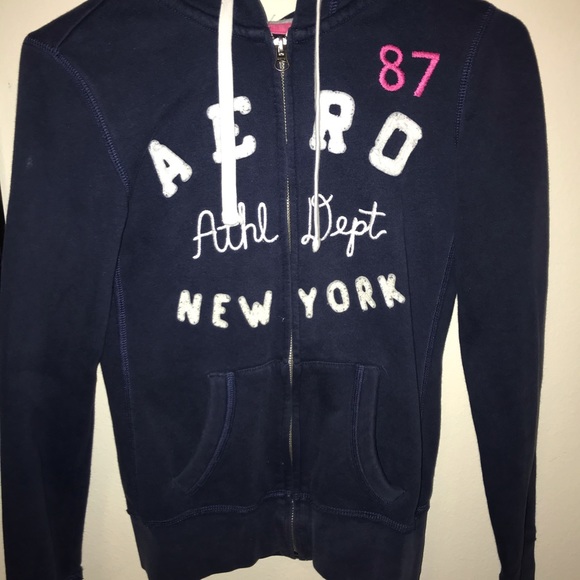
Vellus Hair Underneath an Aero Jacket

Vellus Hair Underneath an Aero Jacket

Technically speaking, body acceptance has not been around for that long. Considering that human civilization has been dated to 6,000 years ago and yet racism, ableism, colorism, and many other stereotypes continue to isolate and insult natural human bodies is very terrible. In class, we learned how to define the different types of bodies and all our different perspectives. In Alcoff’s “Towards a phenomenology of racial embodiment”, the author states that in this era, the newly emerging sciences understood knowledge primarily as a practice of ordering and classifying on the basis of essential differences. We all have many differences but at the same time many similar traits; facial features, body hair, bones, organs, and I want to add common sense but alas I can not. It’s kind of ironic how common sense isn’t common at all. 

I switched elementary schools in first grade and entered a new environment filled with cliques. I was accepted in my old elementary school but not in the new one; I distinctly remember being the outcast. I would eat lunch alone and I was never fully a part of any friend groups. I just had fun floating around. At the new elementary school, a white boy made fun of the fact that I have a lot of hair on my arms. So I wore a long-sleeve jacket the next day. And the next. And then the day after that. And now suddenly, it’s the end of eighth grade and I’m still not comfortable with my arms. 

The whole situation about hairy arms was heightened when I was in line in school one day in May and the teacher asked if I was hot because I was wearing my jacket inside. I said, “No I’m fine”. But she asked again so I shook my head. And then she made a comment about me to another student and teacher, shaking her head in disapproval, whispering that it was weird that I didn’t take my jacket off. 

I become afraid that the next person would bully so I didn’t give them the chance. I wore a jacket every single day, I made sure to stock up on sweaters, and all my dresses had to be long-sleeved. My favorite jacket at that time was a blue Aeropostale with pink letters, a classic. 

All that changed in high school. My high school was very diverse and many students had hair on their arms. It was not only me. Then I learned that everyone had some length of hair on their arms. Vellus hair grows everywhere except the lips, the back of the ear, the palm of the hand, the sole of the foot, some external genital areas, the navel, and scar tissue. Vellus hairs regulate your body temperature and help sweat evaporate from your body (Healthline.com). 

Finally, the realization dawned on me. If that boy from my elementary school had common sense, maybe he wouldn’t have made fun of the new kid and made everybody laugh at her because her vellus hair was a contrasting color to her skin color. So then I lived happily ever after wearing my short sleeve tops, crop tops, and *gasp* even sleeveless tops. 

On Childhood Sexuality and Kink

During our last class meeting, we discussed how disabled people are infantilized and, by extension, de-sexualized by society. I noted that the pipeline (??)) from infantilization to asexualization itself assumes that children do not have sexuality, which is clearly untrue. Although it isn’t the most comfortable thing to discuss, our culture places a lot of social and commercial value on sex, and it’s misguided to think that children aren’t also affected by this.

I can at least speak for myself in saying that child me did have some sort of sexuality. Growing up, I was lucky to have a mom who basically told me that it was ok to do things with my body that felt good, as long as I did it in private by myself. This was maybe a limited form of sexuality though, as at that point I wasn’t really connecting physical pleasure with specific fantasies or thoughts.

Continue reading

Expectations

In my family, I am the youngest child. Overall, expectations have always been placed on me to be as good as, if not better than, my older siblings. Most of those expectations were kind of unsaid and not really difficult to bear but some caused my family to look down upon me when I failed to meet them. All besides one. For some reason, those expectations carried over to relationships. I am the youngest in my family, being 2 years younger than my step-brother and 4 years younger than my sister. For whatever reason, I was expected to have as many relationships as my stepbrother. I never quite understood what was going on, but every other week he was dating a different girl. My mom and stepdad didn’t really expect me to have relationships as well, they just wanted me to be me and enjoy life. However when I went over to my father and stepmother’s place, I was always greeted with the “are you with anyone yet?”. It didn’t really hurt much but what did was that when I said no, the response at some point became “Are you gay?”. I don’t get why not actively dating would make my sexuality known to anyone. It made me uncomfortable that they were assuming my sexuality was something different then it was, merely because I was not actively dating a girl to prove my sexuality. It just made no sense to me and well, still doesn’t. I don’t get the expectations from my father that as a 10y/o I was expected to date otherwise I was doing wrong as I was not like my stepbrother. A few years ago I made it clear to them that it was an issue and I wanted them to stop and well, its caused a little awkwardness in our conversations when we talk about relationships as they are respecting my lifestyle choice.

Maybe I want to be called “virgin”

*TW for sexual assault*

This is not something I usually talk about, but I’d like to take advantage of the anonymity of these posts. 

When I was 13, just about to turn 14, in my freshman year of high school, an upperclassman asked me out. He was 15 then. Once again, I was just 13, fresh out of middle school- I didn’t know any better, and I no longer blame myself for it, but it’s still always something I wish I could go back and stop him from doing. 

Continue reading

Sex Ed

Sexual education is something that is often avoided or pushed to the side. From my experience, in 5th grade we had a class that lasted for a couple weeks called “family life” were they would separate the boys and girls and tell us about our bodies and how they would change or continue to change in the coming years. Then, in 7th grade, we had a unit of sexual education in our science classes. In this class, we mostly talked about anatomy and biological processes in a very scientific way. The last required sexual education I remember having in school was when I took half a year of health in 9th grade. In this class we talked about everything from giving birth to sexually transmitted diseases to abusive relationships. The health teacher I had in high school was a man, and he definitely skipped some of the topics we were supposed to cover. We had a sub one day and she talked to us about contraceptives and the different options, which was actually very informative. All of the other health classes also had to watch a video of a woman giving birth, which we did not watch in my class. Throughout these years, for the majority, the attitude towards these classes is that no one wants to do it, but it is something that is required, and we just have to get through it. There was still a lot I didn’t know or understand after taking these classes, even about my own body. These classes don’t give children the wrong idea or influence them to make bad decisions, they will look for answers to their questions on their own, so it is best to give them the information in a safe way. Learning this information in an age-appropriate way and connecting it to real people’s lives will help protect kids and teens and help them make healthy decisions.

There should also not be certain children being left out of sexual education because they are seen as not needing to know the information. It is important for people with intellectual and physical disabilities to also learn this information because just like everyone else, they need to be able to protect themselves from unwanted pregnancies, disease, and abuse. Denying them of this information will just serve to put them at a higher risk of these things. In school, I also don’t remember learning any information about sexual education for people in the LGBTQ+ community. This information should be taught along with everything else because there is no need to keep it from anyone. It could be beneficial for anyone to know, and it shouldn’t be kept from the people that need to hear it.