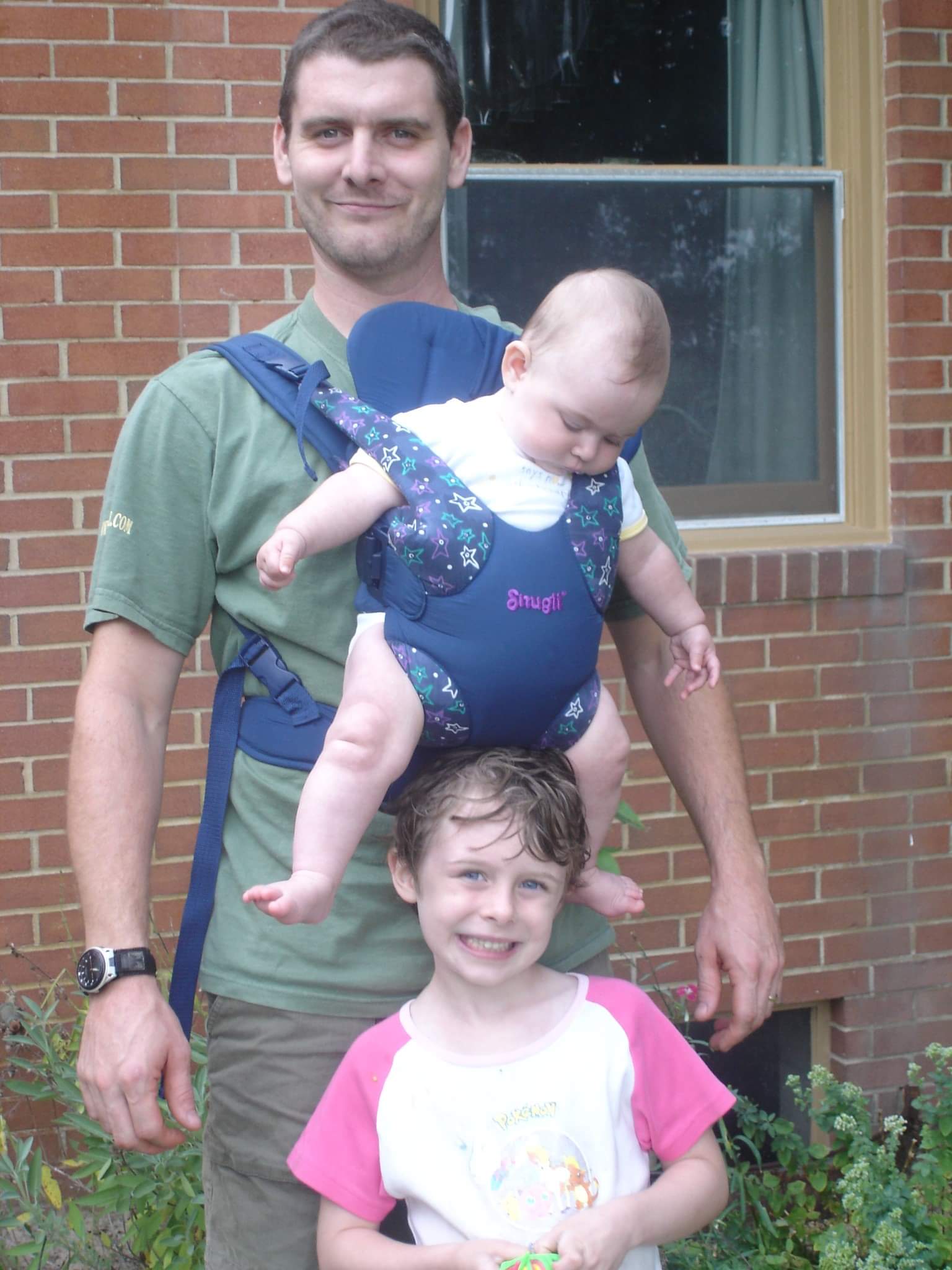
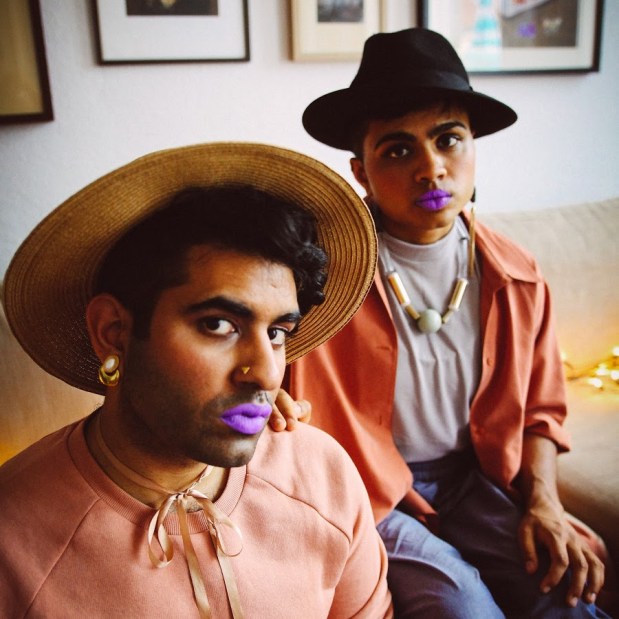
I grew up in a houshold where gender norms were not enforced. I was allowed to wear “boy clothes” and play with “boy toys” just as much as “girly” things. For my 5th year I was obsessed with Spiderman and would wear a Spiderman costume around the house all the time (and try and climb the walls). I had my hair cut short and was constantly questioned about my gender as a young child. At first I would get annoyed by constantly getting asked “ArE yOu A bOy oR a GiRL?” because to me it was obvious that I was a girl. I didn’t understand that to everyone else girls are supposed to have long hair, and wear pink dresses. I didn’t understand why it wasn’t obvious I was a girl in my Pokemon shirt and short hair. Even at a young age I was questioning gender norms (probably due to being autistic lol). I first learned the word tomboy in early elementary school. This was a label that was pasted onto me, not chosen by me. I never understood it. Why couldn’t I be a girl and like playing in the dirt? Why did I need a seperate label from everyone else. This othering definitely coincided with my lonliness as an undignosed autistic child. I just felt so different from other girls. Most of my friends were boys because they liked to do the same things that I did. I struggled to relate to women well into my adulthood. It wasn’t until I realized I was nonbinary did I fully understand why I never felt “like other girls”. Sure people called me a pick me in high school and college. But I geniuinely wasn’t like other women, because I wasn’t a women!!!! It has taken me a long time to come to terms with my non-binary identity, and it’s something I’m still exploring. I only started using they/them pronouns only 2 years ago. I am excited to continue exploring my identity as I grow and change.
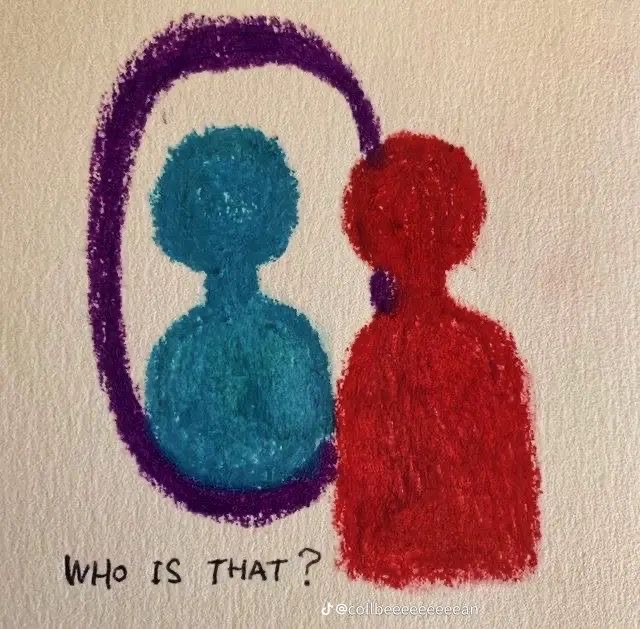
Have you ever scrolled online and see people confidently declaring their gender and sexuality like they’ve had it figured out since birth? “I’m nonbinary.” “I’m a lesbian.” “I’m pan.” Meanwhile, I’m sitting here wondering, why do I feel like nothing? This question has been bouncing around my head for a while now. But after reading Nonbinary: Memoirs of Gender and Identity, specifically Christopher Soto’s “What Growing Up Punk Taught Me About Being Gender Nonconforming” and Aubri Drake’s “Clothes make the Gender/Queer,” made me realize that maybe this feeling of nothingness isn’t emptiness, but simply uncertainty in a world that demands certainty from everyone.
Soto writes, “I tell my friend who still presents outside the binary that I want to be alive. I want to live. And so this is my gender: a desire to live.” That line hit me like a ton of bricks. For me, identifying as a woman has always been about survival. It’s safer, easier, less questioned. I don’t have to explain myself or fear someone reacting violently because I don’t fit their idea of what a woman “should” be. Soto ties their fear to capitalism and violence because the way safety, livelihood, and even love feel like privileges granted to those who conform. Sometimes I wonder if I’d feel freer to explore my gender if the world wasn’t punishing those who step outside the binary.
Growing up, everyone labeled me a “lesbian” before I could even figure it out on my own. I was the tomboy wearing my dad’s clothes, obsessed with comic books instead of makeup. My mom used to tell me to “act like a lady,” for simply sitting in my own home with my legs open. Then puberty hit, and suddenly I had curves I didn’t ask for. Aubri Drake’s words that “clothes started clinging to my body in all the wrong places… they stopped being a form of expression and instead became material to hide in”described exactly how I felt. I started hiding under oversized clothes because my body no longer felt like mine, but a spectacle for others.
For years, I bounced between labels from bi, lesbian, pan, and now to queer. Each one feeling right for a second and wrong the next. I even dated men exclusively at one point just to prove something, though my attraction to women has always been stronger. Every time I picked a label, I felt like a fraud and that everyone knew I was out of place.
When it comes to gender, being called “masculine” or “feminine” makes me physically recoil. I don’t feel like either. I identify as a woman because it’s practical since it’s what fits easiest in the world’s boxes, but that’s never been the only reason. I’ve briefly thought about identifying as nonbinary, but fear always stops me: fear of losing cis privilege, fear of not being taken seriously, fear of violence. Like Soto, I get what it means to feel “illegitimate” just for wanting to live safely.
That’s why the label queer has been a relief. It’s flexible. It’s fluid. It lets me breathe. I don’t have to get a headache by searching for answers I don’t have yet. My gender and sexuality are personal, evolving, and maybe a little messy, but at the end of the day, that’s ok.
A few months ago, before reading these essays, I went down a rabbit hole on Reddit trying to understand why I felt “genderless.” I remember scrolling for hours through different threads from queer and neurodivergent people describing the same sense of in-betweenness I couldn’t name. One that stood out to me was called “Does anybody else feel genuinely genderless?” on r/NonBinary, more specifically this one quote:
“When I lean more towards masc or femme with my presentation that’s all I feel it is — a presentation. Or really what it actually is is society interpreting my presentation as gendered. Ultimately it’s still just me. I don’t feel more feminine when I wear skirts — but it’s perceived that way.”
When I lean more towards masc or femme with my presentation that’s all I feel it is — a presentation. Or really what it actually is is society interpreting my presentation as gendered. Ultimately it’s still just me. I don’t feel more feminine when I wear skirts — but it’s perceived that way.”
That line felt like someone cracked my brain open and wrote down my thoughts. It echoed everything Soto and Drake described; that gender can feel more like a performance that others interpret than a truth you embody. Re-reading that thread and other ones I mindlessly scrolled actually helped me realize I wasn’t broken for feeling detached from gender. I was just tired of performing one.
I still feel like “nothing,” but I don’t see that as a bad thing anymore. That nothingness feels like freedom; free to move, question, and change without being boxed in. Reading these essays made me realize I’m not alone in that uncertainty. There’s comfort in knowing gender and sexuality don’t have to be solved; they can just evolve. Maybe “nothing” is true freedom. Maybe my gender isn’t nothing — maybe it’s just mine.
First it has to be acknowledged that there is no one “look” and everyone perceives labels to mean different things. How one styles their clothing is going to reflect what they think looks good on them and expresses themselves accurately. Everyone has a unique perspective that has been shaped by their experiences. Just because I perceive these things as gender neutral does not mean everyone does and it should also not be assumed that wearing any style associated with gender neutral or gender non-conforming makes someone gender-non-conforming. To that end, wearing or dressing in a way that might convey a gender (such as wearing more masculine or feminine clothing) does not mean that someone identifies as how you are perceiving them. As tik toker kissmychaase put it “Even when I’m fem I’m still a them.” meaning even if this person dresses feminine they still go by they/them pronouns and that should be respected.
The clothes, shoes and accessories we put on our bodies says a lot about who we are and deeply influences how others interact with us. In “not just the reflexive reflex” by Mary Kosut and Lisa Jean Moore clothing and accessories are described as part of an identity-kit. When this identity-kit is stripped away it takes a chunk of someone’s individualism and uniqueness. Clothing is important, it allows self expression and can create comfort.
Fashion is outfits (clothing and accessories) and make up that project one’s belonging to a certain group. There are many types of Fashion. All of it is subjective and while some outfits are easier to deem as part of a subculture, others are harder to identify or explain. Some examples of fashion subcultures are Goth, Lolita, Hipster and so many more.
Gender neutral fashion is one of the most extensive groups of fashion. Mostly because it encapsulates so many other subcultures and can drastically change with each one. Each subculture, country and group of people are going to have another perception of gender and normal, and with that the idea of gender non-conforming changes.
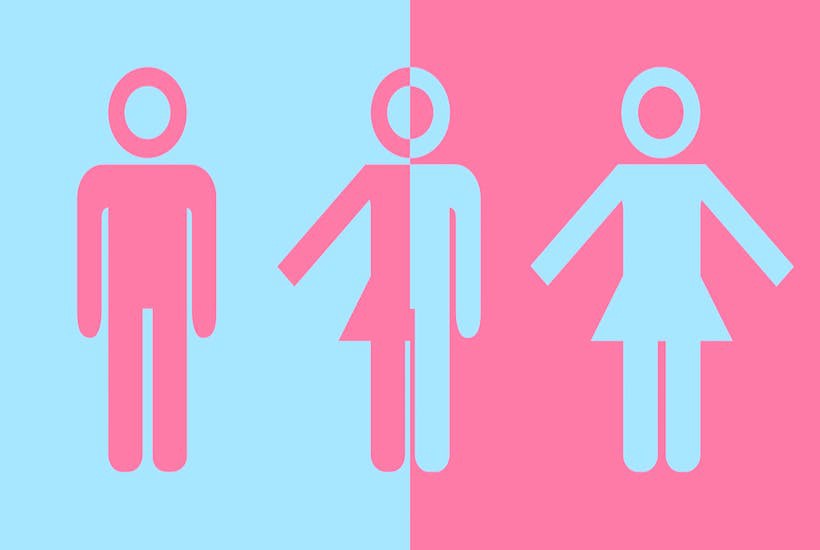
America and many other parts of the world live in a gender binary, the perpetuation that there are only two genders male and female and someone is either part of one or the other. In Western society things like skirts, frills, lighter colors and dresses are considered feminine and associated with women. While simpler colors, pants, collared shirts, and suits are considered masculine and associated with men.
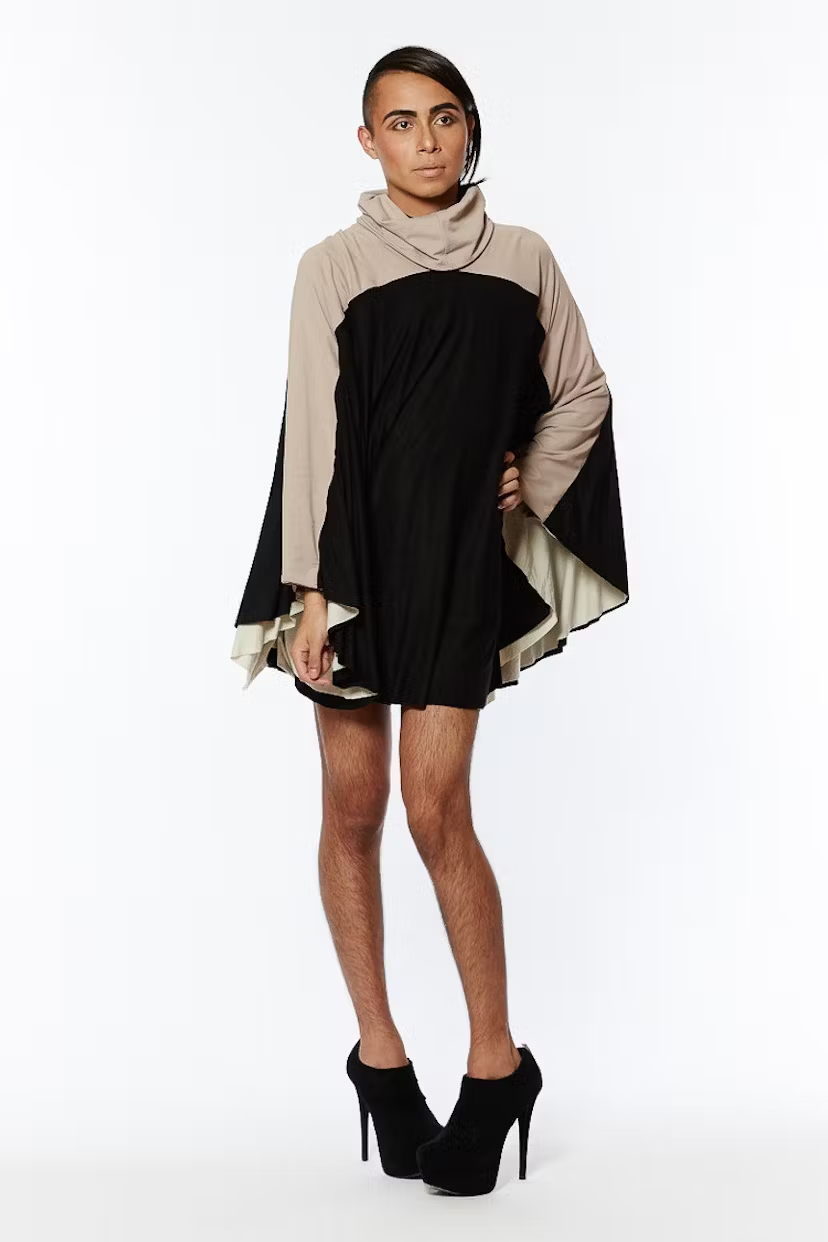
Gender neutral fashion usually aims to make it unclear what someone’s gender is, this can include techniques such as baggy or more rectangular clothes to hide body shapes, underwear like boxer briefs which can work for anyone, and culottes which can be described as pants that are flowy enough to also look like a skirt.
Here is an article with some brands and examples of gender neutral fashion :
and here is one of the pictures that stood out to me
Also worth noting gender and pronouns are not the same thing, gender neutral, genderqueer, genderfluid are all labels and can only be applied if the individual chooses to apply them themselves. No one gets to say “oh you use [some set of pronouns] you must be [this gender]” and vice versa. No one has to have a label and you can also have multiple labels. They are just sets of words to help unify groups of people.
And make looking for clothes easier (mostly joking).
As a non-binary person, I am locked in a constant and overwhelming struggle of feeling comfortable in my own body. Embodiment theories tell us that our physical body impacts our emotional well-being, and I feel the effects of this phenomenon daily. One tangible representation of this struggle is my experience with binding.
I am a nonbinary trans woman. Within the first year of being out as transgender I was constantly plagued with people asking “When are you going to go on hormones?”, a question which has & still does annoy me to this day.
The dialogue that every trans person must, or should, inherently want to seek medicalized transition, is a deeply flawed & even toxic viewpoint to hold.