
My body hates me
This thought… plagues me
Day in, Day out.
chronic illness
For all my chronically ill baddies- you are disabled enough.
I have been chronically ill since I was 16. It started with POTS. Then came the classic Fibromyalgia. Chronic Lyme Disease. You name it. But I didn’t label myself as disabled back then. “Chronically ill” was the phrasing I used. Back then I didn’t know much about the disability community. I was just a sick teenager and young adult.
Then in 2020 I was diagnosed with an degenerative autoimmune disease- Ankylosing Spondilitis. I had to be put on immunosuppressant medication; the only thing that would stop the progression of my disease. It was scary to be immunocomprimised during the pandemic. I had to be really careful, and I basically couldn’t do anything or leave my house.
This is when I started learning about the disability community. I began to identify as disabled. I started educating myself about disability rights, and quickly became an advocate online. And of course some people decided this was too much for them. My (ex lol) best friend broke up with me (via text) spouting some nonsense about talking about my disability too much. She also claimed I was faking my autism (I had recently begun to self diagnose, and would later go on to recieve an official diagnosis) for attention. My own parents constantly questioned me about my referral of myself as disabled. It caused me so much pain and imposter syndrome.
Thankfully, I was able to work through this and come out on the other side, proud to call myself disabled. I am greatful for my friends and family that support me, help me, and care for me. They don’t dismiss me. I know I am disabled enough.
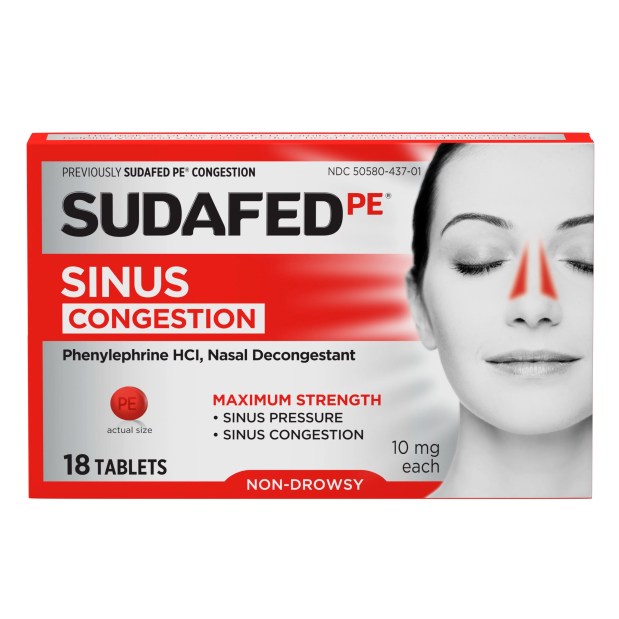
Let me make my silly little choices, and you can make yours.
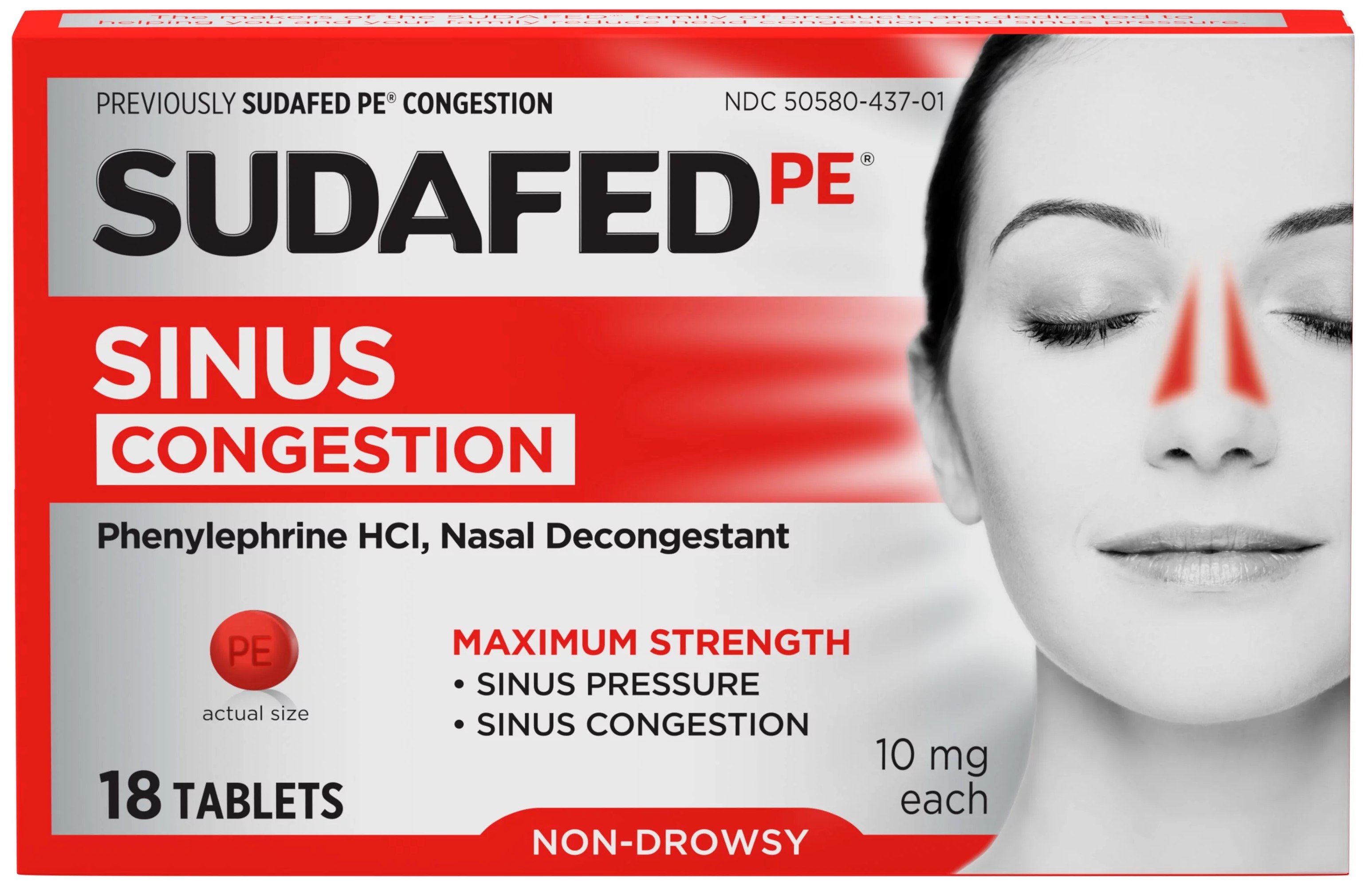
Recently, an FDA panel announced that Sudafed PE and other decongestants are, essentially, ineffective. Since this announcement, I’ve seen countless articles pop up on my Google News feed about removing Sudafed PE, Mucinex, and Benadryl from the shelves. The argument to remove the medicines is that we shouldn’t be selling ineffective products–but are they really ineffective? An argument can be made that these are exceptionally effective placebos (sugar pills/ineffective medicine).
The placebo effect is well documented; even when a patient knows they are taking a placebo, sometimes just taking a pill helps to trick the body into the desired effect. Bodies and minds are weird, and whatever works, works. Even if Sudafed and its relatives are little more than placebos, I think they should be allowed to stay on the shelves. After all, the placebo effect can reduce symptoms by up to 50%, and that’s more than enough to convince me.
For all the many ailments I have–visible and invisible, temporary and chronic–very few have effective and fast solutions. There is no Xanax for depression, no Zofran for migraines, but there is Sudafed for a stuffy nose. Maybe it’s silly to continue to take something that has been proven not to work, but I swear I feel my sinuses clear up minutes after taking Sudafed. It allows me to get a restful sleep instead of battling with the correct sleeping position that allows me to breathe.
With the lack of effective medications available for a variety of illnesses, I am frustrated by the attempt to remove existing medications instead of putting new ones on the market. While I am not necessarily a fan of being stuffed full of pills, I like having the hope that maybe there is an accessible medication out there that will work for me. When the number of approved medications is even further limited, frustrated and exhausted people like me turn to home remedies and endless concoctions of honey, sea salt, herbs, and usually get roped into the wellness industry once or twice.
If Sudafed doesn’t work for general populace, there is nothing I can do about it. But whether it’s the placebo effect at work or there really is some merit to Sudafed, let me decide how to spend my money. Taking Sudafed off the shelves leaves me one less remedy for a restful night–and when I’m combating so many other ailments for a moment of peace, this tiny relief is a huge victory for me. Leave the silly little pill on the silly little shelf and let me make my silly little choice; you are free to pass it in the aisle if you wish, but leave some for me.
Finding my Rhythm Joking About Arrhythmia

Content warning for brief reference to suicide.
Being chronically ill has to be the funniest thing in my life. When I started a job last year, I was given a magnetic nametag to fasten to my shirt. I did it without noticing the warning on the back not to put it near pacemakers—a warning I assume the higher-ups had never considered either, because what kind of able-bodied young person has a pacemaker? An hour or so into the presentation, a muffled beeping fills the room. No one recognizes it, so we move on. And a few minutes later, beeping again. It’s coming from near me. Is it in my jacket? No, it’s literally in my body, because I put a very strong magnet right on top of my implanted defibrillator.
Continue readingBedroom.

2011 was the year I began distancing. By which I mean, I began a life lived from my twin bed, fueled by goldfish crackers and electrolyte drinks, seldom able to access the outside world. It wasn’t mine to call home anymore.
I was drowning in conditions that these doctors hardly knew about. I had no choice but to become my own doctor, nurse, and historian. More than anything, I became my own community.
The outside world was stolen from me by sickness, uncertainty, and administrative violence – this world was never built for my survival. Such predicaments were met with constant calls to push through – go into the world anyways, risk it all for a “normal” life. They said adapting to it would make me better. It wrecked my body and my mind. Being bedridden was extraordinarily taxing and painful in a way that cannot be understood by those who have not been fully immersed in it in this way, yet. But I am inseparable from my bedroom life, I am made of soft pillows and the world I built among them.
Continue reading
