
As a feminine presenting person, I’ve often felt the weight of societal expectations placed on my body, and it’s a pressure that seems to evolve over time but never truly disappears. From a young age, I became aware that my body was not just my own, but something to be scrutinized, judged, and valued by others. There’s a constant narrative surrounding what a “perfect” body should look like; slim but curvy, toned but feminine, attractive but not overly sexualized. Around 8 years old, my father took this to heart. I was put on a diet and had regular weigh-ins to make sure I was not “getting fat”. At birthday parties and holidays I was denied cake and desserts, forced to watch all the other kids enjoy their sweets. This mental strain was and still is exhausting. Present day, I dare say this “trauma” has taken its toll on my body image. Even when I was at my most toned and fit it was still not enough. No matter how long I looked in the mirror, all I could see was someone too fat and not good enough. For years I struggled, and still do, with accepting myself and my body and not fearing the occasional sweet treat. The journey to reclaim my body as my own has been gradual and ongoing. I’m learning to love it for what it is; its strength, its ability to heal, and the ways it supports me. I try to remember that my body is my identity.
Uncategorized

We’re all Sado-masochists: An Exploration of The Gendered Implications Behind BDSM
BDSM (Bondage, Domination, Sado-Masochism) I think is heavily misunderstood by the majority of people how don’t participate in the practice or have only heard about it on tv. I think when people think of this concept, they have vague images of bound up women, leather clothing, various ropes and chains, and a vanilla 50 shades of grey imagery is often conjured. However, as someone who is an enthusiast of the practice, Many of the themes in BDSM are just mirror reflections of how we implicitly think about sex and gendered relations (hetero or queer gendered relations) made emotionally explicity, physical, and desired rather than implied, silent, and obligated as they are in everyday life. I could go one about this forever, but lets keep it small and start this journey bit by bit.
Continue readingA Puppet: Follow the rules I make about YOUR body! (TW: eating disorder, body image, parental issues)
It’s such an odd concept, isn’t it?? My mother started controlling my body image when I was in elementary school. 6 years old and already practically dieting. She would give me specific low-calorie, thin ass bread for my sandwiches with a single slice of cheese as my lunch for the day. 10 years old and already posting long workouts that I did on social media so my mother would be proud of me that I was making an effort to make my body more acceptable for her. I developed an eating disorder in elementary school. I was always so scared of my mother seeing me eat that I became so secretive. Binge eating disorder isn’t taken seriously, she knew I had it, admitting she knew, but I guess it was another way of controlling me for her to not help me. I remember hiding snacks under my bed that I was given at school so I could have them without her seeing and judging me. Halloween as a kid was pointless, she always gave my candy away to people at her work because I “didn’t need it”. I was a kid. My mother snapping at me to pull my shirt out, “suggesting” (the things she told me were never a suggestion: you don’t go against what Vicki says, your body is her puppet) that I take my selfies at a higher angle to hide my double chin, telling me to wear shapewear so my clothes would “flatter”… the best they could that is as she looked my body up and down in disgust. I was a child.
I have always been her puppet. Wear this, don’t wear that you can see how fat you are, god don’t sit like that you can see your fat rolls, when does it stop?? The answer? Never.
Continue readingShy Girl Workout
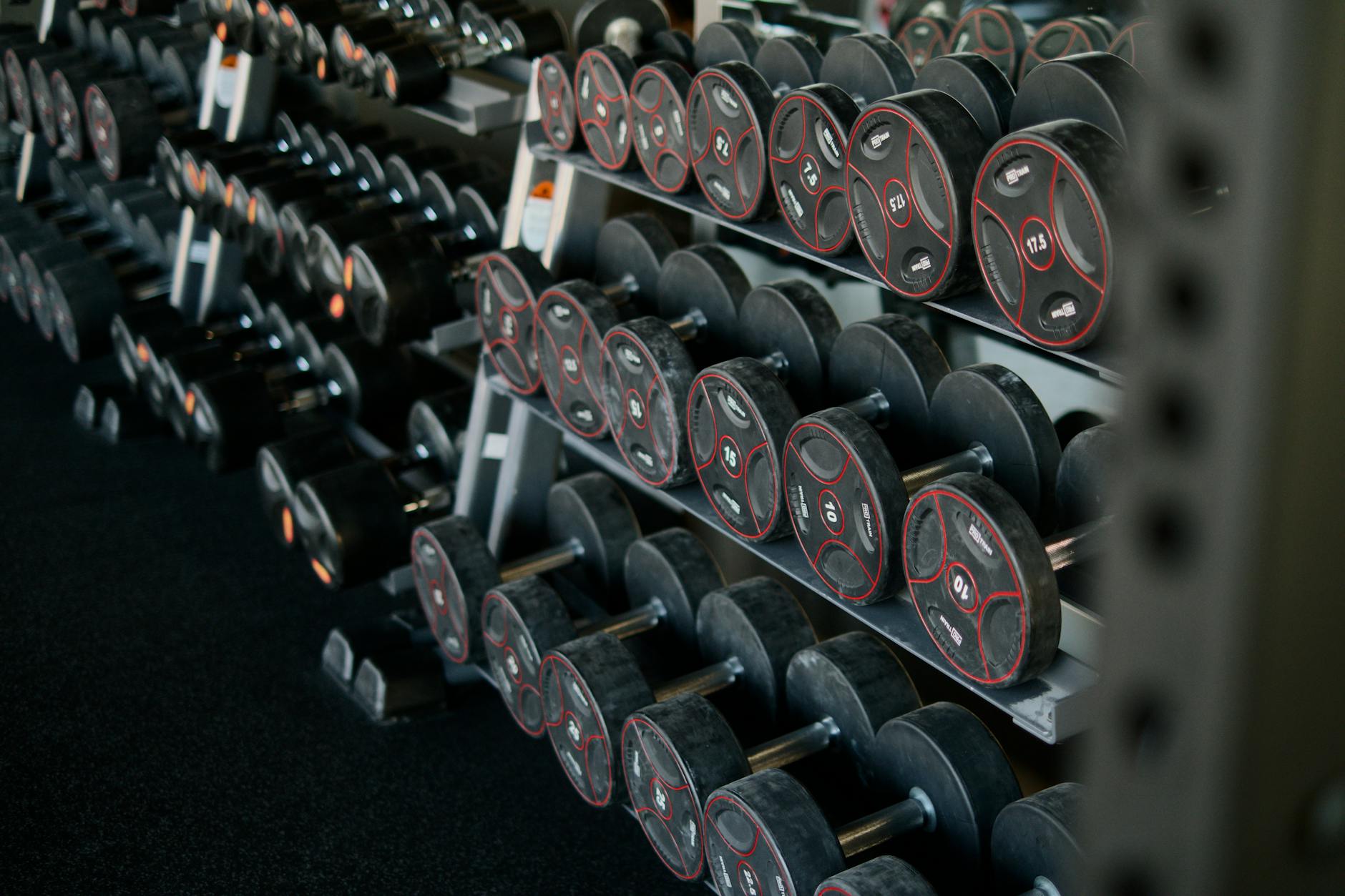
Imagine you walk into a gym, a not-quite 20-year-old feminine presenting person. After months of working out in the peace of your own home and improving your self esteem, you finally build up the courage and confidence to work out in public for the first time. You sign in and find the weight room. You look up and…wow that’s a lot of men. You struggle to even find one girl. Just a bunch of grunting gym bros with all their buddies lifting weights that are probably too heavy for them to safely lift. Not to worry though! You’ve been training for this moment. All the (Instagram) research you’ve done has led up to this moment. You take a deep breath, grab your 2 dumbbells and find a corner to begin your Shy Girl Workout…
Your Shy Girl Workout allows you to stay in one place with one set of weights the whole time, taking up minimal space so as not to draw any attention to yourself. To be virtually imperceptible. Invisible.
Continue readingHow Our Bodies Shape Our Experiences
Theories of embodiment explore how our physical bodies influence our thoughts, emotions, and interactions with the world. At its core, embodiment emphasizes that our experiences are not just in our minds but are deeply connected to our physical being. For example, when we feel nervous, our bodies react—our heart races, our palms sweat. This connection between mind and body shows that how we feel physically can impact our mental state. Similarly, the way we carry ourselves, like standing tall or slouching, can affect our confidence and how others perceive us. In everyday life, embodiment helps us understand how culture and society shape our physical experiences. Different cultures have varying norms about body image, movement, and expression. For instance, in some cultures, personal space is highly valued, while in others, close proximity is common and comforting. By recognizing these differences, we can appreciate how our bodies communicate social cues and navigate relationships. Ultimately, theories of embodiment remind us that our physical presence is a vital part of who we are and how we relate to the world around us.
Is social media a minstrel show?

Subscribe to continue reading
Subscribe to get access to the rest of this post and other subscriber-only content.
Childhood Gender Norms
Many people have better views on gender stereotypes, but obviously we know better than to not categorize people. Growing up in a traditional immigrant household the gender norms are even more distinct. I was told to not do sports, and only do activities that were more “feminine”. I believe that while stereotypical views about gender norms are deeply embedded in our society, they often begin from childhood.
Continue readingGender Bias In Healthcare
For years and years women have often faced systemic biases in healthcare, both as patients and as healthcare providers. Women, as patients, are often not taken seriously and their pain often goes ignored. Many women’s specific conditions, such as endometriosis, are so often underdiagnosed and untreated that some doctors fail to regard these conditions as deserving of serious attention or care. In gynecology, this dismissal of women’s pain is especially apparent in many routine procedures like IUD insertions, endometrial biopsies, or hysteroscopies which are often performed without anesthesia or adequate pain management, despite many women reporting significant pain. In contrast, studies show that men are often provided with more pain management for procedures that cause less or comparable amounts of pain and discomfort. Much of this stems from a historical belief that women should or are expected to bear the pain.
Additionally, these female-dominated fields are typically paid less, though some attribute this to coincidence rather than systemic bias which is arguable. And even when women pursue more so-called prestigious and demanding specialties like surgery they are frequently questioned about how they plan to balance having a family with their career even when they haven’t expressed a desire for one—questions rarely asked of their male counterparts.This reflects how, despite progress, women remain confined to societal expectations that assume caregiving is their primary role, regardless of their professional aspirations, confirming Simone de Beauvoir’s concept of immanence, where women are seen as existing solely within the limits of traditional roles.
Continue readingBlog Post #1 : Embodiment
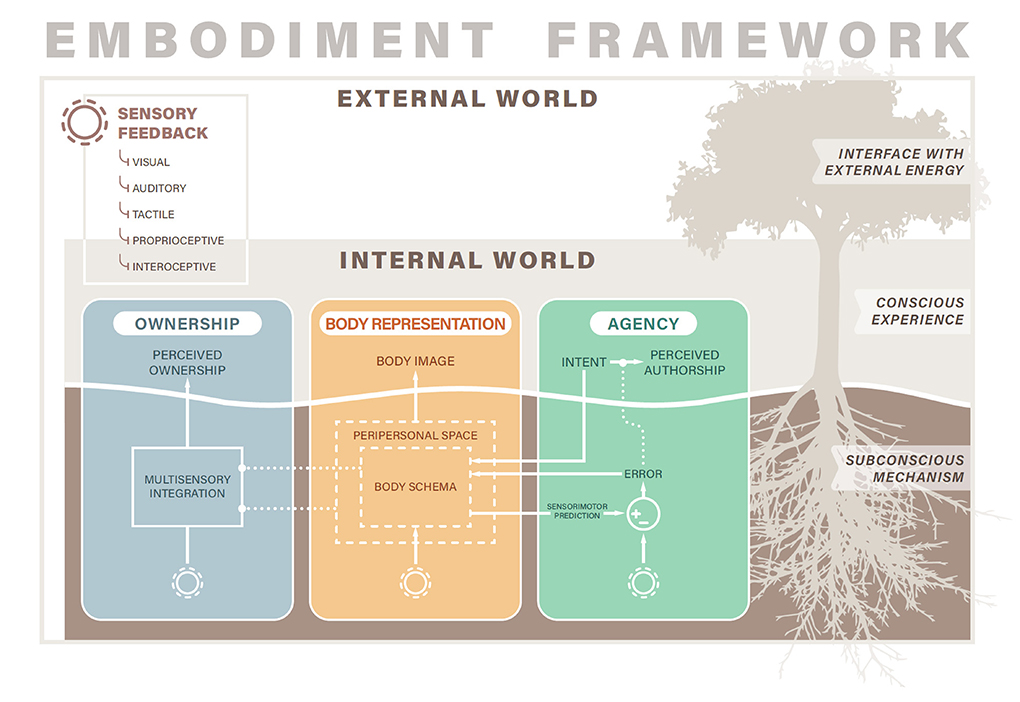
Embodiment represent bonds between our bodies, society, and technology, which goes above just living. Through various scientific ideas, my blog looks into how embodiment is affected by a range of environments and situations, from cyberculture to traditional social norms.
Digital Perspectives
In our generation, many individuals have used social media, impacting and shaping our self-perceptions. Based on “Not Just the Reflexive Reflex” observations, our online perception impacts our actual body image and self-worth. While this embodiment gives us control over how we show ourselves, it can be harmful because it can encourage unrealistic expectations which can impact individuals further. This leads to the questions of how real our digital identities are and how technology affects how we understand embodiment.
Phenomenological Views
Phenomenology points out a person’s subjective perception of the body, shaped by cultural expectations and norms, which moves away from the online realm to the lived experiences. Gender norms, for instance, influence how women should sit and stand, which shapes how they see themselves. Menstruation and other natural processes can feel exhausting due to these societal norms, particularly in cultures where they are taboo. These realizations push us to analyze how social and cultural conditioning may affect how we simply view our bodies.
Embodiment
The idea of embodiment has a connection in discussions concerning race and identity, as in the reading “Citizen: An American Lyric.” Not only are racial stereotypes and biases social problems, but they are also daily experiences that influence how people are viewed and handled. The criticism of racialized body expectations and public viewpoints draws focus to how deep cultural norms run and affect an individual’s identity. This point of view has a deeper understanding of embodiment, which shows how race, identity, and social norms overlap.
Overall, we can gain a solid understanding of how our bodies are not only human beings but canvases for societal expectations. Through embodiment, cyberculture, phenomenological experiences, and societal repercussions. This blog allows readers to think about how various factors shape their understanding of their bodies and to be more aware of various perspectives that take into account embodiment. “The everyday experiences and practices of living inside the body must not be overlooked or trivialized. As sociologist Anne Witz argues, it is imperative that we not only recuperate the body within sociology but also continue to forge new ways of thinking about the body that will be helpful to those working in a variety of disciplines” (Not Just the Reflexive Reflex pg.3) This way of thinking will allow society to progress more towards mental change.
Is Female Representation in Video Games Woke?
In recent years, the gaming industry has seen a surge in conversations surrounding inclusivity and representation, and the sports gaming genre is no exception. Electronic Arts (EA) has always been at the forefront of sports video games. With the launch of FIFA 23, the developer has aimed to break new ground by fully integrating women’s football into the game. However, this move has sparked considerable debate, with critics labeling the game as “woke” for its efforts to promote inclusivity. Let’s delve into the implications of this change and what it means for the future of gaming.
Critics of the developer’s decision to incorporate women’s football often use the term “woke” to describe what they perceive as a forced attempt to cater to contemporary societal trends. For some, the idea of inclusivity feels like an unwelcome shift from the traditional formats they grew up with. They argue that gaming should remain a representation of traditional norms and that introducing female athletes dilutes the authenticity of sports games.
However, this critique overlooks a critical point: the essence of gaming is rooted in evolution and adaptation. Just as the real-world sports landscape has changed to become more inclusive, video games should reflect these shifts, too. The backlash can be viewed as resistance against broader societal changes that embrace diversity and equality.
The introduction of women into FIFA 23 is more than just a marketing gimmick; it serves to inspire a new generation of gamers and athletes. By showcasing women’s leagues and players, EA is empowering young girls to see themselves in roles that were previously reserved for men. This visibility can be pivotal in fostering interest in women’s sports, encouraging participation, and promoting gender equality in athletics. Moreover, sports games have historically been a platform for players to connect with their favorite teams and players.
I believe that as we move forward, it is essential for developers to continue prioritizing inclusivity. Embracing diversity not only enriches the gaming experience but also sends a powerful message: everyone deserves a place in the world of sports, whether in reality or in the virtual realm. In embracing this change, perhaps we can pave the way for a more inclusive future in gaming for everyone.
 Unruly Bodies