My body and me: the original arranged marriage

As long as I’ve been alive, I’ve been some version of overweight. I was my mom’s biggest baby. There was the “baby fat” phase (which I tried to ride to middle school, much to my embarrassment); the “I’m gaining weight because of puberty but it hasn’t decided where to live yet” phase of middle and early high school; the “I may not actually be overweight but I’m so disgusted with that tiny bit of belly fat that I’m pretty sure I’m obese” phase that seems pretty rampant in American high schools; the “shit, now I really AM overweight because I decided to take birth control and I put on 50 pounds in 3 months” phase of panic, terror and depression; the “I’ve stopped trying to stop gaining weight” phase where I saw numbers over 200; the “I had a baby and despite gaining hardly any weight with pregnancy I’ve managed to get even bigger postpartum” phase that’s pretty popular with new moms; and my personal favorite, the “oh my god, this is the biggest I’ve ever been ever in my life and I’m completely freaking out” phase of morbid obesity that has consumed my adult life.

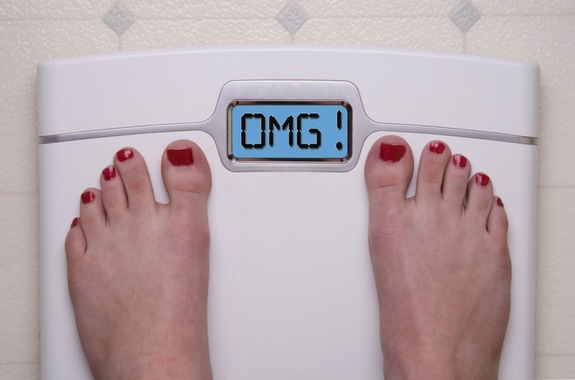
Basically. Though my scale isn't this clever.

Basically. Though my scale isn’t this clever. And I have better toes.

            Sensing a trend? Continue reading

Huzzah!!!

Another year, another turkey leg at the annual Renaissance festival.  These types of festivals have always been dear to me- it’s served as a great source of entertainment and escape.  For those of you that don’t already know, Renaissance festivals are a unique gateway to another realm- a portal that transports its participants to a time period complete with medieval costumes, games, merchandise and food (lots of food).  Customers are encouraged to be themselves and dress up according to the time period-it’s a day to shed whatever rules and regulations the outside world requires and to eat, drink and be merry in a safe atmosphere void of judgment.  I know this world well, this is my thirteenth year attending.  Continue reading

On Selfies

Not too long ago, it was really difficult to take a picture of yourself. It was time-consuming! You needed to find your camera, strategically hold your arm out, press the button a few times, and hope that your face ended up in the frame of at least a couple of the pictures you captured. Uploading them to your computer and choosing one to make your profile picture on MySpace was then an entirely separate event. It was an ordeal and the selfie was quite rare.

Today, ‘selfies’ are everywhere. We all take them and it’s nearly impossible to scroll through Facebook and Instagram feeds without passing one. Smart phones with front-facing cameras and constantly expanding social networks have revolutionized the way we’re able to share ourselves with others.

Continue reading

Rearranging the Order

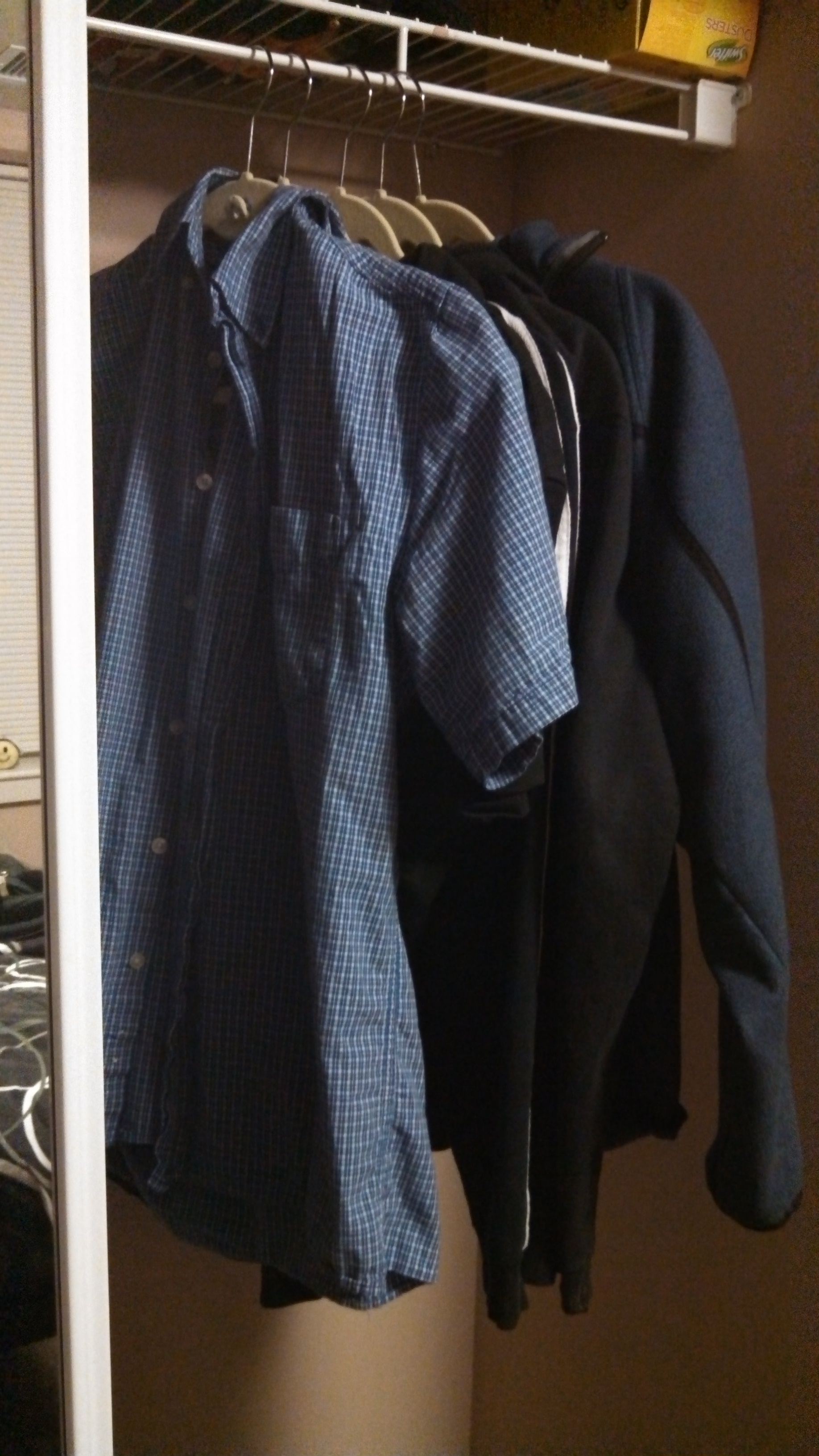
The other day, I had my sister come visit me at school (it was under the pretense of free grilled cheese afterwards, so I was all for it). After the small 2-room tour of the entire apartment, we came to my room and settled in for a chat. Nothing serious, just the normal “How are classes going?”, “How are things at home?” type of talk. However, a few minutes later, her eyes glanced over to my open closet where a few button up polos and some sweatshirts were the only hanging garments.

IMG_20130924_203040_111

“What are those?”

Continue reading

Yearly Exam

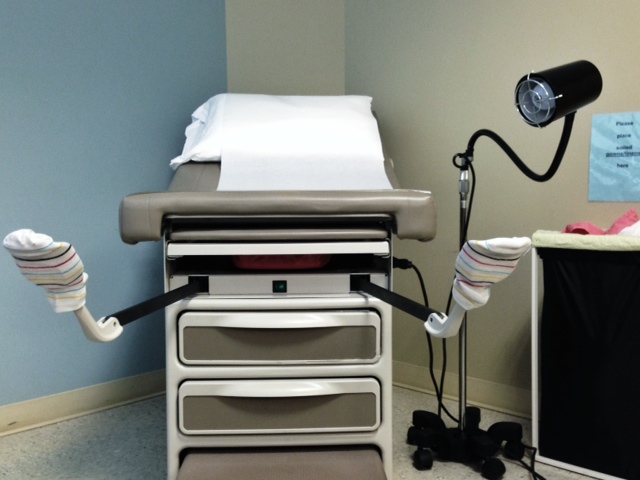
I silently sign my name on the sheet telling the front desk staff sitting at the computer that I am here, and sit down in a generic, but expensive-looking chair.

Aiming for comfort.

Aiming for comfort.

Women are glued to their copies of Parenting or Marie Clare. A couple sitting cattycorner to each other look up at me, and then glance back at each other talking. An instrumental version of Memories from the musical Cats plays softly in the background. I don’t have a magazine, so I take up Candy Crush. After 10 minutes the woman at the front desk calls my name.

“Hi, Amelia! We just need to get a urine sample from you, so if you could just go down the hallway and to the second door on the left and leave that for us in the metal cabinet, then go to room number two, that’d be excellent!”

Continue reading

“Boobs Don’t Work That Way”…No really, they don’t!!!

Images such as these pervade comic book character art. Women are normally in sexy, revealing outfits; and, their bodies are often doing some pretty impossible things. A blog called Boobs Don’t Work That Way brings awareness to how ridiculously women are portrayed in comic books. The picture of Wonder Woman displayed here is not unique. Attempting to make her sexier, she is drawn into this impossible pose where her breasts and behind are shown at the same time. Also, her breasts are extremely large, and there is no way that her costume could logically support them. The commentary on the blog regarding this picture is as follows:

“It always freaks me out when boobs are drawn as almost a separate entity. This one looks like it’s about to pop off and and start a solo career.”

Other interesting points the blogger makes include the way fabric unrealistically stretches over breasts in some costumes, suctioning itself to each breast individually, the fact that nipples rarely have areolas in comics, and that breasts are not always perky and perfectly spherical.

I find it interesting that beauty for women in comic books is literally impossible for us as humans. The beauty standard is completely unrealistic. Do comic book artists feel that women will not be sexy without their impossible breasts? Or do they enjoy creating a fantasy woman? I’m not personally sure which reason correctly demonstrate how artists feel, or if there are other reasons. The blog is not being updated, but the pictures and commentary are excellent. Check it out!

Do These Pants Make My Ass Look Bisexual?

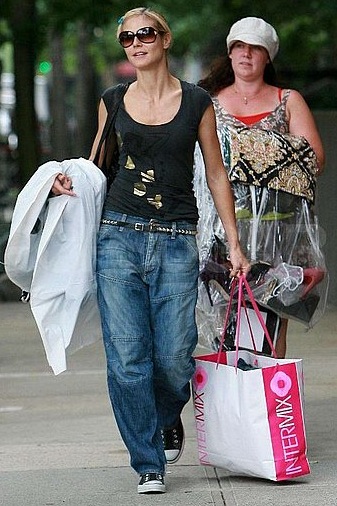
Why does what I’m wearing define my sexual orientation? I’m a 22-year old female, and I often change the way I dress, even on a day-to-day basis. I may feel like wearing a tight skirt, heels, make-up, and jewelry and shaving my legs on Monday. On Tuesday I might wear sweatpants and a T-shirt and throw my hair in a messy bun, and on Wednesday I may wear a baggy pair of guy’s jeans with paint stains on them, a tank top, and skater shoes but do my hair in a cute way. I enjoy dressing in any way that makes me feel comfortable, and I usually do.

But recently, I got a girlfriend, and even though I dress the same way I’ve always dressed, with my same unique style I’ve always had, I’ve heard some interesting comments, even from people that I know care about me and aren’t trying to be offensive. But if I’m dressed up (and meet society’s beauty standards) I’ll hear people say things like “Are you really a lesbian?” or “I don’t understand how you’re gay” and when I dress down, or “more like a guy” I hear “You’re such a lesbian.”

And I’m not even a lesbian! I’m bisexual!

I feel as though society often judges people as being gay or straight based on what they’re wearing. A recent conversation with my (straight, male) roommates went like this:

Roommate 1: “What are you wearing?”
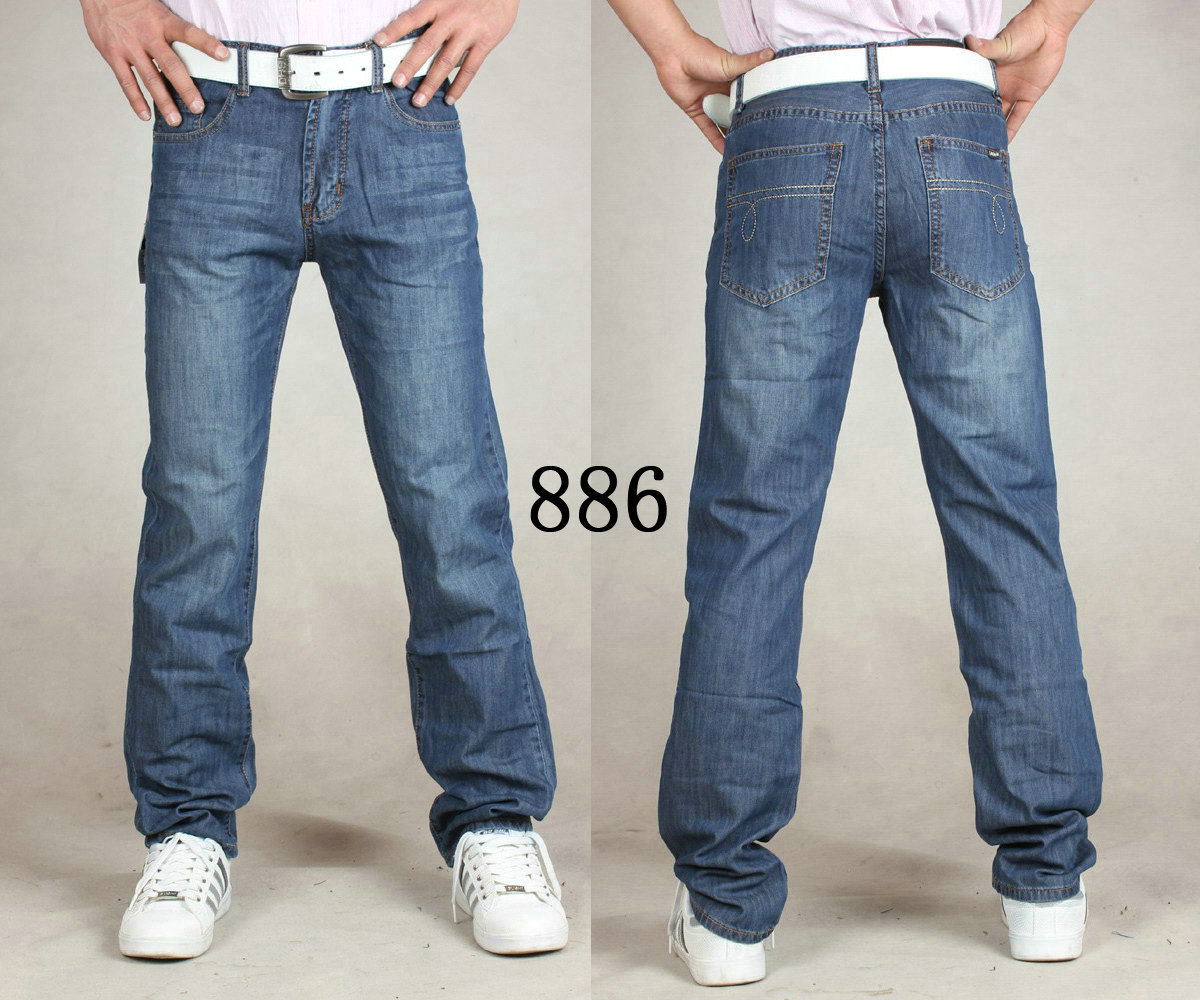
Me: “Jeans.”
Roommate 2: “She has a girlfriend, she can wear what she wants.”
Roommate 1: “She’s only half-gay.”
Me: “What does that have to do with it?”
Roommate 1: “Well sometimes you dress like the straight half.”

First off, I consider myself a hundred percent gay and a hundred percent straight, and I hate it when people call me “half gay.” It’s not like I find women attractive half the time; I find attractive PEOPLE attractive ALL the time. Second, how come I can only wear “whatever I want” because I have a girlfriend? It’s not like my girlfriend dresses me. Could I wear girls’ jeans if I was a lesbian? Could I wear guys’ jeans if I was straight? Why are my roommates only saying things now? Don’t the same rules apply now as when I was single? Or am I “more gay” when I have a girlfriend?

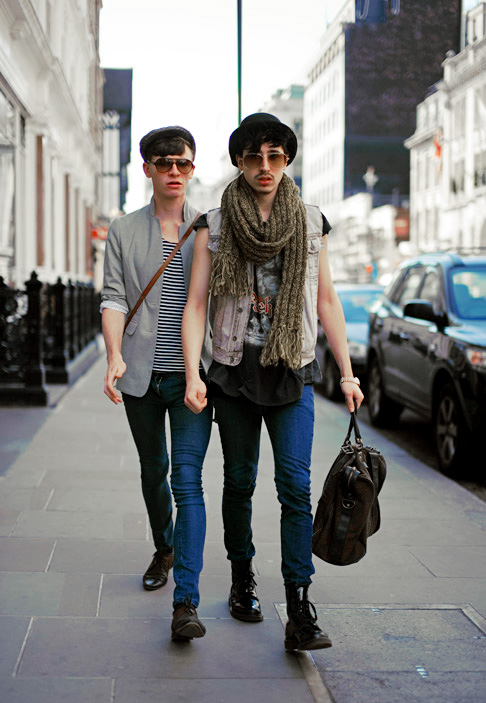
It’s also weird to me that clothes can make you look gay (“He’s totally gay, look at his pants.”  “I can’t tell if he’s gay or if he just dresses really well…”  “She looks like a dyke in those pants.”) or even make you look straight (“Can you believe he’s gay? He dresses so straight!”) but I have never heard of clothes making you look bisexual. If bisexuality, homosexuality, and heterosexuality are all valid sexual orientations, why don’t our clothes make us look bisexual? Where can I buy pants that make me look like I date boys and girls?

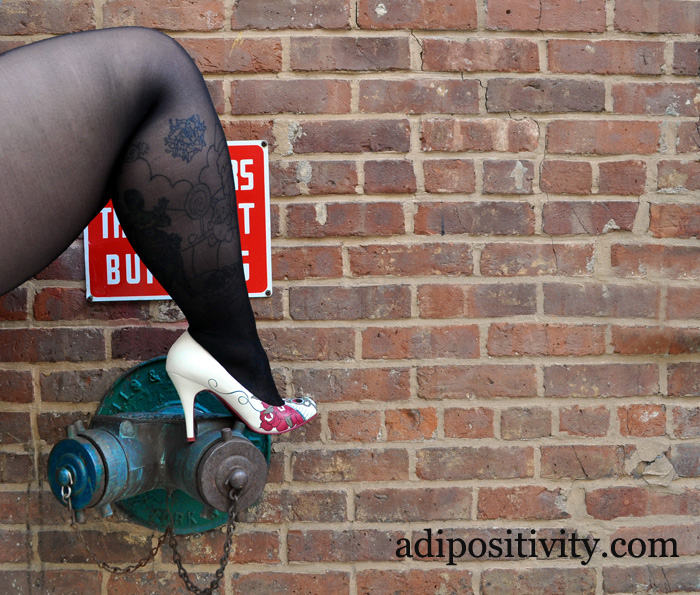
The Adipositivity Project

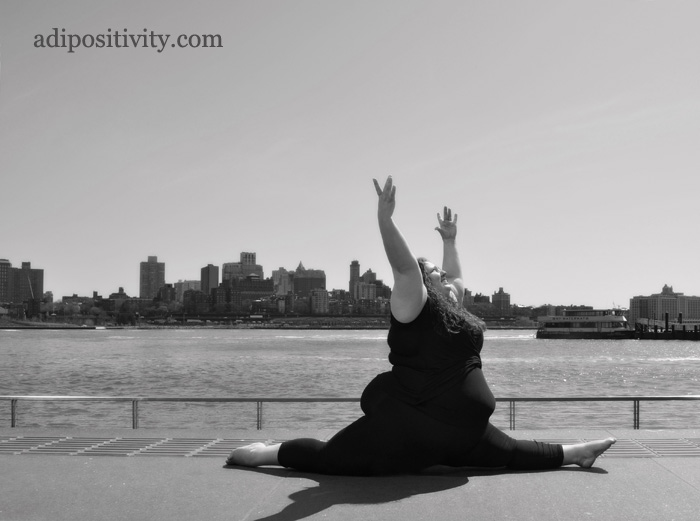
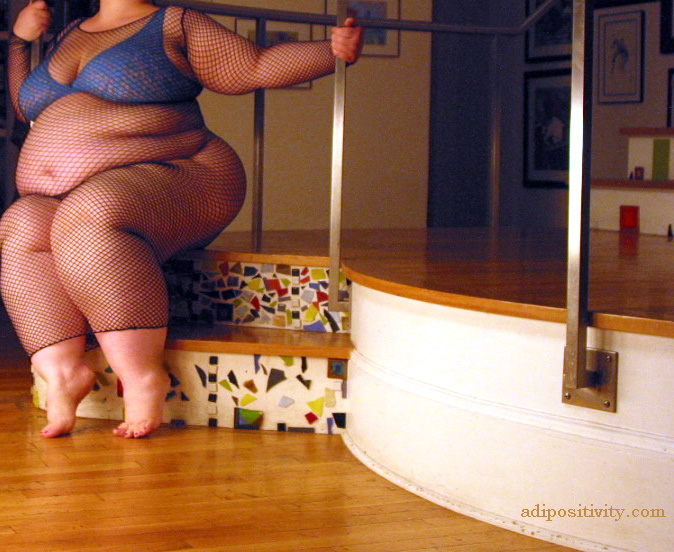
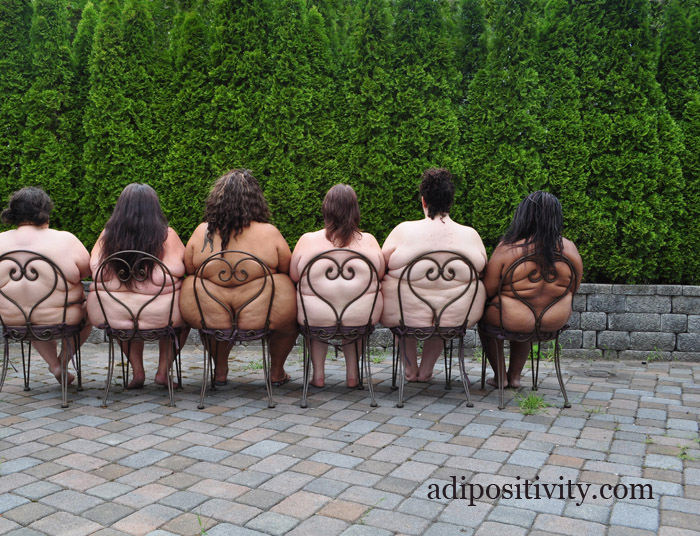
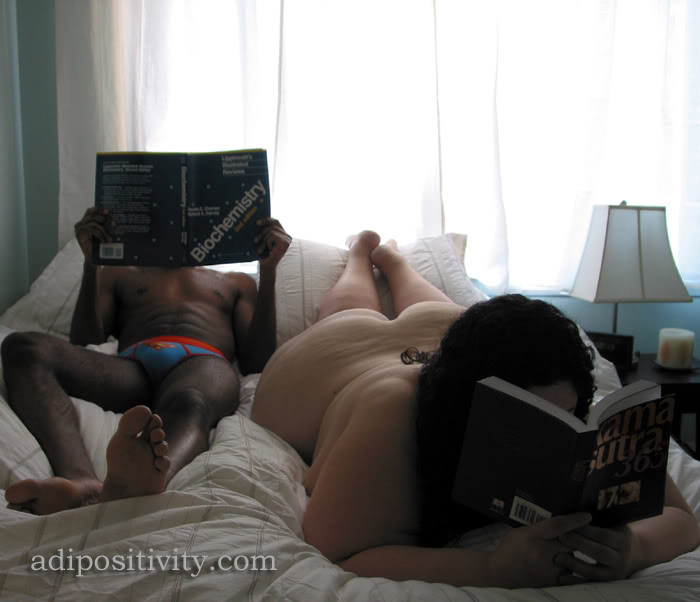
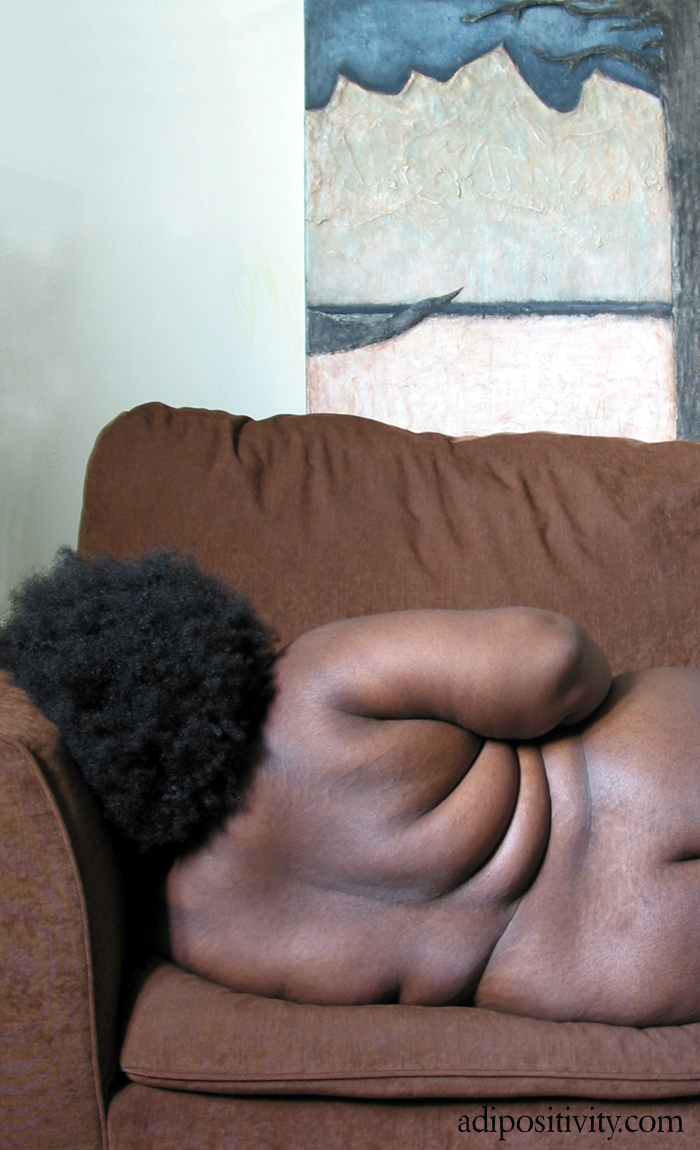
I’ve been aware of The Adipositivity Project for a number of years.  Most people who float around Fat Acceptance circles online are aware of it, but when I’ve shown it to friends who aren’t aware of FA, it’s always surprised them.  I thought, given the reading for our next class, this was at least visually on topic.  I’m also always a fan of activism through art and you can’t say Substantia Jones’ photographs aren’t beautiful or radical.   Many of the photographs are nudes, so beware if you decide to click through.  I’ve pulled some of the more modest ones to show the intent of the images.

Adipose: Of or relating to fat.

Positivity: Characterized by or displaying acceptance or affirmation.


MISSION:
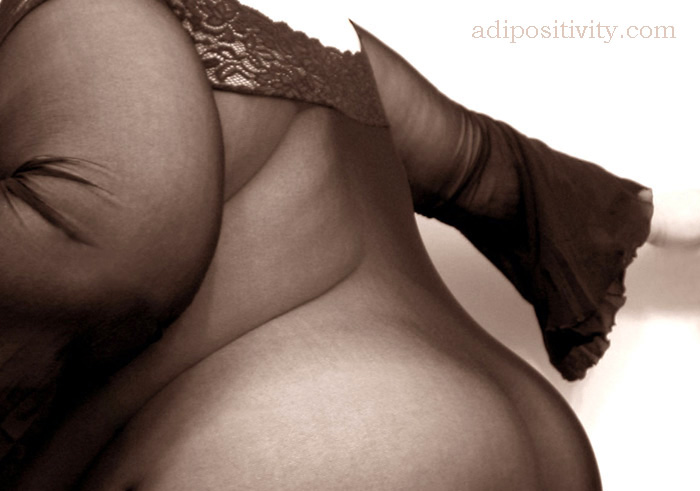
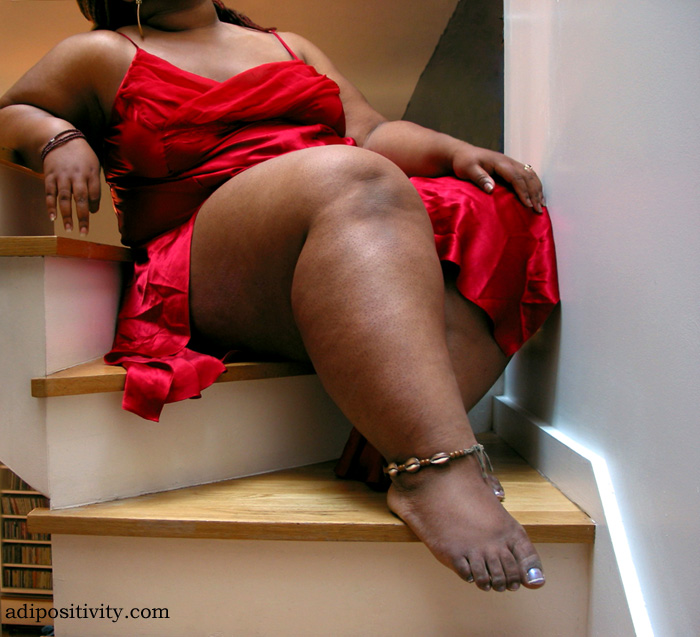
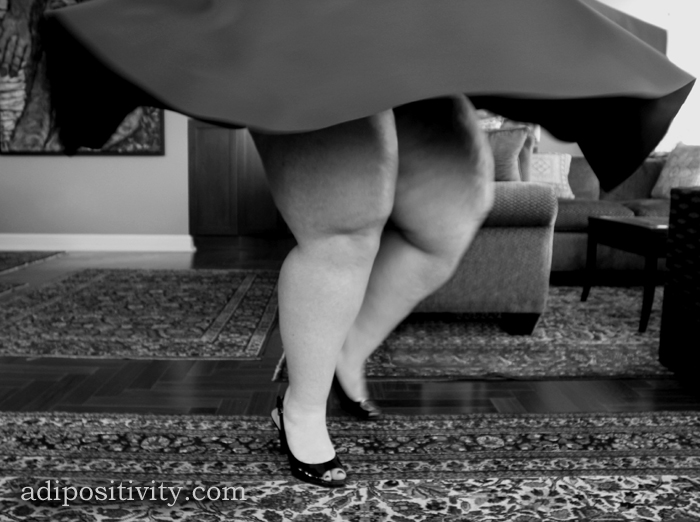
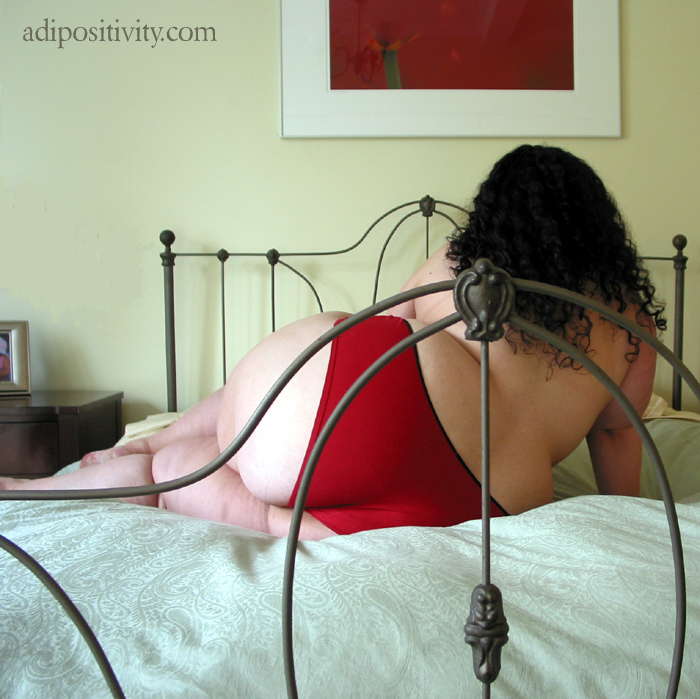
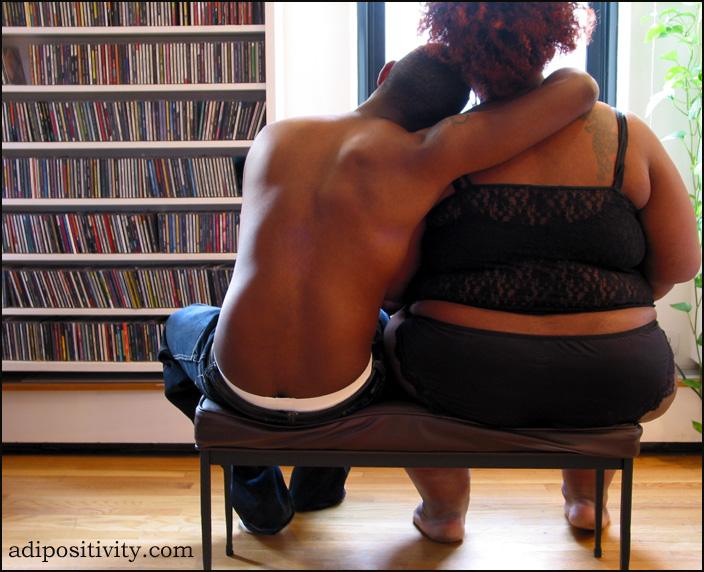
 The Adipositivity Project aims to promote size acceptance, not by listing the merits of big people, or detailing examples of excellence (these things are easily seen all around us), but rather, through a visual display of fat physicality. The sort that’s normally unseen.

The hope is to widen definitions of physical beauty. Literally.

The photographs here are close details of the fat female form, without the inclusion of faces. One reason for this is to coax observers into imagining they’re looking at the fat women in their own lives, ideally then accepting them as having aesthetic appeal which, for better or worse, often translates into more complete forms of acceptance.

The women you see in these images are educators, executives, mothers, musicians, professionals, performers, artists, activists, clerks, and writers. They are perhaps even the women you’ve clucked at on the subway, rolled your eyes at in the market, or joked about with your friends.

This is what they look like with their clothes off.

Some are showing you their bodies proudly. Others timidly. And some quite reluctantly. But they all share a determination in altering commonly accepted notions of a narrow and specific beauty ideal.


I love this project, especially considering the attempts by the media to include “real” bodies through the use of marketing like the Dove Campaign for Real Beauty and “plus size” (really a size 6-12) models, and how different these fat people look from those culturally approved fat bodies.  These aren’t the media portrayed idea of what is “real” (and how problematic is that word in regards to any person?).  These (mostly) women, according to the BMI (another problematic method of judgment!), are obese, or more likely morbidly obese (sometimes called Death Fat in the FA community).  Most of them probably weigh somewhere in the neighborhood of 200 or 300 or even 400 pounds – yet I don’t think they look like the stereotypical bed-ridden mordibly obese person most non-fats think of when they hear those numbers. Or maybe they do look like those ZOMG FAT people to you.

However you see them, these people are fat, but they have accepted the bodies they have and are living their lives in them.

Hijabs and Hoodies

After we discussed the horrific and tragic murder of Trayvon Martin in class today, this article in particular caught my attention:

Shaima Alawadi, a resident of San Diego, California, was found beaten unconscious in her home last Wednesday and died of her wounds this past Saturday.  A note was found saying, “Go back to your own country. You’re a terrorist”.

Shaima was a stay at home mother with five children.

http://www.reuters.com/article/2012/03/28/us-california-iraqi-memorial-idUSBRE82R01N20120328.

This happened less than a week ago.

There was mention in class of how certain ideas in society become normalized, for better or for worse. In Trayvon and Shaima’s case there is no question these ideas create a poisonous environment.

But in both cases there was a similarity: clothing.

Trayvon was wearing a hoodie; which according to sources across the spectrum, most notably Geraldo Rivera, made him a target for suspicion. Last I checked wearing a hooded sweatshirt left no one with the ability to label someone as “suspicious” and cause cruel loss of life to another.

Shaima also had an article of clothing that marked her; a hijab. For those who are unfamiliar with a hijab, it is a head covering traditionally worn by Muslim women for reasons of modesty. Yet by wearing a hijab Shaima marked herself as “other”.

I find myself wondering if we can draw parallels between Shaima’s and Trayvon’s murders. They were both marginalized members of society, Trayvon was black and Shaima was an Iraqi-American immigrant. Both were wearing articles of clothing that are innocuous (although a hijab may stand out for those unfamiliar with the garb) but these clothes became threatening to those with prejudices and stereotypes.

I think we, as a Western society, are not past our cultural and racial biases when two murders are committed within a month of each other on the basis of race and ethnicity, with the flimsy excuses of clothing as reasoning. (By the way, I’m not ignoring that there are far, far too many of these crimes that go purposely unnoticed or are unreported).

In response to this hate crime there has been an out pour on social media and I found a group on facebook that seemed particularly fitting: http://www.facebook.com/pages/One-Million-Hijabs-for-Shaima-Alawadi/137306256397032.

When women are told, “you were asking for it”, if they are raped and happened to be wearing a miniskirt, when young black men are shot for wearing hoodies, and a woman is beaten to death in California for wearing a hijab because it “makes her a terrorist”, I have to wonder about the emphasis placed on clothing and the body-the cycle of violence around the clothing people wear for religious or personal reasons and why people use these articles of clothing as excuses for committing atrocities.

I find myself sick at heart with the violence, the hate, the prejudice, and the inbred bias. I send loving and peaceful wishes to the members of Trayvon Martin and Shaima Alawadi’s families.

Full Throttle Exercise: The Impossible Standard.

A few days ago class discussion touched on a topic that has always been sensitive to me: exercise.

Modern culture if full of ads and products for getting fit, working out, and losing excess weight, all which will lead to a better and more beautiful you. The more you work your body out, the better the results and the better life you will have, or so says all the diet and exercise literature that I have read.

But is this true?

Every magazine I pass in the grocery store offers at least one full spread of exercises that will transform your body for all to see while low-fat, fat-free and zero calorie food and drink are everywhere. In society’s drive to be “healthy” are we really just pushing ourselves beyond the scope of what we are actually supposed to look and feel like?

Throughout history women’s bodies have been viewed from a skewed lens; as chattel, as something that must be covered lest it seduce man, as dangerous, and now as something that must be shaped to fit a standard. That standard being a skinny, tall, large-breasted but without curves, form. The religion of Exercise has only given credence to this standard, with the abundance of gyms and fitness classes there is no reason not to have a “perfect” body, no reason not to count every calorie and run a mile for every slice of pizza eaten.
Are these expectations even possible to meet?

I recently saw an ad for a gym that read, “It’s not Fitness. It’s Life.” This ad made me angry, from a larger societal standpoint and as a woman I should not have to view exercise, or “fitness” as a lifestyle. Some days I may choose to take a walk, go to a yoga class or run and other days I may not do much at all in the realm of exercise. I’m not advocating for laziness or avoidance of physical activity, I believe an active lifestyle is healthy and beneficial in many ways, it’s the overabundance and extremes that are almost forced down our throats that frustrates me. You aren’t running every day? Le gasp. How about abs and shoulders, when will those become bikini body toned? Have some ‘extra’ poundage? There’s a pill/drink/diet/exercise for that.

Learning to love my body is hard being surrounded by the mantra of fitness=life, when for the majority of women fitness is really an impossible standard instead of just being a healthy BMI.

Fitness is not life; life is friends, family, beautiful days, meeting new people and moving because it makes your body feel good and not because you want to maintain an impossible and ridiculous standard.

Thoughts/Disagreements?