Why is a number from the 1800s still deciding how healthy I am?

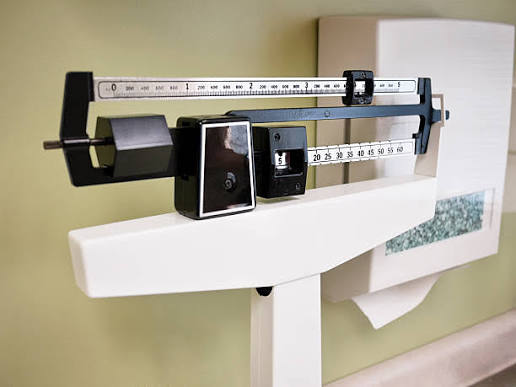
Every doctor’s appointment I’ve ever had starts the same way: shoes off, step on the scale, wait for the number. Then comes the math, height and weight run through a formula, and out pops a category that somehow gets to speak for my whole body before I’ve said a word.

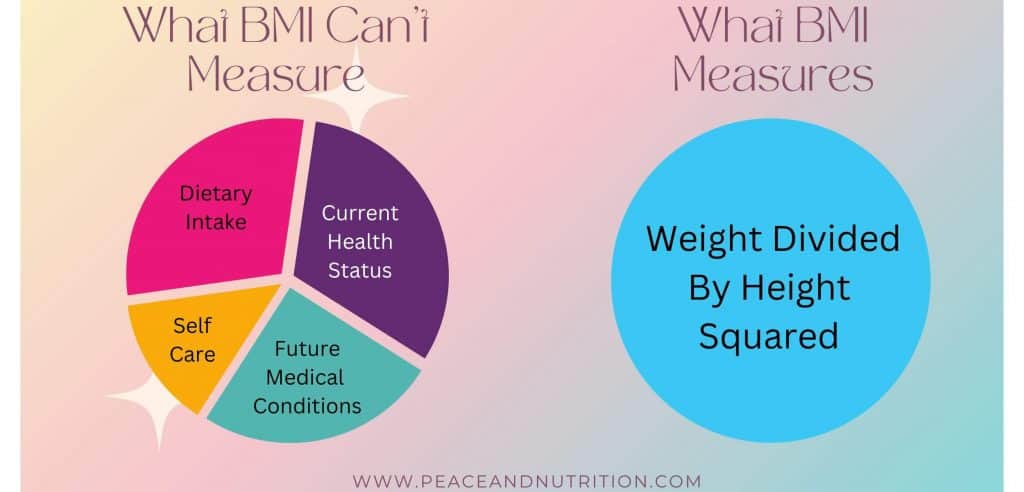
That “formula” is BMI, and what I didn’t know until I started digging into it is that it was never built for this. It came from a Belgian mathematician, not a doctor, who was trying to describe the “average” person across a population. It was never meant to size up one individual. It only really became a go-to health screening tool in the 1970s, which means we’ve been leaning on a very old idea for a very personal question.
What gets me is everything it can’t see. BMI can’t tell muscle from fat, where weight sits on the body, or how someones heart, blood sugar, or sleep are doing. Someone can land in the “overweight” category with perfect bloodwork while someone in the “normal” range struggles with nobody checking. In 1998, the cutoff for “overweight” was lowered, and millions of Americans were reclassified overnight without a single body changing. I started thinking about BMI as a photo taken from too far away. It’s fine for a crowd, but useless for a face. It gives you the outline but completely skips the person, and then we act like the outline is the whole story.

So why do we keep treating it like a verdict or something thats so final? I think its because a number is easier to read on paper than a person.

And until that changes, a lot of people will keep walking out of appointments feeling measured, but not heard.
Treating fat people as if they should be extinct

I was listening to the Ozempic podcast from the Maintenance Phase and their discussion of the discourse around the drug and the type of language being used around it really illuminated me to an issue that I wasn’t completely aware of. It’s this kind of idea that fat people can never win.

Read more: Treating fat people as if they should be extinct

They try to lose weight and somehow they’re doing it the wrong way. They don’t alter their weight and somehow they’re all lazy and a waste of space. To generalize people like this and to pretend like you know everyone’s situation or motive is ridiculous. For one it frames losing weight as some type of cure all that will make society into a utopia, secondly it really trivializes how hard it can be for someone to lose weight. There’s the issue of accessibility, mental health, and all kind of biological differences people have. And the thing is this sort of fat phobia is highly unlikely to come from a place of concern or worry about health. If that was the case I think people who vape would be called disgusting, dehumanizing names. It comes from a place of hatred for those who don’t fit the norm, and yet it’s so incredibly ironic because most people don’t really fit the norm. Everyone strays from what is considered socially acceptable one way or another, but somehow it just so happens that being fat is a more acceptable target. There was another really interesting point that was brought up in the segment that I think really highlights the lack of care for those trying to lose weight. Because Ozempic and Wegovy are in a shortage right now that means that compounding pharmacies are now allowed to make their own sort of version without FDA oversight. However their version is potentially harmful to humans because it’s using semaglutide sodium, which has not been cleared. Because of the shortage these companies are not legally required to tell people what they are putting in their drugs. This is just a stark example of how the health of fat people are not actually being prioritized, in fact when they try to do the “right thing” and try losing weight they’re actively being poisoned. It just goes to show that again, fat people can’t really win within this society because there are constant set backs. There’s also this sort of notion that fat people are to blame for the shortage of Ozempic, as if most fat people or anyone in general really has easy access to it. I think this blame really takes the focus out of the severity of the issue. There are people who are really depending on this drug, many diabetics are on it just to survive and it isn’t like they have many other safe and viable options. Hopefully the shortage ends soon but in the meantime I really think conversations surrounding Ozempic should be about solutions to making it more accessible to those who need it instead of speculating who is on it and if they’re “taking the easy way out”.

College Life Under Pressure

Every day, I always feel like I haven’t done enough. I haven’t accomplished enough. There is more I need to do. Ever since starting college, I noticed how easy it is to feel this type of way. From attending classes and lectures, studying for exams, completing assignments, and trying to maintain a social life, it feels like I could’ve done more. With 24 hours in a day and even when I finish everything I planned, it’s never enough. This makes me wonder why we put so much pressure on ourselves to always be productive.

I’m a Pre-Mechanical Engineering student and I’ve come to the realization that college is way more than attending classes and getting good grades. Expectations such as joining clubs, networking, and building connections, gain experience all to prepare for a future career. Although these opportunities are important, trying to do everything tends to get overwhelming. Sometimes, seeing other students accomplish so much makes me question if I’m enough myself

To be more in depth, Chimamanda Ngozi Adichie’s TED Talk, The Danger of a Single Story.Adichie explained how people can create their own understandings of others when they only see one story or perspective and how it can truly be wrong and or hurtful. I can somewhat relate this with college students to experience something similar when comparing themselves to others. We often see someone’s achievements without seeing their struggles, failures, or sacrifices. We create an unrealistic image of how a successful college student should look like. There is also a saying for this; “Comparison is the thief of joy.”

In Roxane Gay’s My Body is a Cage of My Own Making. Gay discusses how society placed expectations on peoples’ bodies and how those expectations effected their every day lives. Her article focused on weight and body image, but from a more broad view on this, the idea of being judged by society’s standards can also apply to college students. Instead of being judged by their body, some students are often judged by their grades, achievements, and productivity.

There is a term called “LARP,” where it is to pretend that you know or are a part from something when you are not. On social media and even around campus, people would often show their achievements. However, we rarely see stress, sleepless nights studying, and struggles. This creates pressure for other students to act like they are doing just as well even if they are being overwhelmed. Instead of being honest about our struggles, we sometimes feel like we have to play the role of being successful college students.

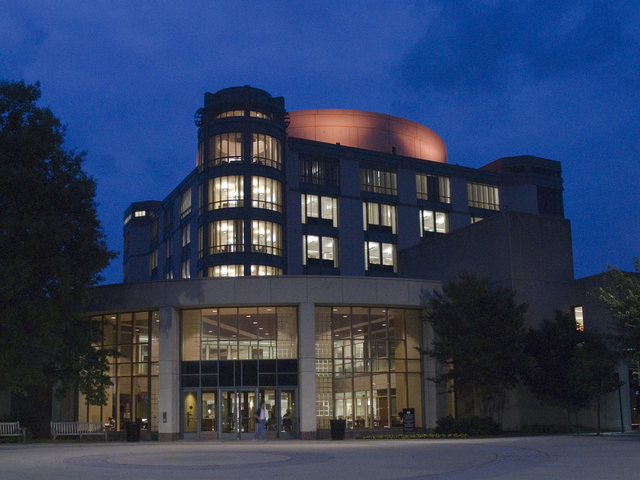
The UMBC Library; where students are able to study and do their assignments or to hang out with friends.

Although having goals and being able to push ourselves to greatness is good. Without such expectations, we will not challenge ourselves to reach our potential. There is a difference between working toward success and believing that our accomplishments are worth everything.

I think college students feel like they are not doing enough because we are constantly comparing ourselves to expectations that could not be realistic. These readings remind me that we will not always see the full story behind someone’s accomplishments. Doing your best with the time and energy you have is always enough.

My Body is a Cage of Society’s Making

TW: Discussion of Eating Disorders

I have struggled with body image for most of my life. I can vividly remember the negative comments my mom would say about her body when I was about 5 years old, such as “I have too much flab here”, “This is sagging”, “Look at my C-section scar, so huge”, and “I am so huge”. I can’t think of a time when the topic of appearance came up, and she wouldn’t call herself fat. And when my mom called herself fat, she was really calling herself disgusting and undeserving of love.

A lot of these conversations would lead to my mom saying, “God, I wish I had your body”. “Enjoy it while you can”, like her scars and flab were the cost for me, and I must be skinny to make all of this change worth it. “It’s fleeting!” The societal definition of my happiness is fleeting, and she was trying to live vicariously through my skinniest. I was maybe 10 years old. This is the age when my mom stopped packing my lunches, and I pretended to pack my own. This was the beginning of my eating disorder. 

Continue reading →

Wrestling and Body Utilitarianism

What Wrestling Taught an Olympic Gold Medalist About God - Christianity  Today

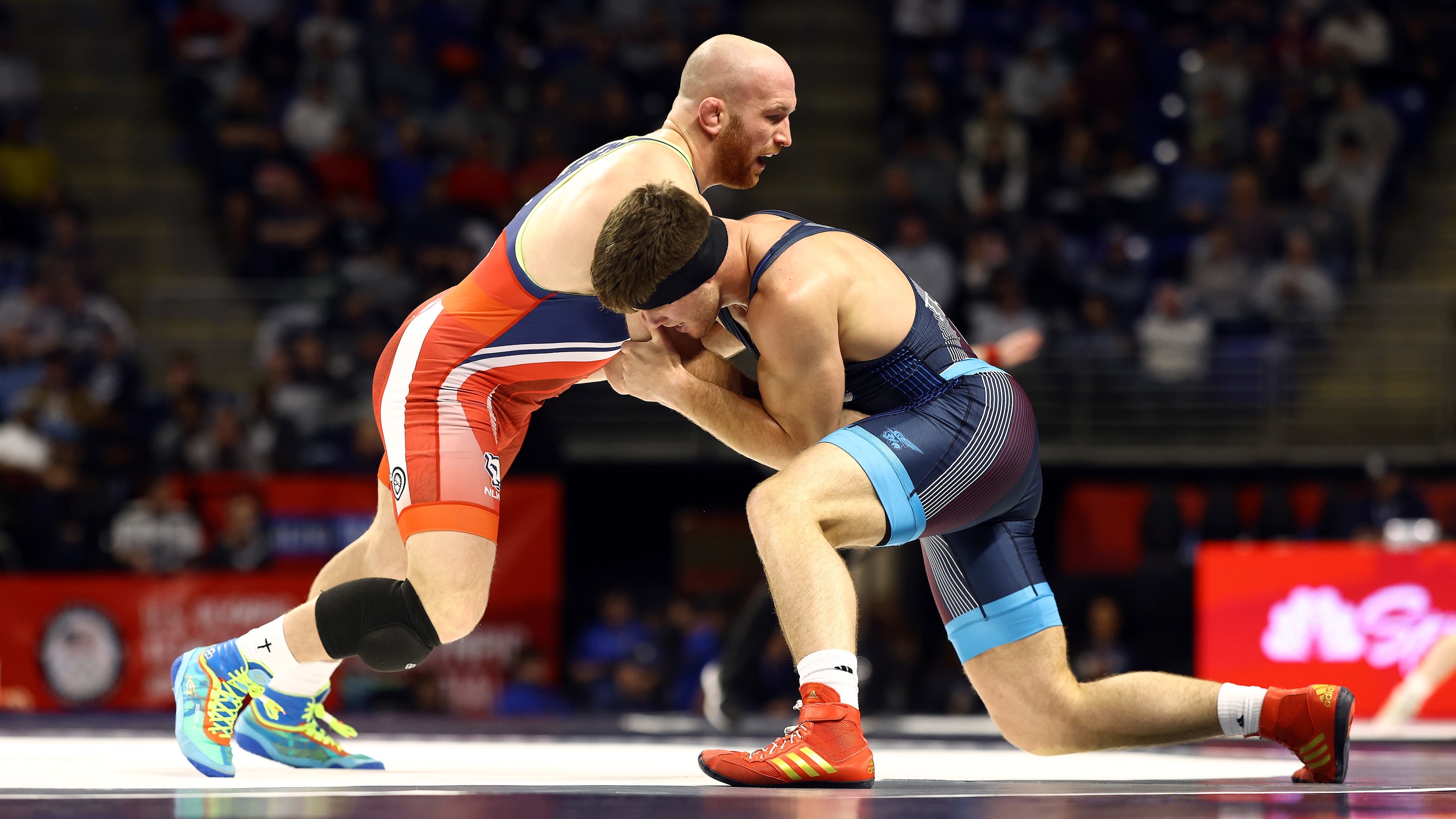
For a good chunk of my life, I have wrestled. It is a beautiful sport in a vacuum, but there is an ugly side when it comes to weight classes. In wrestling, there is a very common practice known as cutting, which is basically losing weight within a certain amount of time. Oftentimes, this is a short term cut within a few days in which one has to think about the physical weight of the foods and drinks as well as things like water retention and fiber. I had played other sports when I was younger, but when I got to high school I didn’t quite understand just how much wrestling would be omnipresent in my bodily life, specifically surrounding food. With something like tennis, my diet would simply be whatever my mom made, or what we ordered when we went out. Once I had to start watching my weight to make sure I was in the right weight class for the team, my diet started to shift. Especially when we would be close to matches, and I would stress the whole (fully dehydrated) 24 hours before weigh ins. Immediately after weigh ins, I would go rehydrate and fuel up with foods like Cheerios and honey to give me quick energy. Even with all of these things in mind, we still had to go out and wrestle right after this starvation. We were expected to perform at our best after depriving ourselves of nutrients to make an arbitrary weight. I think it is interesting that this extremely physical sport inadvertently turns the body into something that is purely focused on one thing.

More Than This Body


Copyright: Matthew Horwood – Getty Images

TW: Eating Disorder

I grew up learning to hate the mirror,
to pinch the softness of my stomach
and wonder why my body refused to become something worth loving.

I starved myself.

I made hunger a punishment,
my reflection an enemy,
and every pound I couldn’t lose another reason to hate myself.

I was starving,
and still,
I was too much.

Then came diabetes…

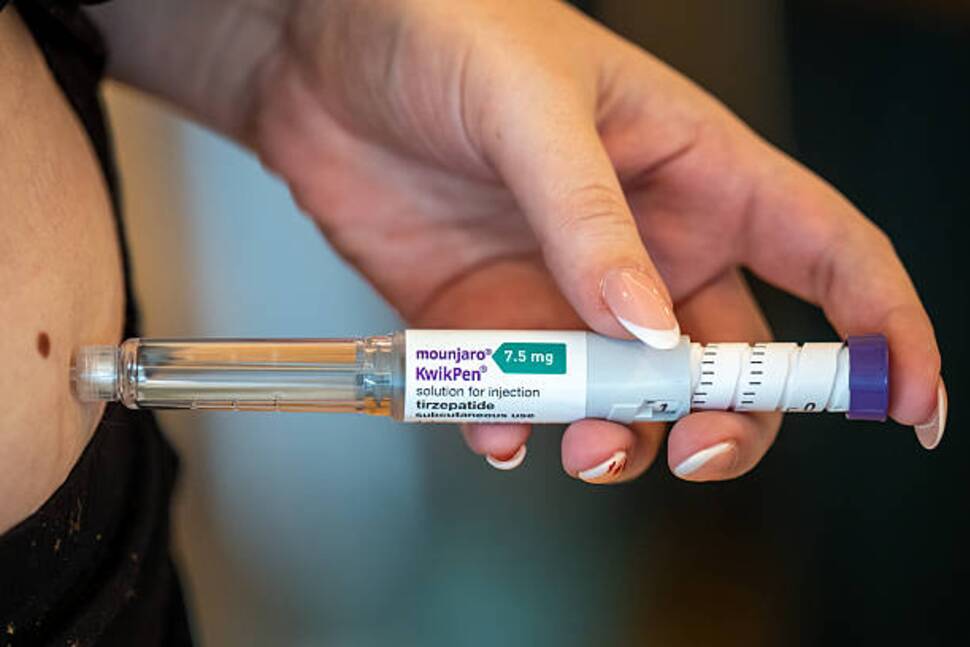
A weekly dose,
A GLP-1,
A magical cure.

Four months in now,
forty pounds down.

And suddenly, the world was kinder.
You look beautiful.
You look so good.
Have you lost weight?

Words I had spent my whole life waiting for finally found their way to me.

I can move more easily now.
Breathe a little lighter.
Live a little freer.

And God,
I wish I could enjoy it without wondering why I had to change for people to see me.

Because I’m still me…
The same heart.
The same mind.

The same person who cried in dressing rooms,
who avoided photographs,
who begged the universe to make me someone people wanted to look at.

Where were these compliments then?
Where was this kindness when I was breaking myself trying to become smaller?

I hate that it feels so good to finally be noticed.
I hate that forty pounds seem to have made me more worthy in the eyes of people who never bothered to look deeper.

My body changed.
My soul didn’t.

I am more than this body.

But now that this body is smaller,
people are finally looking close enough to see that there is someone here.

And I don’t know what hurts more…
that they couldn’t see me before,
or that a part of me is grateful they finally do.

Why do I have to lose weight?

Growing up my grandma always commented on my body saying oh you need to lose that stomach fat, your belly is getting big , and where did all this weight come from. When I was younger I always thought why is she saying this to me I’m only 7 and I like my body I’m just having fun. I grew irritable when she would pat my stomach and say you need to lose this. I started sucking in my stomach to make it skinnier and flat so my body looked “right”. Her saying this to me so young caused me to believe I shouldn’t have any stomach fat even if I wasn’t what people would consider a bigger girl. Now as I am older I still suck in my stomach with out realizing until someone says something or I reach a relaxed state showing the effect her words have add on me after years of hearing the same thing. A student in class said the same thing about her family member mentioning her body when they would see her and it made me think of my grandmother doing the same to me. Maybe one day I will ask her why she always comments on my stomach and why she is so obsessed with losing her own stomach fat when to me it looks like a healthy normal body.

Read more: Why do I have to lose weight?

A Physician Who Can See You for You

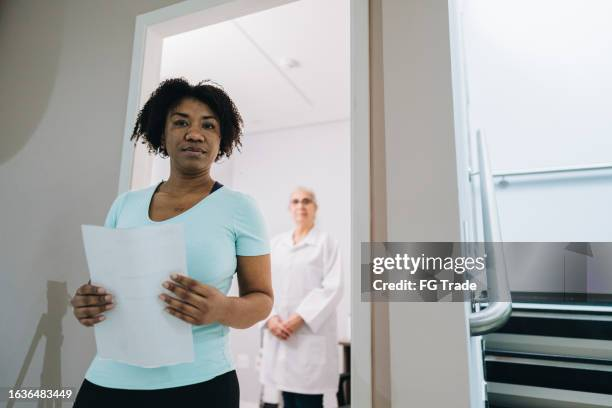
“What is your preferred pharmacy?” These can be really relieving words or very stressful ones. Is this a solution to your problems, or just a way to cope and live life a little easier? Or is it an incomplete answer for your needs?

I’ve noticed that many people find doctor’s appointments complicated. Some feel shame about telling the truth. The doctor could be from the same ethnic background as you, so you don’t want to tell them that you smoke. Or you could be in a busy clinic that accepts Medicaid and is pushing you out, like the pills they prescribe you. Why is it so hard to find a physician who can see you for you?

Women and racial/ethnic minorities are 20% to 30% more likely to be medically misdiagnosed than white men, according to the lead author of a 2023 BMJ Quality & Safety study, as reported by KFF Health News: https://kffhealthnews.org/race-and-health/medical-misdiagnosis-women-minorities-health-care-bias/

My point is that medicine is often treated as the whole answer when it should be only one part of it. I don’t want a band-aid. I want a plan.

Roxane Gay, a Black author, writes about this in two essays about her body and her weight-loss surgery: “What Fullness Is” and “My Body Is a Cage of My Own Making.” She describes not being seen as a person but as a fat person, someone severely overweight, someone who looks like she needs fixing. She is not being looked at as just Roxane Gay, who is genuinely trying to figure out what can make her healthy. I’d add that healthy doesn’t have to be synonymous with losing weight. She describes doctors “always trying to ‘treat’ my weight before anything else.” Doctors told her she wouldn’t live to 40, then 50, and her family pushed her toward surgery.

After surgery, she describes being cold and exhausted from eating only 1,200–1,500 calories. She writes, “I am filled with regrets because everything has changed, but everything is exactly the same.” In “What Fullness Is,” she says, “I am empty, but I know what fullness is.” To me, that doesn’t sound like the definition of healthy. Healthy means being cared for as a whole person, not only as a body to fix. Her next step wasn’t another procedure. She goes back to therapy to deal with what the surgery didn’t fix.

In “My Body Is a Cage of My Own Making,” she compares weight to skin color, because it is something you cannot hide, and no one can see you apart from the body you are in. Separately, my own view is that being healthy is about what’s underneath, not what’s outside. She also says she built the cage herself, which complicates blaming doctors alone, since she partly blames herself, and that self-blame is part of the harm. Doctors who look at the body first and the person second are part of how bias happens. As a Black woman, Gay falls into both groups the stats above cover, and what she describes is the same kind of bias.

So am I really trying to hear, “What is your preferred pharmacy?” No. I’m trying to hear a solution. For me, the solution is someone who listens, explains the plan, and treats me as a person.

The Art of The Backup Dancer

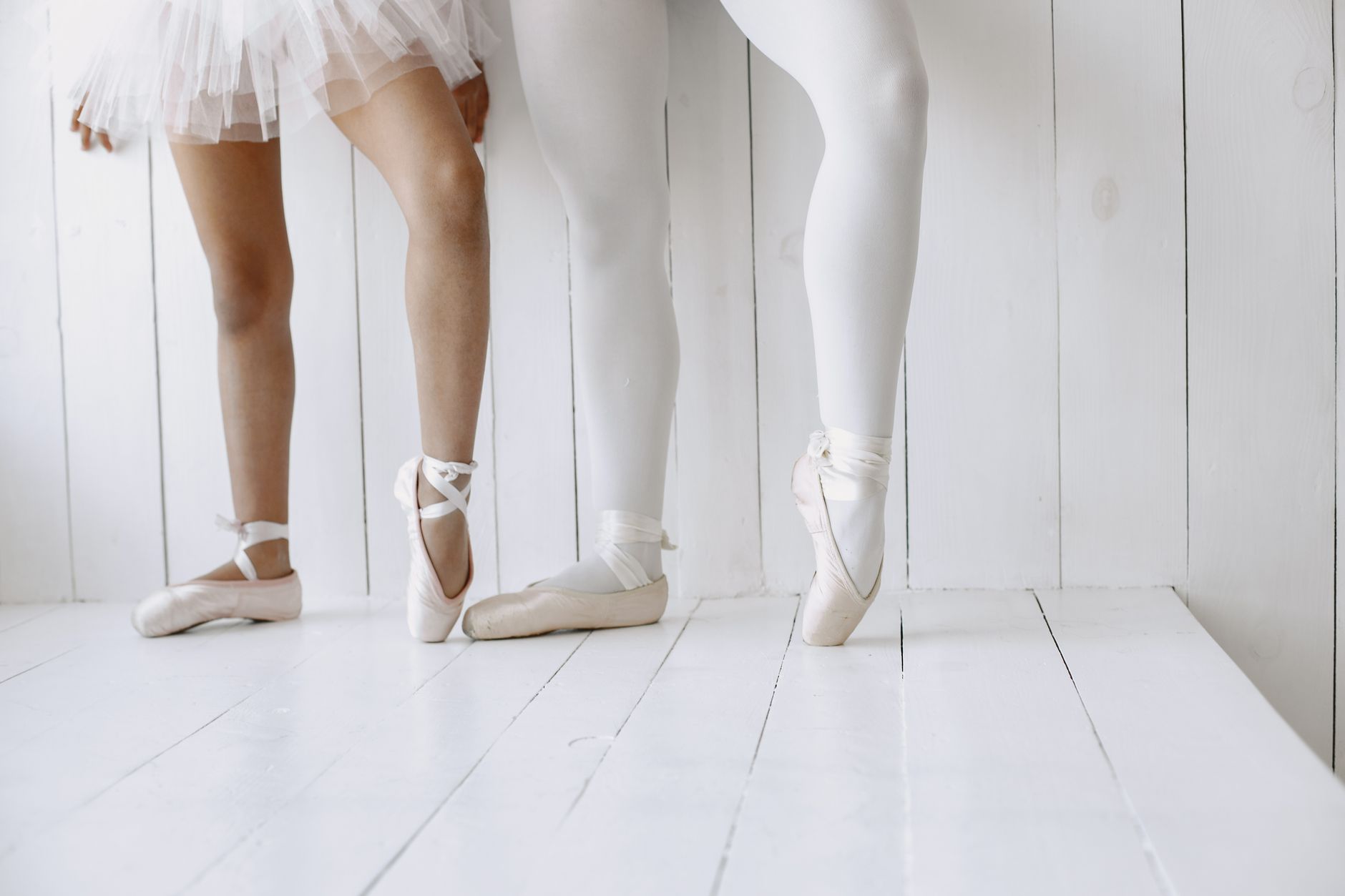
Picture dancers behind a pop star at a concert, they are moving as one. They have matching outfits, hair styles, and builds. Different images of them may conjure given the minds of each individual, especially given their identity. From a more dominant Western perspective, one may think of people who are relatively skinny, muscular, and occasionally of different body types. There may be a semblance of diversity scattered through the row of dancers, but this can be infrequent depending on where you look. This is a pattern that shows up at concerts or more generally, stage performances. This isn’t a criticism on a singular performer or production but rather a reflection of the music industry and what dance as an art form and how it has taught people what to define as a “good” dancer. Dance fundamentally treats symmetry, synchronicity, and sometimes looking identical while dancing in tandem as the way to achieve “true” performance. This belief doesn’t appear from out of nowhere. Dance in classical forms awards a limited body ideal and the industry just keeps rebuilding it.

Continue reading →

Confessions of a Monstrous Girl

I was completely infatuated with the Monster High franchise growing up. Bed sheets, pajamas, shoes—whatever it was, I probably had it. My parents never quite understood the whys or hows, and neither did I until I reached young adulthood and still found myself rewatching the movies for comfort.

I think part of me has always been drawn to the idea of something different, such as monsters themselves. There was something surprisingly comforting about characters that were so incredibly different from each other. Whether they had fangs, stitches, or scales, they still were able to exist wholly as themselves without those differences diminishing their existence. They had friends, lovers, and full lives. They could exist without having to conform to someone else’s expectations. Looking back now, I realize my attachment to Monster High was more than just the fashion and interesting stories. I saw something in these characters I desperately wanted for myself: to accept and embrace every bit of myself, monster and all.

Read More