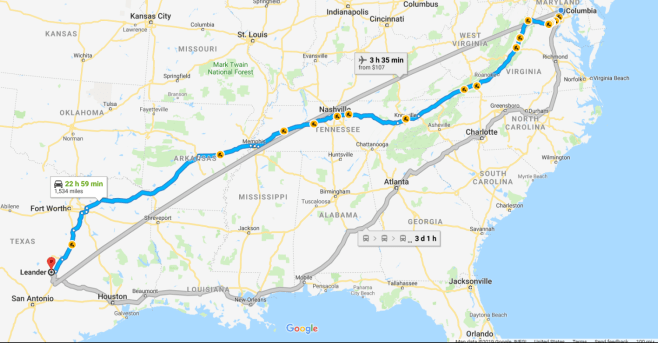
This long weekend I went on a three day road trip with my dad. My parents own a furniture store in Columbia. Someone ordered a sectional (large couch) and wanted it delivered to Texas. My parents had to choose between hiring someone to deliver and assemble it or do it themselves. Originally, my dad was going to take one of his employees but then I offered (my mom suggested it and I said yes) to go. Continue reading →
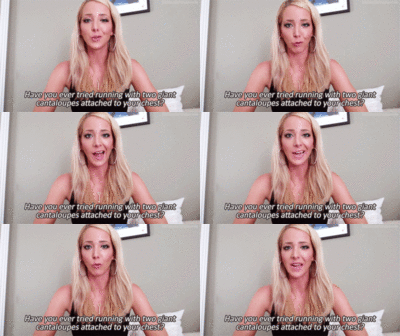
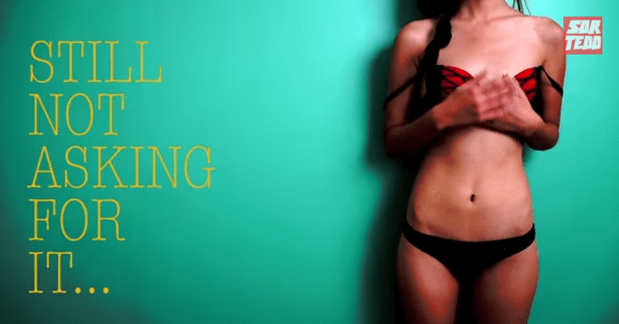
My friends joke all the time about wanting huge boobs like me and how I should ‘share’ some of mine with them. Little do they know I suffer serious back pain and life is just more expensive with huge breast. By expensive I mean physical therapy and finding clothes that will actually fit. Trust me, you’d be baffled at how many places wont carry bra sizes and bikini tops that fit comfortably and supportively for DDD breasts, or best yet don’t even sell sizes exceeding past DD’s. Being an athlete my whole life, I always struggled working around my boobs and it became more of an inconvenience the older I got. As a 22-year-old, having large boobs might be ‘great’ to some, but not for this gal. So where does this leave me? Thankfully, breast reductions have become increasingly popular for those who suffer like me. Research has found that breast reduction relived symptoms of back, shoulder, and neck pain, posture problems, and bra strap compression. Best part about the whole thing is that insurance covers most of it. Sounds like a miracle!
So why haven’t I planned the appointment yet?
I have lived with having big boobs my whole life so how do I live without them? Physically, I know that it is the right thing to do for my body, but there’s so many what ifs. What if my breast come out disproportional from each other? What if I choose the wrong surgeon and they botch my reduction? Can I deal with the scars I get from surgery? Yes, I know this may sound vain. But after reading various blogs, I found I’m not the only one with these anxieties or thoughts. Boobs have been apart of my physical identity and changing them could mean changing how I view myself, or vise versa how the world will view me. The Body Reader has a great quote that may explain why I am feeling this, “the proliferation of stylized (ideal- ized) images of the body via the media (advertisements, fashion magazines, popu- lar film, television) constantly and relentlessly inundate individuals like never before. This process reinforces the ideology that if the body is maintained cosmetically, it will reap a number of rewards such as thinness, beauty, increased sexual potency, and overall healthiness.” It truly is hard in todays society not to compare yourself to others. Breasts have become so overly sexualized and me getting rid of some of mine, may make me feel less womanly and unsatisfied with my body.
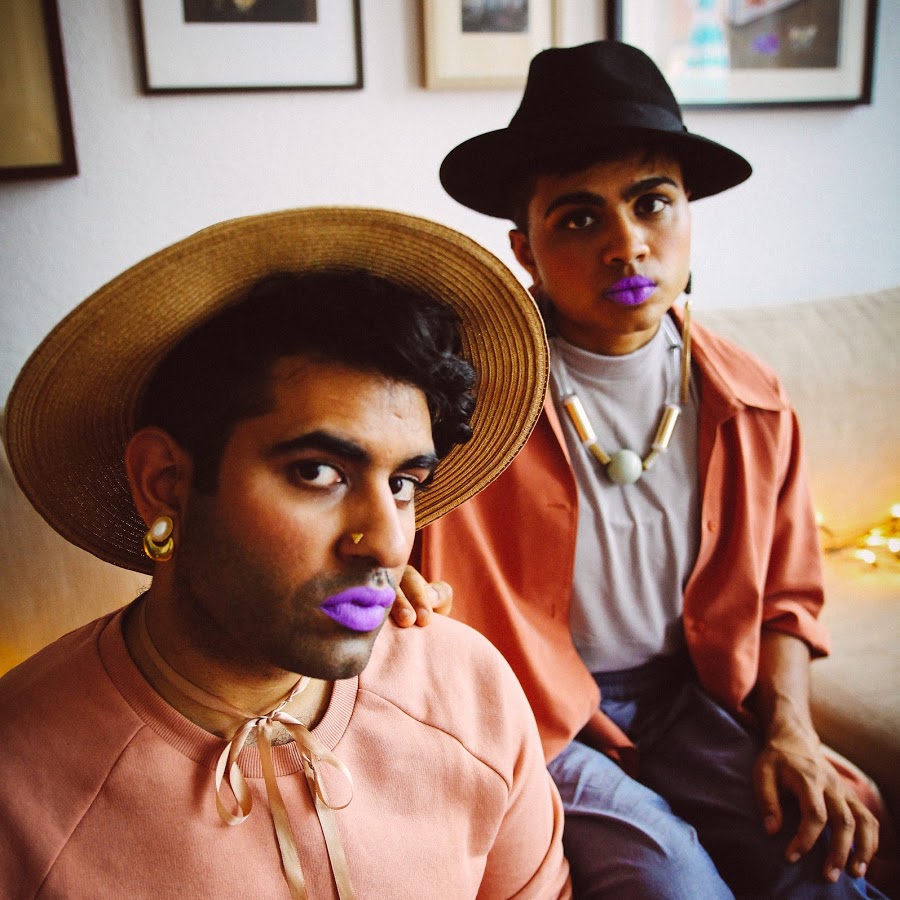
I just wanted to talk to you guys about masculinity and why American society puts such a heavy image on men’s masculinity. I am really in to makeup and I came across a guy makeup artist, James Charles. He is the complete opposite of what the normal masculinity is supposed to be. He is very sassy, not muscular, high pitched voice and loves makeup. He honestly is better than a lot of girls I know with applying their makeup. Men typically have traits of toughness, independence and competiveness.
As we watched “Murderball” and
reading “ Coming to Terms Masculinity and Physical Disability” by Thomas
Gerschick, it made me compare men I know to what I have learned from the two. I
learned a lot about Paralytic disability and how it counter reacts to
masculinity. Paralytic disability men aren’t typically fast, strong, active or
independent. Although, in “Murderball” , these men were very active and touch
while playing rugby.
My mom’s friend’s husband is
paralyzed from the waist down because he wrecked his motorcycle when he was
younger. He reminded me a lot of the guys in the movie because he acts the
exact same way. He is extra loud and tries to be extremely aggressive towards
others because he is upset about his disability. I can understand why he is
upset but like they stated in the movie, you can either move on from it or
don’t.
Comparing the make-up artist to my
mom’s friend there is a huge difference, which means that all men don’t have to
fit this perfect role of masculinity. The men in the movie and my mom’s friend
both fit the role of hegemonic masculinity. They want to really prove
themselves because that’s the one way they think they can. If a guy who is
paralyzed wanted to makeup, I personally think that would be inspiring and
awesome to see. I hope one day we as a society can put less norms on things
like masculinity.
The movie “White Chicks” is very
relatable, as well because it’s two men, who are super masculine and have to
fill a part of two women. It’s very funny how masculine men tend to act in a
less masculine way. As females I feel like we also have a role to fill but it’s
not as strong as a man. I’m not sure why society is the way it is.
When you look in your closet how many favorite shirts do you have? How many favorite stores do you shop at when your looking for new outfits? You may not realize how lucky you are to even have a favorite outfit or store to go to.
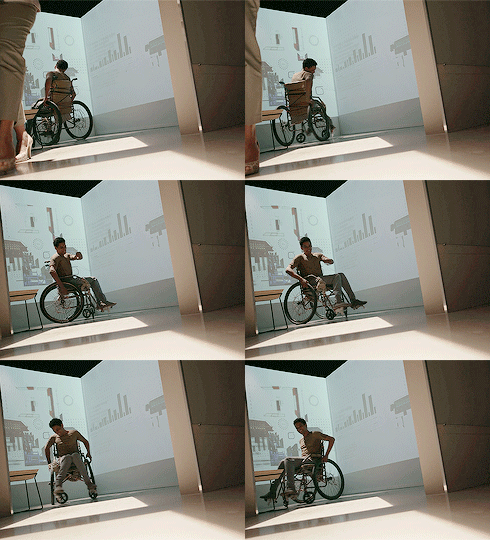
The reality of many adults with disabilities is the obstacles and embarrassment they face when trying to find clothes that suit their body type. We recently saw on the movie “Murderball” a brief excerpt of one of the men attempting to change his pants while sitting in a wheelchair. The struggle to coordinate his body movements to take off his pants was discouraging to watch.
Who is Mindy Scheier?
Minda Scheire is a mother of a disabled son who was confined to a wheelchair due his debilitating rare form of muscular dystrophy. Shopping in the mall was an obstacle that was becoming increasingly draining and unmanageable over time. After experiencing the daily struggle’s with her son to get him dressed in the morning before school and watching his disappointment as his favorite jeans slowly became impossible to fit over his braces, she knew something had to be done.
Schiere understood the importance of clothing and how it could influence a person’s overall confidence. Come to find out, scientists have even developed a name for this called “enclosed cognitive recognition which refers to the symbolic meaning of clothing and the physical experience of wearing the clothing, that have a direct correlation on how you feel about yourself” (Ted Talk, 2017).
It took a lot of time and research to understand what needed to be changed to make clothing adaptable to the “differently-abled.” She located a foundation that supported mainstream fashion called The Runway of Dreams. Her contributions to this clothing line has developed modified clothing to alter closures (buttons, snaps) and replace them with magnets, waistbands were now made with elastic and she created various ways to put on the clothing that differs from the traditional way.
Her creativity and willingness to educate the fashion industry created a social space for people with disabilities to be included. The disadvantages and restrictions that Tom Shakespeare discusses in “The Social model of disability” dealt heavily with the exclusion of people with disabilities. The structure of the fashion industry only targeted the “normal” functioning population. We need more likeminded people similar to Minda Shiere who are willing to go the extra mile to limit the isolation that people with disabilities experience and include them in mainstream social activities, such as shopping, that Shakespeare describes.
I’ve had a lot of nicknames, more than most, I think. Sonja boi, J, Gerber, Jaskinky, Keeks, Jas. But one of the worst nicknames was The Jungle. I had this nickname in middle school because I didn’t (and still don’t) shave my legs (and armpits too). Matthew Immergut states that body hair is seen as a manifestation of a nasty and wild nature so ‘The Jungle’ is probably accurate nickname for a hairy twelve-year-old. Continue reading →
Caitlyn Jenner’s shocking transformation was no secret in the industry as it spilled into the tabloids and the media. As a public figure, olympic medalist and father she was in the lime light and had to endure a mass amount of public judgement. As spade discussed sex reassignment surgery has a lot to do with the desire to meet “gender-coded structures” by transgender individuals Caitlyn Jenner has reached her goal. These structures are only defined by what our culture considers normal.
Man staring nervously at piles of folders
We all know the Kardashian and their glam life style. They portray themselves as being flawlessly and effortlessly perfect. This transformation brought reality into perspective for them and for all of their fans. The perfect family image wasn’t so perfect anymore.
Caitlyn went under a series of surgeries including sex-reassignment surgery. I think it is important to understand that her status and financial resources had the ultimate decision in her ability to make such a drastic transformation.
As Caitlyn discussed in some of her interviews post-transition she discloses that she had felt this way for a very long time. I think Spade made a valid point when she stated that transgenders are very invested “in dichotomous gender categories” and being able to identify with their true self-identity.
I don’t think there was any perfect time for Caitlyn Jenner to make this transition, but I think It was important that the Kardashians went through this publicly on television and social media to show the world that there is no such thing as being perfect.
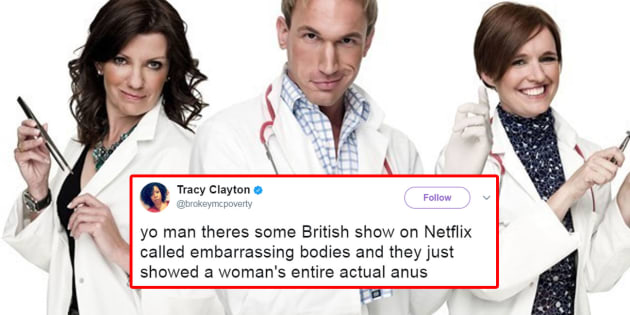
Netflix now carries the British series: Embarrassing Bodies, a show about three doctors who travel through Britain, opening pop-up clinics for passersby seeking cures for a wide array of ailments or deformities. The show documents one-on-one consults, large group Q and A sessions on specific health-related topics (these are often set in schools, pubs, or other common public gathering places), street interviews on topics such as “baldness” or “boobs” and exhibits set up outside the medical tents where people can learn more about the inner workings of the body. All of these interventions are designed to make people less worried about their bodies, while setting up expectations about what is “normal” versus what requires medical intervention.
It is hard to think of an American equivalent of this show, though there have been other international spin-offs: Wikipedia lists Embarrassing Bodies Down Under, Dit is mijn lijf (This is my body) in the Netherlands and the strikingly named Я соромлюсь свого тіла (“I’m ashamed of my body”) in the Ukraine.
Transgender has become much more common today than it was ever publicly recognized in the past. I am a lucky friend of a very unique individual. My experience with her has shaped my belief and attitudes towards the LGBTQ community and how I treat people today. This narrative surrounds the experience of he who is she, a very brave individual.
Growing up my best friend looked like your ordinary young boy, except that she liked to do everything I liked to do as a young girl such as jump roping and playing with hula hoops. I was only 8 at this time and I did not think twice about it I thought it was great! However nearing the end of elementary school our classmates began to pick on her. A defining moment I remember was when someone asked her if she was GAP (gay and proud). I didn’t know what this meant so when I went home and later asked my sister and my mother who then told me. My mother sternly told me that she is my friend and that everyone deserves respect. I didn’t understand what she meant until years later.
The summer before 6th grade my friend began switching up her style of clothing to resemble my girly outfits. At this time she disclosed to me that she was gay and I simply said okay. The unspoken subject becoming spoken was a strong moment in our friendship. This was a very dear secret to her that she thought no-one knew, even though they did. I vowed to never disclose her secret until she was ready.
Throughout high school she was teased and when she went through her dark times, I almost felt like I did too. During out 9th grade year is when he began referring to himself as she. I think this gave her more power and the ability regulate herself within the public eye. In Susan Strykes article when she describes her feelings, “I can never be a woman like other women, but I could never be a man,” I think she speaks for herself and the transgender community as a whole. My friends was often conflicted on how she should portray herself and what was defined as “too much”, but I encouraged her to be herself. We would go shopping together, try on different kinds of makeup and even stroll through the jewelry and hair shops. I believe it was the inclusion of me and our close friends group that helped her to feel less like a the “monster within” that Strykes describes and allowed her to move more freely.
Today she has gone through hormone replacement therapy and fully identifies herself as a young woman. Many people can’t tell the difference but when they do you can see the looks and hear the whispers of their confusion or disgust. I commend her for always being the bigger person and learning how to not take it too personally, even though after all it is very personal.
When Foucalt discusses his theory of power. I believe that the idea of there being other forms of gender identities within our society threatens our understanding of males and females socially, culturally and politically. This is a very debatable topic but I encourage you to educate yourselves. For instance what do you think about transgenders using public bathrooms, or dressing rooms? Should there be restrictions or acceptance of this type of access? Is it because of the unknown, what if they were a friend or family member?
I think Transgender needs to be assessed in a different way other than as a disorder in order for it to be perceived differently.
As I was thinking today I started thinking about how people are shaped into the person they are from past events and future events to come. As all these events occur, we develop scars and memories from them. Scars can be good or bad depending on the even. For example, someone could have a scar from falling doing something they love. Even though this still is unfortunate, they were doing something they loved to do like snowboarding. A bad scar could from being beaten, a surgery, or a fall from a bad experience.
From our reading “Scars” by Jarvis
Jay Masters it influenced me to think even more in depth about scars and their
impact on our bodies. In his reading he talks about how people have been traumatized
from their childhood and it made some people in to criminals. In the reading it
talked about mostly everyone in the prison had been abused and were raised in
foster homes. It’s very upsetting to hear these unfortunate childhood events. As well as people covering their scars with
tattoos. They most likely covered their scars with tattoos because they were ashamed
or didn’t want to see the scars to remind them of their horrible past events.
Tattoos are supposed to be a memorable experience or something we just simply
like so I think that’s why people use them to cover up scars.
I personally had surgery on my foot because I had to have a bunion surgery and I have a horrible scar left on my foot still and that was about 8 years ago. Also, a year ago I had my son where my body made me have a c-section which left a scar on me. My c-section scar isn’t the cutest, but I’ve grown to accept it because I love my son. The body is an amazing thing that we can never fully predict what will happen to us. I thought I was healthy and then I was in labor for over 24 hours, which led to a c-section. Labor was such a hard experience for me, but I think we forget after a while because in the end, it was all worth it. I do think c-sections should receive just as much credit as “normal” labor because I went through SO much that day. I was on oxygen and the doctor said I was going to lose the baby. This was all after 24 hours of labor. I literally received every kind of medicine to try to have my baby vaginal. Overall, Scars will always remind us where we came from and our significant events. I think in today’s society we need to be more open with one another and love every part of ourselves. Our bodies are controlled by our minds, which is why we get so upset when seeing our scars. I wish there was a way to look at our scars and be happy.
Works Cited
“Scars” Jarvis Jay Masters. “The Body Reader” Edited by Lisa Jean Moore and Mary Kosut
The laws and cultural norms that govern most societies around the world has typically been overwhelmingly male oriented, and for this reason, it is not uncommon to see that such societal norms are biased and predominantly favors everything male. In some cultures for instance, it is the norm that the female body is solely for procreation. Compared to the male body the female body has historically been deemed “fleshy”,” leaky” and “primitive”, whereas the male body generally has been associated with” logic”, “rationality” and “civility”. Such a perspectives has always shaped world view of women, and have hampered their ability to contribute to societal affairs and a vast array of other social issues. In most western cultures like the United States for instance there is so much stigma associated with a woman’s quest for a leadership role this was evident in the 2016 presidential elections in which the default expectation that there are too many limitations that prevents a woman’s from successfully executing such leadership roles limited her chances for success in favor of the male candidate.
Similarly, it has well been established that in the past few decades, sexual violence and its use have been and continues to be exploited in an attempt exert control and subjugate minorities especially in the slavery and pre civil rights era. By many accounts however it goes beyond race and civil rights, and traverse the contours of gender and gender equality especially if viewed in the perspective male quest for control over the female body. With the establishment of such norms aimed at establishing control over the female embodiment, one can’t help but argue that by extension women as a whole suffered and continues to suffer from gender disparity norms especially for reasons that such norms are put in place by men with no clue of how a loss in agency might effect the female body. In many ways, the quest for such male dominance can be likened to Foucault’s description of sexual exploitation (in this case of the female body) as a way of projecting power.
In recent years however, the calls for change continues to get louder and old societal norms are increasingly being challenged by new and informed standards aimed at guaranteeing gender equality and reclamation of female embodiment. The “me too” movement for instance challenges the male domination of societal norms, and seeks to dismantle the male claim to the female body as a price possession. Because the role played by the disembodied male perspective in shaping the current view of the female body, one important question which arise is that as the winds of change continues to sweep across all major sociopolitical spheres, what role if any should men play in ensuring a more pronounced and long lasting change in gender education and equality?
Recently in the media, when the Gillette razor company unveiled a TV commercial challenging the old gender bias norms, it drew a lot of heart felt criticism and backlash from those (mostly men) who felt offended by the central theme of the commercial. The message though controversial had most communities talking, and served as a blueprint on how such issues can be dealt with moving forward. It should start with breaking the cycle of misinformation, with bold fathers stepping forth to educate their sons as they will be the fathers of tomorrow, and hold the responsibility of passing on what they have learned to their children. In other words the key to a less gender biased society starts with adequately orienting such ideologies through education on gender discrimination and female disembodiment, especially among youths be it in the classroom, at home, with friends or no social media.