Prison: Reality & The Shawshank Redemption

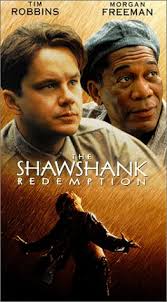
Andy (Left) & Red (Right)

The Shawshank Redemption is a film created by Frank Darabont and written by Stephen King. The plot of the movie is Andy Dufresne is wrongfully convicted and sentenced to years in prison. He struggles in the beginning in prison by ‘learning prison culture’, but with the help of his friend Red (who’s been in prison for over 20 years), he quickly learns the ins and outs of prison. Eventually these two men find solace and ‘redemption’ through decent acts. Furthermore, we see many acts of violence and rape happen within the film. 

            The book The Body Reader, provides some good insight on why prisons are so demanding and harsh to inmates. The book explains how, “the social pecking order among male prisoners is established and reinforced through acts of sexual subjugation, either consensual or coerced submission to sexual penetration” (Moore & Kosut, 95). There was a group of men in the prison called “the sisters”, they were considered deviant and people to not mess with. This label ultimately provided the ‘sisters’ with a lower self-concept and made them cause harm to other inmates, including Andy. The ‘sisters’ were abusing Andy by raping him, beating him up, and taunting him while in the prison. The way they abused Andy only confirmed and fulfilled their label of being deviant, making them well known as ‘people not to mess with’ at Shawshank. Going back to the quote from the book, you can in see how “the sisters” asserted their dominance over Andy by forceful acts of violence and rape, which in turn made them high in the hierarchy of the prison. By instilling fear in their victims, “the sisters” were able to keep their high ranking in the prison and in turn were never attacked/raped by others. 

Unfortunately, through all of this, Andy had to deal with these violent acts of aggression by himself. “The sisters” took some of his agency away from him for a good portion of the film/ his first couple of years in prison. The book provided a great example how rape culture in prison feels, “Like all forms of slavery, these situations are among the most degrading and dehumanizing experiences a person can undergo” (Moore & Kosut, 95).  

            Lastly in the film you witness a lack of effort to stop these rapes from happening. The prison guards are aware of what’s going on, but they do not seem to care enough to stop the rapes. Even though it isn’t said in the film, I feel like the prison guards do not care because they feel like the prisoners are lower than them and that they deserve it for being ‘bad people’. The book also correlated with what the film was trying to present, saying “prisons officials condone these practices, leaving inmates to fend for themselves. Inmates reported that they received no protection from correctional staff, even when they complained” (Moore & Kosut, 95). 

            Hopefully in the future, the prison culture in America will change drastically. The rapes that happen in prison, which effect almost every prisoner will have lasting effects on these individuals for the rest of their lives. Most will go on without verbally telling another person for fear of masculinity and or people not believing them. 
What do I look like? Superhero vs. Monster

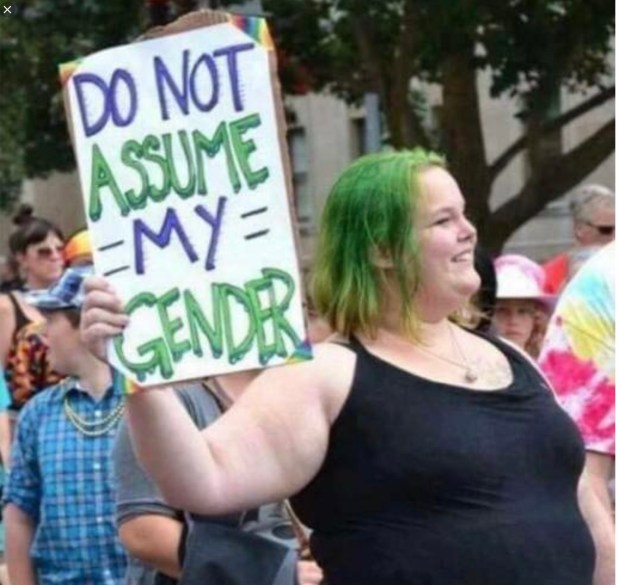
My mind was wandering the other day, as it usually does, about what the difference is between why a hero is accepted for their differences and why a freak/monster/alien/other is not. It came from reading a research article by Susan Stryker titled “My Words to Victor Frankenstein Above The Village of Chamounix.” Stryker raises points about the negative social implications expressed toward people who have a different gender identity that is not their assigned-at-birth identity. Stryker likens society’s feelings about it to how the Frankenstein “monster” was treated. Continue reading

The World Around Your Body May Not Be Made For Your Body

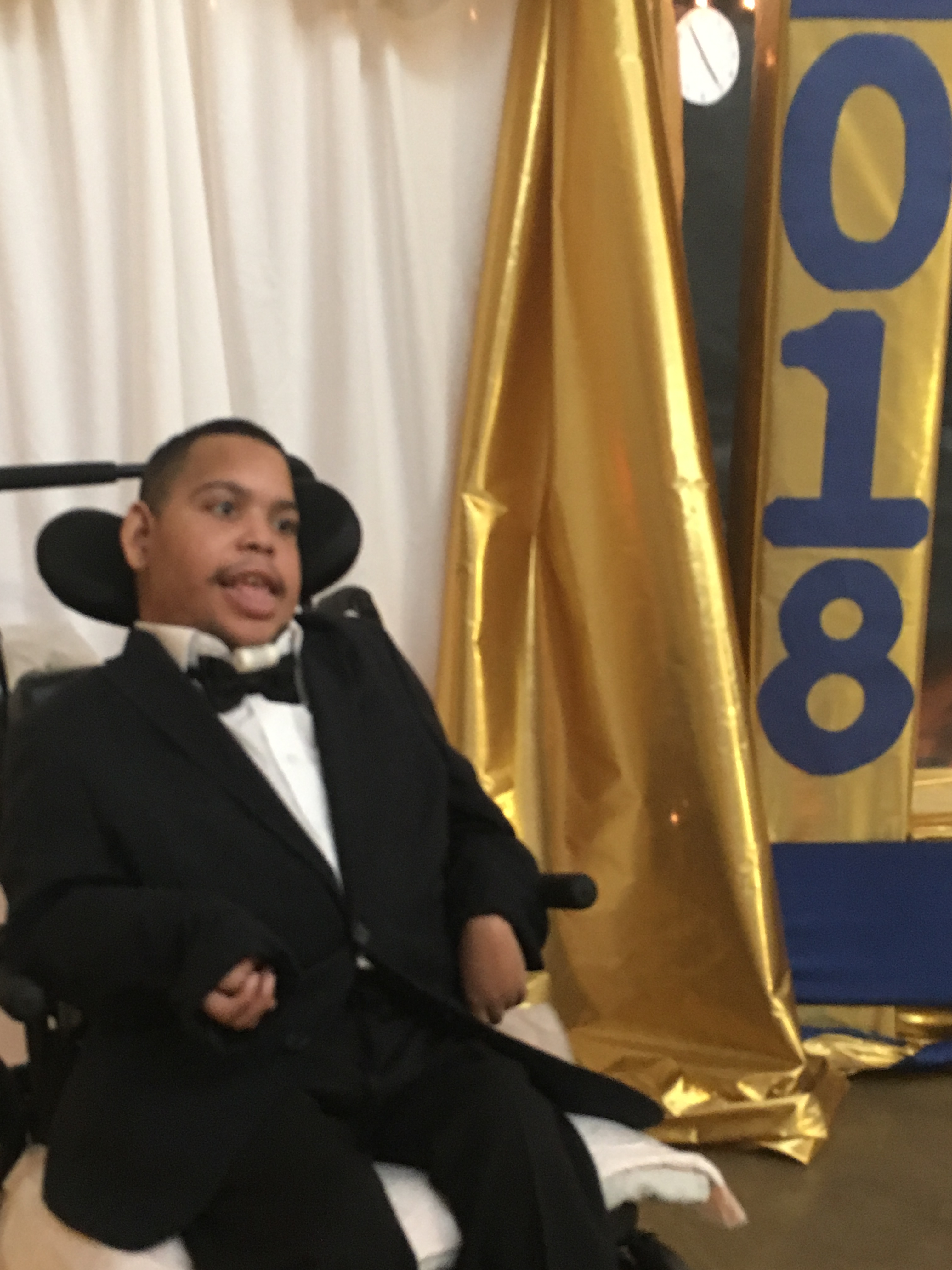
img_0849  Growing up within a world that was constructed through the naturalized standards of body movements, I noticed my brother’s body stood out. As he stayed wheelchair bound and I walked beside him as my mother lifted him upstairs I felt this desire to want the world to be more accessible to my brother. With small inconveniences becoming the reason my brother’s nurses refuse to take him out his room, I saw that my brother’s impairment in which he did not cause nor create was what caused the world to seem unfair to him.  Being diagnosed with something as debilitating as cerebral palsy and having infrastructure built off the assumption that you are an able bodied person creates   disability.  Tom Shakesphere, an English sociologist sees disability to be “the disadvantage or restriction of activity caused by a social organization which takes little to no account of people who have physical impairments and thus excludes them from participation in the mainstream of social activities.” This depiction of disability seems to be fairly accurate as places such as college campuses do the bare minimum to ensure that people’s impairments don’t stop from being productivity. For example, on my college campus they provide ramps on extremely steep hills reflecting a lack of thought of those who have to wheel themselves up and down these structures. With non-disabled people creating the structures and tools for those who are disabled it continues the cycle of ignorance. It is easy to understand why disabled people have created Continue reading

The Resting Bitch Face

The Resting Bitch Face

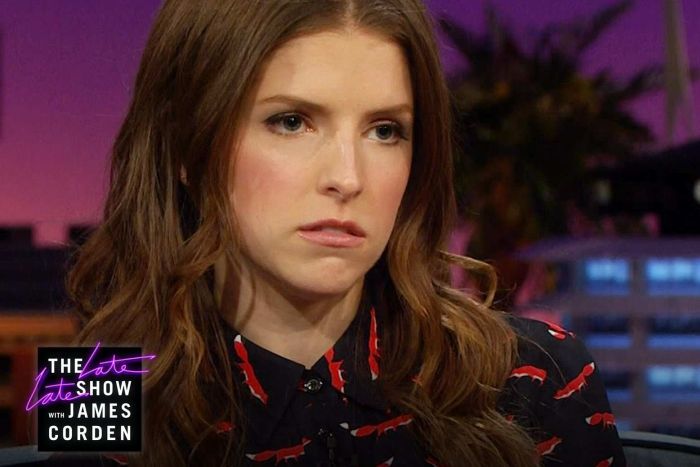
akIn a poem titled “Ode to My Bitch Face” Olivia Gatwood theorizes about some reasons why women have resting bitch face or R.B.F. She says that some are born with it, to some it is a defense mechanism they put up every day, and to some it is a “safe zone.” The resting bitch face according to Urban Dictionary is “a person, usually a girl, who naturally looks mean when her face is expressionless, without meaning to” and “A bitchy alternative to the usual blank look most people have. This is a condition affecting the facial muscles, suffered by millions of women worldwide. People suffering from bitchy resting face (BRF) have the tendency look hostile and/or judgmental at rest.” Continue reading

Even Researchers Are Confused About Body Modifications

Even Researchers Are Confused About Body Modifications

Tattoos have become increasingly popular in America

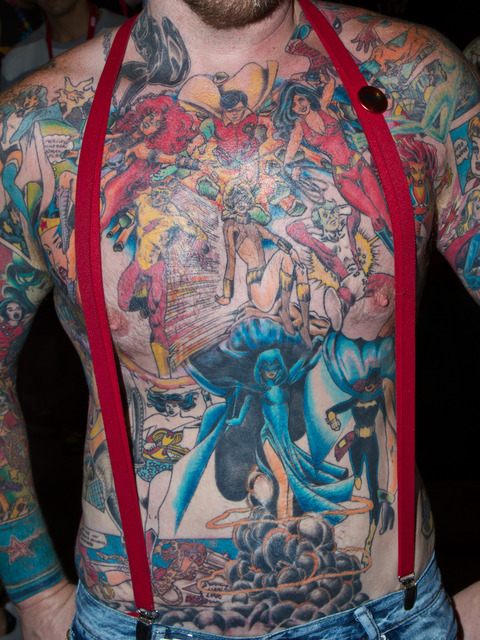
Practices of body modifications date back centuries ago. In some countries body modifications are sacred, separates class division, a set standard of beauty, or rites of passage; thus making it a ‘norm’ in their community. In the United States, some types of body modifications have become almost a standard norm, compared to past history. The body modifications that are becoming increasing popular within the U.S. are piercings, tattoos, hair coloring, body-building, tanning, dieting, and cosmetic surgery. 

What is the reasoning behind why these types (semi-permanent or permanent) of body modifications are becoming increasingly normal? Unfortunately, this it is a hard question to answer and it all depends on the individual. Some people may do body modifications to perfect or correct their appearance, some may seek to improve their body-image, some may just do it as an impulse with no reasoning behind it, and some may use it as a creative self expression (Swami 2011).Regardless of the reasoning, individuals may come to regret the unintended negative consequences that comes along with their body modifications.

Continue reading

Give me some elevator space!

One time, maybe a few times, or maybe every time you enter an elevator you get a weird feeling or is it just me. Sometimes it gets so crowded in an elevator that we as people are bumping in to one another accidently and accidently.  I have a story… one time in an elevator, I was so squished between people in an elevator that I was rubbing all on top of someone because people just kept coming in like I’ve never seen before. I didn’t know if everyone else felt the same way or if it was just me. I feel as humans we like to have a more space, but at the same time we like to get to places as fast as we can, so we try to all cram together to get as many people in as we possibly can.

            Well in the elevator during this specific time, a guy was touching my hair with his beard because he was taller than me. I couldn’t even move to see what it as touching me until some other people exited the elevator to see him there still way too close to me when there was more room at this time once people exited. So I had to say something to him because he didn’t understand my gestures, which were all hinting for him to give me some space to move.

            Specifically, from reading “the body reader”, in Arthur Frank’s piece of writing states “A medical anthropology unable or unwilling to examine how culture infolds into the body (and, reciprocally, how bodily processes outfold into social space) is not very likely to get far in the conceptualization and empirical study of the sociopolitical roots of illness or the cultural sources of healing.” I really like that quote because it proves to us that we feel the need to infold our bodily fluids and motions as humans because we don’t want to be judged in a bad way. It reminded me of my time in the elevator because I didn’t know whether to say anything to the man about giving me some space.

I definitely felt very awkward and couldn’t understand why he wouldn’t move. Just like we discussed in class about out body’s being open in any type of way gives off the impression that we are “dirty” or “unmannerly”. I just would love to know how other personality types feel about the elevator situation I had experienced. Body and mind both are connected and not connected at the same time, which is so mind blowing to me. As a human I feel like sometimes if we didn’t have certain norms about how our bodies are then there wouldn’t of even been that thought in my mind in the elevator.  As well as the others in the elevator witnessing this situation… did they even find it weird? That’s what so wild about all the different types of mind’s there are in the world. The mind is such a insane part of our body that no one will ever think the same. Has anyone else had these thoughts or a situation similar?

“The body reader” Edited by Lisa Jean Moore and Mary Kosut.

Twisted “Reality”

Twisted “Reality”

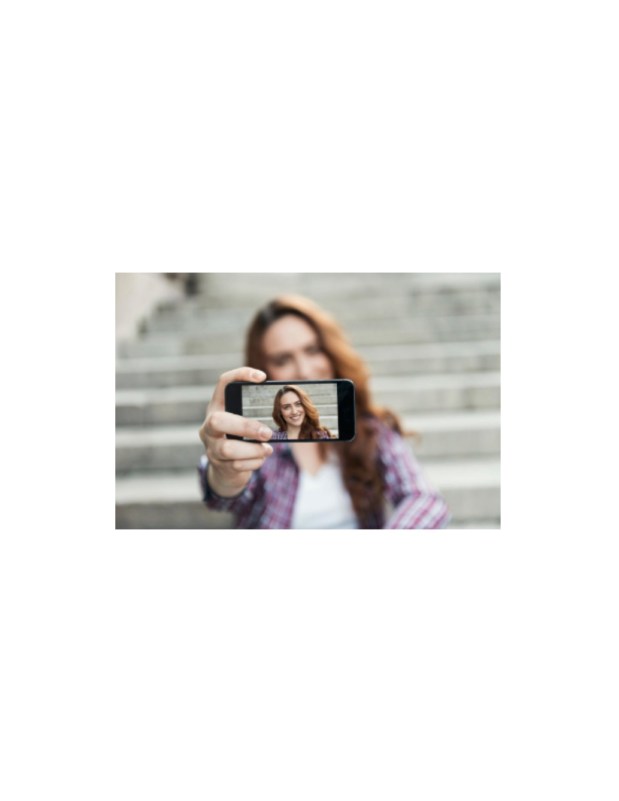
Are you consumed by social media? Media today has become a frenzy. Beyond the communication aspect the latest “alarming trend” described in an article published in the Washington Post describes the cyberculture as a new phenomenon not only for the “selfie-takers” but as a booming commodity on the rise for doctors and the plastic surgery market. A recent survey disclosed that “Americans spent an estimated 16 billion on cosmetically surgeries” alone.

Continue reading
I’m Really Not Gay Tho

I’m Really Not Gay Tho

The connections between race and sexuality that Patricia Collins mentions, for me, are really relatable. Even though she and many other feminist studies writers have focused on African American men and prison power dynamics, as an Asian man, I can see exactly what they might be talking about in my own history.

When I was growing up, I had a really high voice; it was really really high. Some people might have said things such as, “You sound like a girl”. It really was that high pitched. And ultimately, many people at my school assumed that “He must be gay”. It’s true. People even asked me about it.

When I told them “No”, many of my peers were confounded. “That can’t be!”, they said. They assumed I must be lying and this was big issue for them for a long while. But then, many people suddenly turned around and said that I wasn’t lying after all. And I was confused.

It turns out, according to some individuals, that my voice was so “feminine” because I was Asian. “Asian men are just much less masculine and we should just accept you because you can’t help but be that way”.

Now, I realize that this was an example of the connectedness between race and sexuality. Like African American women or the less masculine African American men that were called “bitch” or “dicksucker”, my say on who I was was ignored by my surroundings but instead got replaced by peoples assumptions. And conversely to African Americans who were threatened because of their race, I was “validated” as acceptable because of mine.

No one paused to think that my sexuality, a private issue, was being violated. And then no one stopped to think that “blaming” a whole race of people for my “situation” was sort of racist. Reading such passage has enlightened me that, in this scenario, there were interlocking systems of power at play. Race and gender, in my case and many others, were used as intersectional societal methods of control at the expense of those affected by such assumptions.

“The Body I Wear Is Not Perfect”

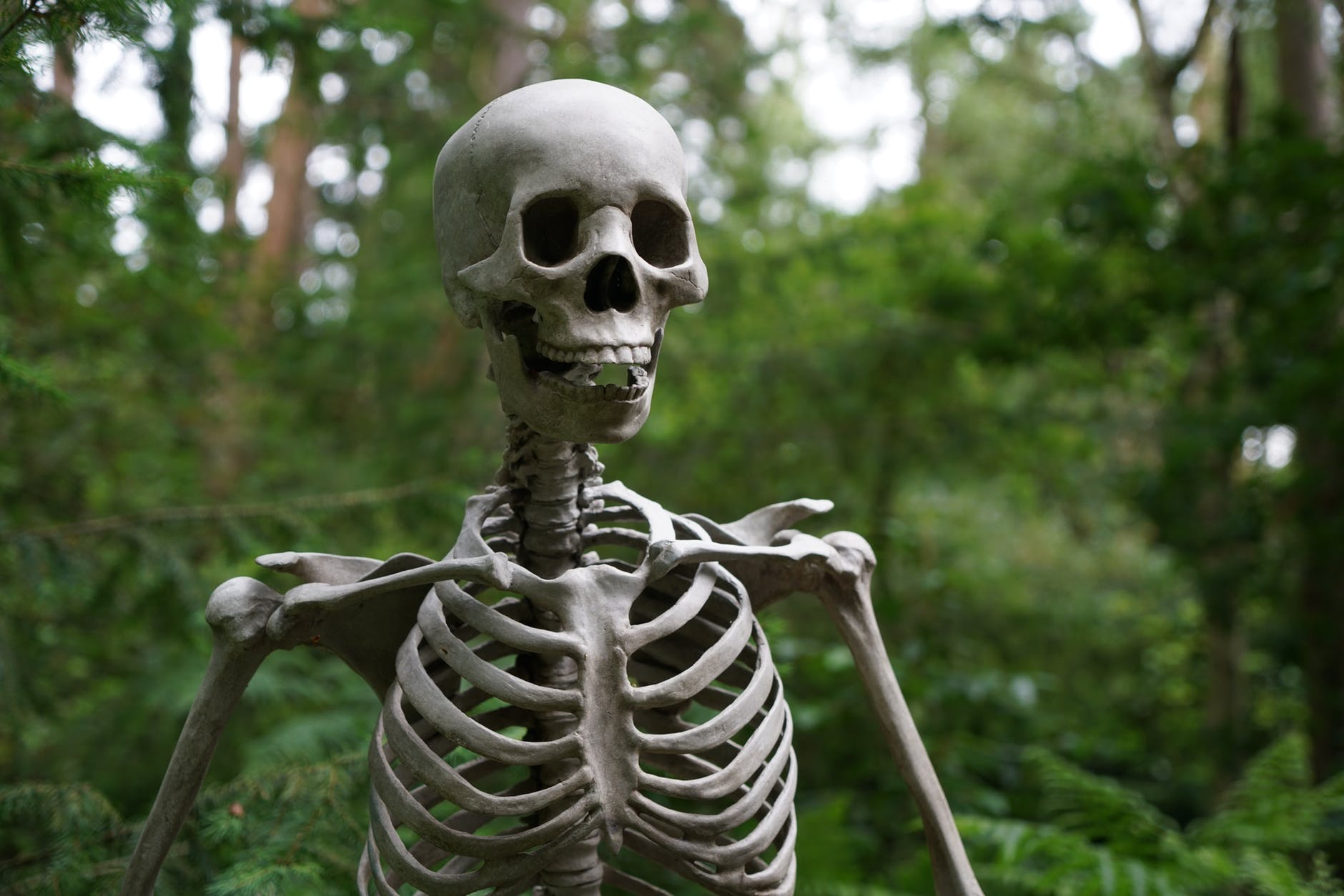
selective focus photography of skeleton
Photo by Chris Mitchell on Pexels.com

When thinking about the beauty standards of today it’s hard to ignore that bodies within magazines and television are rarely realistic goals for the general public. With bodies that range from what some may consider skinny to what others may consider thick, it’s important that we acknowledge all bodies contain a life within them. Looking at myself in the mirror can be difficult sometimes as I don’t believe my body is what society deems as attractive. Attractiveness is different for each gender as what is subscribed for males and females are different though this is changing it still holds today that men should be muscular and that women should be small and hairless. Focusing on the physical aspect of the

Continue reading

Walls and Not Wanting to See…Even on the Daily Show

“Do you think there is something we could do to improve how we see other human beings who are struggling?” –Trevor Noah, Daily Show, 01/07/2019

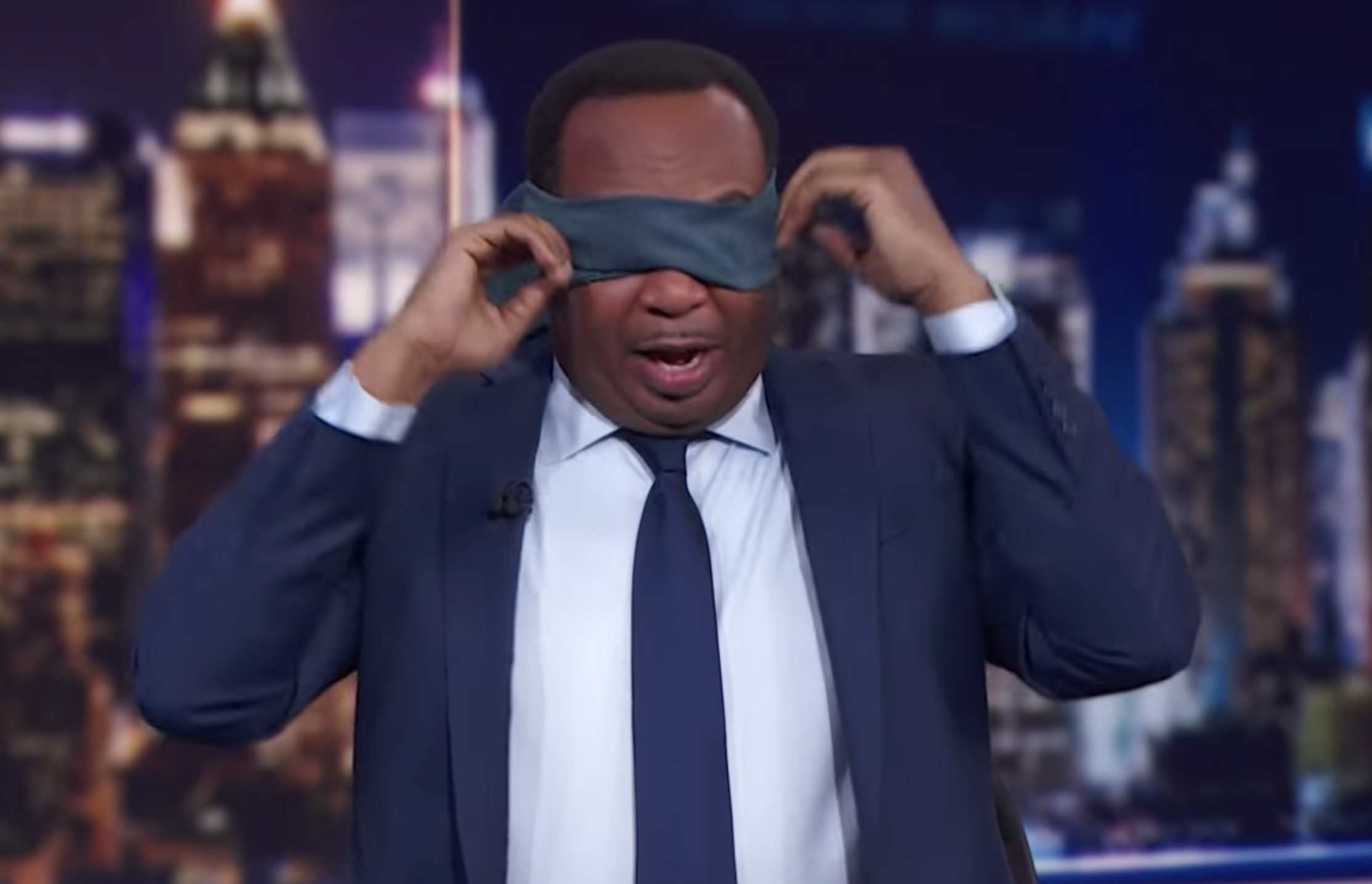
Collins picture     Image result for malala yousafzai   Image result for roy wood jr blindfold challenge

Watch Trevor Noah’s interview with Malala Yousafzai

Tonight President Trump will hold a press conference, presumably about the xenophobic wonders of the border wall.  Ahead of his desperate interruption, Malala Yousafzai’s new book, We Are Displaced, comes out today, telling stories of refugee girls around the world.  Yousafzai’s global focus developed from sharing her own experiences through discourses of media and academia into a project of listening and responding to girls victimized by terrorism.  Dr. Patricia Hill Collins has long been on a similar journey, sharing her own story and the story of her community.  She brings the layered cultural and physical constraints on Black women to the media and academy and now appears on the international lecture circuit, [1] affirming that intersectionality is a driving force all over the globe.

In Yousafzai’s January 7 interview with Trevor Noah, he noted “Being a woman or a girl who is a refugee exponentially increases how difficult that journey is.” He encouraged her to speak about specific refugee experiences, which she did, careful to use universal language when describing motivating factors—how it must feel to be without parents or facing the threat of unnamed violence. The studio audience showed appreciation for Malala; as viewers, we could feel good about knowing who Malala is, clapping for her and taking a few minutes to listen to her. To feel truly good about tonight’s episode though, is to get run over in the intersection, because Malala’s interview followed a segment on the new Lifetime documentary, Surviving R. Kelly, and in both the segment and the interview, the lived experiences of women of color were concealed even when they were ostensibly the subject under discussion. We need Dr. Hill Collins to guide us back, if not to safety at least to an awareness of the danger.
Continue reading