My sister was emo so now im non-binary.

I loved my sister’s emo phase. She was a true 2010 Hot Topic warrior. Despite what all of my middle school friends would say, I don’t think I ever personally had an emo phase but the early alternative influence was definitely clear. She dyed her hair green at 15 so I dyed my hair pink at 12. She went to Warped tour and had the time of her life, so I tagged along the next (and somewhat last- rip national warped tour) year. I listened to Panic!, and Get Scared, and Motionless in White because she swore they were the best music had to offer. Reading the “What Growing Up Punk Taught Me About Being Gender Nonconforming” reframed how I think about that time though. In the alternative scene, there is such a strong emphasis placed on expression. Whether you were pastel goth, scene kid, or tumblr alt, there were hundreds of different labels you could use to encompass the community you belonged to and the idea you wanted to portray yourself as in society. I think gender builds on the same idea. 

Coming out as queer felt so much more straightforward than being non-binary. I knew what a crush was supposed to feel like, and I knew I had them towards girls. In a way, it wasn’t personal, it was just something that I was, in the same way I’m hispanic, I really didn’t have much say in the matter. 

To me, being non-binary is much more intentional. Not in the sense that it’s a choice, but because I had to come to terms with whether or not I wanted to take it on, allow it to influence my life. Clarifying pronouns, speaking up when tasked to choose between the two binaries, speculating a name change- it’s a constant effort, not a one and done like “I’m gay” felt. 

But I’m thankful I was given the space to explore it, that I never felt trapped between hyperfem and machismo masc. Growing up, all my favorite artists wore makeup, and annoyingly skinny jeans, and cut up to shirts, regardless of gender, there was so much grey area it never really occurred to me that the way I felt towards expression could be from not being cis, I just assumed that was the alternative mindset, which in so many ways it still is.

I hope to continue exploring. I hope to continue to accept myself though every transition with the same empathy I would exert a stranger. The author of the piece confessed they let fear rule them as they got older, I’ve been privileged enough not to experience such discrimination yet but I know it’ll likely catch up with me soon. I hope I make it anyways.
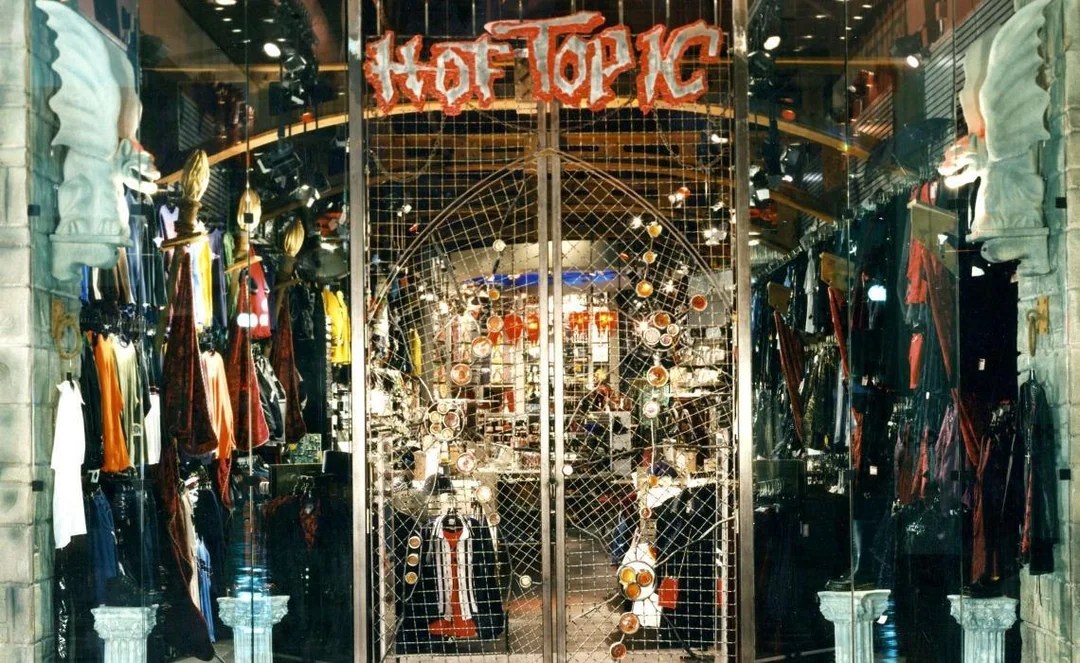
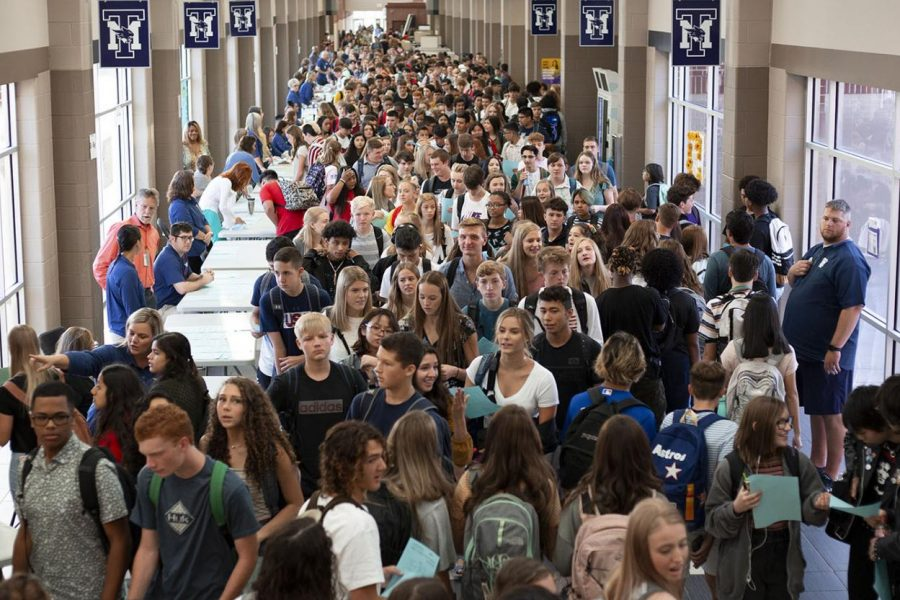
front store view of "Hot Topic"

The Modern Curse of Concert Etiquette

It goes without saying that every concert one attends will be different, factors such as the genre of music, the size of the venue, time of day, will contribute to how the audience will behave that fateful night. I went to my first concert when I was twelve, it was at the Merriweather and my sister and I were in the seated section. While we jumped and sang our hearts out to the older Paramore throwbacks, the majority of their set displayed their newest album at the time, which was far chiller and had more of a pop sound, so the audience was zen as well. I’ve been to many concerts since then, mainly indie and alternative, but with the occasional hardcore band in which I kept to the sidelines and headbanged within the comfort of my own space. I didn’t enter my first mosh pit until April of last year. 

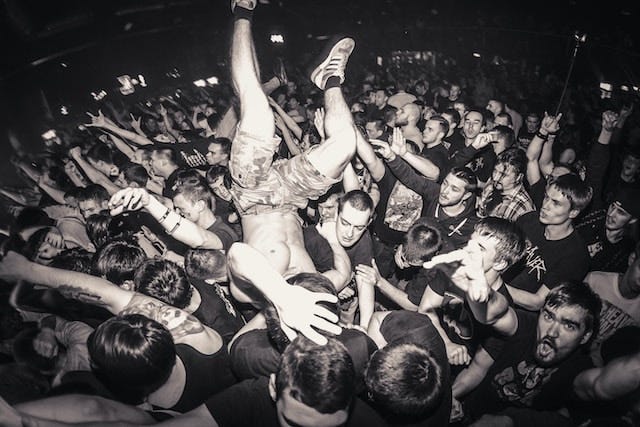
It was such a drastic difference to anything I had experienced before. Watching a pit and being in the center of one was unlike how I imagined. I felt so present in my body and in that moment in time. I was shoved in the shoulder and shoved someone by their arms back. We moved with the pounding rhythm of the song, and I felt fueled by the energy coursing throughout the room. As someone who’s 5’1, I’ve always felt that my body couldn’t make all that much of an impact, I didn’t trust it would withstand roughhousing so I never tried. To be in a setting where people of all age groups and sizes were encouraged to get physical, even when it was painful, it was still so freeing. I wore the cut on my cheek the next day with pride.

I think concert etiquette has changed over the years. The coolest shoegaze and alternative bands have such lively audiences now, but there’s a lack of respect for those who choose not to participate in a mosh. And then, the more mainstream the concert, the more people will opt to record over dance at all. Why don’t we look out for one another, give each other space? Why are we so in our heads, so afraid of looking goofy, that we hold ourselves back if we want to participate? We pay to attend a concert, everyone’s eyes are literally glued to the stage, and yet in the cramped settings, doing anything more than bobbing your head feels taboo and holding your ground at a barricade and not giving into the mosh is rigid. What is the perfect medium? Is there one to be found?

a mosh pit at a concert, one man is crowd surfing

Paper Promises

Many students in the education system today have a disability. This can range from having autism or being in a wheelchair. There are protections for children, but without proper enforcement, there is room for bullying or even hate to happen in an education system. We know children don’t know any better. We can give them a little room for forgiveness in some cases, but it is up to the adults in the children’s lives to teach them principles in a diverse environment. It’s usually easy for some to be respectful to others, but there are always those cases where we love to give a side eye to those who are awfully disrespectful, blatantly or passively.

We establish rules. It’s a policy. If you don’t follow this rule, we will penalize/punish you. But, we all know it is very easy to get away with things in a crowded environment like a public school (all schools are different, but I am speaking from my experience). How do we enforce rules when broken rules are missed? We don’t. We leave it up to those around them to have to courage to go and tell an adult. This can be difficult for some children, especially when there are so many factors that come into play. A child can know something is wrong, but feels socially unable to tell their teacher when they run the risk of getting shamed by their peers.

This happens out in the real world. “Snitches get stitches.” We’ve all heard this phrase. It’s used from the smallest things to elaborate criminal organizations. Sometimes we feel as if the negative consequences will always outweigh the positives when it comes to speaking up. We can see this when we second-guess asking for a re-mark on an exam to asking for help when we cannot make ends meet. In Crip Camp, they demanded that their rights actually be enforced. This shows the importance of actually saying something about what is wrong with the laws in place. Section 504 of the Rehabilitation Act is a federal law that prohibits discrimination, not a policy that we can miss with the consequence being well-being. The things that they protest for are rights that have been passed by legislation and signed by the executive. Although policy is still enforced by regulation, like consequences, a law is something that we should, by no means, have to be compliant with being ignored.

Fighting internal battles inside a cage

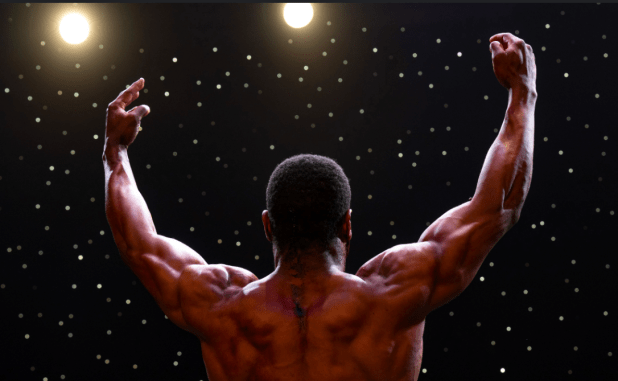
Fighting internal battles inside a cage

Over the weekend, I watched the film “Magazine Dreams” starring Jonathan Majors. I found it to be a very potent and powerful film, navigating the troubled topics of mental health and toxic masculinity seen in a bodybuilder. I personally think its one of the best films in the past 5 years, masterfully crafted, and the acting of Jonathan Majors was nothing but masterful, 9.5/10 in my opinion. But watching it, I couldn’t help but find parallels in a recent essay we read in class, Roxanne Gay, “My body is a cage of my own making.” Roxanne writes with raw honesty about how her body has become both a site of protection and imprisonment, shaped by trauma, shame, and the desire for safety. Her essay tussles with the views of society on fatness seen as failure and how internalized expectations of beauty and worth can distort the relationship one has with the body. The body seen as a “cage,” is not just physical, it’s psychological and societal, shaped through years of punishment, judgement and self-loathing. Just like Roxanne Gay, Jonathan Majors character, Killian Maddox goes through a similar struggle, like Gay, Killian’s obsession with control over his body will grant him love, recognition, and dignity, it becomes his own form of imprisonment. It’s this desire that turns self-destructive; these hypermasculine ideals reflect societal views on strength, dominance, and visibility, and can warp one’s self-image. It’s this toxic masculinity image that Killian aspires to. It’s the muscle-bound body that Killian builds that becomes his own “cage”; he builds his own prison. I can relate to Killian’s view of wanting to look better and that there is something even above perfection; my family calls me a perfectionist and that nothing is ever really good enough for me, I’ve been working out for 4 years now, and even now I can’t find the satisfactory approval of others; I can’t even find it within myself. I feel as if I have to keep pushing myself with no end in sight; there is no prize to perfection, only the endless pursuit. Ultimately, both works reveal the violence of living in a body that society misreads or refuses to acknowledge fully. Gay’s body is seen as “too much,” and Killian’s body as “not enough.” Both ideas are detrimental and harmful to both, and both end up internalizing this worldview until it ultimately consumes them. Both of these works reveal the battle between the body you create for yourself and the socially defined aspects of it.

Prison Ministry and Prison Systems

My family is pretty involved with my church. My mom specifically, is involved with the prison ministry and with hospital ministry as well. In both, volunteers from our church bring the Eucharist, bibles, rosaries, and the church ministry to hospitals and prisons. I had never been involved with it before, but last week, I accompanied my mom on the annual prison ministry fundraising banquet that was hosted by my church portico. The tickets were a little bit expensive and they were also raffling away baskets for the same charity reasons. My mom and I asked what the money goes towards and the answers we got was that it goes to the national parent foundation and portions of it go back to the salaries of the prison chaplains , the various bible study, and the technology and training programs behind the program (Good News Global).

I usually have sort of complicated feelings with church stuff that my mom encourages me to get involved with and I was thinking about a couple different things during that banquet. The slogan of the prison ministry was “Bringing freedom behind bars”, and for me that brought up some of the ideas of White Christian Saviorism. Considering that all the Board of Directors is all White (see below), and looking around the room at a largely White reception it made me think about the messaging of Good News Global.

I think I would have felt better giving money to the cause if there was some kind of graphic or information that said where the organizations’ money has gone in the past and where they will spend that money. I think charities lack of transparency has degraded my trust in them, especially in ones with obscure websites.

“The Strike” documentary we watched in class interviews inmates after their decades in solitary confinement and they talk about “convincing your mind that it is not going insane when it is”, and how the prison system functions to break and control the human spirit. I think religion can provide some relief to the conditions/situation of inmates but that these ministries are a little predatory for this reason.

For all my chronically ill baddies- you are disabled enough.

I have been chronically ill since I was 16. It started with POTS. Then came the classic Fibromyalgia. Chronic Lyme Disease. You name it. But I didn’t label myself as disabled back then. “Chronically ill” was the phrasing I used. Back then I didn’t know much about the disability community. I was just a sick teenager and young adult.

Then in 2020 I was diagnosed with an degenerative autoimmune disease- Ankylosing Spondilitis. I had to be put on immunosuppressant medication; the only thing that would stop the progression of my disease. It was scary to be immunocomprimised during the pandemic. I had to be really careful, and I basically couldn’t do anything or leave my house.

This is when I started learning about the disability community. I began to identify as disabled. I started educating myself about disability rights, and quickly became an advocate online. And of course some people decided this was too much for them. My (ex lol) best friend broke up with me (via text) spouting some nonsense about talking about my disability too much. She also claimed I was faking my autism (I had recently begun to self diagnose, and would later go on to recieve an official diagnosis) for attention. My own parents constantly questioned me about my referral of myself as disabled. It caused me so much pain and imposter syndrome.

Thankfully, I was able to work through this and come out on the other side, proud to call myself disabled. I am greatful for my friends and family that support me, help me, and care for me. They don’t dismiss me. I know I am disabled enough.

Hydration and Health Normativity

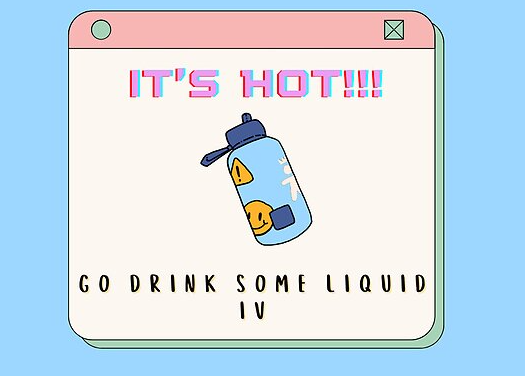
A sticker of a computer pop-up with a water bottle reading “IT’S HOT!!! Go drink some Liquid IV” by the artist disablelovely on redbubble.

When I was younger, I knew something wasn’t exactly right with my body. It wasn’t necessarily hard to see, but one of the biggest issues always had to do with water.

Continue reading

Media Backlash: When It’s Taken Too Far

Have you ever seen a content creator who is trying to find an outlet? Next, you may go into the comments to write something nice and supportive, seeing others doing the same. Your heart warms as you read these messages to scroll further and see a hateful comment. You see replies that are validating them. It makes you realize there really are people who take their time to put down people instead of clicking not interested in moving on with their day. You even go ahead and click on their page to see that there is nothing posted. Someone is hiding behind a screen, doing nothing productive.

I’ve always thought being a content creator takes a lot of courage, no matter if you’re page is about sports, politics, gender identity, mental health, etc. People are making content to connect, relate. All the people I personally know who make content do it to show others that there are other people like them. Whenever you see someone who posts something that you relate to, you like it, and it kind of brings a sense of community. You see all these people on the internet who also relate to what you may be going through, what you believe in, and it can heal some insecurities of maybe being a “freak” or “too different.”

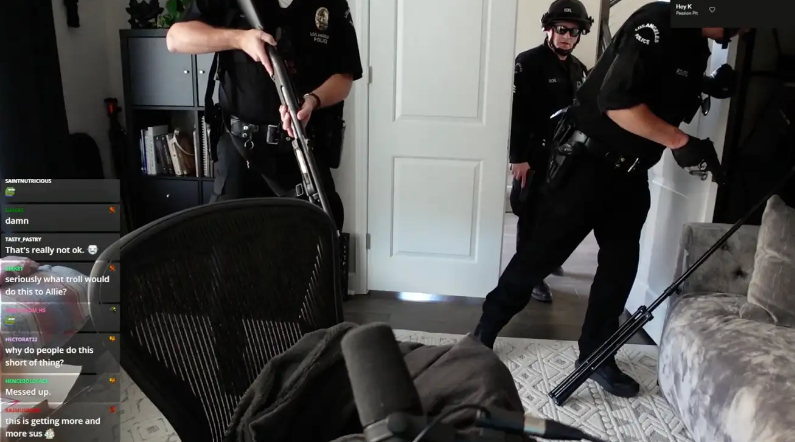
In “Nonbinary: Memoirs of Gender of Identity,” one specific chapter from Jeffery Marsh titled “Life Threats” really made me think about this concept; the courage to be seen on as big a platform as social media is. You are putting yourself out there, making yourself visible to all types of people, knowing that you have a chance of facing backlash that can just blow up in your face. Those same people who may write those hateful comments might have enough passion to even put you in danger. A specific example that comes to my mind is when streamers get “swatted.” They take this extreme step to prank them even though it is not a prank and is a traumatic experience. Especially because the people who are calling the police on them don’t really know what they’ve experienced and what toll it could take. These streamers are spending quality time entertaining people just to be put in danger.

“Grotesque” Bodies In Horror Films

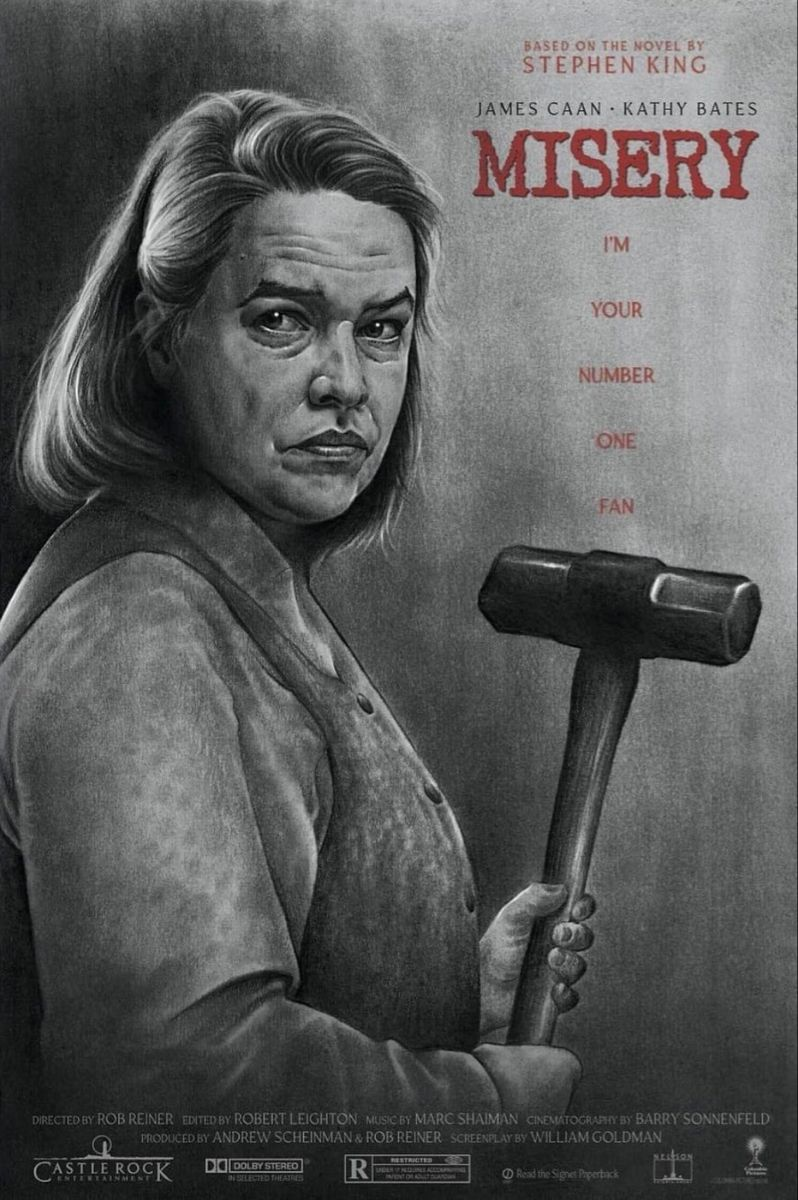
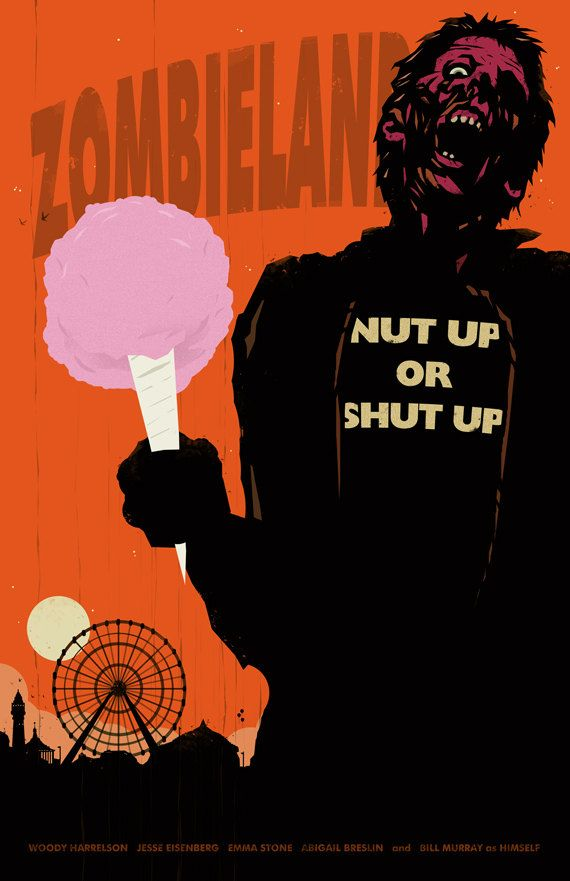
How many horror movies include fat characters? How many of those movies portray their fat characters as people with morbid bodies? Unfortunately, the abuse of fat bodies in horror films is a trend that has been very popular in the movie industry. Blade (1998), is my favorite example of the manipulation of bigger bodies to make it seem like the fatter you are, the grosser you are. A minor character in the movie, Pearl, was a vampire antagonist who got tortured for answers regarding an infamous vampire syndicate. Pearl’s obesity was turned into an instrument of disgust. Her skin was blemished with whatever torture mechanisms had been used. Human’s disgust with skin is also a fascinating aspect in the whole topic. Films oftentimes dramatically stretch, twist, and blemish skin to make a person seem inherently gross. Another example I find myself thinking about frequently is in The Walking Dead. There are a multitude of fat zombies in the series and almost always, those zombies are killed or displayed with the contents of their stomach laying out. These scenes tell me that the stomach is the feature of our bodies that we fear and think to be disgusting. It’s not only TWD that does this either. Every single zombie movie I’ve watched has had at least two fat characters who are either killed in an incredibly violating way, or who are absolutely grotesque zombies. Moving out of the supernatural realm, the antagonist Anne Wilkes in the movie Misery is a bigger woman who holds her favorite author captive so he can rewrite the sequel to her favorite book series. Anne’s body is portrayed as monstrous due to her size which can be interpreted as the masculinization of fat female bodies. Towards the ending of the movie, Anne and the author are fighting each other for the freedom of the author. The author struggles a great deal against the smaller woman (granted, he was in a wheelchair, but he still would realistically be stronger than the woman especially since he had been “training” with a 15-20 pound type writer daily). After multiply bashing her in the head with the typewriter, she kept getting up. These are only a few examples, however, it is important to keep in my mind how often fat bodies are portrayed in this way.

Zombieland has another example of fatphobia not even 2 minutes into the movie

Why are breasts so sexual?

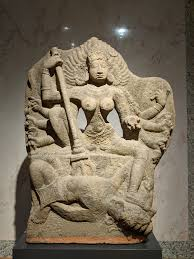
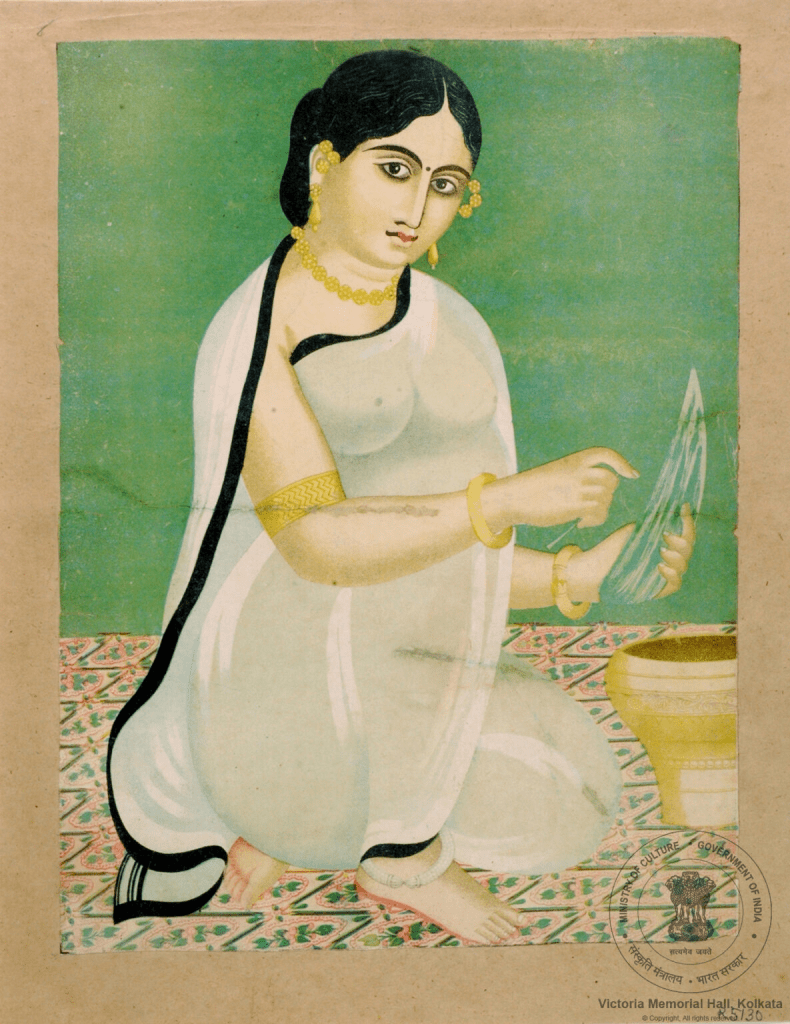
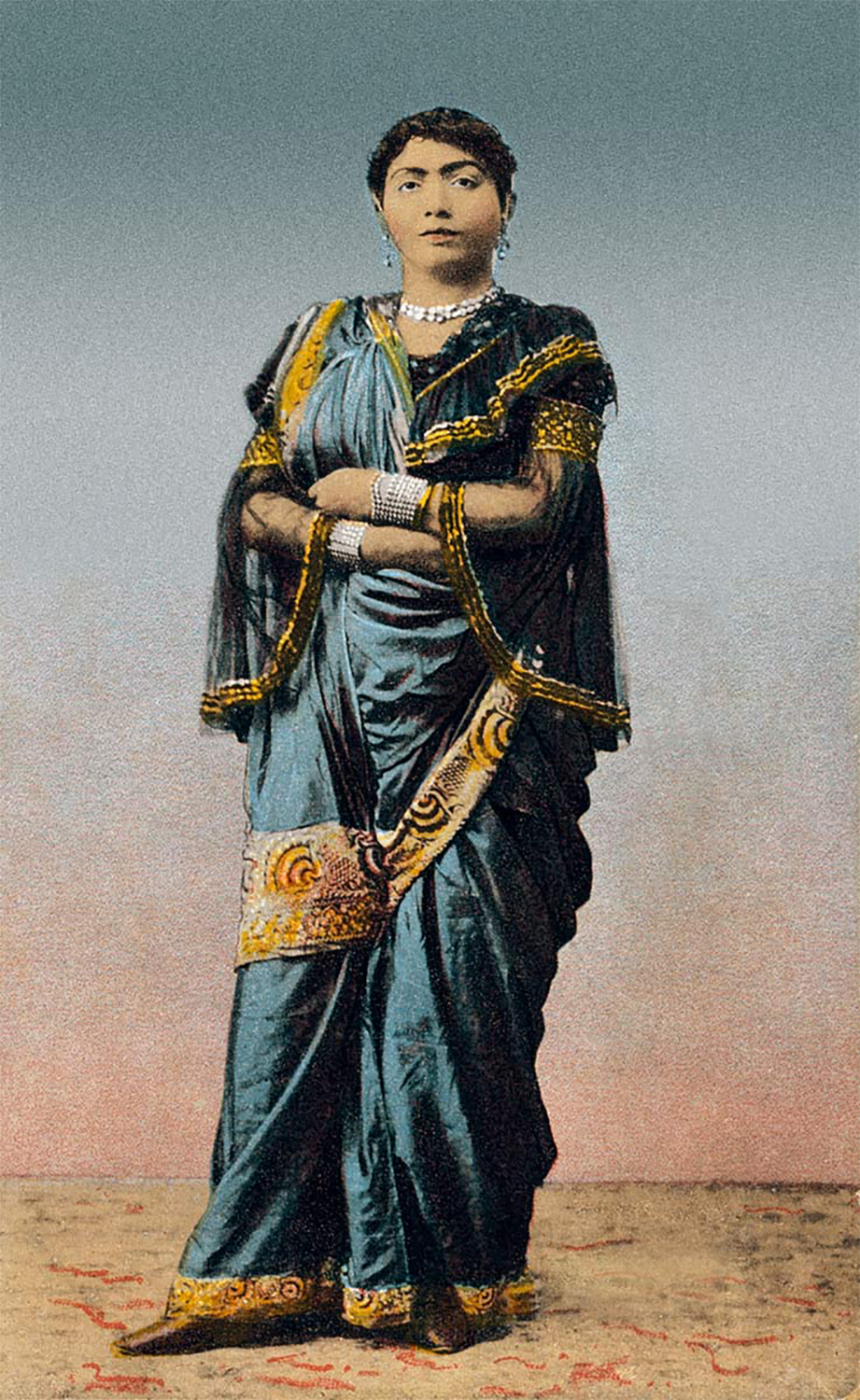
Growing up Baptist, I was always told that my body was to be hidden, especially the breasts. I always wondered why that is. AFAB people have breasts, consisting of tissue and mammary glands to give life, to feed their young. Why is that sexual? As a lesbian, I understand the appeal, but once again, why is there such a deep seated sexualization of these two orbs of tissue? An example of the sexualization of breasts is seen in the change of saree styles pre and post British rule in India. Before the western influence, sarees were often worn without a blouse under it, simply consisting of a long piece of cloth draped around the body. With the British rule came the western ideals of modesty, leading to sarees being worn almost exclusively with blouses in the modern day, ensuring there is no breast visible. I remember being 15, babysitting for an Indian family that taught me this. The mother who is now a dear friend of mine showed me historical portraits of Hindu deities, many of which had breasts visible, specifically the goddess Durga. She is a warrior goddess, seen as a symbol of feminine strength, depicted in ancient sculptures with breasts uncovered, the breasts being a part of symbolizing feminine strength. In this sculpture, she is seen slaying a buffalo-headed beast called Mahisha. (See photo.) Durga was a fierce warrior while simultaneously being a symbol for motherhood and maternal love. She is the Hindu maternal protector of the universe itself.

The first photo is a painting of a woman wearing a saree in the 19th century. The second photo is of a woman wearing a saree in 1910.

Breasts themselves are not sexual, rather they a reflection of the broader societal issues regarding women’s bodies. Sexualizing breasts gives men power over them by making women uncomfortable with them being visible or sexualised, leading to a change in women’s behavior, in this case, covering the breasts. If men are ogling something about your body, you will feel pressured to hide it, therefore the men have the power over what of the body is shown. It all goes back to the patriarchy.