
I think that a lot of why people who are neurodivergent can struggle socially is because societal expectations don’t really leave room for patience. For instance, in my high school, there was a magnet program for kids who were deemed above average academically. This was measured through a PSAT score and GPA in middle school. This magnet program had specialized courses for the students in it, and because of this, a lot of our classes were just the same like, 100 people as opposed to like the whole student body of around 2000 people. Because of this, we all at the very least knew of each other. During Sophomore year, someone transferred into the magnet program and nobody really knew her that well. After a while, people in this small magnet program made friend groups within it, and never really ventured out of them. This left the transfer kind of isolated. She tried to talk to people where she could, but people would always give her a face that said “Why are you talking to me?”. She never really picked up on this, and she developed a reputation for being kind of weird. Nobody really knew what her deal was, and nobody really gave her much of a chance to find out. For a while, I didn’t either. I ended up only talking to her because was sitting in a part of the classroom where seats were less cramped and I decided to sit next to her. After a while, I realized that we had a lot in common, and we quickly became friends. (We were both the “weird kid”, but I was just more quiet.) Even now she’s one of the few people that I stay in touch with from high school. After a while, I learned that she had ADHD, and realized she never really got a fair chance to socialize with people partly because of it. I think that if more people were willing to give the “weird kid” a chance, things would probably be drastically different for her, and many other people that are in her situation, neurodivergent or not.
Uncategorized
Disability: What is it?
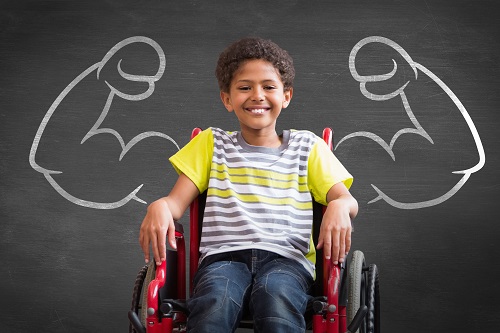
Is disability truly disabling? Is it something that our society has deemed a burden? Because when I hear, and frankly the experiences that I have witnessed, of disability, one of the things that I haven’t seen in our times is the ability to communicate exactly how disabling it is to be labeled as disabled. We focused on the studies of disability, disability justice movements, and a host of other things that affect those that have been diagnosed with visible and invisible disabilities. This blog will be more personal for me and as I share some of my deepest moments, the main takeaway that I want you to receive from this blog post is to continue to stay positive – to make a change for those that you may never encounter, but that might need your voice, words, actions or even kindness.
Over the last few weeks, we have studied a range of topics from Stigma and illness to Autism and Neurodivergence. Sadly, I have experienced a new understanding of disability as of late. My brother recently had some health implications and has suffered from a major debilitating event that has left him with a type of impairment. It sucks. Nah, that doesn’t describe it well. It. Fucking. Sucks. I can’t make that up and act like it doesn’t because all I can remember is an annoying younger brother. Granted, he’s still annoying (lol) but it’s different from our childhood and his diagnosis has taken a toll on our family. I am grateful that he is still around, don’t get it twisted. I just know that he’s changed; I would argue that it may have been for the better… I shared this with you for a multitude of reasons, but the biggest one is to inspire you to make a change.
Within the disability justice movement, there are active movements that focus on actionable attempts to support those people with a disability. I think the most noticeable changes we have seen over the last 20-30 years would be the implementation of accessible sidewalks, wheelchair access, and even brail lettering for those with vision impairments. I think this shows that our society is moving towards a more positive environment and losing the influence of the social model of disability. In return, I challenge the reader to take a step to aid someone with a disability. Be kind to those that you meet. Advocate for some type of change in your realm of living that could positively influence those that have some version of impairment. Connect, talk, and be with someone that may be dealing with something you have ZERO knowledge about. Those moments might save their life and give them a greater sense of purpose.
Do you think your smart?
Having dyslexia has been a lifelong weight on my shoulders. Growing up, I felt ashamed and embarrassed that I was a special-needs kid. I thought I did not belong in regular classes because the other kids were more intelligent than me. As I grew up, I realized I was just remarkable and needed help reading. Reading is the key to almost everything; without knowing to read, it is impossible to do everyday activities such as grocery shopping, specifically reading the labels. I remember I was in the fourth grade and learning to read with a co-ed teacher in the hall outside my classroom. Whenever another kid would walk past, they would stare at me. At the moment, I felt ashamed I was seen as a kid reading kindergarten-level books in fourth grade. Other kids were reading Harry Potter books with at least 200 pages, whereas I was reading green eggs and ham by doctor Seuss. I think back to those memories all the time, especially at my all-time lows in life when I get bad grades. I often feel that I am a C+ student because I am dyslexic. Remembering those times hurts me; I even shed a tear once in a while. When I look back on my early education days, there were never any classes geared toward people with dyslexia, or even special tutoring or after-school help. The education systems lacks the understanding to help different types of students succeed in school. Which later can affect their mental health. I hope the school system changes as the number of dyslexic students increases.


Body Over Mind? Or the Other Way Around?
I remember talking in class about how in society we tend to value “mind” over “body” more and how confused I was. I understood the pretext, and the dichotomy between logic and emotion – yet, I felt as if my story didn’t fit this narrative. You see, growing up in a conservative Middle Eastern household meant we didn’t talk about these things. The thought of someone in my family having a mental illness was without a doubt out of the question, according to my father. But why was this stigma wrapped around our minds and not our bodies? Why is it okay then to go get a standard physical but an outrage to talk to a therapist? This is the stubborn mentality that harms communities and will only continue to fester unless there is some clear dialogue put into place. According to Erving Goffman, stigma is defined as the “process at which the reaction of others spoils normal identity” – but I think under my father’s stoicism is a little boy who longs for help yet is too afraid. Too afraid to be seen any different that what he is – the strong provider for his family. But who is going to provide for him? These questions flood my head constantly and I think it’s extremely important to have these conversations, because it certainly isn’t weak to talk about mental health. It’s weak not to.
Visual Impairment
I have poor eyesight but I can still see. My prescription glasses are pretty strong and I know this because my friends will try on my glasses and start saying how blurry it is and “Bro you’re blind”. This is interesting because a while back I became friends with a blind person. Someone who has no vision at all and uses a white cane. Everytime I hung out with them, I was reminded of how blindness effects their life. They would put their arm through my arm so I could guide them. I went into their apartment and it was pitch black. I just stood there for a couple of seconds becaue it shocked me so much that they didn’t need the light to see, which makes sense, but not something I’m used to. They wouldn’t know if they spilled sauce outside of the plate they were eating off of. They were constantly bumping into things. They used text-to-speech option on their iPhone so Siri read everything out to them.
This person was the one who introduced me to National Federation of the Blind (NFB). I learned about the organization last semester and they stated in their website that they are very progressive and forthright in their movement because because low expectations create obstacles between blind people and their dreams. I recommend everyone to set apart some time and read through the incredible stories and journeys the board of directors went through https://nfb.org/index.php/about-us/leadership/board-directors. Each person has a unique story and the crazy thing is, this is just a small number of stories. There are so many hardships and accomplishments that each disabled person has conquered that we don’t know about. As I read through them, I felt as though I stepped into a different world. I wish I interacted more with diverse people because nowadays, I always notice how my surroundings are inaccessible. From the words I read campus to how I walk around from point A to point B. Only through watching Crip Camp was the movement for social justice solidified in my mind. We must strive for more equality for our peers and the impaired people in our community.
Is Getting Older Really So Bad?
I’m the youngest person in my extended family by ten years. I have two cousins in their thirties and when we sit together it’s not the kids’ table—it’s the everyone under sixty table. I’ve always been the outlier—the youngest one, the mixed-race one, the one who is suspiciously queer, and, of course, the one who was a sad little chronically ill child. Now I’m a trying-not-to-be-sad tall chronically ill adult! Funny how time passes.
Being at UMBC has been a shift, because suddenly, I’m one of the older people in the room in most of my classes. Everyone I went to high school with has their bachelor’s and is off pursuing their future. Hell, almost everyone I know from my first attempt at college has graduated. Adulthood is upon me.
My mom turns sixty next month, and suddenly she acts like she’s dying. She told me where she wants us to spread her ashes, she asks me which life insurance plan she should pick, she makes me the executor of my parents’ will. She complains that she has prescriptions to pick up for herself now, because she’s old and she’s dying and to age is to suffer.
Watching her go through these motions is giving me a headache. For years I’ve stood in line at Target to pick up my prescriptions, I’ve set aside half an hour every Sunday to watch youtube and cut tiny atenolol tablets in half and put them in a weekly organizer, I’ve had to limit the kinds of activities I do in fear that maybe I’ll just keel over. My mom has never been diagnosed with a chronic illness, has never even broken a bone, hikes two hours nearly every day and has seemingly limitless energy to worry about her impending demise.
We discussed in class how autism is seen as mainly affecting children, erasing the experience of autistic adults. I think chronic illness is seen to mainly affect people as they get older, as their weary bones start to creak with the constant toil of living. And then there’s me, and every other person living in the “prime” of their life with a funky little diagnosis. Sometimes I feel like I’ve already gone through some of the mental hoops that typically come with aging—I’ve gotten used to the doctor’s visits, to the sporadic pain, to the fear of looking weak, frail, disabled. Sure, maybe it all goes downhill from here. Maybe I’m at my own absolute prime and it’s where most people would be in their fifties, at least. Somehow that makes aging seem even less scary to me.
Growing up with a neurodivergent parent
Ever since I can remember I have always known my mother was different.
Continue reading“You’re Autistic”
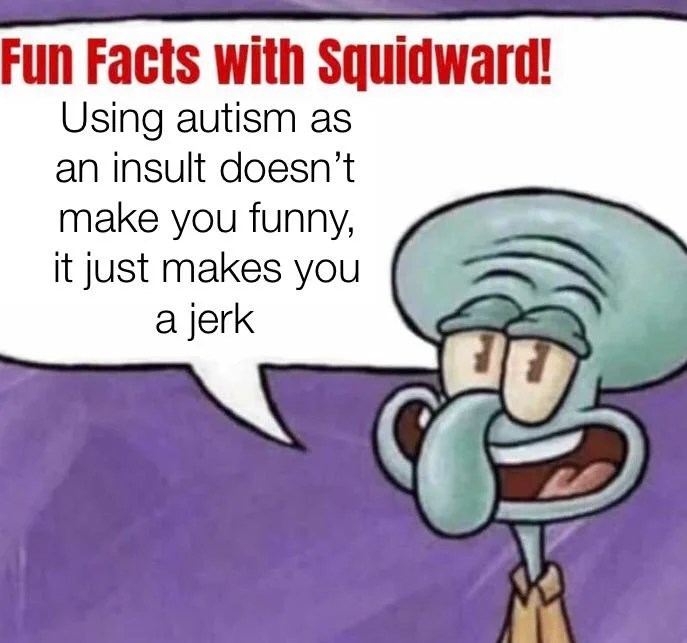
As a person who is chronically online and oftentimes playing online games, I hear many “insults” thrown around. I put quotations around insults as they should not be considered insults but oftentimes are used as such. “Insults” such as “gay” “autistic “retarded” etc. I’m not even going to get into the insults I hear as a woman playing such male-dominated games.
The use of these words as insults is more prevalent than I’d like to think and I’m sure many of the people reading this if not all of you have heard the word “autistic” used as an insult, especially if you have ever set foot in a middle school. I feel as though the main reason this word gets thrown around so much by people, especially youth is because of desensitization to the word. Hearing it over and over again and by your friends or even family may make one think that it isn’t that bad to say yourself, and boom ignorance is born. Although I do believe that a percentage of people who call someone autistic don’t actually intend great harm, most kids with autism are targeted by bullies so intention does not matter because these kids are being harmed. As I said before desensitization to the word makes others believe it is okay to say, so the population of individuals who don’t understand the impact of using that word as an insult only grows larger causing more harm to the kids and adults with autism.
You never know who you might insult with your words, silence does not equal agreement or acceptance, and oftentimes it means discomfort. You don’t want to contribute to the growing desensitization of using “autistic” as an insult. We need to be more loving, understanding, and accepting of everyone around us, not hurt people who already are having a hard time and quite frankly are just trying their best to fit in.
Why are some people “less able”?
https://www.powerthesaurus.org/less_able/synonyms
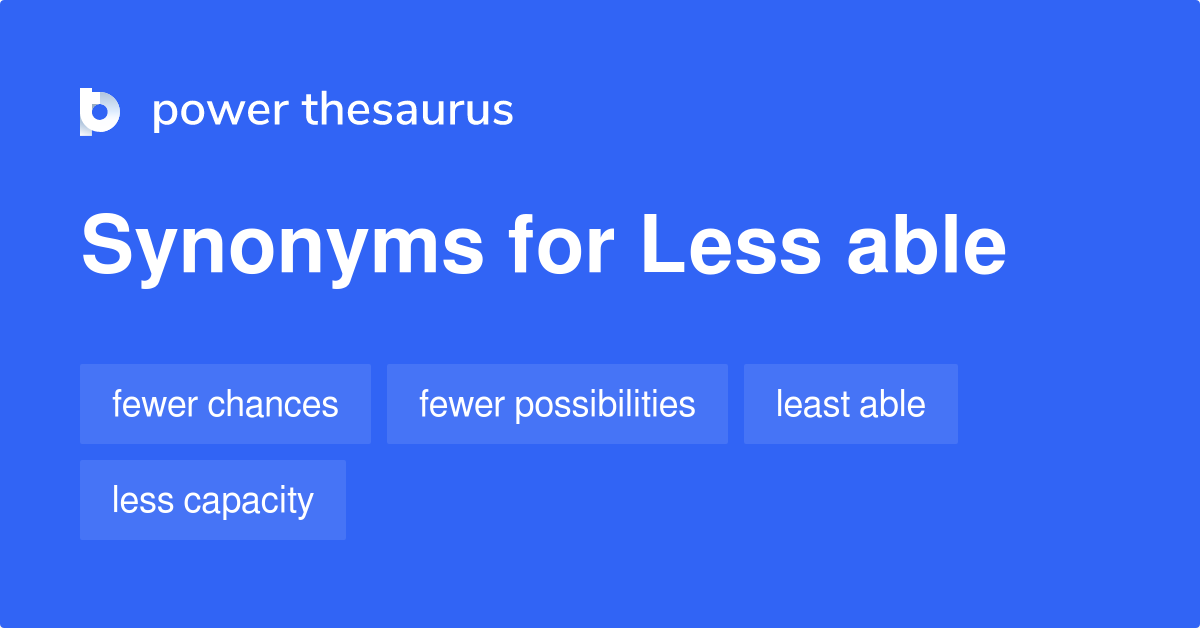
Here I am referring to people with disabilities/chronic illnesses. Biologically, they might have some limitations but that is not the only thing that makes them disabled. We as a society, fail to recognize their accommodations and needs are what makes them less able. They can be equally competent as anyone only if they are given the right help. For example, when people with certain limitations mess up at their workplace, they are fired. Instead of understanding them and trying to help them through the new process, we set them up for failure by not helping them succeed. This process continues and they’re never given a stable workplace where their coworkers understand their needs. They need the means to survive. Someone has to step up and be that person forging their little mistakes and training them to do better instead of giving up on them.
They are also not given the same opportunities as other people in higher education. For example, an individual with down syndrome or autism would have special teachers/caretakers at school taking care of them, guiding them through everything. But as you enter higher education, you don’t see any of that. Do we give up on them as a society? Do we think they are not able to learn? Our mindset might be setting them up for failure. If we give everyone the same opportunities and put in the effort to accommodate them as well as teach others to be mindful of their certain needs, then we can make this world a better place. We are lacking the motivation to understand from their perspective. It is not fair for them to be given up that easily when the rest of us are told to keep trying and never give up. They aren’t even given a chance.
Let’s Talk about Mental Health in South Asian Communities
“Im afraid to tell my parents”
“It’s not depression, it’s just overthinking”
“They will disown me”
“They wont get it”
Here are only a few comments I have heard from South Asian Americans in my family and social circles. Despite growing up and being reared in the United States, several of us are strongly impacted or afflicted by our family’s beliefs on mental disorder. The number of stories and times I’ve seen many girls and boys commit suicide and ingure themselves because they cant seek help for their mental health. The higher incidence of depression reported in this demographic may be attributed to a number of causes, including familial tension and anxiety. For several years, the neighborhood has battled against the stigma and unease that surround mental conditions.
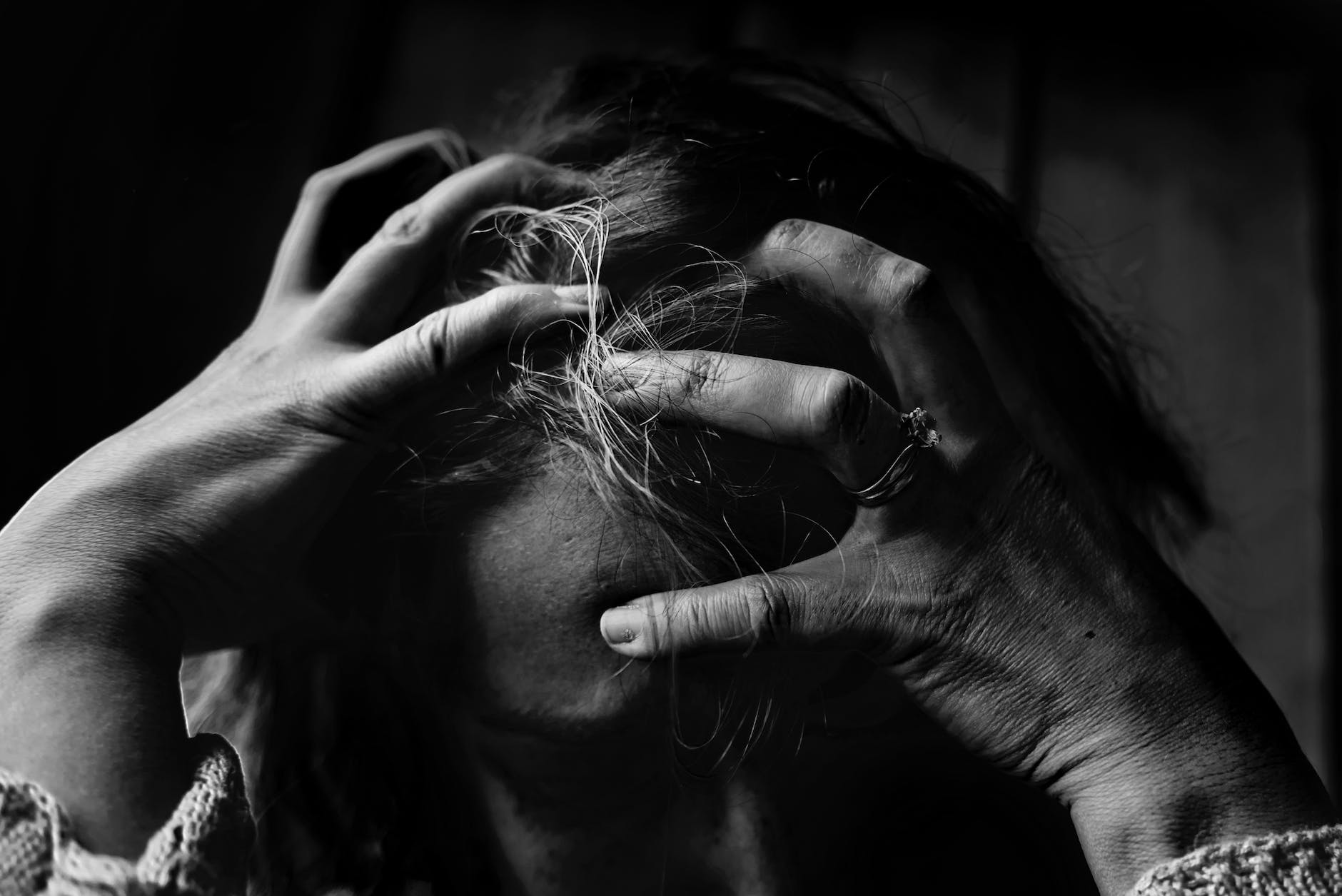
Being a south Asian myself, I can relate to what it’s like to experience such health. Sharing sentiments can be challenging because it was unheard of in her family, which made it difficult for me to deal with her feelings. When I’m stressed or depressed, I sometimes can’t tell my parents because they won’t understand and won’t know what to say or do. When I was going through something, I wasn’t taught to express my sentiments; instead, I was taught to surpress them, even though that was the unhealthiest course of action.
South Asian immigrants are especially vulnerable to depression and related mental health problems. 24 Hindi-speaking women who had only recently immigrated to Canada were the subjects of a 2004 study that looked at the qualitative impacts of immigration on mental health. Many of the ladies surveyed agreed that they had not encountered any mental health problems in India.
Whenever anything terrible happened to me when I was a child, I rarely came to talk about it.
The brown method, however, favored silence to speech. Fearlessness is the praised way of life of a group that values perseverance, particularly once that community lives in America and is under social pressure to fit into a model minority image.
 Unruly Bodies