an open letter to my reflection

To my reflection,

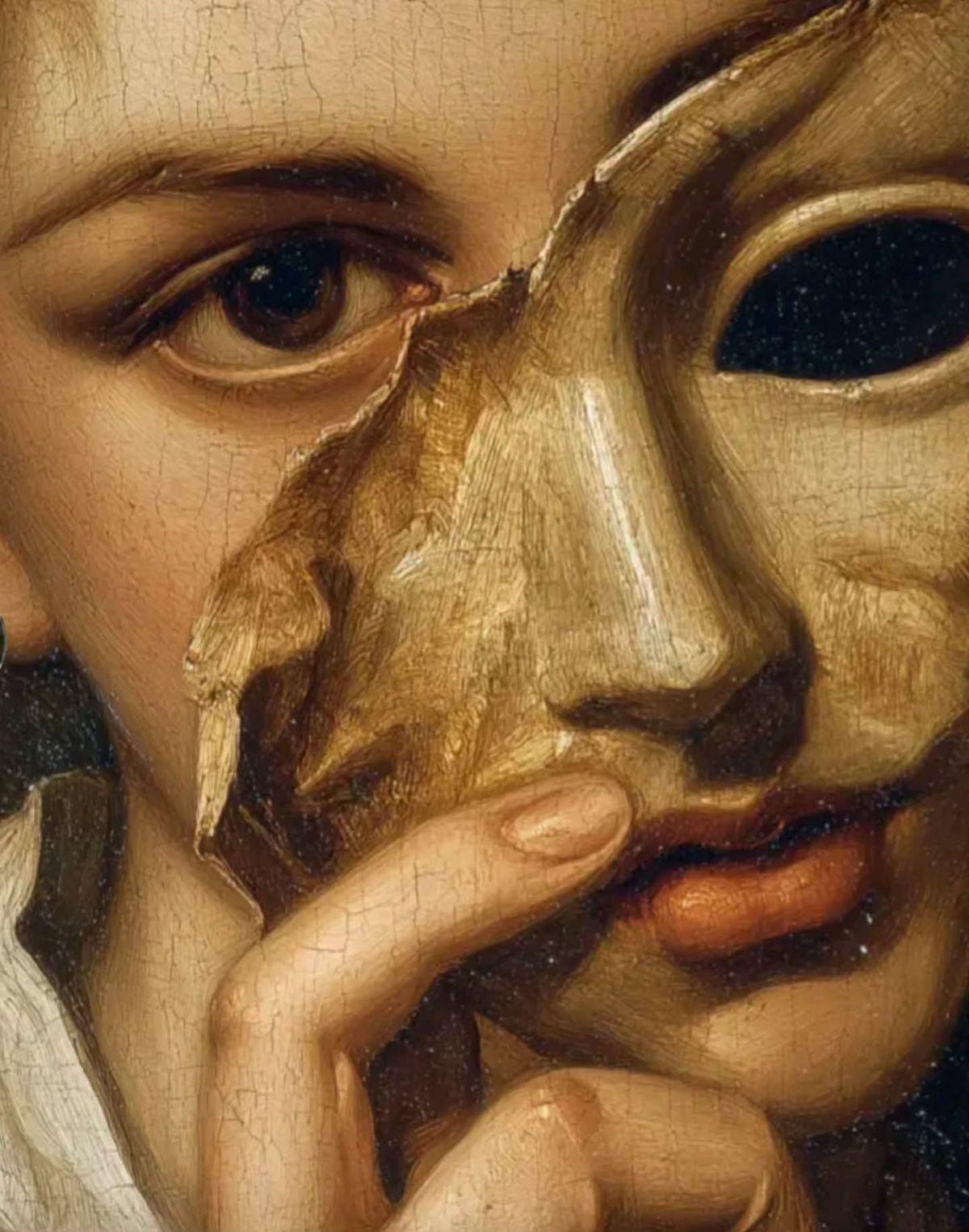
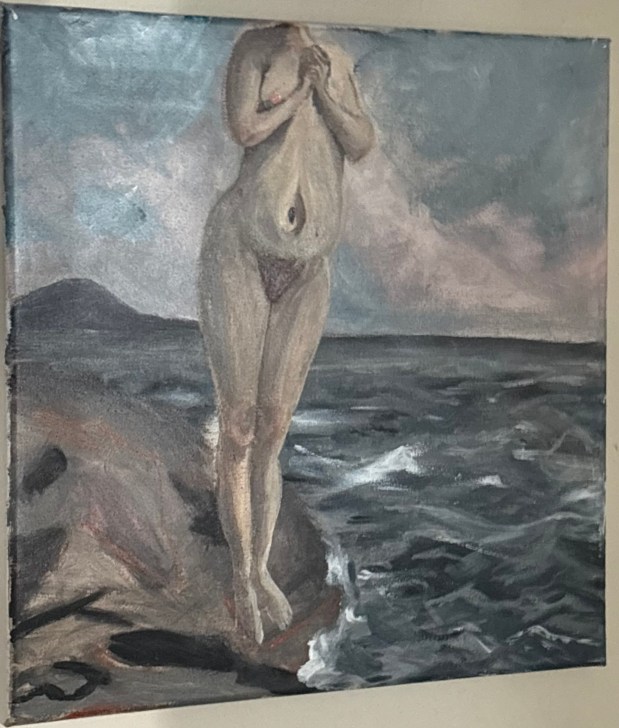
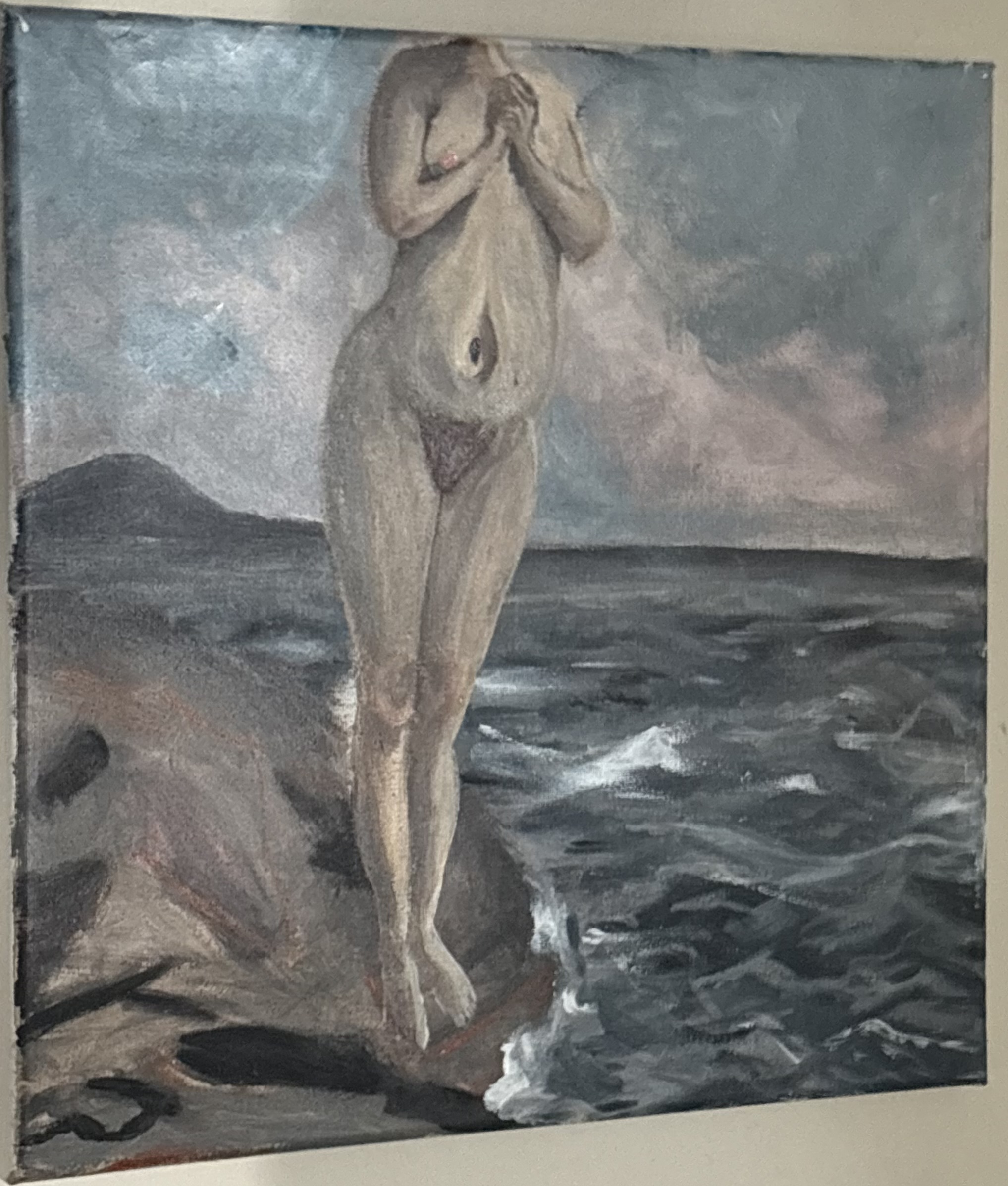
Our relationship has been rocky for the past 22 years, to say the least. Some days, I see you and I smile. I stop and admire the little things about you. Sometimes that admiration stays, feeling like how a breeze feels on a warm summer day. Sometimes is not all the time. Most days, I see you and I want to cry. The little things I once admired have since disappeared, and the comforting breeze on that warm sunny day has turned into the searing gusts that cut my skin and leave me raw. These days are much more frequent. More often than not, when I pass you as I leave for the day, making eye contact with you is impossible. I avert my eyes to avoid the death by a thousand cuts that I know will ensue if I stay with you for too long.

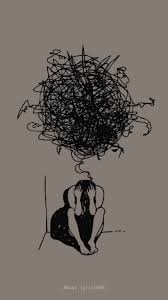
I don’t know what its like to be comfortable with you. To be happy with you. To be secure with you. You have caused me endless tears, endless confusion, endless dread. What is it like to look in the mirror and feel completely and fully affirmed by you? Has anyone ever felt that? Or am I chasing a mirage, a confidence that will never truly be achieved by someone with a human brain and human body?

I hope that one day you and I will make amends. Maybe one day the gusts will turn into breezes, and my cuts will heal.

Until then,

S.

Becoming Whole In a World of Fragments

Reading Sandy Stone’s ā€œThe Empire Strikes Back: A posttransexual manifestoā€ felt like stumbling upon a secret I didn’t know I needed. One quote stood out to me, almost as if it were waiting for me to see it: Ā  ā€œThis paper…is about morality tales and origin myths, about telling the ā€˜truth’ of gender.ā€Ā  Stone is talking about the stories society tells us,stories that claim to be the ā€œtruthā€ about who we are, even when those truths don’t fit us. For trans people, these stories are often used to deny their identities or paint them as something artificial. But the idea of being trapped in a story that isn’t your own? That resonated deeply with me.Ā  I’ve lived my whole life caught in a story that I didn’t write. It’s the one that tells me I’m not enough. Not pretty enough, not confident enough, not ā€œworthyā€ enough. I don’t even know when it started. Maybe it was growing up surrounded by images of perfection I could never reach, or hearing the subtle ways people praise others for what I always felt I lacked. Over time, I internalized it. It became my ā€œtruth.ā€ Stone’s words reminded me that these stories aren’t real, they’re constructs, born from societal expectations, comparison, and insecurity. They’re myths, handed down to us as if they’re fact. And just like Stone argues for trans people to reclaim their narratives, I feel like I need to do the same for myself. Ā  But that’s easier said than done. When I look at others, I see their beauty, their confidence, their ease. I convince myself they’re everything I’m not. I’ll scroll through social media, comparing myself to images of people who seem flawless, wondering why I can’t see myself that way. I’ve spent years trying to measure up to a standard I never set and every time I fall short, it reinforces the idea that I’m not enough. Ā  What Stone helped me realize is that the only person who can rewrite my story is me. I don’t have to accept the idea that my worth depends on how closely I resemble someone else. My value doesn’t come from meeting some impossible standard, it comes from being me.Ā  That’s not to say it’s easy. Some days, I catch a glimpse of my own reflection and think, ā€œMaybe I’m not so bad after all.ā€Ā  But other days, the old voices creep back in, whispering that I’ll never measure up. It’s a slow process, unlearning the lies I’ve believed for so long. Ā  But Stone gives me hope. If it’s possible to challenge something as deeply rooted as society’s myths about gender, then it must also be possible to challenge the myths I’ve told myself about who I am. It’s not about becoming someone else, it’s about learning to see myself clearly, without the noise of comparison and doubt. Ā I’m not there yet, but I’m starting to believe I can get there. Little by little, I’m learning to let go of the story that says I’m not enough. And in its place, I’m beginning to write a new one: one where I see myself as whole, just as I am.Ā Ā 


Empowerment, Inspirering

Addressing misconceptions of tattoo culture and tattoos as art today

In recent years the tattoo industry has grown significantly; social influence has deconstructed a lot of the stigma around tattoos, and outdated conceptions of tattooing have been dispelled. As an artist, tattoo culture is truly fascinating… It is such a democratic form of art and the commonality and accessibility of tattooing as an art form makes it an interesting subject. 

The permanence of tattooing is integral to its nature, and the permanence of art which is so personal to an individual is a unique phenomenon. There has long been discourse about addressing tattooing as a form of art- this goes along with misconceptions that tattoos are ā€œunprofessionalā€ or ā€œdelinquentā€. 

However, today, tattooing is much more appropriately addressed as a very impressive and particular form of art. The relationship between art, artist, and customer here is much more complicated than with traditional types of art. Tattoos demand that the consumer accepts this art as a part of them, and there is a unique trust in this process. There is also then the idea of the impermanence of the art for the artist. Their ā€œcanvasā€ per say is coincidentally impermanent to them. It is, conversely, entirely permanent to the consumer. This then leads to the discussion of how tattoos impact or alter one’s individual embodiment. Tattoos to many people are an outward expression of parts of their identity often not visible to the public. To me this is such a beautiful intersection of freedom, identity, and art.

 I think that some stigma that still remains regarding tattoos is their permanence and meaning- there is a general sentiment that now, okay, tattoos are acceptable, but they should be regarded with importance and meaning and hold particular value. I think that this is still a misconception and hinders that freedom of expression previously mentioned. 

To me, tattoos can hold meaning and tell a story, but they also express simple beauty and art. There doesn’t need to be some significant life event or meaning to warrant someone wanting a beautiful piece of art immortalized on their skin. 

To me, my tattoos tell my story, and I will continue building that story as I grow older. I also love collecting tattoos from different artists, and I hope to do this on a larger scale as I go on and travel and have more unique experiences. I love that each of my tattoos holds a memory of a particular artist and a unique interaction and experience. I love collecting other people’s art on my body and using it as a means for my own expression and self confidence. I think it’s a beautiful exchange of expression and identity. 

I love too that this expression then allows me to connect with others around me who are interested by what they see on my body; I think of my tattoos as a sort of outward preface to my personality and identity and that exact idea has led to some truly wonderful interactions and even friendships. 

Why won’t you go to the pool with me?

I was 14 when people first commented on my chest. 

ā€œWoah, I never noticed before, but you have big boobs!ā€

ā€Thanks?ā€ I responded.

I was wearing a gray shirt that my mom bought me. I really liked the shirt, but its soft material happened to outline my chest. 

I was 15 when I first noticed boys looking at my boobs. They couldn’t see anything behind the fabric that covered them, but their eyes would always be below my eye line. 

I was 17 when I first decided I no longer wanted my boobs. 

Do I get top surgery? No, that was too extreme for a girl. 

Do I get a reduction? No, because what if I eventually want top surgery. 

If I ever decided on a surgery, how would I pay for it?

I was 18 when I stopped wearing regular bras and switched exclusively to sports bras.

I was 19 when I switched to ā€˜compression tops’. 

My chest has become a constant source of dysphoria that I’d like to disappear. 

As I continue through life and gain a bit of weight, my compression tops become tighter and tighter. 

When will it end?

When can I come to terms with my identity?

You won’t see me at the pool because ā€˜I’m not feeling well’ or ā€˜I have a bad sunburn.’

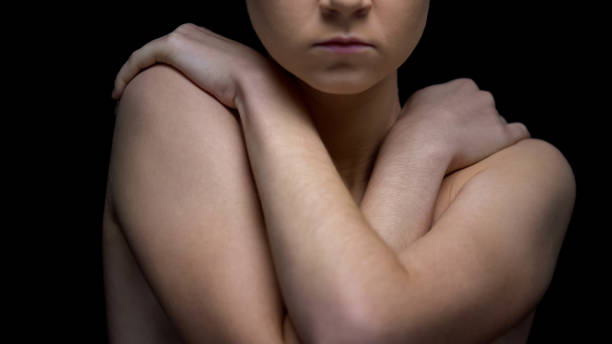
But really, it’s because of my insecurities and gender dysphoria. 

The Potential of Body Neutrality

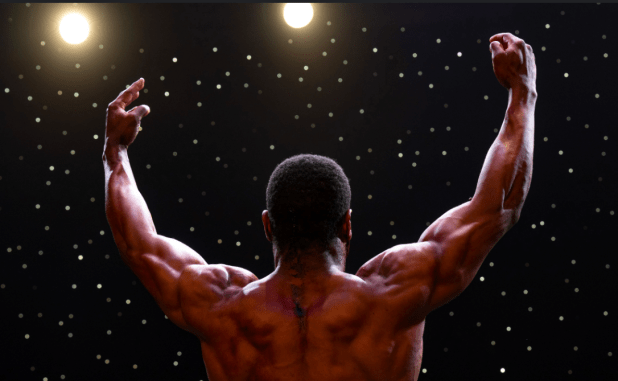
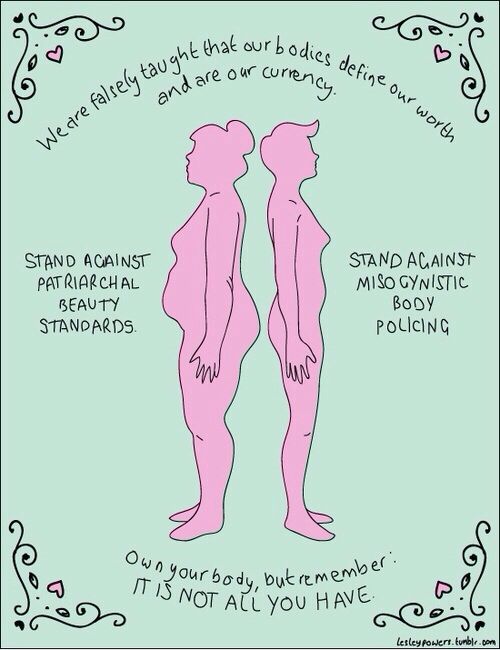
This reminded me of what we have discussed in class regarding how society prioritizes weight and what bodies look like. In our everyday lives, there is constant expectation of what our bodies are ā€œsupposed to be,ā€ what type of body is deemed ā€œhealthyā€ or not, and what bodies are ā€œmoralā€ or ā€œimmoral.ā€ Especially with social media, people’s bodies are only placed on a pedestal where hundreds and thousands of people look, judge, and comment. Over time, it becomes distressing because it can be extremely dehumanizing to constantly be aware of others’ entitlement to comment on your body and interpret it, whether those remarks are positive or negative. In this sense, as society focuses on weight and the body, you are left to feel as though you are no longer human with a personality, character, or morals, but rather just a body defined by weight.

With this, I can’t help but wonder: How can we change these expectations and concepts that invade how we view and think about weight and bodies?

I think of the body-neutrality movement that we touched upon in class discussions. Body neutrality embraces the practice of simply accepting your body for what it is rather than constantly trying to have a positive or loving mindset. There is no positivity or negativity tied to bodies, but rather just an acknowledgement of their existence as they are. I find that this has the potential to make a change in how the world views and thinks about bodies and weight, as recognizing and accepting bodies as they are disadvantages ideas of ā€œgoodā€ and ā€œbad.ā€ While this cannot be done overnight, there needs to be a change in how we think about weight. Ultimately, there could be a great benefit in embracing movement such as body neutrality and understanding and accepting weight and bodies as they are, rather than attatching them to notions of positivity or negativity.Ā 

Disability, Pain, & Pride

When we read Shakespeare’s Social Model of Disability, it introduced a concept I had never considered before. At first, I did actually like it, but the more I thought about it, the more my thoughts changed.

I am someone who is both physically disabled and neurodivergent. I have always been neurodivergent, of course, but my physical disability did not become more prominent until recently; and with it has come shame. I think this is why I was drawn to the social model of disability at first. I am ashamed and embarrassed of the visibility that comes with my disability and how I have to accommodate it. Reading this social model helped me think of this shame in a new light, however – it is not my fault I am ashamed. It is the society around me who has made me embarrassed and forced me to push myself past my limits countless times.


At the same time, however, I realized that this is not fair to myself and my identity as a whole. Yes, it is the society around me that has caused me shame and embarrassment and an unrealistic stubbornness that makes me push myself. But that does not take away the pain I am in, or the potential complications of my disability. And even if it is “just” society causing this shame, that doesn’t take away the pain from the nights I’ve wasted staying up wishing with everything in me I could be “normal”, wishing that I could just understand social cues and not have sensory issues or anxiety or mood issues.


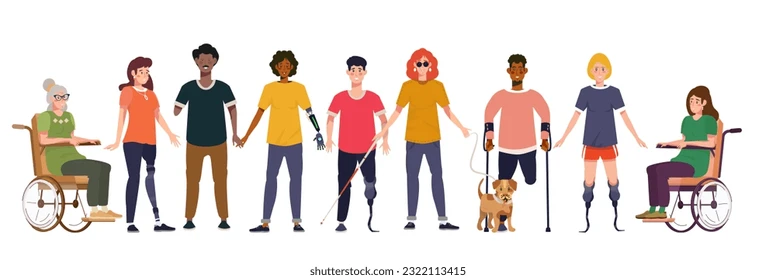
It also takes away from the community I’ve found in spite of this pain. I’ve had negative social interactions because of my neurodivergency and my disability, but framing these things as purely societal issues takes away from all of the positive aspects of social interaction while disabled. I am always so grateful for that community and the people that have been there for me consistently. I’ve learned a lot about both myself and the world around me as I navigate being disabled and neurodivergent, and even though there are bad days, I love the community and the people I’ve found, and I love our persistence despite the pain we experience, regardless of where it comes from.

Image source: https://www.hamiltondds.org/cincinnati-region-celebrates-disability-pride-in-july/

A Puppet: Follow the rules I make about YOUR body! (TW: eating disorder, body image, parental issues)

It’s such an odd concept, isn’t it?? My mother started controlling my body image when I was in elementary school. 6 years old and already practically dieting. She would give me specific low-calorie, thin ass bread for my sandwiches with a single slice of cheese as my lunch for the day. 10 years old and already posting long workouts that I did on social media so my mother would be proud of me that I was making an effort to make my body more acceptable for her. I developed an eating disorder in elementary school. I was always so scared of my mother seeing me eat that I became so secretive. Binge eating disorder isn’t taken seriously, she knew I had it, admitting she knew, but I guess it was another way of controlling me for her to not help me. I remember hiding snacks under my bed that I was given at school so I could have them without her seeing and judging me. Halloween as a kid was pointless, she always gave my candy away to people at her work because I “didn’t need it”. I was a kid. My mother snapping at me to pull my shirt out, “suggesting” (the things she told me were never a suggestion: you don’t go against what Vicki says, your body is her puppet) that I take my selfies at a higher angle to hide my double chin, telling me to wear shapewear so my clothes would “flatter”… the best they could that is as she looked my body up and down in disgust. I was a child.

I have always been her puppet. Wear this, don’t wear that you can see how fat you are, god don’t sit like that you can see your fat rolls, when does it stop?? The answer? Never.

Continue reading

Shy Girl Workout

Photo by Ivan Samkov on Pexels.com

Imagine you walk into a gym, a not-quite 20-year-old feminine presenting person. After months of working out in the peace of your own home and improving your self esteem, you finally build up the courage and confidence to work out in public for the first time. You sign in and find the weight room. You look up and…wow that’s a lot of men. You struggle to even find one girl. Just a bunch of grunting gym bros with all their buddies lifting weights that are probably too heavy for them to safely lift. Not to worry though! You’ve been training for this moment. All the (Instagram) research you’ve done has led up to this moment. You take a deep breath, grab your 2 dumbbells and find a corner to begin your Shy Girl Workout

Your Shy Girl Workout allows you to stay in one place with one set of weights the whole time, taking up minimal space so as not to draw any attention to yourself. To be virtually imperceptible. Invisible.

Continue reading

Put a Finger Down…

Put a finger down if you got out of a five year toxic relationship that ruined your self confidence and body image so you spend a whole year rebuilding yourself and loving who you are just to find out your role model “loving” parents who were married for 30 years are getting a divorce because you learn that your father is actually verbally and physically abusive towards your mother and has assaulted your brother on multiple occasions. So you become the rock in your family and keep everyone grounded while the worst case scenario is going on around you. During this time period your mentally ill father tries to take the house from everyone threatening that everyone will be homeless so you and your brother brainstorm ideas on what you can do to keep the house, and come up with this brilliant idea that if you both buy the home together and buy out your father you will have somewhere to live with the small cost of being in debt for a long time. 

Additionally you are working a full time job and balancing a full time college student schedule during your parents divorce mess because your college loans never cover a full semester so it is your responsibility to come up with the remaining balance which is typically thousands of dollars and you don’t qualify for any kind of financial grants since you “make too much.” (aka 35k a year) So then you add on a paid internship which counts as a second job but this second job is located in DC so it is a farther commute then your commute to school which means you have to pay more in gas and tolls but bite the bullet because it is what you want to do for your future job so you try your hardest to not complain and to just be grateful for the opportunity. 

Continue reading

Subway Shirts

I recently saw an Instagram reel from @arlenezhxo where she shows her original outfit and then adorns this oversized shirt with Kermit the Frog wearing a Santa hat over it. With the text on the screen saying, ā€œshoutout to my subway shirtā€ and the caption saying, ā€œwhat’s ur subway shirt?ā€ Here it is: https://www.instagram.com/reel/C_wOd2SyAHV/?hl=en 

The idea behind a Subway shirt is to conceal your body and stop or reduce harassment from people who ride the Subway. This is not the first Instagram reelI have seen about the Subway shirt (I do not have TikTok). It brings up the idea of not wanting your body to be perceived. 

This can be understood through Featherstone’s critique of consumer culture and the focus on the body. Featherstone (1990) highlights that the consumerist obsession with leisure and consumption, especially regarding the body, is often seen as empowering by granting individuals greater freedom to express themselves through fashion and appearance. However, this constant focus on appearance also leads to a form of “ideological manipulation,” wherein the body becomes the primary site of self-worth and identity. The pressure to present oneself in a specific way reinforces conformity to consumerist ideals, which may limit true freedom and alternative ways of being in the world.

In this case, the “Subway shirt” can be seen as a reaction to that manipulation. It symbolizes a rejection of the consumer-driven pressure to always make one’s body available for public consumption and appraisal. The oversized shirt is worn not for leisure or self-expression but as a tool of protection, concealing the body to avoid unwanted attention. This aligns with Featherstone’s view that while consumer culture promises freedom and individualism, it can also act as a means of control, encouraging individuals to conform to certain norms and aesthetics. In this case, the “Subway shirt” might represent a deliberate disengagement from this consumerist gaze, offering a temporary escape from the endless cycle of bodily visibility and scrutiny.

Reference

Featherstone, M. (1990). PERSPECTIVES ON CONSUMER CULTURE. Sociology, 24(1), 5–22. http://www.jstor.org/stable/42854622