“Functioning” Breasts

I think it’s safe to say that our society has a pretty ridiculous obsession with breasts. Breasts are shoved in our faces all the time—through screens, billboards, pages of magazines, what have you. They have become something of a paragon of beauty in our society; so many women today are dissatisfied with their natural breasts and go to great lengths to have them molded into “beautiful” breasts. I don’t know if we ask it enough: Why does our society put such a premium on breasts?

Many women I know are baffled by the appeal that breasts hold. I have often heard women respond to qualifying or sexualizing comments about breasts with statements such as “Why do people care what breasts look like?” or “What is so sexy about breasts? They’re only there so we can feed our children” or, my favorite, “They’re just sacks of milk.” *shudder*

I get the biological retort; it is a bit silly that we’re essentially sexualizing our udders (gross, but true). But at the same time, I can see how they came to hold the power that they have. Breasts are life-givers, really. They are how we provide for our offspring. No matter how many modern advancements are put forth in child care, the essential bond between a mother and child will always be associated with the act of breastfeeding.

So this begs the question: does the power of breasts only lie in their ability to “function”? Are breasts only glorious and powerful if they can nourish a child? I ask this because there is a strong possibility I will not be able to breastfeed my children.
Continue reading

Bridget Says It Best

Growing up, I was also told over and over again my worth was tied to doing Great Things. That lesser people lived ordinary lives…So do I own my complete failure, or do I redefine what it means to do Great Things?

Bridget Allen wrote an incredible piece on her blog that I stumbled upon through the Huffington Post – read “My Value: Autism, Feminism and Poverty” on her blog here.

I’m trying to think of what more analysis I can add to this post – but honestly, Bridget says it best. Continue reading

Who, me? Disabled?

At the beginning of this class’ section on disability studies, we created a list of a variety of disabilities that may or may not be recognized by society. We listed the ones most people think of, like physical and mental disabilities, but when we began talking about “invisible” disabilities, something struck a chord in me.

TW: Blood mention Continue reading

Learning Vulnerability

Taiger 11

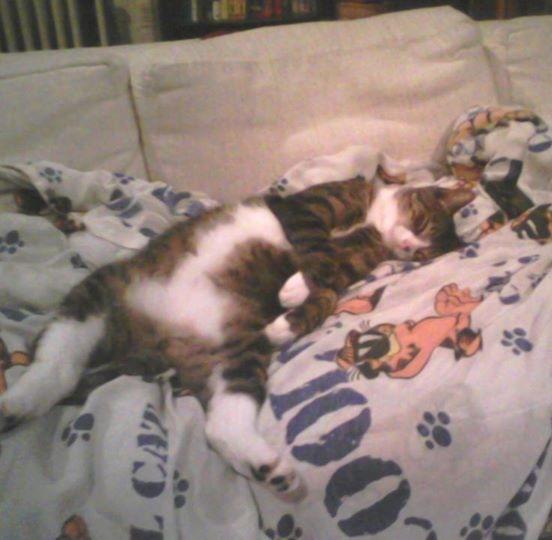
          My cat Taiger died three weeks ago. He was my first and only pet, and we had him for 12 years. He was a scrawny little stray when he wandered onto our property, and from the very start, he and I were thick as thieves: he would come trotting up to me whenever I called his name, he followed at my heels wherever I went, and he would occasionally leave a dead squirrel for me in my slippers (gross, I know, but that’s true love right there). On October 25th, we had to put him to sleep. Continue reading

No, She’s Not Just Tired.

index

          It’s extremely difficult to write about my relationship with my mother’s illness because I have lived with it for so long that it is simply a natural part of life. Many of my memories of growing up revolve around playing games with my siblings seeing who could be the quietest while my mom rested. At the time I didn’t really think about it – it seemed perfectly natural that she needed to spend long hours in the day lying down in her room with the lights off – and we were just happy to play together. Only looking back do I realize the reason my mom needed to spend so much time resting; she has a relatively unknown disorder called Chronic Fatigue Syndrome (or CFS).

Continue reading

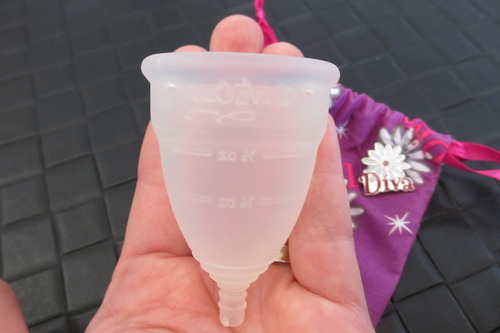
What the F**k is a Diva Cup?

So this past summer I made a very important purchase, an investment.

I bought myself a Diva Cup.

When I told my mother this she literally replied with “¿De que carajo es una Diva Cup?” – literal translation: What the f**ck is a Diva Cup. She was still confused when I explained it to her, no longer about what it actually is but why I would even want to use it. She said it sounded “dirty” and “gross”. She wasn’t mean about it but I could hear the judgement in her voice. It made her uncomfortable and I understand that. I’m not going to lie, her reaction hurt my feelings and I felt defensive. Yet her response is exactly what I expected to hear.

Image

(Talk of Menstrual Blood to come!)

Continue reading

I Am My Hair.

How I feel with my new hair.

“The beauty of a woman is not in the clothes she wears, the figure that she carries or the way she combs her hair.” –Audrey Hepburn

Although these words spoken by one of the most beautiful women in history are all nice and feel-good-y, modern-day society disagrees wholeheartedly. That being said, my apprehension and hesitance to cut my hair short wasn’t exactly atypical. Continue reading

Faking Disabilities

I was reading the news the other day and came across an article that got me so angry. A man had been using the medical condition of epilepsy to get out of paying for his expensive meals. Luckily he got caught but his punishment is a very small punishment; a slap on the hand if you will.

The reason why this story got me so riled was because of the fact that my mother has been living with epilepsy for 26 years.She has to deal with the repercussions of her disability daily. For someone to mock and mimic an invisible disability is a despicable act. She has had to recently stop driving because her seizures have gotten so bad. Her seizures have taken a toll on her memory slightly so the small task of reminiscing becomes a difficult task of the realization that her disability is becoming more and more relevant each time we talk.

The man who decided it is acceptable to skip out on paying for a meal by faking a seizure makes me sick. It is disgusting and I wish he could understand epilepsy more in depth; this disability is no joking matter. Since he used the disability to his benefit, it makes me worried for my mother. If she has a seizure in the grocery store, restaurant, and any other public place, will people be less likely to help her if they think she is faking. I hope that if people see someone having a seizure they can recognize it and stay by that persons side until they come out of it. I hope that this mans acts did not make people want to turn a cold shoulder to a person actually having a seizure.