Emotional Labor Behind the Doors

Emotional labor was defined by Arlie Hochschild as the work we do behind the work we do. To use her words, it is “evoking and suppressing emotions” to suit the job. You are doing labor, but what is being monitored is your ability to present a specific feeling during that labor. I disagree with Hochschild, however, in that emotional labor can not only be an aspect of jobs, but also one of daily life. Similar to Carl Jung’s concept of the persona, one has to balance and control emotions in order to present a specific self around others. This oftentimes draining task can be described as labor, as well as the tasks necessary to maintain that mask. And for the LGBTQ+ community, I would argue that a lot of emotional labor is during one’s time in the closet.
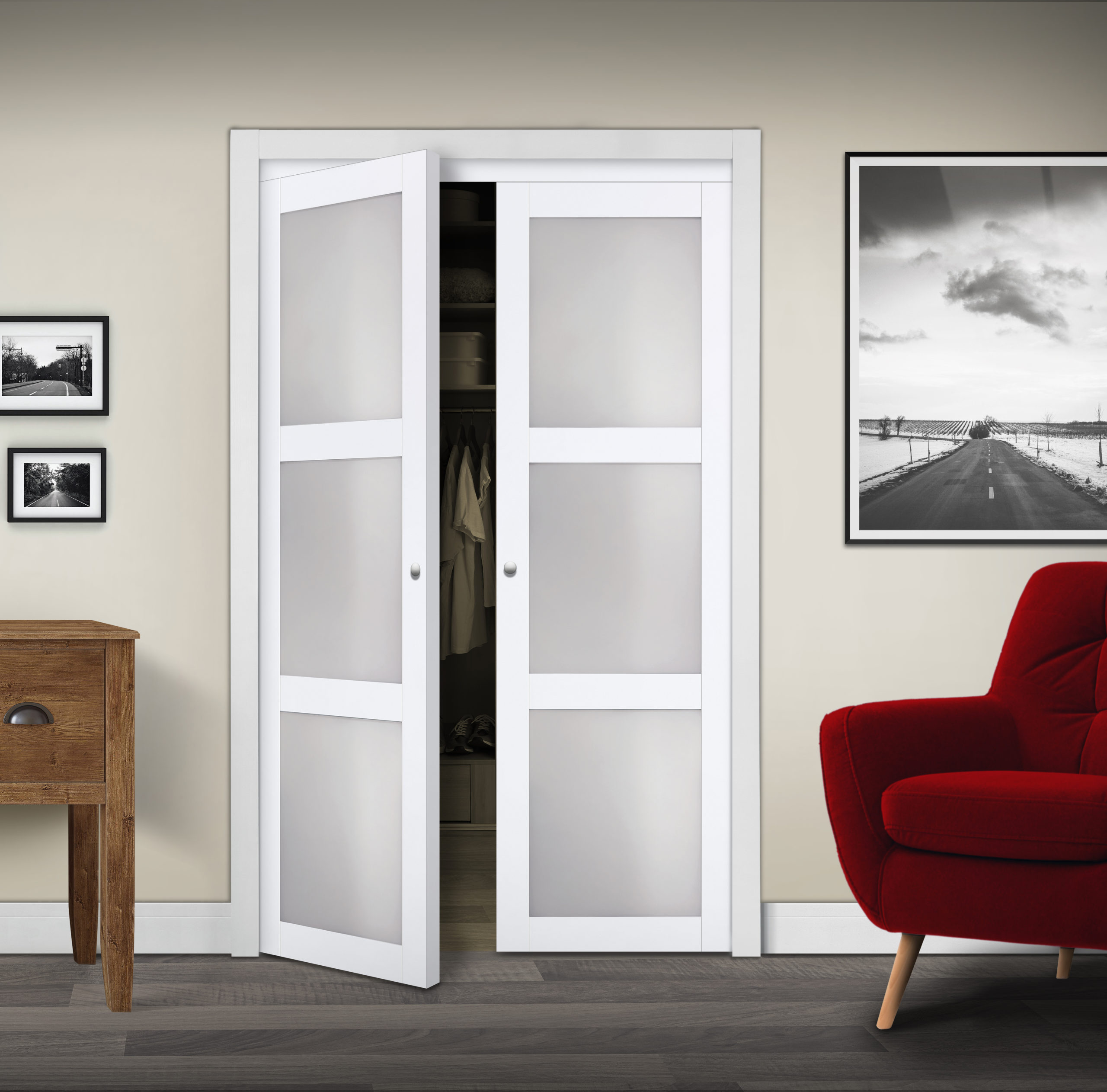
Unless someone is able to come out in a safe and accepting environment, or able to find enough support to be able to come out in the first place, there is a lot of work in disguising everything from prying eyes. For me personally, this has meant trying to name five different hiding spaces for my shoes or skirts. This has meant having to search for my clip-on earring collection because it is constantly disorganized. And this has meant more as I have come to realize more about my gender identity. All of that hiding and planning and changing in the car or in a restroom is physical and mental labor, but the emotional aspect is nowhere near ignorable either. After every chance to wear an outfit that makes me feel happy and comfortable on campus, or even a chance to put on a pair of heels for the day, there is always the realization that I have to change back before heading home. This also restricts the possibility of wearing makeup as I would have to spend time meticulously putting it on and then taking it off again. This knowledge of having to change back weighs heavy on me, and I have recently felt drained just from the thought of not being able to freely transform each day. Yet I have to hide the constant frustration around my parents and the annoyance of being called “sir” by someone at work. I have to put on the face around family, coworkers, and customers alike and manage my resentment on a near-daily basis. I see it as having to keep a lock on the closet sometimes. The only time I can unlock it is when I am online talking to a friend, by myself with my longing and admiration, or with someone that I feel comfortable coming out to.

Is this a stretch of Hochschild’s concept of emotional labor? Maybe. But I would like to ask the reader: when you have to suppress something around others, do you feel drained? And is it just at work, or every day, that you feel you need to manage one part or another of your emotions?

Further to the point, after how long does it take until one feels alienated from their environment due to managing these emotions constantly?
Can women reclaim their sexuality?

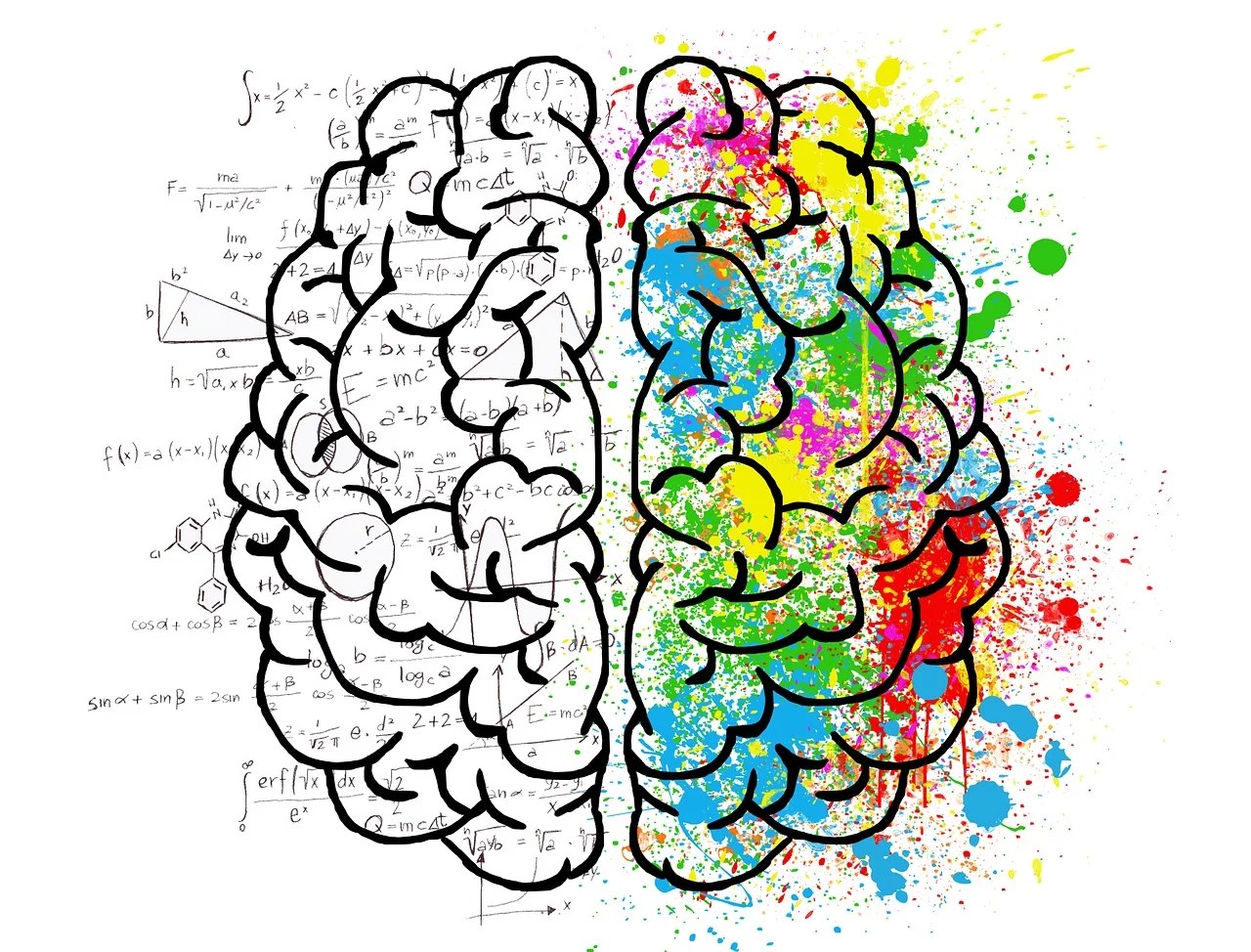
This post is going to be a bunch of questions and different thoughts so hang with me. We’re going to start with a quote from one of my favorite shows “Bojack Horseman” that has stuck with me for years. For context, the lady saying this is talking about a pop star who was a Miley Cyrus type child star gone “bad.” She says, “I’m a fan of her early work which both satirized and celebrated youth culture’s obsession with sex, but I do wonder as a third-wave feminist if it’s even possible for women to reclaim their sexuality in this deeply entrenched patriarchal society, or if claiming to do so is just a lie we tell ourselves so we can more comfortably cater to the male gaze” (Bob-Waksberg, 2014).

Now, I’m a lesbian, so I do wonder if I am too biased to be writing this. However, I do think being outside of heteronormativity can give a more objective perspective sometimes, but this is what discussions are for. 

Anyway, immediately after hearing this quote I think about the media of course, specifically the female rap music industry. I think about this because we receive so many messages about being a boss bitch by “getting your nut and leaving” or using men for sex like they do to us, or just talking about sex in general. And I wonder, does this actually benefit women as a whole (specifically straight women)? What is empowering to a woman differs, so I’m sure this mindset helps a lot of women feel empowered. I do think it really depends, but this view ultimately places a lot of emphasis on the other person to define one’s own sexual empowerment. I also question the intention behind this message of music industries; do they want women to be empowered by encouraging them to sleep with whomever they want, or is it a set up for women to further objectify themselves and keep having sex with men/cater to the male gaze/feel validated?

When I was in this phase, it was before I realized I was a lesbian. I was basically just having sex with men as a form of self harm, to get some type of intimacy with a person, to make me feel a little more in control over my life, and get male validation. Hearing my friends talk about their  rosters and all the guys they were talking to made me feel invalidated and insecure, and I craved that validation, as most women are taught to do. So even though I didn’t like men, I only knew how to make myself feel “empowered” by having more sex with them. And of course this left me feeling empty and a little more traumatized than before. And even though I was a closeted lesbian, a lot of women have sex for the same reasons and also end up feeling unfulfilled and empty after hookups. Almost as if hookup culture wasn’t made for women. 

I think it’s easy to conform to that patriarchal view of sex and feeling prideful and validated by who or how many people they sleep with. But does the pendulum have to swing that way first, or are we swinging the wrong pendulum? Because let’s be honest, most straight men do not care about the other person’s pleasure, especially if they don’t know them well or care about them emotionally. I don’t think straight women get the same benefits as straight men during a typical hookup. 

Maybe it is possible for women to reclaim their sexuality as an individual, but being perceived by men in patriarchal society will alter that. This reminds me of the social disability model and how being a woman isn’t an impairment, but our society hinders us because of this. I guess it really just depends on each woman, but then again we all fall victim to this society, and I think it’s easy to confuse objectification with empowerment if we’re not really thinking critically about what we’re doing, why we’re doing it, and if it is serving us personally. 

I also think about if this is different for the LGBTQ+ community. Although we are not conforming to heteronormative sexuality, we are all impacted by socialization. For example if a lesbian couple is free from sexual interaction with men, yet they are still fetishized while doing literally nothing in public, can they still reclaim their sexuality in this society? Or does that put too much emphasis on other people? Can one be truly happy and accepting of their sexuality when they are not accepted in society? If that’s the case, what is sexual empowerment? How can we break through that lens? Can anyone be truly sexually empowered in a patriarchal society?

The Invisible Heroes of Labor: A Tribute to My Mother

Growing up, I witnessed firsthand the relentless toll that labor can take on the human body. My mother, a dedicated hair stylist, stands for over 12 hours a day, making her body a silent battlefield where every muscle and joint fights a daily war. As a result, the sight of her returning home from work, her face etched with exhaustion, is a heartbreaking reminder of the sacrifices made by those who endure physically demanding jobs.

My mother’s profession is not just about snipping, styling, and beautifying; it’s a labor of love that requires incredible physical and emotional resilience. Day in and day out, she stands on her feet, lifting, reaching, and stretching to create the perfect look for her clients. The reality is that, despite her dedication to making others look and feel beautiful, her own body has borne the brunt of this grueling work. It’s a trade-off many laborers face, whether they’re construction workers, nurses, or hairstylists.

As a child, I often watched my mother return from work with her body in a constant state of agony. Her feet swollen, her shoulders slouched, and her face etched with pain. Witnessing her struggle was difficult, and it instilled in me a deep understanding of the physical and emotional toll that labor can take. My mother’s resilience is nothing short of inspiring, but it is disheartening to see how her sacrifices have impacted her overall well-being.

This upbringing, observing the demanding nature of my mother’s job, has had a significant influence on the choices I’ve made in life, especially regarding my career path. I knew from a young age that I didn’t want to embark on a career that would subject me to the same grueling physical demands. Instead, I chose to pursue a major in Information Systems. This decision was not just about escaping the physical rigors of labor but also about harnessing the power of technology and data to make work and life more efficient and manageable.

In Information Systems, I’ve found a way to contribute to the world by streamlining processes and solving problems without subjecting my body to relentless physical strain. I’ve chosen a field that allows me to make a meaningful impact while safeguarding my own health and well-being.

While I am grateful for the lessons my mother’s labor has taught me about hard work and perseverance, I am also mindful of the importance of preserving one’s body and mental health. Watching her journey has reinforced the need to appreciate and support those who engage in physically demanding jobs.

My mother is one of the countless unsung heroes who endure the physical and emotional challenges of labor, and her story serves as a poignant reminder of the sacrifices made by millions of people worldwide. It’s essential that we recognize and appreciate the resilience and dedication of laborers, and work towards creating environments that prioritize their well-being.

As I continue my journey in Information Systems, I carry with me the profound respect and admiration for those who labor tirelessly, like my mother. Their sacrifices are the foundation upon which our society is built, and it is only fitting that we acknowledge and honor their unwavering dedication to making the world a better place, one day at a time.

Attention Dysfunction

Often, I am told by my parents to “spend more time on your schoolwork” or get asked “what do you spend more time on, your schoolwork or your computer games?” I’ve always understood this as a dig towards me in order to make me prioritize my schoolwork, but that’s difficult in of itself. When I get home after school or work, I’m tired from just being around so many people or having to interact with people at my job. On top of that, when I genuinely want to try and do my work, a brain fog takes over and it gets super difficult to get started on doing any work. There have been many times where I have essentially wasted 2 hours trying to get myself to start my work, only to fail and do something else like video games to see if my brain wants to cooperate then. I tried many things too; I used to listen to music, but when that didn’t worked, I listened to videos on youtube. And when that didn’t work, I even had to once play a fairly hands off game on my other monitor in order to keep progressing on my homework because I couldn’t focus otherwise. Nowadays its better, though it’s at the cost of my own motivation to attempt my school work because I enjoy doing my hobbies so much more. I feel like this may be some form of ADHD or an attention problem of mine, though because I don’t have any kind of official diagnosis to get proper help or accommodations in school.

Watching People Work

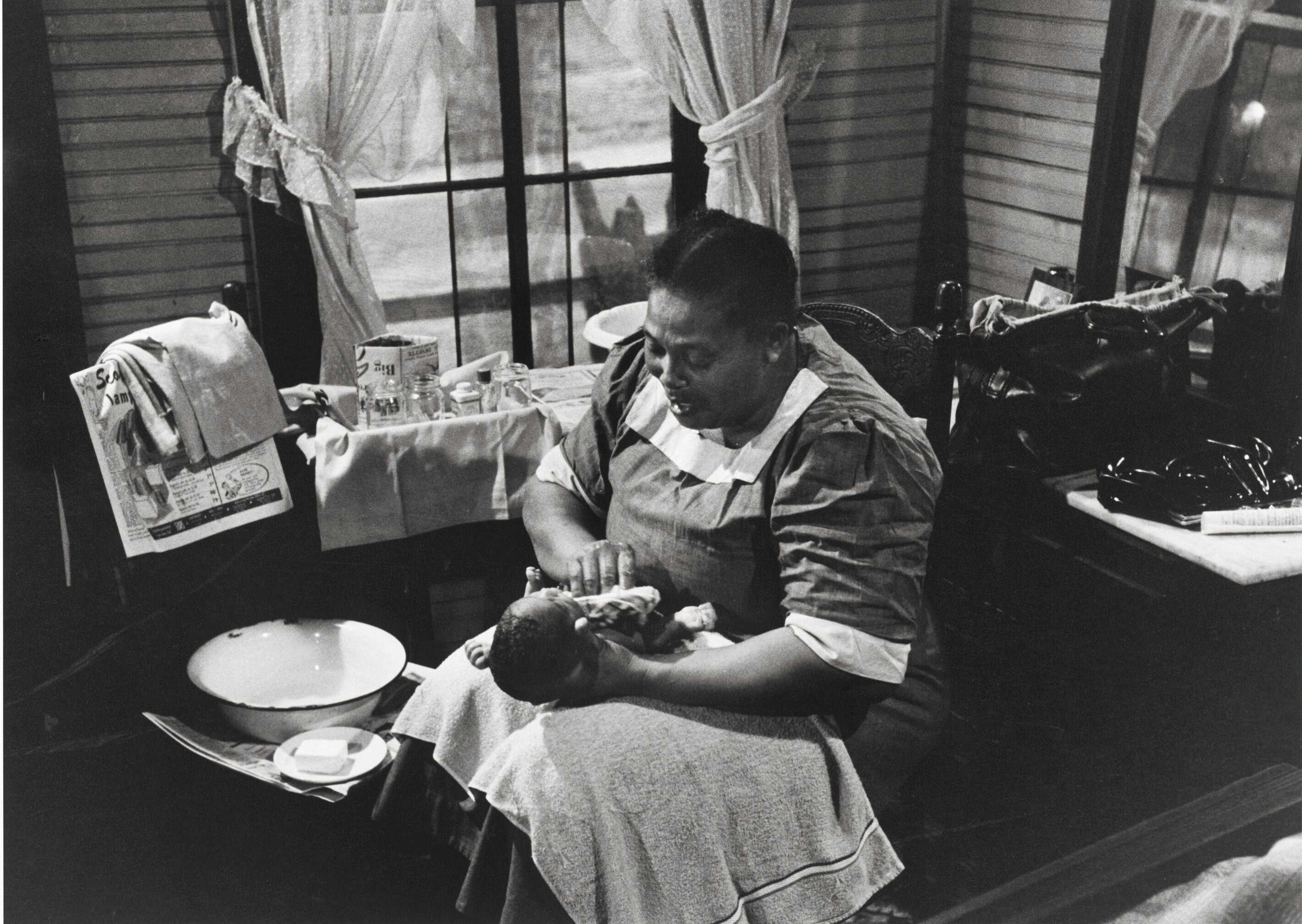
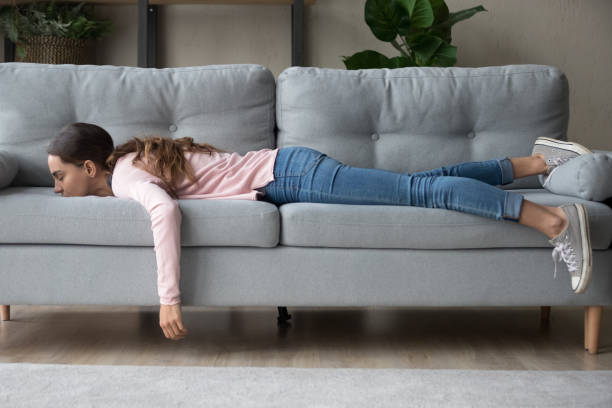
Watching the way that labor affects people is so sad. As a kid my mother use to come home from 12 hour night shifts and I could see the exhaustion all over her face. My mother was a labor and delivery nurse at John Hopkins. In the way she spoke, the way she walked, the way she cooked, and approached life as a whole she just seemed like she was so tired. She was so tired all the time it felt. You would think she liked to sleep more than she loved to spend time with me.

Full length of girl lying rest at home in living room buried her face in couch feels exhaustion having day nap lack of energy after party sleepless night or overworked, too tired no motivation concept

But as I am older and now working my own job, I completely understand why she felt the way she felt all the time. The most I work in a week is between 20-25 hours and it my feet will continuously ache on in agony. At the end of each shift I want nothing more than to lay in my bed and recuperate from simply speaking to people all day. Labor is hard, and it all comes down to the systemic class system that is set up. The people who do the least labor get the most money and it is just simply unfair and inhumane. So many current business owners have the ideology that “money comes before the mental health of employees” and it is heartbreaking because of how much that is reflected in todays society.

Can you rate your pain for me?

I am what is considered a rainbow baby. For people who don’t know what that is a rainbow baby is a child born after a miscarriage, stillbirth, or neonatal death. When I was first informed of this I didn’t have much of an opinion. I felt bad for my mother but when I was told I was young and didn’t understand what that meant for my mom. After watching Aftershock there was a thought in my head.

Read more: Can you rate your pain for me?

Was my mom properly cared for by her doctors?  I hate that I have to question this but it doesn’t help that I was also a C-Section baby. Since C-Sections are more likely to be given to black women I question was necessary or if was it just simpler for them. For my mom having a child was difficult and it could’ve been more difficult based on her race. The idea of midwifery is prominent throughout Aftershock and I think about how it might’ve changed my birth.

Even thinking of other children I think about the difficulties many people go through. Aftershock really opened my eyes to a problem that goes hidden. It ties heavily into other ideas we talk about in class such as black people getting worse treatment from doctors in general but the concept of women is slightly different. The idea of them having a higher pain tolerance comes from nothing but is still currently believed in the medical field and that worries me. There have been times when I have complained to a doctor of pain and them asking multiple times if the pain was really that bad because I seemed to be fine but I felt that I needed to present being fine. Learning the ideas of the medial field are based on old practices based on racism is genuinely scary

The Result of Living in a Capitalist Society

Living under capitalism is ass, not just because of inflation or the 1% but because it makes life and people so unempathetic. Everything is based on how you can use your body for capital instead of compassion. There is no consideration for others because trying to get through the day in one piece takes up all your mental energy. There is no accessibility because in a capitalist society what is the need to help people with disabilities if they cannot work with maximum efficiency? Dehumanizing people according to their ability to work is disgusting and shameful, but I am not surprised when it happens. On the flip side, people are dehumanized because they are made to work efficiently like black people. No matter what side of physical capability you are on, you get dehumanized; when you are in the middle it only gets a little better. You are seen as human but not really, you are seen as a cog in a machine that will only help the wealthy elites. If everyone is not seen as people- and seen as worthy of human rights-, why would people stand up for others to fight against capitalism? Standing and fighting together is hard when you do not see other people as worthy allies. The normalization of people being treated as less than human perpetuates capitalism because you always think there is someone below you who will protect you from the mistreatment, but there is not.

Intersectionality and Emotional Labor

Emotional labor is everywhere and it’s important to think about who is engaging in this work. As discussed in class, emotional labor is the management and/or suppression of emotions while performing paid labor. Because of this definition, it is implied that emotional labor refers to domestic, sex, and service work, among other things. Essentially, emotional labor is tied to jobs that require an emotional appeal to others while maintaining one’s own composure. 

But who is most likely to engage in this form of labor? Lower class women of color. These are the women who have to take up intimate labor jobs such as maidwork and food service. These jobs are hard enough, especially having to deal with rude customers who treat workers like they are undeserving of human respect. Women of color may face racism, classism, and xenophobia while simply doing their jobs. On top of that, workers must put on a smile and just dreadfully make it through their shift. They must feed into a capitalist system and be compliant to protect their jobs even when they are being treated unfairly. For lower class women of color, emotional labor is not only required for their jobs, it is necessary for their lives. Their bodies are used to create profit, and they must operate like perfect machines, else they be easily replaced by someone more obedient. 

I also wonder about the emotional labor that disabled workers must face. For disabled people working in intimate labor jobs, their bodies are made to be spectacles. Those with physical disabilities may be infantilized or treated poorly. The worker must manage the anger and frustration and anxiety that comes with this treatment. Those with hidden disabilities may have to work much harder to be a productive and fast worker, likely without accommodations. Of course, there is a layer of exhaustion that comes with this constant overextension of the body without rest. 

In both cases, the worker is displayed as a capitalist object whose only purpose is to contribute to mass production and consumerism. Their bodies are strategically put into low wage positions and are then made to be scrutinized. The exhaustion and anxiety that comes with this must be managed by the individual. It is unfortunately their own responsibility to handle the emotions that come with systemic racism, classism, sexism, and ableism. 

I’m not lower class or disabled, but in sharing a bit of my own experience as a woman of color, when I worked in a local boutique, this responsibility fell on me. We had a very close-knit and small staff, and while diverse, I felt like I was constantly dealing with microaggressions. This was back in 2020 while the elections were going on, and so you can imagine my fear, confusion, and overall frustration when I found out my seemingly cool boss with a dyed pixie cut was a Trump supporter. Suddenly I began reexamining the way she had been treating me. Every time she would come into work she pretended like she didn’t know I was working that day and she would constantly ignore me in conversations with other staff members. She successfully made me feel like I didn’t belong there. I became increasingly uncomfortable but I still had to maintain my composure and make sure that I wasn’t showing my emotions. I had to suppress my anxiety and fear because I wanted to keep my job and I didn’t want to make my work environment any more uncomfortable than it already was. I thought the more I tried to manage my own emotions while putting on a smile and just working, the better my boss would treat me. Then I ended up quitting because I realized that it should not be my responsibility to put on a good face when I’m being treated poorly…amongst other reasons. But for many lower class women of color and disabled folk quitting is not an option. So what is the answer to this problem? Do we have to just endure and cope? Is there a solution to the harms of emotional labor?

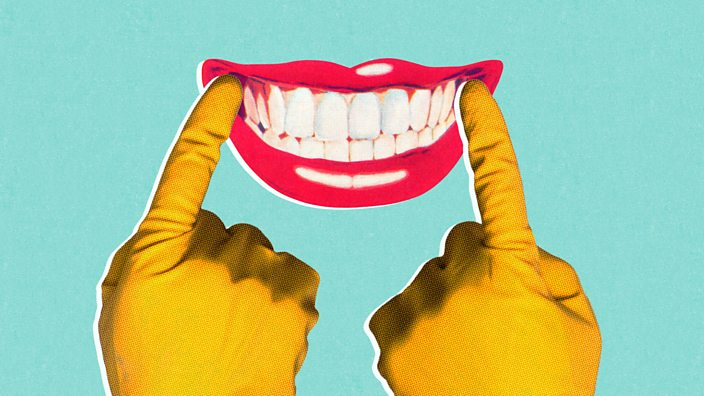
This is a picture of a smile that is forcefully being held up

Starting the Blog Post that I Don’t Really Want to Write

The title of this post is a lie, most of the time. Usually I’m happy to write more open-ended things; dealing in the land of theory and abstract. I enjoy the many little things, as many creatives do, and want to make sense of all that life has to offer. I make use of myself to help others see things; holding up mirrors and windows for people to look out in and in. This past week though, I am continually reminded that we aren’t taught what to do when we see ourselves in the mirror; facing the you inside of you, our underneath truths surfacing in the expressions of our faces.

I didn’t want to write this blog post because I could not bear to face my grandma. Her life was cut short by the very industry she gave it too; years worked as a nurse in the same hospital, only to pass there too. Helping black women and children through years of health, and yet she could not help herself. Working constantly by the condition of her upbringing; she avoided the aches in her body, the tiredness in her face, her hands battered by years, her mind overwhelmed with worries. She was alone in her struggles; I was still too young to help nor understand when she went. I am thinking of her voice when I hear the way the medical complex treats black women and I sigh a deep sigh, one I’m sure I share with ancestors long past my time .

I didn’t want to write this blog post because I could not bear to face my mother. Her aspirations were dimmed with my birth; she worked herself so hard inside and outside the home to provide for her kids, resulting in a myriad of medical issues she left undiagnosed until now. The worry she has when getting new doctors, praying the next one will believe her and continue her medicine. Glossing over minor hiccups because what other choice could she have? Health hinders progress; A lesson she’s finally beginning to reverse.

I didn’t want to write this post because I couldn’t bear to face myself; a culmination of the experiences of the women before me. How much have I learned? I avoid the horrors of reproductive thoughts, only to fall into the trap of overwork again. “Health does not hinder progress!” I say. But I know that if I go to the hospital for that ache, how much of my life will I lose? If I so choose to start a family, how much of the work will fall on me?

What Is My Own

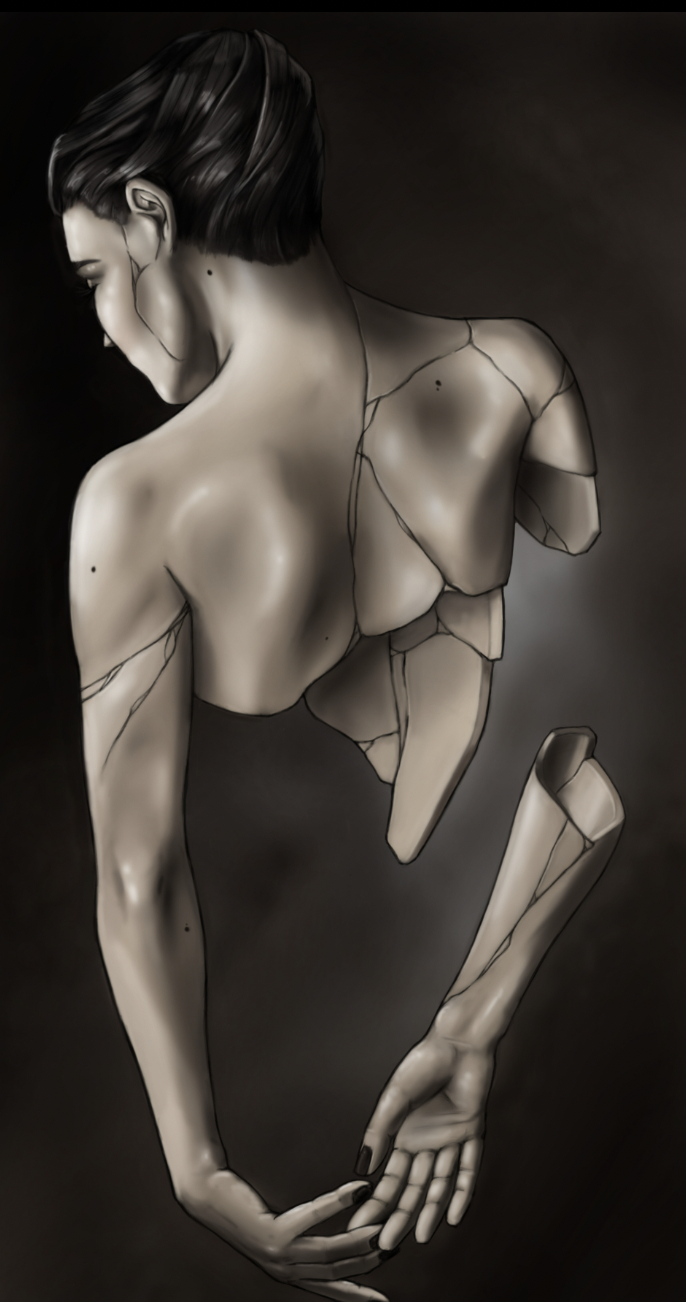
Art illustration of the back torso and slightly turned head of a female with upswept hair. There are large cracks throughout her body and most of her lower body does not exist, as if it has shattered away. One arm is reaching behind to grab the other arm, which has disattached from the body and seems to be falling away.

(artwork by Joel Gehmen)

Is my body broken if its shattered pieces are held together by flesh colored adhesive that is merely my own mental salve?

Do I suffer from pain if the constant ache in my bones is an echo of the violent histories passed down for generations? 

Is it illness if the markers are not physical, the symptoms not visible, and there is no possible diagnosis in western medicine to comprehend this malaise? 

How does one treat such dysfunction? With brave smiles and silent resolve? With quiet tears and chronic despair? Or with hordes of medication that sedate and suppress but fail to inhabit the exact synapse of cellular transmission communicating to the brain that all will be well and that peace can be found?

Where is wholeness to be found if no one can see all the broken pieces? 

Yet I know my pain, I know my illness, I know my suffering. None can take that knowing from me. Because if they could, I would let them.