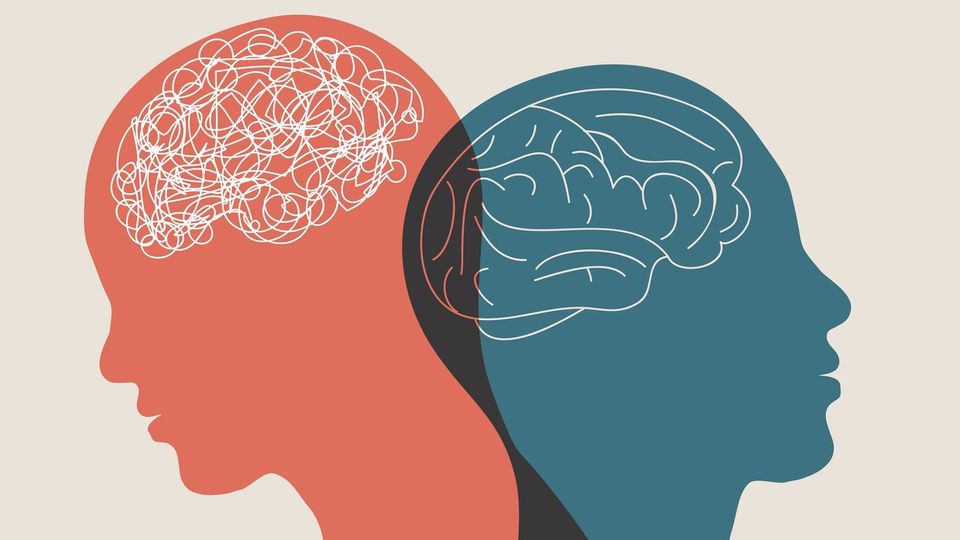
My Struggle with Anxiety

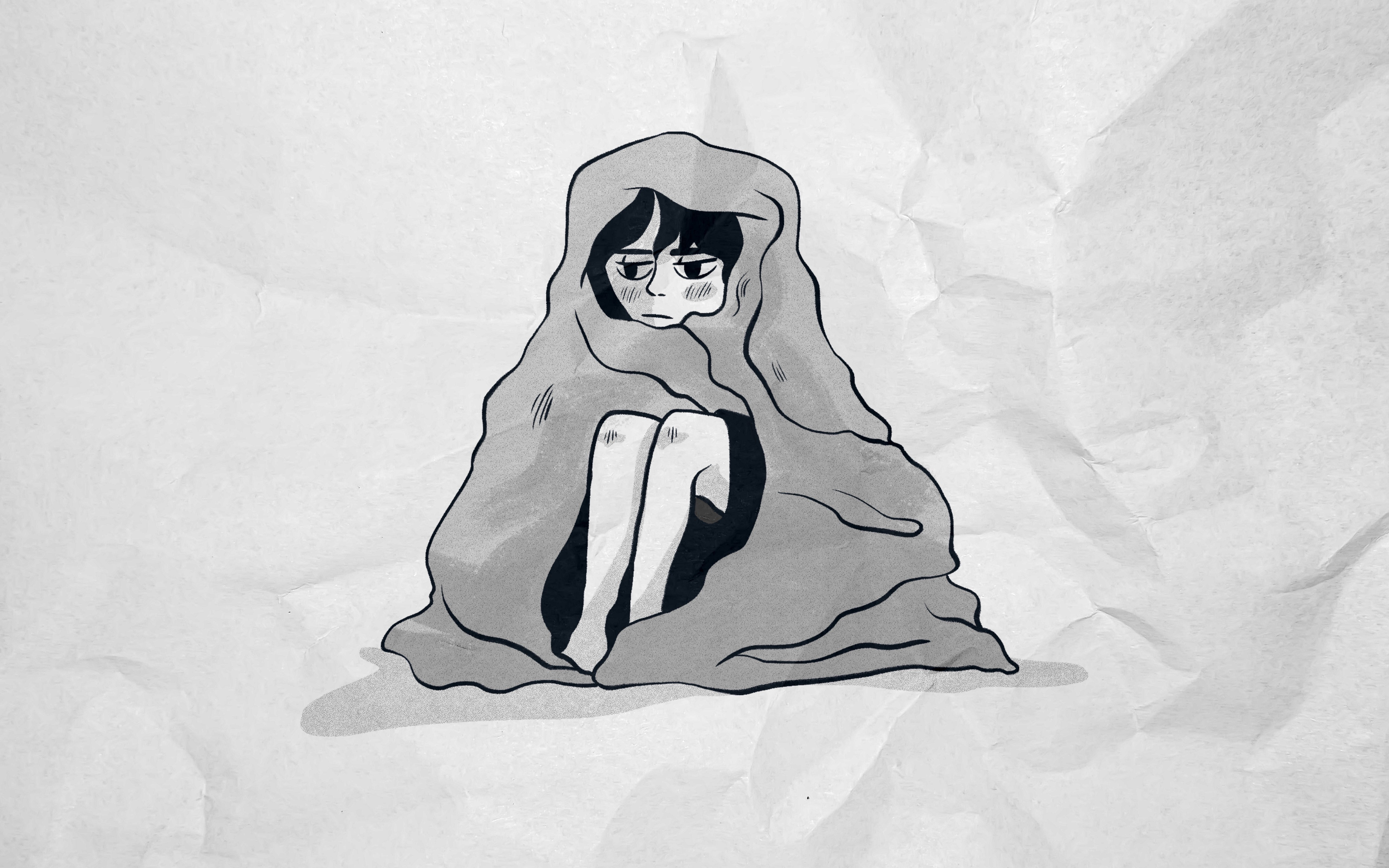
For the past three years, I’ve felt lonely. My everyday existence is dictated by my anxiety and depression. I always overthink about everything I do, and it never ends. It has prevented me from enjoying myself and liking myself, and it has led me to believe that being alone is better than being with other family members or friends. I feel as though I will never lead the life I desire as a result. I’ll never make new friends, and I won’t get the “experience” of college that I imagined having when I was younger. I am aware that my family is supportive and that they care about me, yet I still feel as though I consistently fail to do enough for them and destroy everything. I’ve now been in therapy for two years, and it has helped me tremendously for the better. I’m fortunate to have a supportive mother, who at first did not understand what I was going through but evolved and became my supporter over those three years.

But lately, I’ve run into trouble because one of my professors has made it mandatory to speak in class for participation, and speaking in front of others is difficult for me. I’ve tried to fix it over the years, but it continues to be difficult for me. I wrote the professor an email explaining how I find it difficult to speak in front of others due to my anxiety, but he never replied. I’m currently trying to obtain a student disability accommodation, but it has proven to be very challenging due to the long process. Because I must first have a doctor’s note, and I’m fortunate enough to receive therapy so I can, I can. But after that, I need to meet with the staff and discuss it with them. Wait a few more days or weeks, and see if I’ll get approved or not. I hope I do but I feel like I’ll propbably won’t.

I hate pilates

I’ve been doing pilates since I was 11. I remember seeing an Ad on YouTube in 2016 of some muscular white guy basically saying that pilates was the solution to tone your body.

Toned.

I learned that word from him. At 11 I learned that the word “toned” was skinny but not the kind were you’re weak and defenseless but its muscle. But not too much. Enough to make it look “sexy”. I look back in disgust remembering that I let some white guy implement that school-of-thought in my brain at such a young age. I wanted to be toned like the gym models I saw in Nike Ads.

The ads purpose was to push the audience to purchase an online membership which is what I pressured my mom to pay for. After she purchased it I forced myself to follow the workouts and instead of also following the diet, I ate less and less.

No matter how hard I worked I never saw results physically or in the scale and eventually I stopped. I felt trapped in my body and I longed for the “perfect” standard body. Eventually I stopped but started again a few months later and it became a pattern throughout middle school. I’d always feel a new weight of stress and shame drop onto my shoulders each time.

Grey’s Anatomy’s Representation of Black People

I have been on a Grey’s Anatomy binge recently, and as the class was progressing talking about medical neglect people of color have consistently received, Grey’s Anatomy was actively covering it on their episodes. I believe it was on like season 17 during the George Floyd protests. Since those episodes, coverage continued, more representation for other races and their struggles came out. And I was able to learn from those episodes. Their was an episode about a 12 year old kid who came in because he got shot by police at his own home. The kid had lost his key and was trying to climb in using the window. The police saw him and shot him. The kid was conscious at the hospital but died later in the episode. Afterwards, the doctor spoke with a couple of police officers, and the officers claimed that it was a judgement call, which pissed the doctor off (understandably so) because it was not a judgement call, he made a choice to kill that boy. Overall, they do a decent job covering racial issues on the show especially in later seasons, where they show how big events in the real world can affect people. There is another part where a lot of black people were going to protests after George Floyd got murdered. At the end of that episode, a bunch of the patients coming into the hospital as well as the black doctors showed off their scars from past protests and movements. However, they weren’t victimizing themselves, it was powerful. There is a lot more I can add, like there was another episode about an Asian patient who came into the hospital and died because the disease he had wasn’t common for white people, but moreso for Asians. They went into the detail the idea of the importance of considering race when it comes to medical evaluations, there isn’t a textbook method to diagnose and treat someone.

My African Mother’s take on giving birth in America

After watching the documentary Aftershock, I felt compelled to call my mother to see if she was doing okay. Unfortunately, the U.S. maternity health system has failed black mothers time and time again. Shamony Gibson, Amber Rose Isaac, and other black women were not able to get recognition in the media, but their stories and legacies live on. Their stories were truly devastating and made me thank the universe that my African mother did not have an instance of life-threatening neglect. I emphasize that my mother is African because she and her siblings were the first generation in my family to birth children outside the borders of our home country. That is a pretty big deal.

The year was 2003, this was the year that my mother found out she was pregnant. She then discovered there were two babies in her belly instead of one. Twins!!! Fraternal; a boy and a girl. (I could have been extra twining with Dr. Kate but my brother happens to be a boy and not identical to me). My parents lived in Prince George’s County at the time, gearing up to be parents for the first time which is probably a nerve-racking yet exciting experience.

Image by Shutterstock. (I hate it when the watermark is on top of the photo.)

With newfound curiosity, I asked my mom on a call last week what her experience at the hospital during her pregnancy and birth. She told me how the care you receive, depends on whether someone has insurance or not. Luckily, both she and my dad had had insurance they received from their work benefits. This pipelined her experience as a black woman in the U.S. differently as they knew that she would be able to pay for the outstanding bills that come with birth.

The doctor that she went to for her prenatal checkups did not follow an individualistic approach and went very by the book. The doctor insisted that my mom would go into pre-term labor (she didn’t). My mother felt as if she wasn’t truly given a chance and it was dehumanizing that the doctor wasn’t listening to her when it was HER body. Of course, she was not the expert on how this whole pregnancy thing worked but the person who who she needed reassurance the most from, was giving her the opposite. She said something to me on the call that truly stuck with me, “I’m an individual, not a machine”. I am certain that other pregnant women have felt this way because even though birth is a miraculous thing, it seems almost belittling in a sense what doctors tell or don’t tell their patients.

My mother got a C-section for her birth and stayed 4 days in the hospital after the birth which is not nearly enough; that was the maximum amount of days she could spend. She expressed that she thought she was being discharged too early, especially with the pain of the staples. There is so much pressure for new mothers to have it all figured out. From regaining your own strength to nursing your babies and attending to your mental health. I’m getting overwhelmed by just thinking about it. She did have a wonderful support system of friends and family to guide her along the way to lessen the heaviness of it all.

Mothers are superhuman. Tell your mom or motherly figure that you love them today.

Reproductive Bodies & Labor

Women and Reproductive Services

The medicalization of fertility and infertility, pregnancy, abortion, contraception, and childbirth care has not always worked in the interest of women, and it had particularly devastating effects on African American women. Their fertility has been managed for hundreds of years, first forced to have children for owners, then as objects to be experimented on, and sterilized without their consent.

Every aspect of fertility, including abortion, varies along racial lines. Black women were denied access to formal medical services well into the 20th century. The relationship between medicine and black women has been and remains troubled. Access to reproductive services remains problematic for black women in America.

African American Midwifery

The history of black midwifery in the United States began in the South with the “granny” midwives. They were generally respected, older, wise women who were transported from Africa to the Americas in the 17th century. They attended to other black women in birth, well-woman care, and a range of procreative services and healing well into the mid-20th century. During slavery, midwives aided in the building of community by caring for and supporting women throughout pregnancy as they brought forth new life.

Midwives are heroes. Working long hours in what is generally portrayed as an exhausting and thankless job. Despite their position, many reported that they were treated poorly. They show up for work, often in difficult environments, for little to no pay. Their unwavering resolve ensured that women and newborns get the care they need.

Labor Supply and Slavery

Enslaved women were dehumanized as a good to be bought and sold. Slave owners sought to maximize the number of enslaved women to bear children, as a result, labor supply increases and productive labor were performed on their own.

Many enslaved women resisted captivity usually by finding methods to avoid work. Part of the expected work consisted of bearing children that would then be treated as the slave owners’ property, and so that is why women wanted to avoid giving birth. The choices made by black women were more like industrial sabotage than personal liberation. They were forced choices more than their own choices, as their freedom was limited.

Everything has Changed

I’m going to start off this blog post with a trigger warning. This will contain speech about sexual assault that happened.

A little bit of information about me….I am a polyamorous, pansexual woman and I am also a hypersexual person. Sex is important to me when it comes to romantic relationships. Back near the end of May 2021 I was raped in my sleep by someone who was supposed to be a friend of mine. I remember waking up and not being able to move because I was in such shock about what was occurring at the time. Some people might victim blame and say it was because I sleep without clothes on but let’s be real here, he probably would have done it either way regardless if I had clothes on or not. Someone like that is going to do what they want no matter how it effects the other person. People like that are dangerous to society. Anyways, that’s not even the worst part about this story. The worst part about it that still affects me today is that I discovered I got herpes from it. My boyfriend at the time was the first person I told about my diagnosis and for the rest of our time together he practically treated me like a leper. He refused to kiss me or engage in any kind of sexual activity with me because he was afraid of contracting it too. This really scarred me emotionally and it’s still hard for me to accept rejection soley because of my diagnosis. Although, I do believe in fully informed consent when it comes to engaging in sexual activities with others but it has made things really difficult for me since my diagnosis to find people that are willing to be with me romantically or sexually. I do currently have three romantic partners but they are all long distance so we haven’t met in person yet but I talk to them all every day and we send photos and video chat when we can. There is a dating website for people who also have similar or the same diagnosis but it costs $15 a month to be able to message anyone you want to. As if it wasn’t already hard enough for people with herpes and other sexual conditions to find a potential partner or friend with benefits. I’m going to end this blog by saying this, you are NEVER unworthy of love. You ARE worth it. You are BEAUTIFUL regardless of your status. Don’t allow someone to make you hate yourself. You are LOVED.

Lost for words

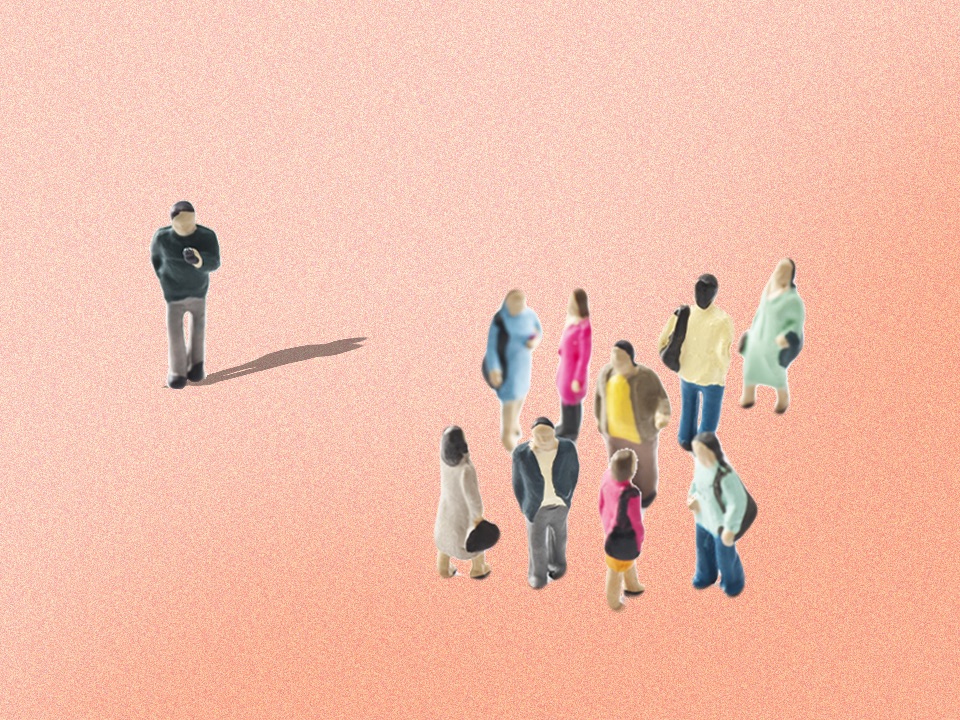
I want to share something that’s been bothering me for quite some time. It’s about my anxiety and nervousness when I am around people whom I do not know. This has been a struggle for me, and it makes my body uncomfortable. Whenever I’m around unfamiliar faces, I feel confused and afraid. You might think that it’s normal to feel a little uneasy when you’re in new surroundings, but for me, it’s a different story. I can’t seem to shake off the fear that’s been paralyzing me. I feel as if I don’t have anything to contribute to a conversation, and I don’t want to say a word or give my idea about something. I don’t even want to share my thoughts because I’m lost and confused. It’s frustrating how I end up losing words that much when I’m with new people or those I do not know. I always feel like I’m lost, and I don’t know where to start. It’s difficult to initiate a conversation because I don’t know how to keep it going. My mind goes blank, and I feel like nobody wants to talk to me. Social anxiety is a serious mental health condition, and it can be incredibly isolating. Sometimes I would love to share my thoughts and opinions on matters of interest or join the conversations, but I can’t, and I end up not saying anything at all. In fact, the more I try to force myself to speak up, the more intense my anxiety becomes, and I shut down even further. The fear of saying something wrong and being judged can be overwhelming. It’s not that I don’t want to connect with others. I’m a very friendly and outgoing person with people that I know, but when it comes to someone new, all my sociable tendencies go out of the window. I’m left feeling isolated and very alone, trapped inside my own headspace. It’s made me feel like I’m not normal – like everyone else can handle social situations, but I can’t. I’ve missed out on so many opportunities to make friends or connections because of my anxiety, and it’s made me feel lonely and depressed at times.

However, the good thing is there is hope. I’ve  found that opening up to trusted friends and family members has helped me feel less alone and more supported through this journey. I’m now working hard on ways to manage and overcome my social anxiety. I’m also slowly exposing myself to new social experiences, allowing myself to feel progressively more comfortable in social settings. I want anyone else who’s struggling with social anxiety to know that you’re not alone, and that it’s okay to ask for help. Don’t let your anxiety hold you back from living the life you want. Reach out to a professional or someone you trust there are people out there who understand and can help you navigate this difficult experience.  I hope that sharing my experience has helped someone out there feel less alone. We’re all in this together.The process of managing social anxiety is a challenging one, but with the right support and guidance, it is possible to overcome it.

Am I Able To Do This??

Am I Able To Do This??

Many thoughts and questions go through my head with the world of ignorance we live in today. How do I keep going? Will I be successful? Will I be able to have the dream family, dream lifestyle, dream anything that I want? Sitting back and deeply thinking, you won’t know unless you do something for yourself and those protective around you. Being a young Afro-Latina in today’s society is hard, whether it’s in terms of pregnancy, civilization, or my own self-image. I come from a family line of women who dealt with traumatic pregnancy terms, or even reproductive issues in itself. A line of men who have suffered from cancers varying from lung to low blood cell count leading to other health issues. Thinking about starting my own family scares me. I always track back to the story my mom told me: the doctors didn’t catch my faint, irregular heartbeat at eight, almost nine months. The umbilical cord was wrapped around my neck. What if that were to be me in about 6-7 years with my first born and I’m not conscious of it? Or if I am ignorant and decide to not get check ups and discover something too late? I always tend to think the negative rather the positive, so clearly that’s a sign of something psychically that I need to work on.

Is This What I Really Want?

I’m proud of my Pakistani heritage and it is a significant part of my identity. However, there are some aspects that I believe need to evolve according to our current society. A South Asian woman will constantly face judgment and pressure throughout her life. We are constantly receiving unsolicited “advice” from others in our community. If we dress in tight clothes, show too much skin, or wear too much makeup, we’re begging for male validation. What kind of respectable man would want to marry a woman like that? A woman should pursue higher education, but can’t be too successful because her husband is supposed to be the breadwinner. Women are expected to be the caretakers of the house and the family, but she also needs to have her own career, or else she’s just a lazy housewife. 

Being a brown woman means enduring physical and emotional labor while balancing responsibilities as a wife, mother, daughter, or daughter-in-law. We are always expected to let go of our own desires/goals in order to appease our husbands, families, and in-laws. My close friend recently got engaged, and is planning on pursuing a career in dentistry. Her parents fully support this decision, however her in-laws insist that she chooses a shorter career path so she can prioritize her role as a wife. My friend wants to gain approval from her in-laws, but she doesn’t want to give up on her career which she has so much passion and drive for. This is a common situation that many brown women find themselves in: balancing their goals with what other people tell them their goals should be. 

Men in our community definitely face their own struggles, but not to the same extent that we do. I wish South Asian women could freely make their own decisions and live their lives authentically without being controlled by double standards. I hope that my generation of brown women can break the cycle and let our daughters live the lives they deserve.

What Do I Do With This Information?

Being a woman of color with a major about health resources and allocation, it’s often hard to make decisions to open ended question in my classes. I major in Public Health and many times we talk about health disparities and how to allocate our resources, make policy changes, and find the root to the problem. Oftentimes it is hard to agree with a room full of people who do not understand the full effects of their thoughts and actions. They sometimes fail to realize cultures, socioeconomic background, and the systemic racism of our policies and the world we live in.

It can be easy to say that people who are highly infected should get treatments and vaccines, but what about the cost of that? Will the government pay for it? Will we make those who cannot afford the treatments pay for it when the reason they are in a highly infected area is because they do not have the original resources to test and isolate?

How about issues regarding guns in public housing? Do we get rid of the law that allows people to purchase and keep it? Do we allow it, but strengthen the background checks and paperwork? How about those who have to live in these public houses because they cannot afford to live anywhere else feeling unsafe because this type of housing is situated in low income, high crime rate areas. And how about those in power or watching over these areas? Will they take the time to check if these firearms are legally obtained or will they just assume they are all criminals and arrest or even kill these innocent people.

But with all this information and everything to consider it is hard to come to a conclusion to help the public because systems are in place to help white people. Systems are in place where people of color cannot and will not succeed, but even people and their ideologies, opinions, thoughts, hinder safety and well being. I often feel overwhelmed with the decisions that I have to make and how it will affect other people. So with all the information I have learned and are still learning, what do I do with this information in a room full of white people?