A Strange and Friendless Road, For a Tomorrow Without Tears

Autism: autism spectrum disorder (ASD), is a neurodevelopmental disorder characterized by repetitive, restricted, and inflexible patterns of behavior, interests, and activities and persistent deficits in social communication and interaction.
Neurodivergence: people whose brain differences affect how their brain works
Autism and neurodivergence have always been a part of my family’s life, and navigating these experiences through my sister’s journey has taught my family and I so much about the importance of understanding and acceptance. Growing up, my sister always felt a bit different from her peers. Social interactions were often challenging for her, and she had intense interests that set her apart. It wasn’t until later in her life that she was diagnosed with autism. This revelation was both a relief and a catalyst for self-acceptance. Understanding her neurodivergence allowed her to embrace her unique strengths and acknowledge the areas where she needed support.
As I continue to educate myself on said topics I learned that one of the most significant challenges for autistic individuals, including my sister, is the tendency of society to infantilize them. This concept, extensively discussed by Jennifer L. Stevenson, Bev Harp, and Morton Ann Gernsbacher in their work, highlights how autistic people are often perceived and treated as less capable or childlike. This infantilization can lead to a lack of autonomy and respect, further perpetuating the stigma and misunderstandings surrounding autism. On the contrary Damian Milton and Lyte’s work on the normalization agenda and the psycho-emotional disablement of autistic people sheds light on the harmful effects of trying to “normalize” autistic behavior. The pressure to conform to neurotypical standards can be damaging, leading to feelings of emotional distress. It’s important to recognize that neurodivergent individuals, like my sister, have unique ways of experiencing and interacting with the world, and these differences should be celebrated rather than suppressed.
With that, I think in order to truly support autistic individuals, we must move beyond the stigmatizing narratives that surround autism. Understanding autism as a form of neurodivergence rather than a deficit allows us to appreciate the diverse ways in which people think, feel, and communicate. Education and awareness are crucial in breaking down these barriers. By fostering open dialogues and promoting acceptance, we can create a society where everyone is valued for their unique contributions. It’s crucial to listen to the voices of those who live these experiences every day. Their insights and stories are invaluable in shaping a more inclusive future. Challenging the stereotypes and misconceptions that surround autism and work towards a world where everyone feels seen, heard, and respected.
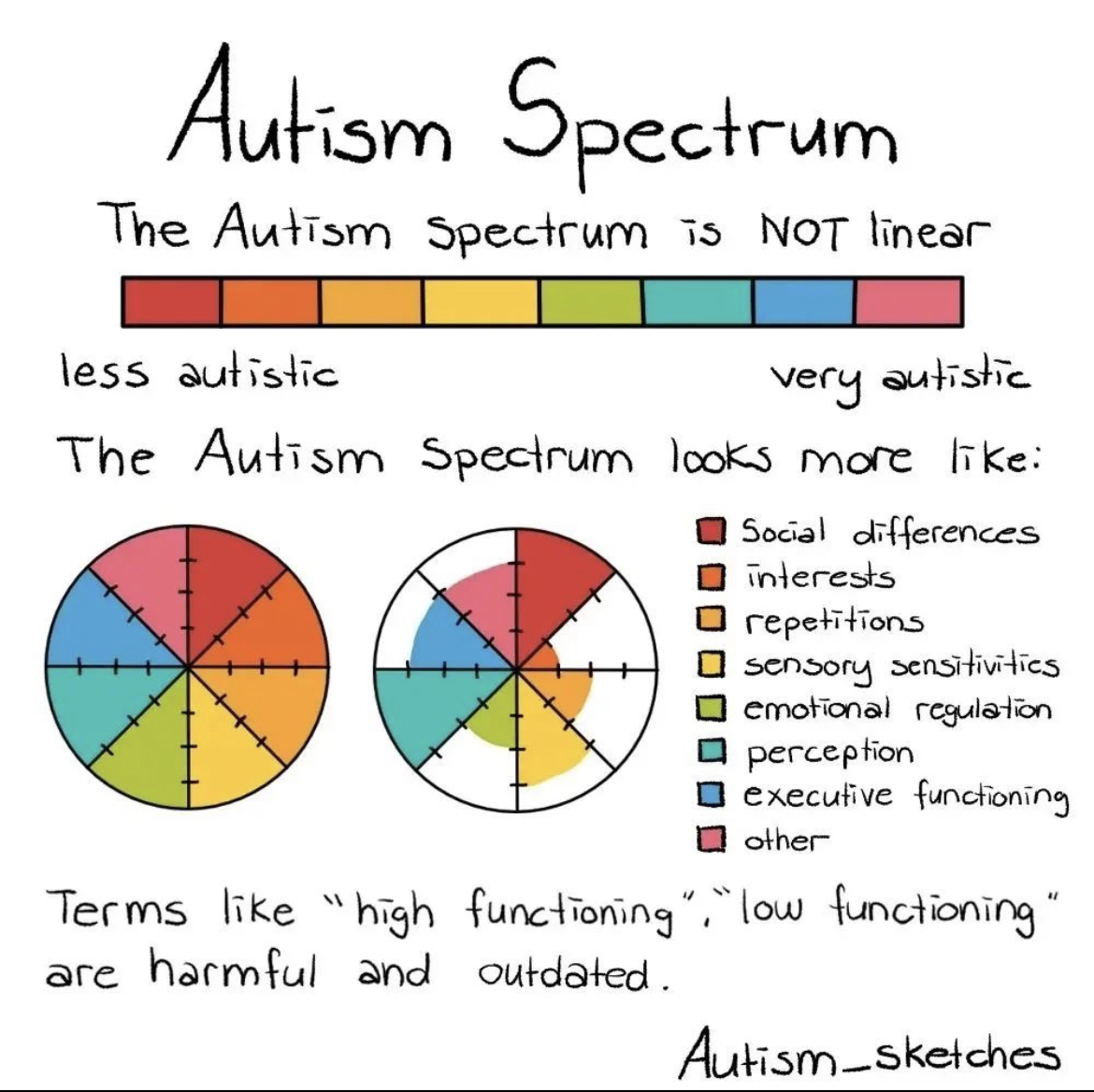
Below is the autism spectrum color wheel designed to help individuals with autism spectrum disorder (ASD) identify, express, and communicate their emotions and needs. It bridges the internal emotional landscape of a person with autism and the external world, providing a common language for understanding and interaction. The color wheel is particularly useful for individuals who are visual learners and process information more effectively through images, colors, and visual representations rather than verbal or written instructions. It can help reduce anxiety by providing clear, predictable information, enhance understanding of abstract concepts, improve independence in daily activities, and facilitate communication between individuals with ASD and their caregivers, educators, or therapists.
-Santana A 😕
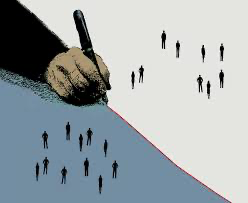
In one of my classes last semester, I learned about “othering” in the context of racism, and something that stood out to me was the detrimental effects it has, especially on individuals who are labeled as the “other.” By labeling someone as an “other,” it inherently assumes that there is a default or normative standard that these individuals fail to meet. This concept connects deeply to issues surrounding disability and body size, as society often marginalizes people with disabilities and diverse body types by positioning them as deviations from a perceived norm. It creates a harmful narrative that devalues and dehumanizes individuals who do not fit within societal norms. This narrative reinforces the idea that there is a “right” or “ideal” way to exist, marginalizing those who differ and often placing blame on them for their perceived shortcomings. This harmful narrative of “othering” has profound real-world impacts that go far beyond social perception; it affects how people are treated in various aspects of daily life. For example, people with disabilities, like those with autism, are often treated as if they’re incapable or stuck at a child-like level, no matter how old they are or what their abilities are. This kind of infantilization can strip away their independence and agency, making it harder for them to have control over their own lives. It reinforces the idea that they aren’t fully capable adults.
Why do strangers think it’s okay to comment on someone’s body, especially when they have no idea what someone is going through? Lately I have been experiencing more judgment than I ever have because I work at a public restaurant, where I see regular customers quite often. I’ve been at this job for almost a decade and I started here as a teenager, so obviously my body has changed over the years. But, what annoys me the most about working in the public eye is that people are just genuinely rude and judgemental. I’ve been asked multiple times by my regular customers if I’m pregnant, or if I’ve “let myself go.” I’ve also had two separate people, who I don’t even know, ask me if I agree/ also think that I’ve gained weight. People have asked me if “covid’s got the best of me” or just tell me that I “look bigger and my face has more weight to it.” What I think is the craziest part of all of this is that I think I’m pretty skinny. Am I the 100lb girl I was when I was 15? No, and am I only 130lbs? Yes. But, it has been proven to me that people only categorize girls to be skinny based off of what they have seen on social media.
To make this story even worse, the only people who have ever commented on my weight or acknowledge the change in my body have only come from the mouth of WOMEN. I feel like it is really hard for me to wrap my head around the idea of women supporting women because I constantly deal with people like this. It frustrates me because the pressure from social media has caused more division in women, rather than solidarity. Which is upsetting because in today’s society we are in desperate need for true women’s support.
I brought this up though because I want to tie it back to our class when we talked about how we think work can shape our bodies, in week 6.
My body is the way it is because I am a growing and developing young female, where I automatically am going through biological changes. Plus the damage of 60 hour work weeks, and the overstimulation from mentally drainage from being a full time college student, and all the environmental changes have taken a toll on my body. No one tells you that your twenties are the hardest years of your life. Personally, people have glamorized what my twenties were going to be. My parents and grandparents would explain that your twenties are the best times of your life and to enjoy every moment because you’ll be in your prime. I’m in my twenties, half way through and I am still waiting for when the best times will start. It blows my mind that no one talks about how your twenties are the HARDEST times of your life. Your body changes dramatically in your twenties, and you have no choice but to just adapt to the changes and continue on with life. These changes could be environmental, biological, physical, or mental changes. Your twenties is the time where you are simply just figuring things out, and that’s not the easiest. I actually find it to be the messiest.
Anyways, all of these factors have an effect on the physical appearance of my body. The body that represents me and the body I have to show to the world. I know it’s okay to go through these changes and I don’t really let the thoughts of other people bring me down or hurt my self-esteem. But, what’s sad to say is that I didn’t think like this until recently. My job has shaped me into this tougher person because working with the public is hard and can affect people if they let them. I used to let others’ opinions crush me, but now I truly don’t care what people think. People are entitled to their own opinions and I respect that, the only thing I don’t respect and will not tolerate is the pure rudeness from strangers. And I thank my labored body for allowing me to become like this.
As I was watching Crip Camp (2020) for this class, I was reminded of one of my favorite childhood memories. My mom was a special educator for the Deaf and Hard-of-Hearing for around 25 years. She used to teach in the city schools of Brooklyn, and began working in Baltimore City when my family moved from New York to Maryland. My mom was like a second mother to her students. She would often bring hot food to her students around the holidays, crowd-source school supplies, teach her students Latin-dancing, and even would have some of her students over to her house when they were having a rough time at home. I treasured the days that I was able to come visit the classroom and her students. It always made me smile to see how my mom so deeply cared about her kids.
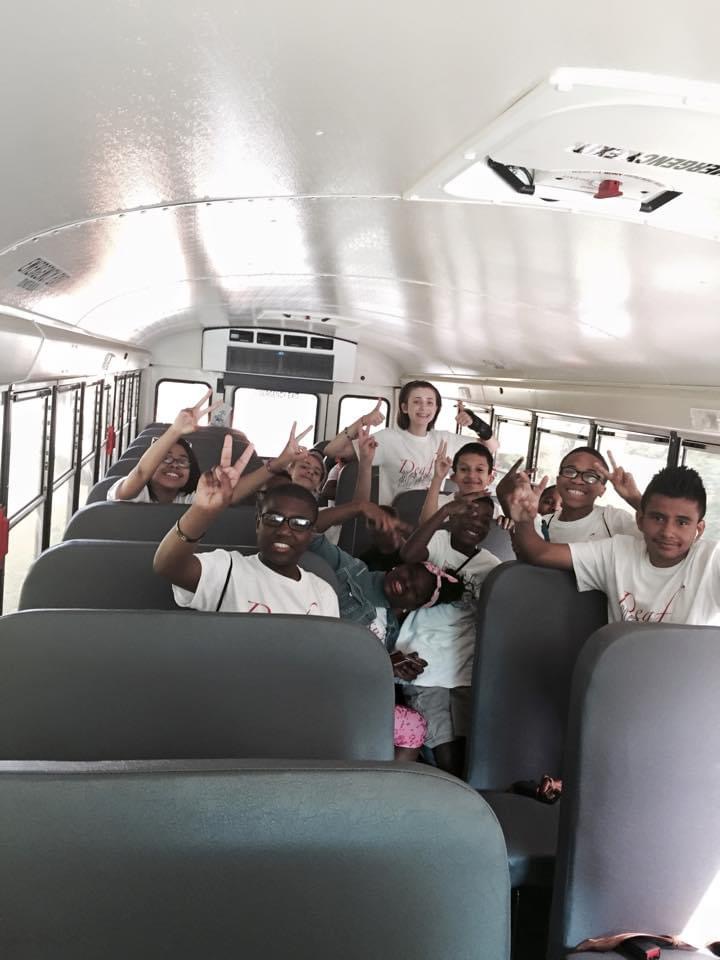
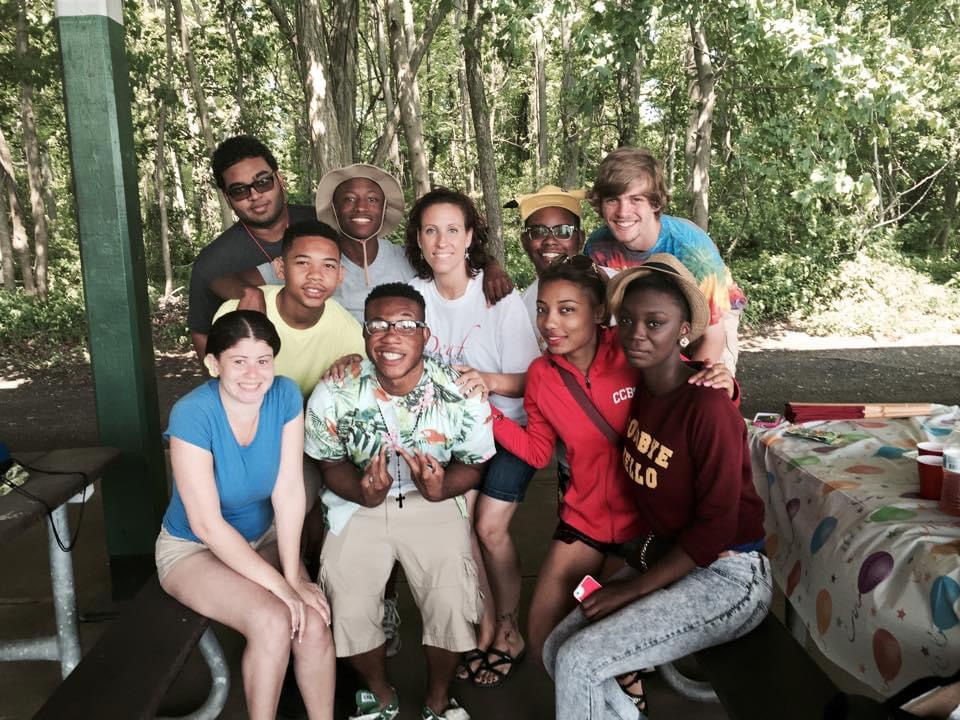
One of the things my mom and the other teachers did for the Deaf and Hard-of-Hearing students every year was Deaf Fest. One sunny day at the beach every year, complete with matching t-shirts designed by my mom, grilled hotdogs, hamburgers, pavilion snacks, arts & crafts, and games. The bus ride to the beach was loud and cheerful, and every student was so excited for the festivities to come. The students gave me my sign name during Deaf Fest one year- the letter “S” combined with the sign for “dance”, because I was always dancing around the classroom when I came to visit them. On the bus and in the pavilion, my mom’s students would help me learn sign language by signing to me. Even though I was very young during these years, I could feel the powerful sense of community Deaf Fest brought.
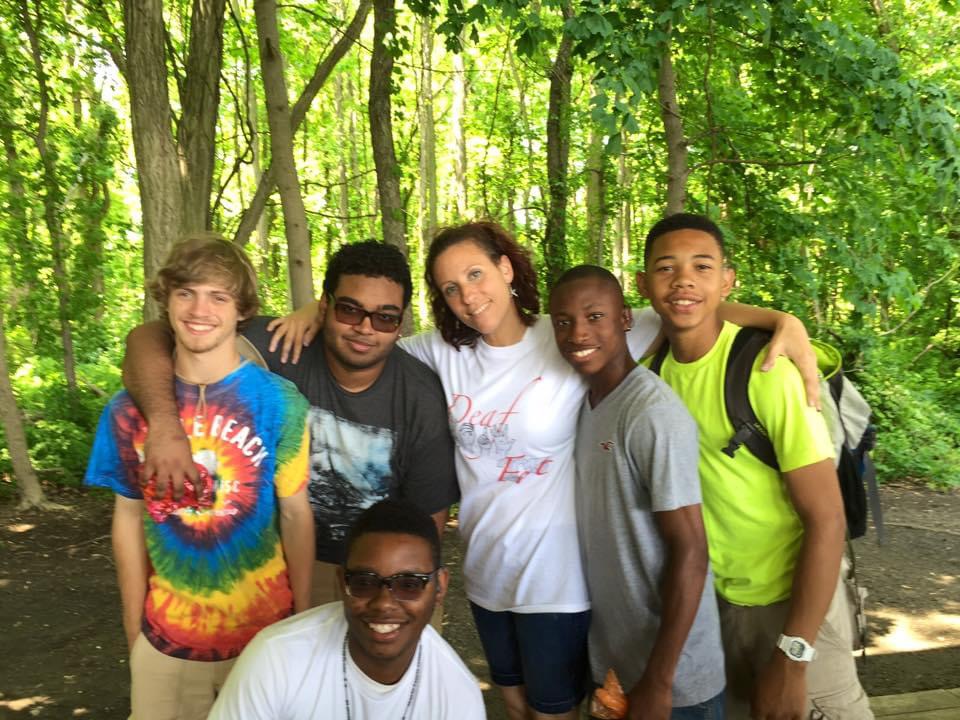
Although Deaf Fest only happened one day at the end of the school year, I was reminded of the happy memories it brought as I was watching Crip Camp. Nostalgic images of Deaf Fest floated through my mind while I witnessed the ways in which Camp Jened members were seen and supported during camp. I also saw resemblance in my memories of the days spent in my mom’s classroom, how the school system rendered these kids invisible to the hearing world. In my college years, I find myself eternally grateful for being able to experience the joy that Deaf Fest brought to my mom’s students, and I hope that I have the privilege of experiencing that level of community again.
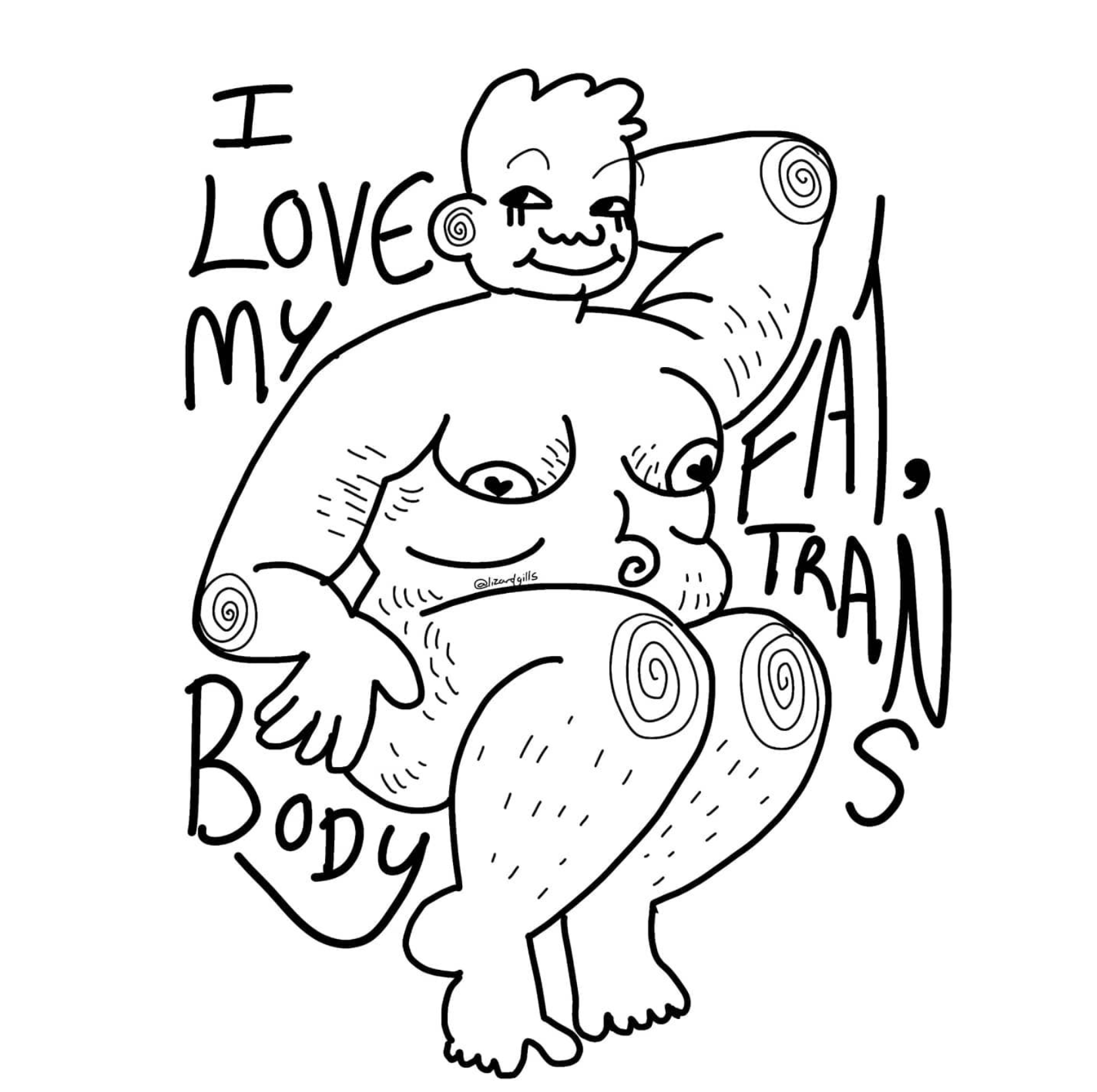
A picture I drew in 2021.
When I think about my transness, one thing that I believe is inherently intertwined with that aspect of my identity is my fatness. I find there to be power in the body. But the combination of being trans and fat, particularly due to the lack of representation of fat bodies in trans spaces, is something that has always bothered me.
Read more: I Love My Fat, Trans BodyIt’s one reason I really enjoyed this article (https://medium.com/@sbearbergman/please-come-and-be-fat-cc04ed4d8772) that I found online some years ago. It really spoke to me as someone who struggled to pursue top surgery due to being fat. I had to pay out of pocket for this life changing surgery because the only surgeon in the state that accepted my insurance had a BMI limit; which, if you did not know, BMI is an outdated practice – a BMI limit for top surgery instead shows a lack of effort on the surgeon’s part to learn to work with fat patients, a problem which would be solved with more representation – more patients, more outreach, more effort.
Top surgery was monumental in my journey to loving my body. It saddens me so incredibly much to hear other fat trans folks talking about the lack of representation in our community, because I’ve also seen how much we get talked over by our thin counterparts. Even within the trans community, the lack of representation of fat bodies has lead to many thin trans individuals not understanding the unique struggles that come with being a fat trans person.
I love my fat, trans body, and I want everyone with the same experience to be able to say that.
As a little kid you are taught the basics; police officers arrest the criminals, firefighters put out the fire, dentists clean your teeth, teachers teach and lastly a doctor “helps” you with a stomach ache or something.
Well this can be true and untrue at the same time considering that we have this huge issue of doctors refusing treatment that occurs in the healthcare system since the 18th century. Sadly this is a recurring nightmare for POC because it continues to be a problem that POC don’t receive the same fair treatment as a non-colored person in the healthcare system. 20-30% are more likely to experience negative healthcare outcomes due to racial bias, now this percentage is continuing to be documented as research continues so this number could be higher or lower. But after hearing Lovejoy’s story about how she went misdiagnosed because she had something that only “white people” can have is sad and the fact that she had to endure the pain that she did because of that.
Now you’re probably thinking what does this got to do with me well I’ll tell you. Now I didn’t experience this first hand but I saw with my own eyes happen to my mother in 2019. My mom at the time had kidney stones that bothered her that entire year. She went in for multiple tests while it was still at its early stage of development and I think you can guess that of course the doctor’s found nothing wrong at the time. During that entire year of back and forth hospital trips they couldn’t seem to figure out what could be wrong with her (all they had to do was check her blood) and when they did start finally doing that after months my mom had endured severe bruising on her arm and it swelled up because they spent a whole 15 minutes poking her with IV because they couldn’t find her vein on my brown skinned and veins showing at all times mother. When they finally found the issue by switching through different hospitals and instated her in the hospital I had to hear the news from her doctor that she was even lucky to be still alive since she went so long being untreated.
The fact that I almost lost my mother to a system that you’re taught will help when you’re ill is frightening to see as a young black woman. Those memories of my mother being treated unjustly and watching and hearing her be in pain for months and feeling hopeless because there was nothing that professionals can do for her something I will never forget. I was 16 when this happened and now I’m 21 still in fear of what could happen to me if I were to fall ill and have to go to the hospital.
Recently, I was listening to an episode of a podcast I regularly listen to. Within the first few minutes of the podcast, one of the hosts brings up the discussion about how the internet constantly perceives and talks about her body regardless of what it looks like. The host mentions that, as she has recently lost weight, people feel the need to say more with comments such as “you look so much happier” or “you look so healthy.” Yet, when she lived her life in a bigger body, she constantly got backhanded comments such as “you’re so brave.” Interestingly, her content has nothing to do with her body or her self-image. Therefore, in sharing this, she points out that no matter what her body looks like or how many boundaries she attempts to make, people will always feel as though they have the right to discuss and judge her body and not who she is as a person, especially with holding a presence on social media.
This reminded me of what we have discussed in class regarding how society prioritizes weight and what bodies look like. In our everyday lives, there is constant expectation of what our bodies are “supposed to be,” what type of body is deemed “healthy” or not, and what bodies are “moral” or “immoral.” Especially with social media, people’s bodies are only placed on a pedestal where hundreds and thousands of people look, judge, and comment. Over time, it becomes distressing because it can be extremely dehumanizing to constantly be aware of others’ entitlement to comment on your body and interpret it, whether those remarks are positive or negative. In this sense, as society focuses on weight and the body, you are left to feel as though you are no longer human with a personality, character, or morals, but rather just a body defined by weight.
With this, I can’t help but wonder: How can we change these expectations and concepts that invade how we view and think about weight and bodies?
I think of the body-neutrality movement that we touched upon in class discussions. Body neutrality embraces the practice of simply accepting your body for what it is rather than constantly trying to have a positive or loving mindset. There is no positivity or negativity tied to bodies, but rather just an acknowledgement of their existence as they are. I find that this has the potential to make a change in how the world views and thinks about bodies and weight, as recognizing and accepting bodies as they are disadvantages ideas of “good” and “bad.” While this cannot be done overnight, there needs to be a change in how we think about weight. Ultimately, there could be a great benefit in embracing movement such as body neutrality and understanding and accepting weight and bodies as they are, rather than attatching them to notions of positivity or negativity.

Earlier today, I had to go grocery shopping. I was missing a few things around my apartment, and naturally had to make a quick stop at the Giant near campus to grab a couple of things. The trip itself didn’t take more than 30 minutes, and despite the crowds in the store, I had no issue finding and purchasing everything I needed.
By the time I returned to my apartment, my heart rate was averaging 120, I was covered in stress sweat, and I felt like my brain was scrambled eggs, just like the one “Your Brain on Drugs” ad — except my brain was just on tons of stress hormones.
Continue reading
 Unruly Bodies