Many students in the education system today have a disability. This can range from having autism or being in a wheelchair. There are protections for children, but without proper enforcement, there is room for bullying or even hate to happen in an education system. We know children don’t know any better. We can give them a little room for forgiveness in some cases, but it is up to the adults in the children’s lives to teach them principles in a diverse environment. It’s usually easy for some to be respectful to others, but there are always those cases where we love to give a side eye to those who are awfully disrespectful, blatantly or passively.
We establish rules. It’s a policy. If you don’t follow this rule, we will penalize/punish you. But, we all know it is very easy to get away with things in a crowded environment like a public school (all schools are different, but I am speaking from my experience). How do we enforce rules when broken rules are missed? We don’t. We leave it up to those around them to have to courage to go and tell an adult. This can be difficult for some children, especially when there are so many factors that come into play. A child can know something is wrong, but feels socially unable to tell their teacher when they run the risk of getting shamed by their peers.
This happens out in the real world. “Snitches get stitches.” We’ve all heard this phrase. It’s used from the smallest things to elaborate criminal organizations. Sometimes we feel as if the negative consequences will always outweigh the positives when it comes to speaking up. We can see this when we second-guess asking for a re-mark on an exam to asking for help when we cannot make ends meet. In Crip Camp, they demanded that their rights actually be enforced. This shows the importance of actually saying something about what is wrong with the laws in place. Section 504 of the Rehabilitation Act is a federal law that prohibits discrimination, not a policy that we can miss with the consequence being well-being. The things that they protest for are rights that have been passed by legislation and signed by the executive. Although policy is still enforced by regulation, like consequences, a law is something that we should, by no means, have to be compliant with being ignored.
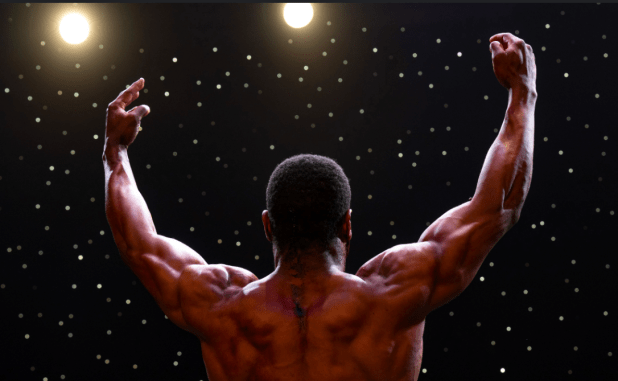
Over the weekend, I watched the film “Magazine Dreams” starring Jonathan Majors. I found it to be a very potent and powerful film, navigating the troubled topics of mental health and toxic masculinity seen in a bodybuilder. I personally think its one of the best films in the past 5 years, masterfully crafted, and the acting of Jonathan Majors was nothing but masterful, 9.5/10 in my opinion. But watching it, I couldn’t help but find parallels in a recent essay we read in class, Roxanne Gay, “My body is a cage of my own making.” Roxanne writes with raw honesty about how her body has become both a site of protection and imprisonment, shaped by trauma, shame, and the desire for safety. Her essay tussles with the views of society on fatness seen as failure and how internalized expectations of beauty and worth can distort the relationship one has with the body. The body seen as a “cage,” is not just physical, it’s psychological and societal, shaped through years of punishment, judgement and self-loathing. Just like Roxanne Gay, Jonathan Majors character, Killian Maddox goes through a similar struggle, like Gay, Killian’s obsession with control over his body will grant him love, recognition, and dignity, it becomes his own form of imprisonment. It’s this desire that turns self-destructive; these hypermasculine ideals reflect societal views on strength, dominance, and visibility, and can warp one’s self-image. It’s this toxic masculinity image that Killian aspires to. It’s the muscle-bound body that Killian builds that becomes his own “cage”; he builds his own prison. I can relate to Killian’s view of wanting to look better and that there is something even above perfection; my family calls me a perfectionist and that nothing is ever really good enough for me, I’ve been working out for 4 years now, and even now I can’t find the satisfactory approval of others; I can’t even find it within myself. I feel as if I have to keep pushing myself with no end in sight; there is no prize to perfection, only the endless pursuit. Ultimately, both works reveal the violence of living in a body that society misreads or refuses to acknowledge fully. Gay’s body is seen as “too much,” and Killian’s body as “not enough.” Both ideas are detrimental and harmful to both, and both end up internalizing this worldview until it ultimately consumes them. Both of these works reveal the battle between the body you create for yourself and the socially defined aspects of it.
My family is pretty involved with my church. My mom specifically, is involved with the prison ministry and with hospital ministry as well. In both, volunteers from our church bring the Eucharist, bibles, rosaries, and the church ministry to hospitals and prisons. I had never been involved with it before, but last week, I accompanied my mom on the annual prison ministry fundraising banquet that was hosted by my church portico. The tickets were a little bit expensive and they were also raffling away baskets for the same charity reasons. My mom and I asked what the money goes towards and the answers we got was that it goes to the national parent foundation and portions of it go back to the salaries of the prison chaplains , the various bible study, and the technology and training programs behind the program (Good News Global).
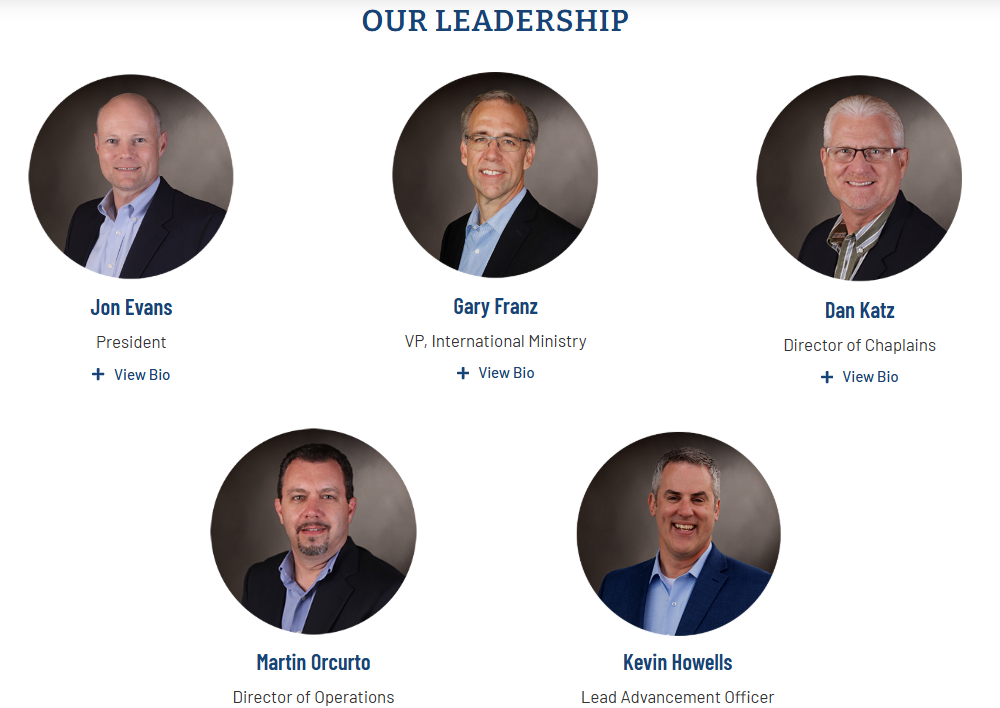
I usually have sort of complicated feelings with church stuff that my mom encourages me to get involved with and I was thinking about a couple different things during that banquet. The slogan of the prison ministry was “Bringing freedom behind bars”, and for me that brought up some of the ideas of White Christian Saviorism. Considering that all the Board of Directors is all White (see below), and looking around the room at a largely White reception it made me think about the messaging of Good News Global.
I think I would have felt better giving money to the cause if there was some kind of graphic or information that said where the organizations’ money has gone in the past and where they will spend that money. I think charities lack of transparency has degraded my trust in them, especially in ones with obscure websites.
“The Strike” documentary we watched in class interviews inmates after their decades in solitary confinement and they talk about “convincing your mind that it is not going insane when it is”, and how the prison system functions to break and control the human spirit. I think religion can provide some relief to the conditions/situation of inmates but that these ministries are a little predatory for this reason.
I have been chronically ill since I was 16. It started with POTS. Then came the classic Fibromyalgia. Chronic Lyme Disease. You name it. But I didn’t label myself as disabled back then. “Chronically ill” was the phrasing I used. Back then I didn’t know much about the disability community. I was just a sick teenager and young adult.
Then in 2020 I was diagnosed with an degenerative autoimmune disease- Ankylosing Spondilitis. I had to be put on immunosuppressant medication; the only thing that would stop the progression of my disease. It was scary to be immunocomprimised during the pandemic. I had to be really careful, and I basically couldn’t do anything or leave my house.
This is when I started learning about the disability community. I began to identify as disabled. I started educating myself about disability rights, and quickly became an advocate online. And of course some people decided this was too much for them. My (ex lol) best friend broke up with me (via text) spouting some nonsense about talking about my disability too much. She also claimed I was faking my autism (I had recently begun to self diagnose, and would later go on to recieve an official diagnosis) for attention. My own parents constantly questioned me about my referral of myself as disabled. It caused me so much pain and imposter syndrome.
Thankfully, I was able to work through this and come out on the other side, proud to call myself disabled. I am greatful for my friends and family that support me, help me, and care for me. They don’t dismiss me. I know I am disabled enough.
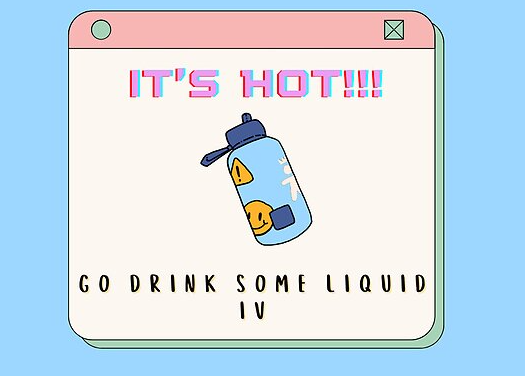
A sticker of a computer pop-up with a water bottle reading “IT’S HOT!!! Go drink some Liquid IV” by the artist disablelovely on redbubble.
When I was younger, I knew something wasn’t exactly right with my body. It wasn’t necessarily hard to see, but one of the biggest issues always had to do with water.
Have you ever seen a content creator who is trying to find an outlet? Next, you may go into the comments to write something nice and supportive, seeing others doing the same. Your heart warms as you read these messages to scroll further and see a hateful comment. You see replies that are validating them. It makes you realize there really are people who take their time to put down people instead of clicking not interested in moving on with their day. You even go ahead and click on their page to see that there is nothing posted. Someone is hiding behind a screen, doing nothing productive.
I’ve always thought being a content creator takes a lot of courage, no matter if you’re page is about sports, politics, gender identity, mental health, etc. People are making content to connect, relate. All the people I personally know who make content do it to show others that there are other people like them. Whenever you see someone who posts something that you relate to, you like it, and it kind of brings a sense of community. You see all these people on the internet who also relate to what you may be going through, what you believe in, and it can heal some insecurities of maybe being a “freak” or “too different.”
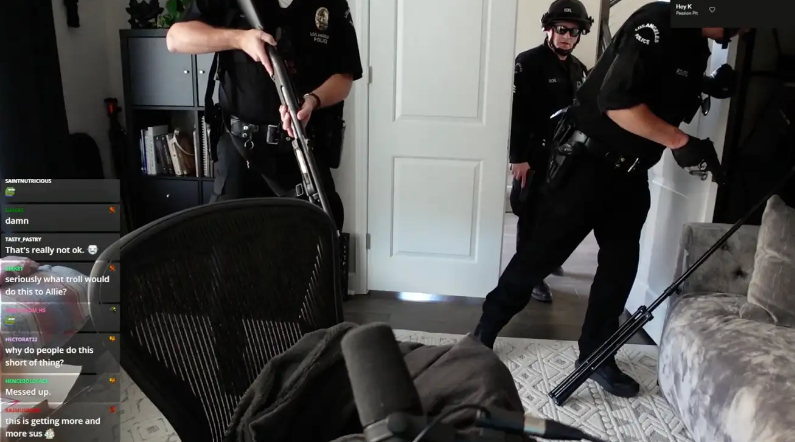
In “Nonbinary: Memoirs of Gender of Identity,” one specific chapter from Jeffery Marsh titled “Life Threats” really made me think about this concept; the courage to be seen on as big a platform as social media is. You are putting yourself out there, making yourself visible to all types of people, knowing that you have a chance of facing backlash that can just blow up in your face. Those same people who may write those hateful comments might have enough passion to even put you in danger. A specific example that comes to my mind is when streamers get “swatted.” They take this extreme step to prank them even though it is not a prank and is a traumatic experience. Especially because the people who are calling the police on them don’t really know what they’ve experienced and what toll it could take. These streamers are spending quality time entertaining people just to be put in danger.
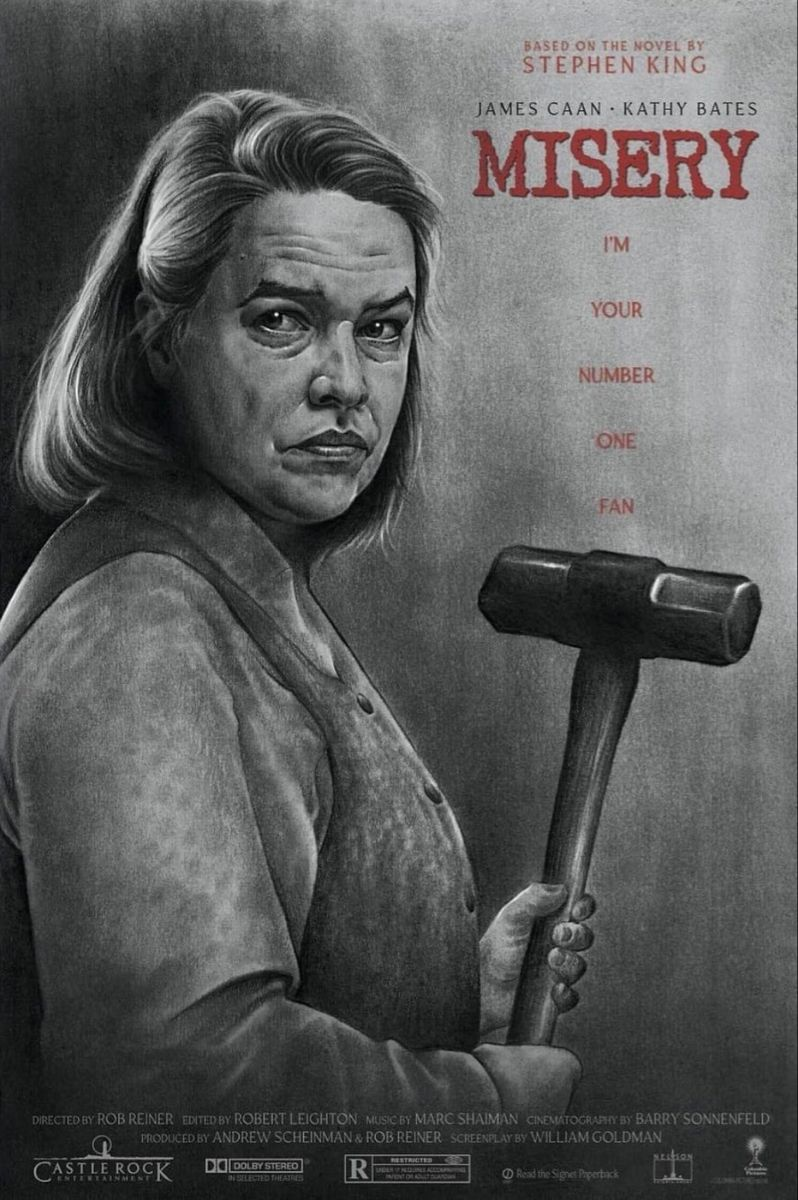
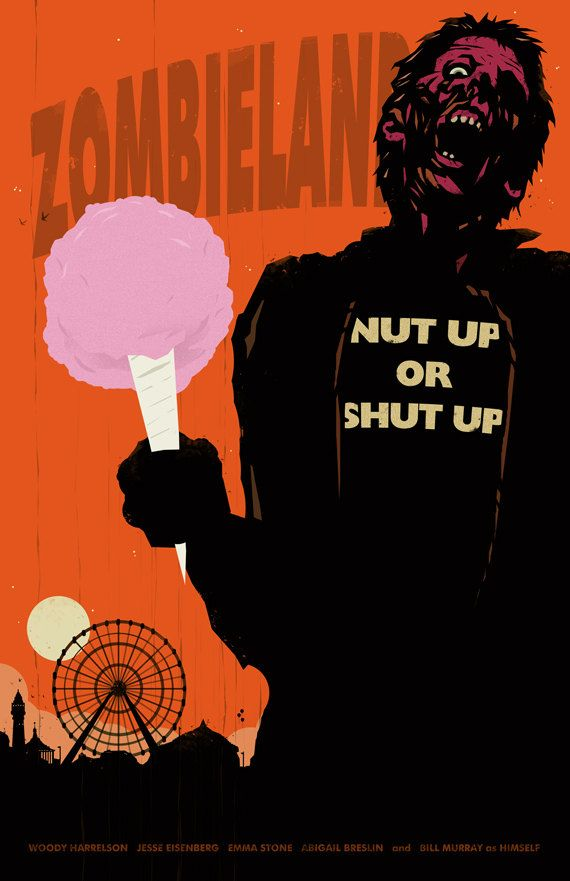
How many horror movies include fat characters? How many of those movies portray their fat characters as people with morbid bodies? Unfortunately, the abuse of fat bodies in horror films is a trend that has been very popular in the movie industry. Blade (1998), is my favorite example of the manipulation of bigger bodies to make it seem like the fatter you are, the grosser you are. A minor character in the movie, Pearl, was a vampire antagonist who got tortured for answers regarding an infamous vampire syndicate. Pearl’s obesity was turned into an instrument of disgust. Her skin was blemished with whatever torture mechanisms had been used. Human’s disgust with skin is also a fascinating aspect in the whole topic. Films oftentimes dramatically stretch, twist, and blemish skin to make a person seem inherently gross. Another example I find myself thinking about frequently is in The Walking Dead. There are a multitude of fat zombies in the series and almost always, those zombies are killed or displayed with the contents of their stomach laying out. These scenes tell me that the stomach is the feature of our bodies that we fear and think to be disgusting. It’s not only TWD that does this either. Every single zombie movie I’ve watched has had at least two fat characters who are either killed in an incredibly violating way, or who are absolutely grotesque zombies. Moving out of the supernatural realm, the antagonist Anne Wilkes in the movie Misery is a bigger woman who holds her favorite author captive so he can rewrite the sequel to her favorite book series. Anne’s body is portrayed as monstrous due to her size which can be interpreted as the masculinization of fat female bodies. Towards the ending of the movie, Anne and the author are fighting each other for the freedom of the author. The author struggles a great deal against the smaller woman (granted, he was in a wheelchair, but he still would realistically be stronger than the woman especially since he had been “training” with a 15-20 pound type writer daily). After multiply bashing her in the head with the typewriter, she kept getting up. These are only a few examples, however, it is important to keep in my mind how often fat bodies are portrayed in this way.
Zombieland has another example of fatphobia not even 2 minutes into the movie
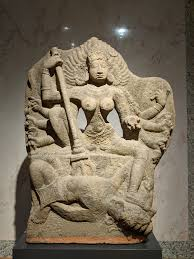
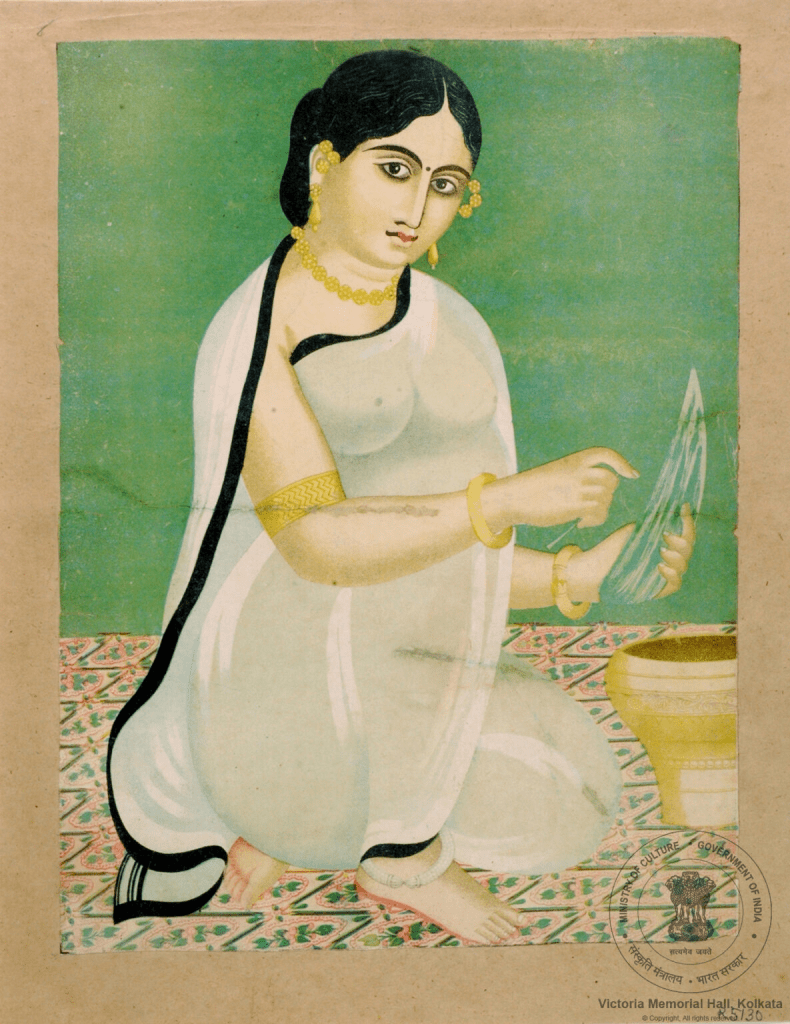
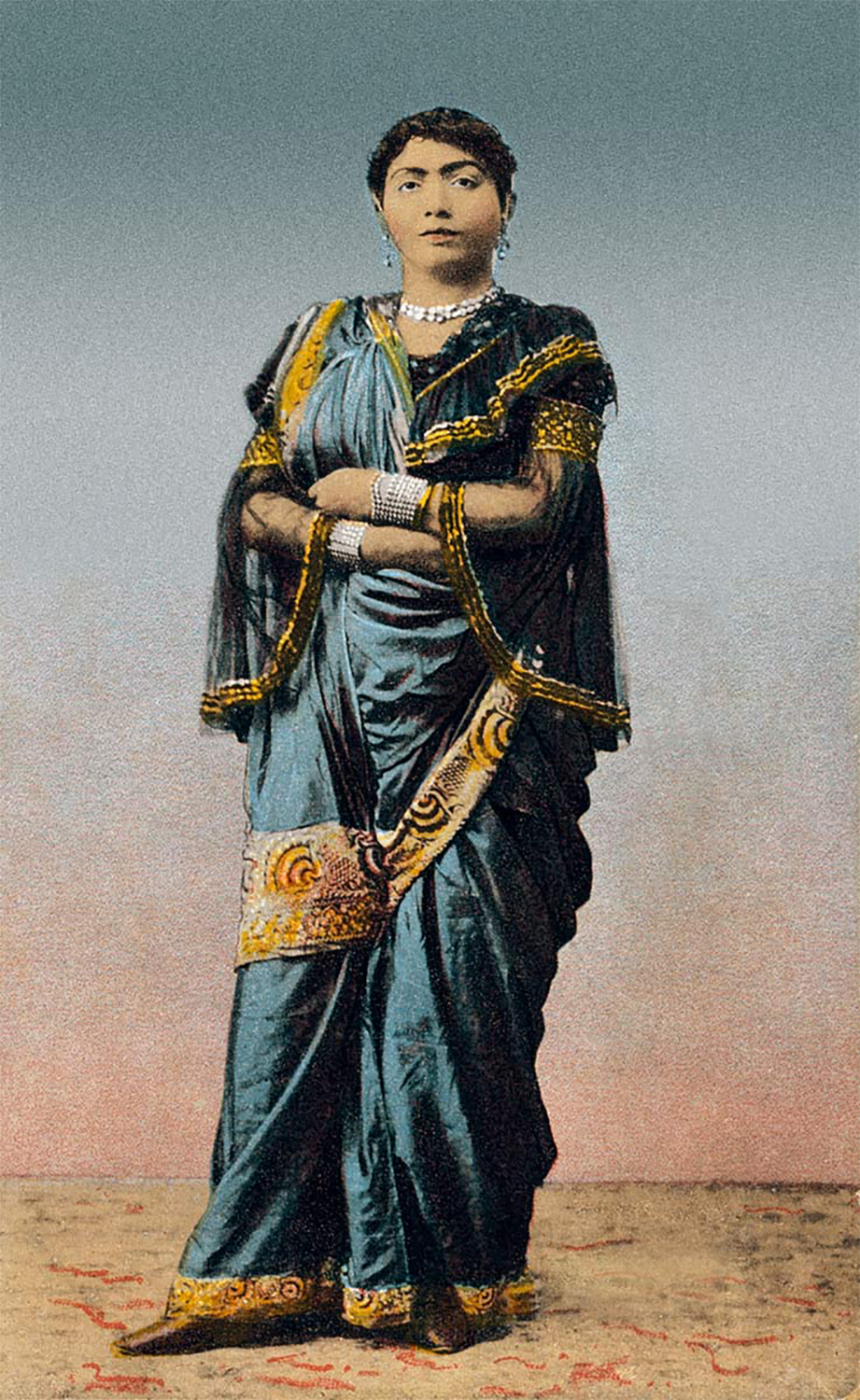
Growing up Baptist, I was always told that my body was to be hidden, especially the breasts. I always wondered why that is. AFAB people have breasts, consisting of tissue and mammary glands to give life, to feed their young. Why is that sexual? As a lesbian, I understand the appeal, but once again, why is there such a deep seated sexualization of these two orbs of tissue? An example of the sexualization of breasts is seen in the change of saree styles pre and post British rule in India. Before the western influence, sarees were often worn without a blouse under it, simply consisting of a long piece of cloth draped around the body. With the British rule came the western ideals of modesty, leading to sarees being worn almost exclusively with blouses in the modern day, ensuring there is no breast visible. I remember being 15, babysitting for an Indian family that taught me this. The mother who is now a dear friend of mine showed me historical portraits of Hindu deities, many of which had breasts visible, specifically the goddess Durga. She is a warrior goddess, seen as a symbol of feminine strength, depicted in ancient sculptures with breasts uncovered, the breasts being a part of symbolizing feminine strength. In this sculpture, she is seen slaying a buffalo-headed beast called Mahisha. (See photo.) Durga was a fierce warrior while simultaneously being a symbol for motherhood and maternal love. She is the Hindu maternal protector of the universe itself.
The first photo is a painting of a woman wearing a saree in the 19th century. The second photo is of a woman wearing a saree in 1910.
Breasts themselves are not sexual, rather they a reflection of the broader societal issues regarding women’s bodies. Sexualizing breasts gives men power over them by making women uncomfortable with them being visible or sexualised, leading to a change in women’s behavior, in this case, covering the breasts. If men are ogling something about your body, you will feel pressured to hide it, therefore the men have the power over what of the body is shown. It all goes back to the patriarchy.
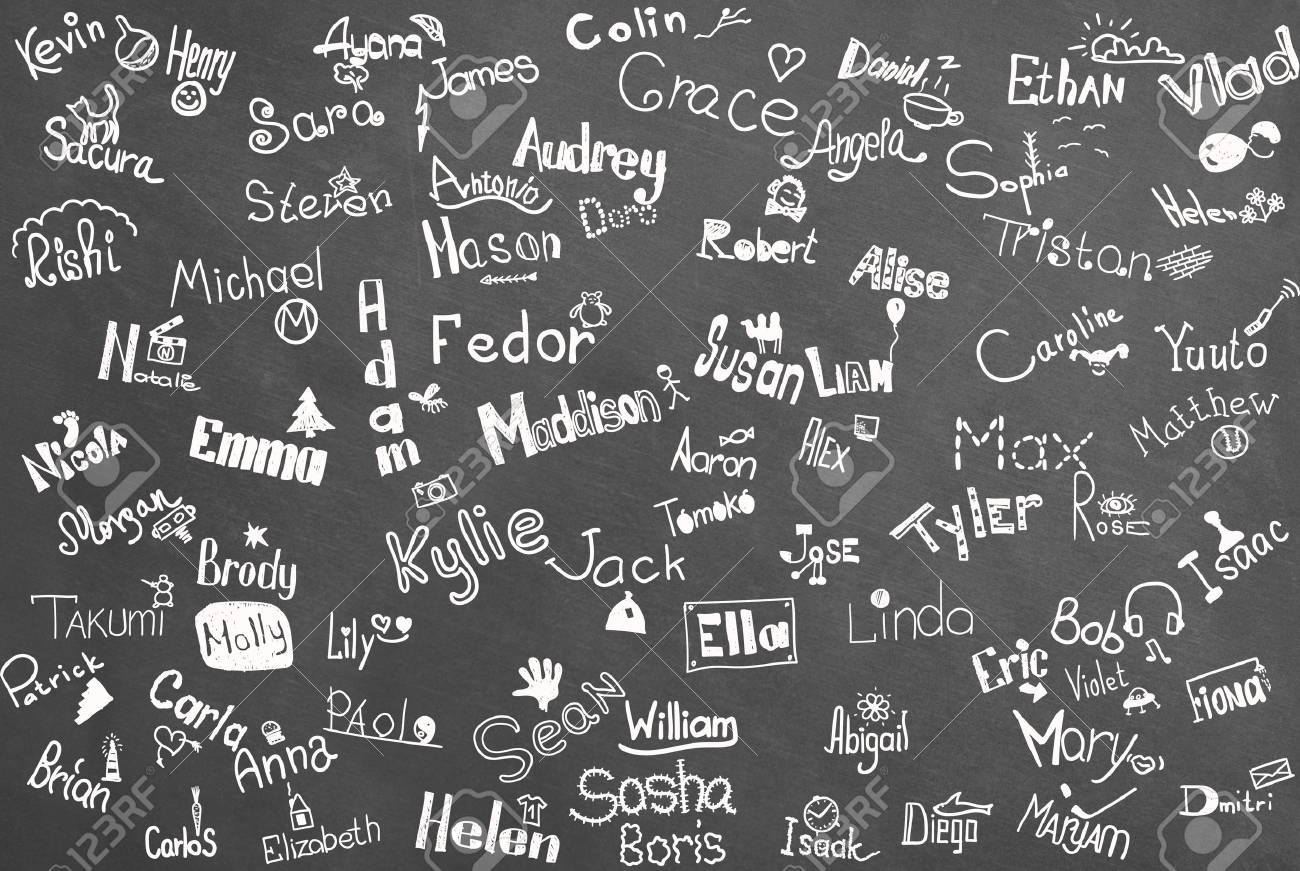
I do not like my name. Similarly to Levi S. Govoni in his portion of Nonbinary: Memoirs of Gender and Identity, I dislike what I’m called most of the time. When I was young, I couldn’t explain why I disliked my name. When I was 7, maybe 8, hearing my name out loud was something to be avoided as much as I could. I’ve grown used to it, years on years of such feelings have made me at least used to the name. Names tend to tie into the ideas of femininity and masculinity; that is, you would expect a man to have a man’s name and vice versa. I do not think that it is wrong, or right for that matter, to think in this binary naming convention. Humans are incredibly adept at finding patterns and connections, including that of the gender spectrum (Say the name Bob being typically associated with a man, or the name Samantha being feminine). However, it should be more socially acceptable to be named what you would prefer in order to align better with your preferred gender identity. Human nature should not get in the way of common decency to ensure that those around you are comfortable, especially by your actions and words. Just because it is in human nature to categorize, does not mean that you should demean or debase those who do not fit in said categories. Respect for me, should I choose to change my name, or how I present myself, should not be something I have to hope for, it is something I should expect.
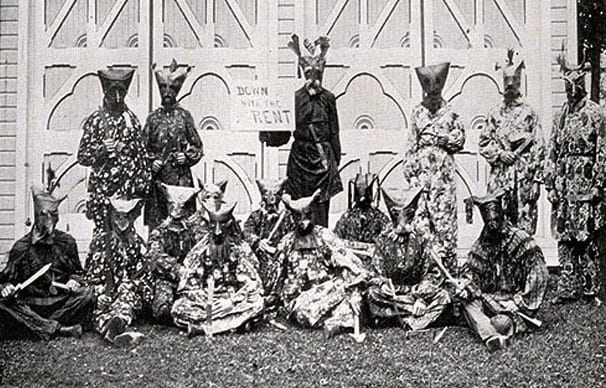
One of the Disability Visibility Project readings titled “Unmasking Mask Hate: The Racial-Criminal Pathologization of Dissent” by Leah Harris and Liat Ben-Moshe brought up the spread of anti-masking legislation and its impending arrival in Maryland. The right to mask at protests is not a new debate; the first U.S. anti-masking law can be traced back to 1845 in New York. That law made it illegal to be “disguised and armed,” though reports on the motivation behind the law can differ by source. According to Robert A. Kahn, a law professor at St. Thomas University of Law, the law was put into place to combat KKK terrorism. The Antebellum (pre-Civil War era) was from 1820-1861, so the timeline seems to check out (Kahn). The Anti-Defamation League also referred to the KKK as the reason for the first anti-masking law in New York (“#UnmaskhateNY Enough Is Enough”). But according to AskALibrarian on NYCourts.Gov, the anti-masking laws were in response to the 1845 anti-rent riots in which farmers were unable and unwilling to pay rising rent prices to their landlord, tension rose between the landlords and the struggling farmers, and what followed was a protest made up of young men and boys of the group dressed up as their interpretation of Native American people rioting against law enforcement (“What Was the New York Mask Law? – Ask a Law Librarian”). The law enforcement officers had come to the farmer bearing legal documents and the intention to sell their land, but the conflict escalated into a riot with multiple deaths (Rey). A detail that helps distinguish the law’s intent is that the Governor who signed it, Silas Wright, has been remembered for his harsh stance against the violent actions of the anti-rent riot movement.
Photo of Anti-Rent Protesters (Rey)
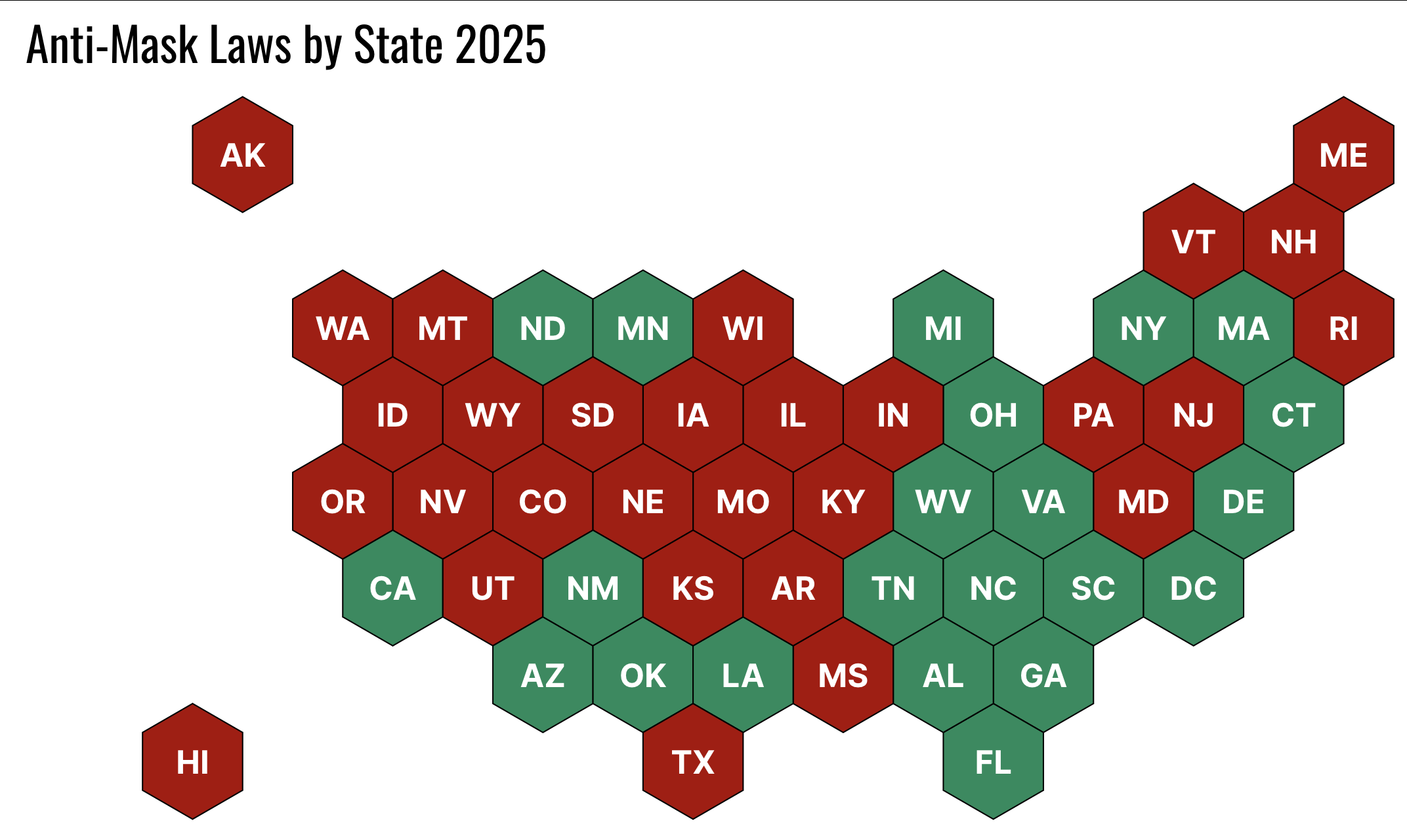
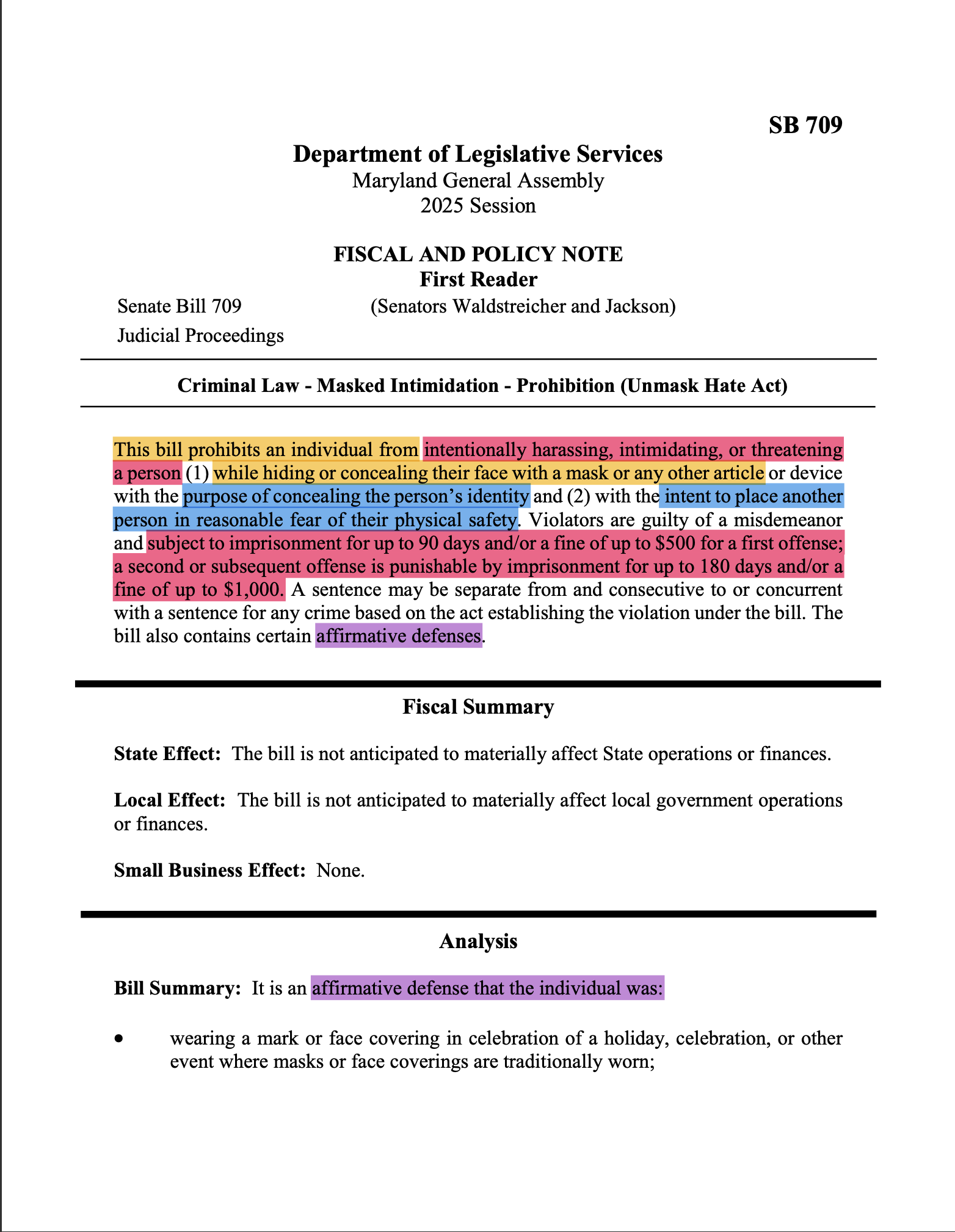
Currently, 22 states have anti-masking laws (“Anti Mask Laws by State 2024”). Most of these laws focus on the intent of the person using the mask, banning the use of a mask for the purpose of intimidating others, loitering, and hiding one’s identity during a crime. Maryland does not have an anti-mask law, but that may not be the case for long. The Masked Intimidation, aka the Unmask Hate Act, has gone through its first reading by the House as of February 2, 2025, and has 9 more steps to go through before landing on the Governor’s desk. Let’s review this law and consider its potential implications for peaceful protestors.
States in green have anti-masking laws in 2025 (“Anti Mask Laws by State 2024”)
Masked Intimidation AKA The Unmask Hate Act
SUMMARY OF THE LAW
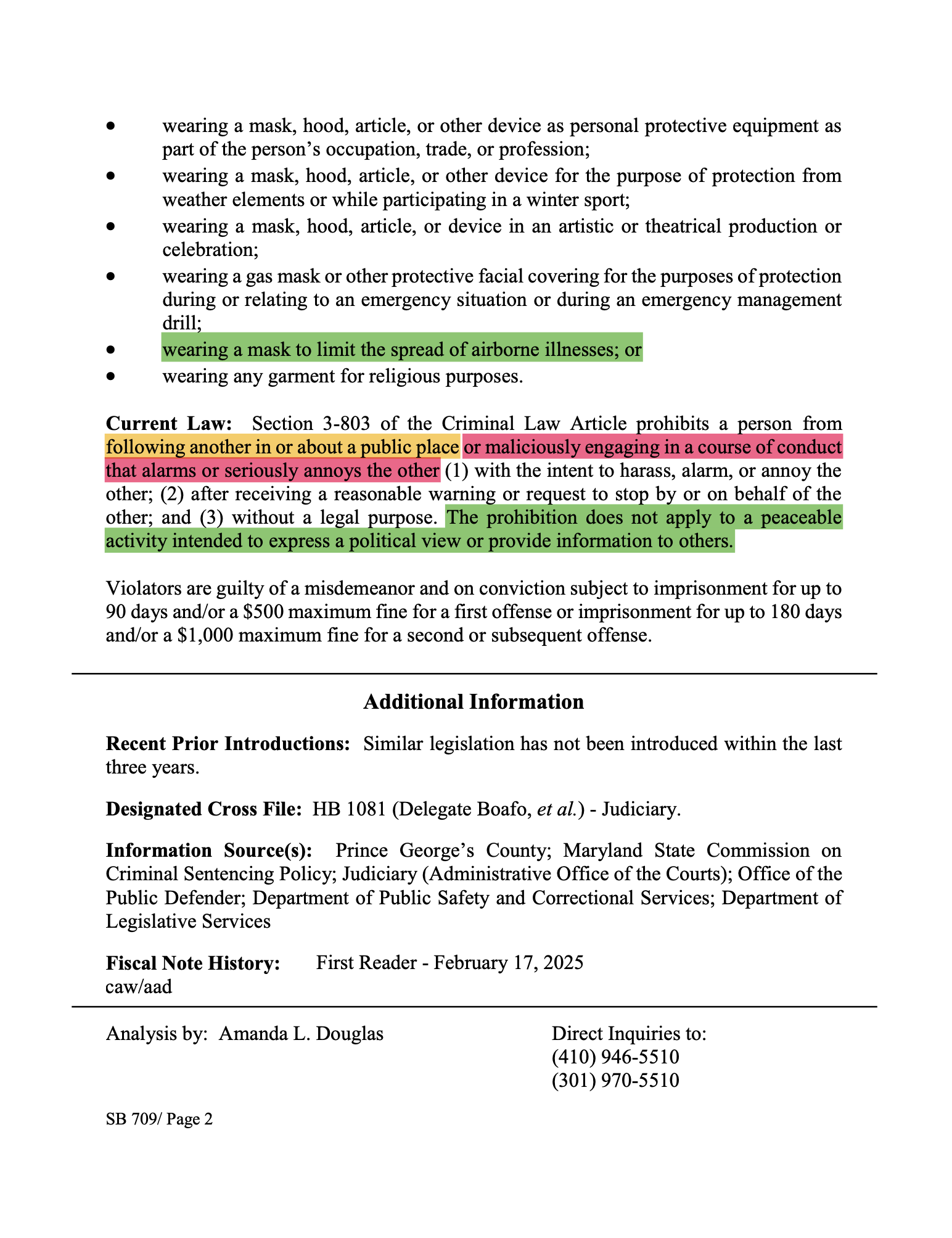
The anti-mask law prohibits people from intentionally intimidating, harassing, or threatening others when wearing a mask to obscure their identity. The law outlines excusable reasons a person may be wearing a mask: holiday celebrations, protective equipment for a trade, weathering elements, religious purposes, or to prevent the spread of an airborne illness (“Legislation – HB1081”). At first glance, this law seems like it could help with the issues of political violence, racial violence, and hate crimes, but how will this be used in the legal and judicial system? Does a peaceful protest count as intentional intimidation to some police officers and court officials? Are the potential 90 days of imprisonment or $500 upon first offense meant to deter dangerous extremists or silence activist action?
UH, WHO WROTE THIS?
To better understand legislation, I research the person behind it and their values. This law was proposed by Delegates Boafo, Simpson, Toles, and Vogel, all from the democratic party. Delegate Boafo has contributed to notable laws around protecting underserved minority communities. Most notably, the Maryland Values Act, which puts strict rules against ICE entering private areas of sensitive areas if they don’t have a judicial warrant (“Legislation – HB1222”), and the Eric’s ID Law, which gives disabled adults the option to add a butterfly to their Maryland ID as a way to communicate to cops that they have a hidden disability (“Legislation – HB0707”). Delegate Boafo’s work towards anti-discrimination legislation in Maryland suggests that this newly proposed law was intended to prevent antisemitic masked intimidation incidents, as outlined by the Anti-Defamation League about perpetrators in New York (“#UnmaskhateNY Enough Is Enough”). But, with a few cases of protestors being arrested at rallies, and the current president putting out social media statements including “MASKS WILL NOT BE ALLOWED to be worn at protests” and “What do these people have to hide, and why???”, who’s to say that this law won’t be interpreted differently than Delegate Boafo may have originally intended (Harris and Ben-Moshe).
…So, Do We Love It or Hate It?
This law is in its first of many steps before it reaches the governor. More information and official writing on how this could affect peaceful protestors is needed. What do you think about this law?
Rey, Oskar E. “Antimask Laws: Exploring the Outer Bounds of Protected Speech under the First Amendment—State v. Miller, 260 Ga. 669, 398 S.E.2d 547 (1990).” UW Law Digital Commons, 31 Dec. 2018, digitalcommons.law.uw.edu/wlr/vol66/iss4/10/. Accessed 8 Oct. 2025.
“What Was the New York Mask Law? – Ask a Law Librarian.” Nycourts.gov, 2020, askalawlibrarian.nycourts.gov/legalresearch/faq/410210.

 Unruly Bodies