omg you’re so big!

TW: Body Dysmorphia

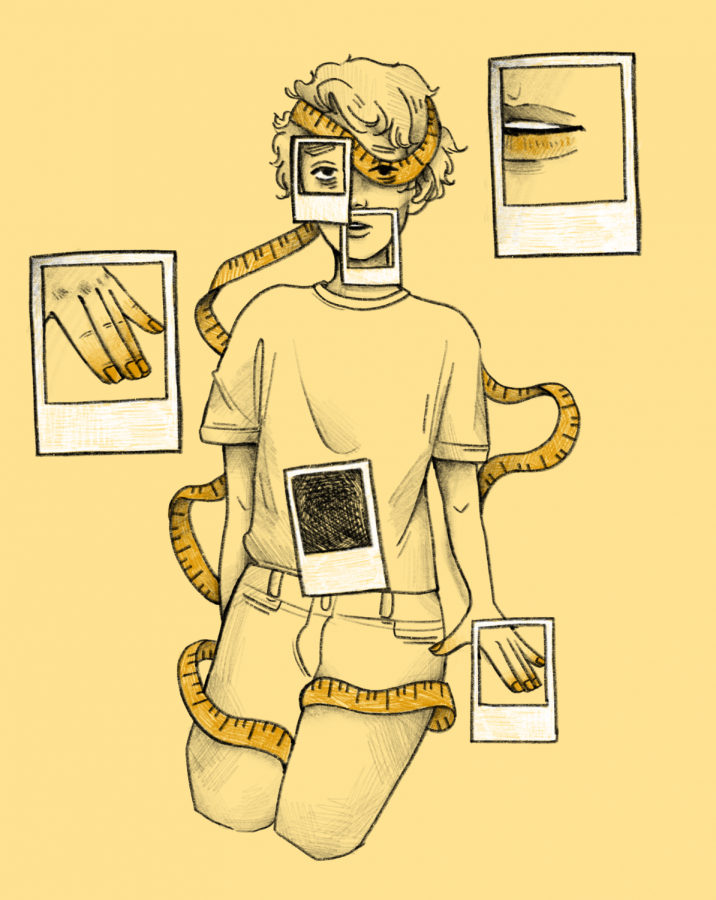
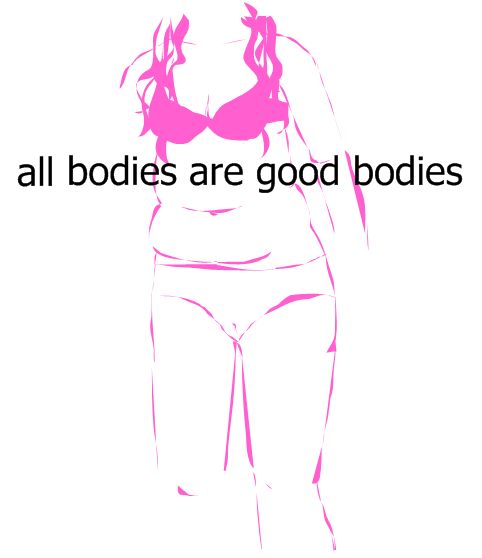
I hate how much I hated myself. Like it sucks not wanting to be in pictures, not wearing a piece of clothing because it doesn’t flatter you, having to take breaks from social media because you are exhausted from comparing yourself to everyone else on the internet, I could honestly go on about the endless amounts of things I skipped out on because of how I saw myself. In a world where straight, higher class men set the standards for literally everything and everyone, I fell into the trap where I thought I had to change my whole entire being. This is because our society has fantasized a certain look for a “woman.” small, tiny, dainty are just some of the nonstop chatter that would repeat in my head telling me that this is what I had to look like, and I didnt look like that. As a result of this, I started to under-eat and overwork my body. I had successfully fallen into the never ending vicious cycle. This was the start of how I changed my view on working out. I always went to the gym to be smaller. I wanted smaller calves, smaller arms, and a small waist. I wanted to feel “dainty.” When I say I used to overwork my body I was not kidding, like I went to the gym twice a day, everyday for hours. Because I was so scared of gaining weight I would not replenish my body at all, it honestly got very dangerous and out of hand for me.

However, I started going to the gym with friends, and they would say things like “yo look how big my muscles are getting” and they were excited. It genuinely confused me, why did they want to get bigger, but it was all because they had grown up with a different experience. They didn’t view the body as something that needed to look a certain way, but as something that needed to be taken care of. These types of relationships started helping me change my experience and view on my own body.

I started to see my perspective change and view my body in a different way depending on the environment that I was in. Being in the gym, a place where “you’re getting big” and “look at your gains” is the biggest compliment you can get that completely changed my ideology of my own body. I found myself yearning to get those kinds of compliments and over time I also found myself not wanting to be called dainty, but strong. I wanted to be strong and healthy. The gym changed my definition of “attractive,” it was no longer under-eating, basically depriving myself of my nutritional needs, but to fuel and nourish my body. To care after my body so that I could show up, be present, and take those pictures i had once shied away from   

In conclusion, my phenomenology with my own body was destroying myself. I was not able to see myself worthy of nourishment and care, more as a machine that needed to constantly look perfect. I was so stuck in that mindset that I was destroying myself without even consciously trying to. Going to the gym and picking up the weights changed my perspective of my own body. My definition of myself changed when I changed to a different environment. Before going to the gym if someone had told me I looked big, I’d be devastated, but because of how the gym changed my mindset, i have been working on taking it as a compliment.
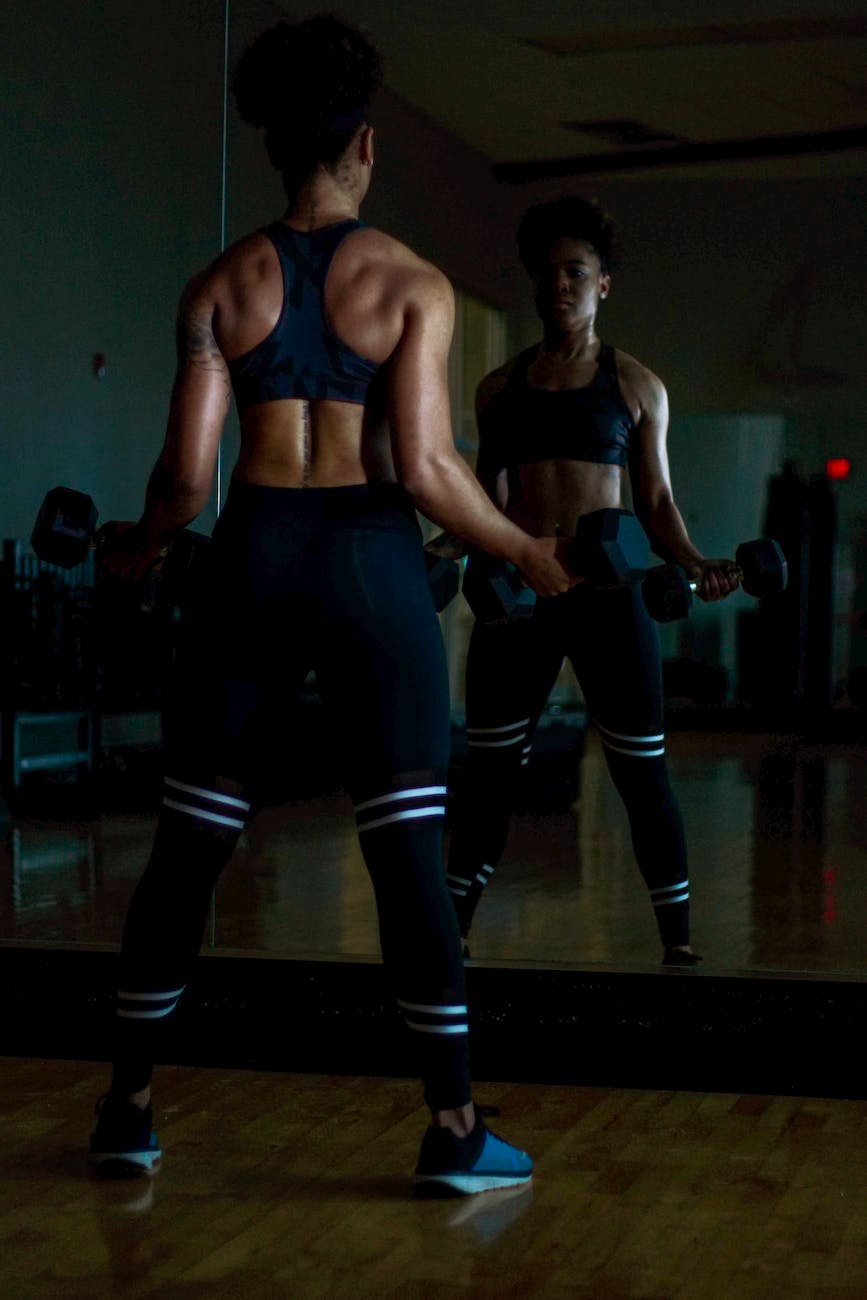

Photo by Eduardo Romero on Pexels.com
“I’m Not Racist, I Have a Black Friend”

“I’m Not Racist, I Have a Black Friend”

For years, I have heard everything under the sun when it comes to being one of the “only’s” in my group. As an adopted and mixed biracial child (27-year-old kid at heart currently), who lived in the mountains of Maryland as a teenager, coming to grips with how the world might view me and my curly-headed naivety was rather unnerving. I came to understand the reference of being the token black friend that allowed for the N-word pass or in other cases, being the only black friend in the class, group, seminar, etc. These experiences heavily shaped my perception of what it means to deal with race.

Personally, I am under the belief that Racism and Phenomenology go together and proclaiming to not see racism or ignoring the effects of racism on our current/past generation(s) is just downright sad. Phenomenology, or in my opinion, the study of the first-person point of view, can contextually be used to define how one person may “feel” in multiple facets of life. Regarding racism, are we to ignore any subject or mention of race, because it did not directly relate to our own lives? Or is race completely made up, and another reason for people to divide themselves from another individual or group?

The biggest change in my feelings of being different, and knowing that I was one of the only’s, came to me when I first heard the N-word, with a harsh r, referenced by a classmate in 9th grade. While it wasn’t said to me directly, it made me immediately focus on the issues behind the people who cannot or will not, for the lack of a better term, filter between what is racist and what may just be an awkward-ass conversation. Being raised within a school that was predominately 95% white was different, but fitting in and being myself was never an issue for me. Hearing the term, “I’m not racist, I have a black friend!” or “you’re not a black person, you’re white” was all predicated-on ignorance and a lack of socialization. I didn’t understand at the time, the importance that we placed on color, but I know what I experienced can be directly linked to misguided views and the sum of young adulthood. Looking back, it’s comedy. Which leads to my understanding of what phenomenology is. Color me shocked after spending at least – 30 minutes thinking deeply about what this long word could be condensed into, but I think the first-person point of view is a great example of what this study means.

When it comes to my personal experiences with racism and bigotry, I feel as if the instances I experienced as a child paled in comparison to others. While extreme to some, I would classify these lessons as just that – lessons. I fall somewhere beneath the idea of creating your own destiny and acknowledging the effects that racism may have had on our entire society. Personally, these instances did not break me and made me even stronger. Hell, now that I am slightly older and have experienced a gumbo-sized stew of diversity in Texas, race means nothing to me. We’re all different and accepting people as different is the key.

As a child, I “felt” as if what I experienced was profoundly true. Even if I was the black friend, call it racist or not, what did that other person feel when they muttered the N-word? If it was of no malice, it’s hard for me to take that comment personally. If I meet someone from a completely different location, that had a different lifestyle than I do, how can I not look at them and wonder where their family tree stems from and how that influenced them today? Asking these questions and looking deeper could 1000 percent be me overthinking, but I think that’s exactly what the study of the phenomena is; putting yourself in another person’s perspective and “feeling” (or at least attempting to understand) why they feel the way they do. Hoping for awareness, I have faith that talking and sharing our experiences as a society can aid in the attempt to ensure blatant racism does not continue to effect generations to come.

Fair and Lonely

“She’s beautiful because she’s fair.”

The words were almost convincing after seeing a commercial of a woman applying cream to her face and miraculously turning many shades lighter. Her brown skin had been edited to a pale white and suddenly she was beautiful. Suddenly, she was fair and lovely. 

I was only a child when I saw the ‘Fair and Lovely’ cosmetic product advertised on South Asian TV channels and plastered on the walls of South Asian grocery stores. The product claims to lighten your skin and in turn, enhance your beauty. Of course, anyone with common sense knows it’s impossible to rid yourself of the melanin in your skin with a fragrant cream. But after all these years, the product continues to be purchased. As an adult I never thought I’d be classified beautiful just for the color of my skin—and the idea disgusts me completely.

Continue reading →

Intergenerational Body Shaming

(Trigger warning: disordered eating/weight)

One of the first instances I remember being concerned about my weight was sixth grade, after the dreaded FitnessGram assessment in gym class. The FitnessGram consists of a series of different physical tests, ranging from the PACER, push-ups, sit-ups, and measuring body mass index (BMI). This was the first time I became aware of the weights of other girls my age, and naturally my adolescent brain had to compare mine to theirs. When I got home from school, I distinctly remember Googling “is it ok for a 12 year old girl to weigh 112 pounds?”

My relationship with my weight only got worse with age. My family would sometimes make comments about it, which of course made me upset; I would cry to my friends about it and they would insist I had nothing to worry about, that I was pretty, that I wasn’t fat (as if you can’t be both-but that’s another conversation). I didn’t know who to believe. I felt especially ostracized because I come from an extremely health-conscious family- my dad is a physical education teacher, my mom is a nurse, and my sister is personal trainer. Being surrounded by such fit people all the time definitely made me feel worse, and they didn’t hide their feelings about my weight, eating habits, physical activity, etc. I wanted nothing more than to shed a few pounds and be as skinny as my friends. My weight fluctuated some over the years, as I was using the LoseIt and My Fitness Pal apps on and off while being trapped in the binge-restrict cycle.

Despite all of this, I have never been medically classified as overweight. My BMI has always been in the normal range. But I was convinced I needed to lose weight, because my friends were still skinnier than me, women on TV and social media looked better than me, and my family still made comments. This past year, I lost 25 pounds and finally reached my “goal weight”.  Honestly, my biggest motivation was to finally make my family shut up. Now, the comments have switched from “you look like you put on some weight” and “are you sure you should be eating that?” to “you’ve slimmed down” and “what are your weight-loss tips?” And yet, I still feel the same about my body. I still look in the mirror and see fat that needs to go.

My weight loss has made me realize that I may never be satisfied with how I look if I continue to view myself so negatively. I am slowly getting to a place of self-acceptance, and I am in a much better mental state than I have been in years. I have very supportive friends, a loving boyfriend, and a great therapist. I am actively trying to unlearn years of my family’s toxic dynamic with weight, but so much of it was directed towards me in my formative years that it has had a huge impact on my self-esteem and confidence. My grandmother has made similar comments to me that my mom has, so I can only assume that my mom was raised in a similar way, and that many of the things she had to say to me were just projections of how she felt about herself. In both my family and society, women are viewed more favorably the smaller they are. But this is a socially constructed, patriarchal standard of beauty that has taken up too much of my life. I know now that my weight has not, does not, and will never define me, no matter what anyone says. I know that I deserve to treat my body with kindness and love. I know that am more than my physical appearance. This intergenerational trend of body shaming ends with me.

Being in Pain in Public

A person where “pain spots” are highlighted.
The joints, head, back, etc.

Lately, I have been having trouble with back pain and have always struggled with sporadic headaches and migraines at times. As I have been taking this course I have been paying more attention to how I feel in my body or, in this case, how I hide or joke about how I feel.

“The Body I Wear Is Not Perfect”

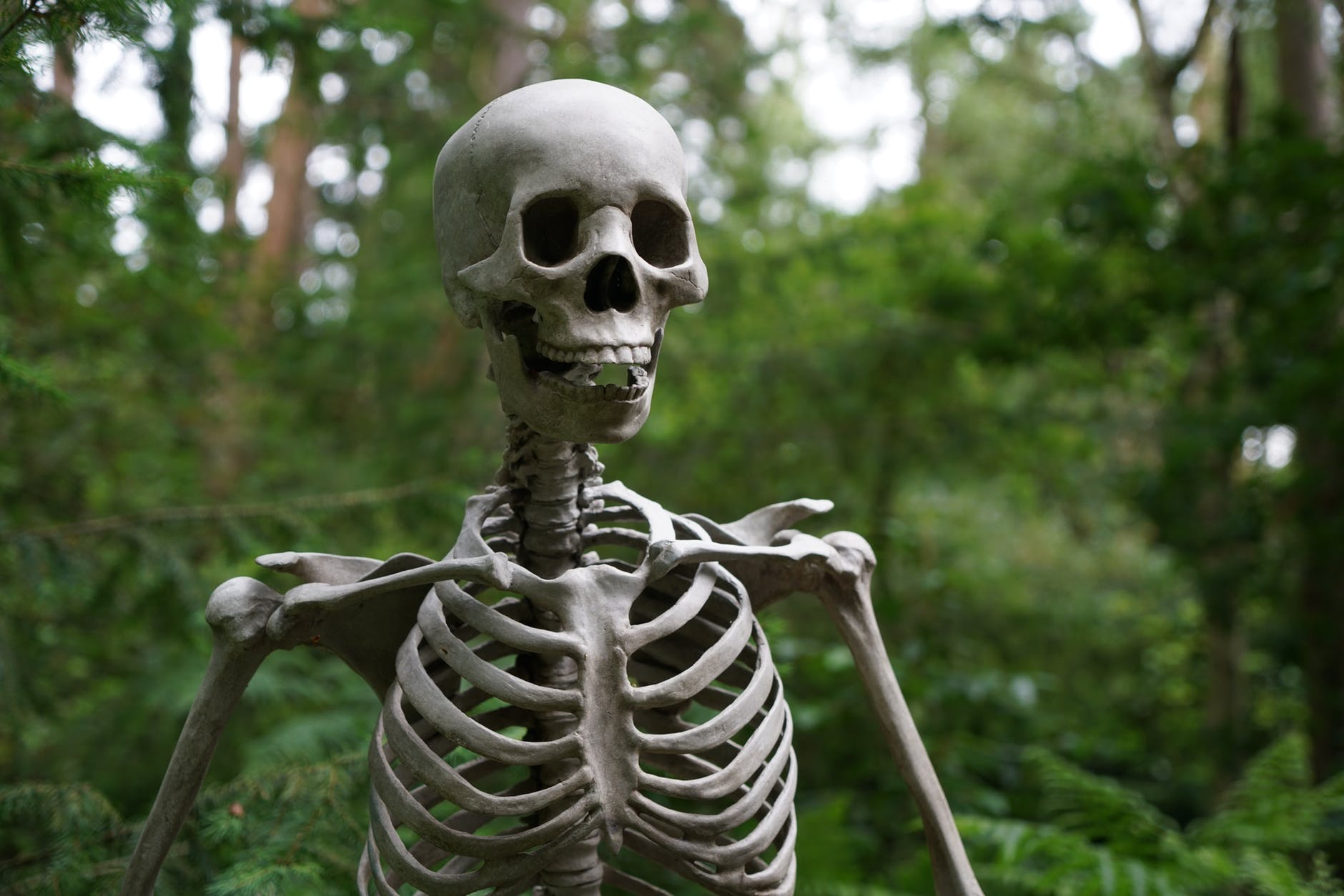
selective focus photography of skeleton
Photo by Chris Mitchell on Pexels.com

When thinking about the beauty standards of today it’s hard to ignore that bodies within magazines and television are rarely realistic goals for the general public. With bodies that range from what some may consider skinny to what others may consider thick, it’s important that we acknowledge all bodies contain a life within them. Looking at myself in the mirror can be difficult sometimes as I don’t believe my body is what society deems as attractive. Attractiveness is different for each gender as what is subscribed for males and females are different though this is changing it still holds today that men should be muscular and that women should be small and hairless. Focusing on the physical aspect of the

Continue reading →

Bodybook™

If you spend time sifting through the hundreds of shitposting meme pages that have monopolized Facebook content, you may be able to find the occasional gem. Facebook groups have established online communities that often foster emotional support, validation, and advice from online strangers and internet friends. Many of these groups have “secret” security settings, meaning the group can only be accessed if one is personally invited, allowing for a sense of trust and community among its members. These groups exist in many different forms that fulfill a variety of purposes, one group being a place for members to share photos and stories that all pertain to their bodies. Continue reading →

The Not-So-Chubby Inquisitor

In almost all of the video games I play, especially role-playing games (rpg) and action adventure games, there are almost no fat people. Even in games where you can create your own character, there are very limited options. But, these fat bodies are still rather “fit.” They’re just big and beefy if they’re male or big and curvy if they’re female. While these bodies do deviate a little from idealized Western bodies, they are still acceptable. In other words, they are larger bodies that “normal” people could still find attractive. In addition, most games that have fat people in them, like The Sims and Saints Row IV, cast those characters, as ugly and/or comical. In all of these cases, fatness is not something to be desired. Continue reading →