or am I condemned to haul its weight like a beast of burden?
Do I really look like that, or is dysmorphia the mirror that lies louder than truth?
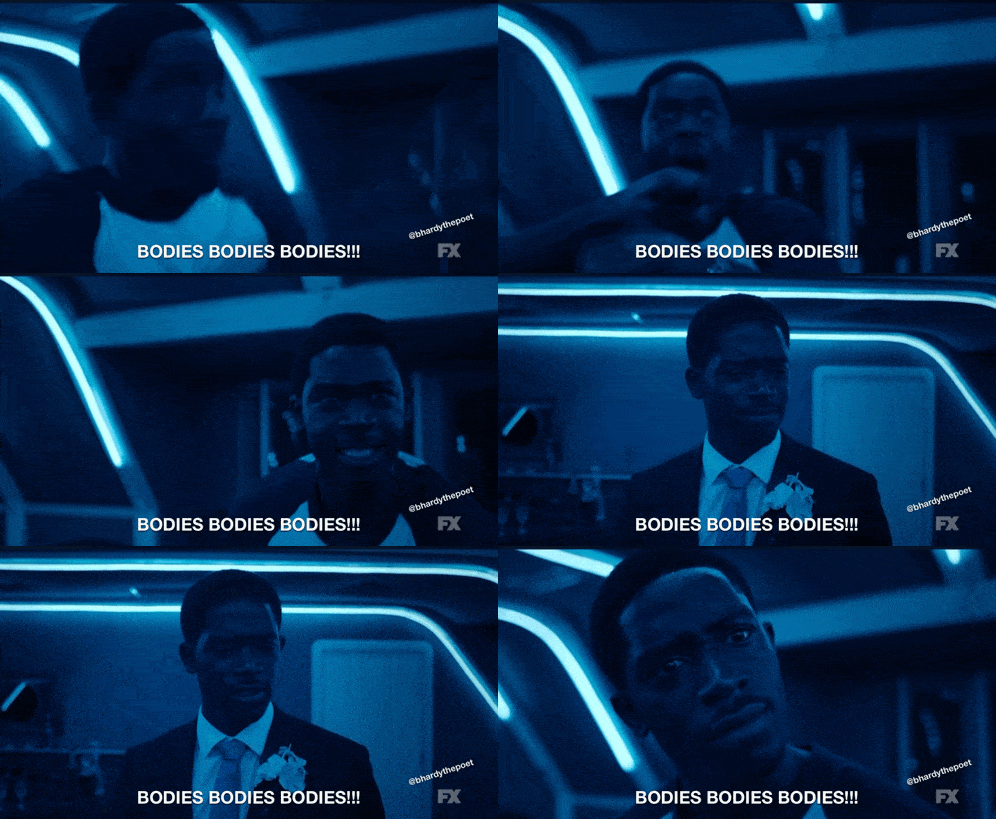
Black: Behold Limitless Anger and Cold Knife blades Do I matter — or only when we’re at Dave & Busters? Am I too dark for safety or too light for belonging? Will always be seen as armed and dangerous when your skins a weapon Bodies
Disabled: Doubtfully Invisible Says All But Longing for Equal Deservance No chair beneath me, but pain still builds its throne. If they don’t see it, will they call me a fraud instead of human?
LGBTQIA+: Living Guilty Becuz They Quiet Individual Advocacy I’m not confused — or am I? My existence is not a debate; I am a real (Wo)Man, whether they choke on the words or not. Bodies
Fat: Fitting All Tropes Every step, a verdict. Every glance, a sentence. They call it “the easy way out” While I carry a lifetime of shame like armor I never asked for.
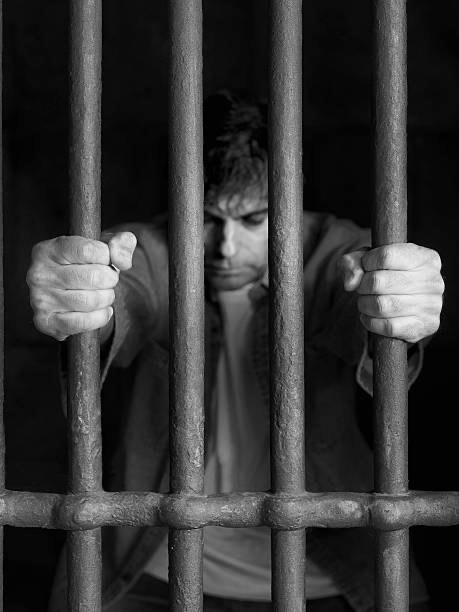
Jailed: Jacked And Incarcerated Living in Empty Darkness Does dignity only belong to the unarrested? Can I get common decency without starving for it? Is a calendar cautious— or just another thing denied? Bodies
Protested: Posting Radical Only Tweets for Everyone to See The Everlasting Death The heat took everything, but their cameras took more Do you smell that? That’s a life unraveling while they chase the perfect angle. Did the flames illuminate enough for your feed? Was someone’s final moment bright enough for you? Bodies
After watching the United in Anger documentary and reading YouAre Not Entitled to Our Deaths by Mia Mingus, it really made me sit down and think about how performative protest can be at times. I struggle to understand why that is, because the main foundation of every protest is the collective understanding of the mutual struggle that they have and the common cause of said struggle. For instance, the exclusion of disabled people in the talks surrounding COVID, as noted by Mingus, the documentary talks about how many people did not join in on the ACT UP protests until they received a diagnosis of their own. Likewise with the documentary mentioning how some of the AIDS reform was regressive because it was male-centered in how the disease can manifest itself, so women were still left out because some of the criteria that one would need to be able to get some benefits, like common illnesses that come along with a diagnosis, were not common among women, and they were still suffering. Even beyond those examples, looking at the women’s suffrage movement and how white women were hesitant to include black women, for fear that their demands would not be met. The beauty of protests is that people from different walks of life come together and no one is left out; their voices are not trampled over by other parties. Must we wait until we have a personal stake in something before it matters to us? What good is protest if we don’t bring everyone to the table?
“The Strike” the documentary about the 2013 California Hunger Strikes, I found to be a very captivating and intriguing watch in class. I personally didn’t know about the strikes until we watched the documentary, but I was personally baffled that this was even able to happen to these men in solitary confinement. Watching the documentary, though, I realized a startling truth… most men in society, in many ways, experience a quieter, emotional version of solitary confinement. The men in “The Strike” were put under horrendous conditions by the California prisons; eventually, when word got around that a planned hunger strike was going to take place, it was easy for many to get behind, really, because when you take away someone’s social interaction and time outside and force them to live the same day over and over again, you’re forced to take action on the only thing you have left, the body. For the men, their bodies were the only thing they had control over, so they found a way to rebel by starving themselves for the betterment of their conditions.
While the conditions aren’t the same by any means, men walking free face a similar imprisonment placed on them by the greater society at large. Even though it’s no longer the 1900s anymore, the stigma of men having to be stronger, masculine figures who do not express emotion and provide for the women and children is very much still alive and well. It’s a quieter, more invisible form of imprisonment; boys can’t cry, can’t ask for help, and don’t talk about what hurts because at the end of the day, even if they do talk about what hurts and cry, they show weakness and failure to be a pillar of strength in society’s eyes. And like the men in “The Strike” the only agency they do have is that of their own bodies, throwing that pent-up emotion in the gym, building muscle, cleaving away the pain of their psyche by tearing the muscle fibers keeping them whole. Becoming what society wants, a strong man who doesn’t show weakness, is what true strength is to society.
The reason I’m able to describe how it is, how these invisible bars keep men inside, is because I am one of those men; a subconscious reason of why I started going to the gym is because I was skinny as a twig in middle school, and I was made fun of for my poor posture and the fact that you could see my rib cage with my shirt off. I couldn’t really vent any of these feelings to anyone; my dad is a stoic person who himself doesn’t really express a lot, unless he’s drunk off his rocker. And my mom, who is the complete opposite of my dad, can’t really understand me, even when I try to convey my anger. I just had to shut up and forget. That was in my early development years, and so into middle and high school, I never really talked much. I had friends, but I was known as a quiet kid. It wasn’t until high school that I started taking serious issue with how I looked and how others viewed me. I wanted them to see me as a strong, dependable person, so I started working out. Not choosing to, but was suffering in silence; this was also the time I realized that I hated myself. I distinctly remember telling my friends that I hated myself, after years of never really talking about how I felt. This was how one friend responded to me, “No, you don’t hate yourself.” After this point, I lost faith in trusting others with how I felt when I started putting all that pain and feeling into running and lifting weights. This is how I’ve been living for years now, not really thinking that anyone could or would want to hear what I truly felt. It’s been put into my head, “Men can’t cry,” and I think a lot of other men would resonate with this feeling or story of myself.
Roughly 75% of deaths by suicide in America, Canada, and the UK are by men, and after years of pent-up emotion, the final state a man has to go to rebel is by taking his own life. I myself have faced thoughts of suicide, but never planned for it; it’s only been up until a few months ago that I was able to confide in really close friends about these past feelings. Nothing really gets me to talk much about a certain topic or subject, but I champion and proudly stand for the mental health of men everywhere, to please go and find help, and to realize that it is ok to cry in this painfully messed-up world. While I’ll probably never go through the trials and tribulations of the men in the California hunger strikes, I can connect to the feeling of rebelling against your own body to make a statement to others and having agency over the one thing you can never lose: your body.
It’s been 2 years since I’ve been to the doctor. 730 days for every part of my body to go wrong. But isn’t it always wrong if I know what I’ll be walking into at that doctor’s office? The wrongness of being fat.
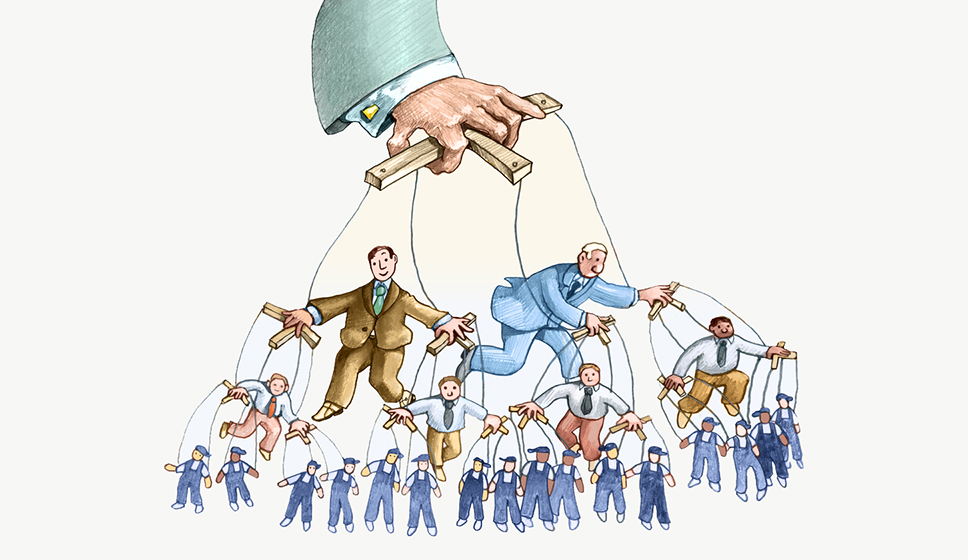
If there is one thing I’ve learned from the discourses of this class, it’s that our bodies will forever be changing. So too will the conversation surrounding how we should exist in our bodies, if we should exist in them at all. Our bodies are marked by the same touch of vitality that gives us life, yet we are all subjected to its rule. Society demands it has the authority to rule over something so changing, so unruly. We know how this goes: Authority that demands really has no power at all. But the illusion of power proves authentic in our ignorant minds. If we can be convinced that are bodies need changing, need fixing, the authority that preludes us doesn’t need anything else. We have become the prisoners in our own mind. Change the word bodies, and the message continues to apply.
Let’s get back on track. The medicalization of fat bodies is the evil that I reference in this blog. If it wasn’t known before, we know now how people have been fighting for decades for the right to exist in their body indisputably. The Fat Underground of 1972 emerged after the 1967 protests in Central Park, where people (500 of them) gathered to eat, burn diet books, and ultimately exist as “loudly fat.” It is important to note that continuous efforts of fat equality isn’t just a result of societal ignorance — that is, even if society was completely accepting of all bodies, the conversation had in 1972 about bodies is not the same as in 2010, nor is it the same now. Our bodies are everchanging, and so is our body’s rhetoric.
The Fat Underground seemed to serve as rebellion, more so than the protests from before. This movement now had a target in hand, encompassed in the medicalization of fatness and those who aided in it: “Doctors are the enemy. Weight loss is genocide.” These words were cutthroat, and still carry weight with them (no pun intended). But how do these words help us now? Where does liberty and justice meet health and motive? It seems counterproductive for the fat community to reject all medical models by indirectly rejecting their health. It is based on the rational discomfort of stepping into a space that was not made for you, or me, or them. But I still did it. And so did you?
It has been 730 days since I’ve had a medical professional tell me what’s wrong with me, and yet I still sit with the guilt that I have no idea what is right with me. We can reject the pretenses that still make us small, but where does that leave us in terms of vitality? I conclude, in all two decades of my life, that if our medical models don’t serve us (not even just the fat, but the disabled, and the socially-determined “wrong) that we must create the spaces that uplift what is right with our body.
Maybe the action is not successful, but the rhetoric can be. If the Body Positivity Movement, outside of its target audience, is challenged by a fatphobic agenda, existence can no longer be the only protest. The voices behind the faces behind the bodies behind the fatness must coexist as one.
In 5 months, I’ll break my 2 year record. Here I come!
6 months ago we started dating. my second ever queer relationship and i knew it would have to be my last. somewhere along those 6 months i fell hard for you. you took my fragile heart gently and cupped it in your hands tightly.
last night you told me that your dad found out that you were dating a girl, and had given you an ultimatum. you have two years to decide- live the way you are living and move out of my house or start living righteously. (who told him? who saw us together? were we just holding hands?) i didn’t think that we would be found out so soon. it had only been 6 months.
when i held hands with you, when i reached out to hold your hand, and you held it, we put our bodies under the knife edge of power. you put yourself under the knife edge when you said yes to me asking you to be my girlfriend in may.
i guess im trying to be grateful for the time we had but the truth is im scared and guilty and angry. (fuck! fuck the church and fuck your dad and fuck it all oh my god!!!) i feel a future me looking back at my young twenties and seeing myself living a vibrant queer life in baltimore. i know there’s an alternative universe me where that is my reality.
We should go out and dance like we used to dance We should go out and hold hands like lovers hold hands And I can’t tell you who’s gonna last Well, maybe that’s a question and answer I don’t have
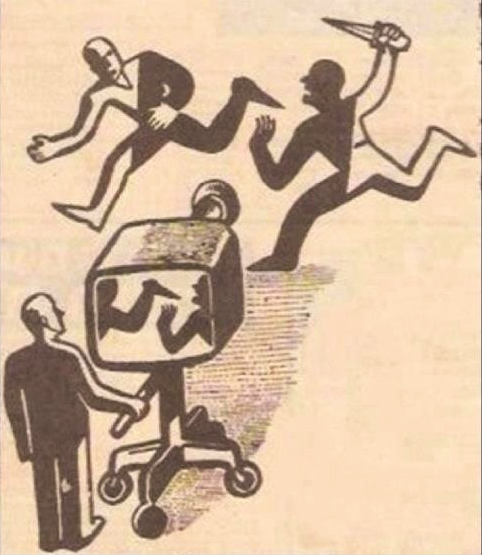
To see your people die in front of you, day by day, feels like a stab to the chest every minute you remember they no longer exist with you on this earth. your day one, now reset to day zero. To know that there is something that could be done by the government to help, yet the government refuses, is something that I will never understand. How dare you say that it would be too expensive to implement standards, research, and rules? How are we putting price tags on millions of lives? During the AIDs epidemic, all that was needed to stop people from dying was research. The simple step of researching this illness could have saved thousands from one community and thousands of others. So I ask, why didn’t we just do our due diligence? It was because they wanted this mass sweeping, they decided that the majority of lives being lost were lives they were willing to spare. In this process, not only did we lose the sons and daughters of the LGBTQ community, but we also lost young children and an outstanding number of heterosexual women. EVERYONE suffered from the negligence of the government. This isn’t the first instance of attempts at clearing a community. Let us not forget that the drug distribution epidemic in black neighborhoods was created by the government itself. They wanted the community to break itself down from the inside out. They placed boxes of narcotics all over the streets, knowing that people would fall into their traps because addiction is a strong drug, one that feels impossible to break. watching my people drop dead from overdosing, my family become estranged, and statistics skyrocket felt like a stab to the chest. It wasn’t until the narcotics made their way to prosperous neighborhoods that they stopped placing these traps. This shows once again how hurting one community hurts EVERYONE. The number of times the government has intentionally watched a community die is something that should make everyone’s stomach turn. We cannot sit idle and watch as this occurs. Every time we sit back and watch as communities die, whether it be at the hands of one person or an entire branch, we are allowing ourselves to be stabbed in the chest. an injustice to one is an injustice to EVERYONE. As someone who is a part of both communities talked of above, let me ask you something: Did you just stab me?
Juliet, from the titular play Romeo and Juliet, has long been seen as a woman stripped of agency. She is seen as a woman who couldn’t stand to live without her beloved Romeo, so she protested the only way she knew how and ended her own life. This is what the new broadway hit &Juliet says as the show follows Shakespeares wife, Anne Hathaway, as she rewrites her story, now starting with Romeo’s death. For many reasons, I am not a fan of this musical’s take on Juliet’s life. For right now I will stick with this one point. Anne Hathaway ends up making every choice for Juliet. Anne takes Juliet away from her family and political ties and instead takes her on a girls’ trip to go clubbing around Verona. Without realizing it, by having Anne control every new aspect of Juliet’s life they have once again stripped her of her agency.
I do not believe Juliet is stripped of her agency in Shakespeare’s original piece. I actually believe she is the smartest character in the whole play.
Let’s get one thing straight, Juliet always wanted Romeo and her to be married. In fact this diva demanded that Romeo bend the knee when she said “If that they bent of love is honorable, thy purpose marriage” 2.2 150. She knew what she wanted and communicated it clearly to Romeo.
She also knew how fast things were moving, “It is too rash, too unadvised, too sudden” 2.2 125. She wasn’t dumb and in love, she knew that Romeo was moving quickly. The only reason she decided to speed everything up was that her marriage to Paris was to happen any day now. And finally, with her monologue in act 3 scene 2, she describes how she is desperately awaiting for Romeo. She repeatedly says, “Come, night. Come, Romeo.” 3.2 17. Now, not to get too rounchy, but Juliet is not just waiting around to just sit in the presence of Romeo, she’s waiting to have sex with him once more. In modern times, this seems more normal to us, but back in Shakespeare’s day, a high-class woman having sex with a man out of marriage was a big deal. So why do it? Because she knows that if she were to get pregnant with Romeo’s child, her parents would have no choice but to ensure Romeo and her got married.
Now let’s talk about the final scene. She wakes up from her sleep to find Romeo and Paris dead. At this point in history, Juliet would’ve had a hard time moving on now that she is a widow and the feud between the two families would’ve only gotten worse. If Juliet hadn’t used her body and life to protest in the face of both the Montagues and Capulets, how many others would’ve died? The feud would’ve continued and Juliet would’ve been outcast from her family. Yes, she missed Romeo, and yes, she partly took her life to be with him. But to say his love was the only reason is to discount all the other factors Juliet was also dealing with.
So no, &Juliet, Juliet isn’t just a love-sick girl who let a man take control over her life. But instead, a smart and witty girl who acted with wisdom.
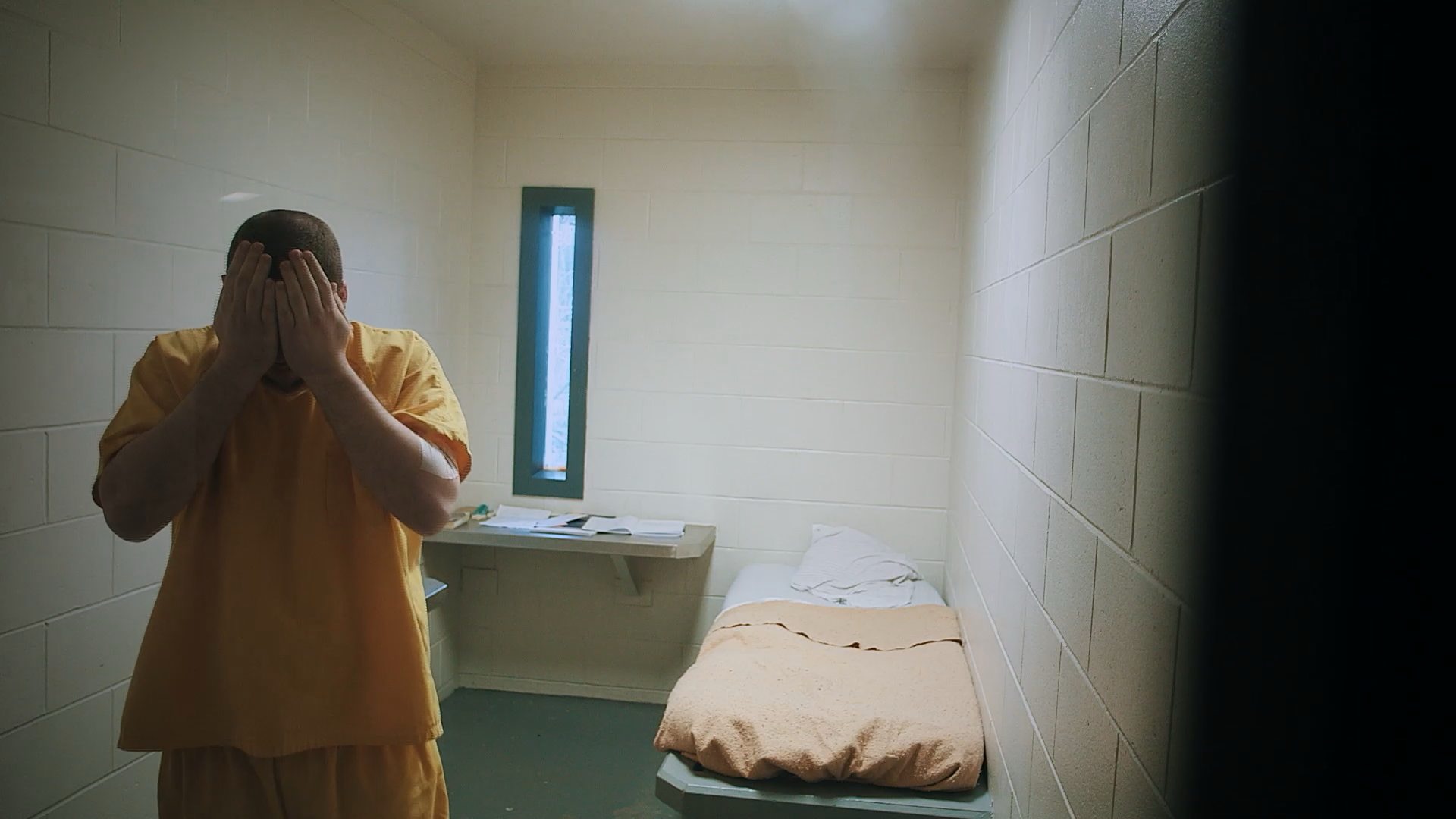
So after watching that documentary about people being in isolation for decades, I just keep thinking how do you even decide who belongs in isolation? And who gets to decide how long somebody stays in there? Because I’m sitting here trying to understand it, and honestly, it just doesn’t make sense to me. Like, yes people end up in jail because they did something they weren’t supposed to do. But not everything people do is on the same level. Petty theft is not the same as murder. So how do you judge that? How do you look at someone and say, “Yeah, you deserve 10 years in a box by yourself,” like that’s normal? And the whole idea of putting someone in isolation… I don’t know. How are you supposed to feel okay with that as a person? Because the documentary was basically saying they put people in there because they appeared to be gang members or because they thought something might happen. So now you’re isolating someone for 10 years based on what you think they might do? That’s crazy to me. And yes, they did something bad that’s why they’re in jail. But putting someone in isolation for that long feels like another level of wrong. It’s like you’re trying to fix a problem and create a whole new one at the same time. Because let’s be real: if you keep someone in a tiny box for years with no sunlight, no real human contact they’re going to lose their minds. Anybody would. And I’ll be honest, part of me has always thought: most of the time, people end up in jail because they did something they shouldn’t have done. And in that sense, yeah, I get why consequences exist. But then the prison system turns around and does things that are just as harmful if not more. So how does that make them any better? You want people to learn what they did was wrong, but then you do wrong things to them too. So then what’s the point? Where does that lead? I’m just stuck. I really can’t wrap my head around the whole isolation thing because it feels like there’s no solution. Like no matter what, somebody is getting hurt. You think you’re preventing a problem, but you’re creating another one. And I just keep imagining myself sitting in a small box for 10 years with no sunlight, no fresh air, no nothing and I know I would absolutely lose my mind. Most people would. So yeah… I’m confused. I’m thinking through it, but I still don’t know what the right answer is. I wanted to talk about it because it’s been on my mind heavily, but I’m still figuring out how to even put my thoughts together. So honestly, let me know what y’all think. Because I’m still trying to understand this and I really want to know how other people see it too.
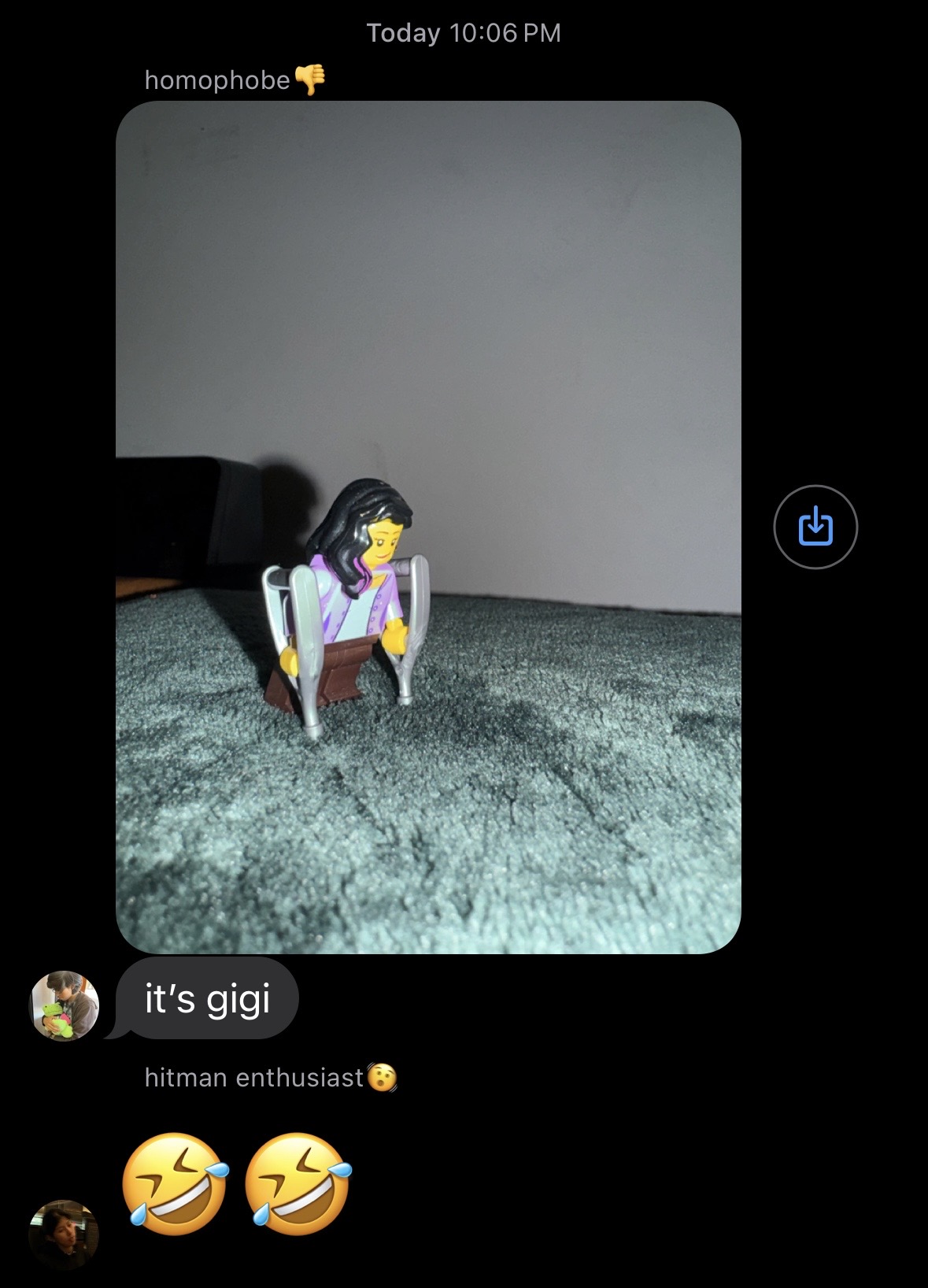
I was on crutches for three-ish weeks and wrote a couple of entries on my experience!:
…
Everyone’s been so accommodating, and I appreciate it immensely but it also sort of makes me want to eat my insides. When my friends go out of their way to pay for my drinks or bring me snacks, or when a teacher runs to grab the door for me and brings the paper to my seat, I know they’re being kind and I would likely want to do the same if roles were reversed but I can’t help being overcome with guilt. The fomo too, absolutely excruciation. Normally, I’m perfectly content staying behind if I don’t feel like leaving my dorm and my friends go out and study or grab lunch, but now it feels different, this time it feels out of my control. I’m not staying behind because I chose to, but because my body is sore and limited and forcing me to stay behind. On the other hand, when I do push myself to go, I slow the group down with my slow steps and while logically, I know no one’s holding it against me, i feel the constant need to apologize and regret leaving in the first place.
Also, sometimes I take just one crutch instead of two. My best friend was quick to express her disapproval but I insisted that I felt less silly looking when I just used the one. That, and I’ve found that people ask less questions. Maybe its because they could less easily see it, or maybe they thought it couldn’t be that bad if I was just using one so they didn’t ask, but i appreciated every time it was left unvoiced, everytime I didn’t have to think about what kind of assumptions people were making.
…
I felt so sore waking up. I did some youtube research two days ago and have since corrected the way I was previously using the crutches but i presume just the fact that I use them at all is going to be a workout for my arms and abs as they have to bare quite a bit of weight to keep me balanced. I was also internally snappy but externally did my best to politely tell my roommate to please stop asking me how I was feeling after the three times i dodged the question over text. Because truthfully, I felt bad, I was in pain, and I didn’t want to talk about it.
…
People are too nice, as in, I can state semi-confidently that we do not treat those with actual disabilities with this much out-of-the-way kindness. Is it because we assume they don’t need/ want the help? That’s my general mindset, if someone asks for assistance, I will gladly help them, but I don’t want to infantilize them by assuming they can’t accomplish things themselves. But now people are holding the door for me while I’m still two hallway lengths away, offering to grab me lunch and bring it to my dorm, one girl turned around at the bottom of the staircase and asked if she could hold my backpack, multiple have told told me they’ll pray for my health. And maybe I just have a very warped perception of acts of kindness but this is the most back to back interaction I’ve had with strangers possibly ever and it feels so strange. Of course, I take pride in being very polite, but I’m so used to keeping to myself in public, seeing how many social rules are changed when someone is “hurt” is interesting.
…
The embarrassment is the worst part. Which is pretty dumb because there’s some mornings where I wake up after a long day of walking and the pain is so bad I can’t get up for hours, and yet, the embarrassment is what I still cite as the worst part of using crutches.
They’re just so loud and people never fail to turn their heads. And even if it’s just a passing thought, i know they’re wondering what caused it. The knowledge that i’m being perceived at all, that I’m more than just a passing person in a crowded pathway, makes my skin crawl. But I was dumb and got hurt and this is my penance.
Also, taking 25 mins on average to get to class is not ideal. We’ve spoken in class how inaccessible this campus is, but to experience it, even if just a bit, has definitely made me understand it in a different way. Swinging on the crutches allows me to go much faster, but takes up so much energy I can’t do it for long without loosing my breath and needing a break. So what would normally be a quick shortcut through Erickson field and walk down to Dunkin’ for a morning egg sandwich now requires three elevator rides (dorm, middle of commons, commuters lounge) and 15 minutes of agonizingly noisy walking. And truly I can complain for however long I desire, in blog world nothing can stop me, but I am so so privileged to feel secure in the knowledge that this is temporary. Urgent care said 4-6 weeks and I’ll feel better. Millions of people use mobility aids for life, with varying conditions that some alternative routes are compatible with and others are not. I want this experience to mean something, I hope I never fail to offer aid, to amplify voices demanding basic necessities that able-bodies neglect are not a given, and most of all, respect an individuals agency.


 Unruly Bodies