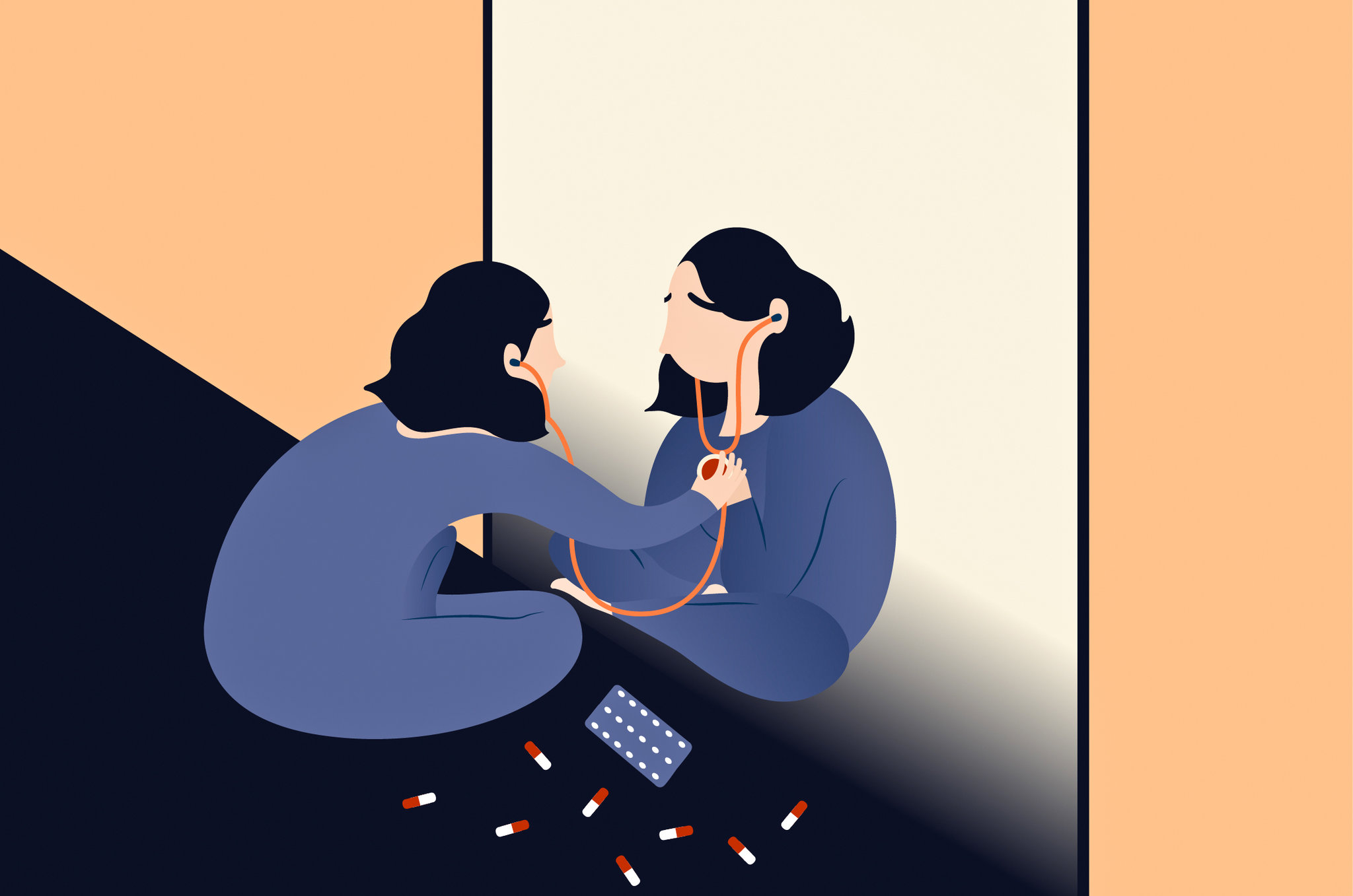
Living with the constant fear of having a serious illness really takes a toll on you. I’ll never forget that one day last year when I got a headache out of the blue – something that rarely happened to me. Instead of brushing it off, I made the mistake of Googling my symptoms, and the search results made me think I had a brain tumor. Cue a major anxiety attack that kicked off my struggle with hypochondria.
In the weeks that followed, I became hyper-aware of every little sensation in my body. I went down a rabbit hole of health websites, learning way more about the human body than I ever intended. If something felt even slightly off, I’d convince myself I had some serious illness, leading to many sleepless nights filled with panic attacks. But over the next few months, things slowly got better. I’m happy to say that I’ve moved past that phase of hypochondria.
When I was born, I don’t believe it was me truly being born, I was waking up. I had been dormant, I think. I don’t recall any type of birth. Just sleeping. I was never small and never grew, I slept in the same body I woke up in, stagnant. I was in a dreamless sleep for a very long time when suddenly my lungs filled with something painful. It felt like what I now know as ashes and broken glass, my chest tightening and making my body contort with life. My eyes were ripped open, pried by fingers that weren’t my own and I couldn’t see, aggressive and unrelenting as I writhed in an effort to get away. It may have been a birth, although no mother was present, I still wailed for her comfort. I didn’t receive anything resembling comfort though, but I did receive touch. A cold touch, something dead and desperate, something that was tearing at my feverish body. There were hundreds of hands, a swarm that I could see, all reaching out and clawing at my skin, streaking through it and making it cry tears of tar. There was silence in their touch, they did not call out to me or face me, my screams falling on deaf ears and muted tongues. Their touch said all that had to be said. They were beneath me, above me, between my arms and legs, just a constant pull, pull, pull, pull from decaying fingers and palms. Their nails dug into me like frigid metal clamps, sinking so deep my bones crunched in the tightening hold, and I begged whatever they were to stop…stop…. Stop…Stop…Stop. Each time I cried out, more ash and shards of torture entered my body, cutting my lips and the insides of my cheeks. It felt like I was being shredded inside and outside, a simultaneous affliction of misery. I don’t know how long that lasted…but what I do know is that it wasn’t a birth, nowhere close to one. The next time I opened my eyes I was somewhere empty…there was grass…and a moon…and stars…and I was as empty as where I laid…. I was hungry.
I’ve tasted bone marrow of all kinds…flesh of all sorts. I have bitten, licked, gnawed, and savored. None of this is enough. I am hungry. My skin sticks to my bones and my eyes sink into my skull. My hands are delicate and paper thin. I am hungry…. When I find you, and beg to be fed, what will you say? I am beautiful as well…I have a body that as ghastly as it is, has been touched by many. The handprints are still there. Because everyone is hungry, that is what I learned, everyone wants to consume something… What will you say? Don’t you want to rip me open? See what I’m made of? Don’t you want to comfort me and wipe my tears? Don’t you want to clean the blood stains from my arms and legs and pick the rotting fragments of death from my teeth? I am coming to you…and I am hungry.
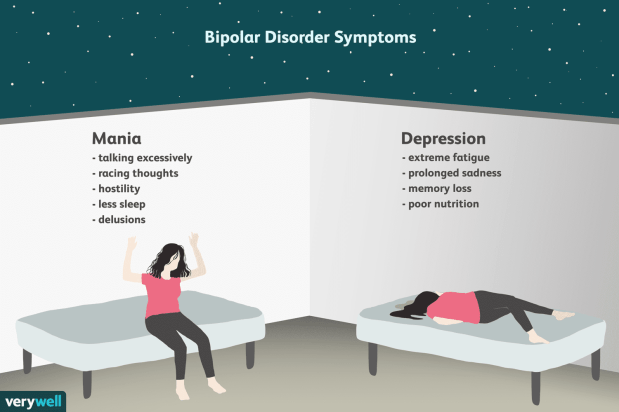
I remember a little while ago we talked about what getting a diagnosis means to us, up until yesterday getting a diagnosis was just something that happened when I was sick or went to the doctor so it didn’t mean anything to me. But the other day i was diagnosed with bipolar disorder and 2nd stage mania, i guess at first it didn’t mean anything to me but as the day went on i started to realize some of the things that comes with diagnosis like this; even though i am the same person i was before i was given a label, a name to the things that i had be experiencing. society is going to view and label me as damaged goods, unable to regulate myself without outside help and i don’t know why that scares me so much because i haven’t changed i just have a better sense of direction when it comes to treatment for myself. but im so scared of being treated differently that i haven’t even told or talked to my parents or family about it. personally i don’t like to be the center of attention and knowing my parents that’s exactly whats going to happen, i recognize that i am taking the choice away from them about how they are going to respond but i just scared of the possibility of what could be that i don’t want to take that risk. just sitting here now writing this out im realizing that i don’t even know what i would tell them because i don’t really understand it myself and i know that they’ll have questions that i don’t have the answer too. im really trying not to fall down the internet rabbit hole of information because a lot of it could be false, i did talk to my therapist and my psychologist but it still a lot for me and feelings mixed with information never was a good mix for me so im trying to find a god balance but its hard.
I used to walk before I tip-toed. I used to sing before I whispered. I used to cry before I endured.
My colorful shorts had dirt stains on them from sitting on the park bench. I heard cheering for my brother’s baseball team in the distance. In my own little world, I opened my little pink journal and put bulky headphones on. There were words that poured out of my fingers onto a page with tears ridden on the sides. I had no proper language for the strangeness I felt.
I wouldn’t say I was the type of kid that had no friends. In fact, I was always at a friends house. I didn’t get home sick or miss my mom like the other kids did. I enjoyed the attention of other parents so much. They praised me for being so mature, so thoughtful. I was a kind soul to everyone but myself.
I feel like my body has always ached. My stomach brews an emotion so deep it can’t be thrown up. I feel fuzz in my brain but pain in my chest. My brain and my body begin to disconnect. Which one was doing this to the other? What is wrong with me?
I remember looking in a mirror, seeing a little girl look back at me. She’s so small, her face full and nose undefined. Her eyes look darker and heavier then she feels like they should. I stared at her as I put her hair into a bun for ballet. Pulling, twisting, arms getting tired. I couldn’t get it right that day. I laid in bed crying the rest of the night instead of going.
“You are the most stressed out kid I’ve ever seen,” My mom would say. “What do you even have to be stressed about?”
Everything, mom. God, I was a kid worried about everything. I was being buried alive and didn’t know why. I wrote in my journals about never being good enough and failing everyone around me. I was just a child, I hadn’t even been relied on for anything enough to fail someone that badly. While so many people talk about the ease of childhood, the lack of worries, I thank god I’m not there anymore.
I forgot about how long I’ve felt like this until I found those journals one day when I was older. I cried and cried at the thought of my little toothless self feeling inadequate of living. I hadn’t even done anything yet. I started out my childhood with a love for Just Dance and singing Britney Spears songs. How did the light leave my eyes before I could even sit in the front seat of a car?
My body. How I had been so cruel to it. I had no value for it. My body was my enemy. My body was given the punishment of my thoughts. For that I am so, so sorry. I wish I could say I was a careless and fun kid. I wish I could say that I loved myself.
Growing older, I know my unruly body is one that deserves the kindness it bestows to others. She should sing Britney Spears and play Just Dance. She should get rest and do the things she enjoys. She is me and I am her. My brain and body are still working on their relationship, but they’re beginning to understand how they are endlessly connected. While I have to undo a mindset that I’ve had my whole life, nothing makes me feel more at peace than the thought of feeling okay with myself. Just laying in the grass, quietly, feeling the wind and just the wind.
My unruly body thanks me, finally.
My favorite Just Dance to do growing up – “Toxic” by Britney Spears
It’s not much of a surprise that a white guy in the 1950s was racist. But reading the paper More Than Just Play by Runstedtler reminded me of one way that he was racist. While my great grandfather and I weren’t alive at the same time, the information that I know about him comes from my grandfather. One time, my grandfather described his experience of growing up during segregation. He talked about how he had no real exposure to Black people outside of sports, and what his parents told him.
When my grandfather was pretty young, his father would take him to football games. In these games there would be some Black players, and being curious, my grandfather asked about them. My great grandfather told him that they were the better players because they’re stronger, and aren’t as smart so it would be ok if they got hit in the head more. With no other source of information, it wouldn’t be surprising if my grandfather believed this for years.
Runstedtler’s paper describes how black people were displayed as primitive, especially in the 1900s. Black athletes were also put on display for the enjoyment of white people.The way that they were shown in sports contributed to how they were seen outside of sports. When you have a generation of white men who’s only exposure to Black people is seeing Black athletes displayed in a subhuman way, it contributes to institutional racism.
My grandfather’s story helped me to understand how racism is passed down from generation to generation. My grandfather was lucky enough to have his beliefs challenged at a young age, but I wouldn’t be surprised if he is in the minority. Understanding the way that many white people were first exposed to Black people is pretty helpful in understanding why racist views and sentiments continue to this day.
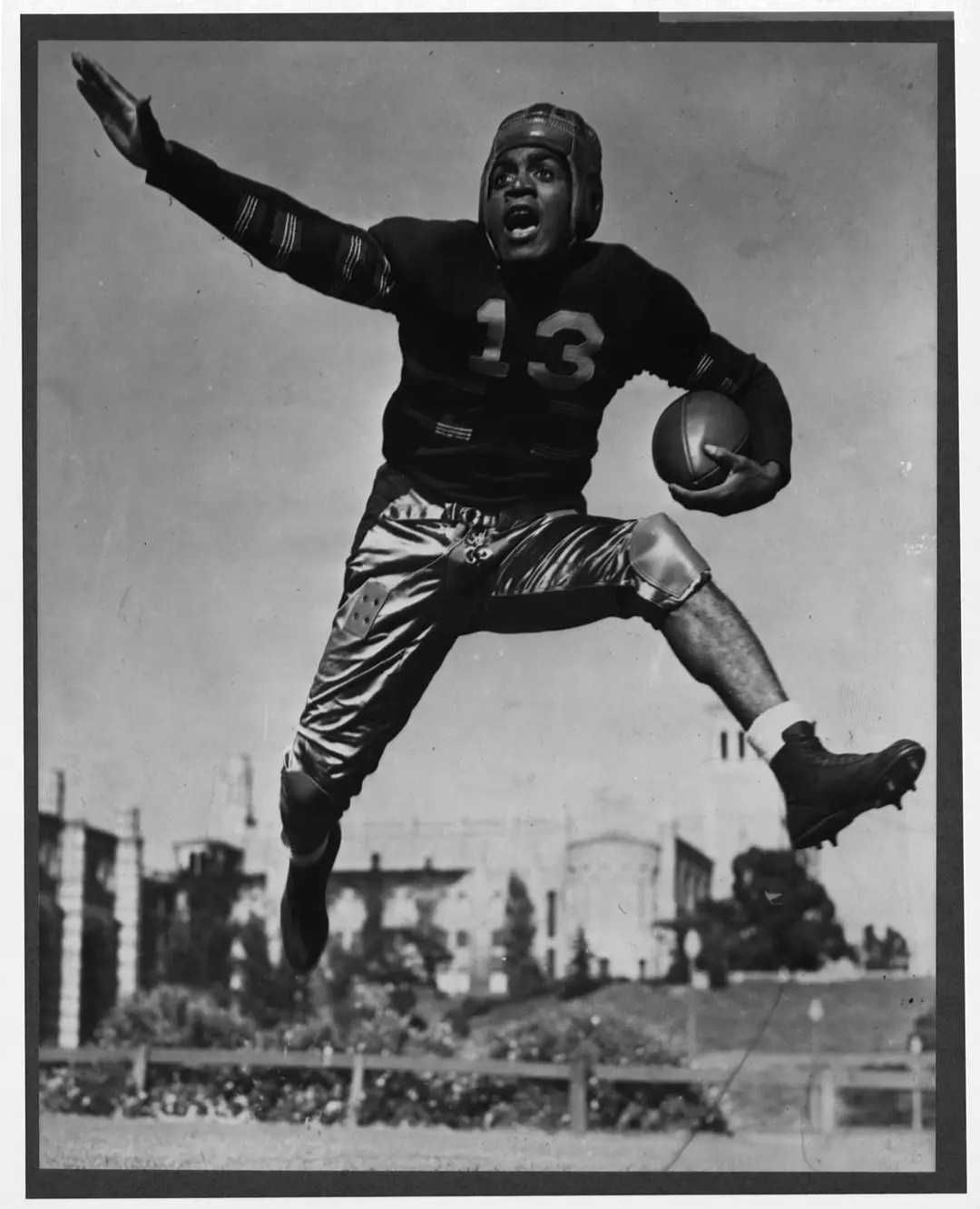
Kenny Washington, one of the first black players in the NFL
I’ll never forget the moment when my husband called from the Emergency Room to tell me that his CT results were back and “they found a mass”.
They found a mass.
Those words still barely register seven months later. Seven months, one colonoscopy, eight rounds of chemo, and three scans later. I know it’s not MY body that was overwhelmed by the cancer, but once cancer comes into your life, it will never not be a part of you. Over the course of the last seven months, I’ve come to realize that despite it not being my own personal diagnosis, my body feels the weight of this burden every day. All of my senses are heightened to react or respond to the memory of when cancer came knocking on our door.
The night of that phone call, I got into the car to drive to the hospital and immediately turned off the music. I did not want any song to be ruined by the memory of the scariest moment of my life. I did not want to risk the possibility that one day five years from now, I’d be brought to my knees in the middle of the grocery store if “that song” came on over the PA system.
I will never be able to look at another red jello packet without thinking of our time in the hospital. The beeping of a blood pressure machine at the doctor’s office still rattles me. I’m constantly scanning my husband’s body for jaundice in the eyes or whether he’s warm to the touch.
In the shower this morning, I felt a lump in my armpit. Upon further examination, I am pretty sure it’s an ingrown hair. But I can’t stop thinking about it. Every mole, every red spot, every headache feels like….maybe.
The reality is that cancer will never not be a part of my mind and body. He finishes his last round of chemo on Monday, but it doesn’t feel like a thing that we can ever check off of the list of things to worry about. This awful disease has made a home in our collective psyches and though we are walking through the process of finding therapists to start the mental part of the healing journey, I know we are in for a long road. As they say….the body keeps the score, and the score from this one is high.
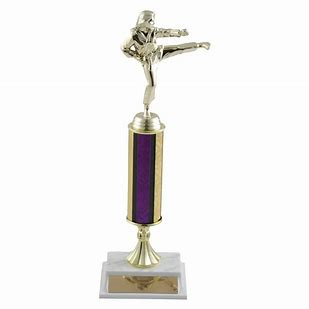
In 5th grade my mom thought I was going to get beat up, real optimistic of her. She thought because I was a smart, Jewish, mixed girl about to go to a middle school in what she deemed the “ghetto” that I would have to learn how to fight. We will never know if she was right in my destiny to get beat up in middle school, because we ended up moving to a different school district. Nevertheless, before the move she enrolled me in Taekwondo. I still have the trophies in my room, and whenever I look at them, I think of how in competition I was one of maybe three girls in said competition and how as a single mother she decided to pay for all the equipment and classes that came with the fear that because of my race I would be more at risk.
Tall cylindrical Taekwondo trophy
I remember four things from Taekwondo; being out of breath while trying to run up and down the stairs trying to keep up with everyone else, having to retake my belt test because I couldn’t do a sit up, someone asking me when my mom picked me up if I was adopted, and how to count to seven in Korean. Three out of four of those memories do not speak highly of my sporting experience.
The conclusion is, I don’t know, sports are neutral. While I had less than ideal experiences, I know that for a lot of people sports are a great confidence builder and especially martial arts can make people feel more protected and surer of themselves. That was just not the case for me. Sports became something that I had to do as a child, not something for joy. Even when I did dance it was more for having something to do than the actual sport itself. This experience of doing a sport for non-sporting reasons has led to my middling views today.
When I was in Year 8 (7th Grade in the US curriculum – it was a British curriculum), I experienced true loneliness. Let me give you some background info. I was in a quaint Christian Elementary and Middle School at that time and excited to be back after a looonnngg summer break. In 6th Grade, it was me and two other girls in the WHOLE grade, that’s why there was just one class with all of the sixth-graders. I don’t know what happened but we didn’t communicate that much during summer but I was excited to see them when I got back. We’ll be the trio all over again…It’ll be great!
They didn’t come back. Both of their parents decided for them to move schools for 7th grade and since we didn’t really talk that much or even see each other, I didn’t know that this change was coming. I walked into my first day of 7th Grade to realize…I’m the only girl in the class. My world came crashing and tears filled the brim of my eyes. I told my mom immediately of what happened when I got home and I insisted I change schools too, like the other girls did. She told me that it was too late to change schools and told me that I had my brother to lean on -since we were twins.
However, my brother, especially at that stage of our lives, didn’t want to hang out with me in school. It was 9 boys and 1 girl which made me feel small and even invisible at times. During the breaks, I got tired of being alone in some random classroom studying or reading my novel (we didn’t have phones then) so I decided I wanted to hang out with the boys. The boys would always play soccer during the breaks and I had previously played club soccer and I would say I was pretty good. I entered the soccer field excited to play with them, anything other than being alone.
They didn’t even let me play. Not even for a minute. As soon as I stepped on the pitch they all went quiet and looked at my brother. My brother yelled out from the other side of the field, “I don’t think you want to play with us.” I waited for an explanation and none came. I prompted “Why though?” He replied, “Well… you know… we play rough and we wouldn’t be able to play the same way we do if you join.” The boys nodded in agreement. That definitely covered his ass but it crushed me and left my self-esteem shattered. I can play “rough” but after that public humiliation, I never tried playing soccer again.
I want to preface this by saying I was officially diagnosed with OCD earlier this year. This the raw form of a journal entry I wrote about a year ago. I wrote it on a day when I was seriously struggling with my OCD before I even knew the diagnosis of OCD. I want to share this to demonstrate the jarring reality of how it is living in a world that was simply not made to include neurodivergent people.
“Hey bitch, we are back.
Today was literal hell. What’s new. I don’t know what is going on with me but I’m so exhausted from it. I have been holding back tears all day. It is like I deadass have to navigate the world with this uncontrollable fear, anxiety, or whatever tf it is. And I have these ridiculous intrusive thoughts. They literally snatch my breath out of me. The world seems to keep going and I can’t catch up to the speed of it. Every step is a cautious one and I just keep overthinking each and every one. Something is off and I just don’t know what to do anymore. It’s more than just the normal anxiety everyone gets bruh. I can’t shake the feeling that I’m drowning in my own thoughts, really scary ones. Every decision, no matter how fucking small it is has its handy dandy best friends anxiety and doubt next to it. The questions literally echo in my mind and I keep second-guessing everything I do. The thing I really needed to get out and off my chest was this one intrusive thought that I haven’t been able to shake. It happened today while I was driving through the fucking chickfila parking lot. I just kept getting this vision and thought of Sophia dying if I didn’t pick the right order and say it the right way. It comes when I’m doing other things to. I will be cleaning the dishes and If something doesn’t get cleaned a certain way I think she will get sick using it and then die and it will be my fault. Or I will text her but I will think the message is wrong and rewrite it over and over again because what if she dies and I didn’t say the right thing and I won’t be able to fix it because she is dead. WHY DO I KEEP THINKING SHE IS GOING TO DIE??? HELLOOOOO??? I dont know bruh i’m crying right now just thinking about it. I literally had a fucking panic attack in the chickfila drive thru because of this. Like what is literally going on. And what makes me the saddest is feeling like I don’t know where to go or that I will be called crazy or overdramatic. I just don’t know what to do anymore or who to go to. Is this normal for other people to have. I have never heard anyone talk about intrusive thoughts like this so I really don’t know. I just need help. I can’t keep raw dogging life. I’m so exhausted of being anxious. I am just so fucking exhausted. But it’s okay. I’m gonna figure this out and be okay. I’m doing great and whatever energy I give is more than enough. I’m gonna be okay. Hopefully tomorrow is better. keep up the good work ❤
p.s. sophia is my gf 🙂
I hope some reading this finds comfort knowing they are not the only one going through this. There are other people who understand you and you will be OKAY. You are not alone ❤
Were you born with a vagina or a penis? Right, the question is none of my damn business, so why doesn’t the rest of society accept this fact? Being female or male does not make a difference in all areas. Think about sports such as basketball, football, ballet, and swimming. Do you remember the story regarding the transgendered swimmer (born a male and transitioned into female)? She was the topic of a national debate because of her personal choices. People were suggesting that she shouldn’t be allowed to swim on the women’s team for various reasons such as not being born a female, having testosterone and being able to physically perform stronger and better and other issues. This is not a disadvantage because if this is the case, then someone can find fault in any sport. For example, I’m short and can walk under a volleyball net depending on the height, or my husband shouldn’t run in a race because he is 6 feet 6 inches and has longer limbs than most people. Aren’t there some women that are stronger than men, but they are not condemned for it. For example, Rhonda Rousey is stronger than the average man because of the training and profession that she is in, but that doesn’t make her less of a woman or more of a male. The qualifications for sports has nothing to do with what is between your legs. It should be based on your ability to perform at the best level that you are able to without any enhancements. Everyone is entitled to enjoy any sport. I have a vagina, but why is that your business? So, to those ignorant and closed minded people, please dial 1-800-GO2-HELL!