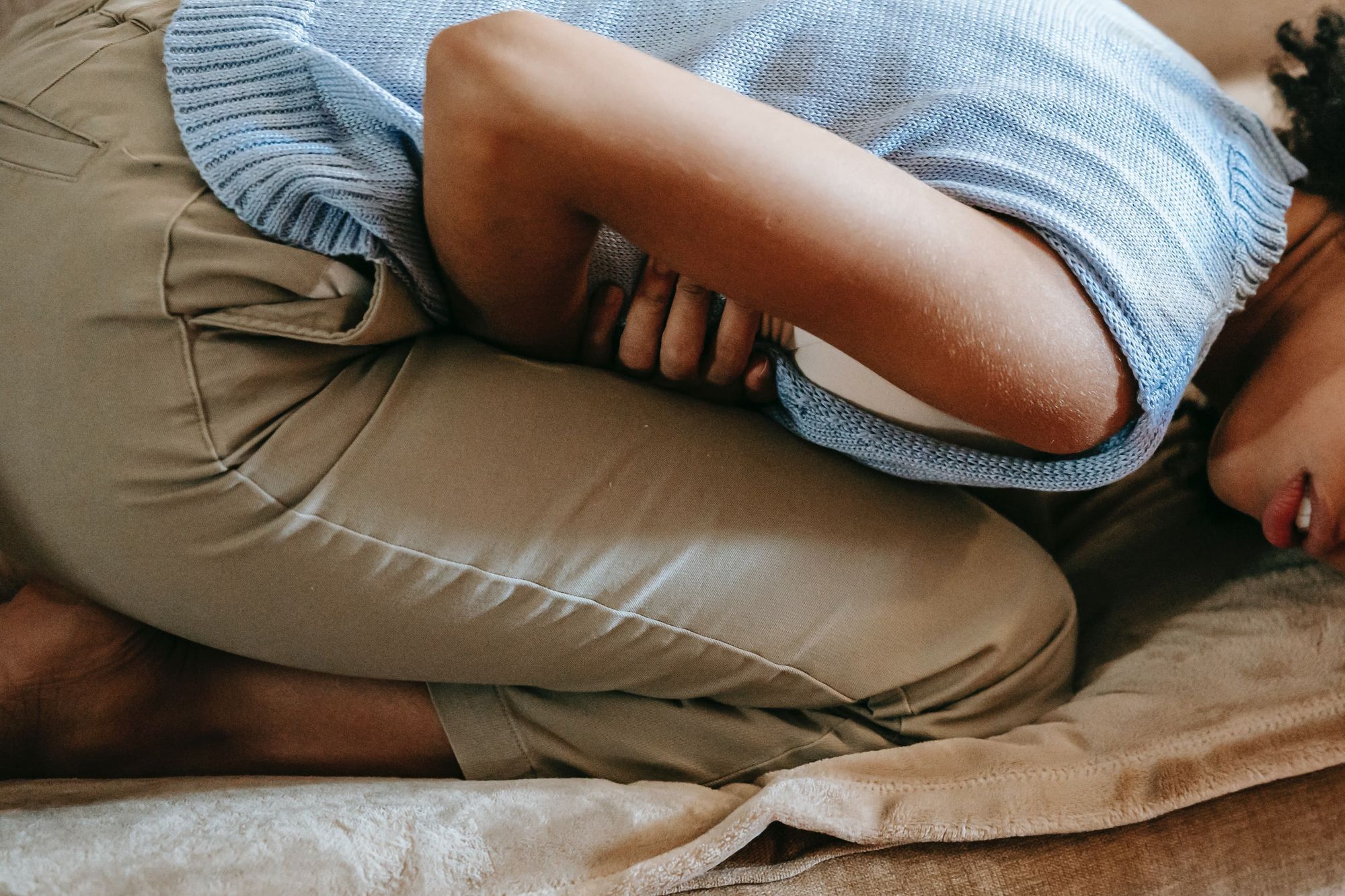
The idea of marriage and pregnancy is both an exciting and terrifying thought for me. The joy of building a family clashes with the fear that my painful period cramps made me think my future pregnancy journey might be difficult . It’s disheartening to think that something that I go through every month could alter the course of my future. My period cramps are so severe that I am unable to get out of bed or even function properly. It’s scary to think that something that brings so much joy to others could be such a painful experience for me. I worry that my spouse might not understand my pain or that he will not know how to help me. My concerns also extend to the childbirth process. How can I prepare for giving birth if I am already struggling with menstrual pain? I fear that I won’t be mentally or physically strong enough to make it through childbirth.
However, I am trying to focus on the positive and work through my fears. Learning about different techniques and remedies that can help me manage my pain has been comforting. Speaking to other women who have experienced similar issues has also given me hope and allowed me to see that I am not alone. While I am still nervous about the unknowns, I am determined not to let my fears control my life. I will continue to educate myself, take care of myself, and seek help when needed. I will try to embrace the joy of building a family and recognize that though the road might be bumpy, it’s a journey worth taking.
I am nervous about the idea of marriage and family, purely because of the potential discomfort that will come with pregnancy. It feels like an impossible hurdle to overcome. I can only imagine how much more severe the cramps would be during pregnancy. It terrifies me to think about it, and I’m struggling to see a way out. But as time went on , I decided to speak out to others about my experiences more. And in doing so, people have been sharing resources and tips to help me manage my discomfort. I’ve learned about various treatments and pain relief techniques, such as over-the-counter medication, heat therapy, and exercise, that have helped make my periods more bearable. The thought of marriage and family doesn’t scare me as much as it did before, knowing that I have resources and support available if I need it. Though the pain isn’t gone, I have learned that it can be managed. And with this newfound knowledge, I can move forward, knowing that I can face whatever the future brings.
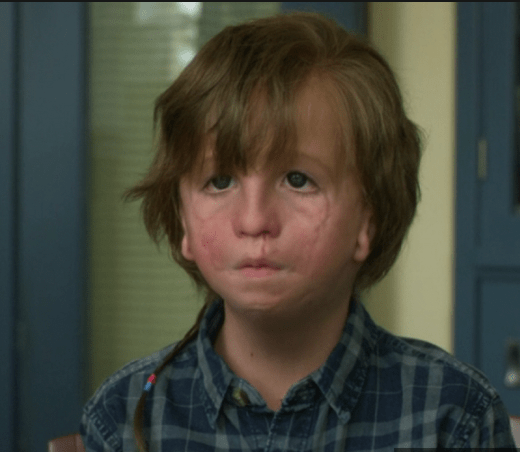
This is the main character (Auggie Pullman) from the movie/book Wonder. He was born with Treacher Collins syndrome. It is described as a “rare craniofacial disorder that causes major malformations of the face.
I remember reading Wonder when I was in about 4th grade. When it first came out, I fell in love with the writing. I admired the new perspectives the book offered on disability that wasn’t usually addressed in school and kid/preteen literature at the time. For those who haven’t read it, Wonder focuses on the life of a disabled young boy named Auggie. It depicts the trials and tribulations he experiences going to public middle school for the first time and how it affects him and the people around him. A few years later, they made a movie. I watched it and loved it. Well, when I was younger.
I later watched it again around the age of 17. I can still say I enjoyed it but I did have my critiques, as did others. I felt like it stayed true to the book, and captured the complexity of relationships. However, in my opinion, I do feel they do not authentically represent the severity of Auggie’s disability in the movie regarding the makeup and script, making it more comfortable for people who weren’t disabled. This is a critique many others share, explaining why the movie got much lower ratings and lots of criticism, especially from other people in the disabled community. I think these critiques propose an important question, “At what point do decisions make about the presentation of disabilities within society reflect an ableist viewpoint?”
This is a question that is explored by many people and has a different answer from person to person. One article I think that gives a very important viewpoint on this topic is Critics Question the Representation of Disability in ‘Wonder’ written by Lauren Barack. She focuses on the perspective of Mike Moody. A 21-year-old female who was born with Crouzon syndrome, a disability very similar to that of Auggies’. With that shared experience, he expresses his discontent with the representation of disability within the movie. She discusses how she disliked how directors had “Tremblay appear disfigured, instead of hiring an actor who is.” She goes on to further criticize the film by saying “The film just seems to hop on the bandwagon of disability. It’s ‘inspiration porn’, the same driven by films like The Theory of Everything—films that treat disability as a costume, that kind of attitude permeates through the films to the audience. Actors who portray disabled people are revered, and disabled people (especially actors) are ignored.”
Though it can be seen as “harsh” this critique Moody expresses is one that many people agree with, including myself. Seeing the drastic changes in Auggie’s disability in the book versus the movie does make me question the underlying ableism within the production. It also demonstrates the constant fucked up reality that people with disabilities constantly have to face: having to change and diminish themselves for the comfort of others.
So recently, my partner of almost two years ended things with me but said they still wanted to be friends. They said that they no longer had romantic feelings for me but rather felt as if our dynamic was more like good friends. Why don’t you just literally rip my heart out of my chest instead? I am polyamorous but they were my longest partner. I started to feel them drifting away slowly but I decided to not prod them about it in fear of what the answer could have been, but I guess I got the answer either way…. Some of my friends don’t understand why I am upset about losing a partner because “You have other partners” but that isn’t how things work, it still hurts to lose someone in any capacity of the word. Also, the relationship was long distance with them living in California and me being in Maryland. It was an online relationship but we would snapchat every day and video chat every so often when our schedules would allow it.
On a different note, my newest partner (who is local yay) told me that they were talking to someone named Mae and I asked what they looked like because I dated a person named Mae a few months ago. Lo and behold it was my EX. I told them I wasn’t comfortable about them talking but my partner said they have been talking since November 3rd and that they really like each other and want to see where things go… I don’t like it at all…. not one bit, but i don’t want to lose my partner either so i just told them to do whatever they want and just don’t tell me. I just wish I didn’t know ANYTHING. Should I have broken up with them because they didn’t really respect my wishes or am i being selfish?
In first grade, I decided to sit on the bus next to this girl I thought was really cool. She was so good at drawing and made the whole bus laugh when she made a joke. I sat down and she talked to me like we were already best friends. Soon enough, I’m invited to her birthday party. Over the next 10 years, we spent summers walking to the ice cream shop together and watching silly movies on the weekends. One of the first times she came over, her mom picked her up and asked her to wait in the car. I secretly listened from the stairs as her mom explained to my mom, “we think she’s got autism, but more like Asperger’s. Thank you for having her over. Did she give you any trouble? We prefer having them hang out at our house just so no tantrums are thrown.” I remember thinking to myself, “autism? Asperger’s? She’s like my best friend, how could she have autism?” It wasn’t long before I was using the internet to search my curiosities and found so many confusing sources. It was later on that I saw what her mom was talking about. However, it never really changed our friendship. I knew she acted a little different than I did but I still loved her. It wasn’t until middle school when she got formally diagnosed. It was so hard for other people to see it; she was so sociable and funny, it didn’t fit the norm of what people thought autism looked like. I remember when she got emotional as she told me that she had autism, and I told her it didn’t change a thing. Although we aren’t friends anymore, she was one of my best friends for a long time and she made me a better person in so many ways.
In second grade, I weirded out the girl at my table in school. She even asked to be moved tables because I was a bit too excitable for her. A few weeks later, we became close friends as well. She was much more quiet. She hated confrontation, while I didn’t mind talking back to the bossy girls. We simply complimented each other in so many ways. She was good at everything she tried, musically and academically. I always strived to her level but often fell short. She inspired me, while I later found out that I inspired her to be more outgoing. It wasn’t until middle school that she got diagnosed with autism as well. Not a thing changed. To this day, she is one of my dearest friends.
My sophomore of college, I found myself rooming in an apartment with pretty much strangers. 3 girls who were already friends had invited me to live with them. One of them I clicked with immediately. Together, we sat on the couch for hours, switching between studying and watching dumb TV shows. We went on insane amounts of Dunkin trips and laughed about everything. When we disagreed, we disagreed strongly but when we agreed, it was a passion. She self-identified with autism spectrum disorder, I later found out. Not a thing changed. She graduated this year but I still message her often. She made my sophomore year filled with laughter and fun.
A few months ago, I moved in to my apartment with two girls I didn’t know. I found myself being joined on the couch for my studying sessions and watching dumb TV shows. One of the girls found me funny and loved to listen to my stories. She’s bright and has lived a life different than mine yet we are so similar. She decorates for holidays and has a box of fidget toys that we all play with during our late-night roommate debriefs. She told me that she also self-identifies with autism spectrum disorder. At this point, I know that it would not change a thing. I can’t wait for our friendship to continue to blossom.
Throughout my life, I have been surrounded by neurodivergent individuals, whether I knew it at the time or not, these are just a few examples that stand out. At first it may have been confusing, but I quickly learned what was so special about it. Something about these wonderful people in my life has drawn me to them. I am neurodivergent, although I do not have autism, but I do understand autism to an extent I wish more people would. Some of the most important and incredible people in my life have ASD and I would never want them to change. They do not need a cure. The ways that they are different have made me a more understanding, intrigued, passionate person who is continuously inspired by them; not because they have autism, but because of who they are and autism just happens to be apart of that.
To all the underrepresented people who have struggled with getting an autism diagnosis: I see you, I hear you, and you are valid. It is not your fault that our classrooms didn’t introduce us to different minds and didn’t show us how to embrace your differences. I have seen with my own eyes the struggle my women friends had in recognizing they have autism and the impacts of their symptoms getting overlooked.
Surrounding yourself with friendships of people that are different than you is what makes you a well-rounded, empathetic, worldly person. Some people only stick to people exactly the same as them. This, I will never understand. Our differences make us much more interesting, don’t you think?
Two girls riding on their bikes. This was one of my favorite things to do with the first friend I mentioned.
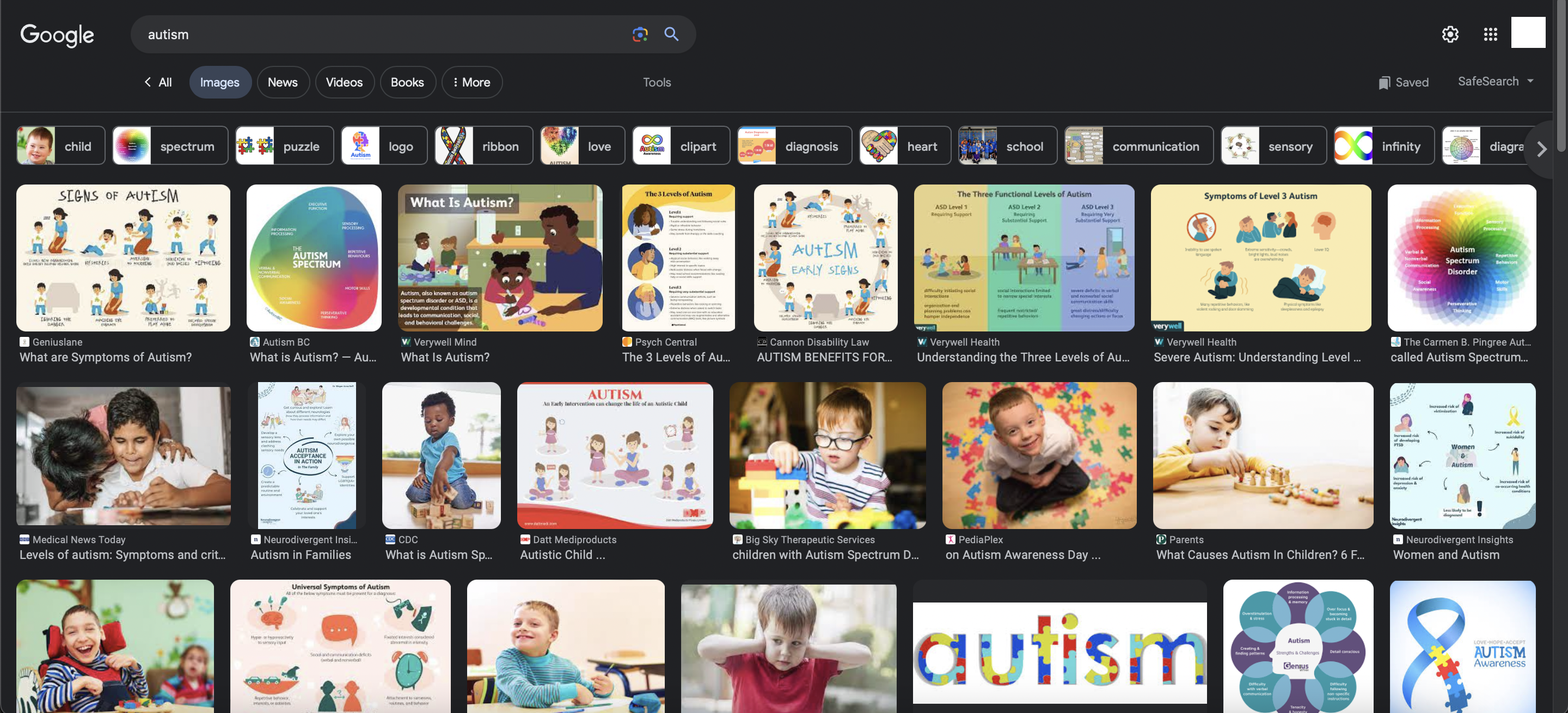
A google search of the word “autism”, showing almost exclusively young boys as examples.
The article on the infantilization of autism really made me think about my cousin who has autism. He’s about 3 years younger than me, so I’ve always seen him as a younger brother. However, reading Stevenson’s article made me wonder if myself and my family have been infantilizing him in some ways. In a lot of ways, he’s like a stereotypical teenager. He can be moody, he likes alone time, and he likes video games. In some other ways, he still enjoys a lot of typical “kid” stuff. He likes Dora and YouTube Kids, a lot of his favorite toys are children toys, and many of his favorite songs are kids songs. Basically, he’s pretty unique in his interests, and doesn’t necessarily act like a stereotypical kid or teenager.
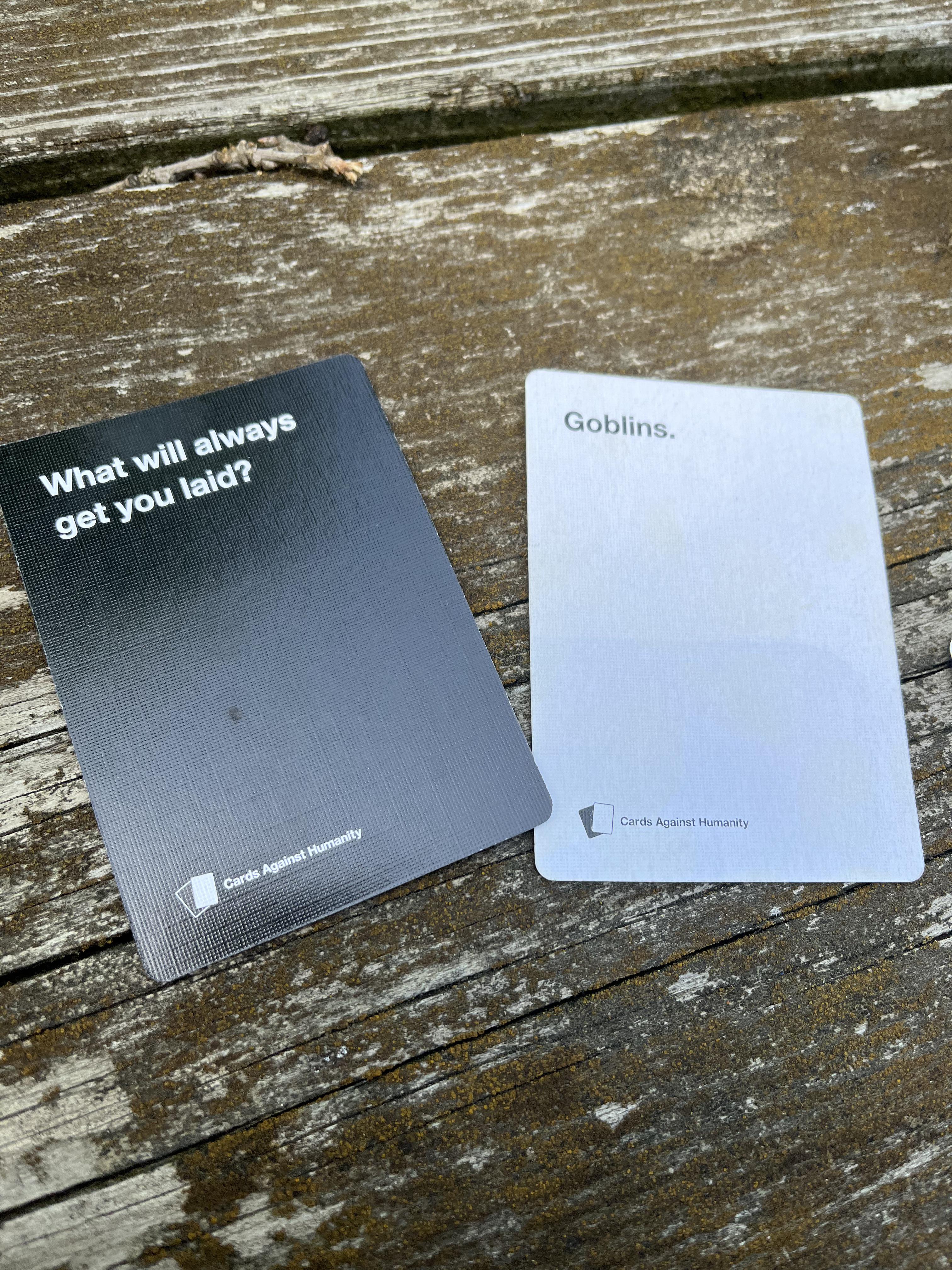
A few weeks ago, he discovered Cards Against Humanity and has been reading the cards out loud. If you don’t know about this game, the whole point of it is to be as offensive as possible by combining two different cards (I put an example as a picture). My family was a little conflicted as to whether or not they should stop him from reading the cards. Their first reaction was to stop him because what he was saying was inappropriate to them. But when they considered his age, they realized that it’s actually pretty normal for teens his age to like offensive humor. It was interesting to me that this was our first reaction, and I’m not sure if it’s infantilizing him or not.
On one hand, we don’t want to treat him like he’s a kid. We shouldn’t completely shelter him from the world, he’s a teenager now. On the other hand, we don’t want to set a bad example or have him repeat the things on the cards in an inappropriate situation. In the end, we decided to let him keep reading the cards out loud, but to just let him know that they’re intentionally offensive and not the way people should talk to each other. Overall I think we handled the situation well, however, I think that it shows that we have a bias towards seeing him as a kid that we have to think a lot about to correct. I think that this bias is definitely perpetuated by the media and autism charities that only depict autistic people as kids.
A picture of two Cards Against Humanity cards, one says “What will always get you laid?” The other says “Goblins”
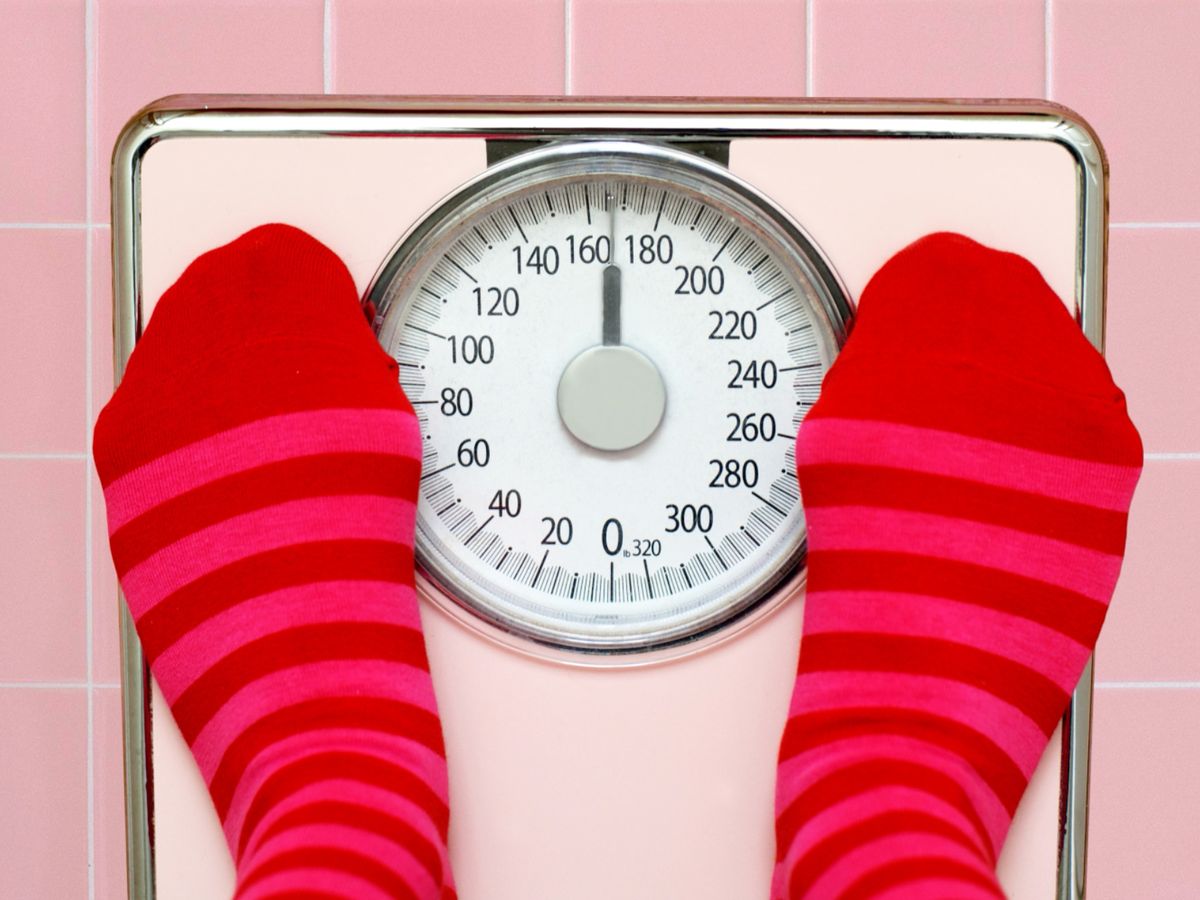
When is the last time you stepped on a scale? Did you like the results? I’m pretty sure you immediately thought about ways to lose weight and fast. No one wants to wait months or years to see a noticeable change. For as long as I can remember, society has specific guidelines on what a “perfect body” for a male and female. The characteristics are different, but the goal is to look good for others, no matter the cost…to one’s mental or physical health. When we do not have the body of what society deems “beautiful”, we sometimes may go to extreme habits in order to be excepted. Have many diets have you been on? Counting calories, eliminating carbs and sweets and implementing more fruits and vegetables in your daily routine? We will often try anything to look the par, but the methods do not stick because we are too busy trying to be accepted instead of being healthy. For example, when women give birth, often times their goal is to get back to pre-pregnancy weight or being labeled a “MILF Mother I Like to Fuck). In order to achieve this sometimes u realistic goal, rather than exercising and changing eating habits, one may look for a quicker approach, such as diet pills, special drinks and bars, insane diets such as only eating watermelon each day for a specified number of days (watermelon challenge) and the new craze, Ozempic injections. For me, I never really paid any attention to this weight loss drug because I am not a fan of needles (tattoo needles are not the same) and was under the impression that only Hollywood uses this drug, which from the before and after transformations that I’ve seen, do in fact look incredible, but at what risk? I took some time out of my day and listened to a podcast by Mike and Aubrey titled Ozempic. I learned a lot about this drug and came to the conclusion that it isn’t right for me and for those that use it without a medical reason are selfish. This drug is also the main ingredient that is used for people are have Diabetes. At the height of the Pandemic, the diabetic patients were rationing out their medication because people were purchasing it for weight loss. This drug has some unkind side effects such as regular gastro issues, acute kidney disease, gall bladder cancer, pancreas and other issues. If you are a healthy person, taking this drug has the potential to make you sick, but because society classifies beauty with weight, the scales should not be tipping with weight, but tipping with how much weight one has lost. Are you comfortable with yourself to lose weight the old fashion way or do you use a scale?
“Are you autistic?” A peer asked me recently with a genuine look on their face. They quickly added that they were on the autism spectrum, and were just trying to see if we shared that in common. I shook my head and politely said “No, I am not autistic specifically, but I have other neurodivergences.”
I’ve probably had this conversation, if in different words, over a hundred different times. I know I share a lot of traits and experiences with people on the spectrum, and a lot of people in my life from family, friends, and acquaintances, to near strangers, have seen that and mentioned it to me. I know that I do not always pass as neurotypical, and that is bound to raise questions and assumptions. I don’t mind explaining myself, I am used to it.
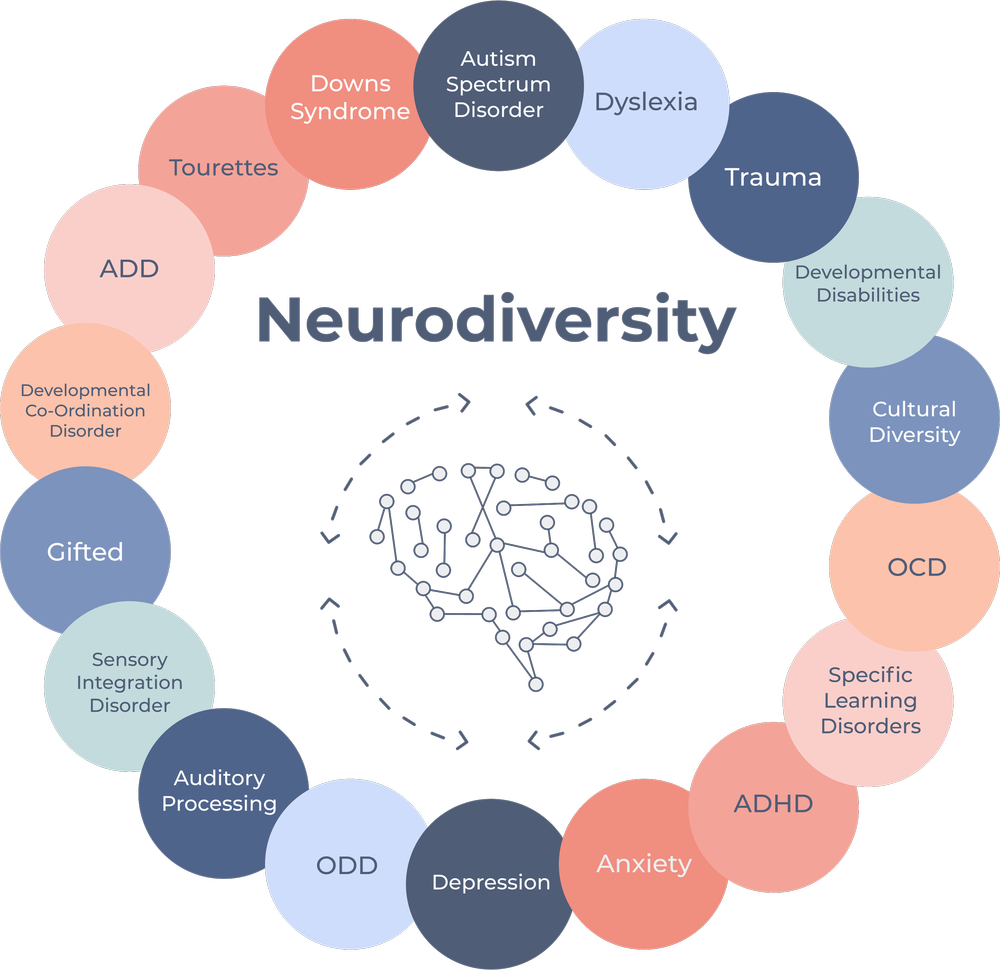
A lot of people seem to think that ‘neurodivergent’ just means autistic, and that’s not true. Neurodivergency encompasses all kinds of neurological differences (see graphic below for examples), a lot of which happen to have overlapping traits. For example, sensory issues, stimming, hyperfixations, lack of social awareness, and meltdowns are all traits associated with autism that all also occur in other neurodivergences. I have been tested for autism on three separate occasions in my life, and despite having all of the aforementioned traits I have always been told that my autistic traits are better described by other neurodivergences.
Like I said, I don’t mind people assuming or asking if I am autistic. What I do find annoying is when I explain that I am not autistic and I am not believed. People who barely know me have listened to me explain the previous paragraph and responded with things like “it’s ok to self diagnosis as autistic though, you don’t need a diagnosis” and a recent example “Oh, don’t worry I know lots of people who have only realized they are autistic once they get to college.” I know people mean well when they say things like that, but it just feels like I am being contradicted about my own identity, or that the people telling me those things think they somehow know my experiences better than me and my psychologists.
Why is it that when men sleep with multiple women or have multiple partners that its empowering and applauded, but when women decide to experiment and embrace their sexuality they’re shamed? Growing up I’ve seen the different ways that sexuality has a huge double standard. But I feel like as long as both partners are being safe and considerate, why does it matter who sleeps with who? It’s not like it effects anyone else’s life other than the ones involved, but yet someone always has something to say.
Girls are always told while growing up if you have multiple partners throughout your life time that you are of lesser value then someone who has waited to save themselves for marriage or someone that has slept with only one or two people. But in reality, just because you haven’t had as much experience it doesn’t make you any different than someone who has lots of experience. Sometimes women feel the need to experiment with their bodies, just like men do. Women just want to feel pleasure, just like men do.
This generation of young adults are completely shifting the views on sexuality and what is now considered ‘normal’ and ‘acceptable’ and it’s amazing. But let me say this, no im not promoting people to sleep around, catch unnecessary bodies and to be unsafe because there are still things to worry about such as disease and unwanted pregnancy. All im saying is stop demonizing women that also enjoy sex and don’t want commitment. There are now female artists that talk about their sex life in their music, such as Nicki Minaj, Megan the Stallion, and Sexy Redd. But it’s not just about sex, it’s about female empowerment, it’s about women being able to express what they like and what they don’t like.
Being neurodivergent means a lot of different things to a lot of different people. Being neurodivergent to our family just means being normal. It’s hard being different, it’s tough trying to be strong all the time for a kid that’s just like you and trying to tell her one day it will be different and she will have a ton of friends and life will be fantastic and people won’t be assholes-but I can’t. Because I am her. I can’t show her a better future where people are better when people aren’t being better to people like us. So I mask and I stay quiet and keep to myself and try not to make friends because losing them is harder than making them. And making them in a world full of technology- when you are neurodivergent and well-me… it’s even harder. So I write, and I fight for others to get what they need. Racial equality, Reproductive justice, HUMAN RIGHTS, EQUALITY?! We all need to be better humans. Our kids deserve better.
for the past 3 weeks or so I have been attending a weekly catechism class to complete my confirmation, whatever that even is. I was raised Catholic so i know some of the basics, i mean i’m baptized and i did my first communion and i went to church every sunday and on holidays, but that was like 10 years ago i don’t go to church anymore and i rarely pray anymore. My personal beliefs, morals, and sexuality have been victims of the catholic church and it feels alienating to be back at the church I grew up in just so I can be my nephews godmother once he inevitably gets baptised and most likely gets put through sunday school just like i was. My mom has gotten way more religious in the last ten years, so she’s involved in everything catholicism. I am bisexual, fat, pierced, awkward, and my spanish has gotten worse and these are spanish catechism classes. A lot of the “students” are people my moms age or a few years older than me, I get a lot of stares and I feel like the teacher targets me and acts passive aggressive towards me because she somehow knows based on my embodiment that I am out of place.
Anyway that’s just some backstory, this past monday we ended up talking about children and how some people in the mass get annoyed when parents bring their loud kids to sit with them in the pews instead of staying in the blocked off “lobby” area where parents are encouraged to take their children when they start acting up. A young woman who has a son with autism spoke up and asked “what about parents who have children with autism? how do i get my son to become more involved with the church?” She also added that he is hard of hearing and they communicate through ASL. This mother seemed almost desperate for an answer, I felt sorry for her because I could tell that she struggles with her sons disabilities. The teacher said something along the lines of pray to god for guidance and teach your son how to properly behave in certain settings, in this case when attending sunday mass. This was not the answer the mother wanted because she then reiterated her question in hopes of getting a better more concise answer. The teacher, realizing maybe she came off in a bad said that she understands the struggle because she too has family members with autism who, by repetitive action/instruction, are “by the grace of god” able to participate in religion as would a “normal” person. Her response still rubbed me in the wrong way, she made it sound like you can pray autism away, that it’s just another thing to beg god to make better. There is a weird thing that happens in some hispanic households in which parents will either ignore or deny that there are certain behaviors in their child that raise certain flags. Usually due to pride, autism is seen as a punishment, extra work, and extra sacrifice. At least this is how i’ve come to understand autism from the perspective of people who oftentimes come from developing countries where ASD isn’t *diagnosed as often. Keyword diagnosed because it is definitely still prevalent, parents just don’t take their kids to the pediatrician as often like they do here in the U.S.
I can recognize that faith in whichever way plays a large role in people’s quality of life, but idk catholicism is strange and having been away from religion for so long, some of what is discussed and believed feels so extremist to me. We are all part of one body, we are the church of god, in order to be saved we must spread the “truth” whatever the fuck that fucking means. The other day this teacher woman said that yoga is bad!!!!!!! because the movements are based in prayer/meditation that is centered in the self and not in god which is SINFUL!!!!! WHAT DO YOU MEAN?!?!?!?!? my nephew is lucky I love him enough to put myself through these weekly classes until literally NEXT SPRING!!!! I’m only doing it for the title of godmother and for the love of my nephew.




 Unruly Bodies