“I’m Not Racist, I Have a Black Friend”

“I’m Not Racist, I Have a Black Friend”

For years, I have heard everything under the sun when it comes to being one of the “only’s” in my group. As an adopted and mixed biracial child (27-year-old kid at heart currently), who lived in the mountains of Maryland as a teenager, coming to grips with how the world might view me and my curly-headed naivety was rather unnerving. I came to understand the reference of being the token black friend that allowed for the N-word pass or in other cases, being the only black friend in the class, group, seminar, etc. These experiences heavily shaped my perception of what it means to deal with race.

Personally, I am under the belief that Racism and Phenomenology go together and proclaiming to not see racism or ignoring the effects of racism on our current/past generation(s) is just downright sad. Phenomenology, or in my opinion, the study of the first-person point of view, can contextually be used to define how one person may “feel” in multiple facets of life. Regarding racism, are we to ignore any subject or mention of race, because it did not directly relate to our own lives? Or is race completely made up, and another reason for people to divide themselves from another individual or group?

The biggest change in my feelings of being different, and knowing that I was one of the only’s, came to me when I first heard the N-word, with a harsh r, referenced by a classmate in 9th grade. While it wasn’t said to me directly, it made me immediately focus on the issues behind the people who cannot or will not, for the lack of a better term, filter between what is racist and what may just be an awkward-ass conversation. Being raised within a school that was predominately 95% white was different, but fitting in and being myself was never an issue for me. Hearing the term, “I’m not racist, I have a black friend!” or “you’re not a black person, you’re white” was all predicated-on ignorance and a lack of socialization. I didn’t understand at the time, the importance that we placed on color, but I know what I experienced can be directly linked to misguided views and the sum of young adulthood. Looking back, it’s comedy. Which leads to my understanding of what phenomenology is. Color me shocked after spending at least – 30 minutes thinking deeply about what this long word could be condensed into, but I think the first-person point of view is a great example of what this study means.

When it comes to my personal experiences with racism and bigotry, I feel as if the instances I experienced as a child paled in comparison to others. While extreme to some, I would classify these lessons as just that – lessons. I fall somewhere beneath the idea of creating your own destiny and acknowledging the effects that racism may have had on our entire society. Personally, these instances did not break me and made me even stronger. Hell, now that I am slightly older and have experienced a gumbo-sized stew of diversity in Texas, race means nothing to me. We’re all different and accepting people as different is the key.

As a child, I “felt” as if what I experienced was profoundly true. Even if I was the black friend, call it racist or not, what did that other person feel when they muttered the N-word? If it was of no malice, it’s hard for me to take that comment personally. If I meet someone from a completely different location, that had a different lifestyle than I do, how can I not look at them and wonder where their family tree stems from and how that influenced them today? Asking these questions and looking deeper could 1000 percent be me overthinking, but I think that’s exactly what the study of the phenomena is; putting yourself in another person’s perspective and “feeling” (or at least attempting to understand) why they feel the way they do. Hoping for awareness, I have faith that talking and sharing our experiences as a society can aid in the attempt to ensure blatant racism does not continue to effect generations to come.
Acting like a female

https://seedandspark-static.s3.us-east-2.amazonaws.com/images/ProjectImage/000/034/263/large/ALW%20thumbnail%20FINAL%202.jpg?cb=34263

For as long as I can remember, men are not encouraged to be emotional simply because “you don’t want to be a bitch.” It is like an unspoken rule everywhere because it was the case in East Africa, Congo, Jamaica, and now in the United States. I remember back in my early childhood, whenever I fell and hurt myself playing outside, the people around would just whisper “shhh shh stop whining, be a MAN!” It was so engraved in me that every time I saw a boy crying, I would view him as weak, and incompetent; real men don’t cry. However, whenever I saw a girl crying, the first thing I would think of is “I wonder what is wrong with her? Does she need someone to talk to?” As I grew up and started experiencing more of life, I got that revealing moment like “Ok, I see why people cry now.” It’s not a secret that life gets hard. It will get hard for everyone no matter their background, and every once in a while, you will reach a point where you just have to let it all out. 

In my case, I found it difficult to cry, for instance, l will get really emotional but nothing will come out; no tears. So, I will end up forcing it out but to no avail. Next thing you know I’m on YouTube watching sad videos hoping they will pull a tear out of me like my situation isn’t terrible enough. An hour in after doing everything in my power, guess where I end up? On google just like every sensible person. There I typed, “why won’t tears come out when I cry.” The results were varying but I found it funny how one of the results was “you live in a dry climate; therefore, you don’t have a lot of water in the body.” I knew right away that this didn’t apply to me because it was a humid summer evening in Maryland and I sweat all the time. After a considerable amount of reflection and reading sources from mindbodygreen.com, I realized that the reason I won’t fully cry is that I won’t let myself get there, and that is because of all the cultural stigma that has been ingrained in me for years on end. Crying puts you in a vulnerable position and that can be hostile because we grew up seeing people get shamed and called names for simply expressing their emotions. It is very unfortunate that some people end up taking their own lives because they don’t feel comfortable or scared to express their emotions, so they end up burying them deep inside them until they can’t anymore. According to ourworldindata.org, men are twice more likely to commit suicide compared to women and the main reason is that most men would rather take their own lives than put themselves in a vulnerable position like sharing their deep feelings with the people around them. With proper education and awareness, we can eradicate stigmas like this and make it a safe place for everyone to share their feelings and have them be heard by someone. Just like the article by Iris Young Throwing like a girl, some actions and ideas just should have a gender attached to them because not only are they offensive, they can be hostile and take from one’s wellbeing.

Sorry I Can’t Come, My Anxiety Wore Me Out

All my life, I’ve been fighting through mental illnesses since far before I was aware of it. The first battle was learning how to function with bipolar disorder and depression. Then I jumped right to dealing with my eating disorder. Trichotillomania was next. When I finally had everything sorted out this summer, I felt myself sighing in relief. It was hard, but I could live now. Sure, it’s still extremely difficult, but at least I have a little bit more of a handle on life than I ever had.

And then anxiety showed up.

Continue reading

All my life, I’ve been fighting through mental illnesses since far before I was aware of it. The first battle was learning how to function with bipolar disorder and depression. Then I jumped right to dealing with my eating disorder. Trichotillomania was next. When I finally had everything sorted out this summer, I felt myself sighing in relief. It was hard, but I could live now. Sure, it’s still extremely difficult, but at least I have a little bit more of a handle on life than I ever had.

And then anxiety showed up.

Continue reading

When Failure is Radical.

Affirmations from an unreliable drop out

I have failed to work with a system that prioritizes productivity over personhood.

I have chosen moving forward over suffering

I will accept myself to spite a value system that does not want acceptance – but always striving for “better”. If I internalize it, that I am always striving for “better”, then I build a comfortable place for the belief that I will never be enough, to rest upon. Instead, I will build space within myself to be less than ideal. 

Continue reading
Medication Minefield

Medication Minefield

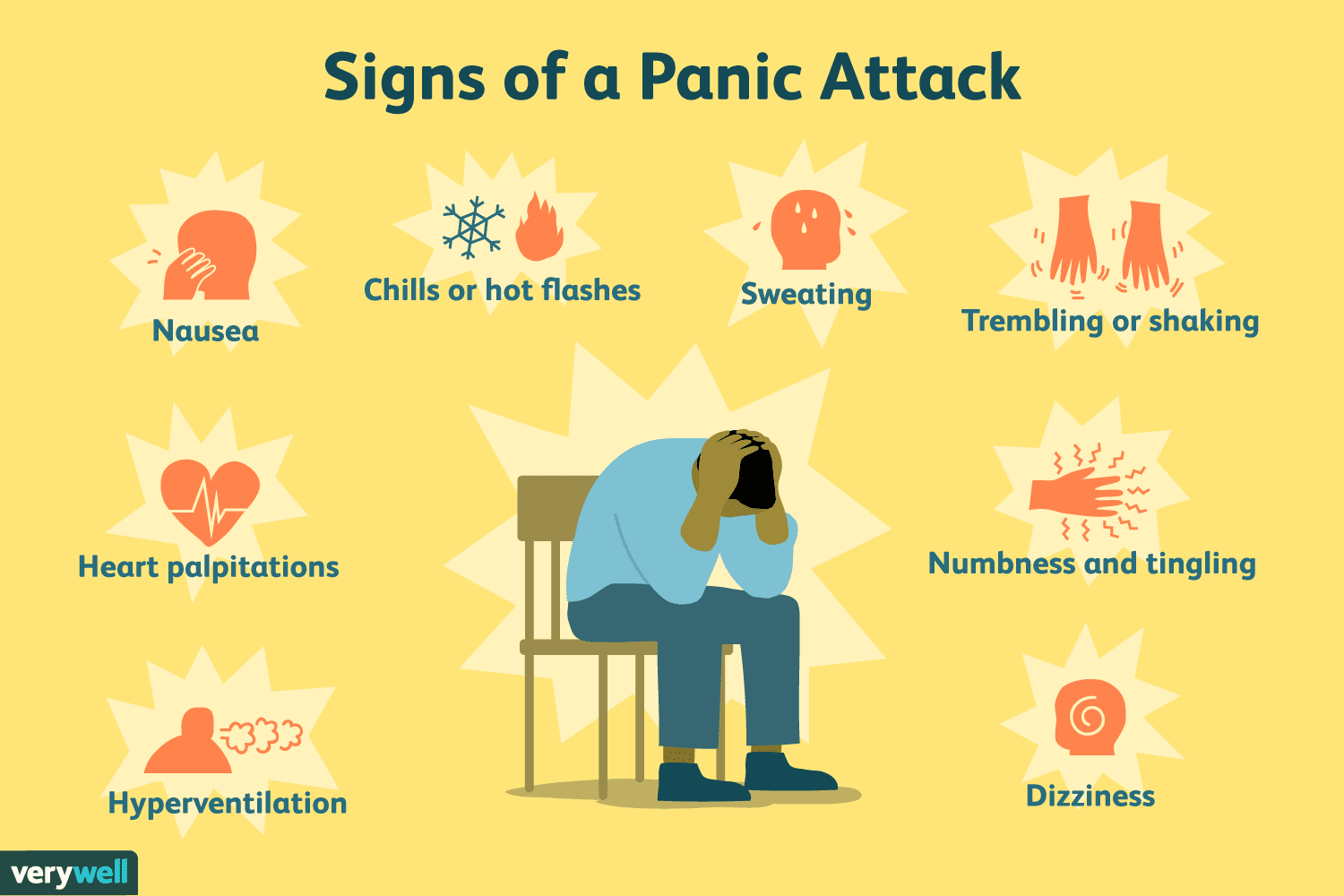
Like many people, I have encountered many mixed messages regarding medication for mental disorders. It seems like everyone has an opinion; some are adamantly pro-medication, others are more against it. I have anxiety, and the decision to go on medication for it was not a decision I made lightly. In January of 2020 I started taking Celexa, an SSRI. I was miserable; anxious all the time, my panic attacks were occurring more frequently, and my brain just would not turn off. I had insomnia and felt like I was losing my mind.

The first week of taking Celexa was pretty rough. I had a persistent headache and always felt dehydrated, no matter how much water I drank. As the weeks turned into months, the side effects went away, and I did start to feel better. The noise in my head was quieter, and I was better able to manage the physical symptoms of anxiety.

By October, I had started feeling worse. My panic attacks were coming back, so I felt like I needed to increase my dosage. Big mistake. That was a decision I made in the heat of the moment, while I was upset. I got another migraine, this one lasting for days. The dehydration got worse too, and that’s when I decided I didn’t want to do this anymore. Without telling my doctor (I do not condone this, but I can be impulsive sometimes) I started tapering myself off Celexa completely. I decided that the side effects were too much, and that I had learned enough coping mechanisms through psychotherapy that I felt I didn’t need medication anymore.

I did what I felt was right for my body, and I’m so glad I did. My gut was right in telling me that I didn’t need medication anymore. It was tough to deal with my “raw” anxiety, and I still struggle sometimes, but I had truly underestimated the skills I had developed over the past year to combat it. I am headache free, normally hydrated, and my sex drive is back (that was another unfortunate side effect).

I still think medication can be a wonderful thing, and I am an advocate for people doing what they feel is the best choice for them. Everyone is different, and it is important to be informed so you can make the right choice for you. You know yourself better than anyone, so trust your instincts!

Say Something?

     As I sit here trying to think of a topic to write this last blog on, I can’t help but reflect on how the semester went in this class. As I think about all the theories that were explored, new opinions, debates, and perspectives that I encountered, I found that I learned a lot, not necessarily from reading the readings, but rather from the class discussion and from my fellow classmates’ interpretations. But I also realized that compared to many of my peers, I did not actively participate in the classroom discussions.  So I decided to write my final blog on my “quietness” in classes. Continue reading

Anxiety: A Common Body Story

I have Generalized Anxiety Disorder, which means my brain doesn’t know when to stress out about something and when not to. Two of my closest friends also have anxiety, and in a weird way I think it’s made us closer. The stress from our anxiety affects our minds and our bodies. Continue reading

The Body and How It Changes

Disability is an interesting subject when one gets truly down to it. What is considered a disability and what is not also varies. Mental disabilities, physical disabilities, these are both types, but what about when there is a confluence of two of three types all at once?

I call that, when I am referring to my own situation, being trans.

Continue reading