“Homosexuality is a Sin”

“Homosexuality is a Sin”

Ever since when I was in Kindergarten, I would develop little crushes on boys. I would feel very weird about this feeling because I was a boy myself and I would think that boy who crush on other boys was not normal because the norm was opposite genders were suppose to crush on each other. I knew that I was different in terms of romantic interest when I was a young boy but I had no idea what was the specific term was for my attraction to the same sex and I did not what to identify as. When I was growing up, I had a lot of male friends that I would play with. I would participate in a lot of “male” activities where other boys would like to express their masculinity a lot. They would always tell other boys stuff like “That’s so gay.” or using the F word to call them out on something is not so masculine or weak. When I was little, I did not necessarily know what those terms meant at the time. It was not until people would question my sexuality asking me “Are you gay?” that I kind of interpreted what what my sexuality is and what it meant. I started to get the idea that homosexuality especially in males was looked down upon and not welcomed in society. I also remember one time when I was a pretty young kid, I was over my Uncle house and we had decided to go to church one morning. My Uncle had heard something on the radio while he was driving my siblings and I to church and the topic had something to do with homosexuality. My Uncle turns to us and basically tells that homosexuality is never ok and is not how God wants us to be like. Homosexuality back then was very frowned upon in society and I think sometimes Christianity can portray it as being a big no no which is sad because I am a Christian myself. Also, a lot of kids back in the day in grade school will torment and bully kids if they subjected any feminine traits in boys. I feel like because of this and the fact that homosexuality is not really talked about enough in society, growing up I always thought homosexuality had negative connotation so that’s why I ended being in closet about my sexuality until after High School when I was 18 (I am 23 years old now). One of the main reasons why myself lacked the knowledge other sexuality identities and sexual orientations other then my own is because grade school or society in general never really brought up LGBTQIA+ views at all because of the topic being very sensitive. I feel like it is not until more recently that TV Shows, movies, social media, news, and other sources have expressed and supported LGBTQIA+ more in society. Around the time when I was in High School, I would start to notice other boys who were like me as well girls who identified as Lesbian and transgendered individuals. I would see that some were very open about their sexuality and I started watching a lot coming out videos on YouTube across the LGBTQIA+ spectrum. Gaining more knowledge of the community encouraged me to finally came out of the closet to my family. I use to think homosexuality was like a crime in society, now seeing different sexual identities and sexual orientations and the support of LGBTQIA+ rights by straight people also, I feel that it is most important that people should be comfortable in their own skin at the end of day and never hide your true self. 
How to: be an ally

Photo by Pixabay on Pexels.com

What do we want? Justice. When do we want it? Now. A chant that is used for every protest against injustice. Although it is empowering to be a part in making a change and fighting against injustice, I often wonder why it even takes place to begin with. This whole course has been about people fighting for their rights and justice, but when you think about it, they are literally just fighting to be treated fair or equal, which breaks my heart. Especially in our last section of invisible, chronic, and neurodivergent disabilities it just further saddens me to know that the injustice seems to be endless. As I’ve tried to learn about more subjects, I find it weird that some people could deny anyone basic human rights. Watching every person with a different color, gender, or disability get mistreated gets exhausting, and I am just a watcher. I cant imagine the exhaustion that someone struggling with this must feel, and I want to help in any was possible

Growing up very sheltered and naive to the hardships of the world I was very unaware of many of the injustices that took place, but also the subject themselves such as autism, chronic illnesses. How invisible something can be to everyone else but the person that has it, and in that case it takes so much room up in their life. I’ve recently got diagnosed with a chronic illness, and it wasn’t until recently that I’ve seen how much time and effort it takes up. I understand that its not the same as a lot of subjects learned about in class, but its given me more compassion for the people who deal with so much more that i was naive to beforehand. Although I can’t blame myself or my family for never understanding subjects, I now sit and wonder how I can make up for the time I went around not knowing about these disabilities. I want to be an ally or a partner, but understandably, I know some groups don’t want people to stand with them, but instead to highlight them, and I want to know how to do that (if thats the best thing to do).

i dont look autistic, whatever that means

i dont look autistic, whatever that means

Wow, I never would have guessed, you don’t look autistic. Are you high functioning? You must be, my little brother is high functioning… I couldn’t believe that I was being asked that in the middle of a party. Language surrounding autism and other ‘disorders’ is so, and i cannot emphasize this enough, important to learn, especially when you interact with people from that community on a daily basis. Language surrounding autism in particular has changed a lot over the past decade as people with autism have stepped more into the spotlight of entertainment media and social conversations.

This idea of “looking” autistic is absurd to me, and the idea of not looking disabled stems from related disability to intellectual or physical disability. It’s so interesting to me that people feel the need to comment on my ability to blend in due, in part, to pretty privilege. My attractiveness helps me further mask my autism, and although that is in part a privilege, it also assists in further disabling me in many social situations. By not looking autistic people assume that I view and function the same as them within social situations, specifically when it comes to communication. I am so tired of having to put every ounce of effort into deciphering the hidden meanings of the actions of neurotypical people. Unless something is clearly communicated to me, I will misinterpret what you want and are expecting of me. Being autistic, I am prone to being manipulated, and I find that happening to myself over and over again. People take advantage of the fact that I am autistic without even meaning to, and I end up anxious due to not understanding the social expectations of me.

This post was honestly going to be more positive, and was going to be an attempt at educating non autistic people about my autism, but to be honest, I am tired of having to be the bigger person and practice patience when it comes to people being ignorant about the existence of my autism as well as basic terminology surrounding it. As a person who is the part of a marginalized community, such as the disabled community, it should not be our job to educate people on our condition. Unfortunately, that task does usually fall to the marginalized community. As someone who doesn’t look disabled, whatever that may mean, I am able to blend in if I want, I don’t always have to be clocked as disabled by others. This makes me feel as though I owe something to the wider disabled community and should be the one educating others, which I have to remind myself is not true. I wish the abled community took a bigger interest in educating themselves on how to interact with people with disabilities, whether they may be physical, intellectual or mental.

Being a caretaker

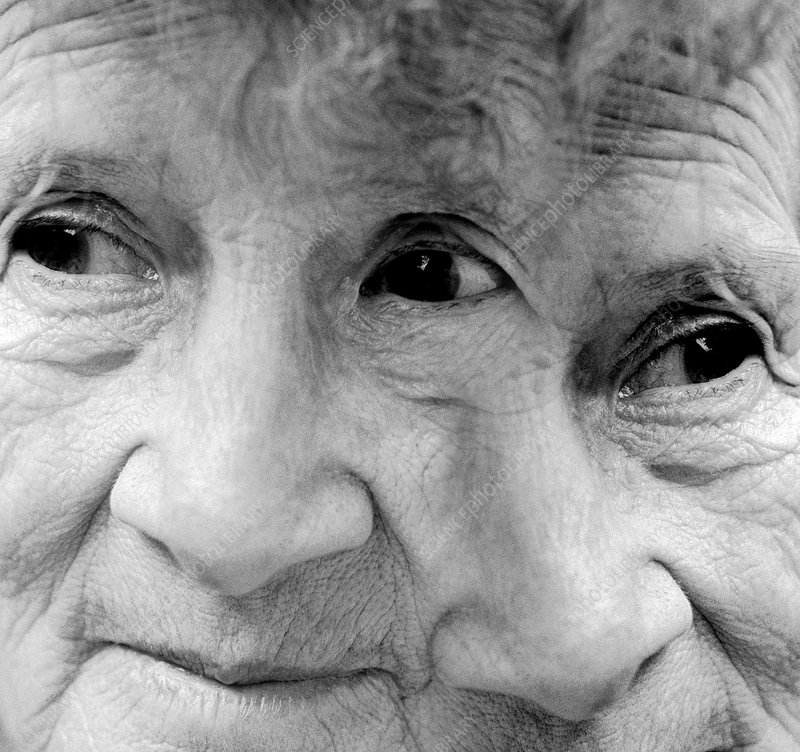
Dementia, conceptual image. Composite merger of two images of an old woman's face. This image can represent ageing disorders such as dementia and Alzheimer's disease, where mental faculties and memory decline due to degeneration of the brain.

Middle school through high school I helped my (immediate) family take care of my grandmother with dementia. It was hard to deal with, both emotionally and physically. My aunt and uncle told my mother, “if you wanna send her to a nursing home we understand”, but we didn’t want to. It’s so commonplace to just throw someone away when things get rough (not to mention the abuse that goes on in places like that!).

It’s like she lost value as a human being because she was old, because she had developed dementia. When my grandmother would get upset (because she was often confused about what was going on) it made people uncomfortable, they would stare, or they wouldn’t engage with her. 

Continue reading

The thoughts of a bedridden person

To be completely honest I was going to write about something completely different. About my mother’s cancer and how that has all affected us. Blah blah blah. See, it is not really something to laugh about but people in our society tend to take invisible illnesses, like chronic illnesses and make light of them, almost like they are not real. But here I am, sitting in bed with 102 fever because I picked the lucky person and sat next to someone with Covid. Hacking up my lungs is no fun. This is something I believe we can all agree on. And to be fair this is just an all-around shitty situation.


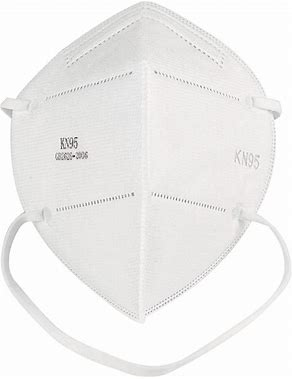
Now it may seem like I am just another left leaning snowflake complaining about how people won’t wear their masks, (whatever that is) and honestly, I am. I am complaining, because I am tired of being sick. This is just plain stupid at this point. And of course, the average person nowadays can ease up their mask wearing. But this started all the way back in the beginning of March 2020.
Because of my chronic illness, my response to covid is far worse than the majority of people in this country. I do not blame anyone, as that would not be fair, well maybe Trump for politicizing masks, but that’s a whole other demon to slay later on. I just have to take into fact that this world was not made for me. I can’t live in a perfect bubble my immune therapist wants me to, so I take that risk. And I take it with both feet forward. Because what else can I do? Yes, I can petition and stage walkouts, but who really cares in our society besides the people it directly affects? This is the real problem that I am mad about. People just don’t seem to genuinely care for others. Creating this world that benefits them. As these people can walk, talk, and live freely without wondering if there’s a ramp or is this the day I finally am going to die.

Mental Challenge 

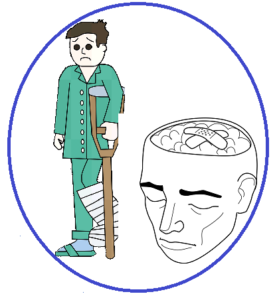
Mental disability and physical disability are often spoken about in the same breath, lumped together as though they were the same. However, mental disability and physical disabilities are present in quite unusual ways.

Disabled veterans often face unique challenges when it comes to their disabilities. Mental disability often goes unseen, while physical disability is immediately apparent. Mental disability can be just as disabling as physical disability, if not more so. However, mental disability often goes undiagnosed and untreated. This can be especially true for disabled veterans, who may not seek help for mental health issues because of the stigma surrounding mental illness. Disabled veterans may also feel like they do not deserve help or that they are not entitled to it. This can lead to a spiral of mental health issues, as the veteran becomes more withdrawn and depressed. Disabled veterans may also have a challenging time readjusting to civilian life after their military service. The structure and support that the military provided are no longer there, and they may feel lost and alone.

Veterans with mental disabilities often suffer from depression, anxiety, and post-traumatic stress disorder (PTSD). These conditions can be exacerbated by the stress of dealing with a physical disability. Veterans with mental disabilities may also find it difficult to socialize and form relationships. They may feel like they are a burden to others and that no one can understand what they are going through. This can lead to isolation and loneliness, which can further worsen mental health issues. Disabled veterans often find themselves in inconvenient situations. In addition to the challenges they face, disabled veterans also must deal with the stigma of being seen as less capable than their able-bodied counterparts. They may also have a tough time finding and keeping a job. Veterans with mental disabilities often find themselves unable to work, and as a result, may be unable to support themselves or their families. This can create a significant financial burden, as well as a tremendous amount of stress. This can create a few challenges for disabled veterans, who may find it difficult to get the benefits they need and deserve.

Interview with Someone on the Spectrum

“Buck”, 25, is an able-bodied white transgender man (he/they pronouns).

Read more: Interview with Someone on the Spectrum

Q: When did you first suspect you were on the autism spectrum? How did that feel?

Buck: That’s a two fold question. I didn’t have the thought until the last few years that I could be autistic, but I have always known I was weird/different growing up. I knew I was different in elementary school, but I never had a word to explain it until now. But having since found the word to explain why I’m different, it was nice. It explained a lot, but it was also difficult because all of the autistic people I knew growing up were on the high support level, and I didn’t have an image of what I was “supposed to be” as an autistic person.

Q: Would you say your experience is universal, or widely relatable within the autistic community?

Buck: It’s not universal, but probably individual traits or experiences are relatable. It’s a blanket statement that life events and experiences are not always comparable, since my life experiences have shaped how my autism presents – which is entirely different for any autistic person.

Q: What were things you recognized as autistic traits that you did in childhood, and now looking back you’re like “ooohhhh, okay, yeah, that makes sense”?

Buck: I was always the “stick to the rules” kid growing up. I thrived on routines, and was the “narc line leader” in school. There’s one experience where my daycare teachers told us to “grab a buddy” when going out to recess – and when we all went outside, no one continued to stick with their buddy. This stressed me out so much that I ran to the teacher and said, “No one is with their buddy! Do you want me to pair them back up?” to which the teachers went “…no, it’s okay.” When I got older, I then had a decade-long Harry Potter “obsession” (looking back, it definitely was a special interest) – I would discuss intricate plot points to family members who did not care, and had to have every book and read them all (even if it meant buying them on vacation).

Q: What is your favorite stimming activity? Can you describe it to me?

Buck: Oh, I dunno. I’ve learned to mask all of my stims growing up, and I feel like I present stimming in a different way than others. My favorite would have to be scream-singing along to a song in the car, it’s a whole body sensory experience for me.

Q: Do you feel the world disables you as a person on the spectrum? Do you think the world disables other people on the spectrum?

Buck: Like, yes, but I struggle with the word “disables”. I personally have other characteristics that put me at a privileged place to where people will overlook my autism and instead describe me as “eccentric, easily excitable”, etc. Because I am male passing and white, that makes it easier to overlook. I think the world definitely disables autistic people, especially those with higher needs of support. There’s a spectrum, just like autism, where the world has effected people with autism based on their other identities, how they grew up, etc. It’s all intersectional.

Q: What is your point of view on identity-first language? How would you prefer to identify?

Buck: I prefer identity-first language (ie. autistic person), because I can also view it within the context of being transgender. It’s weird to me to be called a “person of transgender experience”, right? It feels like people are trying to separate the identity from the person, but these identities are important to me. You can’t separate being transgender and being autistic from me. But I know that is my personal opinion and feeling, and if others disagree – that’s fine. But for me, personally, it’s identity-first.

Q: What is one thing you wish was less stigmatized about the autistic community, or neurodivergent community?

Buck: Understanding neurodiversity in general. That people think in different ways. Not that there needs to be any accommodations to these different ways of thinking (because I wouldn’t know what that looks like), but just the idea that the way information is presented in a “normal” way doesn’t mean it’s the “right” way of presenting this information. Just the acknowledgement in schools/workplaces that there’s thinking in different types of ways across the board.

Q: Is there anything else you’d like to say or want people to know about you?

Buck: Nope! Thank you.

Being Bisexual

I don’t feel like I am a part of the LGBTQ+ community, even though the “B” stands for bisexual. I am a bisexual female in a very happy and healthy relationship with a cis male. I see posts everywhere that make me question whether I am bisexual or not just because I happen to be in a relationship with a man. It’s a complex feeling, because I am attracted to both men and women; but have only been in two relationships, both with men. I struggled for a while fully coming to terms with my sexuality and didn’t understand at first that the feelings I got towards some women had the ability to be more than platonic. I think some part of me felt shame. Not in the sense it was wrong to have romantic feelings towards women, but shame in the sense of having the fear of being fetishized. So while some people make me feel like an invalid part of the community, I contribute to making myself feel that way. I do understand that me being with a man means that I do not experience the struggles that those who have partners of the same sex sometimes do (homophobia, general hate, nasty looks). I’m not sure how I can go about feeling more included and accepted within a group I support with my whole heart, when I feel so fake. I hope that this post makes some bit of sense.

some of my thoughts on the public school system

a graphic image of some children standing by their teacher. children have bookbags on and some have books in their hands.

the other day in class, we had a discussion about when we first heard of autism and/or neurodivergence. a lot of the answers included learning in school or from personal experiences. like most people, my elementary school had a special education class. because children are followers and since they don’t know any better, a lot of my peers would constantly taunt the students in the special education class. they’d find an excuse to walk past their classroom and make faces or obscene jokes. as a child, i did not understand why those students were made fun of or why they were in a separate class. even now i still don’t understand why.

Continue reading