A Mother’s Love

While doing my normal “news checkup” on CNN I came across this article that made me think.

The article is about mother’s with overweight toddlers who see it as normal, meaning they don’t realize that their child is overweight/obese.  As mothers we want to see our children healthy and happy.  But what does that translate to visually.  What makes us know or believe our child is healthy and happy.  Is it noticing some sort of growth and development as they transition through the phases of life?  Is it noticing that their shoes don’t fit and they’re growing out of their shirts and attributing it to them growing up?

Whatever the reasoning behind a mother’s sometimes flawed view of their child, it is becoming a concern.  A lot of these women don’t realize that their child is overweight which causes problems in and of itself.  It isn’t just cute little baby fat.  What can we do to correct these parents’ skewed views of their children in order to promote a healthier society?  Because obesity rates are skyrocketing in our society.  And we all know that children are vulnerable in many ways.  How we raise them is important because it’s usually an indicator of how life will turn out for them.  If they are obese as toddlers then it will not necessarily be something they grow out of.  And this could be extremely dangerous with our already ridiculous obesity rates.

http://thechart.blogs.cnn.com/2012/05/07/9-in-10-moms-see-overweight-toddlers-as-normal/?hpt=he_c2

Dysmorphic Friends

One of my closest friends is a fashion stylist. She chooses outfits, hair, makeup, and general looks or moods for photoshoots for natural makeup companies and independent designers. I have modelled for her in the past even though I am not a model and don’t look like a magazine model. I also model for my own Etsy store, selling vintage clothing. My friend has had eating disorders since puberty and I have not. I feel that her eating disorders are a sign of privilege and she feels that my “poverty genes” and post thyroid cancer synthetic metabolism are a sign of privilege. The arguments are frequent and comical.

I feel that it would be insulting to her profession and life’s path to say that her involvement with fashion feeds her disorder, so I often try to tell her eating disorders are a result of a sexist, competitive capitalism, a first world problem, and that if she stops aestheticizng the super young and super thin, wheat colored waify girls with vacant expressions, she won’t hold herself up for comparison to them. I tell her to keep her job but change her aesthetic, make it weirder, and I tell her she’s a misogynist. Then I go on like a hypocrite and smooth out my hair, put makeup on, and have my boyfriend shoot photos of me for Etsy, to make money. And I do make money. But recently, editing and cropping photos of myself, I feel like I look OOLLDD. So I call my friend and ask her for a disorder that will make me less old, less short, less frizzy, less dark, less tired. And there isn’t one. I’m really not sure what I’m aestheticising, but even though I’m perfectly happy with my weight I still feel the need to critically tear apart whatever I can about my own image, down to my assymetrical smile or uneven hair texture or slightly more almond shaped right eye than left one. Little little minute stupid details. All while knowing that I’m making this image public by my own free will, by my need to pay the bills and put gas in my car to get to school. Because those waify wheat colored girls are out there, and my tiny little capitalist enterprise is knowingly in competition with them, and growing up in the 80s and 90s, between Debbie Gibson and Kate Moss, I never felt that my features were pure or innocent, only exotic and “olive olive olive”, and now getting older.

Can a woman be this self-critical and also be a feminist?

Fed Up With Facebook

“Does she seriously think that she looks good???? Yuck”

“It’s like those ladies at the beach or pool who wear bikini’s and their fat it bulging out and yet they think they look good! Good enough to appear day after day like that! Ladies, think of how many eyes you are hurting!!! Lol.”

“She looks so ridiculous…cowhide, leather, beef jerkey, lost at sea…exactly. Attractive…NOT!!! She truly looks like she is in her sixties. Whether she actually brought the child into the tanning bed or not, she is a terrible role model. She needs some psychiatric help to get over that obsession with tanning.”

Although I am not the biggest fan of perpetuating harmful ideas in order to make a point, I am just about to do that. Even though I find the above comments repulsive and upsetting, I think it is important to pull them away from the Facebook context and to put them on here so that our blog readers can consider what they have been seeing on Facebook.

The above comments are in regards to the recent story about the mother who had her young daughter use a tanning bed even though it is against the law. I will be honest, I do not know a lot about this story, perhaps I would have read more about it if I hadn’t seen these comments on Facebook bashing her. I am not defending her actions, but I also want nothing to do with condemning her either, I don’t know her.

However….

If I were to take the route of acting like I know something about this woman, I would say that it does appear that she has some sort of disorder, maybe an addiction. If we look at the story through this perspective I wonder if these people who made the above comments would be saying the same kind of things. Let’s replace the addiction of tanning with alcohol. Would this public speculation even make sense anymore? Because of the physical marker of this disorder, people feel that they are able to openly comment of the “unsightly” nature of it. Then again, maybe these same people think alcoholics are disgusting too. The physical aspect of this disorder mixed with the chance to criticism a woman in her role of being a mother has created a Facebook freak show frenzy. How about we all do ourselves a favor and think before we post?

Henry Hyde’s Dark Legacy

Henry Hyde (R-Illinois) had a remarkably long career of 37 years in the U.S. House of Representatives, garnering his fair share of damnation and praise, celebration and scandal.  He was a Republican from Chicago who kept getting reelected, which was an achievement unto itself. He led the calls for President Clinton’s impeachment trial, although it was later revealed that he himself had at least one extramarital affair.

History, however, will remember Henry Hyde for a singular amendment that he attached to an appropriations bill in 1976, which barred federal funds from being used to pay for abortion services for Medicaid recipients, except in cases of rape, incest, or when the life of the woman was endangered.  Hyde was staunchly anti-abortion- this amendment was his way of trying to limit access to the newly-legal procedure by closing off the federal purse strings for it.  The law was upheld as constitutional by the Supreme Court in 1980, and has been attached to every appropriations bill for Medicaid since.

The Hyde Amendment was the first major victory for the anti-abortion movement, and this new tactic became a popular approach across government.  The Hyde language no longer covers just Medicaid recipients, but also those covered by Indian Health Services, the Tricare program for active duty and retired military, and every single health insurance plan offered to federal employees, just to name a few.  Hyde was even the inspiration for the Stupak-Pitts Amendment to the recent Affordable Care Act, which further reiterates that anyone who receives health insurance from the federal government will be prevented from seeking abortion care except in the most dire of circumstances.

It is perhaps the ultimate mark of a patriarchal government to control so completely the reproductive lives of those who are most directly connected to it, be they a Medicaid recipient or a front line soldier.  What is perhaps the most shocking thing is the complacency with which the average American faces this fact.  The majority of the individuals involved here- the poor, minorities, government employees, Native Americans- are part of groups so vilified by the media and public sentiment that it took many mainstream reproductive rights organizations until the arrival of the Stupak-Pitts Amendment, with its much broader reach, to raise the issue on a national level and tap into public outrage.

Still, the fight against Hyde is not a popular one.  There is a sense that those who rely so much on the government should be subjected to its rules, as though they were living under the roof of a strict parent.  Smaller organizations such as SistersongINCITE! and the National Network of Abortion Funds (NNAF) continue to press for the repeal of Hyde as part of a larger reproductive justice framework, and they are starting to gain some traction among younger activists.  In April, affiliates of NNAF raised almost half a million dollars through dozens of popular fundraisers to provide direct assistance to women who cannot afford abortion services because their insurance (in whatever form) does not cover abortion services.  The rising need seems to be being greeted by a rising tide of activism.

Henry Hyde left us an unfortunate legacy that far too many have ignored. Here’s hoping there’s still time to reverse it.

The Adipositivity Project

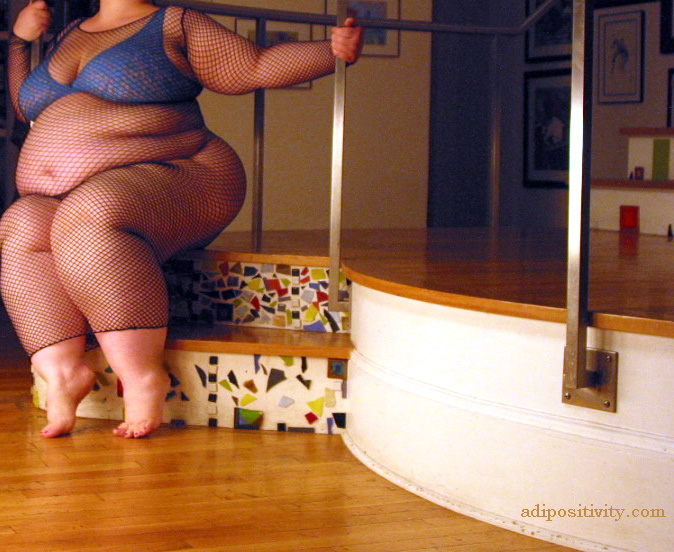
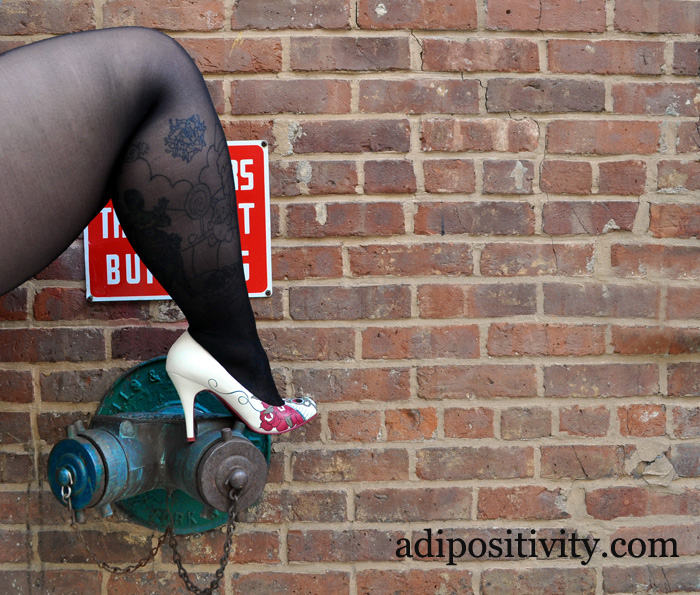
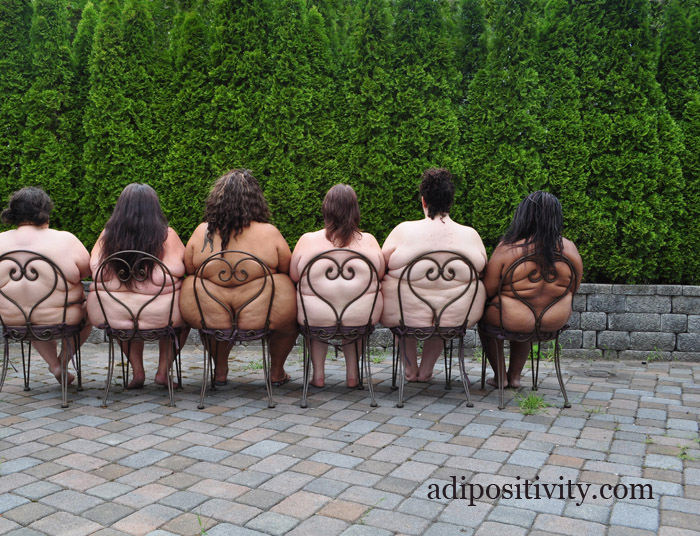
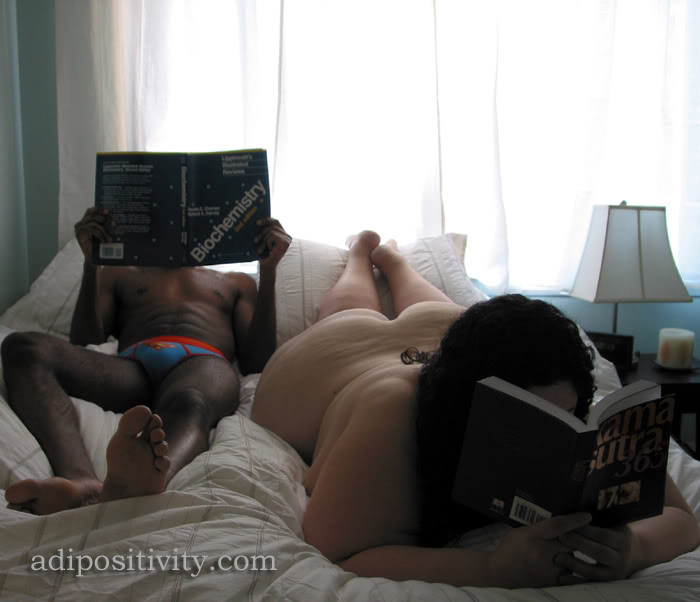
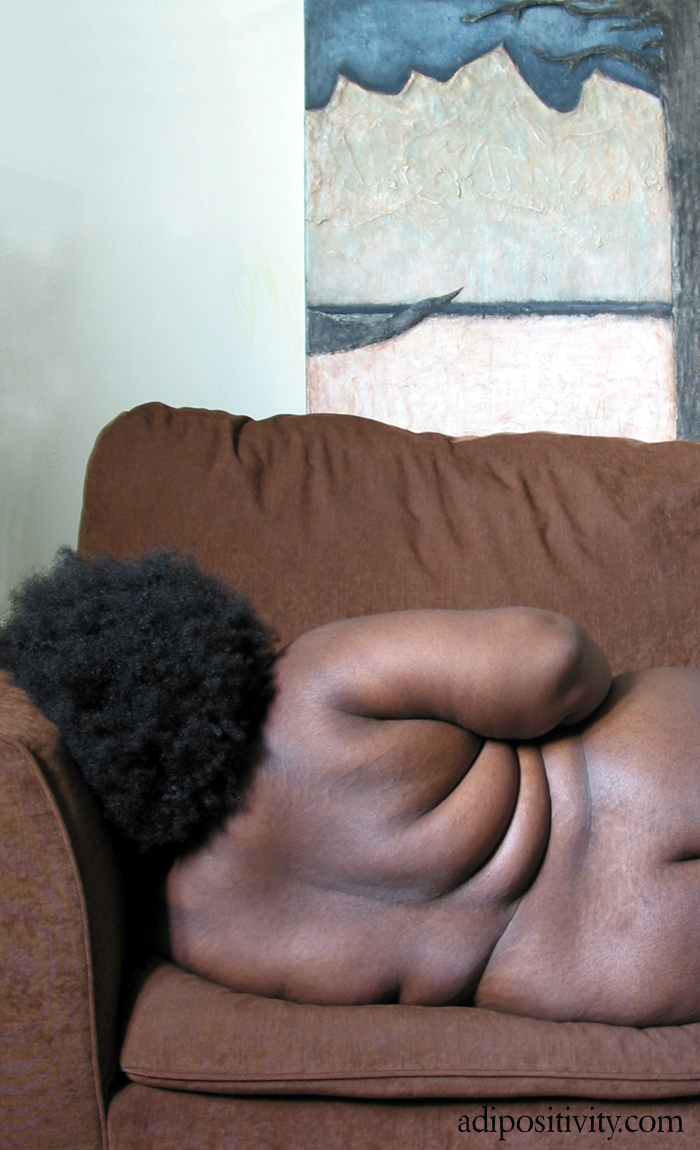
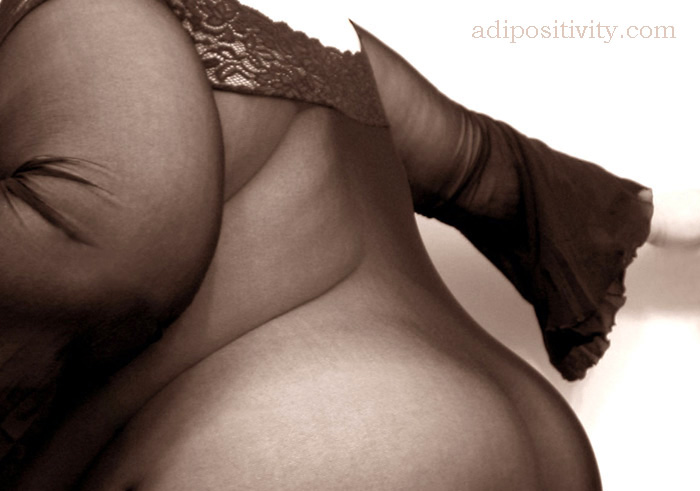
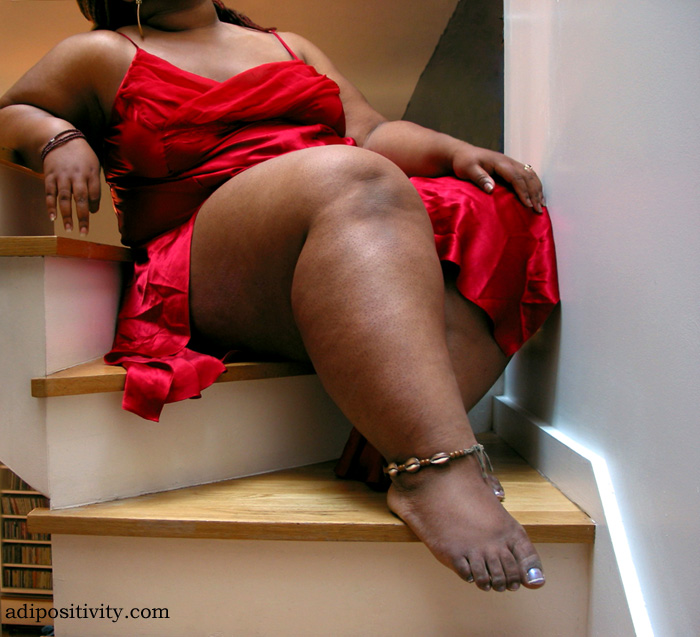
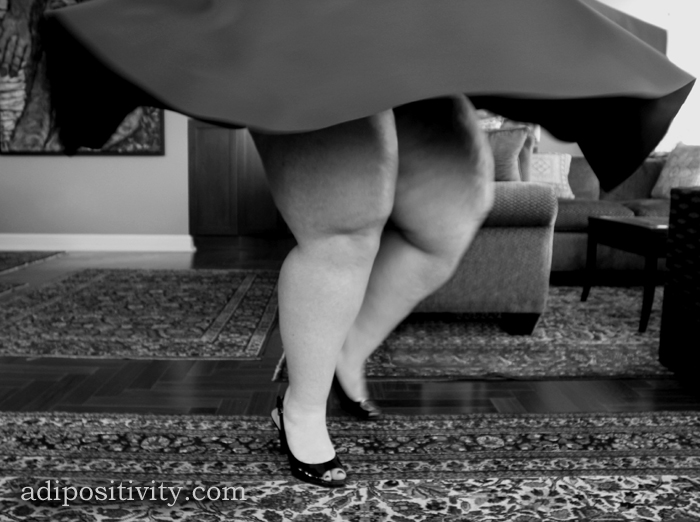
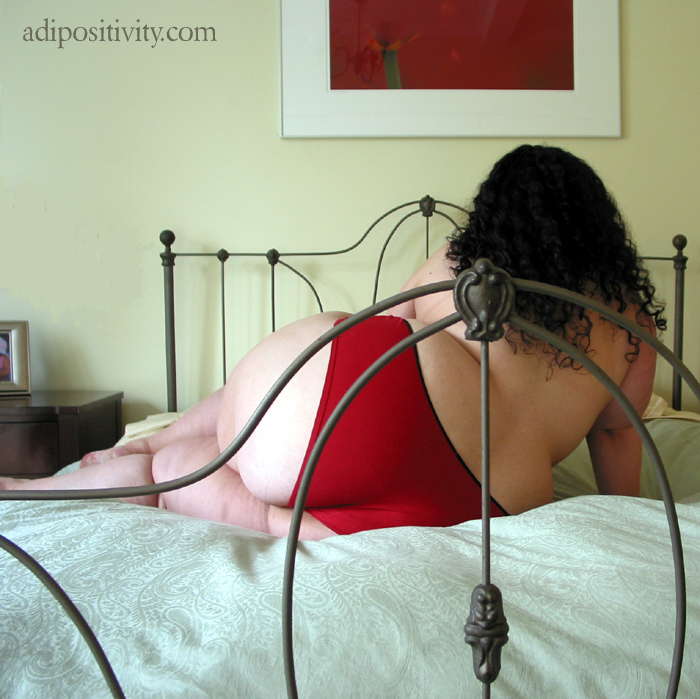
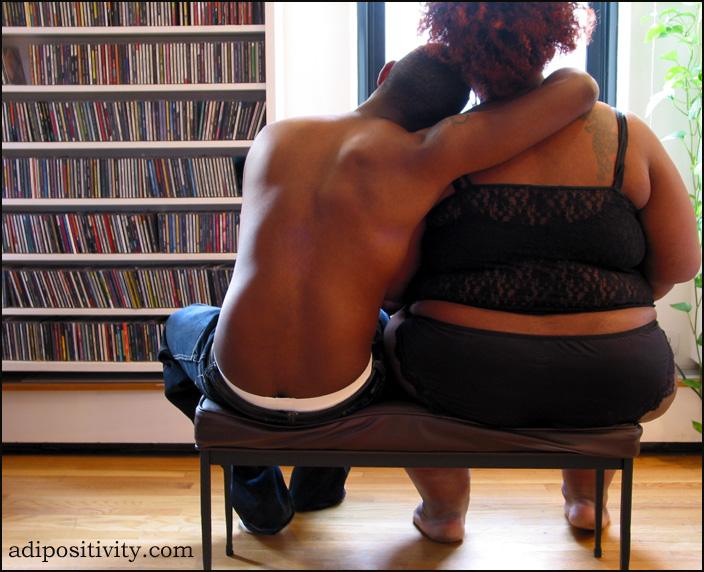
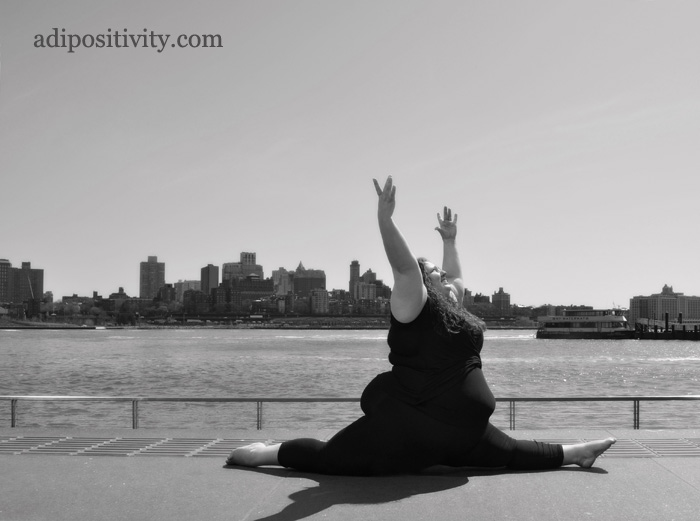
I’ve been aware of The Adipositivity Project for a number of years.  Most people who float around Fat Acceptance circles online are aware of it, but when I’ve shown it to friends who aren’t aware of FA, it’s always surprised them.  I thought, given the reading for our next class, this was at least visually on topic.  I’m also always a fan of activism through art and you can’t say Substantia Jones’ photographs aren’t beautiful or radical.   Many of the photographs are nudes, so beware if you decide to click through.  I’ve pulled some of the more modest ones to show the intent of the images.

Adipose: Of or relating to fat.

Positivity: Characterized by or displaying acceptance or affirmation.


MISSION:
 The Adipositivity Project aims to promote size acceptance, not by listing the merits of big people, or detailing examples of excellence (these things are easily seen all around us), but rather, through a visual display of fat physicality. The sort that’s normally unseen.

The hope is to widen definitions of physical beauty. Literally.

The photographs here are close details of the fat female form, without the inclusion of faces. One reason for this is to coax observers into imagining they’re looking at the fat women in their own lives, ideally then accepting them as having aesthetic appeal which, for better or worse, often translates into more complete forms of acceptance.

The women you see in these images are educators, executives, mothers, musicians, professionals, performers, artists, activists, clerks, and writers. They are perhaps even the women you’ve clucked at on the subway, rolled your eyes at in the market, or joked about with your friends.

This is what they look like with their clothes off.

Some are showing you their bodies proudly. Others timidly. And some quite reluctantly. But they all share a determination in altering commonly accepted notions of a narrow and specific beauty ideal.


I love this project, especially considering the attempts by the media to include “real” bodies through the use of marketing like the Dove Campaign for Real Beauty and “plus size” (really a size 6-12) models, and how different these fat people look from those culturally approved fat bodies.  These aren’t the media portrayed idea of what is “real” (and how problematic is that word in regards to any person?).  These (mostly) women, according to the BMI (another problematic method of judgment!), are obese, or more likely morbidly obese (sometimes called Death Fat in the FA community).  Most of them probably weigh somewhere in the neighborhood of 200 or 300 or even 400 pounds – yet I don’t think they look like the stereotypical bed-ridden mordibly obese person most non-fats think of when they hear those numbers. Or maybe they do look like those ZOMG FAT people to you.

However you see them, these people are fat, but they have accepted the bodies they have and are living their lives in them.

October Baby


Recently my dad asked me if I would like to go out to dinner and a movie with him and I was touched! I thought it was sweet of him to want to spend some time together. Little did I know what I was in store for. When I asked my dad what movie he would like to go see he said there was a movie out that he had been wanting to see, so I just agreed not knowing what it was, thinking whatever it was it couldn’t be TOO bad, but I was completely wrong.
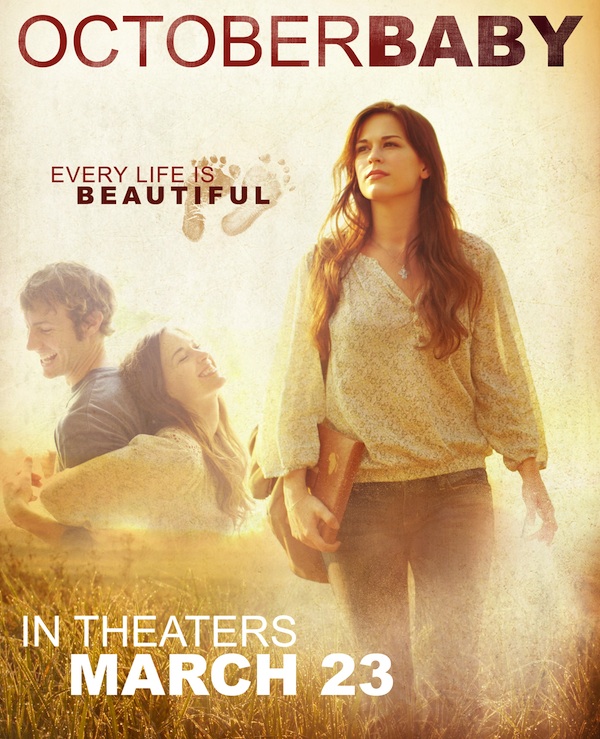
When we got to the theatre he asked for two tickets to October Baby, I had never heard of it. My dad and I settled into our seats in the nearly empty theatre. As the movie began I could tell it was going to be sappy, melodramatic, and a real tear-jerker for those who could connect with the message of the film. I also quickly realized that it was a Christian Pro-Life film.
The film tells the fictitious story of a Christian girl in college who discovers after having health issues that she is the product of a failed abortion. She learns that her parents are not her biological parents and she was adopted. The main character has a difficult time coming to terms with this and goes on a road-trip with her quirky and hip friends to find her birth mother. She is able to find her birth mother after meeting a nurse who used to work at the abortion clinic and remembered the day of the failed abortion. The nurse tells horrific stories of what would go on at the clinic and there are many tears. When the main girl confronts her mother she denies being her mom and in the end the main character writes her a note letting her know that she has “let go” and has forgiven her. Also at the end, you see that the nurse who used to work at the clinic now works in the Labor and Delivery Unit in a hospital. A happy ending for all…
Just when I thought the torture was over, a video of an interview with the actress that played the birth mother started to play during the credits. So of course my dad wanted to stay to watch that. She basically said that she felt that this role was perfect for her because when she was younger she had an abortion and through playing this role she felt some closure. She also felt like she was doing her part to help other women from making the same “mistake” that she did.
By the end of this film I was furious. My dad is Christian and although I was raised Catholic I made my dad aware that I was not religious back in high school. The issue of religion (and politics) have created a large barrier in our relationship. So as the film ended and he asked me if I liked it, I was angered, how could he think I would enjoy this movie? Does he know me at all?  I told him that I really hated it. He then called me a week later asking if I had thought about it and liked it anymore. I answered, “No, Dad. I still really hate it.”
What I found problematic with this film is the fact that it was basically instilling false fears into peoples minds about a sensitive subject that is already under attack politically. People were walking away from this film feeling validated in their viewpoints against abortion and women’s rights. Does my dad now think that failed abortions happen all the time? I am not trying to imply that this never happens, it does. But is it really something that needs to be embraced into the anti-choice movement? Also, I believe that if access to safer abortions were increased in the first place this would not be a problem to consider at all. This option of course was not considered in the film though. Instead, they simply vilified the birth mother and portrayed her as a vein,s elf-interested lawyer who has chosen to turn her back on her daughter. Even though the women who played the birth mother has gone through the experience of getting an abortion in real life and should understand the hard decision it can be, she chose to accept this portrayal.
Needless to say, before I ever accept another offer to go to the movies with my dad again, I will thoroughly research the film.


Here is the link for the film’s website. On there is the video of the actress discussing her abortion that played during the credits. The video is called “October Baby Stories: Shari”      http://octoberbabymovie.net/#


Self-Diagnosis

According to a “recent study,” conducted by a company that maintains an online self-diagnostic tool and then misinterpreted by some website on the internet, “1 in 4 British women has misdiagnosed themselves on the Internet.”  Mind you, this wasn’t just posted on any old internet, it was posted on the Internet, so it’s totally legit, guys.  I believe it.  (By the way, Jezebel has some commentary that, while not problem-free, tickles the funny bone.)

This blog needs more color, so here's a rainbow.

Regardless, it raises some important questions about the role of diagnosis and self-diagnosis.  When overused or used irresponsibly, self-diagnosis on the internet can lead to a lot of unnecessary worry.  It’s an especially big problem in a culture that does not openly discuss bodies or illness, making it difficult to determine what is “normal” and “abnormal” for a body to do.  Female bodies, disabled bodies, older bodies, trans bodies, and non-white bodies, in particular, are susceptible to this kind of worry.  If your body was never “normal” to begin with, how can you possibly know if something is wrong?  If your body has always been strange or mysterious or untrustworthy, when does it cross the line from weird to dangerous, or sick?

I don’t have exact answers to these questions.  I do know, however, that since the majority of people cannot afford to see a doctor every time their body aches or something leaks, and since most female, aging, disabled, trans, and non-white bodies (to name a few) are not given serious consideration in the doctor’s office, the internet is an important diagnostic tool.  Several years ago, for reasons I can’t remember, I found a diagnosis for myself on the internet, and it was a major turning point.  As far as I knew, this was the way that I had always been, but at that time, I started to realize that it wasn’t the way that I would always have to be. It didn’t change my anxiety, but just having a name for it allowed me two conceptualize the phobia and my personality as two separate things.

These people stared at this x-ray for hours before realizing that it was blank.

When I later filled out an inventory or questionnaire, I hit every one of the symptoms.  But I never would have known that these were symptoms without coming across that page on the internet.  How could a doctor have possibly diagnosed me if I never expressed that anything was wrong?

Of course, my story might be unusual, and it might be somewhat unique due to my class privilege.  Still, I maintain that the internet should have a place in diagnosis, since no doctor can ever know a person’s body better than the person themself.  What do you think?  Does self-diagnosis cause more harm than good?  How can the internet be used or changed to improve diagnosis and available medical information?

Stress Kills, or “I don’t have time for a body”

At some point this semester I began screaming at my boyfriend, “I don’t have time for a body!” I was having a pulsating migraine, my skin was breaking out, I had had no sex drive for weeks, and had an endocrinologist appointment and blood test the next morning prior to three classes that day. I was having an anxiety attack at 1a.m.

Everyone says college is stressful. I have found that no longer having the body of a twenty year old makes it exhausting. Running around a hilly campus, trying to get to class on time, parking about a mile from any buildings. All of this physical activity is also time consuming, adding stress to days packed with classes, work, homework, making dinner, buying cat food, paying bills, keeping in touch with friends and family, attempting to relax, and trying even harder to sleep. I often find my inner dialogue about stress going something like: “It’s because I’m a woman” or “It’s because I’m not upper middle class.” I have many found my stress triggers to generally be gender or class oriented.

I found the following documentary on stress very interesting. The director, John Heminway posits stress as not only as detrimental to mental health, but as someting that can kill the body over time  through exposure to dangerous levels of stress hormones. It also argues that stress levels are relational to class structure, with lower rung workers experiencing higher, and more deadly, levels of stress hormones. The documentary follows Stanford University Neurobiologist Robert Supalski in his studies of stress hormone levels of baboons in Kenya. He measured both adrenaline and glucocorticoids in these baboons and found differing levels according to the gender and social class of the baboons. The non-alpha males have higher stress hormones than the alpha males. When most of the alpha males died off due to tuberculosis infection, the stress levels of all the other baboons in the group went down. This documentary is very much worth watching, I believe all parts of it are on youtube and hope you can check it out.

Bald Barbies

Disclaimer: While I have never experienced baldness personally, drawing from the literature on disability and class discussions I felt an affinity with the topic. If I indirectly offend anyone I offer an apology in advance.Image

Recently I’ve noticed a lot of rabble on facebook about a topic I never thought would pop up in my newsfeed: Bald Barbie.

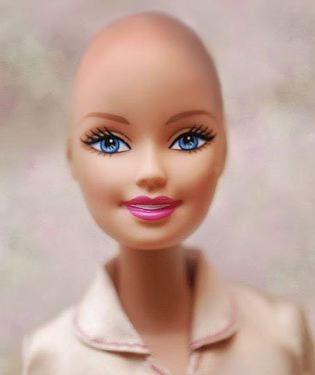
There’s a facebook group dedicated to pressuring Mattel to create the Bald Barbie for children who suffer from hair loss due to cancer as well as Alopecia, and Trichotillomania. Mattel has finally released a statement saying they will create Bald Barbie but it, “will be a friend of Barbie, which will include wigs, hats, scarves and other fashion accessories to provide girls with a traditional fashion play experience.”

Hm. So, the new doll cannot be labeled a “Barbie” and she still has to have fashion accessories which, in my interpretation, (and perhaps this is my raging feminist coming out) means people who have hair loss still have to cover up their scalp since baldness cannot be accepted as normal.

Not only will Mattel’s new doll not be a “Barbie”, she will also only be distributed to children’s hospital for reasons of “directly reaching girls who are most affected by hair loss”. But what about the children who are not in hospitals who have experienced hair loss? And how does a hospital reinforcing to the children that they’re still beautiful actually combat the main message that Mattel sends out to the general public on a day-to-day basis, i.e. beauty has a certain standard, and if you don’t have the hair and body for it, you will never be beautiful.

Could placing the doll on the shelves of a toy store create too much of a sense of normalcy towards hair loss?

From the past course discussions on disability, and the invisibility and inaccessibility that many disabled people have expressed they have experienced; I don’t think that Bald Barbie does much to enhance the lives of children who have experienced baldness.

By only distributing these dolls to hospitals Mattel is stating that baldness is still a disability and is associated only with illness. Mattel could release Bald Barbie in mainstream stores and allow Bald Barbie to be viewed right next to a Barbie with hair but then what message would Mattel be sending to the children that experience baldness? Beauty standards can actually deviate from what Mattel portrays them to be?

If Bald Barbie were to be considered equal and sold in the mainstream market right next to a Barbie with hair I think children who experience hair loss could actually feel acceptance and beauty towards their baldness, especially when Barbie is such an icon for female children for femininity and glamour.

I think Mattel’s creation and distribution of Bald Barbie is just another way to emphasize disability rather than accept it.

Should We Legalize Steroids in Baseball

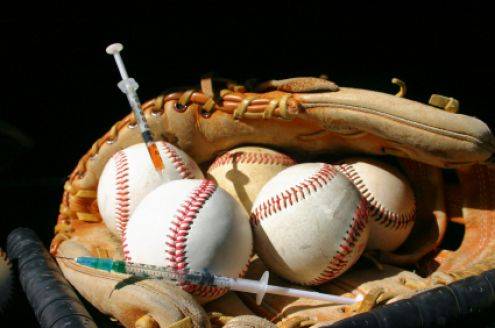
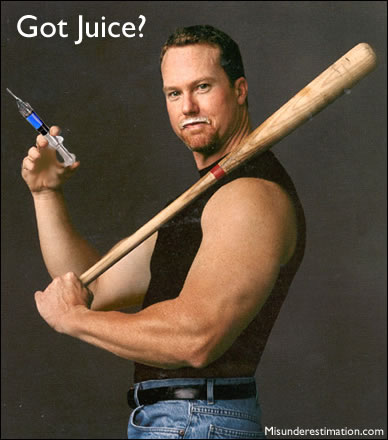
Baseball is America’s pastime, but there is one problem, and that is the use of steroids. Steroids a synthetic hormone that promotes the retention of protein and the growth of tissue and the use can help and athlete build bigger muscles more faster. the problem i have with steroids is the unfairness that baseball gets by using steroids. To me i think it is a fake sports because now a days you don’t know who is using or now so you really don’t know who is naturally talented. I was reading the article and it discussed how if a player gets caught using steroids the first offense is treatment, which is basically a slap on the risk telling them not to do it again, and for five violations is a one year suspension. I do not think that it is fair, I think the rule should be first offense should be the one year suspension and the second offense should be getting kicked out of the league. The only reason i say this is because when they get older they are destroying their bodies for drugs, all they need to do is work on the talent that got them there, not put harsh chemicals in their body that can scar them for life.

These grown men should not be babied because they should know right from wrong and that steroids are bad, but they insist on using them. Should the League just legalize steroids so that way majority of the athletes don’t get in trouble and just call baseball America’s past time and just leave it in the past because baseball is not the same as it used to be, because I don’t think that this many people were using steroids back in the day. even though it is harming their bodies by making them infertile and gives you harmful psychological changes and even cancer, these athletes still use them just to get one up on their opponent.

Majority of the athletes playing baseball are on steroids, so we should just legalize it because even though they are getting caught they are not stopping. In order for the League to stop steroid use they would have to drug test the players everyday, but that is a waste of time and money because these men are grown they should know right from wrong. What should the commissioner do so the League can once again be America’s Pastime