Pleasure and Correspondence

Image by TIVASEE on Pexels.com

content warning: sex and masturbation

Oddly enough, I remember my first orgasm. And that’s simply because it wasn’t too long ago, about over a year to be exact. It’s aggravating how the shame I felt towards my body kept me from exploring it. The repressed Christian girl is no foreign stereotype to us, but we never seem to focus enough on the shame hoisted upon young girls that makes them conceal any and every part of their sexual nature. Why was “acting your own age” or “not looking too grown” a priority for my middle school self when I had just barely started to develop tweenage crushes on my classmates? The only people who were in touch with these notions I had no idea existed were the adults around me. My body as a child shouldn’t have been a battleground where I had to prioritize mannerisms over my black girl joy.

Looking back now, coming into my body has been a long and tiring journey. My family’s obsession with purity stems from the dominating Christian culture we came from. The ideals instilled into me as a young girl weren’t just the opinions of my aunt who raised me, but that of her mother and her mother’s mother. For generations, no, eras, we were told to protect young girls through forcing them to adhere to paltry rules about how we use the space we take up. But who am I to break the sanctity of these rules? They seemed to do enough for my female ancestors who succeeded in having families of their own.

Don’t think for a second, I didn’t rebel. I wore what I wanted, listened to punk rock music, and tried my best to escape my family’s expectations. I even came out as pansexual in middle school, which my family brushed off as a phase but was still mildly appalled by it, to say the least. Back then, I thought knowing my sexuality meant being comfortable within it. I was pretty far off.

The sin of masturbation was never discussed by my family, but the weight of it was still there. In my late teenage years I explored my body in the few hours I had the house to myself. All I remember was the constant rush of shame every time I attempted to get myself off. I could only ever think of the judging stare of God from above or that my ancestors or guardian angels were disgusted with me. Despite this shame, I never even reached a climax. Maybe it was what I deserved.

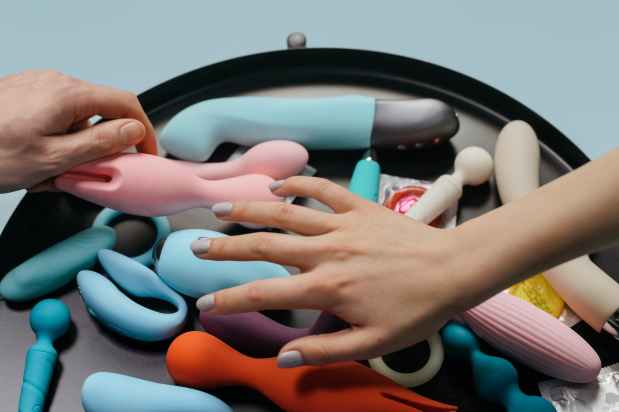
Eventually, I entered my first relationship and there went my virginity. Many people were actually surprised I stayed a virgin for so long as I always tried to make myself come off as the raunchy, sex-positive funny girl. Despite wanting to be known as a “sexpert” in my youth, I never took my chances to engage in any sexual acts until I was a legal adult. I convinced myself this was the safest option to avoid being grounded into oblivion. It wasn’t until I bought my first sex toy that I actually learned the extent of my own pleasure. Like a great number of people with vulvas, clitoral stimulation led to my first success.

It was a moment of cathartic relief like no other. Any feeling of my body being broken immediately left me. Is this what my shame kept me from my whole life? Feelings of purity and shame no longer mattered, because I had finally come into my individual pleasure. Shame only held me back, which is why I refuse to give into it any longer. Those moments of fear now correspond to a time long ago where I was afraid of my body.
I Hate Labels

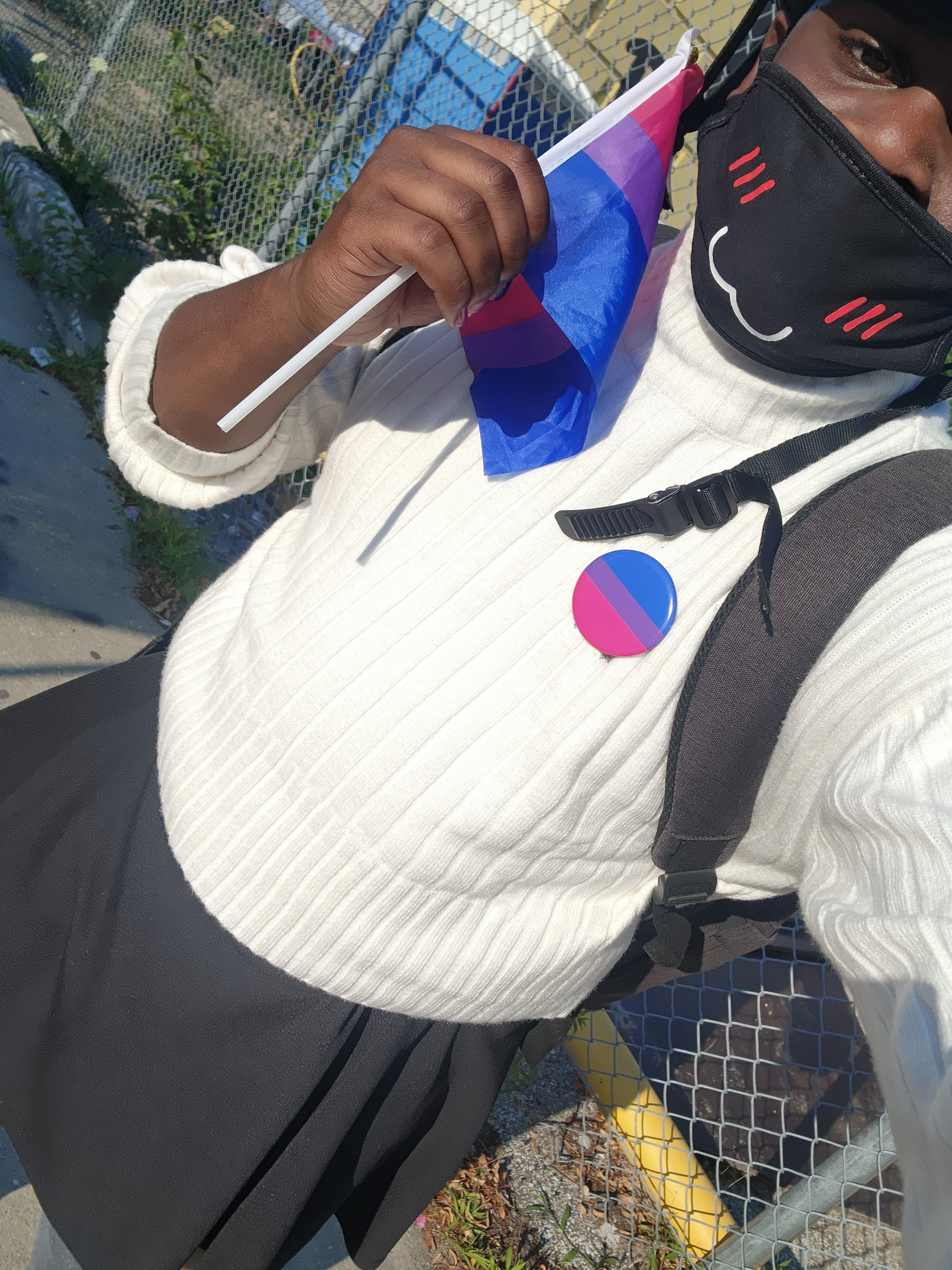
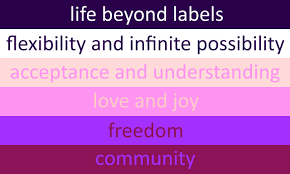
Labels, the reason I was closeted for so long was that I felt a tremendous pressure that I had to be either gay or straight because in-between was not a valid option. Honestly, I prefer the term unlabeled or queer as even the label of Bi feels too constraining to me because I either like someone or I don’t and I don’t feel like I need a title to describe that. I choose to use the label Bisexual purely for other people’s benefit because for some reason everyone needs to know if we find each other attractive or not. If I choose to tell people I am bisexual I do not mind as I chose to let them know that about me and I do fit the criteria for that label. However, when someone I don’t know well or do not wish to tell,  asks me what my sexuality is, I feel uncomfortable. In all honesty, I have no idea if this is relatable to other people or if it’s just a complicated jumbled mess, but the last thing I want is to come across as hostile. I completely understand wanting to know someone else’s preferences, I am a nosy person as well, but I also want to be transparent in saying that I have had instances of being extremely uncomfortable when people I don’t know ask me those questions. I remember this one instance, I believe it was my first shift working with this one girl and we were just talking and getting to know each other a bit while we were in the back of the store working on decorations. This is burned into my memory because I remember the visceral reaction I had to her asking this question as it was so much worse than “what’s your sexuality?” This coworker looked me in the eyes and said “so are you…?” and proceeded to make the hand gesture. (if you know you know.) And you know when you are so uncomfortable that all you can think to do is give the person what they want, so I told her “no” (Lie) I don’t owe this girl an answer let alone a truthful one. So in summary I just want to say that let people tell you on their own terms what they are and never ask a stranger because 9 times out of 10 it makes them uncomfortable. Also that you don’t owe anyone an explanation of who you are and what you like. 

Failing Finals 

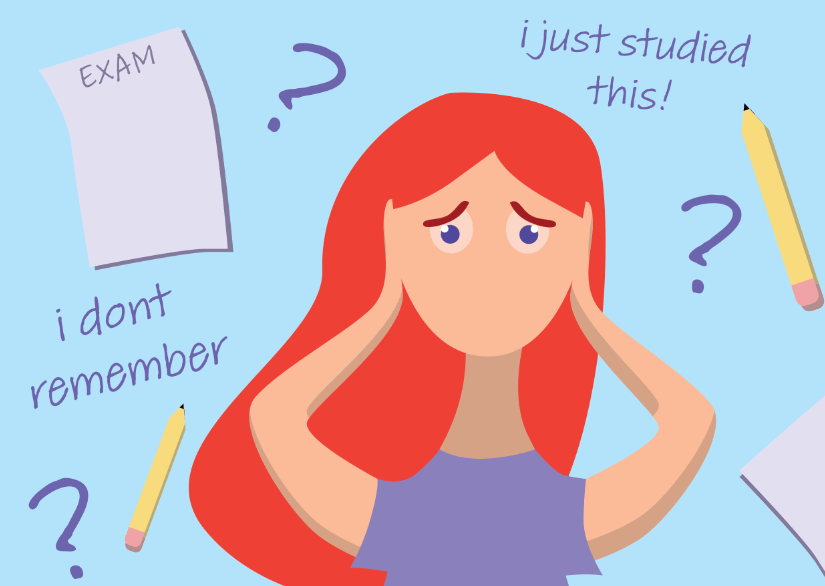
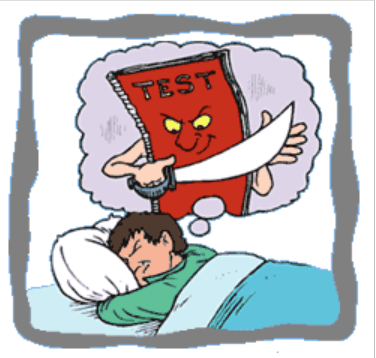
I had a dream last night that I’m failing my finals. So, I’m writing this post on how finals can be a stressful time for college students. With a combination of studying for tests, completing assignments, and trying to balance their social lives, it can be overwhelming to try and keep up. This pressure can lead to anxiety and depression and can be difficult to manage during this already hectic season.

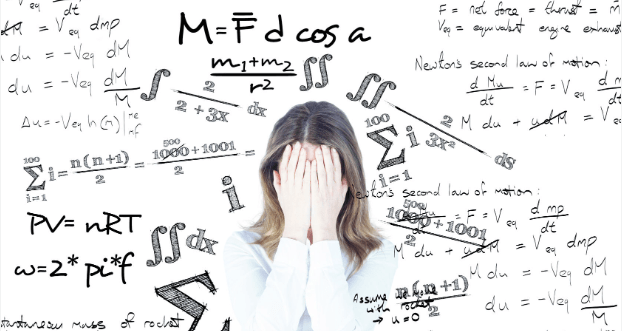
Stress and anxiety can lead to a feeling of being overwhelmed, where the student is not sure where to begin studying and feels like they do not have enough time to do everything they need to. The fear of taking a test and the pressure to perform well can be incredibly intimidating, making it difficult for the student to focus and retain the knowledge they have studied. Difficulties in managing time, getting enough sleep, and managing other commitments can add to the stress of school, leading to increased anxiety around test-taking. With all these pressures, it is not hard to see why managing test anxiety can be difficult for college students during finals.

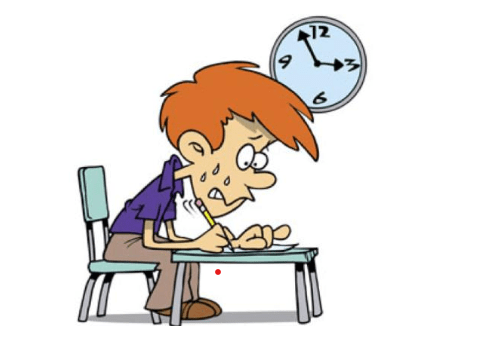
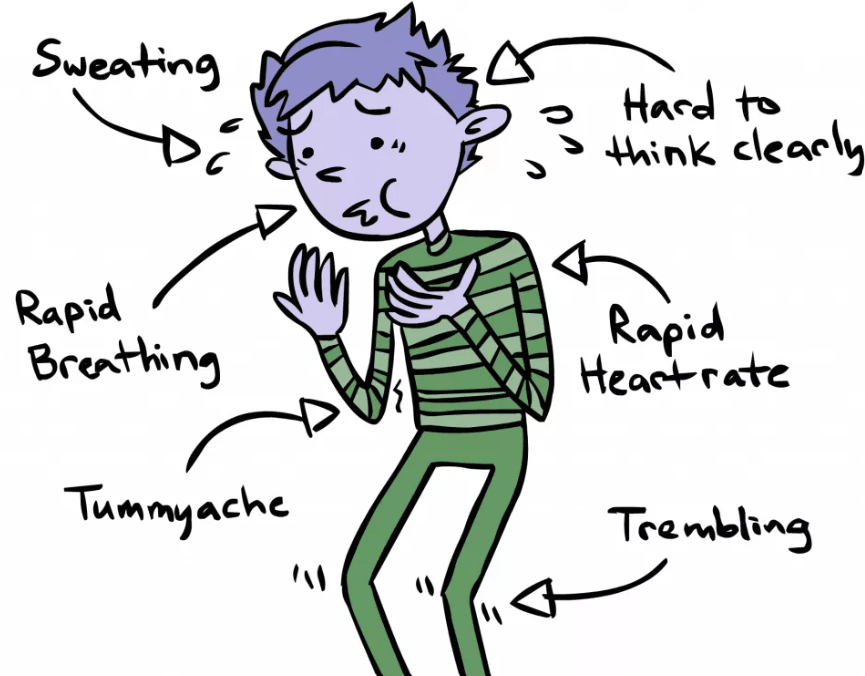
Test anxiety can be particularly difficult to manage during finals. It is a feeling of fear and dread that can cause physical symptoms such as a racing heart, sweating, or difficulty breathing. This fear can be so intense that it can cause students to freeze up or blank out during the test, leading to a lower grade despite all their studying. It is important for students to try and manage this anxiety to be able to perform their best on their exams. But the pressure of taking a test, coupled with the fear of not performing well, can easily cause someone to spiral. This can lead to a feeling of helplessness and a lack of confidence in the student’s ability to do well.

It’s never easy to try and manage test anxiety, especially for college students who already have a lot on their plate. It can leave them feeling overwhelmed, out of control, and scared that their academic performance will suffer. Furthermore, it is understandable why finals can be an especially daunting time for college students. Not only do they have to balance their studies and social lives, but they are also faced with the immense pressure of performing well on their exams. This can cause a great amount of stress, as students want to get good grades and fulfill the expectations of their professors and parents. Furthermore, there is not much opportunity for a student to make up for any mistakes made during the tests, so doing well can seem even more important.

During finals, students may even feel a sense of guilt or shame if they are not able to get the grade they desire. This pressure can lead to both physical and emotional stress, making it very difficult to focus on the task at hand. It is important for students to take time to relax and practice self-care to stay focused and manage the stress of their finals. Taking time to step away from studying and engaging in activities like yoga, spending time with friends, or taking a break can help students stay on track and feel more motivated to work hard during this already stressful period.

let’s talk about masturbation

let’s talk about masturbation

One of the biggest ways that going to Christian schools my whole life traumatized me was when it came to me and my sexuality. Being sexual is natural, but we were taught that it was dirty and sinful. I remember sitting in my religion class and being told that masturbation was “sin of the flesh” and that the first person who should be able to explore our bodies should be our future spouse. Let that sink in. We were taught that we did not own our bodies. Our bodies’ erogenous zones were made for not us, but our future husbands. We were so heavily shamed for sex and even masturbation that I felt too guilty about my own sexual assault to tell anyone. I was so deeply indoctrinated that I would throw up after masturbating for years, and didn’t begin to explore my own body until I was 16/17. I wish I could go back in time and argue with the teachers that taught us that we should be ashamed of sexuality. How could they try and gate keep us from our own bodies, when its so natural that children masturbate. In fact, children only stop touching themselves when they are socialized into knowing that it is not okay to do that in public. We all have erogenous zones, so why were we taught we weren’t allowed to touch a certain part of our own bodies?

When talking about sexuality and its intersectionality with disability, we see similar ideas about how disability cancels out the sexual aspect of people. People are surprised to know that disabled individuals engage in sex or own sex toys. The stigma surrounding disability is so negative that anyone who is visibly disabled is seen as a non-sexual human. When I was in group therapy for my disabilities (ASD and Bipolar) we talked about the importance of masturbation as a way to release endorphins if we are spiraling. It was recommended for us to masturbate or have sex if we are feeling especially depressed or dissociative because the dopamine that is released into our brains as a result may help pull us out of the mental space we are drowning in.

I think that masturbation and its benefits should be talked about more, not only as something normal, but also as a tool for mental health. Everyone has erogenous zones, they’re all over our bodies. We should be allowed to learn about them and explore our bodies (privately) without feeling immense guilt and shame. If we are not visibly disabled, we should reframe the way we view disability and sexuality, being disabled shouldn’t serve as a hurdle to being sexual. 

Sexuality and disability

There is a correlation between having a mental disability and being queer, but a lot of homophobes use this narrative to push the idea that queer people are mentally ill. The truth is that people with disabilities are more often ostracized by society, leading them to more often go after alternative lifestyles. I am a great example of this. Because of my solitude, it made me realize that I like men a little bit. On late nights, alone I viewed web comics of guys in cute outfits. I tried to justify it by saying that “I’m not gay, this guy just looks like a girl” over time I had a hyper fixation over my sexuality, and enabled me to critically assess who I am. One day I said “forget it, I’m Bi now” and watched gay porn. My mental disability didn’t make me queer, but it led me to that discovery faster than a neurotypical person would. I would love some dialogue about this phenomenon, and I would like to be proven wrong.

Time Under Capitalism

I feel like I’m constantly chasing time. When my grandmother died last semester, time stopped making sense. I started sleeping during the day and staying up all night. I couldn’t get through my classes without crying, so I just didn’t go. It wasn’t that I didn’t want to work — I couldn’t. Everytime I picked up my computer, it felt like I was betraying her somehow, like working meant forgetting. I wasn’t ready. I needed time to process, to grieve. But, much to my dismay, time wouldn’t stop. I turned in every one of my finals late. I scraped by with good grades in all of my classes, in large part due to the kindness of my professors, but I still felt like a failure. Capitalism asks us prioritizes our productivity over our mental health, and I couldn’t do that. 

For a long time, I’ve been doing this thing I call “budgeting” — I force myself to be productive in hard times in case harder times are ahead. You can only ask for so many extensions and excused absences before it becomes a problem. You can only have so many breakdowns before you can’t catch up.  But it shouldn’t be this way. I just want time. I want to take days off without the fear of failure constantly looming overhead. I want to ask for as many extensions as I need without feeling guilty or embarrassed. I want to heal without being questioned or rushed. I want — I need — time.

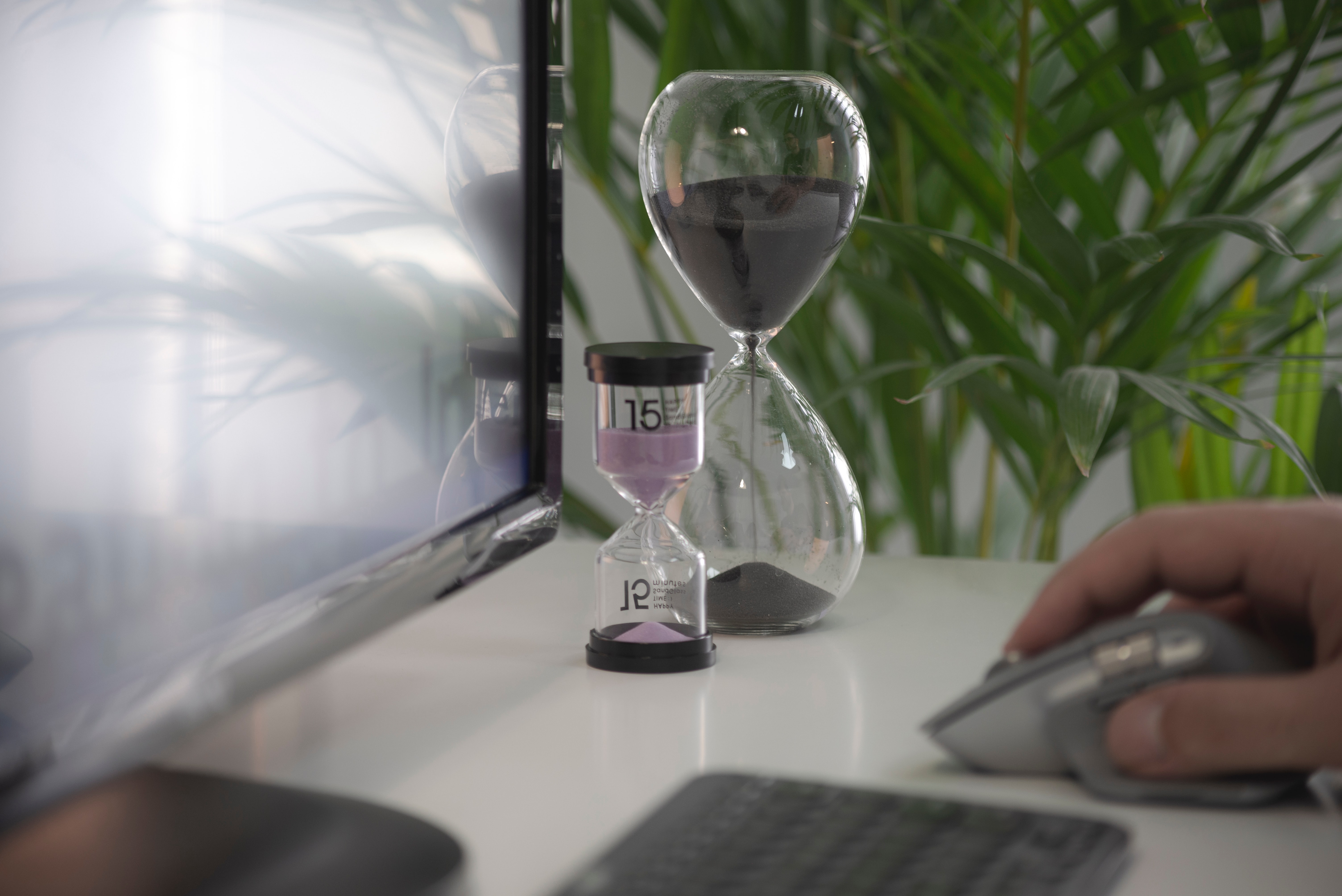
Two hourglasses sit on a desk as a person uses their computer.
Courtesy of Milan Fakurian on Unsplash (https://unsplash.com/@fakurian)

Sex With Limited Mobility

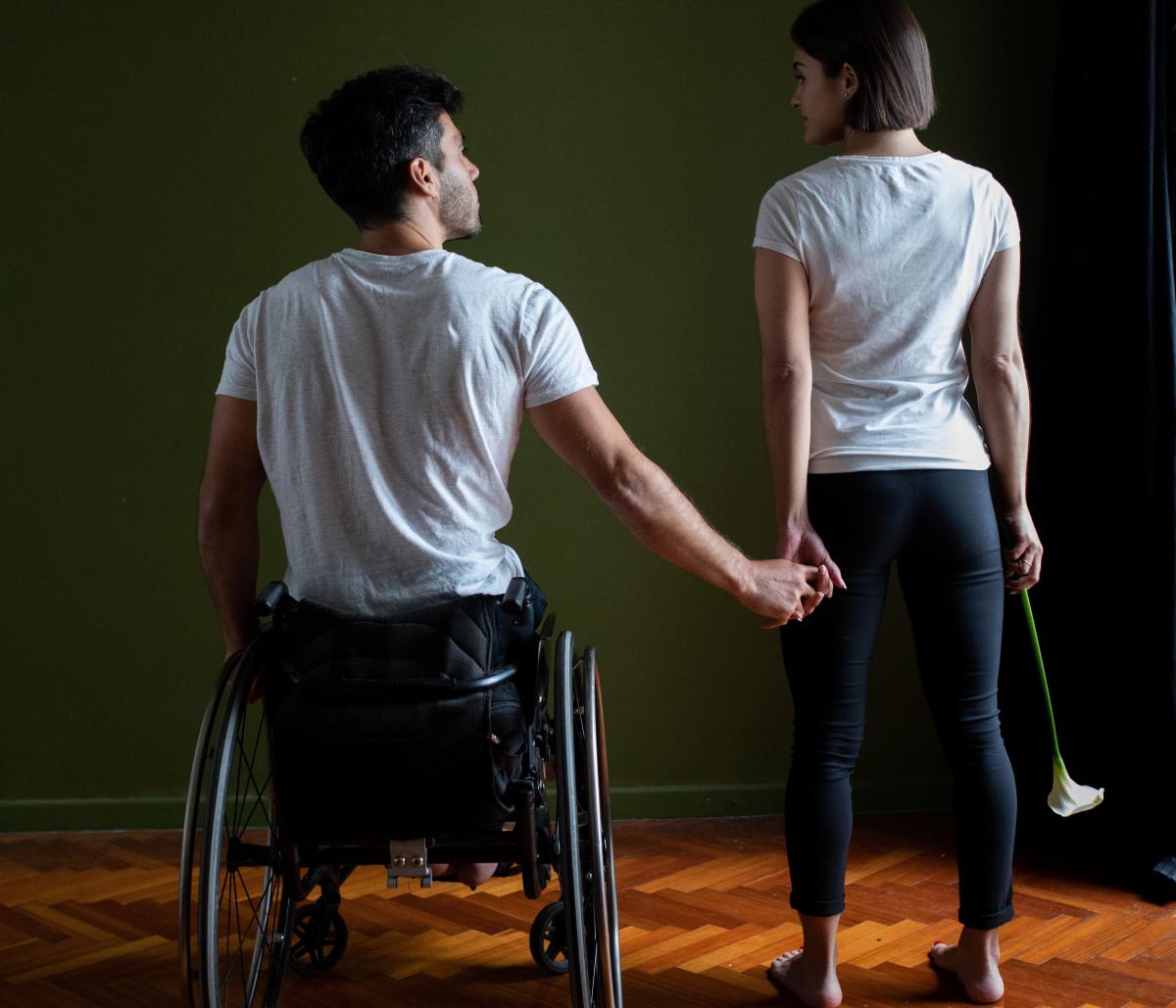
Growing up, we saw physically disabled people as the odd ones out. I could take responsibility for viewing disabled people that way, but that was how everybody around me viewed them. I had no chance of “knowing better,” at least in that environment and age. That was the case until I was introduced to this class and had a fair share of friends who were open-minded. These people changed my thinking in both positive and negative ways, but the point that they taught me that people are different; not everyone is going to look and act the same as everybody else, and that is okay. I know the previous statement can come out as a very “duhh” statement for most of yall; however, I didn’t use to think like that. It was more of “you are weird! something is wrong with you.” And of course, like most adolescents who are just discovering sex and how it works, I wondered what sex must have been like for people with spinal cord injuries and other disabilities like that. I asked myself, “Do they feel anything down there?” or questions like, “can women who are paralyzed from the waist down give birth?” Most of these questions came from mostly ignorance and a bit of curiosity. 

Sexuality and Disability: The Missing Discourse of Pleasure by Mitchell Tepper opened my eyes to this issue regarding disabled people and sex. An article like Tepper’s is exactly what people like me missed back in junior high. From reading the article, I learned that sex is more than just borrowing some friction from a partner, and there are more ways to derive sexual pleasure that does not involve the privates. I found it heartbreaking that some disabled individuals give up on their sex lives because they believe that there is no point in trying, “nothing will be the same.” And that is when Mitchell Tepper steps-up and encourages people with SCI that their “sexuality is their responsibility.” These people learned more about the spinal cord-injured bodies and embraced their disability. Evidently, disabled people in wheelchairs tend to have a more difficult time finding a sexual partner than abled individuals; most of this is due to the stigma around disability and sex and partially due to self rejecting before they can even try. Self rejection is a problem that we need to tackle. We (teachers and professors) need to teach about pleasure and sexuality in order to shine a light on this topic of sex and disability and hopefully reduce the stigma and misinformation around disability and sex.

Our strange relationship with the internet.

Sometimes I wish life was as easy as being on the internet, imagine a place where I could just pick apart every aspect of myself and remove those that I hate. It could be like an online marketplace that I scroll through “ooo”ing and “ahhh”ing at every little flaw I came across. It could be like a dating app where I swipe right and left on my best and worst qualities. I think most people would want to do the same, growing up in this current generation has been a rollercoaster, from social media platforms pushing unhealthy and unrealistic material toward young kids to not even being able to feel completely safe within our own rights as humans to not knowing if our home will last long enough. Is there a day in my life when I don’t overthink? Probably not. The internet is such a large haven, even if it’s to some questionable communities, people will usually find their own place online, places to share their interests with others or to just seek community. As I said though, there are questionable things online. It can be too easy to find alarming content, some people online can be taken advantage of so easily, and negative views and influences are able to spread so quickly and widely. With the internet being so powerful, is it becoming too cluttered with negativity and only aimed at financial gain or is it still about its people?

I wonder if I would’ve turned out differently if I wasn’t online so early in my life, it’s possible I wouldn’t feel so pressured to look and act a certain way, I wouldn’t have dealt with the weirdness of certain groups, and I wouldn’t have tainted my mind with things that honestly I had no business involving myself with. It’s not like it’s all bad though, I got to learn about different communities, and made some pretty great friends who even if I don’t talk to them anymore, I had great experiences with them. The internet also allowed me to become comfortable in my sexuality, think about it, I come from a religious family who follows the “not in my backyard” form of things. That basically just means that they’re okay with certain things as long as it’s not in their own home or family. I was in elementary school, crushing on girls while a lot of people around me in my environment and in my family were very much against the idea of gay and queer people, I had no one to talk to and no one to guide me. The internet provided that for me.

Now, yes I do blame the internet for a lot of my weird and cooky phases like the “I desperately need a snapback and big black frame glasses” phase or my “pastel pink and blue” phase but now as I’m a bit older I long for those days. I remember finding so much comfort in coming home from school and immediately going onto Youtube to watch a new video from someone I was obsessed with or just going onto a flash/browser game and probably playing a scuffed version of Flo’s diner. It gave me so much comfort and honestly, it helped me through some of my toughest times. When I was dealing with terrible mental health during all of middle school, I only truly ever felt understood by the posts I would read online and by those who were so open on the internet. I think it allowed me to cope and gave me an outlet when I felt like those closest to me wouldn’t understand. That kind of internet doesn’t seem extremely available anymore though. You have to dig to find spaces that do not become clouded with constant advertising or constant mouthfuls of hateful rhetoric but we can’t deny that those communities still existed before now, there has always been something looming, even if it wasn’t directly in your space.

During my favorite era of the internet, slurs and hateful speech were used openly, as a child I didn’t really go looking for it but when I looked back, I learned of many of these things. Rules were less strict and didn’t exactly prevent this from expanding, now platforms like Youtube have extensive and extremely strict rules, possibly so strict that many times their creators are wrongfully stripped of their channels. These rules are made in order to protect the community of watchers and creators, it also helps prepare those most susceptible, children. I think it’s great for them to protect the children, I sure do wish I had been protected from seeing things as a child but many platforms now go about it the wrong way.

The internet is changing constantly, it seems uncontrollable at this point but continuously I see people online longing for the return of the internet they got to experience when they were younger. Society is full of corporations that aim to only profit not protect the people, and that’s why so many platforms will not prevent from false ideas being spread and from misleading advertising and so many things persist and have a place to grow. As we continue to become more connected with social media and the internet, we must also push for more genuine approaches and for protection. There are so many communities online that deserve their space and platform, some people solely make their living off of the internet, think content creators and SWs. The internet is also home to those who need spaces to open up about what they feel and deal with. The internet has had both a positive and negative effect on society, from the moment of its creation but it doesn’t have to continue that way, it could possibly become a positive environment for people who seek people, information, and content of all forms. It just genuinely needs to be more for the people and instead help foster healthy change. This probably made no sense but trying to understand the internet makes no sense.

Photo by Prateek Katyal on Pexels.com

“Sexuality and Disability”

Learning about sexuality and disability it was interesting to learn about how many myths there are about people with disabilities. People should be able to express themselves One of the sources we examined in class the website “sexuality and disability” was enlightening to learn of how its a website to help young woman with disabilities learn about and ask questions about or involving in their sexuallity. Learning that people with disabilities were never taught about sex education I am really happy that something like this exists. Exploring the platform learning about this is extremely important to stop myths from forming and happening constantly in society. Not only is it harmful for people but completely ignorant. As we progress more as people and as a society I hope we all are more educated in the topic and continue to myths from forming.

A Note to My Partner

“When I met you (thanks Tinder), I had no idea you would become so important to me. You have taught me so many things, and helped me grow immensely in the short amount of time I have known you. And I foresee much more growth to come. Not just with myself, but with us. 

I am so excited and fortunate to have you in my life, and to have the opportunity to get to know all of you. It’s easy to see your wit, and kind heart. Do I even have to mention how physically attractive you are? Ugh, and you have the sweetest and most pure soul. You have shocked my unfamiliar system with your support and care, and especially with your patience. All of those amazing things, and yet there is still more to discover. More characteristics and quirks; little details that make you uniquely who you are. I am so lucky.

You have made me feel more loved in six months than I have felt in years. I am so grateful for you, and everything that you are and do. I can only hope that I make you feel as amazing as you are.”

This note was written over a year ago. My partner and I are about to celebrate our two year anniversary in a few months. I thought posting this note and commentary was fitting for my last blog, as I would not be where I am without all of the love and support he has given me. I have suffered with my mental health severely, especially since starting school this fall. He has continuously lifted me out of the darkness and cheered me on in my times of need (which has been often). I never knew something so pure and extraordinary would come out of a dating app like Tinder.