What does it mean to act like a woman? Back in the day to meant to be a housewife, a mother, and never to speak up. While many people still believe these things, I think they are stupid and should never be brought up. It is very offensive to be called a girly girl with no definition. Just because I wear makeup or where women’s clothing does not mean I am a girly girl and can not do the same thing as women. I am a big fan of Harry’s style, not for his music but for his faction choices and how he has broken the rules of clothing differences between women and men. It is just not fair for someone to say that women should be here to be pretty. The other day I went to a conference with my dad, and it was a petroleum c store convention, a male-dominated industry. And I saw women dressed in tight revealing clothing passing out business cards.
Also, no vendor was willing to talk to me about a business venture or selling their product in my dad’s stores. I would have to make the first move and break the ice, but everyone would want to talk to my brother. This was just shocking to see how women are perceived as just the pretty thing to the side. As a woman who wanted her company, this was very offensive to see how my gender was perceived by an industry run by many old white and Indian males. Women run a gas station or a hotel just as efficiently as men. I think women can run a business just as well as males; I believe there is no difference in intellectual properties. There is no objective evidence that males are better than women! Women and males act the same. They have the same resources to be successful.
I am disabled. It took me a long time to call myself by that name. I used to think disability was a term restricted to people whose disabilities were obvious — you could see it in their gait, or how they fidgeted in their chairs, or the way people would talk around them instead of with them. My disabilities manifested in less noticeable ways: poor time management, perfectionism, relentless talkativeness, trouble sleeping, etc. I always considered these manifestations “personality defects” and personal failures rather than symptoms.
I think for a while I was afraid of co-opting the term from a group that seemed more minoritized than myself. I didn’t see myself as having real struggles (thanks, internalized ableism and impostor syndrome!), at least, not like those that other disabled people grappled with. Even when friends would describe their experiences of disabilities we shared, I would sympathize with their stories, rage at the injustices they faced — but I couldn’t give myself the same grace.
It wasn’t until I experienced a visible disability that I realized how disabled I’ve been. The last time I had COVID, I noticed something was off. Ten days, six weeks, then three months later, I wasn’t better. The cough and congestion were gone, but I still felt slow, like everything around me was playing at 2x speed, and it took all my energy to keep up. My brain was so laggy I struggled to compose coherent sentences; catching up with a friend over dinner left me lethargic and almost dizzy for days. People asked if I was alright, worried why they hadn’t talked with me in weeks or seemed so dazed at work.
I couldn’t deny it anymore, I was disabled. When everyone noticed it, I believed it. But, really, it wasn’t all that different from how I experienced disabilities before, except that, this time, there was an easy before and after comparison. Everyone knew pre-COVID me and post-COVID me. There was never a version of myself before ADHD or Anxiety; they’ve been with me since birth. There’s no telling where the diagnoses end and I begin.
Long COVID made my other disabilities entirely unmanageable. I didn’t realize how tumultuous my balance was until COVID gave me a shove and sent me tumbling off a cliff. It was a wake-up call: just because I was compensating for my disabilities well enough before COVID didn’t mean they weren’t there. Just because other people couldn’t see them didn’t mean they weren’t real. Long COVID forced me to accept that I needed support. I couldn’t keep trudging through life, exhausted from playing on an uneven field and unwilling to accept the help offered to me. My disabilities were — are — real, and I deserve a level playing field.
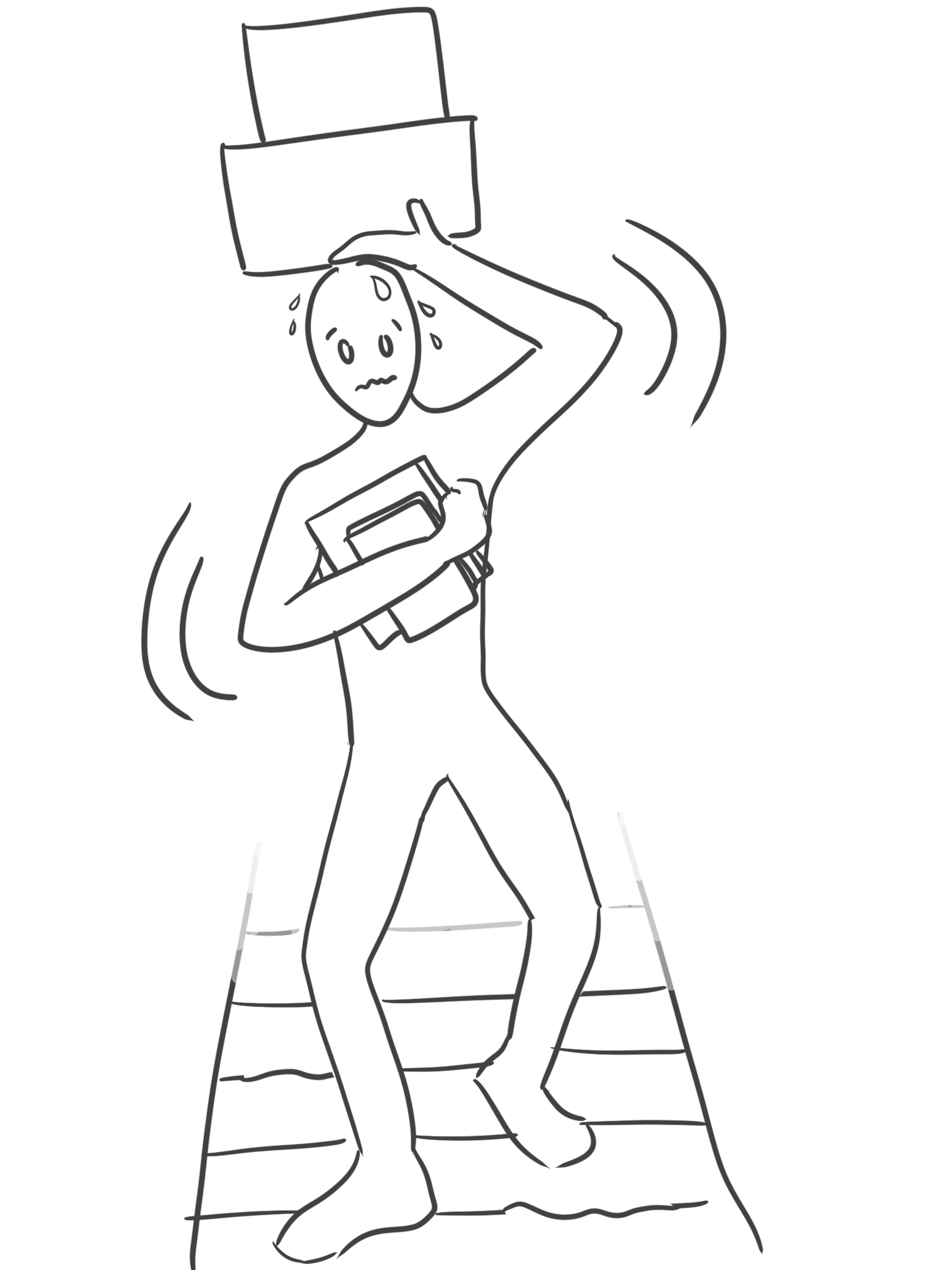
A quick sketch of how I feel internally when dealing with disabilities.
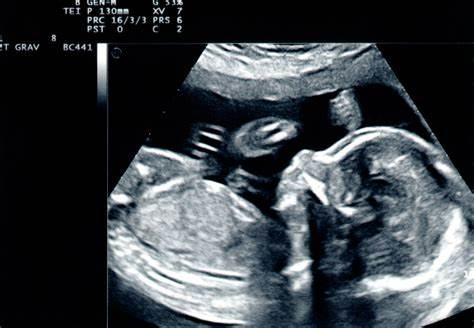
Thump, thump, thump. What a beautiful sound. The sound of a little girl tucked safe and sound within my womb. The sound of love that has come out of tragedy. Just hearing that sound of potential life was enough to bring a smile to my face. But that smile only lasted for so long… I heard my OBGYN give a small gasp. That gasp changed my entire life, turning my tears of joy into tears of pain and loss. At that moment, I had to make a choice, a choice between my life, and hers. My soul once again was ripped out of my body, just like the night of her conception.
That night my entire life turned upside down. My words ripped from my mouth, my body taken away from me. He walked away scotch free, but I didn’t. I was left with a consequence. A big decision that I had to make, just like my mother before me, and thousands of women before her. The decision of raising this baby. The constant back and forth through my brain, do I keep her, is it safe, will I be ok, is this too much?
She was my little secret. I walked around for weeks with this little secret. Weeks of morning sickness, hormones, and cravings. But it wasn’t all bad, the thought of bringing this new life into this world gave me hope. imagining how I could protect her so the generational trauma of sexual assault won’t touch her beautiful body. But unfortunately, I had to make the awful decision of having an abortion. There is this horrible rumor that has spread around America, the rumor that women go around and have abortions for fun, and that they were murdering a fully grown baby. This rumor is dangerous and it kills pregnant people.
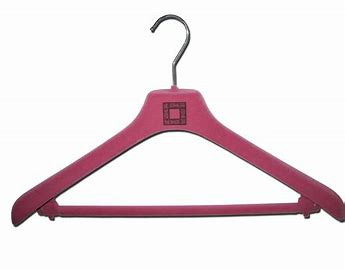
The downfall of female health issues, especially when it comes to birth all started when men took over from midwives. In the mid-19th century, bringing science into birth created a hierarchy, where the person at birth wasn’t in charge. Before that, women had complete control, and their midwives guided them through the miracle of birth. This overpowering caused women to be controlled. Birth control, abortions, and medical rights are all controlled by men who have never even had a period. The right to an abortion in America was granted in the 1960s, but with the recent overturn of Roe v. Wade, women don’t have that choice anymore. Their choice was ripped away from their hands. They have to choose between a back alley and raising their rapist’s baby, a coat hanger, and death.
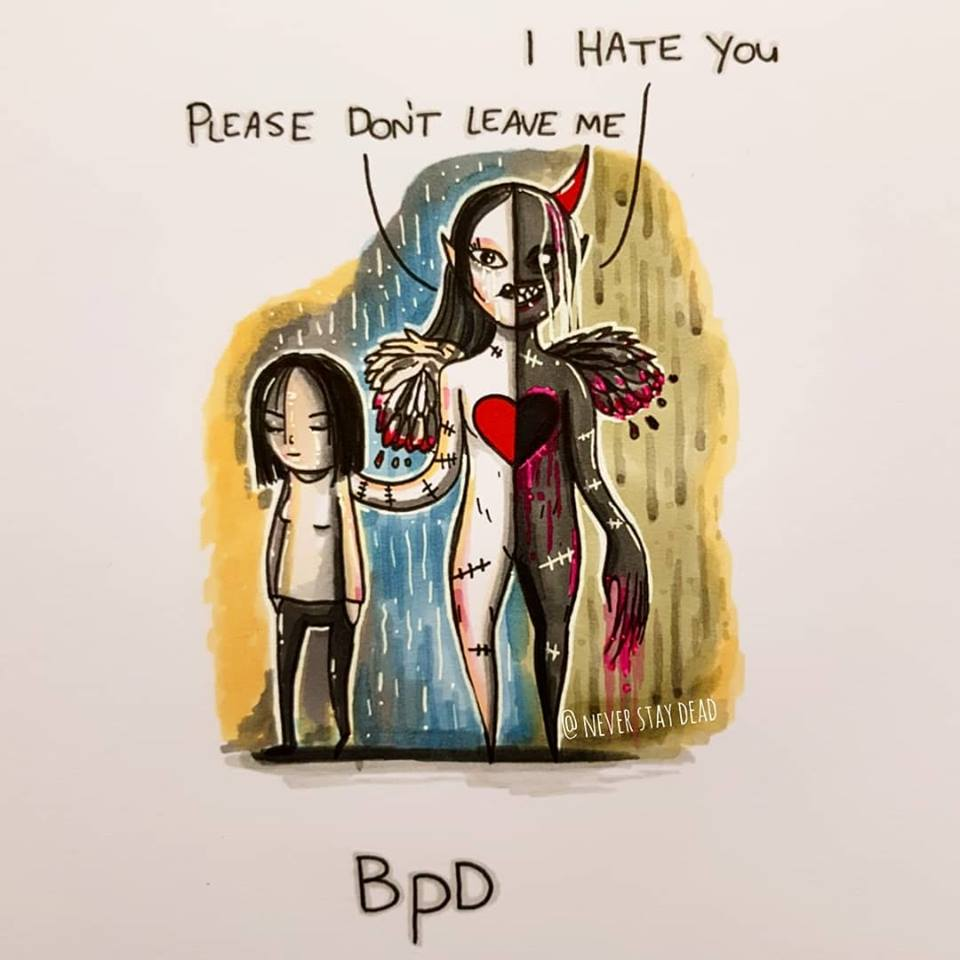
Artistic description of what it is like living with BPD
What does it mean to have borderline personality disorder? Does it mean you are a manipulative monster, or one can never have a healthy relationship? Oh, it’s the same thing as bipolar, isn’t it? Or is it something that just doesn’t exist? It’s not any of those. It is a complex mental disorder that has had such a huge negative stigma in our society. A more in-depth overview of the stereotypes and stigmas can be found here. For me, living with BPD is a complex thing. It’s knowing that someone who raised me, inflicted so much pain and abuse that I’m like this. It’s the feeling of having to learn who you are because you never got the chance before. It is going to therapy three times a week, just to survive. BPD is actually when someone does not have control of one’s emotions, so they feel all of their emotions extremely intensely. When I am happy, I am ecstatic, when I am sad, I am depressed. The constant up and down is exhausting, having to shield your emotions just to look “normal” in our society. As one cannot just talk about it, the stigmas are too powerful.
Our society, for centuries, has used mental illness, and the stigma behind that to control people, and oppress them. For example, in the 19th century, the term drapetomania was invented, to “diagnose” slaves who tried to escape. If you wish to learn more about this atrocious act, click here. Creating a stigma of madness for these African Americans, trapping them in their physical and mental cells. Being labeled as “mad” throughout the centuries, disabled people from growing into their true potential. Now you may be wondering what this has to do with BPD. Well, it has everything to do with it. Living with a borderline takes a lot of hard work. The treatment for it is incredibly intense and very emotionally draining. When one lives with this, and then has the pressure of the world’s stigma, it really inhibits growth and healing. Being labeled as mad or manipulative, causes one to draw back from society, limiting healing.
I don’t like myself much. I can’t remember the last time I did. I avoid looking at myself in mirrors. I dress in big baggy clothes to hide my figure. I even keep to myself most of the time out of fear of doing/saying the wrong thing. So, how did this happen?
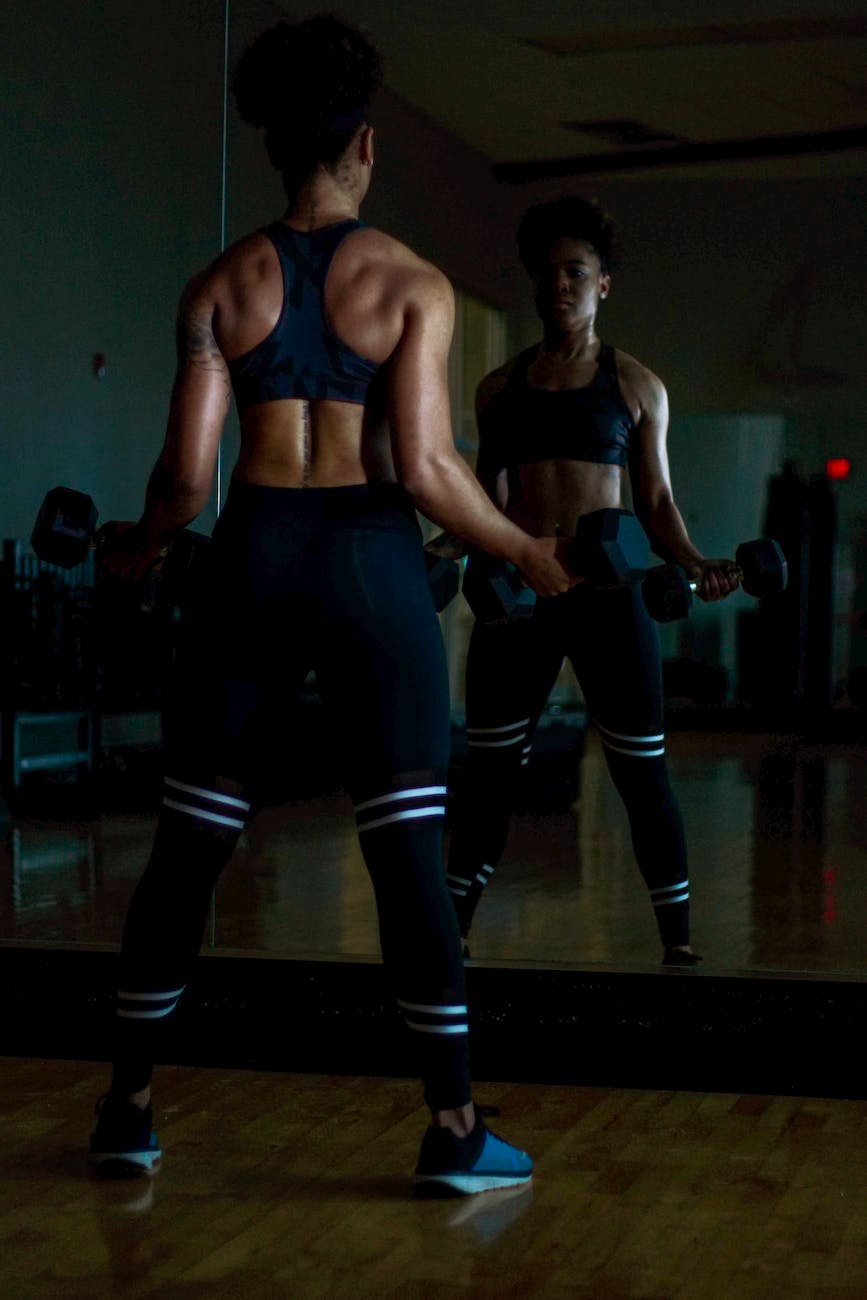
I hate how much I hated myself. Like it sucks not wanting to be in pictures, not wearing a piece of clothing because it doesn’t flatter you, having to take breaks from social media because you are exhausted from comparing yourself to everyone else on the internet, I could honestly go on about the endless amounts of things I skipped out on because of how I saw myself. In a world where straight, higher class men set the standards for literally everything and everyone, I fell into the trap where I thought I had to change my whole entire being. This is because our society has fantasized a certain look for a “woman.” small, tiny, dainty are just some of the nonstop chatter that would repeat in my head telling me that this is what I had to look like, and I didnt look like that. As a result of this, I started to under-eat and overwork my body. I had successfully fallen into the never ending vicious cycle. This was the start of how I changed my view on working out. I always went to the gym to be smaller. I wanted smaller calves, smaller arms, and a small waist. I wanted to feel “dainty.” When I say I used to overwork my body I was not kidding, like I went to the gym twice a day, everyday for hours. Because I was so scared of gaining weight I would not replenish my body at all, it honestly got very dangerous and out of hand for me.
However, I started going to the gym with friends, and they would say things like “yo look how big my muscles are getting” and they were excited. It genuinely confused me, why did they want to get bigger, but it was all because they had grown up with a different experience. They didn’t view the body as something that needed to look a certain way, but as something that needed to be taken care of. These types of relationships started helping me change my experience and view on my own body.
I started to see my perspective change and view my body in a different way depending on the environment that I was in. Being in the gym, a place where “you’re getting big” and “look at your gains” is the biggest compliment you can get that completely changed my ideology of my own body. I found myself yearning to get those kinds of compliments and over time I also found myself not wanting to be called dainty, but strong. I wanted to be strong and healthy. The gym changed my definition of “attractive,” it was no longer under-eating, basically depriving myself of my nutritional needs, but to fuel and nourish my body. To care after my body so that I could show up, be present, and take those pictures i had once shied away from
In conclusion, my phenomenology with my own body was destroying myself. I was not able to see myself worthy of nourishment and care, more as a machine that needed to constantly look perfect. I was so stuck in that mindset that I was destroying myself without even consciously trying to. Going to the gym and picking up the weights changed my perspective of my own body. My definition of myself changed when I changed to a different environment. Before going to the gym if someone had told me I looked big, I’d be devastated, but because of how the gym changed my mindset, i have been working on taking it as a compliment.
Phenomenology of Artists and their perception of the world
Have you ever looked at an Artist’s work and thought “Wow, this exactly encaptures how I feel..”, if you haven’t you need to do your research because it’s truly a life-changing experience that you DON’T want to miss out on. Whether it’s poetry, sculptures, paintings, theater, or music; art always makes me re-evaluate my perception of the world. I often wonder what kind of experiences has this artist had that have shaped their mind and thinking to express themselves this way. How are they able to translate their thoughts into works of art that communicate the same message/experience that they felt or went through? Self-expression in today’s world is such a complex and difficult thing. I feel like no matter how you express yourself in whatever shape or form, people will have a million different opinions of you ranging from good to bad. Even in simple everyday communication, people have so many different perceptions of the world based on their life experiences that what you say can be perceived in a million different ways. But, how is an artist able to so VIVIDLY and CLEARLY communicate something to people all around the world, who have a million different perceptions, and still give entirely the same message? If you’re having a hard time understanding what I mean, let me show you some works of art and think to yourself about what this means to you.
“Can’t Help Myself” By Sun Yuan and Peng Yu
“This is just a robot carrying on its programmed motions..” you might think at first glance. But after watching the video for longer than a minute, you might feel an emotional response stirring in you for a multitude of different triggers depending on your life experiences and your own phenomenology. Does this robot symbolize your feministic way of life? Trying to un-do all of the patriarchy, while society persists to treat you less than a man, not equal. Or, does this robot symbolize your relationship with your body? Trying every diet known to man but never being considered just right, rather “too small” or “too big”. Or, does this robot symbolize your struggle to make ends meet? From getting a degree to getting your desired job, your ever-so-increasing standard of living can never make any paycheck enough. Or, does this robot symbolize your relationship with your parents, a significant other, or an old friend? You love having them in your life, but it’s an ever-lasting circle of ups and downs. Perhaps, this robot symbolizes your relationship with food. You promised you would do better for yourself but you go back to your stress-eating habits and can never say no when you should. There are so many interpretations of art, and all of them point back to the viewer’s experiences, upbringing, and gender, which have all shaped them to have those interpretations. But what are those experiences and phenomena that have shaped you, the viewer? What are they for the artist? To conclude, I personally think it is very interesting to ponder these questions. To me, this is what phenomenology is all about, what makes us do the things we do, or think the way we do.
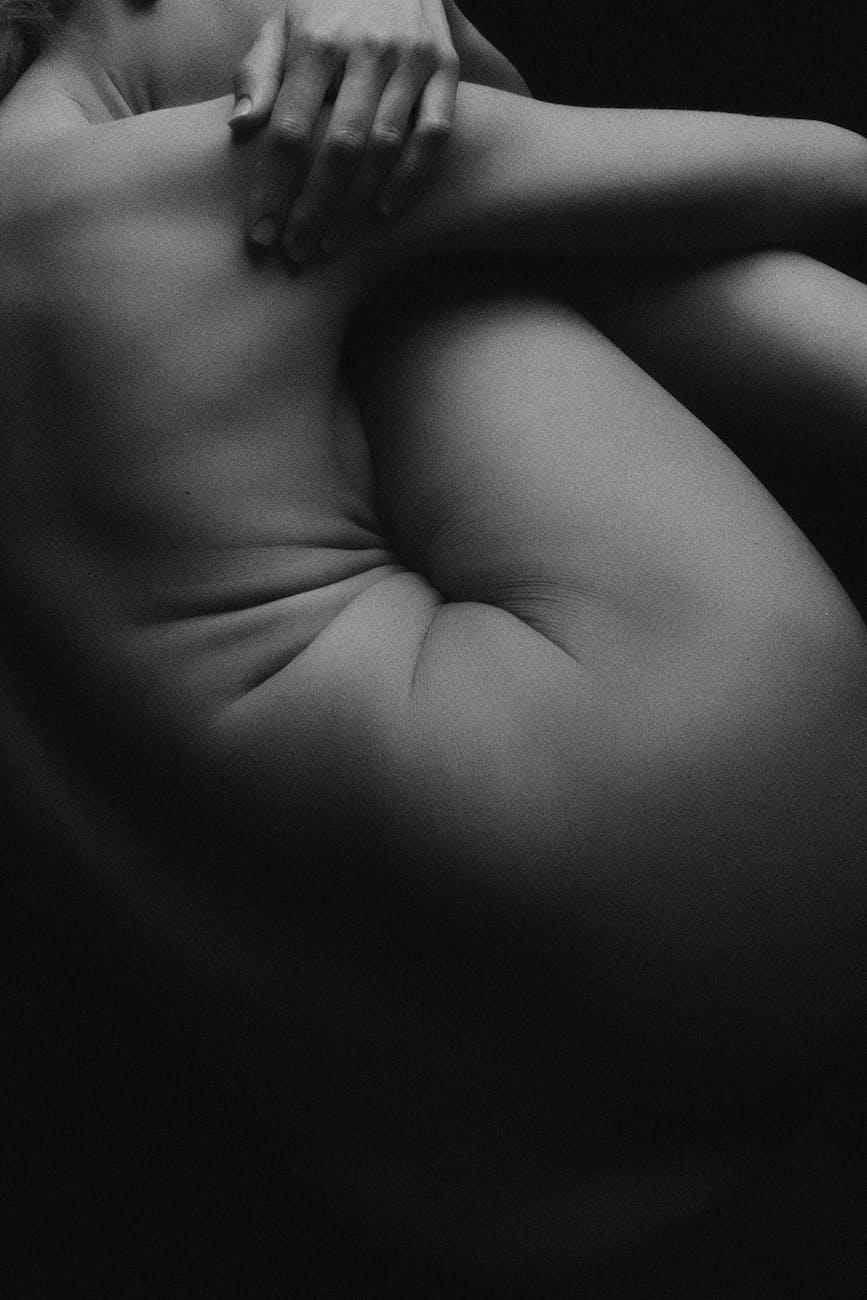
Sometimes I sit and think about what “caused” me to be nonbinary. I used to be so content in my childhood as a girl, where did it all go wrong? As my mom puts it, where did her “daughter” go? Now before you try and stop me, I know that line of thinking is problematic and pathologizing, but sometimes I spiral down that rabbit hole. I want to pinpoint exactly where my relationship with my assigned gender at birth went awry, and to me the answer is clear. I can trace all my problems back to you. You were my first big relationship, my first “I love you”, and also the person who ruined me. You made me question every part of my body, you made me wish I had more curves and bigger tits and less blonde eyebrows. You told me that if I didn’t wear a push up bra to school, you wouldn’t talk to me in the halls. If I didn’t draw on eyebrows to make up for the fact mine were so clear, you wouldn’t even look my way. At the young age of 15 you forced “the ideal body” on me so hard I think it broke me. Now my tits are big, I have a “womanly” figure, but I don’t identify as one. And I think that is due to the two years of you constantly sexualizing my young body.
I know, based off the concept of phenomenology (the study of consciousness through the first person experience of events and, well, phenomena), that this did affect me and my view of myself and the world around me. Your forced perspective on my body changed my view of how my own body moves and is perceived by the world around me. Two years of hearing what I needed to change about my physical body makes me move around in the world feeling awkward and being very aware of how people view my pear shaped body. I don’t think I’m attractive and I interact with people as though I truly am physically unattractive. Based off of other experiences I have had since, I know other people think that I am beautiful and that my body is lovely, but the words you said scarred me forever. As I continue to collect more experiences maybe I can put myself further and further from the experience that was you, but it’s been six years and still you affect me.
I know that realistically, and due to phenomenologists, it was not just you who “made” me nonbinary. I know it was probably a combination of experiences I have had, as well as my own personal relationship with gender outside of you that led me to be nonbinary. That being said, I enjoy how easy it is to say that all my identity issues are because of how you treated me. You already are a antagonist in my story, so why not blame you for everything? You would hate me as I am now, and that gives me power, I think (I hope).
People are all brought into this world as newborns not knowing a single thing. We all have the same beginnings so why is it that we are all so unique? Phenomenological research, answers that question. Everyone experiences the world and interacts with the world in their own distinctive ways. For example, if I compared my childhood to my father’s, our daily schedules were the exact same, but every encounter was completely different.
I woke up and got dressed in fresh, clean clothes. He woke up and wore the same clothes he slept in. I ate a nutritious breakfast with oats and eggs. He ate a plain piece of bread. I rode the bus to school. He walked three miles to school. I sat at a desk and took notes with a pencil and notebook. He snuck into a random class and took notes mentally because he couldn’t pay his teacher. I went home to do homework. He went home to plow the fields. I ate a bowl of spiced noodles for dinner. He had a bowl of plain porridge for dinner. I showered in a bathtub. He bathed himself in a lake. I slept on a soft mattress, covered with a blanket. He slept on a straw mat, next to a small fire.
His background led him to become strong headed and incredibly traditional. Every decision he makes is based on survival, regardless of any emotional appeal. Although, he tries to push his values onto me, I disagree with many of them. The way we each view the world are very unalike because we had different scenarios thrown at us, even if it was the same task. This form of comparison is very limiting because we can only analyze specific situations, but it is still insightful into how people develop their set of morals as they react to their experiences.
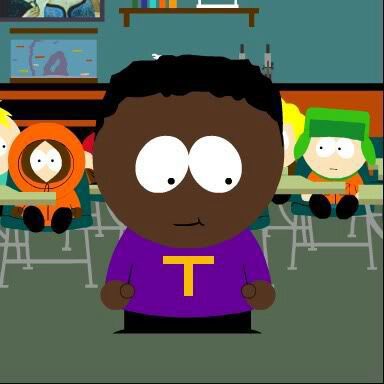
For years, I have heard everything under the sun when it comes to being one of the “only’s” in my group. As an adopted and mixed biracial child (27-year-old kid at heart currently), who lived in the mountains of Maryland as a teenager, coming to grips with how the world might view me and my curly-headed naivety was rather unnerving. I came to understand the reference of being the token black friend that allowed for the N-word pass or in other cases, being the only black friend in the class, group, seminar, etc. These experiences heavily shaped my perception of what it means to deal with race.
Personally, I am under the belief that Racism and Phenomenology go together and proclaiming to not see racism or ignoring the effects of racism on our current/past generation(s) is just downright sad. Phenomenology, or in my opinion, the study of the first-person point of view, can contextually be used to define how one person may “feel” in multiple facets of life. Regarding racism, are we to ignore any subject or mention of race, because it did not directly relate to our own lives? Or is race completely made up, and another reason for people to divide themselves from another individual or group?
The biggest change in my feelings of being different, and knowing that I was one of the only’s, came to me when I first heard the N-word, with a harsh r, referenced by a classmate in 9th grade. While it wasn’t said to me directly, it made me immediately focus on the issues behind the people who cannot or will not, for the lack of a better term, filter between what is racist and what may just be an awkward-ass conversation. Being raised within a school that was predominately 95% white was different, but fitting in and being myself was never an issue for me. Hearing the term, “I’m not racist, I have a black friend!” or “you’re not a black person, you’re white” was all predicated-on ignorance and a lack of socialization. I didn’t understand at the time, the importance that we placed on color, but I know what I experienced can be directly linked to misguided views and the sum of young adulthood. Looking back, it’s comedy. Which leads to my understanding of what phenomenology is. Color me shocked after spending at least – 30 minutes thinking deeply about what this long word could be condensed into, but I think the first-person point of view is a great example of what this study means.
When it comes to my personal experiences with racism and bigotry, I feel as if the instances I experienced as a child paled in comparison to others. While extreme to some, I would classify these lessons as just that – lessons. I fall somewhere beneath the idea of creating your own destiny and acknowledging the effects that racism may have had on our entire society. Personally, these instances did not break me and made me even stronger. Hell, now that I am slightly older and have experienced a gumbo-sized stew of diversity in Texas, race means nothing to me. We’re all different and accepting people as different is the key.
As a child, I “felt” as if what I experienced was profoundly true. Even if I was the black friend, call it racist or not, what did that other person feel when they muttered the N-word? If it was of no malice, it’s hard for me to take that comment personally. If I meet someone from a completely different location, that had a different lifestyle than I do, how can I not look at them and wonder where their family tree stems from and how that influenced them today? Asking these questions and looking deeper could 1000 percent be me overthinking, but I think that’s exactly what the study of the phenomena is; putting yourself in another person’s perspective and “feeling” (or at least attempting to understand) why they feel the way they do. Hoping for awareness, I have faith that talking and sharing our experiences as a society can aid in the attempt to ensure blatant racism does not continue to effect generations to come.

 Unruly Bodies