May I Have Another Label For My Ever Changing Body?

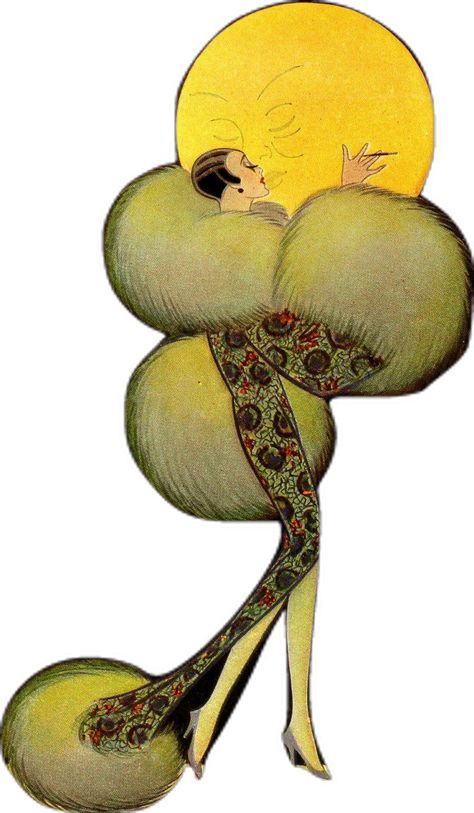
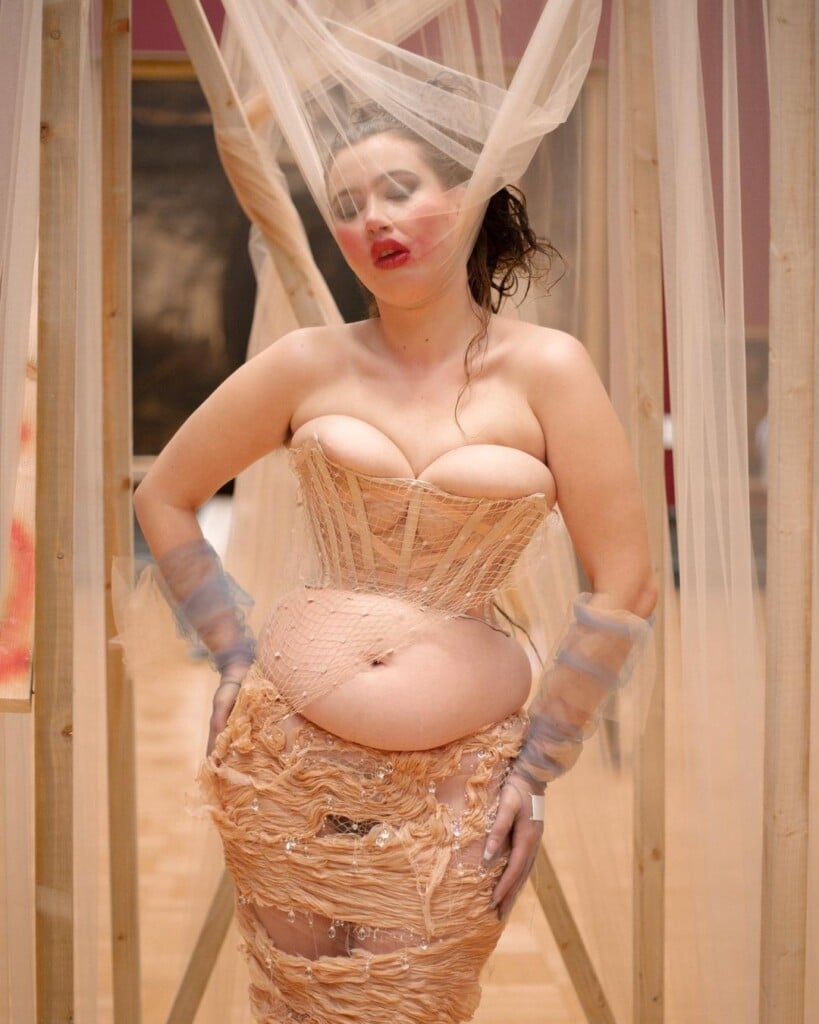
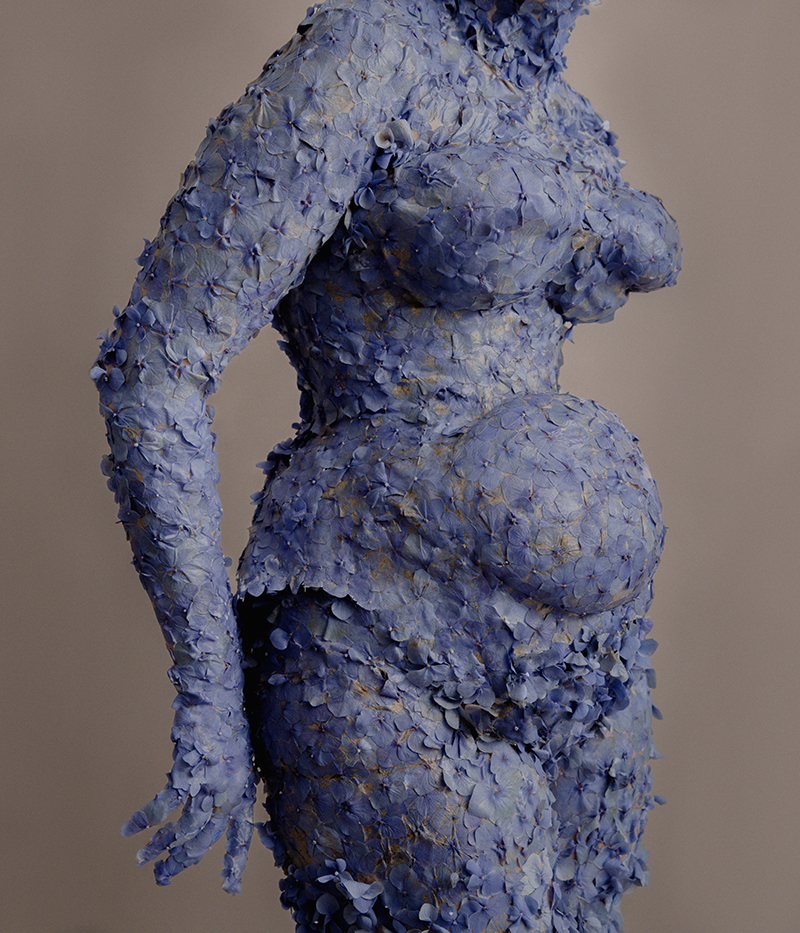
The image above features Michaela Stark on display at the Milan Fashion Week in 2024. Michaela is an Australian “body-morphing” artist currently located in London, who has made several headlines for her ‘Panty’ clothing line, which consists of lingerie and undergarments geared for “all bodies.” She perfectly captures the ways in which our clothing shapes and defines us, and never the other way around. I found Michaela in a sea full of Instagram models, body dysphoric rhetoric, and promotions of every possible procedure to fix every possible flaw of the body, media we consume every single second. Her work was eye-catching, shocking, and…normal.

What is possibly normal about contouring the body in such outrageous ways only to be put on display? Exactly. And yet it has been normalized in every other context by labels. The thin bodies we have shoved down our throats (while completely dismissing our own) are fit to be morphed and changed however need be, whether that be through soft shapewear or restricting corsets. Thin bodies are the ideal, and they must be accompanied by hairless and flawless skin. There mustn’t be a blemish in sight, a wrinkle to see, a stretch mark to grieve. Michaela Stark does this same thing, but we know it’s different. Except we know it’s not different but media has told us it is and so it must be. We all share the burden of having a “broken” body, the only difference is whether your body was born “broken” or conditioned into being “broken.” We all have something we must be desperately fixing at any moment.
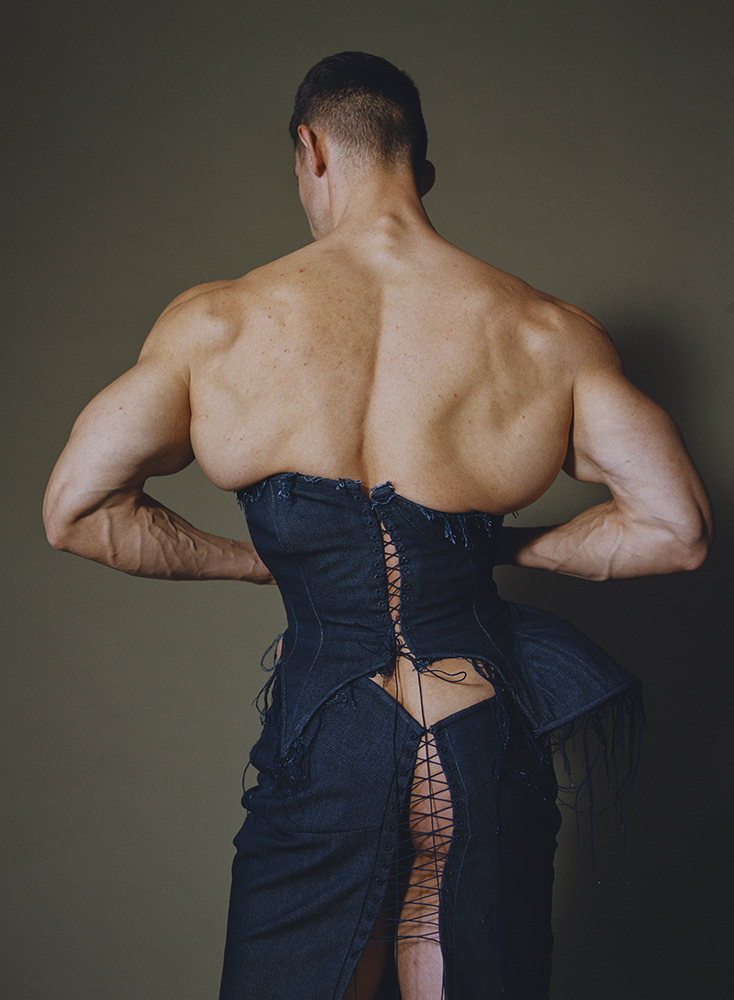
And even through political, social, and public statements that individuals like Michaela Stark make (whether that be through voice or body) where is the representation for men? Society holds tight to how a woman should be, and perhaps we are given some lenience because our bodies are meant to change (not by much though, don’t get ahead of yourself) through the natural processes of pregnancy and birth (yes, I know how demoralizing that is to women anyway), but men don’t get this recognition because it’s socialized to us that they don’t need it. A man’s body should only change for the better: gaining muscle, growing taller, being smarter, stoic. Women are the clay that is never left untouched, always malleable in another person’s hands. Men are the statues, the pyramids, never to fall or be broken down. And a statue should NEVER change. Who knows what waits for you when you don’t identify as either of those things.
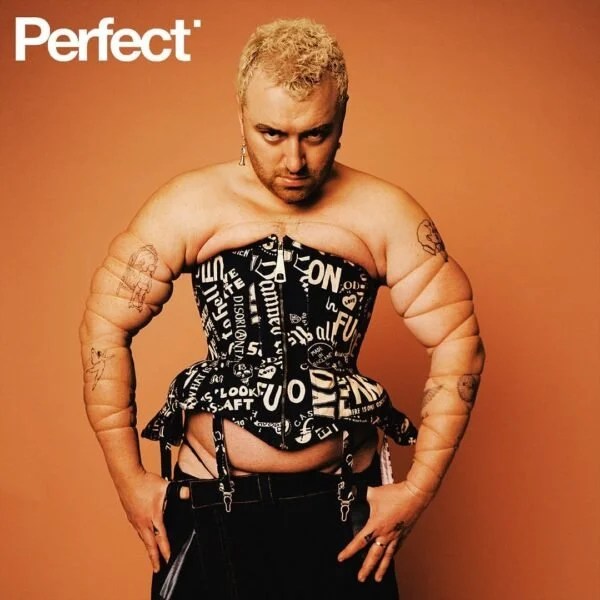
Michaela Stark represents a movement of bodies, and in that name we must assume this includes EVERY BODY. If we wish to combat the social construct of the body as its ingrained in our everyday reality, let us begin with abstract thinking.
Sources (and/or more to read):
Magnificent Michaela Stark

Michaela Stark Milan Fashion Week 2024

Michaela Stark in Fashion Film

The Tomboy to Enby Pipeline

I grew up in a houshold where gender norms were not enforced. I was allowed to wear “boy clothes” and play with “boy toys” just as much as “girly” things. For my 5th year I was obsessed with Spiderman and would wear a Spiderman costume around the house all the time (and try and climb the walls). I had my hair cut short and was constantly questioned about my gender as a young child. At first I would get annoyed by constantly getting asked “ArE yOu A bOy oR a GiRL?” because to me it was obvious that I was a girl. I didn’t understand that to everyone else girls are supposed to have long hair, and wear pink dresses. I didn’t understand why it wasn’t obvious I was a girl in my Pokemon shirt and short hair. Even at a young age I was questioning gender norms (probably due to being autistic lol). I first learned the word tomboy in early elementary school. This was a label that was pasted onto me, not chosen by me. I never understood it. Why couldn’t I be a girl and like playing in the dirt? Why did I need a seperate label from everyone else. This othering definitely coincided with my lonliness as an undignosed autistic child. I just felt so different from other girls. Most of my friends were boys because they liked to do the same things that I did. I struggled to relate to women well into my adulthood. It wasn’t until I realized I was nonbinary did I fully understand why I never felt “like other girls”. Sure people called me a pick me in high school and college. But I geniuinely wasn’t like other women, because I wasn’t a women!!!! It has taken me a long time to come to terms with my non-binary identity, and it’s something I’m still exploring. I only started using they/them pronouns only 2 years ago. I am excited to continue exploring my identity as I grow and change.

Football is for everyone, right?

Football is for everyone, right?

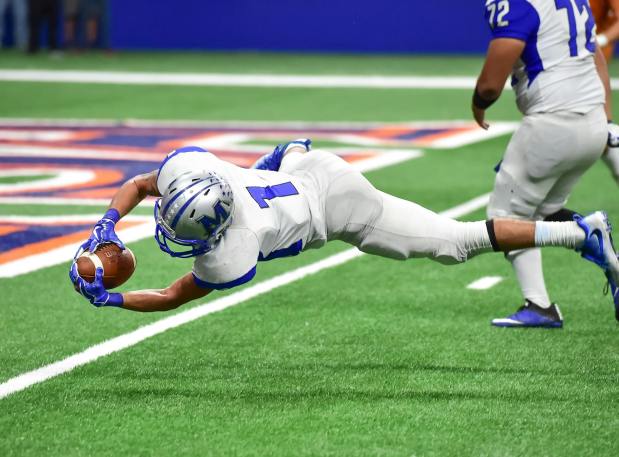
Within the past year or so, I’ve been slowly getting more and more into football. Most of my friends were already huge fans, but in high school I was into other things. That all changed when I got to college and found myself with nothing to do on Sundays, so I started following the NFL. Now, I’m even starting to get into the college football scene. While reading Brian Jay Eley’s “You See Me” in Nonbinary: Memoirs of Gender and Identity, I came across a quote that really stood out to me, “I believed the rhetoric I was told as a child. I believed that America was great. I believed God was good. I believed that all people were equal. I believed that it was wrong to be mean to people based on who they are. I believed that anyone could grow up to be anything. No one told me explicitly that I couldn’t play with toys for girls. I grew up with the implicit bigotry that surrounds us all.” (page 157) I found this quote incredibly powerful. Eley lists all the things he was told to believe as a child, only to realize later that society often contradicts those ideals. His realization that even something as small as being discouraged from playing with “girls’ toys” reflects larger social standards and restrictions really struck me. It made me think about football. At my high school, they recently created a girls’ flag football team. Now, this might be a hot take, but I’ve never really understood the point of flag football. To me, tackling is part of what makes football, football y’know? Pulling off a flag just feels… different. But what stands out more is that, for a long time, girls didn’t even have the opportunity to experience the sport in any form, at least not where I’m from. Only recently have those opportunities started to appear even if it’s not the same version the boys get to play. I think everyone should be able to experience the game in its full form if they want to. Regardless of gender, anyone should be able to put on the pads, line up on 4th and 1, and feel the same rush that comes with playing the sport.

Feminine Envy

In thinking about an oral history of my perspectives and what I can tell, one theme kept with me. It was this idea of Feminine envy and how I wish I could do the things they get to do without a second thought. 

Boys don’t have to think about their surroundings or body. The world wasn’t made to hurt them. 

They can get gas in the middle of the night and not park as close as they can to the machine so there is only space for your car door and the pump. They aren’t looking over their shoulder. 

It’s not that I am mad at boys, it’s that im envious of what they can do. 

They’re allowed to open up their dresser and wear the first thing that they see. Then they have the audacity to say “women spend to much time getting ready” when in reality it is a decision of how we are going to be perceived that day. 

If I wear something too tight, will people think I’m a slut? 

If I wear something baggy, will people think I’m lazy? 

If I wear a really well curated outfit, will people think I’m trying to hard? Or that I wear impractical clothing? 

This all seems trivial but they have an affect on how people treat us. 

Over the span of my life I have made multiple trips to my local giant. The level of which I am dressed will always affect how people treat me. 

If I decide to dress nicely then people stare at me. However, If I need to ask for help employees are far more likely to help me and will sometimes even go out of their way to help me (which could be attributed to that I am a pretty little white woman and the privilege that I hold in that) 

On the opposite side if I decide to dress in sweat pants, a baggy shirt, and no makeup no one will stare at me however I am greeted with side eyes. Maybe a store employee will watch me to make sure I’m not stealing anything. 

When I was a kid everything I was allowed to do changed once my breasts started to develop. Suddenly I couldn’t run, I couldn’t wear my spaghetti  strapped tops, and I had to wear an extra hot layer underneath my shirt. All my friends who were guys now started to act differently towards me, and all my family members couldn’t stop bringing up that I was “a woman now” 

Boys never had an experience like this. Boys didn’t get their childhood taken from them because of their bodies betraying them. 

I have come to love my breasts; they are a wonderful part of me now. However I wish I could’ve come in to my body on my own without the world’s judgmental eyes. 

Comedian Jo Sunday has a bit about when people say “Get home safe” In relation to the way she dresses. She states “Well it’s polite… but it’s really not up to me is it?” https://www.instagram.com/reel/DPe7jwXD6BC/?igsh=bzZ6Ymk4eDRxYzBp

I’d highly recommend everyone to check it out:)

I am my own label

I am me. I own no label but my name. for a major portion of my life, I identified as a lesbian; it was a truth to me, made a fact to anyone who asked. while it was something I obviously resided with, my friends at the time made it out to be my whole personality; not a day went by without being reminded of my orientation by my friends, it was all I was. what made matters worse is that I was hyper femme too. pink was in every outfit, even my all black outfit was paired with a pink sparkly belt, so to the world I was seen as the typical heterosexual ditsy pink girl. my friends constantly probed me to change, I couldn’t be a lesbian and dress the way I did; I needed to constantly be wearing markers. I was a label, only one label, nothing more. it didn’t matter that I loved drag, wrestling, building, coding, and makeup; none of my interests, which made up who I was, actually mattered to them. I was the butt of every gay joke and the first person looked at when the topic came about. As time persisted, I came to explore that women were not the only people I felt a gravitation towards, I confided in my friends about it, and the first thing they said was “Well, what are you then?”. It was like I was letting them down. within that moment, I felt something shift within me. I no longer wish to be a label, just a label. I like who I like, and that is a part of me, just a part. I know now that that friend group was not the best for me, and I do not blame them for their actions, as during this time, chronic online-ness became a pressing issue. they learned to gatekeep the community because the people they adored online were also gatekeeping, but I lost interest in being let in; I just wanted to be myself with no bounds. with this being said, I am still a very active participant in queer rallies and events. I strive to make sure that everyone I meet has a safe space within myself. not a day goes by where I’m not reminding people they are allowed to be who they are, open and free without constraints on being “enough” (whatever enough may be). No one will be made to feel the way I felt within those years, as if who I was was not enough to be let in. I now have a much better support group in friends, and I am forever grateful for them. They allow and help me explore who I am as a person, and remind me that I am complex and composed of a remarkable number of elements. in all, I am more than what anyone will ever make of me. I am queer; it’s just another part of me.

“I Knew”

“I remember wearing my mom’s high heels
And these pink work-out sweatpants
Yeah, I was a little kid
Who didn’t know to hide it
I remember hatin’ all my clothes
And seeing pretty girls with pretty clothes
And I was envious
How can I be one of those?”

These are some of my favorite lyrics from the song IDK If I’m a Boy by Blue Foster. You can pretty much gather what the song is about from the title. In this section of the song, Foster basically bullet points a series of experiences they had as a child that express interest in feminine practices/rituals/aesthetics. I was listening to this song on my drive to work the other day and when I heard these lyrics it got me thinking about how we’ve talked a little about signs from your childhood acting as evidence towards your queer/trans status later in life. 

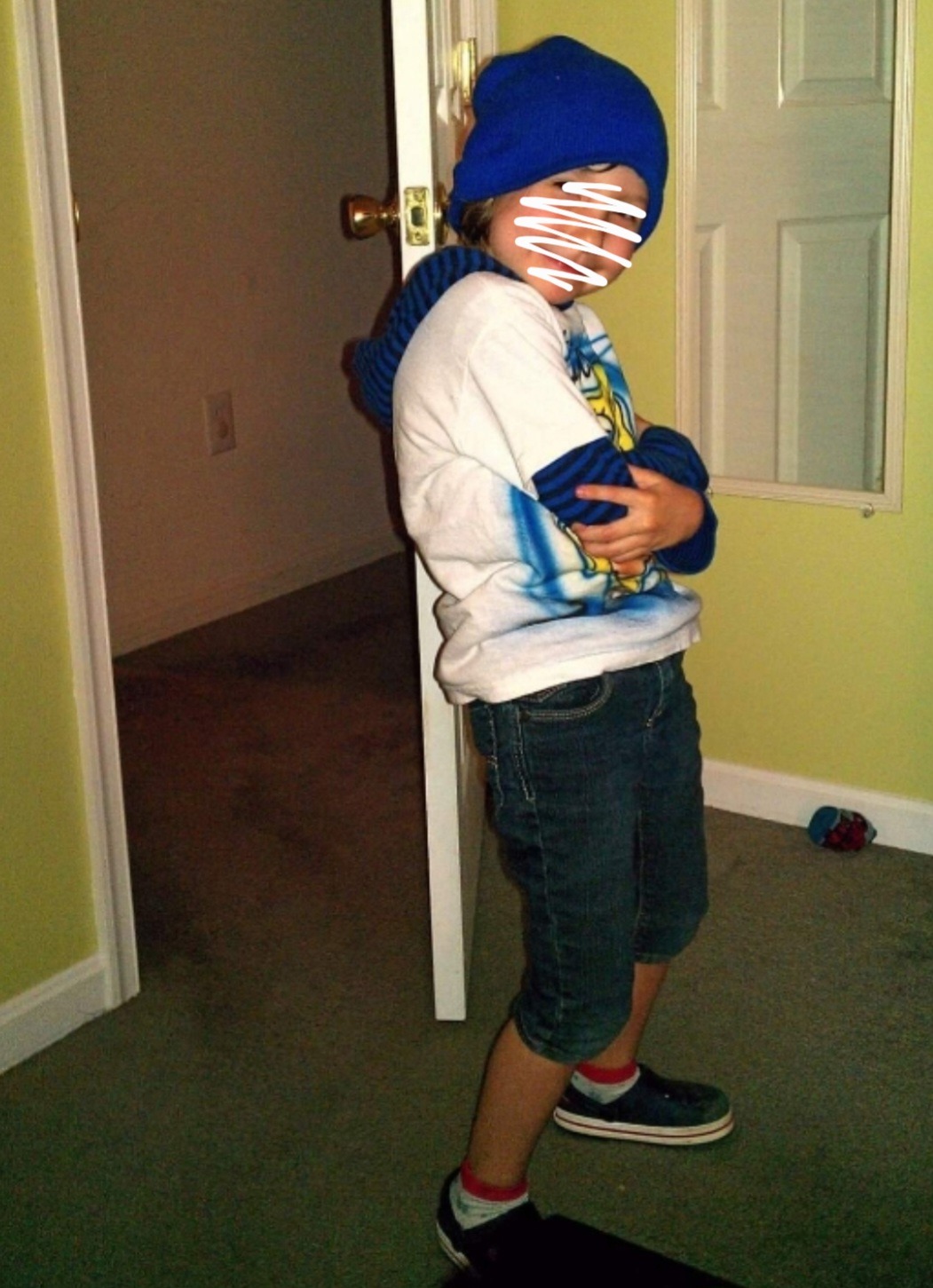
This photo, I think, perfectly encapsulates me as a child (circa 2011). While I don’t have any stories as good as Dr. Kate’s typing class love story, I do think I have some memories that could serve as these so-called pieces of evidence. For one, outfits like the one I’m wearing in that photo were the thing I felt most comfortable in (you may be able to see my big smile through the scratch out lines). I hated anything with ruffled sleeves, I would’ve rather died than let you put my hair in a ponytail, and don’t even get me started on skirts/dresses. When I got old enough to recognize the difference between the “boys” section and the “girls” section of clothing stores, I would say no to everything in the pink, frilly area until my mom was forced to take me over the cool, blue area. It was around the same time that I began to notice how pretty I thought my female classmates were and how uninteresting my male classmates were.

I read Deconstructing Myself (chapter 2) from Nonbinary: Memoirs of Gender and Identity and in it the author, Levi, discusses their journey from identifying as a straight cisgender woman to a lesbian cisgender woman to a “neither heterosexual nor homosexual” genderqueer individual. Levi shared some of their own evidence from their early life. This included wanting to play shirtless outside and pee standing up as a child, as well as wanting to talk about girls, fix cars, and wear a tux to prom as a teenager.

When I started writing this blog post (approximately thirty minutes ago), I planned on ending it with the question of why do people view behaviors they exhibited as children as evidence for their identity when they get older. While I’m sure there’s a lot more that could go into it, I’m starting to think it’s silly for me to ask that question. I have the answer (at least I have my answer). There is some murky water, but I think all-in-all we know who we are and there is no better time to understand who you are than when you are ignorant to all the factors that will one day influence your expression of identity. Like the song says, when you’re too young to understand what your desires may entail for your identity, you don’t know that you are supposed to hide it from the world around you. 

Learning To Dress For Me

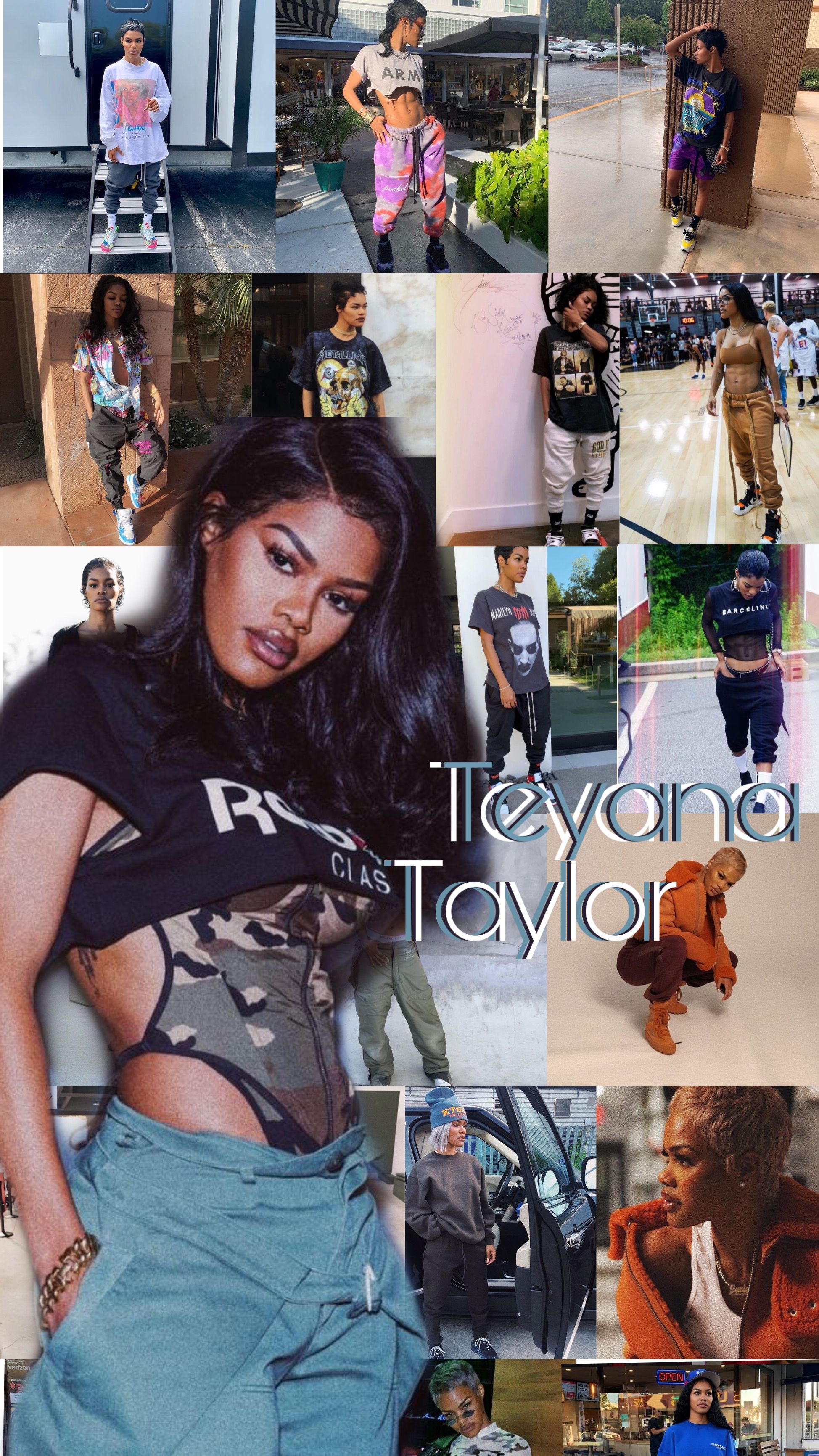
collage photos of singer, dancer, and actor Teyanna Taylor wearing a mix of masculine and feminine styled clothing streetwear style

Over the last two weeks, we’ve been reading stories about queer people who struggle with their identity and sexuality while also trying to fit in with society. It made me think about times when I struggled with how I wanted to represent myself. I’m not queer, and I haven’t faced the same challenges they have, but it still made me reflect on my own experiences with identity. I remember being in middle school, going through that awkward stage of trying to figure out who I was. One specific memory that stands out was an argument I had with my mom about what I wanted to wear to school. Up until then, she was the one picking out my clothes all very feminine and “girly” I was tired of it because I was bigger, and I didn’t like how those clothes fit my body. They were too tight, and I just didn’t feel comfortable. I told my mom I didn’t want her picking out my clothes anymore, but she wasn’t having it. She kept saying I didn’t know what looked good on me. I ended up breaking down crying before she finally agreed to let me choose my own clothes.

After that, I went straight for hoodies, graphic tees (mostly from the men’s section), and sweatpants. I stopped wearing those form-fitting clothes that girls were “expected” to wear. My mom didn’t like it at all she’d call me a “tomboy” and compare me to my older sister who still let her pick out her outfits. She’d even say things like, “People might think you like girls.” But for me, it was never about that. I just felt more comfortable and confident in those clothes. It wasn’t about gender or sexuality it was about comfort and feeling like myself. All through middle school, I stuck with that style. It wasn’t until I was about to start high school that I started adding more feminine pieces again because I was becoming more comfortable with my body. Even now, I still like to mix both masculine and feminine styles. My style inspo is Teyana Taylor she mixes masculine energy with feminine flair, and I love that balance. Reading these stories in class made me realize that almost everyone goes through what I’d call a mini identity crisis at some point. Maybe not as deep as what queer people face but still those moments where you’re just trying to figure out who you are and how you want the world to see you.

Beyond Labels

Label the foundation of modern society. Why is labeling yourself or someone so important? Why does it matter so much to someone what my gender or sexuality is? I never really thought about this until recently and the more I think about it the more I question everything. When I was young, I always assumed I was a girl and straight but as I got older and learned more about myself, I learned that no I am not. I learned more about myself. I would describe myself as gender fluid, pansexual and asexual. At the same time labels are not that important to me when come to gender personally but as for sexuality it matter more because I have been with a man for a few years and because of this many people assume I am straight when I tell them I’m pan they seemed confused why I be with a man this irritates me internally because it make me feel like I am not a part of the LGBTQ+ community this way of thinking I have faced more by those in the community then thoughts outside of the community.

Until I started back at college in fall of 2023 when I met the amazing group of people I love dearly I always felt like an outsider I did not feel wanted in the LGBTQ+ community nor the straight people community I felt like I was just drifting in space in a way, this not feeling like I belong the more I go to therapy and work on myself the ,ore I realized this sense of not belonging truly affected me. In the book nonbinary I relate with many of the stories although myself am not nonbinary the questioning of faith and the not feeling like I belong and the questioning of why labeling matters so much. No matter if you feel labels are important to you personally or not, I think things like this should be spoken about more in society, so people like me and many others know they are not alone and feel like they belong somewhere in this strange world we live in.

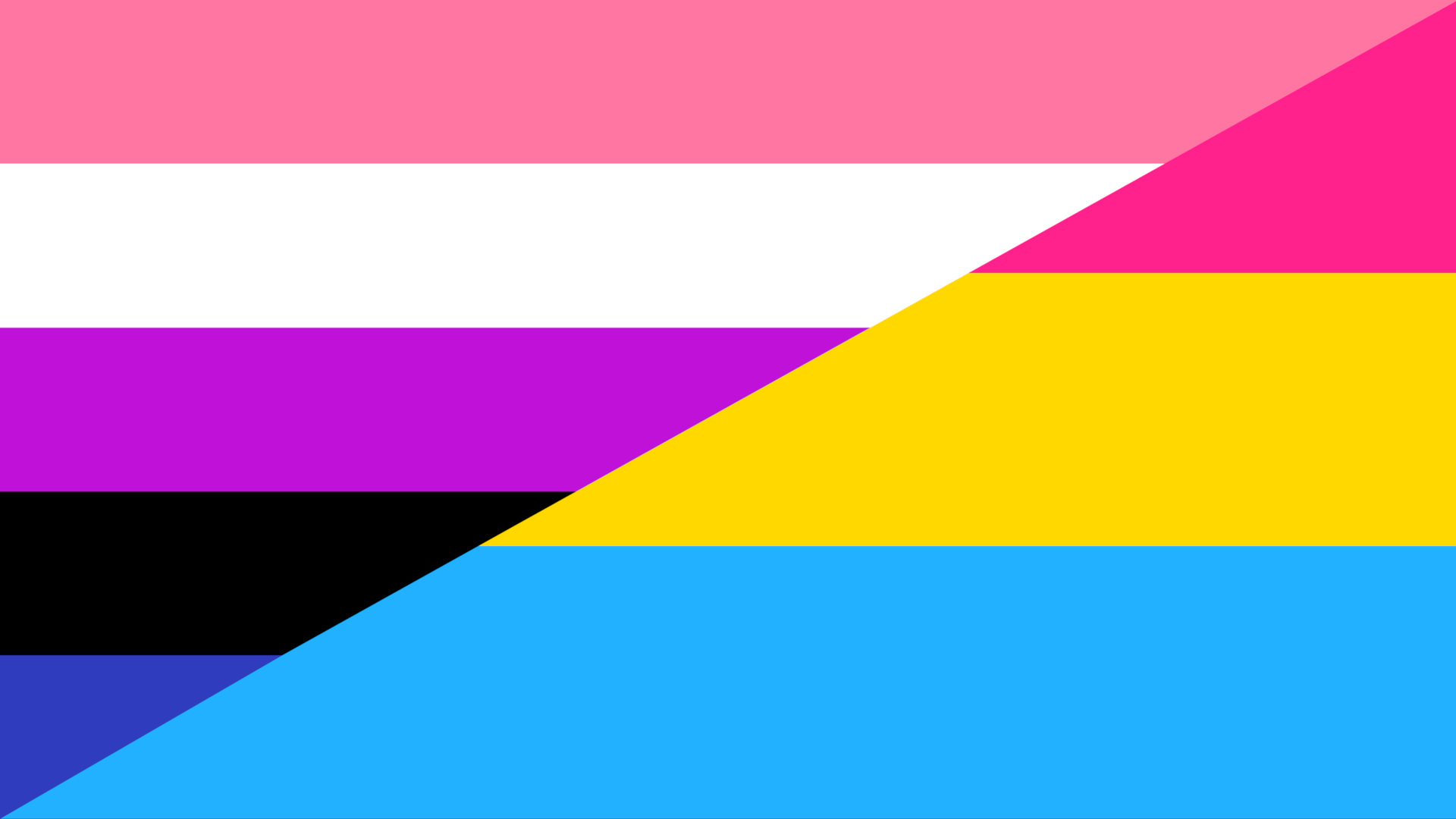
Pansexual and Genderfluid flag.

Figurative for me, Literal for He

The use of imaginative language, metaphors and similes in writing, particularly for minority communities, is one of the most prevalent forms. But, why? Why do the experiences of a queer person have to be compared a fictitious creature or an inanimate object at an attempt to be heard? And more importantly, why are the only people allowed to speak directly in the first person and still be understood white men?

Continue reading

Why Do I Feel Like Nothing When Everyone Else Feels Like Something?

Have you ever scrolled online and see people confidently declaring their gender and sexuality like they’ve had it figured out since birth? “I’m nonbinary.” “I’m a lesbian.” “I’m pan.” Meanwhile, I’m sitting here wondering, why do I feel like nothing? This question has been bouncing around my head for a while now. But after reading Nonbinary: Memoirs of Gender and Identity, specifically Christopher Soto’s “What Growing Up Punk Taught Me About Being Gender Nonconforming” and Aubri Drake’s “Clothes make the Gender/Queer,” made me realize that maybe this feeling of nothingness isn’t emptiness, but simply uncertainty in a world that demands certainty from everyone.

Soto writes, “I tell my friend who still presents outside the binary that I want to be alive. I want to live. And so this is my gender: a desire to live.” That line hit me like a ton of bricks. For me, identifying as a woman has always been about survival. It’s safer, easier, less questioned. I don’t have to explain myself or fear someone reacting violently because I don’t fit their idea of what a woman “should” be. Soto ties their fear to capitalism and violence because the way safety, livelihood, and even love feel like privileges granted to those who conform. Sometimes I wonder if I’d feel freer to explore my gender if the world wasn’t punishing those who step outside the binary.

Growing up, everyone labeled me a “lesbian” before I could even figure it out on my own. I was the tomboy wearing my dad’s clothes, obsessed with comic books instead of makeup. My mom used to tell me to “act like a lady,” for simply sitting in my own home with my legs open. Then puberty hit, and suddenly I had curves I didn’t ask for. Aubri Drake’s words that “clothes started clinging to my body in all the wrong places… they stopped being a form of expression and instead became material to hide in”described exactly how I felt. I started hiding under oversized clothes because my body no longer felt like mine, but a spectacle for others. 

For years, I bounced between labels from bi, lesbian, pan,  and now to queer. Each one feeling right for a second and wrong the next. I even dated men exclusively at one point just to prove something, though my attraction to women has always been stronger. Every time I picked a label, I felt like a fraud and that everyone knew I was out of place. 

When it comes to gender, being called “masculine” or “feminine” makes me physically recoil. I don’t feel like either. I identify as a woman because it’s practical since it’s what fits easiest in the world’s boxes, but that’s never been the only reason. I’ve briefly thought about identifying as nonbinary, but fear always stops me: fear of losing cis privilege, fear of not being taken seriously, fear of violence. Like Soto, I get what it means to feel “illegitimate” just for wanting to live safely.

That’s why the label queer has been a relief. It’s flexible. It’s fluid. It lets me breathe. I don’t have to get a headache by searching for answers I don’t have yet. My gender and sexuality are personal, evolving, and maybe a little messy, but at the end of the day, that’s ok. 

A few months ago, before reading these essays, I went down a rabbit hole on Reddit trying to understand why I felt “genderless.” I remember scrolling for hours through different threads from queer and neurodivergent people describing the same sense of in-betweenness I couldn’t name. One that stood out to me was called “Does anybody else feel genuinely genderless?” on r/NonBinary, more specifically this one quote:

“When I lean more towards masc or femme with my presentation that’s all I feel it is — a presentation. Or really what it actually is is society interpreting my presentation as gendered. Ultimately it’s still just me. I don’t feel more feminine when I wear skirts — but it’s perceived that way.”

When I lean more towards masc or femme with my presentation that’s all I feel it is — a presentation. Or really what it actually is is society interpreting my presentation as gendered. Ultimately it’s still just me. I don’t feel more feminine when I wear skirts — but it’s perceived that way.”

That line felt like someone cracked my brain open and wrote down my thoughts. It echoed everything Soto and Drake described; that gender can feel more like a performance that others interpret than a truth you embody. Re-reading that thread and other ones I mindlessly scrolled actually helped me realize I wasn’t broken for feeling detached from gender. I was just tired of performing one.

I still feel like “nothing,” but I don’t see that as a bad thing anymore. That nothingness feels like freedom; free to move, question, and change without being boxed in. Reading these essays made me realize I’m not alone in that uncertainty. There’s comfort in knowing gender and sexuality don’t have to be solved; they can just evolve. Maybe “nothing” is true freedom. Maybe my gender isn’t nothing — maybe it’s just mine.