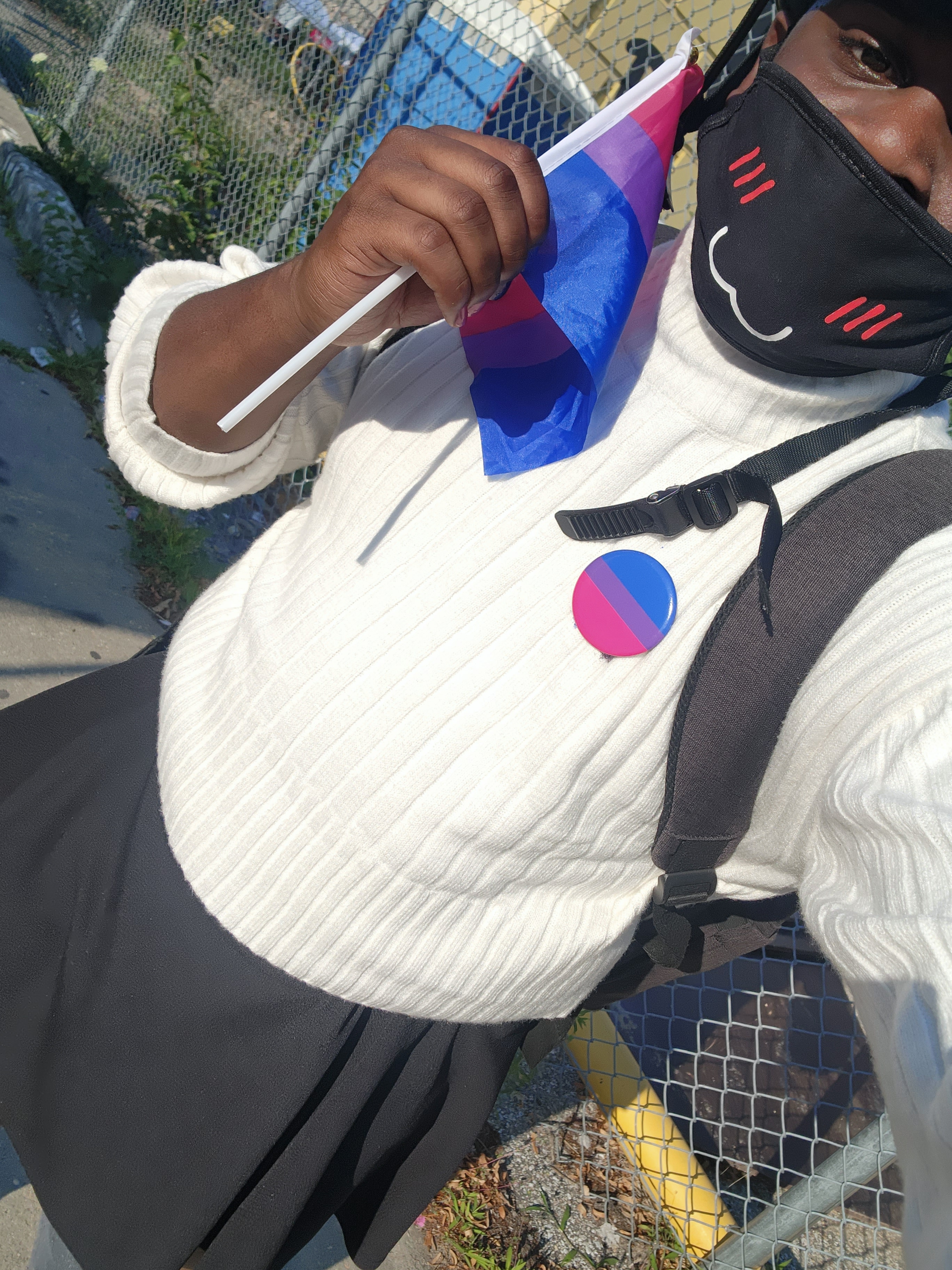
There is a correlation between having a mental disability and being queer, but a lot of homophobes use this narrative to push the idea that queer people are mentally ill. The truth is that people with disabilities are more often ostracized by society, leading them to more often go after alternative lifestyles. I am a great example of this. Because of my solitude, it made me realize that I like men a little bit. On late nights, alone I viewed web comics of guys in cute outfits. I tried to justify it by saying that “I’m not gay, this guy just looks like a girl” over time I had a hyper fixation over my sexuality, and enabled me to critically assess who I am. One day I said “forget it, I’m Bi now” and watched gay porn. My mental disability didn’t make me queer, but it led me to that discovery faster than a neurotypical person would. I would love some dialogue about this phenomenon, and I would like to be proven wrong.
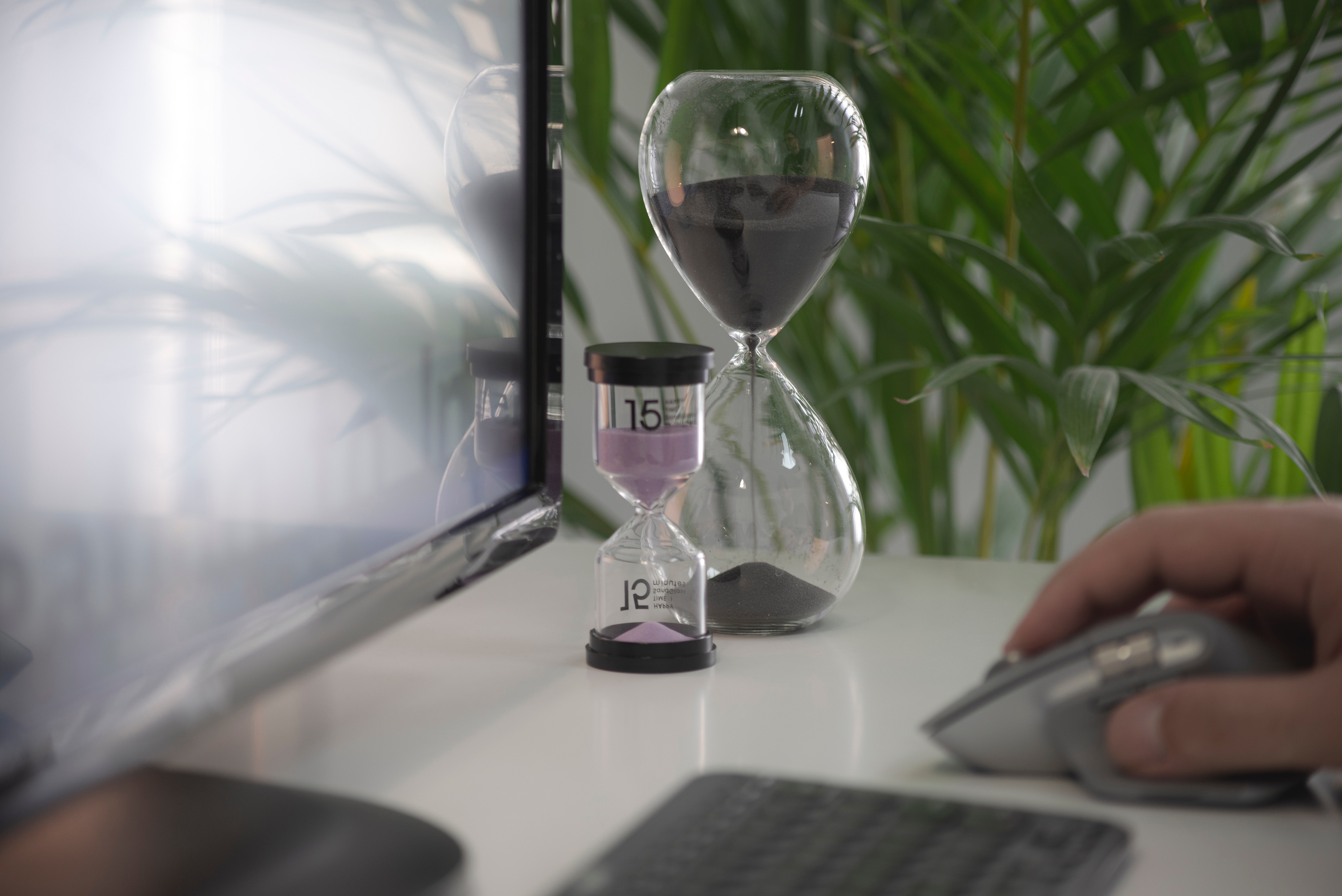
I feel like I’m constantly chasing time. When my grandmother died last semester, time stopped making sense. I started sleeping during the day and staying up all night. I couldn’t get through my classes without crying, so I just didn’t go. It wasn’t that I didn’t want to work — I couldn’t. Everytime I picked up my computer, it felt like I was betraying her somehow, like working meant forgetting. I wasn’t ready. I needed time to process, to grieve. But, much to my dismay, time wouldn’t stop. I turned in every one of my finals late. I scraped by with good grades in all of my classes, in large part due to the kindness of my professors, but I still felt like a failure. Capitalism asks us prioritizes our productivity over our mental health, and I couldn’t do that.
For a long time, I’ve been doing this thing I call “budgeting” — I force myself to be productive in hard times in case harder times are ahead. You can only ask for so many extensions and excused absences before it becomes a problem. You can only have so many breakdowns before you can’t catch up. But it shouldn’t be this way. I just want time. I want to take days off without the fear of failure constantly looming overhead. I want to ask for as many extensions as I need without feeling guilty or embarrassed. I want to heal without being questioned or rushed. I want — I need — time.
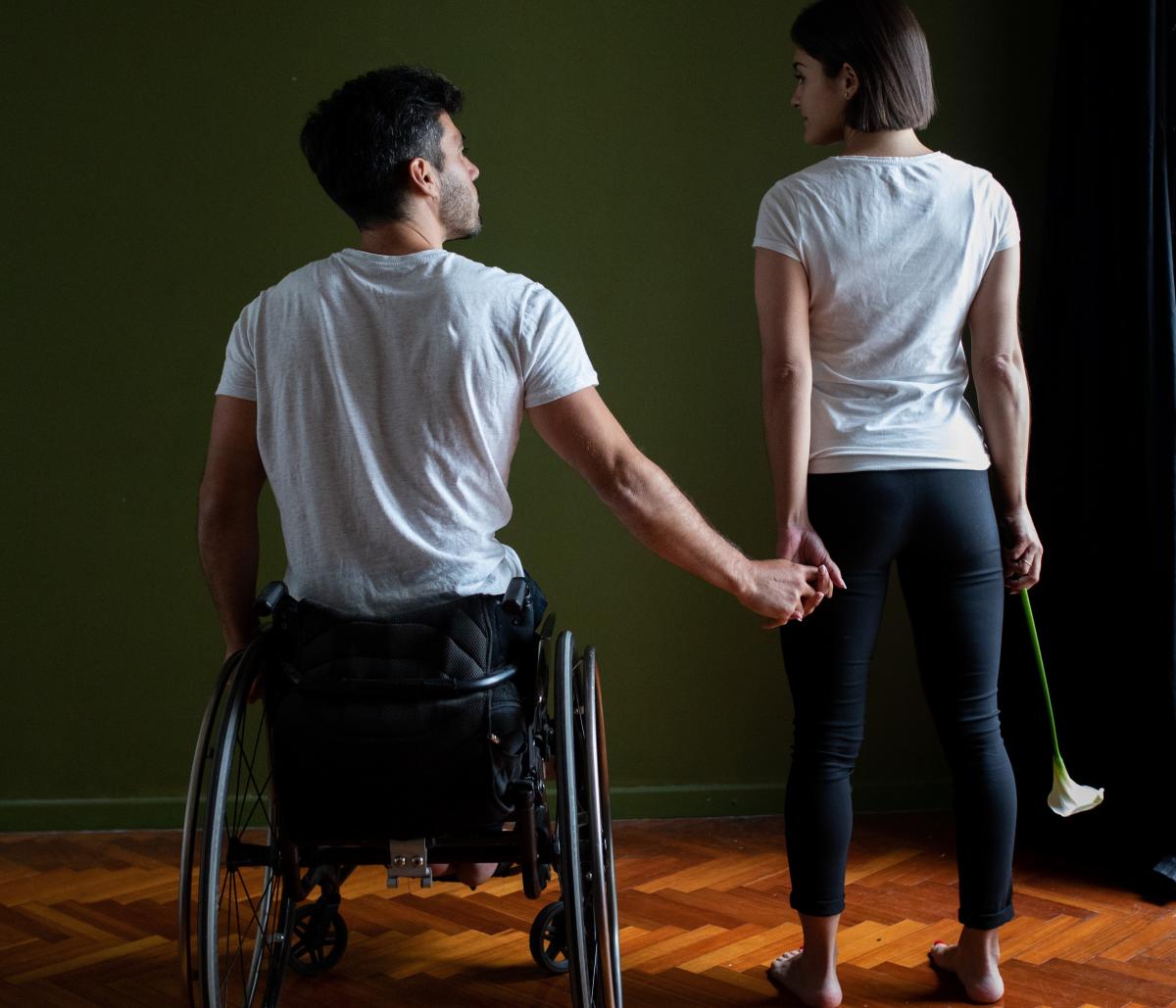
Growing up, we saw physically disabled people as the odd ones out. I could take responsibility for viewing disabled people that way, but that was how everybody around me viewed them. I had no chance of “knowing better,” at least in that environment and age. That was the case until I was introduced to this class and had a fair share of friends who were open-minded. These people changed my thinking in both positive and negative ways, but the point that they taught me that people are different; not everyone is going to look and act the same as everybody else, and that is okay. I know the previous statement can come out as a very “duhh” statement for most of yall; however, I didn’t use to think like that. It was more of “you are weird! something is wrong with you.” And of course, like most adolescents who are just discovering sex and how it works, I wondered what sex must have been like for people with spinal cord injuries and other disabilities like that. I asked myself, “Do they feel anything down there?” or questions like, “can women who are paralyzed from the waist down give birth?” Most of these questions came from mostly ignorance and a bit of curiosity.
Sexuality and Disability: The Missing Discourse of Pleasure by Mitchell Tepper opened my eyes to this issue regarding disabled people and sex. An article like Tepper’s is exactly what people like me missed back in junior high. From reading the article, I learned that sex is more than just borrowing some friction from a partner, and there are more ways to derive sexual pleasure that does not involve the privates. I found it heartbreaking that some disabled individuals give up on their sex lives because they believe that there is no point in trying, “nothing will be the same.” And that is when Mitchell Tepper steps-up and encourages people with SCI that their “sexuality is their responsibility.” These people learned more about the spinal cord-injured bodies and embraced their disability. Evidently, disabled people in wheelchairs tend to have a more difficult time finding a sexual partner than abled individuals; most of this is due to the stigma around disability and sex and partially due to self rejecting before they can even try. Self rejection is a problem that we need to tackle. We (teachers and professors) need to teach about pleasure and sexuality in order to shine a light on this topic of sex and disability and hopefully reduce the stigma and misinformation around disability and sex.
Sometimes I wish life was as easy as being on the internet, imagine a place where I could just pick apart every aspect of myself and remove those that I hate. It could be like an online marketplace that I scroll through “ooo”ing and “ahhh”ing at every little flaw I came across. It could be like a dating app where I swipe right and left on my best and worst qualities. I think most people would want to do the same, growing up in this current generation has been a rollercoaster, from social media platforms pushing unhealthy and unrealistic material toward young kids to not even being able to feel completely safe within our own rights as humans to not knowing if our home will last long enough. Is there a day in my life when I don’t overthink? Probably not. The internet is such a large haven, even if it’s to some questionable communities, people will usually find their own place online, places to share their interests with others or to just seek community. As I said though, there are questionable things online. It can be too easy to find alarming content, some people online can be taken advantage of so easily, and negative views and influences are able to spread so quickly and widely. With the internet being so powerful, is it becoming too cluttered with negativity and only aimed at financial gain or is it still about its people?
I wonder if I would’ve turned out differently if I wasn’t online so early in my life, it’s possible I wouldn’t feel so pressured to look and act a certain way, I wouldn’t have dealt with the weirdness of certain groups, and I wouldn’t have tainted my mind with things that honestly I had no business involving myself with. It’s not like it’s all bad though, I got to learn about different communities, and made some pretty great friends who even if I don’t talk to them anymore, I had great experiences with them. The internet also allowed me to become comfortable in my sexuality, think about it, I come from a religious family who follows the “not in my backyard” form of things. That basically just means that they’re okay with certain things as long as it’s not in their own home or family. I was in elementary school, crushing on girls while a lot of people around me in my environment and in my family were very much against the idea of gay and queer people, I had no one to talk to and no one to guide me. The internet provided that for me.
Now, yes I do blame the internet for a lot of my weird and cooky phases like the “I desperately need a snapback and big black frame glasses” phase or my “pastel pink and blue” phase but now as I’m a bit older I long for those days. I remember finding so much comfort in coming home from school and immediately going onto Youtube to watch a new video from someone I was obsessed with or just going onto a flash/browser game and probably playing a scuffed version of Flo’s diner. It gave me so much comfort and honestly, it helped me through some of my toughest times. When I was dealing with terrible mental health during all of middle school, I only truly ever felt understood by the posts I would read online and by those who were so open on the internet. I think it allowed me to cope and gave me an outlet when I felt like those closest to me wouldn’t understand. That kind of internet doesn’t seem extremely available anymore though. You have to dig to find spaces that do not become clouded with constant advertising or constant mouthfuls of hateful rhetoric but we can’t deny that those communities still existed before now, there has always been something looming, even if it wasn’t directly in your space.
During my favorite era of the internet, slurs and hateful speech were used openly, as a child I didn’t really go looking for it but when I looked back, I learned of many of these things. Rules were less strict and didn’t exactly prevent this from expanding, now platforms like Youtube have extensive and extremely strict rules, possibly so strict that many times their creators are wrongfully stripped of their channels. These rules are made in order to protect the community of watchers and creators, it also helps prepare those most susceptible, children. I think it’s great for them to protect the children, I sure do wish I had been protected from seeing things as a child but many platforms now go about it the wrong way.
The internet is changing constantly, it seems uncontrollable at this point but continuously I see people online longing for the return of the internet they got to experience when they were younger. Society is full of corporations that aim to only profit not protect the people, and that’s why so many platforms will not prevent from false ideas being spread and from misleading advertising and so many things persist and have a place to grow. As we continue to become more connected with social media and the internet, we must also push for more genuine approaches and for protection. There are so many communities online that deserve their space and platform, some people solely make their living off of the internet, think content creators and SWs. The internet is also home to those who need spaces to open up about what they feel and deal with. The internet has had both a positive and negative effect on society, from the moment of its creation but it doesn’t have to continue that way, it could possibly become a positive environment for people who seek people, information, and content of all forms. It just genuinely needs to be more for the people and instead help foster healthy change. This probably made no sense but trying to understand the internet makes no sense.
Learning about sexuality and disability it was interesting to learn about how many myths there are about people with disabilities. People should be able to express themselves One of the sources we examined in class the website “sexuality and disability” was enlightening to learn of how its a website to help young woman with disabilities learn about and ask questions about or involving in their sexuallity. Learning that people with disabilities were never taught about sex education I am really happy that something like this exists. Exploring the platform learning about this is extremely important to stop myths from forming and happening constantly in society. Not only is it harmful for people but completely ignorant. As we progress more as people and as a society I hope we all are more educated in the topic and continue to myths from forming.
“When I met you (thanks Tinder), I had no idea you would become so important to me. You have taught me so many things, and helped me grow immensely in the short amount of time I have known you. And I foresee much more growth to come. Not just with myself, but with us.
I am so excited and fortunate to have you in my life, and to have the opportunity to get to know all of you. It’s easy to see your wit, and kind heart. Do I even have to mention how physically attractive you are? Ugh, and you have the sweetest and most pure soul. You have shocked my unfamiliar system with your support and care, and especially with your patience. All of those amazing things, and yet there is still more to discover. More characteristics and quirks; little details that make you uniquely who you are. I am so lucky.
You have made me feel more loved in six months than I have felt in years. I am so grateful for you, and everything that you are and do. I can only hope that I make you feel as amazing as you are.”
This note was written over a year ago. My partner and I are about to celebrate our two year anniversary in a few months. I thought posting this note and commentary was fitting for my last blog, as I would not be where I am without all of the love and support he has given me. I have suffered with my mental health severely, especially since starting school this fall. He has continuously lifted me out of the darkness and cheered me on in my times of need (which has been often). I never knew something so pure and extraordinary would come out of a dating app like Tinder.
for as long as we’ve been around, there has been this sort of separation that each of us has instilled in one another. we are human beings first before anything else. yet, we factionalize based on slight differences in shade, geography, or even ideas. why? for, we didn’t choose to be here just like our neighbors to our left and our right – we just are and that’s okay. the problem is, we’ve always been seeking some sort of answer, and everyone claims they have one, but each of us is as clueless as the rest. because I don’t think there is any answer. or one we can even begin to fathom. I’m just happy to be here now, present in this moment – typing on my keyboard, thinking of nothing else but this lingering thought.
it’s bittersweet that the semester is ending and I’m glad to have been able to share my thoughts and collaborate with you all. if you’ve made it this far I want you to know that you’re amazing and I truly, truly, wish you the best in all your endeavors – wherever they may take you.
I write this on my phone at 10:03 pm I was so excited to do this weeks assignment for nothing more than to share a anecdote about my coming out or to share some sappy poem that I think is rather deep and meaningful (it isn’t but like i can pretend) while others are counting the number of periods i didn’t include but unfortunately I can’t not because i lack the time i’m a quick thinker and could cobble something decent together and for sure not lack material (it’s funny how much there would be to use) but because my mind won’t let me it won’t let me do more than just talking into a void a void with like 9-10 people also talking into it but a void all the same so here it is me unfiltered and slightly tired and really overworked It’s all very topical i guess my last post for unruly bodies sabotaged by my unruly body In this class we learn about bodies in so many different ways wether they are queer bodies pregnant bodies or just all in all over worked bodies and in that i’ve found that we as people have so many things that we put ourselves through to make life easier when in all honesty all it does is make life more varied we talk about what we need and how it will fix things for us like who hasn’t thought that right it’s natural to want more for yourself but at the cost of our own bodies we work to hard or put ourselves through the ringer to conform right like the new year new me people you know the ones with the new year glasses that has the year on them and the noise makes and hats these people say one Dec 31st they will listen to their bodies more eat only when your hungry or understanding when you need time off to relax these same people on jan 1st will be peeling themselves off a carpet if theyre lucky hungover and craving cheese at 7:20 in the morning will they follow that impulse no because they have a shift in 40 min and bills to pay now i’m not shaming them more power to them to have that sorta turn around what i’m saying is your body is complex and the logically we couldn’t possibly give it everything it wants when it wants it but we can do our best to do better for ourselves and our unruly bodies anyways thanks for listening to me ramble on
A mental disorder is characterized by a clinically significant disturbance in an individual’s cognition, emotional regulation, or behavior. It is usually associated with distress or impairment in important areas of functioning. There are many different types of mental disorders. Mental disorders may also be referred to as mental health conditions. The latter is a broader term covering mental disorders, psychosocial disabilities and (other) mental states associated with significant distress, impairment in functioning, or risk of self-harm. (n.d.). Mental disorders. World Health Organization. Retrieved December 9, 2022, from https://www.who.int/news-room/fact-sheets/detail/mental-disorders
In 2019, common mental disorders around the globe include depression, which affects about 264 million, bipolar disorder, which affects about 45 million, dementia, which affects about 50 million, and schizophrenia and other psychoses, which affects about 20 million people. Neurodevelopmental disordersinclude intellectual disability and autism spectrum disorders which usually arise in infancy or childhood. Stigma and discrimination can add to the suffering and disability associated with mental disorders, leading to various social movements attempting to increase understanding and challenge social exclusion.
Today, there are multiple dimensions or types of mental health-related stigma, including self-stigma, public stigma, professional stigma, and institutional stigma. People who suffer from mental health issues are considered MAD. For people with mental health issues, the social stigma and discrimination they experience can make their problems worse, making it harder to recover. It may cause the person to avoid getting the help they need because of the fear of being stigmatized.
Personally, I work at a mental health clinic where alot of people are being judged, stigmatized and discriminated by both family and friends. This stigma makes it hard for them to cope, and believe in them selves. Many people with serious mental illness are challenged doubly. On one hand, they struggle with the symptoms and disabilities that result from the disease. On the other, they are challenged by the stereotypes and prejudice that result from misconceptions about mental illness. As a result of both, people with mental illness are robbed of the opportunities that define a quality life: good jobs, safe housing, satisfactory health care, and affiliation with a diverse group of people. Examples of these stigma or misconceptions include; persons with severe mental illness should be feared and, therefore, be kept out of most communities; persons with severe mental illness are irresponsible, so life decisions should be made by others. All of these are very inaccurate.
However, understanding, being non judgmental and supportive is key to developing a healthy space for people with disability. Joining a mental health support group either online or in person can help you deal with feelings of isolation and make you realise that you are not alone in your feelings and experiences. Also, Do not define yourself by your illness as other people might. Instead of saying ‘I’m schizophrenic’, say ‘I have schizophrenia’. because you are not your illness. Lastly, Remembering that you are not alone: Many other people cope with similar situations. People commonly struggle with depression, anxiety, substance abuse, and other mental illnesses.