Palestine and what happens to Unruly Bodies under Occupation

TW: murder, violence, genocide, guns and death of children, disabled people, women

I believe it is important as those of us living in the United States to be intentional with how we connect what we learn in our respective courses to what is happening in the world because there is always a link. And in the case of Palestine you do not have to look far to find it. The current genocide in Palestine by Israel is the most important disability justice, reproductive justice, human rights issue for “unruly bodies” of our current moment.

Disability Justice. With the targeting of hospitals, rehabilitation centers, ambulances, medics and other resources for medical and physical assistance by Israeli military bombs represent just one way that disabled people’s lives are directly harmed by this onslaught of violence. Thousands of Gazans have also been permanently disabled as a result of bombings and gunfire while protesting. In fact during the Great March of Return where from March of 2018 to December of 2019 Palestinians gathered and protested at the fenced off Israel-Gaza border for their right to return to the land stolen from them, visibly disabled protesters were intentionally targeted by the IDF. The United Nation’s 2019 report of the massacre during 2018 revealed that of the over 6,000 protesters shot by Israeli snipers, 122 required limb amputations (20 of which were children), 21 became paralyzed, and 9 permanently loss their eyesight. 940 children were shot, 35 were killed, many of whom left with permanent disabilities. This was just in the 8 months of the protest in 2018. Children and disabled people are both protected under international law during instances of armed conflict but instead they were intentionally targeted by Israeli forces and continue to be.

Link to the UN Commission’s 2019 report which I referenced above.

Reproductive Justice. SisterSong Women of Color Reproductive Justice Collective defines reproductive justice as “the human right to maintain personal bodily autonomy, have children, not have children, and parent the children we have in safe and sustainable communities.” Since Israel’s October 13th evacuation order over 1 million Gazans were forced to leave their homes (over 19,000 being pregnant women) and faced death as borders were guarded by IDF soldiers and because of the very limited time given to leave before bombing would begin. Prior to October 7 and the subsequent massacre by Israeli forces, Palestinian women and mothers already lacked access to sexual and reproductive resources from sanitary products to birthing facilities due to travel restrictions. Many hospitals are located where Palestinians cannot travel to without permits which are typically denied. Like the stress and fear caused by the forced evacuation, extreme poverty and food insecurity have resulted in many women experiencing miscarriages. Since the October 7 attack by Hamas resistance forces, over 11,000 Palestinians have been murdered, over 4,000 were children, over 2,000 were women, and thousands are missing. It is impossible to know how many pregnant women have died in the past month. With hospitals and reproductive centers destroyed as a result of the nonstop bombings, hospitals are unable to provide the necessary care and resources for pregnant Palestinian women leaving them with very few safe options for themselves and their unborn children. Reproductive justice cannot exist under occupation.

https://www.aljazeera.com/gallery/2023/11/8/no-end-in-sight-to-plight-of-gaza-children-as-israeli-attacks-intensify

https://www.aljazeera.com/news/2023/10/25/how-will-i-give-birth-dangers-of-a-gaza-pregnancy-amid-israeli-bombing

https://www.sistersong.net/reproductive-justice

Sorry for the lack of proper citations but these are a few links to where I got my numbers from. It’s important to remember that these numbers are growing daily.

Palestinians and the construction of Unruly Bodies. Like in the British/European colonial histories in the Americas, Africa, Asia, and beyond, Israel’s colonial movement required the depiction of Palestinians as barbaric, ignorant, and in need of civilization and modernization. This racist rhetoric was used since Zionism’s beginning in the 19th century solidified in the 1948 Nakba where over half of the Arab population in Palestine were forcefully displaced from their homes first by Zionist militias and then by Israeli armies. Therefore, any Palestinian resistance to Israeli occupation renders Palestinians unruly because their self-determination and autonomy are inherently oppositional to Israel’s colonial project. Labeling such resistance as terrorism justifies Israel’s continued genocide of Palestinian people and such imagery and discourse is used in Israeli and western media to promote the occupation.

To connect it back to class, I believe the social model of disability is an important framework for understanding what is currently happening in Palestine. The Israeli occupation physically, socially, and politically disables Palestinian people daily and denies pregnant women the right to deliver their babies safely and humanely. Also, our conversations about neurodivergence are important to note as neurodivergence can result from traumatic experiences. When discussing people who have become disabled as a result of Israeli violence, mental illnesses are also a part of that. Gazans/Palestinians have lived through decades of trauma meaning the siege is also psychological manifesting as depression, anxiety, post traumatic stress disorder, and more.

Despite this, disabled people are still showing up to protests demanding the right to return to the land of their ancestors. Palestinian women are still giving birth knowing that there is a possibility of their child not being able to grow up. Palestinians continue to yell that Palestine will be free. Regardless of Israel’s attempts to destroy youth-led resistance movements, generations of Palestinians refuse to let the fight for freedom extinguish. It is important that Palestinian modes of survival are acknowledged and that we learn from the resistance movements of Palestinian people and connect them to the liberation struggles of all oppressed people across the world.

HUGE trigger warning for everything I listed at the beginning of this post and more but this film is called Gaza Fights for Freedom and it delves into a lot of what I mentioned above. It is free on Youtube to watch.

Free Palestine!

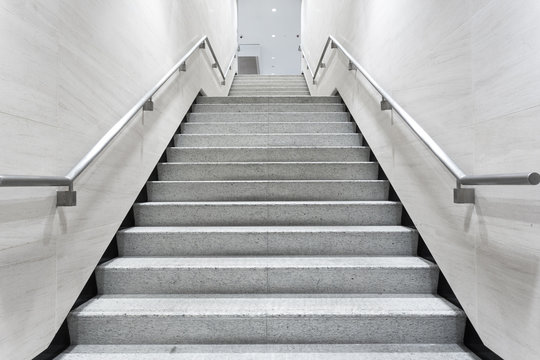
Stairs at UMBC

So I am not a big person, but I am not a small or athletic person either. And I have noticed that I am weaker than the average person. Every day I come to campus, I am faced with the reality that I need to work out because going from the Commons parking garage to the Fine Arts building is a struggle. I am always out of breath and have to force myself to not take a break while going up the stairs to save myself from embarassment. And I thought I was the only one because everyone else was speeding past me up the stairs, but I realized I was not the only one in a couple of my classes.

Last week, I had a couple classes talking about accessibility and mobility, and it was then that I realized that UMBC is just not an accessible school. Many people with mobility disabilities are not able to walk in this campus because of how many stairs there are. Many have to take the elevator in the University Center to get anywhere. Now I am not a disabled person in any way, and I do not want to equate my lack of working out to their inability to walk through campus, but learning about this in my classes brought a new perspective for me because I never had or knew someone with a disability. My relationship with disability is one where I am constantly learning and seeking to learn these new perspectives.

Disability?

It never clicked that I had a mental illness until way later than it should have, unfortunately. Then when it did I always made excuses for how my actions caused me to function so poorly in life, separating the illness from myself as if they could ever exist separately. Visible and invisible disabilities were never seen as equal in society. One was a valid reason for requiring aid and assistance, the other was a cry for attention or something synonymous with not trying hard enough. When you look at your own behavior through that lens and not for what it really is it diminishes your chances of finding peace in living or happiness. At young ages, we are forced to process our ever-changing minds and chalk it up to normalcy or puberty. But when you develop a mental illness and you lack the resources to properly process or understand the significance that track to disability isn’t as long as it seems. The debate about whether chronic illnesses should be seen and treated like disabilities means that there is a difference in the way the two live their lives. And that legislature will solve the debate, when in reality both parties are already living the same struggle. If the way I live my life isn’t indicative that I’m not behaving like a healthy and abled person then disabled would be the appropriate term. Calling myself disabled when I have all the tools to fix them just out of reach but no motivation to reach for them is an argument that I’ve had way before lecture. And one that I will continue to have after I’ve graduated.

Anxious

Living with anxiety has been a very big part of my life, and it affects my daily routine. The constant worry and unease make even simple conversations feels like a challenge, leaving me feeling pretty uneasy in social situations. As a student, the pressure to excel academically only makes my anxiety worse, making it hard to keep up with assignments and deadlines. Whether it’s about health, school, money, friends, family, etc. everything seems to make me anxious in a way. It’s comforting to know that I’m not alone in this struggle and that many people face similar battles with anxiety.

I’ve taken some steps to try and tackle my anxiety. I’ve been watching YouTube videos and reading articles that provide tips for managing anxiety. These videos and articles have given me a sense of motivation to try and retrain my brain and reduce the hold anxiety has on my life. While it is tough sometimes, I’m determined to confront my anxiety and work towards a calmer future.

Neurodiversity and Race

Neurodiversity and Race

Neurodiversity can be defined as differing in mental or neurological function from what is considered typical. Neurodiversity can take many forms, like ADHD, autism, dyslexia, and Tourette syndrome, just to name a few. Thinking differently has many advantages, like better pattern recognition, creativity, stronger observational skills, and more. Unfortunately, neurodivergence does not exist in a vacuum. People are perceived by society through social constructs like gender, sexual orientation, socioeconomic status, and more. In this post, I explore the intersectionality of race and neurodiversity, focusing on Black people in the United States. 

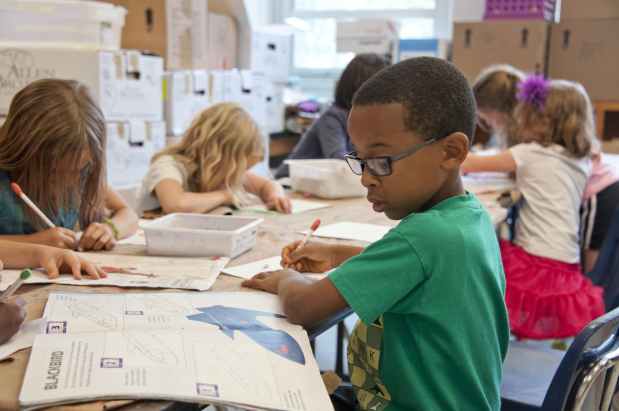
The stereotyping around neurodiversity shows itself in assumptions of intelligence and capabilities. Stigmas include low intelligence, carelessness, lack of ability, and behavioral issues. In school, neurodivergent children are segregated from the other students by learning in different classrooms. When combined with the structural inequalities around race, it could be a deadly unification. White children are twice as likely to receive a diagnosis compared to black children. Teachers in wealthier, whiter schools are more likely to recognize neurodivergent behavior. When paired with stigmas around black people being trouble-makers in society who deserve the punishment they receive, it is not surprising that Black children are punished harsher for behavior that may be signs of neurodivergence. This ties right into the school-to-prison pipeline, which are the policies and practices that push our nation’s school children, especially our most at-risk children, out of classrooms and into the juvenile and criminal justice systems. This phenomenon shows itself in disproportionate punishments given to black and brown children, especially for boys. Black and brown children are constantly looked at as deviant or “bad” children who deserve to be punished in school and grow up to be overly policed by law enforcement in society.  

I’ve seen this first-hand with my brother. We lived in a majority non-black neighborhood, and it was very apparent that teachers did not have a lot of experience with children. My brother always showed Attention Deficit Hyperactivity Disorder (ADHD) tendencies, something that the school was made aware of each year. He was always in trouble for something, whether it was talking back or playing too rough. The teachers were generally white women who did not understand him. Punishments were always suspensions, which never matched with what he did. The problem with suspension is that the student misses school time, which leaves the student behind in classwork. They also go on your school record and can affect your chances of getting into your first-choice colleges, getting jobs or internships, etc. In high school, he was officially diagnosed with ADHD, and the school issued a 504 plan, a plan developed to ensure that a child who has a disability identified under the law and is attending an elementary or secondary educational institution receives accommodations that will ensure their academic success and access to the learning environment. For my brother, he needed small breaks where he could walk around the hallway, headphones, and his personal space. To put it simply, he just needed to be left alone, which seems like something so simple but was proven so hard to comply with. Some teachers understood this dynamic; he may not look like he’s paying attention, but he is. However, some teachers could not let it go. Constantly being reprimanded for having his headphones in, not being allowed to get up and leave when he needs to, etc. 

In the fourth grade, my brother was in art class and called this girl’s artwork ugly. The girl said, “So is yours,” they both proceeded with the rest, not considering the interaction. The art teacher overheard this interaction and reported him to the principal, where he was later suspended for bullying. When my mom caught wind of what was happening, she contested with the principal, who would not budge, a couple of administrators in the school system, and then the superintendent of Howard County Public Schools. She was met with the same stubborn and prejudiced mentality that a conversation overheard between two students warranted a three-day suspension. It wasn’t until my mom hired a lawyer, built a case, and threatened to sue the school that the suspension was overturned. The process took a year of constant back and forth with the school system and another six months to correspond with a lawyer. It is not lost on me that not everyone can spend 18 months in a battle with the school system over one suspension, and it makes me wonder how many other children were punished unfairly but did not have the resources to hold the school system accountable.

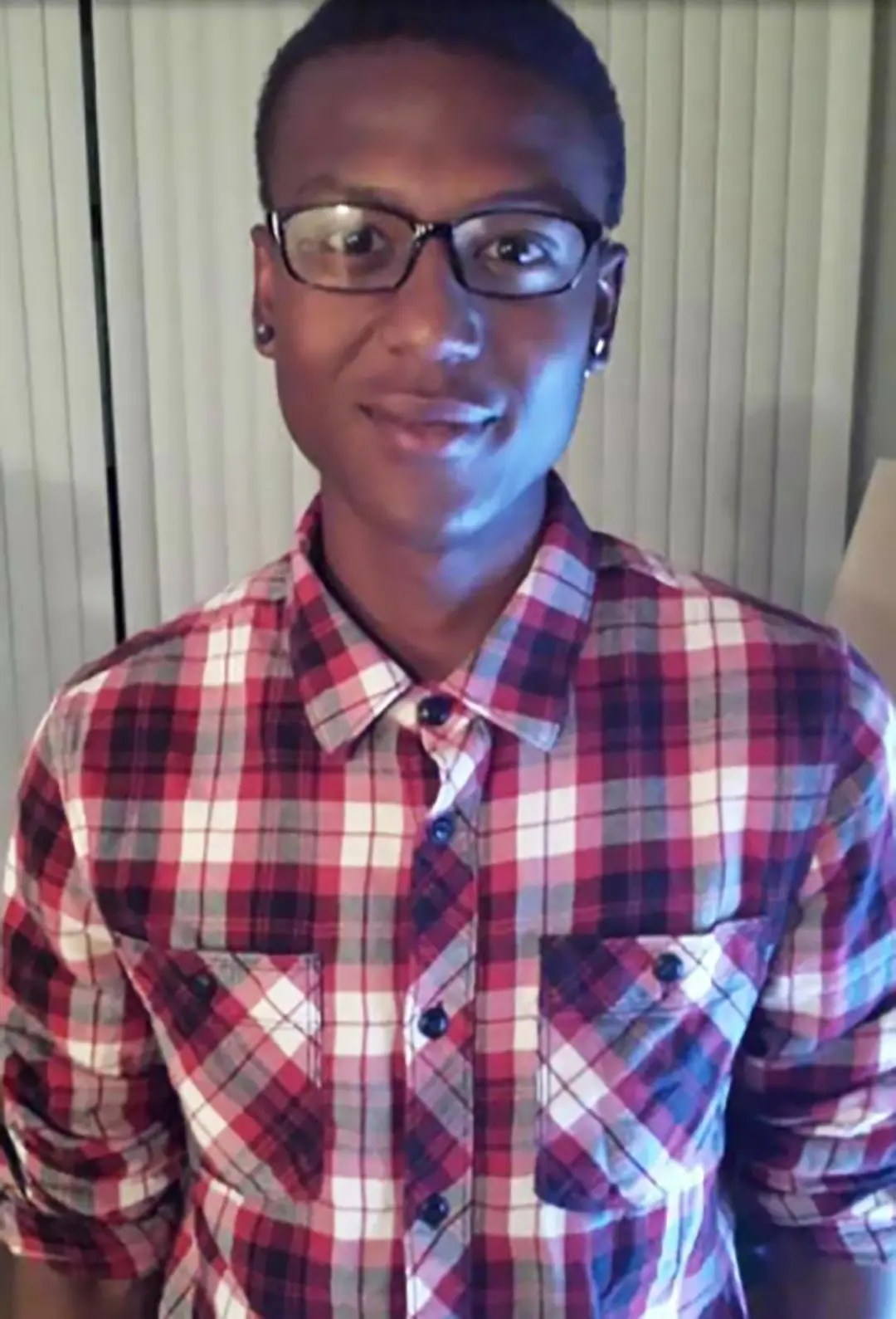
Family photo of Elijah McClain wearing red plad shirt and black glasses.

Lastly, I want to shed light on Elijah McClain. Elijah was a 23-year-old massage therapist who loved to play violin for stray cats. When the police harassed him, he notified them that he was autistic, but the Aurora, Colorado Police Department still murdered him. These practices and procedures aren’t just humiliating; they take the lives of the innocent.

Warning

Warning 

I have stretch marks 

Stretch marks 

The stretching of skin 

Appearing on those from thick to thin

Some on men, best friend to women 

Those fierce lines 

The tiger stripes of woman pride 

That we all try to hide 

But I don’t know why

I thought we were all about beauty being natural 

Then why is media beauty posed as unfactual 

The bodies I see on my phone are unachievable and irrational

Warning 

I am not a size zero

I don’t have a tiny waist of a superhero 

I have a belly whether I’m full or famished 

I sometimes don’t eat a salad with my sandwich 

I have rolls on my back 

My biggest curves is all of me from my thighs, hips to my rack 

The mastery of self control is something I sometimes lack 

Warning 

I don’t believe it’s an ugly thing to be fat 

“Do I look fat in this”

“Does this dress make me look big” 

“I look so fat in this pic”

Since when has big become unattractive 

Society says it impossible to be fat and attractive 

Oh but being “PHAT” is okay 

Oh she got all the right curves the guys like to say 

So the bigger the better only applies to breast and ass

If your chest is bigger than your stomach then you get a free pass 

“You’re not that fat”

What do you want me to say?thank you? 

I don’t think so

Warning 

Skinny and healthy aren’t the same word 

I can be plus size and in shape no matter what you’ve heard 

You know what I’ve been forced to learn?

If my skinny friend eats burgers and fries no one bats an eye 

But if I stuff my face all eyes turn attention to my not so tiny waist 

I guess you can only pig out if you’re the size of twig 

I’m tired of my outside appearance taking from whats within 

Warning 

My “summer body” is my every day body 

Everyone’s body is a “summer body”

I won’t hide my arms because they jiggle when I raise my hand 

I won’t refuse to sit down to conceal my rolls or hold in my stomach when I stand 

Editing insta pics so I look like Kim K

When her body was permanently fixed to look that way

I will not keep altering 

When society is the one who’s faltering 

Warning 

Skinny girls have body problems but we have it worse

Now before y’all throw a fit, society doesn’t hit you where it hurts 

Halsey is the standard, Megan Fox is the goal

Lizzo is one of my only plus size idols, and her advocating for fat girls has taken its toll 

Her comments stacked with all kinds of trolls 

“Cover your body” and “No one wants to see all that”

Maybe it is a death sentence to be fat

It damn well shouldn’t be 

Just in case society brain washed you about my own body, I had to warn you 

Warning 

I am beautiful 

I am not beautiful in spite of my rolls, cellulite, and flab 

I’m beautiful because of that

His little world

I wanted to talk about my family friend’s son named Shaun. I’ve known Shaun for a while, he was really young when I met him, I was still young however, in my middle school years I was still learning things. Shaun, along with his brother Stefon were autistic. Whenever it came to the family parties I would be the one to watch over them and keep them company since I was still young and couldn’t be a part of the adult or even the teenage conversations. Shaun was an interesting kid, although he didn’t communicate verbally with words, I felt like I could still understand him and what he needed. I felt like I could understand his emotions.

Shaun would always get in trouble for breaking things, but I knew it was him just stimming because that was one of his habits. I remember during a Christmas party he grabbed one of the ornaments from the tree and smashed one to the ground, and then another, several times until he was stopped by his mother. Shaun got in trouble with his mother. I felt bad for him, I knew he wasn’t doing it to make anyone mad, yet his mom did get mad at him for doing it anyway since it wasn’t his house. She looked defeated, like she didn’t know how else to help him whenever his behavior would get worse. She looked tired too, like she was doing everything she can to just enjoy her time at the party and also watching her boys making sure they didn’t break anything or do something dangerous. My parents loved Shaun and his brother, my dad always made an effort to let Shaun be seen, playing with him, making jokes and funny faces. Whenever Shaun was with me, I tried my best to entertain him, to make him feel heard. He always had a fascination with my hair (back then I used to have hair that would reach the floor I had to keep it in a braid since it was so long, I’m not kidding haha) so every time we sat in a room to calm him down he would touch it and slowly begin to settle. The way he felt my hair and stared at it gave me a sense of comfort knowing that I was there with him making sure he was okay. He would hum the majority of the time, whenever he wanted something he would hum in a pattern and point at the object that he wanted. Shaun never had good focus either, after touching one object he would go onto the next and then the next. Shaun’s mom works with other children who are autistic, whenever she would come to these parties, she would bring books for them to read, I would read the books to Shaun and his brother. Shaun was always mesmerized by the images in the books, he would hum and point at the characters. He always made me feel like whatever I was doing was helping him and that gave me a deep sense of reassurance.

I just feel like people are always afraid to try to communicate with people who have this disability because they don’t understand the way autism works and the levels of the spectrum. Every time I see a child with autism, or introduced to someone, I am never afraid to interact or learn from them, because with Shaun, all I ever did was make him feel heard and safe, and I want to do that for every other boy or girl who has autism. Society likes to put this negative connotation and label of people with disabilities which to me is just undermining their true potential and power, I learned a lot from Shaun and my other experiences after that, and seeing how their minds think and interact made me open my eyes to a whole different concept of learning and understanding. I learned more patience, I learned to really slow down my “normal” thinking and try and fit their perspective into my life. Doing that type of thinking really does open up your mind to a lot of ideas and thoughts. I am thankful for Shaun and the way I made him feel comforted and cared for, that’s something I won’t ever forget. I do know his parents were really good when it came to teaching him, but just like Shaun and other kids who have it I hope the world is able to see that there is nothing wrong with them they just have a different perspective which isn’t and shouldn’t be seen as a negative thing.

Comfort may cause anxiety

A conversation we had in class was about how certain accommodations can negatively affect the others around you. That leads me to think about how certain things I do to comfort myself can be seen as nuisances to others.

Read more: Comfort may cause anxiety

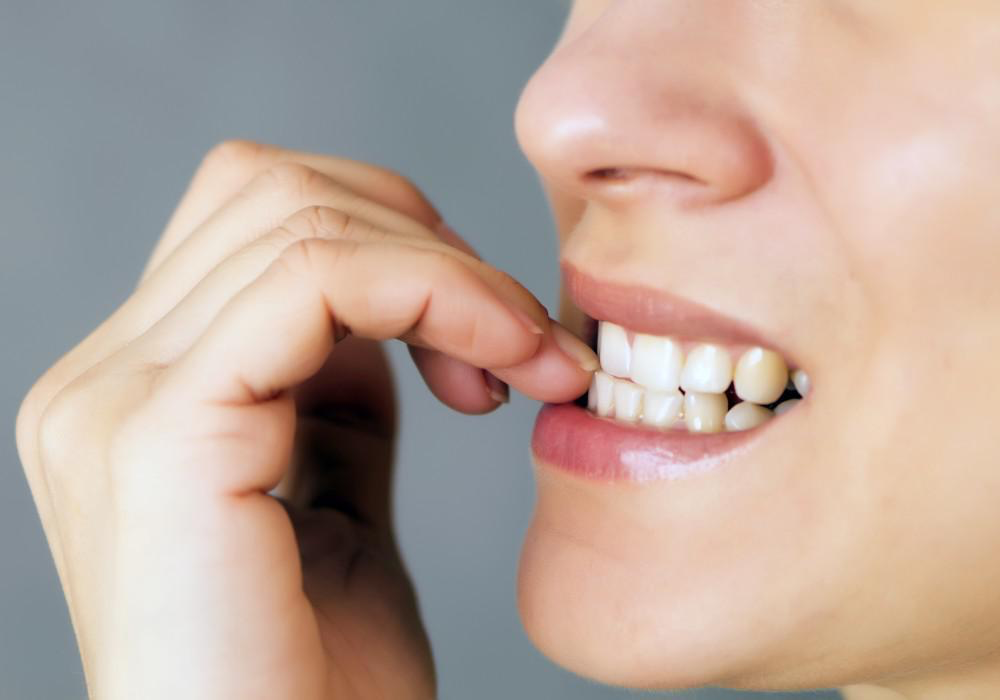
 I often bite my nails and I wouldn’t say it’s necessarily an anxiety thing as it’s just something I do whether or not I feel anxiety at that moment. It was often expressed throughout my childhood that biting my nails was annoying because of the sound it can make. Most of the time I bite my nails it’s not something I thought of doing. It’s just something I do out of habit and it does have a calming effect on my mind so I don’t even realize. 

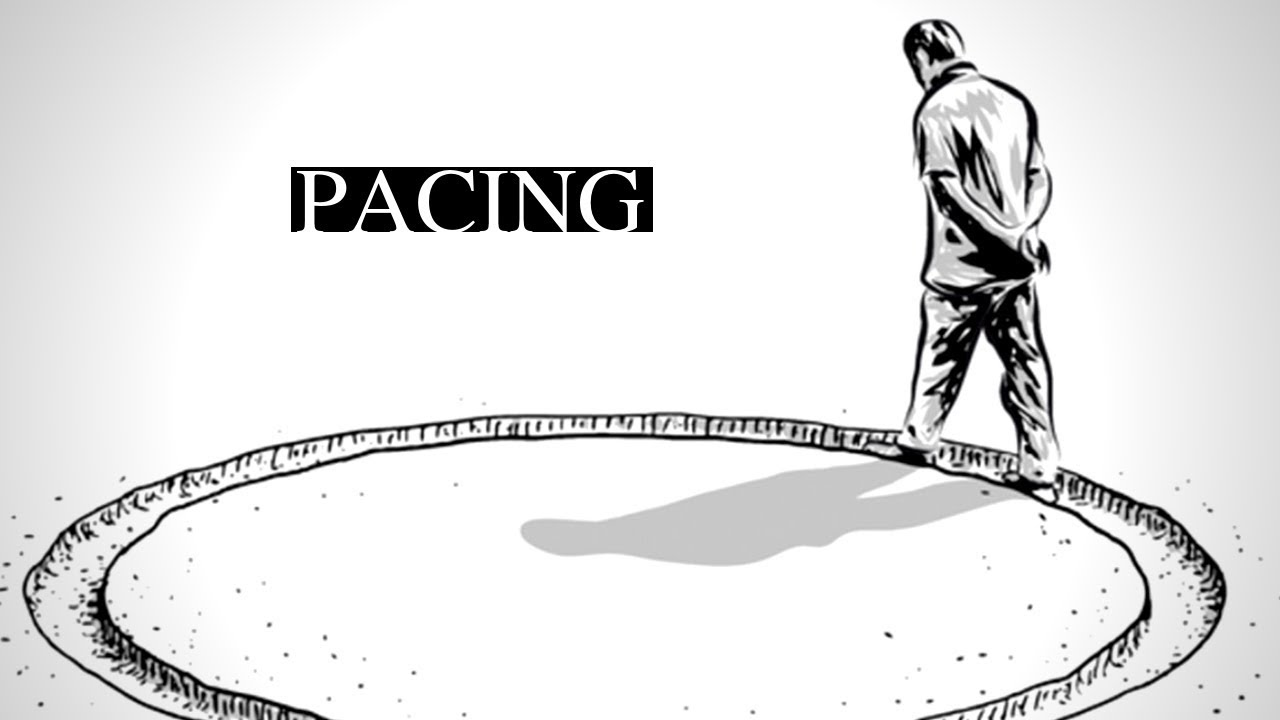
Another thing is my pacing or fidgeting. I pace and fidget a lot and I am never sitting still. To sit still, I have to focus on not moving and when I do my body feels very uncomfortable. I was told that I distract people with my movements and they can cause people to become stressed out when that wasn’t my intention. Sometimes the movements are based on the music I’m listening to and my natural reaction is to go with the beat. Like biting my nails this is just something I do out of habit. 

These things were never meant to cause harm to others and the worst thing is no one says anything about it anymore so I’m wondering constantly whether or not I am affecting someone. I think this puts into perspective what people with handicaps think. Since the world doesn’t accommodate them they have to worry about how their handicaps are not only affecting themselves but how they affect others as a whole. The anxieties I feel when I do these things I think to some severely lesser degree are what people with handicaps experience and if I feel stress from my things I can only imagine how they must feel as they have to struggle to feel comfortable in the world around them.

Constant Stress about Weight

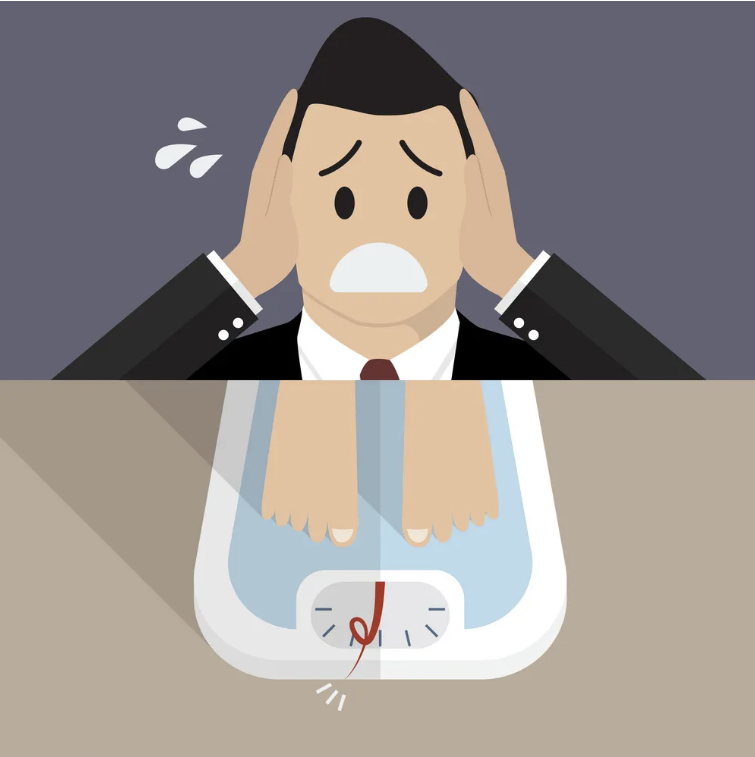
Have you ever felt embarrassed about how your body looks? Have you felt uncomfortable around in public, or even around family? How many times have you reminded yourself to “lose weight”? Are you tired of the fat shame you keep on getting? I am sure you would want to get rid of the excess weight, but staying consistent is hard for some people.

I started feeling insecure about my weight during my middle school years. I did not look like my other peers in terms of physique, and I would get called out for it. The emotions I had were not great to say the least, and it left me feeling ashamed of myself. Having to go to school five days a week under these conditions really shattered my self-esteem. I constantly felt like I was alone in class, as I was certainly isolated from the rest of the kids. I had no one to talk to because I was unable to make friends during that time. With the shame I carried, I even avoided speaking to my parents and teachers regarding the situation I was in. Honestly it was hard for me.

Being overweight and having to deal with body shaming scarred my mental health and well-being. I had a phase where I refused to take proper care of myself, which consisted of me eating less calories than the norm and hating my body overall. The harmful comments I received left me unaware of what I was doing to my health in general.

Ever since the days of my traumatic middle school experience, I wake up displeased with the way I looked in the mirror. Losing weight has become an objective for me, hoping to improve on myself and my health. It became less stressful when the pandemic hit a few years ago. I no longer had to constantly think about what others thought about me. It was a time where I could be at peace and find my values as a person.

Losing weight requires proper consistency and self-discipline. For some people it can take a long time to notice weight loss, as everyone’s weight loss journey is different. What’s important to me is that I learned to love my body and pushed through it and I’m proud of myself for that. Sometimes we just need to ease off on what others think and focus on yourself, and not for the sake of others

More than what it is: a ramble on “neurodivergent”

The subject of neurodivergence is a huge issue, not simply because it reveals the incredible breadth of how the human mind can function, but also because of how that is situated within the intricacies of our very diverse backgrounds and upbringings, infused with social constructions of race, gender, class, and generations. Nature and nurture take on whole new meanings here because they can no longer be perceived as bifurcated aspects of human development. Our neurological configurations are primed and shaped by our environment, and our environments were molded to hold, or not hold, our neurology. In this way, the term “neurodivergent” vastly oversimplifies the entirety of what it means to be something other than neurotypical.  

This is the blessing and the curse of having labels to help us define things. When we give something a name, an amorphous concept can suddenly have grounding and shape through language and become a topic of discourse we can then begin to understand it through. Giving language to an inner experience can be hugely impactful in validating what sometimes feels like isolating events that exist only in our minds. However, that very same label can be a restricting device that limits our ability to truly grasp the enormous landscape that a term like “neurodivergent” encompasses.  What becomes imperative here is how we allow that word to be representative of something that it cannot possibly adequately convey. 

When we think of the Pacific Islands, what does that thought come with? Tropical islands? Palm trees and coconuts? Resorts and vacation getaways? Sunny skies and sandy beaches? Volcanoes? While these are definitely aspects you could find throughout the Pacific, in no way do these elements define what the Pacific Islands actually consist of: nuclear devastation in the Marshall Islands and French Polynesia; phosphate mining in Banaba; military occupation in Hawaiʻi; coup deʻtat in Fiji; island extinction by sea level rise in Kiribati. There is so much history and context and culture to each individual island and atoll, much of which has nothing to do with the greater categorization of these places as a geographic designation. Yet that is often what this region of the world becomes delimited to. 

“Neurodivergent” risks having that same delimiting effect. Perhaps what might be helpful is how we view what labels represent. Instead of seeing umbrella terms as something that encompasses many things, maybe we need to understand them as small doorways into whole other realities where new and unfamiliar worlds exist. In this way, the assumption is not that we possess a single word that consists of many elements – an approach to knowledge that suggests what we already know and thus, can simplify – but rather that we can use a single word to help us enter into a space that we must now learn about – an approach to knowledge that centers the possibility of what remains to be known.