Regarding Sick Girls, Women, and All Those Perceived as Such

The body perceived as a ‘woman’ is the body assumed to contain a hysteric mind. While this concept is pervasive in every aspect of our society, one can especially see the ways in which past thoughts on the ‘gendering’ of bodies determine how one is treated when looking at medical settings. Looking at this from a phenomenological point of view, others’ perception of one’s body leads to a complete denial of one’s internal experiences.

Continue Reading →

Alexithymia and other Griefs

This will not have any answers to any questions at all. If I knew the answers, I wouldn’t be writing a blog about this specifically.

I don’t know. These three words have been a centerpiece in my vocabulary for as long as I can remember. It seems so easy, to know. Everyone else seems to know how they feel or how much they enjoy something, what they want to do, where they want to go. I do not. I have struggled to understand when I’m feeling any emotion more complex than happy or sad. It is more unusual, then, that I can more easily recognize other people’s emotions than my own. I do not know what I want to do. Nothing stands out. People say “do what interests you” but nothing is inherently interesting to me, I don’t think. Even my current hobbies took a while of doing for me to become interested in them. It’s like I’m plagued with disinterest and uncertainty beyond what is normal. Now, nothing here is unexplainable. Autism, major depressive disorder, anxiety, everything I experience falls into the realm of “yeah that makes sense” once my conditions are factored in. And I don’t hate it, but I notice how the expectations of me are different. When I’d give a short, straightforward answer in a group setting, my autism is to blame, like it wouldn’t be satisfactory if I was normal. I guess I prefer it to how it used to be. My “I don’t know” responses in regards to my feelings were met with frustration. It was upsetting. I was upsetting people and I couldn’t know why. My therapy sessions always end half an hour early because I simply do not know how to say what I feel, do not know what I feel in order to say it. It is shameful in retrospect.

Now for the other issue flying through the cog works in my head; are my thoughts my own thoughts? I mean, yes, I am thinking them, but am I merely repeating what I hear? Are my opinions actually my own opinions, or just regurgitations of what other people think? This, I think, became more of a thought within the past year or two, as I know for a fact that my vision of my gender identity is mine. As such, what else is my own? I do not mean original, I mean what do I actually believe in? And I can sit here and say “oh I believe in xyz” but in reality, most of the time I don’t know (there it is again!) if I actually believe it. Of course, there is also the idea that you are the product of your environment. The argument that even if it is repetition, why does that make it less of my own? Maybe I question my thoughts and opinions when I subconsciously disagree with them. Ultimately, though, I don’t know. That’s what this whole thing is about, isn’t it? Not knowing most of how you feel. Sure, love and happiness and sadness and anger are identifiable, but what am I missing out on? Who’s opinions have influenced mine to the point where they just aren’t mine anymore?

The World Limits My Body and My Body Limits Me

On July 1, 2022, I wrote the following entry:

“Whether I want to admit it or not, my growth is relevant, is obvious…but not when it comes to my body. Kind of. I can’t explain it. I do feel better about myself. I enjoy what I look like…and haven’t used my body as an obstacle or excuse of not trying. But that trauma from being bigger still lingers. What people think of me still stays in the back of my mind, when I get hit on in public it still surprises me…”

Phenomenology teaches us that bodies are not just biological objects but lived experiences, shaping how we perceive, move through, and make meaning of the world. It is the “science of the essence of consciousness.” It is with that then, that we recognize that our Western society has nothing to prepare us for this type of perspective. We are forced to live so physically in our world that we often resort to theories and philosophies to provide cushioning and comfort, but it us that must invoke that change. This is where we feel stuck. The tools and unlimited opportunities but too many fixed mindsets to put it into action. It’s something we feel when we’re 16 and likely what we’ll feel when we’re 60, the outside pressure of constantly separating one’s body from the mind.

What my 16-year-old mind didn’t realize was that there was an exact name for my feeling, an effect of society’s demands: Feminine Motility. How women may move if they must. That’s the feeling you get, anyway. We describe this detached feeling of our body as Ambiguous Transcendence, where we are both separated but bound to our body. The verbal “I can” which ultimately becomes “I can’t” under Inhibited Intentionality, and the Discontinuous Unity, where one severs their capacity in the body from the possibility of the world. At every more we are controlled, questioned, and doubted from something we can’t see but recognize.

It’s an unbelievable reality to merely stumble upon one day, usually in your adolescence. I think that’s the point too, to get you when you’re your most fragile, mentally. It feels damning, but then you get older, and at some point your mind aligns with your physical age and I think that’s what it means to enter adulthood and understand Phenomenology. To recognize that our body is a biological being, but also something that transcends beyond the physical world and our social boundaries. Moving (both emotionally and literally) from childhood to adolescence to adulthood is a painful process, one we can’t understand until we’ve been through it.

You Don’t See Me As Human (Unless You’re Black)

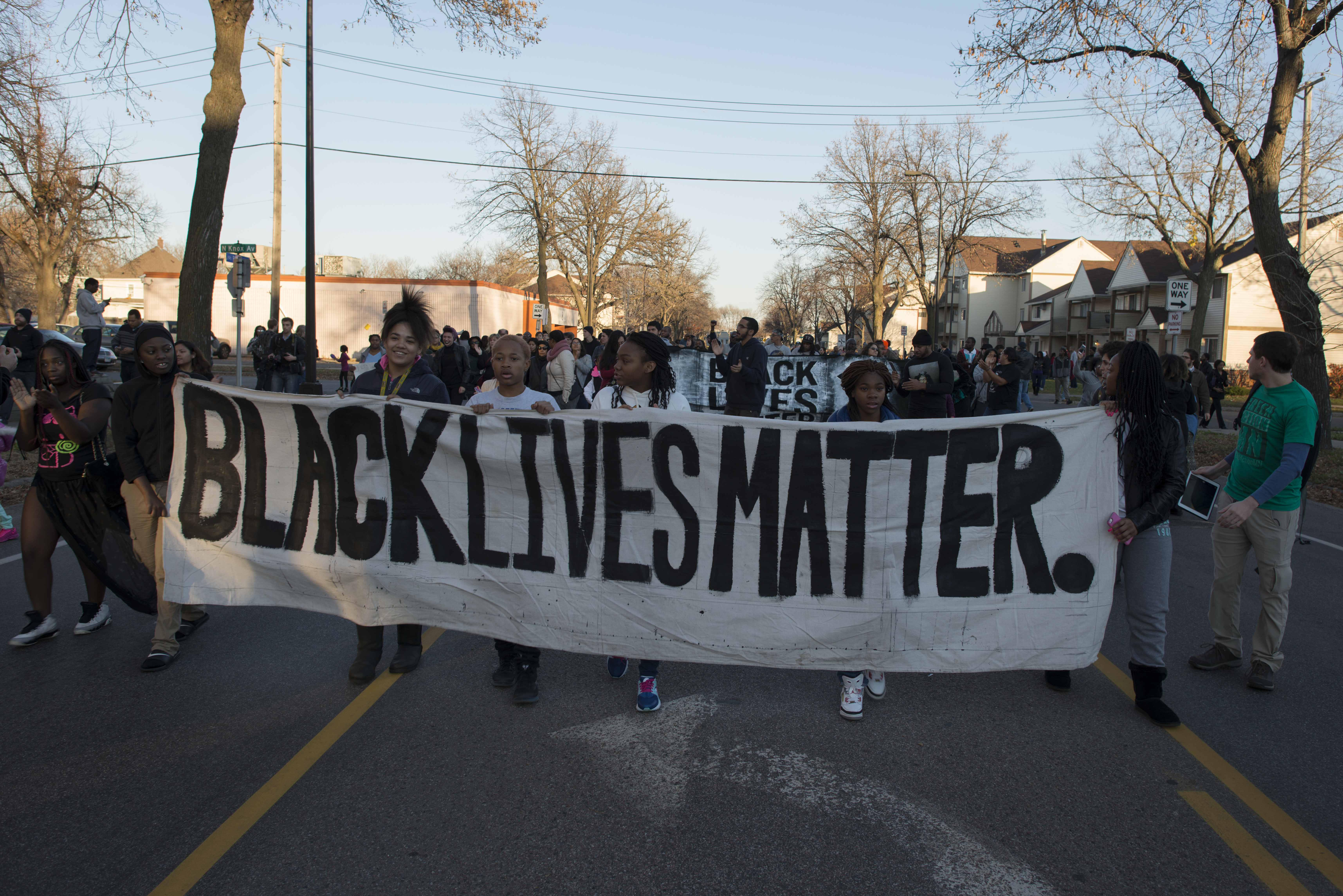
Young children hold a black lives matter banner at a march

Docile Bodies and Stimming

The reading in Docile Bodies reminds me greatly of the disability acceptance movement and modern strides in autistic advocacy.

Docile Bodies describes how society seeks to control individuals by controlling how they move their bodies. The written work focuses mainly on people and general, and then the differences in how it may present for women and men. I will be focusing mainly on their comments on humans and general and how it may relate to autistic people.

“A body is docile that may be subjected, used, transformed, and improved” – Foucault, Docile Bodies, pg.136

Autistic people often have similar experiences of their stimming being shunned by members of authority, peers, family, and strangers. Receiving strange looks, biting comments, or disappointed speeches in response to moving their body in the way they felt fit. Though modern ABA therapy is stated to help clients learn to manage their stimming, and not eliminate stimming completely, it can be said that the way in which medical professionals have treated stimming is less than ideal. Stimming is seen as a disadvantage in social spaces, a way of making yourself stick out like a sore thumb, even sometimes interpreted by strangers as “performing disability”. Masking autistic traits is a way of fitting in as a docile body.

Many Autistic advocates and content creators have advocated for the freedom to stim and posted videos of stimming to help normalize the behavior to non-autistic viewers. It is important that if we ever feel inclined to judge or frown at someone moving their body, how they see fit, we reflect on whether that’s something we actually care about them doing, or if we’re reflecting the docile bodies message that was pushed onto us.

Turns Out Nobody Cares What I Look Like Sweating

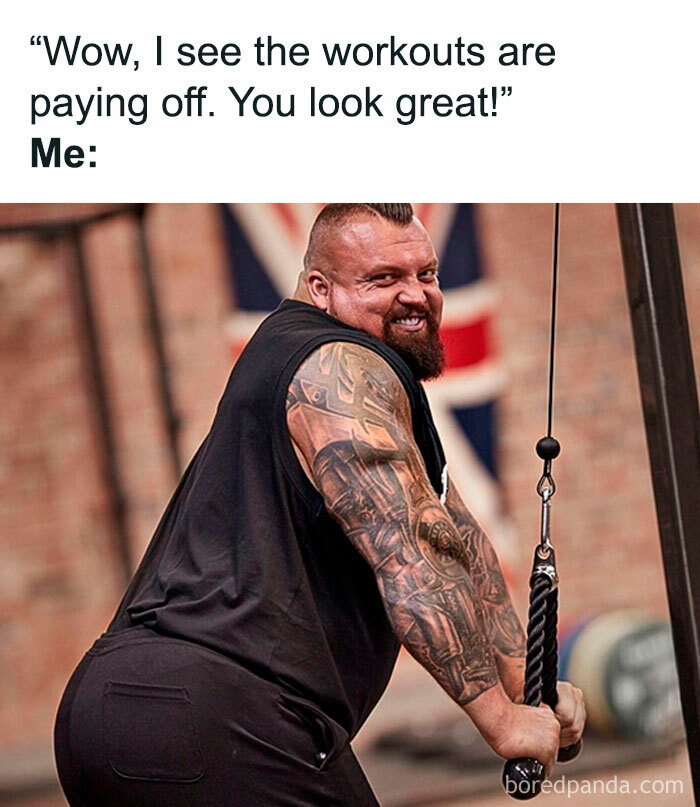
strong body builder man with that tattoos and a terrible mohawk hair cut in a sassy pose smiling is the cable machine doing lateral pull downs and the meme says wow I see the workouts are paying off you look great

About five months ago I started my “great lock-in” aka me starting my weightless journey Again!! I was tired of how I looked and wanted better for myself physically and mentally, so I decided to get my lazy butt up and go to the gym after not being consistent for a few years. I didn’t expect to feel so envious and self-conscious while working out for the first time in a while. I was looking around at others that were working out and comparing my body to them, or comparing how I was working out versus how they were. I felt like I wasn’t doing things correctly, simply because I was getting my workouts from TikTok and Instagram and just trying to copy what the “gym influencers” were doing.

Even though I was feeling like this I tried to keep pushing and put those thoughts to the back of my mind. I wanted to focus on making myself better, and I knew that was gonna be part of the process fighting through the stigma and shame of being judged, and reminding myself that I do belong there and that I actually can succeed.
When I first started attending the gym, I would wear baggy clothing to try to hide my appearance, to take some of the attention off me. Even though people probably weren’t staring at me, I felt like they were. That ties into the idea of the panopticon the feeling that somebody is watching you even if you don’t know if they are. But wearing those clothes wasn’t comfortable, especially the hoodies. I started noticing my body overheating when I wore them. I knew I needed to make changes to what I was wearing, and that ended up putting me one step closer to the confidence I have now. Being able to wear clothes that I’m comfortable in made me realize that just because I’m larger and have more meat on my bones doesn’t mean I can’t wear what smaller people are wearing.
After switching the kinds of clothes I wear, I started gaining more confidence in the exercises I was doing, and I began to see improvement after a while. I noticed that I was losing a couple pounds after a couple months of nothing major. But my body started looking different, my face looking slimmer. And I was like, “Hey, this hard work I’m putting in is paying off.” Seeing those small improvements took me to another level because I was like, “Oh, I am doing this. I can do this.” Nobody was in my way but me.

Over time, my confidence just kept building. Now when I go to the gym, I don’t care what people think. I do the exercises I want to do, no matter if I look crazy. I’m still gonna try them and perfect them the best I can. Nobody else is gonna do the work for me. Nobody else is gonna boost my confidence. And honestly, nobody is even shaming me, no one has ever come up to me and said I don’t belong there. It was really me having this internal battle with myself, getting in my own way with that little voice in my head telling me I shouldn’t be there.

The Feminist Message In Gentlemen Prefer Blondes

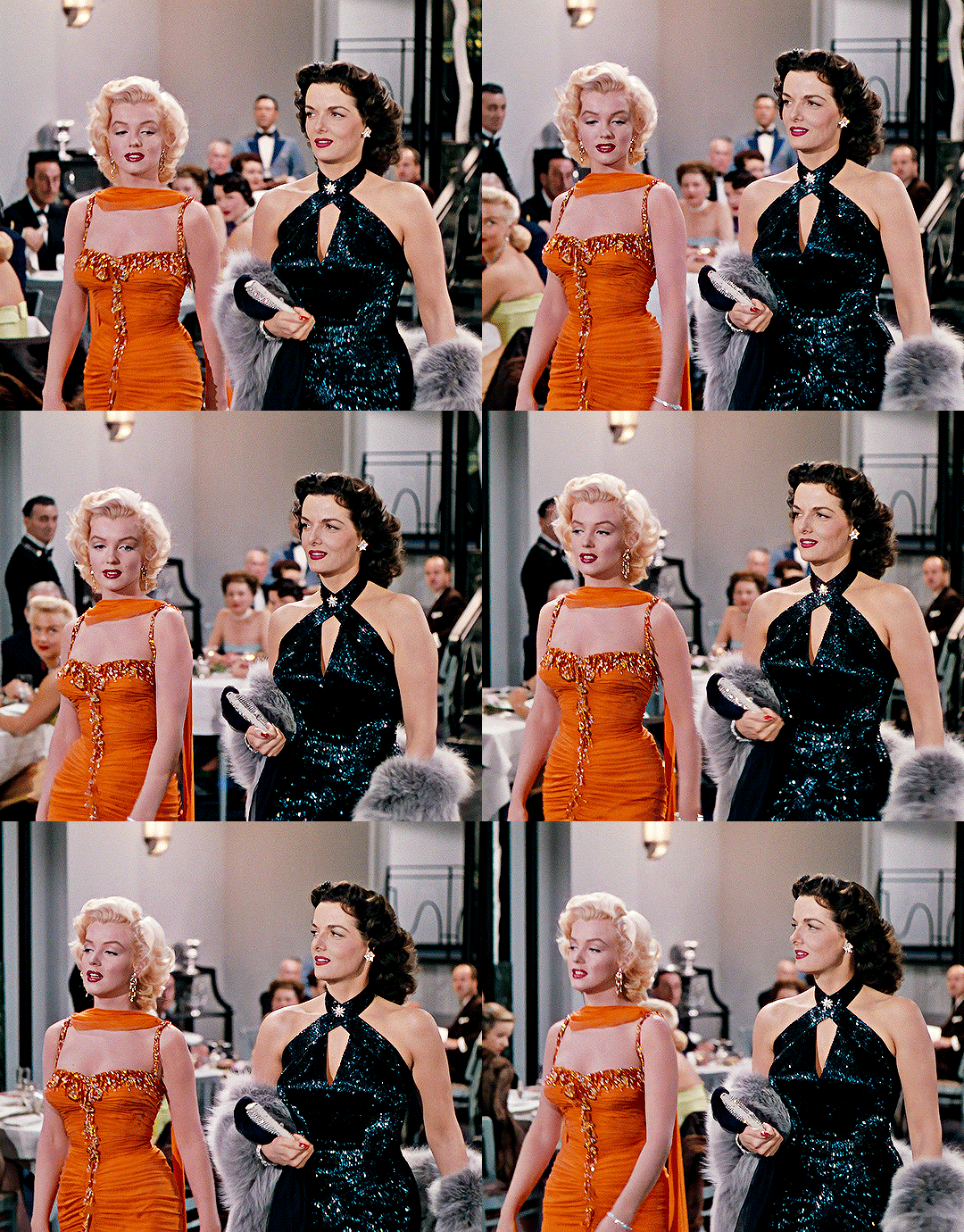
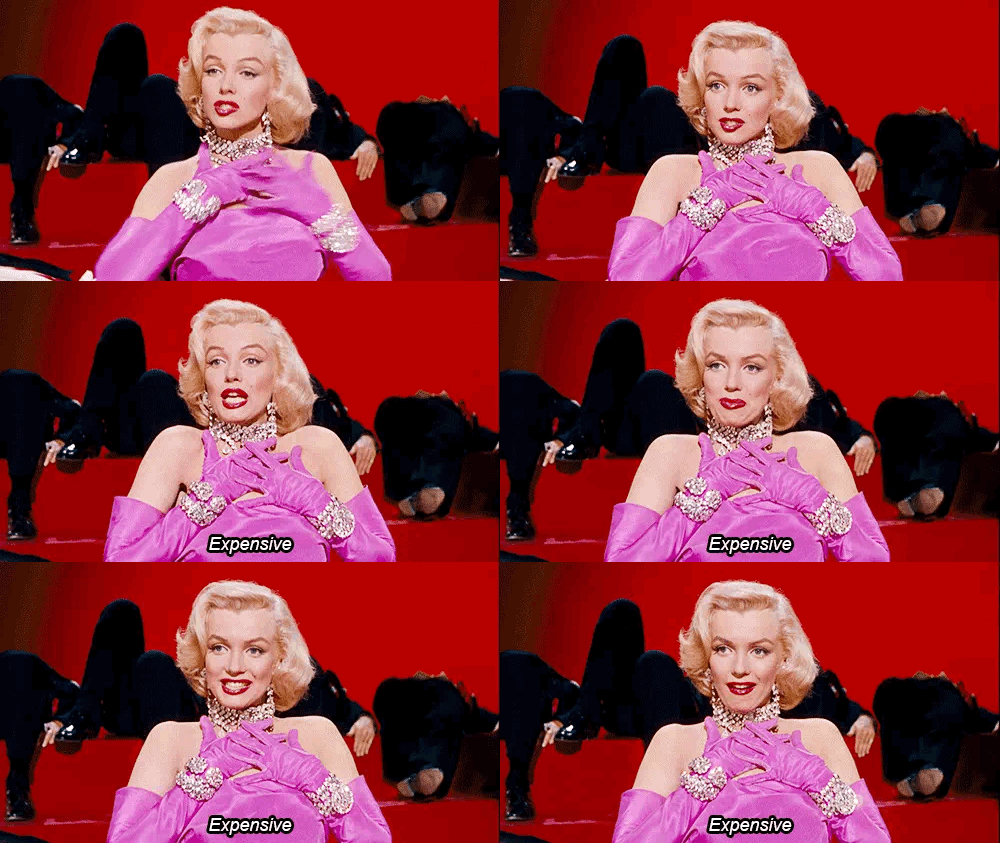
A few weeks ago, due to my GWST major, I had decided to watch the movie Gentlemen Prefer Blondes starring Marilyn Monroe and Jane Russell. After thoroughly enjoying the movie, I realized that some of it’s themes were being discussed in our CSST class. One of the themes that seems evident in Marilyn’s character is Cartesian Dualism. This is the theory that the mind and body are separate. The idea that the body of a human is simply a distraction from the depths of their mind. This idea is one that could be applied to the two characters, Lorelei Lee (Marilyn Monroe) and Dorothy Shaw (Jane Russell). In Jane Russell’s character, we see that she is perceived solely as a sidekick or obstacle to the gorgeous and the blonde Lorelei. Before diving deeper, Gentlemen Prefer Blonde’s, is essentially about two showgirls who go on a trip to Europe after Lorelei gets engaged to her rich fiancé. Ms. Lee’s father-in-law, concerned about the woman’s intentions, sends a private investigator to spy on Lorelei’s whereabouts throughout the trip. Eventually, The P.I ends up falling in love with Dorothy Shaw, Lorelei’s best friend. Though being a pretty generic love story, the film does good in displaying the double standard between men and women as well as the villanization of women who value their bodies. The phrase “gold digger” that is used by men, against women (despite the fact that men have created and continue to fuel that system), is always shown in the media as a means to make an audience sympathize with a man. In many cases, this is a harmful practice. However, in the movie, Lorelei is more often than not transparent about her goals. In a conversation with her father in law, she explicitly states, “I don’t want him for his money, I want him for your money!” She uses the airheaded blonde persona that men have used to fetishize women with, in order to make men fall in love with her.

Though she’s quite intelligent and is more of a pragmatist than anyone, men refuse to see that due to how little they think of women. She, along with other women, is perceived through her beauty instead of from what lies within. More specifically, her mind and experience as women is disregarded as if she exists to be only a shiny trophy. On the flipside of that coin, Dorothy Shaw–the less desirable and more logical best friend. Though always being seen by men as this woman who is constantly overshadowed by her best friend, she is secretly a naive and sexual woman. She is the complete opposite of Lorelei: A “lover girl” with no regard for a man’s financial stability. We see her naivete when she can’t help but fall in love with the P.I, despite being made aware of his underhanded behavior. While Lorelei uses her beauty because she’s aware of its value and of the politics surrounding it, Dorothy thinks with her heart and a lustful mind. All of which is overlooked due to society’s inability to see women’s minds through their bodies though the mind is far more important.

docility, masculinity and the chilling effect under an increasingly authoritarian world

I’ve been thinking a lot about masculinity and systems of power. I think it’s interesting how society views men in the military as very masculine and strong, both strong minded and strong physically. In class we talked a little bit about how systems of power create docile bodies. I think its interesting how such strictly disciplined and hierarchical environments really reinforce rule following. They often have humiliation and subordination as a punishment for not adhering to conduct. All of this creates a very docile person. Docility = ease of control.

Another topic that the reading docile bodies talks about is the concert of a panopticon, where people act as if they are always being watched because theres a possibility that they are. I feel like we are all personally feeling… watched. As students, faculty, in our jobs, schools, by the current administration. A couple times we have seen in class where Dr. Kate stops herself and adjusts her wording. This is also called the ‘chilling effect’ where individuals or groups refrain from engaging in expression because of targeted laws and punishment.

These are just a couple ways that existing systems and current events create docile bodies.

Wrestling with body image

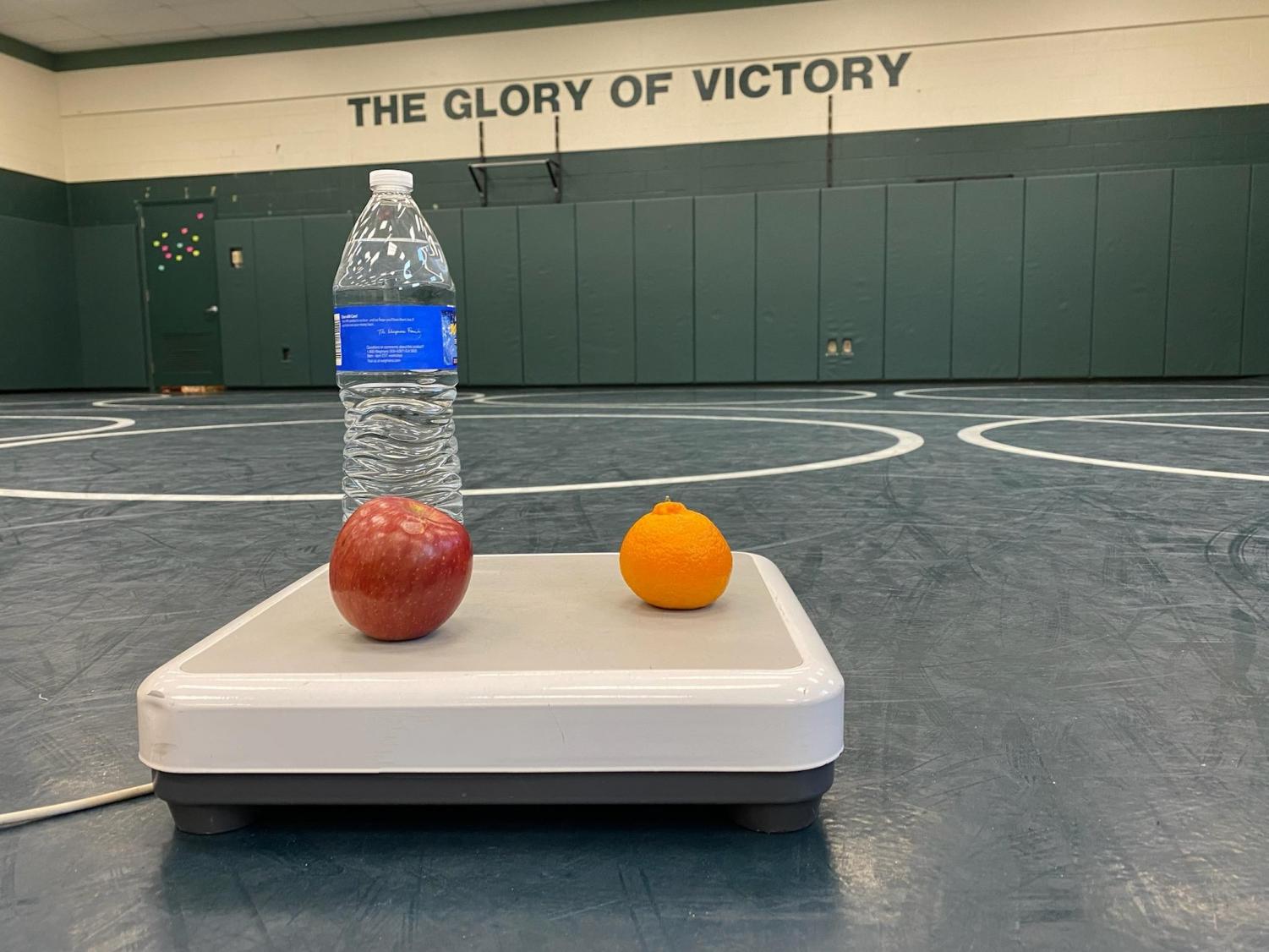
Through all my life, the sport I did was wrestling. I did it as a kid in elementary school where I was very skinny and didn’t weigh much and I did it in high school where I was not the size or weight that I wanted to be. Weight has always been sort of an issue for me because of how I would see myself and compare me to the people around me like my brother who has a similar body type but is skinnier and more athletic or my best friend who might be shorter but is far more athletic. I went from skinny in elementary school, to heavier in middle and start of high school and then back to skinny and then back to heavy where now it’s sort of in the middle. Wrestling is an amazing sport and an amazing way to get in shape but it is also the easiest way to get an eating disorder. When the main focus of a sport is to be as low of a weight you can to get the best chance at winning, even if the coaches tell you not to, you try to lose a lot of weight and that’s what I did. In two years of doing the sport in high school, I went from about 185 to 160 to 170 and then all the way down to 150 and I know for a fact that I did not do it in a healthy way.

Now the reason why I went through these fluctuations was not just because of the demand of the sport but the culture and the people around me. I’ve once seen a person whose weight class is 113 get called fat for eating lunch and that’s just the norm. And with personally experiencing this culture, I became very accustomed to it. I would laugh along, make jokes to other people and even start joking about it with my friends outside of wrestling but inside, it just hurt. I truly lost my appetite. During that time, I lost myself in the culture. I wouldn’t eat for extended periods of time, I would over work myself and then I would eat as much food as I could in this constant cycle where I lost my love for food. I had conditioned my stomach and myself to not need the food anymore and it truly was my brain telling my body that we needed this. Until finally senior year, I was just done. The impact of the sport and the culture on my body was too much so I felt that to make a union between my body and my mind, I had to take a step back. And even though sometimes I may still focus on my weight and I may still have these feelings in the back of my head, I still keep trying and that’s all that matters.

Softball Lesbians

I came out as a lesbian to my mother in 2015 when gay marriage was legalized and she was surprisingly unsurprised. Ever since then I’ve wondered why she wasn’t surprised, since I thought being femme meant no one could tell I’m gay. So, recently I asked her, ‘Were there any signs when I was a kid? Did you ever think I’d be a lesbian?” and she answered ‘yes’.

One example she gave that perplexed and amused me was, “You loved softball.”

The softball lesbian stereotype is not unique. There are also stereotypes about female hockey players, soccer players, etc. being lesbians. I don’t believe these stereotypes are totally unfounded, because when I watch the Olympics, I recognize my LGBT sisters on the teams and doing commentary. I see them on the basketball court, in the soccer field, flying across ice hockey rinks. This causes me to reflect on my own relationship with sports.

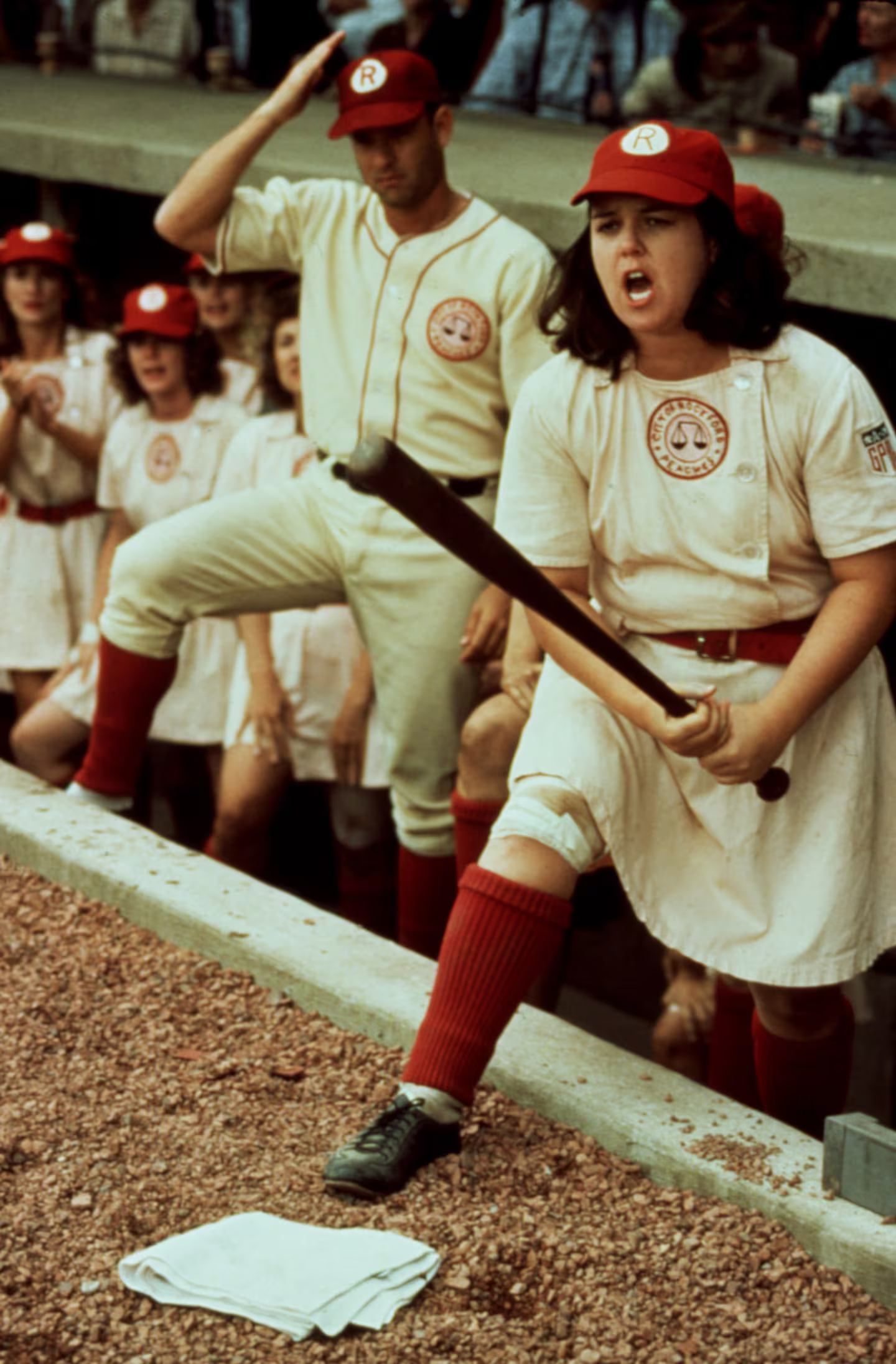
My theory as to why lesbians are drawn to sports like softball is because for a short period of time we are totally free from the male gaze. I left every game with dirt on my pants from sliding in the sand and my hair knotted and sweaty from being tied up and tucked in my cap or helmet. This was liberating as a catholic school student forced to wear kilts and ‘sit like a lady’ all day from elementary to middle school. We had to constantly perform traditional femininity to avoid being ostracized or ridiculed by classmates and other parishioners. Despite being a lesbian, I was socialized to appeal to the male gaze out of fear. Being around a lot of boys and men made me self-conscious and hyperaware of every movement I made because being too sloppy or aggressive got me nasty looks from male classmates and even adults. I carried this self-consciousness into gymnastics and cheerleading. Even though I am hyper-femme, I’ve never felt petite, demure, and graceful, like the expectation in patriarchal catholic parishes.

Before softball, I did gymnastics and then for about 3 weeks or so, cheerleading. I was terrible. I hated it and my teachers didn’t like me much either. I did not possess the same grace as the other girls in gymnastics and cheerleading did. I was an overweight, inflexible kid who noticed on day one that I looked nothing like the star students in those classes. But when I started playing softball, I embodied it fully. It felt so good to throw my whole body into a swing, feeling the crack of the bat slamming into a softball, and seeing the ball soar to the outfield. I was giddy the day we were taught how to slide to a base. The dirt on my softball pants felt like a trophy every time I slid.

I’m sure none of my experiences with sports and patriarchy are exclusive to lesbians. However, the brief reprieve where gendered movement and hyper fixation on being ‘pretty’ falls away can feel like home to queer women and I believe this is why so many of us love softball.