Dysmorphic Friends

One of my closest friends is a fashion stylist. She chooses outfits, hair, makeup, and general looks or moods for photoshoots for natural makeup companies and independent designers. I have modelled for her in the past even though I am not a model and don’t look like a magazine model. I also model for my own Etsy store, selling vintage clothing. My friend has had eating disorders since puberty and I have not. I feel that her eating disorders are a sign of privilege and she feels that my “poverty genes” and post thyroid cancer synthetic metabolism are a sign of privilege. The arguments are frequent and comical.

I feel that it would be insulting to her profession and life’s path to say that her involvement with fashion feeds her disorder, so I often try to tell her eating disorders are a result of a sexist, competitive capitalism, a first world problem, and that if she stops aestheticizng the super young and super thin, wheat colored waify girls with vacant expressions, she won’t hold herself up for comparison to them. I tell her to keep her job but change her aesthetic, make it weirder, and I tell her she’s a misogynist. Then I go on like a hypocrite and smooth out my hair, put makeup on, and have my boyfriend shoot photos of me for Etsy, to make money. And I do make money. But recently, editing and cropping photos of myself, I feel like I look OOLLDD. So I call my friend and ask her for a disorder that will make me less old, less short, less frizzy, less dark, less tired. And there isn’t one. I’m really not sure what I’m aestheticising, but even though I’m perfectly happy with my weight I still feel the need to critically tear apart whatever I can about my own image, down to my assymetrical smile or uneven hair texture or slightly more almond shaped right eye than left one. Little little minute stupid details. All while knowing that I’m making this image public by my own free will, by my need to pay the bills and put gas in my car to get to school. Because those waify wheat colored girls are out there, and my tiny little capitalist enterprise is knowingly in competition with them, and growing up in the 80s and 90s, between Debbie Gibson and Kate Moss, I never felt that my features were pure or innocent, only exotic and “olive olive olive”, and now getting older.

Can a woman be this self-critical and also be a feminist?
Fed Up With Facebook

“Does she seriously think that she looks good???? Yuck”

“It’s like those ladies at the beach or pool who wear bikini’s and their fat it bulging out and yet they think they look good! Good enough to appear day after day like that! Ladies, think of how many eyes you are hurting!!! Lol.”

“She looks so ridiculous…cowhide, leather, beef jerkey, lost at sea…exactly. Attractive…NOT!!! She truly looks like she is in her sixties. Whether she actually brought the child into the tanning bed or not, she is a terrible role model. She needs some psychiatric help to get over that obsession with tanning.”

Although I am not the biggest fan of perpetuating harmful ideas in order to make a point, I am just about to do that. Even though I find the above comments repulsive and upsetting, I think it is important to pull them away from the Facebook context and to put them on here so that our blog readers can consider what they have been seeing on Facebook.

The above comments are in regards to the recent story about the mother who had her young daughter use a tanning bed even though it is against the law. I will be honest, I do not know a lot about this story, perhaps I would have read more about it if I hadn’t seen these comments on Facebook bashing her. I am not defending her actions, but I also want nothing to do with condemning her either, I don’t know her.

However….

If I were to take the route of acting like I know something about this woman, I would say that it does appear that she has some sort of disorder, maybe an addiction. If we look at the story through this perspective I wonder if these people who made the above comments would be saying the same kind of things. Let’s replace the addiction of tanning with alcohol. Would this public speculation even make sense anymore? Because of the physical marker of this disorder, people feel that they are able to openly comment of the “unsightly” nature of it. Then again, maybe these same people think alcoholics are disgusting too. The physical aspect of this disorder mixed with the chance to criticism a woman in her role of being a mother has created a Facebook freak show frenzy. How about we all do ourselves a favor and think before we post?

Do These Pants Make My Ass Look Bisexual?

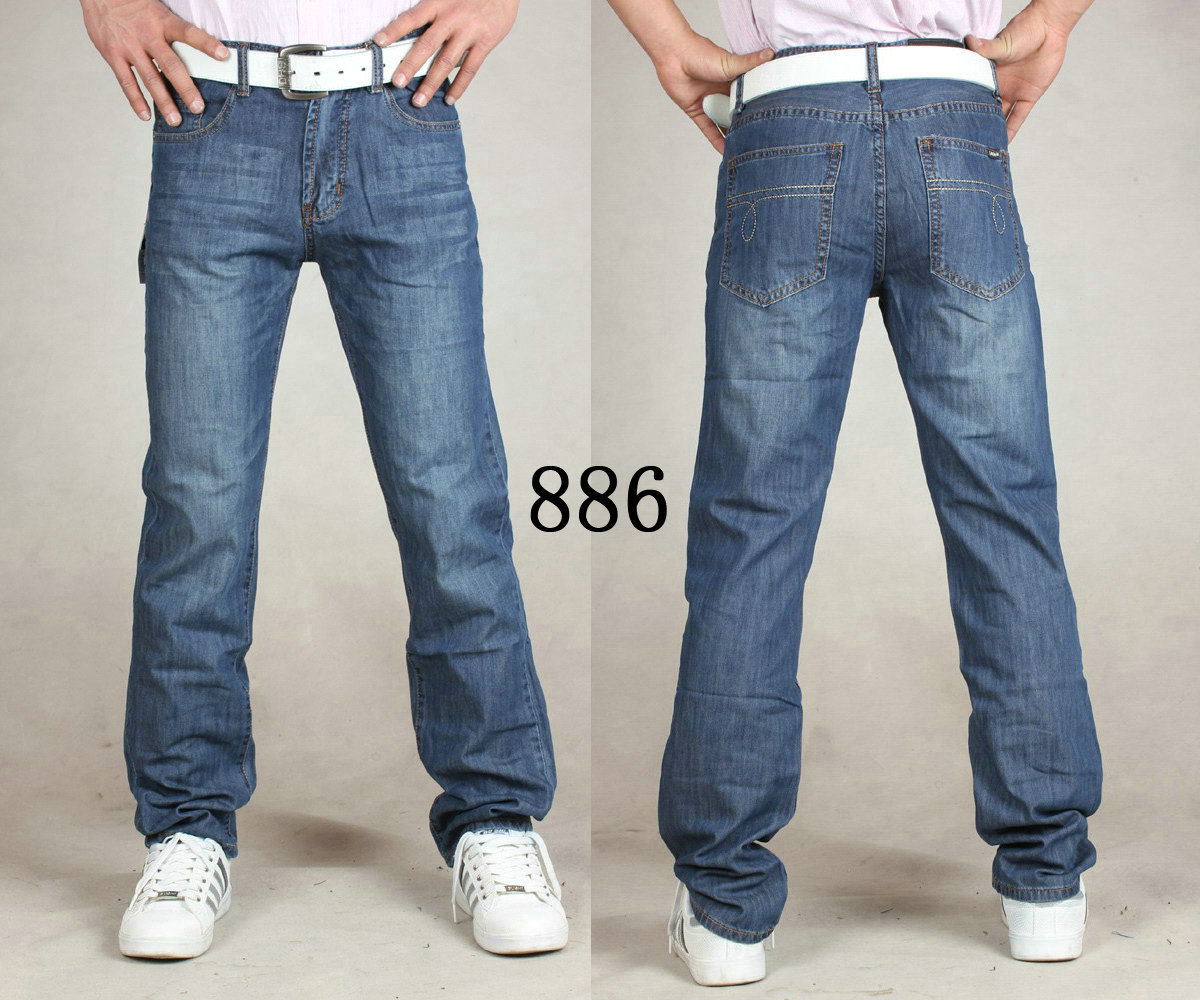
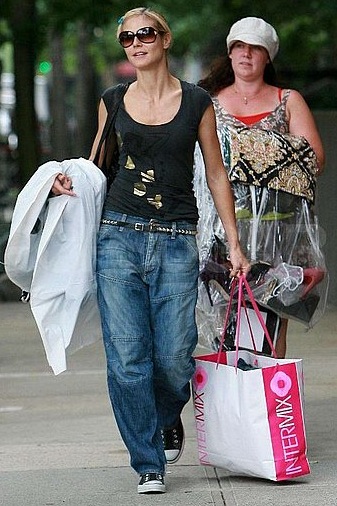
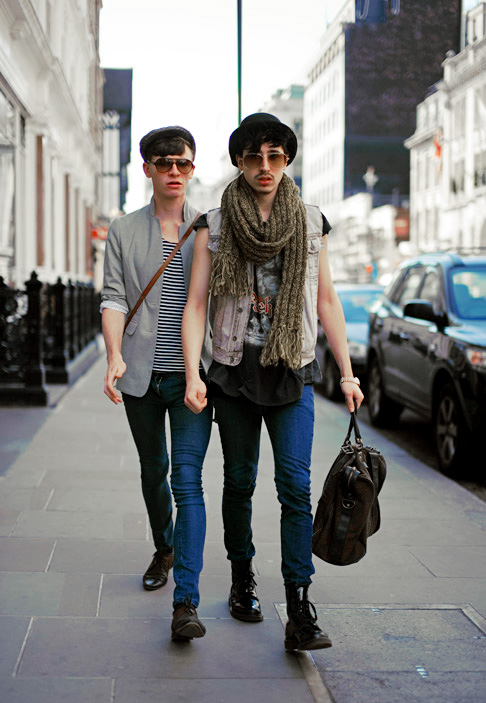
Why does what I’m wearing define my sexual orientation? I’m a 22-year old female, and I often change the way I dress, even on a day-to-day basis. I may feel like wearing a tight skirt, heels, make-up, and jewelry and shaving my legs on Monday. On Tuesday I might wear sweatpants and a T-shirt and throw my hair in a messy bun, and on Wednesday I may wear a baggy pair of guy’s jeans with paint stains on them, a tank top, and skater shoes but do my hair in a cute way. I enjoy dressing in any way that makes me feel comfortable, and I usually do.

But recently, I got a girlfriend, and even though I dress the same way I’ve always dressed, with my same unique style I’ve always had, I’ve heard some interesting comments, even from people that I know care about me and aren’t trying to be offensive. But if I’m dressed up (and meet society’s beauty standards) I’ll hear people say things like “Are you really a lesbian?” or “I don’t understand how you’re gay” and when I dress down, or “more like a guy” I hear “You’re such a lesbian.”

And I’m not even a lesbian! I’m bisexual!

I feel as though society often judges people as being gay or straight based on what they’re wearing. A recent conversation with my (straight, male) roommates went like this:

Roommate 1: “What are you wearing?”
Me: “Jeans.”
Roommate 2: “She has a girlfriend, she can wear what she wants.”
Roommate 1: “She’s only half-gay.”
Me: “What does that have to do with it?”
Roommate 1: “Well sometimes you dress like the straight half.”

First off, I consider myself a hundred percent gay and a hundred percent straight, and I hate it when people call me “half gay.” It’s not like I find women attractive half the time; I find attractive PEOPLE attractive ALL the time. Second, how come I can only wear “whatever I want” because I have a girlfriend? It’s not like my girlfriend dresses me. Could I wear girls’ jeans if I was a lesbian? Could I wear guys’ jeans if I was straight? Why are my roommates only saying things now? Don’t the same rules apply now as when I was single? Or am I “more gay” when I have a girlfriend?

It’s also weird to me that clothes can make you look gay (“He’s totally gay, look at his pants.”  “I can’t tell if he’s gay or if he just dresses really well…”  “She looks like a dyke in those pants.”) or even make you look straight (“Can you believe he’s gay? He dresses so straight!”) but I have never heard of clothes making you look bisexual. If bisexuality, homosexuality, and heterosexuality are all valid sexual orientations, why don’t our clothes make us look bisexual? Where can I buy pants that make me look like I date boys and girls?

Can I be a feminist and still wear lipstick?

Have any women out there felt a conflict or contradiction between their feminist identity and desire to adorn their bodies? That is, can I shave my legs and simultaneously protest patriarchy? I know of many women (including myself) who have struggled with this and similar questions. In a culture so rampant with images of plucked, primped and worked-out women and men, it’s sometimes hard for me to decide if I want to display my feminist protest on my body or wear pretty clothes, shoes and jewelry.

When I read Gala Darling’s post “Am I A Hypocrite For Professing Radical Self Love While Wearing 5 Inch Heels?” or “Can you call yourself a feminist and still wear lipstick?” I was thrilled to read her take on these very questions. As a woman who blogs about fashion and style and who also boasts a “Radical Self-Love Bootcamp” program, Gala Darling’s work may seem to contradict itself. So she asks the million-dollar question about lipstick and feminism, and raises very good points about bodies, body adornment  and our selves.

Gala points out that when we (women and men alike) display our bodies the way society wants us to, we are rewarded for this behavior. This could be by wearing makeup, stylish clothing, shaving, etc. Gala calls this “beauty” privilege.”  Beauty privilege can be as simple as a smile from the person ringing up your groceries! In a lot of ways it’s easy and comfortable to conform to beauty standards when you can in order to access beauty privilege. Of course, not all bodies have equal access to this privilege. It is overwhelmingly easier for able bodies, thin bodies and white bodies to access beauty privilege. Access to money helps beauty privilege too!

Further on the subject of beauty and feminism Gala explains, “I’ve spent some time recently thinking about “beauty” & trying to reconcile that with truthful feelings about myself. A major & difficult piece of the puzzle is that none of us grew up totally free from societal influence, & so it is almost impossible to separate what we really want from what we think we want…. The place I keep coming back to is that even when I recognise that my ideas of beauty have been passed down to me from society, it doesn’t feel good to me when I choose to deny myself something which provides me with genuine enjoyment….

Gala argues that body adornment is akin to art. People are attracted to aesthetically pleasing objects, whether natural or manufactured, and enjoy being surrounded by them. Of course there is variety in peoples’ tastes, but I think it’s fair to say that most of us like having pretty things around us!

She further notes that “wanting to feel beautiful does not make you a bad feminist or a bad woman. It does not mean that you are being oppressed or that you lack the ability to think for yourself. Wanting to adorn ourselves is natural & normal — very few of us live in houses that are all function & no form, & while we COULD all drive boxy Volvos, the truth is that most of us are attracted to beauty — however we choose to define it.”

Lastly, I found this point quite persuasive: “Some women say that if we wear lipstick, we’re only doing it because society has told us to. I would argue that the woman who tries to buck society by NOT wearing lipstick is just as influenced! No one exists in a vacuum, & almost all of our decisions are effected by external sources.”

I find Gala Darling’s discussion of beauty, bodies and feminism quite persuasive. I like wearing clothes that flatter my shape. I like having smooth legs and putting glittery eyeshadow around my eyes. I love earrings and bracelets. This doesn’t make me less of a feminist, right? What are your thoughts?

Are you tough enough to compete with the guys??

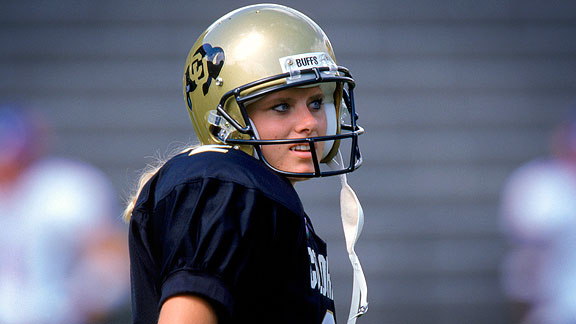
I was reading this article on espn discussing women trying to break the barrier and play football. when I started reading it I became excited that this is even a topic on espn because I know a lot of women who really enjoy playing this sport. Women who do play for a team that is not an all women’s league are mainly kickers for their program which is coincidentally the less contact position.

What I guess I don’t understand is why men feel they need to subject women as this delicate flower that will get crushed if they play football. there are very tough women out here who are even as tough as their male counterparts. Another thing that interested me is that their would be conflicts off the field if women were to play in the NFL. one thing that really stuck out was the lockeroom and how most of the bonding goes on their. even though that is true im sure the coaches and the players can find a way to bond with the opposite sex outside of the lockeroom, it has already been proven because men and women do it everyday. I don’t think that the lockeroom is the biggest situation so I think they are just trying to find ways to keep women out of the only sport that is male dominated.

another problem I have is when they discussed coaches telling females they can’t play football in high school because they don’t want them to get hurt. is that a stereotype or what i think if we were given the chance a lot of women can beat a man at any sport and hit and run with the best of them.

I guess with me being an athlete and playing football when I was younger, I just don’t see the problem with a female joining the sport

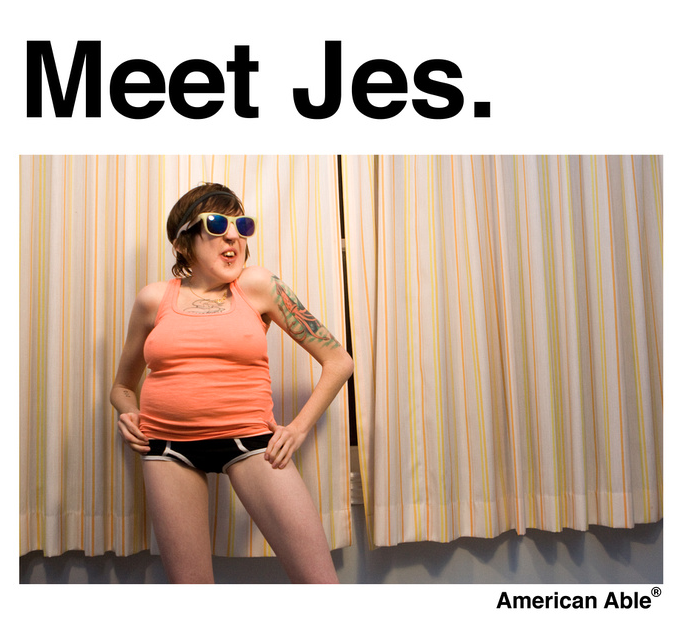
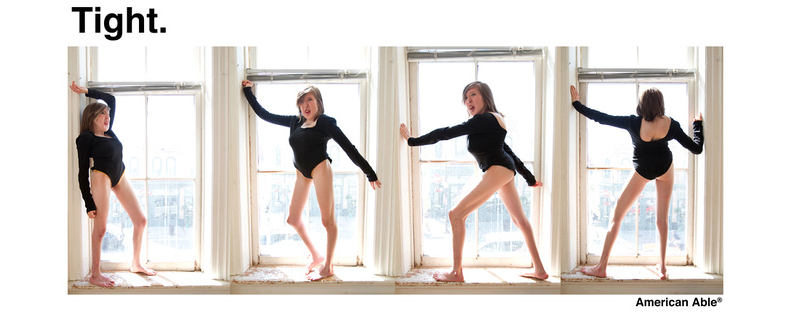
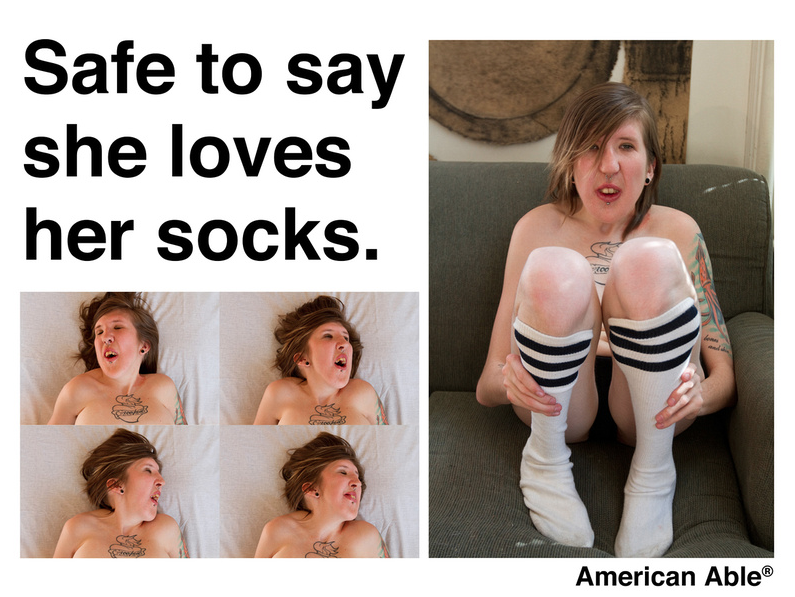
“American Able” – Challenging Media Representations of Disability

Here’s a description of the project from the the artist Holly Norris’ website:

“American Able” intends to, through spoof, reveal the ways in which women with disabilities are made invisible in advertising and mass media. I chose American Apparel not just for their notable style, but also for their claims that many of their models are just ‘every day’ women who are employees, friends and fans of the company. However, these women fit particular body types. Their campaigns are highly sexualized and feature women who are generally thin, and who appear to be able-bodied. Women with disabilities go unrepresented, not only in American Apparel advertising, but also in most of popular culture. Rarely, if ever, are women with disabilities portrayed in anything other than an asexual manner, for ‘disabled’ bodies are largely perceived as ‘undesirable.’ In a society where sexuality is created and performed over and over within popular culture, the invisibility of women with disabilities in many ways denies their sexuality, particularly within a public context.

Too often, the pervasive influence of imagery in mass media goes unexamined, consumed en masse by the public. However, this imagery has real, oppressive effects on people who are continuously ‘othered’ by society. The model, Jes Sachse, and I intend to reveal these stories by placing her in a position where women with disabilities are typically excluded.

I think this project is extremely fascinating in its critiques of advertising and mass media, specifically American Apparel, and the projects counter-depictions of disability.

How is Norris’ explanation of the invisibility of disabled bodies in mass media, including the de-sexualization and undesirability often seen intrinsic to disability, parallel to Garland-Thomson’s “Integrating Disability, Transforming Feminist Theory”? Do you believe that the depictions of disability in American Able are revolutionary? Can these counter-depictions of disabled bodies truly change advertising and mass media and the ways in which we view disability in our society?

Some of the following images by be not safe for work (NSFW).

The Adipositivity Project

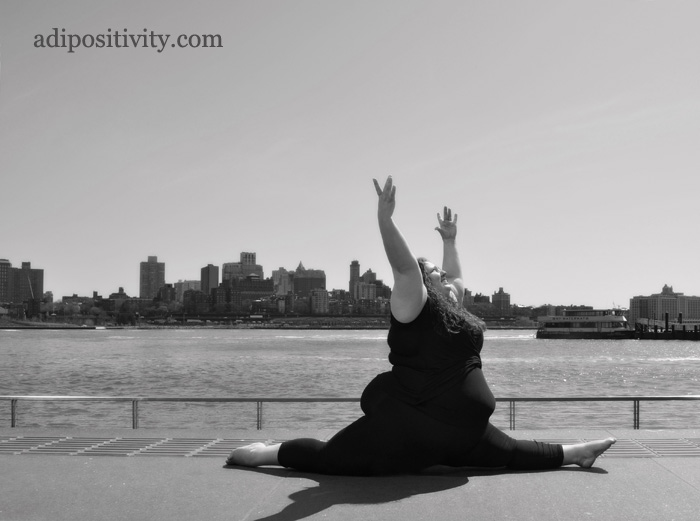
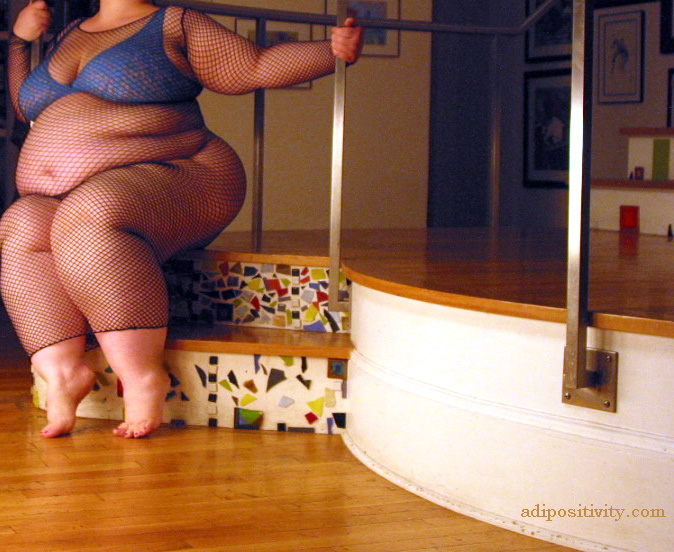
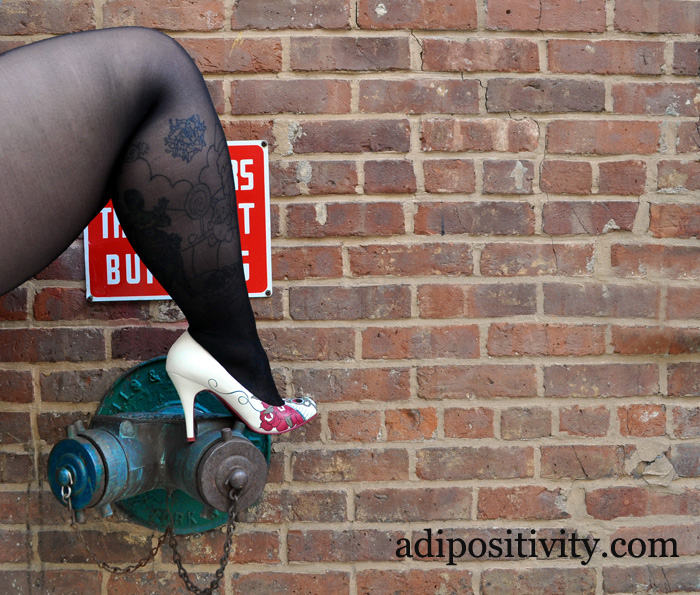
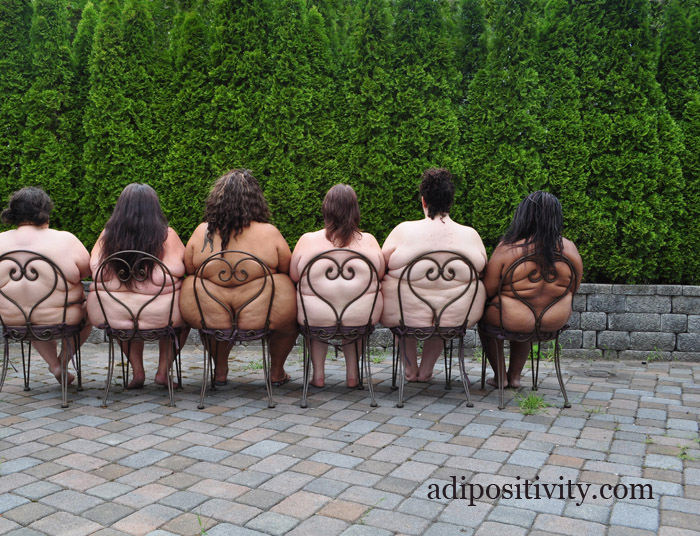
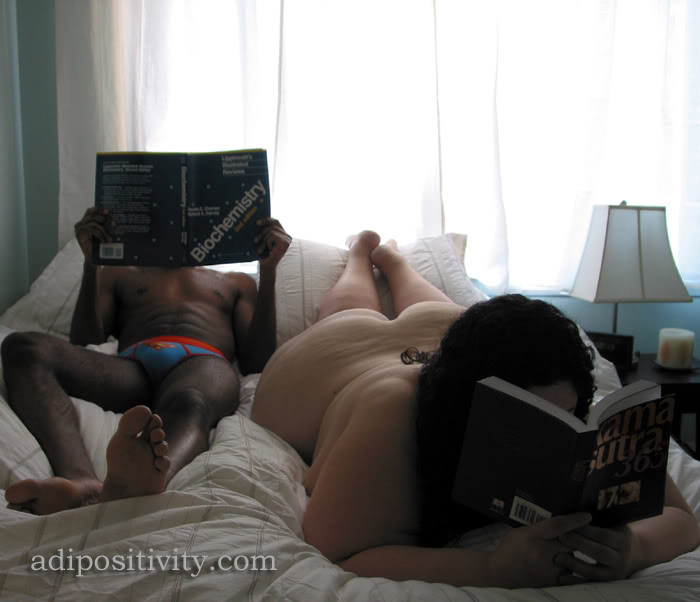
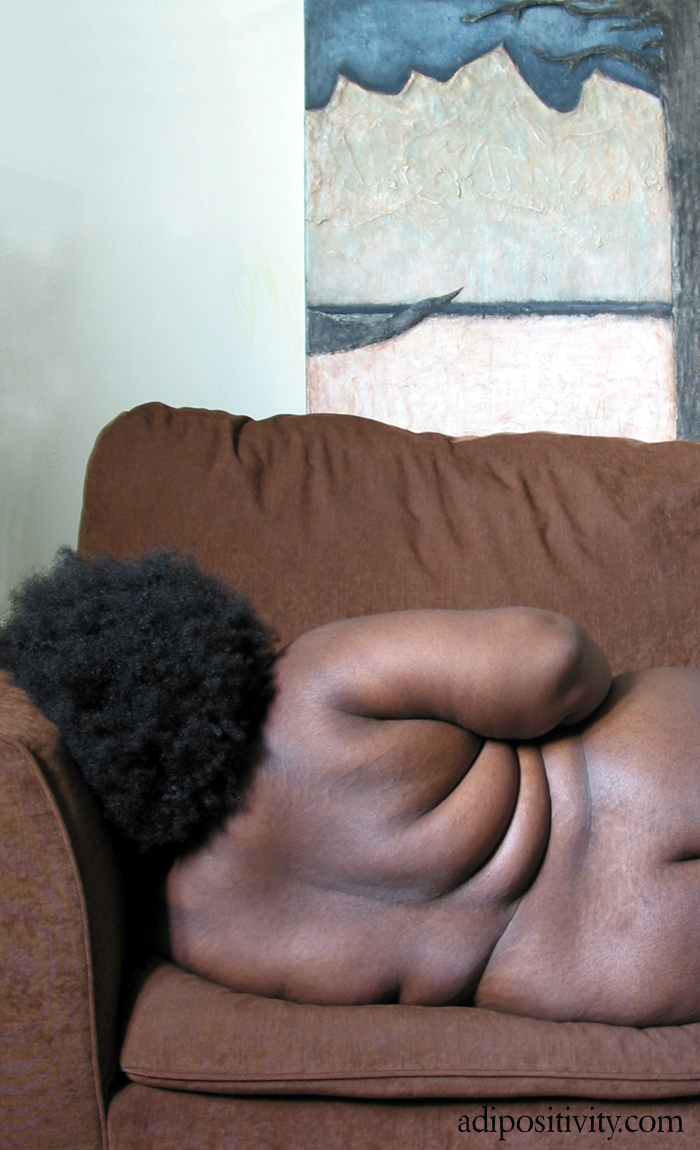
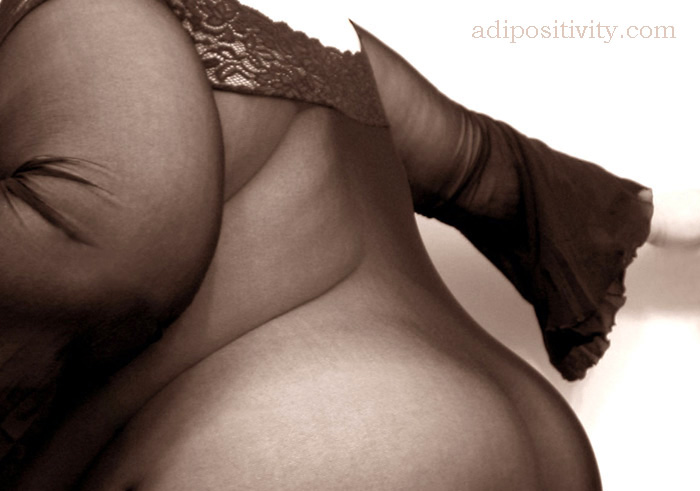
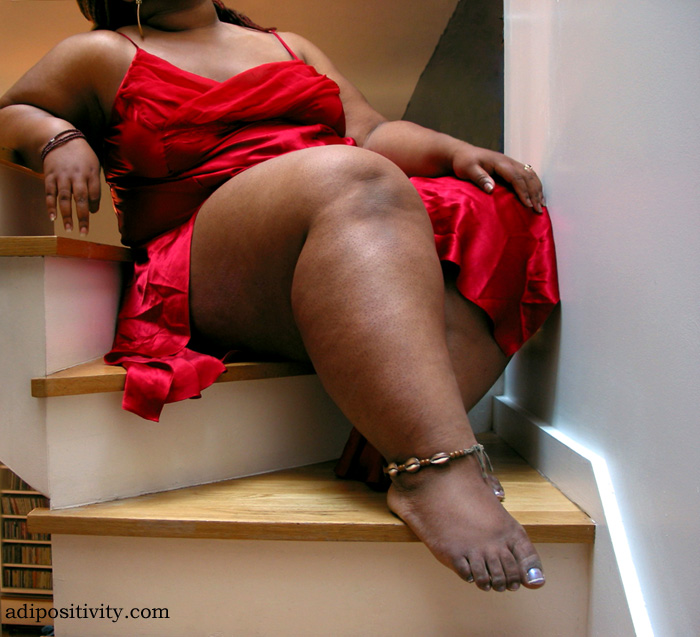
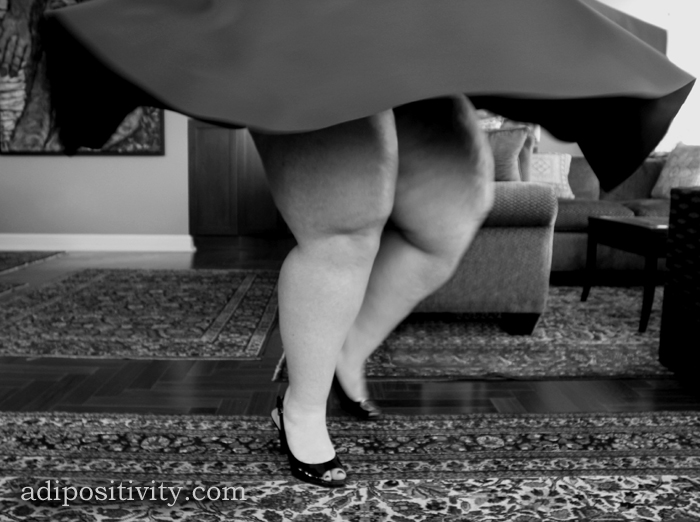
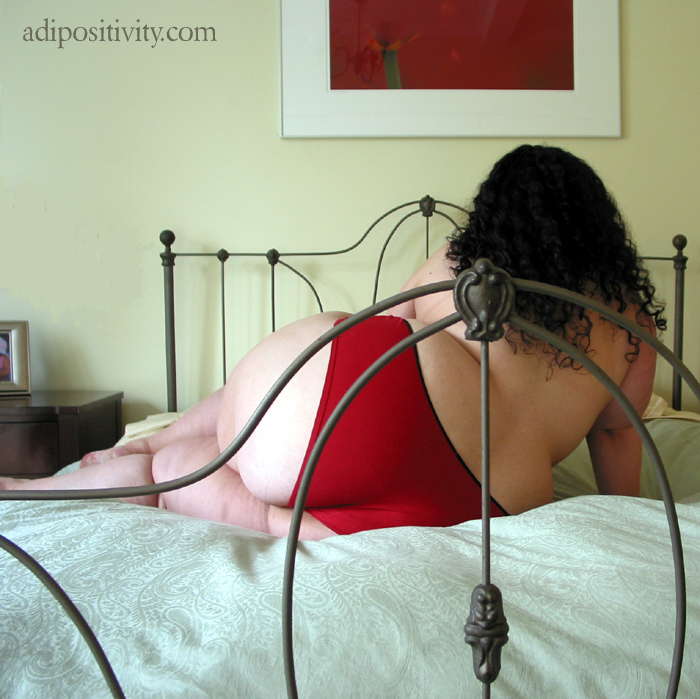
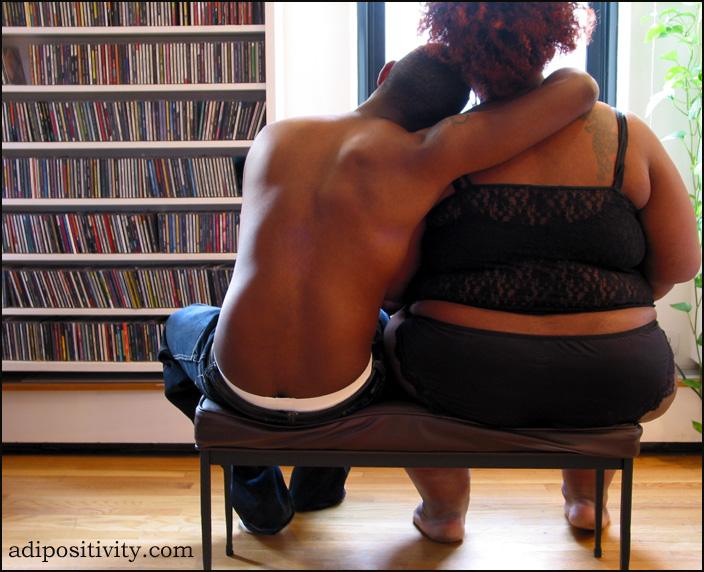
I’ve been aware of The Adipositivity Project for a number of years.  Most people who float around Fat Acceptance circles online are aware of it, but when I’ve shown it to friends who aren’t aware of FA, it’s always surprised them.  I thought, given the reading for our next class, this was at least visually on topic.  I’m also always a fan of activism through art and you can’t say Substantia Jones’ photographs aren’t beautiful or radical.   Many of the photographs are nudes, so beware if you decide to click through.  I’ve pulled some of the more modest ones to show the intent of the images.

Adipose: Of or relating to fat.

Positivity: Characterized by or displaying acceptance or affirmation.


MISSION:
 The Adipositivity Project aims to promote size acceptance, not by listing the merits of big people, or detailing examples of excellence (these things are easily seen all around us), but rather, through a visual display of fat physicality. The sort that’s normally unseen.

The hope is to widen definitions of physical beauty. Literally.

The photographs here are close details of the fat female form, without the inclusion of faces. One reason for this is to coax observers into imagining they’re looking at the fat women in their own lives, ideally then accepting them as having aesthetic appeal which, for better or worse, often translates into more complete forms of acceptance.

The women you see in these images are educators, executives, mothers, musicians, professionals, performers, artists, activists, clerks, and writers. They are perhaps even the women you’ve clucked at on the subway, rolled your eyes at in the market, or joked about with your friends.

This is what they look like with their clothes off.

Some are showing you their bodies proudly. Others timidly. And some quite reluctantly. But they all share a determination in altering commonly accepted notions of a narrow and specific beauty ideal.


I love this project, especially considering the attempts by the media to include “real” bodies through the use of marketing like the Dove Campaign for Real Beauty and “plus size” (really a size 6-12) models, and how different these fat people look from those culturally approved fat bodies.  These aren’t the media portrayed idea of what is “real” (and how problematic is that word in regards to any person?).  These (mostly) women, according to the BMI (another problematic method of judgment!), are obese, or more likely morbidly obese (sometimes called Death Fat in the FA community).  Most of them probably weigh somewhere in the neighborhood of 200 or 300 or even 400 pounds – yet I don’t think they look like the stereotypical bed-ridden mordibly obese person most non-fats think of when they hear those numbers. Or maybe they do look like those ZOMG FAT people to you.

However you see them, these people are fat, but they have accepted the bodies they have and are living their lives in them.

The Micropenis

I know that as a class we are a pretty open group of people, but because this is a public blog (and because I am unsure how people will feel about me posting pictures) I am going to refrain from doing so for this particular post, however, if you are interested in finding pictures they are very easy to come across online. I will also warn you that the sites I have posted do contain graphic pictures, so don’t visit them if you don’t want to see the pictures.

Interestingly enough, I stumbled upon this topic after our class discussion of a utopian society in which all babies were born with the possibility of all inheriting any genetic traits from the entire population. A conflict arose when two groups of people argued whether or not they should “exclude the negative traits” without ever specifying what those negative traits are or might be. Well, I figure this is easily something that could be seen as a “negative trait”- the microphallus or micropenis.

According to http://www.micropenis.biz/p/micropenis-information.html  and Wikipedia, a micropenis can be defined as “an erect penis that is 2.5 standard deviations less than the average human penis size”. However, the two sites differ on what the average erect human penis size is. The first site defines a micropenis as being 9 centimeters or 3.5 inches or less, while the second site defines it as 7 centimeters or 2.5 inches or less. According to the websites, 0.5-0.6% of the male population has this condition. But does having a condition mean that you suffer from it?

It is possible. Even the author of micropenis.biz says that he “suffers” from the condition. Some people think they no longer suffer if the condition goes away with some form of treatment.

In the 1960s and 70s sex reassignment surgery was recommended for the micropenis condition, and if the parents consented, the testes would be removed, an artificial vagina would be constructed, and the boy would be raised as a girl. Even at our very own Johns Hopkins Hospital they performed 12 of these surgeries. However, these surgeries were based on three assumptions that are now in question:

  1. gender identity and sex differences were solely a matter of social learning rather than biology.
  2. a male with a penis too small to put into a vagina could not find a satisfactory social and sexual place in society.
  3. a functionally acceptable vagina could be constructed surgically

Because intersex individuals and some of these patients believe that children’s sex organs, sexual identity, and gender identity shouldn’t be decided for them, or regretted the surgeries that have been performed on them, many of these surgeries have stopped and parents are waiting until their children are old enough to make the decisions for themselves.

Stress Kills, or “I don’t have time for a body”

At some point this semester I began screaming at my boyfriend, “I don’t have time for a body!” I was having a pulsating migraine, my skin was breaking out, I had had no sex drive for weeks, and had an endocrinologist appointment and blood test the next morning prior to three classes that day. I was having an anxiety attack at 1a.m.

Everyone says college is stressful. I have found that no longer having the body of a twenty year old makes it exhausting. Running around a hilly campus, trying to get to class on time, parking about a mile from any buildings. All of this physical activity is also time consuming, adding stress to days packed with classes, work, homework, making dinner, buying cat food, paying bills, keeping in touch with friends and family, attempting to relax, and trying even harder to sleep. I often find my inner dialogue about stress going something like: “It’s because I’m a woman” or “It’s because I’m not upper middle class.” I have many found my stress triggers to generally be gender or class oriented.

I found the following documentary on stress very interesting. The director, John Heminway posits stress as not only as detrimental to mental health, but as someting that can kill the body over time  through exposure to dangerous levels of stress hormones. It also argues that stress levels are relational to class structure, with lower rung workers experiencing higher, and more deadly, levels of stress hormones. The documentary follows Stanford University Neurobiologist Robert Supalski in his studies of stress hormone levels of baboons in Kenya. He measured both adrenaline and glucocorticoids in these baboons and found differing levels according to the gender and social class of the baboons. The non-alpha males have higher stress hormones than the alpha males. When most of the alpha males died off due to tuberculosis infection, the stress levels of all the other baboons in the group went down. This documentary is very much worth watching, I believe all parts of it are on youtube and hope you can check it out.

Hijabs and Hoodies

After we discussed the horrific and tragic murder of Trayvon Martin in class today, this article in particular caught my attention:

Shaima Alawadi, a resident of San Diego, California, was found beaten unconscious in her home last Wednesday and died of her wounds this past Saturday.  A note was found saying, “Go back to your own country. You’re a terrorist”.

Shaima was a stay at home mother with five children.

http://www.reuters.com/article/2012/03/28/us-california-iraqi-memorial-idUSBRE82R01N20120328.

This happened less than a week ago.

There was mention in class of how certain ideas in society become normalized, for better or for worse. In Trayvon and Shaima’s case there is no question these ideas create a poisonous environment.

But in both cases there was a similarity: clothing.

Trayvon was wearing a hoodie; which according to sources across the spectrum, most notably Geraldo Rivera, made him a target for suspicion. Last I checked wearing a hooded sweatshirt left no one with the ability to label someone as “suspicious” and cause cruel loss of life to another.

Shaima also had an article of clothing that marked her; a hijab. For those who are unfamiliar with a hijab, it is a head covering traditionally worn by Muslim women for reasons of modesty. Yet by wearing a hijab Shaima marked herself as “other”.

I find myself wondering if we can draw parallels between Shaima’s and Trayvon’s murders. They were both marginalized members of society, Trayvon was black and Shaima was an Iraqi-American immigrant. Both were wearing articles of clothing that are innocuous (although a hijab may stand out for those unfamiliar with the garb) but these clothes became threatening to those with prejudices and stereotypes.

I think we, as a Western society, are not past our cultural and racial biases when two murders are committed within a month of each other on the basis of race and ethnicity, with the flimsy excuses of clothing as reasoning. (By the way, I’m not ignoring that there are far, far too many of these crimes that go purposely unnoticed or are unreported).

In response to this hate crime there has been an out pour on social media and I found a group on facebook that seemed particularly fitting: http://www.facebook.com/pages/One-Million-Hijabs-for-Shaima-Alawadi/137306256397032.

When women are told, “you were asking for it”, if they are raped and happened to be wearing a miniskirt, when young black men are shot for wearing hoodies, and a woman is beaten to death in California for wearing a hijab because it “makes her a terrorist”, I have to wonder about the emphasis placed on clothing and the body-the cycle of violence around the clothing people wear for religious or personal reasons and why people use these articles of clothing as excuses for committing atrocities.

I find myself sick at heart with the violence, the hate, the prejudice, and the inbred bias. I send loving and peaceful wishes to the members of Trayvon Martin and Shaima Alawadi’s families.