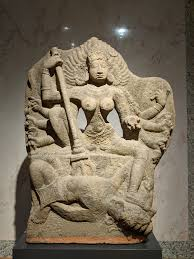
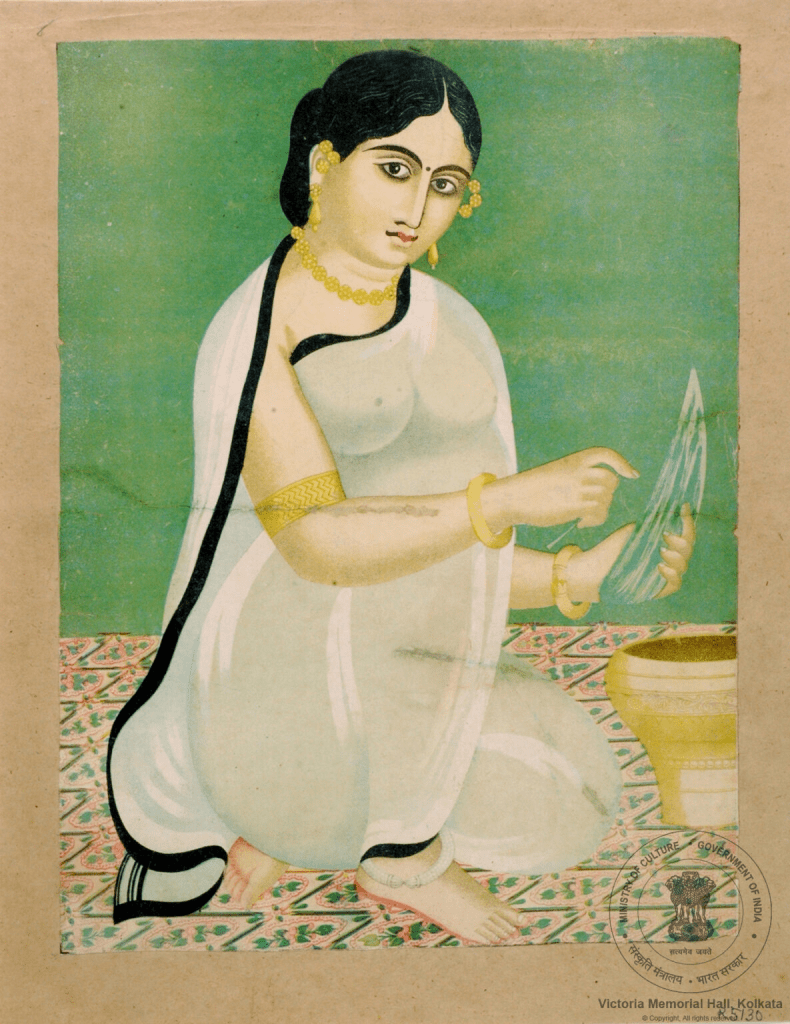
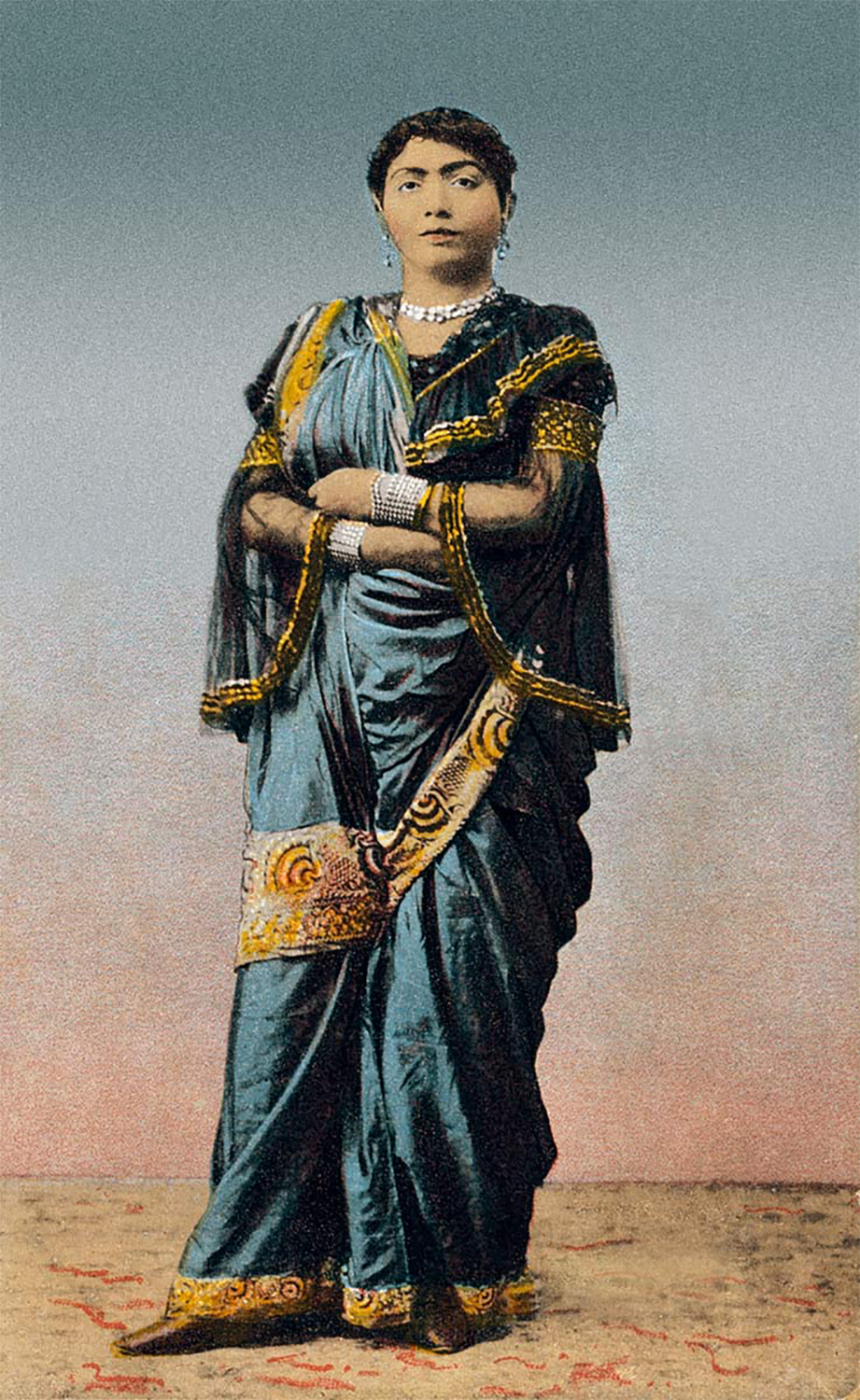
Growing up Baptist, I was always told that my body was to be hidden, especially the breasts. I always wondered why that is. AFAB people have breasts, consisting of tissue and mammary glands to give life, to feed their young. Why is that sexual? As a lesbian, I understand the appeal, but once again, why is there such a deep seated sexualization of these two orbs of tissue? An example of the sexualization of breasts is seen in the change of saree styles pre and post British rule in India. Before the western influence, sarees were often worn without a blouse under it, simply consisting of a long piece of cloth draped around the body. With the British rule came the western ideals of modesty, leading to sarees being worn almost exclusively with blouses in the modern day, ensuring there is no breast visible. I remember being 15, babysitting for an Indian family that taught me this. The mother who is now a dear friend of mine showed me historical portraits of Hindu deities, many of which had breasts visible, specifically the goddess Durga. She is a warrior goddess, seen as a symbol of feminine strength, depicted in ancient sculptures with breasts uncovered, the breasts being a part of symbolizing feminine strength. In this sculpture, she is seen slaying a buffalo-headed beast called Mahisha. (See photo.) Durga was a fierce warrior while simultaneously being a symbol for motherhood and maternal love. She is the Hindu maternal protector of the universe itself.
The first photo is a painting of a woman wearing a saree in the 19th century. The second photo is of a woman wearing a saree in 1910.
Breasts themselves are not sexual, rather they a reflection of the broader societal issues regarding women’s bodies. Sexualizing breasts gives men power over them by making women uncomfortable with them being visible or sexualised, leading to a change in women’s behavior, in this case, covering the breasts. If men are ogling something about your body, you will feel pressured to hide it, therefore the men have the power over what of the body is shown. It all goes back to the patriarchy.
I do not like my name. Similarly to Levi S. Govoni in his portion of Nonbinary: Memoirs of Gender and Identity, I dislike what I’m called most of the time. When I was young, I couldn’t explain why I disliked my name. When I was 7, maybe 8, hearing my name out loud was something to be avoided as much as I could. I’ve grown used to it, years on years of such feelings have made me at least used to the name. Names tend to tie into the ideas of femininity and masculinity; that is, you would expect a man to have a man’s name and vice versa. I do not think that it is wrong, or right for that matter, to think in this binary naming convention. Humans are incredibly adept at finding patterns and connections, including that of the gender spectrum (Say the name Bob being typically associated with a man, or the name Samantha being feminine). However, it should be more socially acceptable to be named what you would prefer in order to align better with your preferred gender identity. Human nature should not get in the way of common decency to ensure that those around you are comfortable, especially by your actions and words. Just because it is in human nature to categorize, does not mean that you should demean or debase those who do not fit in said categories. Respect for me, should I choose to change my name, or how I present myself, should not be something I have to hope for, it is something I should expect.
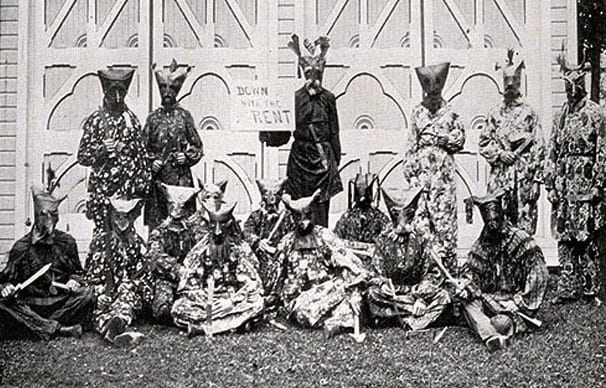
One of the Disability Visibility Project readings titled “Unmasking Mask Hate: The Racial-Criminal Pathologization of Dissent” by Leah Harris and Liat Ben-Moshe brought up the spread of anti-masking legislation and its impending arrival in Maryland. The right to mask at protests is not a new debate; the first U.S. anti-masking law can be traced back to 1845 in New York. That law made it illegal to be “disguised and armed,” though reports on the motivation behind the law can differ by source. According to Robert A. Kahn, a law professor at St. Thomas University of Law, the law was put into place to combat KKK terrorism. The Antebellum (pre-Civil War era) was from 1820-1861, so the timeline seems to check out (Kahn). The Anti-Defamation League also referred to the KKK as the reason for the first anti-masking law in New York (“#UnmaskhateNY Enough Is Enough”). But according to AskALibrarian on NYCourts.Gov, the anti-masking laws were in response to the 1845 anti-rent riots in which farmers were unable and unwilling to pay rising rent prices to their landlord, tension rose between the landlords and the struggling farmers, and what followed was a protest made up of young men and boys of the group dressed up as their interpretation of Native American people rioting against law enforcement (“What Was the New York Mask Law? – Ask a Law Librarian”). The law enforcement officers had come to the farmer bearing legal documents and the intention to sell their land, but the conflict escalated into a riot with multiple deaths (Rey). A detail that helps distinguish the law’s intent is that the Governor who signed it, Silas Wright, has been remembered for his harsh stance against the violent actions of the anti-rent riot movement.
Photo of Anti-Rent Protesters (Rey)
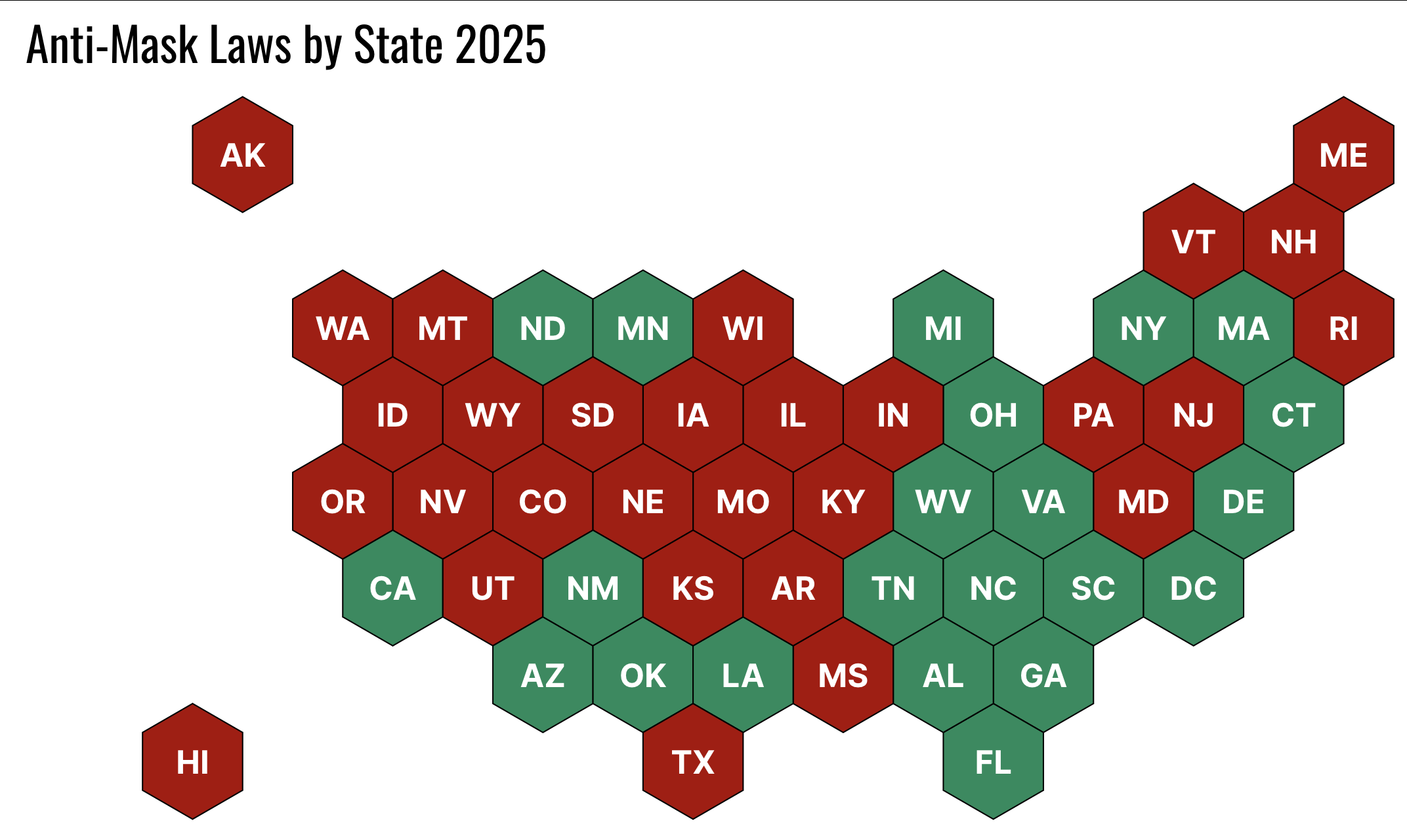
Currently, 22 states have anti-masking laws (“Anti Mask Laws by State 2024”). Most of these laws focus on the intent of the person using the mask, banning the use of a mask for the purpose of intimidating others, loitering, and hiding one’s identity during a crime. Maryland does not have an anti-mask law, but that may not be the case for long. The Masked Intimidation, aka the Unmask Hate Act, has gone through its first reading by the House as of February 2, 2025, and has 9 more steps to go through before landing on the Governor’s desk. Let’s review this law and consider its potential implications for peaceful protestors.
States in green have anti-masking laws in 2025 (“Anti Mask Laws by State 2024”)
Masked Intimidation AKA The Unmask Hate Act
SUMMARY OF THE LAW
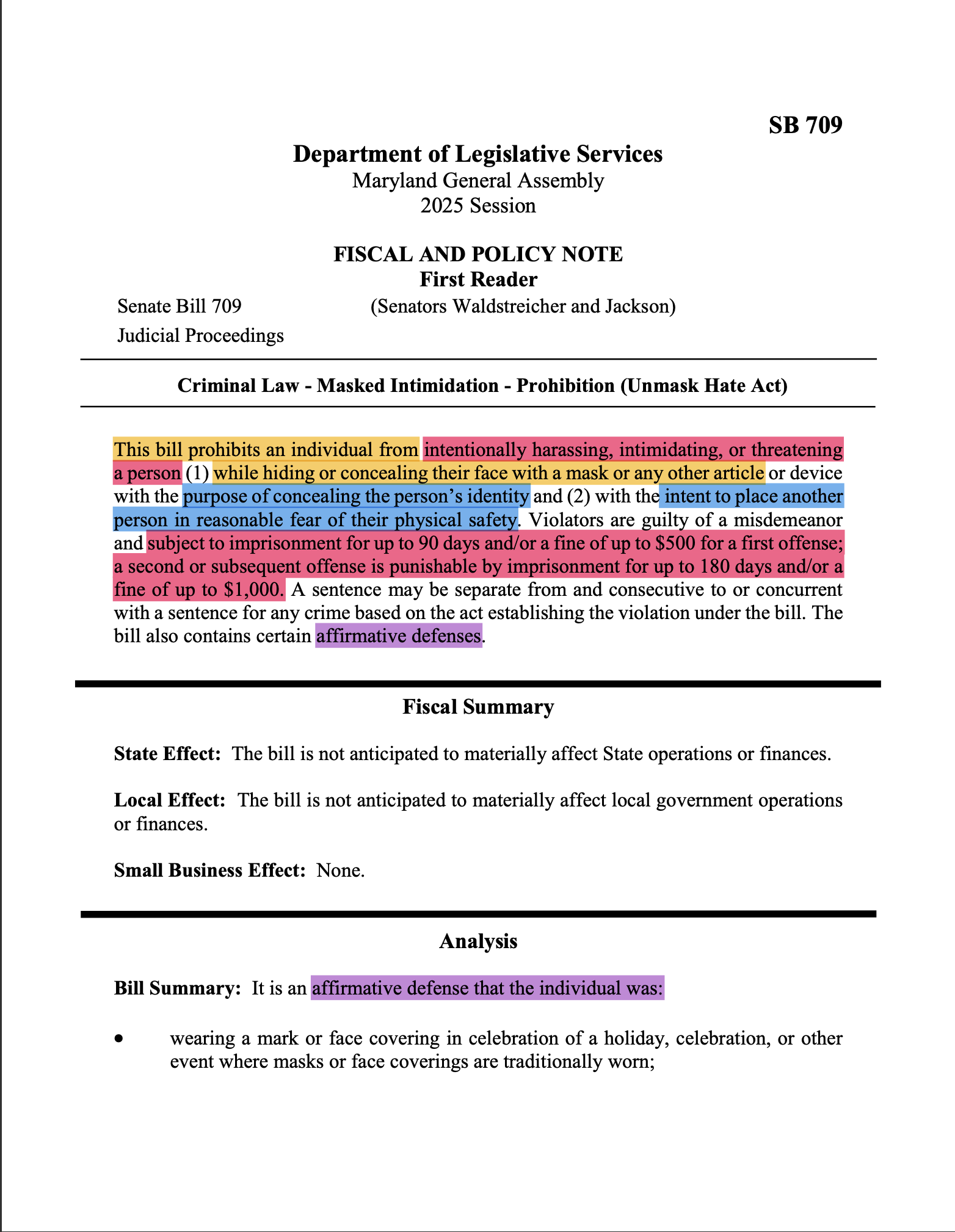
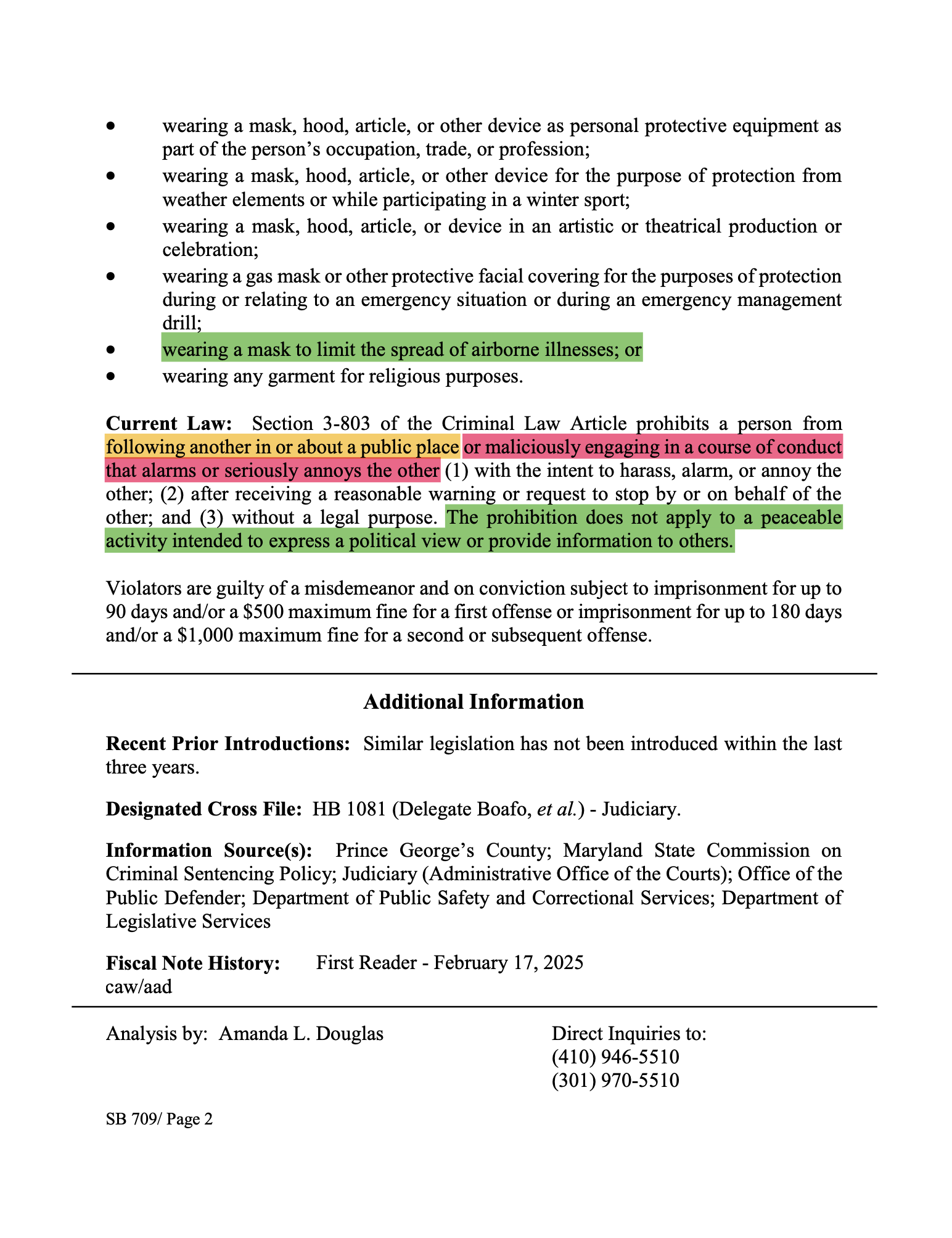
The anti-mask law prohibits people from intentionally intimidating, harassing, or threatening others when wearing a mask to obscure their identity. The law outlines excusable reasons a person may be wearing a mask: holiday celebrations, protective equipment for a trade, weathering elements, religious purposes, or to prevent the spread of an airborne illness (“Legislation – HB1081”). At first glance, this law seems like it could help with the issues of political violence, racial violence, and hate crimes, but how will this be used in the legal and judicial system? Does a peaceful protest count as intentional intimidation to some police officers and court officials? Are the potential 90 days of imprisonment or $500 upon first offense meant to deter dangerous extremists or silence activist action?
UH, WHO WROTE THIS?
To better understand legislation, I research the person behind it and their values. This law was proposed by Delegates Boafo, Simpson, Toles, and Vogel, all from the democratic party. Delegate Boafo has contributed to notable laws around protecting underserved minority communities. Most notably, the Maryland Values Act, which puts strict rules against ICE entering private areas of sensitive areas if they don’t have a judicial warrant (“Legislation – HB1222”), and the Eric’s ID Law, which gives disabled adults the option to add a butterfly to their Maryland ID as a way to communicate to cops that they have a hidden disability (“Legislation – HB0707”). Delegate Boafo’s work towards anti-discrimination legislation in Maryland suggests that this newly proposed law was intended to prevent antisemitic masked intimidation incidents, as outlined by the Anti-Defamation League about perpetrators in New York (“#UnmaskhateNY Enough Is Enough”). But, with a few cases of protestors being arrested at rallies, and the current president putting out social media statements including “MASKS WILL NOT BE ALLOWED to be worn at protests” and “What do these people have to hide, and why???”, who’s to say that this law won’t be interpreted differently than Delegate Boafo may have originally intended (Harris and Ben-Moshe).
…So, Do We Love It or Hate It?
This law is in its first of many steps before it reaches the governor. More information and official writing on how this could affect peaceful protestors is needed. What do you think about this law?
Rey, Oskar E. “Antimask Laws: Exploring the Outer Bounds of Protected Speech under the First Amendment—State v. Miller, 260 Ga. 669, 398 S.E.2d 547 (1990).” UW Law Digital Commons, 31 Dec. 2018, digitalcommons.law.uw.edu/wlr/vol66/iss4/10/. Accessed 8 Oct. 2025.
“What Was the New York Mask Law? – Ask a Law Librarian.” Nycourts.gov, 2020, askalawlibrarian.nycourts.gov/legalresearch/faq/410210.
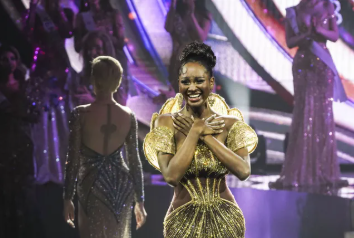
The controversy of Miss International Queen 2025 in Thailand has shook the internet all over the globe. This year’s Miss international Queen was won by Midori Monet, a Black American trans woman, marking history and a victory for Black and trans visibility worldwide. However, her win was overshadowed when all the other contests celebrated with Olivia Lauren, first runner-up, and ignored Monet during her crowning moment. Lauren publicly accused Monet and another contestant, the second runner-up, of bullying her during the competition, and there were claims that contestants made fun of her and ostracized her backstage.
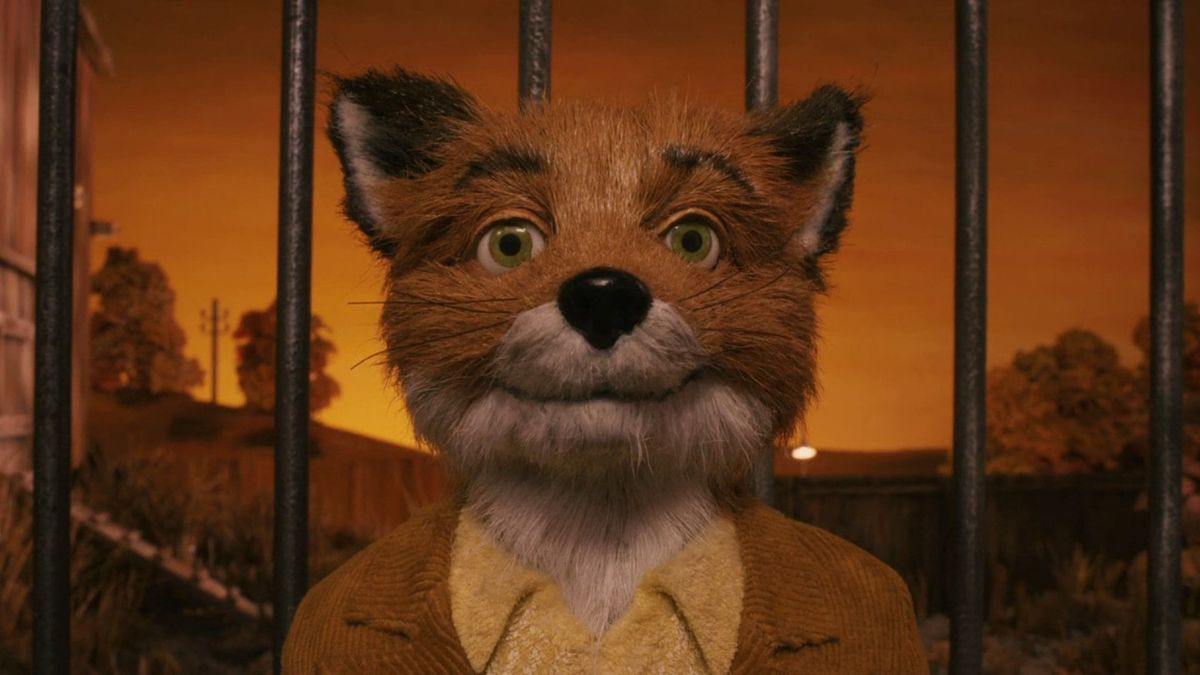
Fantastic Mr. Fox a movie made in 2009 that depicts a fox who changed occupations to provide for his family in a safer manner… Until he’d gotten tired of his role and wanted something new. The hole he lived in where he had a normalized routine became insufferable. He didn’t want to live in a hole anymore. When we get normalized to being portrayed in a certain way or stereotypes we get accustomed to hearing we unconsciously may begin to adapt this perception onto ourselves. We put ourselves into a hole metaphorically. I don’t want to live in a mental hole.
When I was younger I was often seen as to be one of the “smart kids” much of this was attributed to the fact that I was Asian more specifically brown where the internet often associates a common stereotype of brown people as being “smart” this was something that people had repeated towards me so much as a kid that it stuck to me, I gave myself a label. This label that I had given myself became detrimental as if I couldn’t adhere to the standards of being a “smart kid” I would lose value in myself. This is a common problem that comes along with labels we tend to put on ourselves. We try to stick to them as much as possible but when we don’t meet someone else’s standard of what that label means we are looked down upon or we are expected to act a certain way because of the label we have.
Lowercase q brings up the example of labels throughout the chapter, for some it can be fulfilling, being finally able to understand yourself and be a part of something. But to others it can feel claustrophobic as if you are being put into a type of position. Labels are a double-edged sword and can be both beneficial and harmful. The choice whether or not you want to put a label on yourself is entirely on you but it’s not something that permanent and it’s something you can always change.
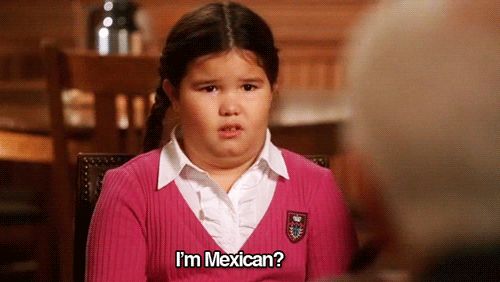
Just like pretty much any other person in our era, I love watching TV shows and typically choose one to fixate on for a few months. At the moment, I’m watching Desperate Housewives and a particular scene in the show gathered my attention. The young daughter of one of the main ‘housewives’ is sitting in at an interview for the private school her parents are hoping she’ll attend. At the end of the interview, the principal says something along the lines of: “She’s in. We could use someone of Mexican heritage to fulfill our diversity quota anyway.” to which she responds “I’m Mexican??”
And I’ll be honest, it is a pretty funny one-liner and it got a chuckle out of me. However, when reading Nonbinary: Memoirs of Gender and Identity, specifically chapter eight, titled “The Token Act” I couldn’t help but draw similarities between this scene and the author’s experience being Asian American as well as nonbinary and kind of being tasked with the role of representing her entire background and minority.
The author of this specific chapter, Sand C. Chang states “My identity is conveniently used as a symbol, especially for employers and organizations that want to show how welcoming they are of DIVERSITY! I hate the word “diversity,” almost if not more than I hate the word “multicultural.”” The author goes on to make an excellent point about how the job of being the token in a certain environment makes you vulnerable to being the representative of an entire group of individuals who are different from you. I truly loved this chapter because it put something I didn’t even know I was feeling into the perfect words, with a shared amount of anger and frustration.
Drawing connection to both this particular show and chapter, it made me wonder why being a minority deems you immediately entitled to a second job in which you’re required to represent the vast majority of the people who just happen to be of the same background as you. Whatever category you’re placed in, there are numerous subcategories of whom you’re completely unfamiliar with. For example, if you identify with being black, there’s numerous black people whom you cannot speak on the behalf of. Say for instance, you’re fully African American. How accurately would you be able to speak on the experience and lifestyle of Afro-Latinos? West Africans? East Africans? Black and White bi-racial African Americans? The same goes for all varying sorts of people. It just doesn’t make sense.
Throughout various abhorrent efforts to dehumanize any given particular group, the question of what is deemed ‘natural’ has often been present. The concept of ‘naturalness’ is made to be synonymous with ‘goodness,’ ‘correctness,’ and any term that denotes a certain level of social acceptability or praise. Yet, the definition of ‘natural’ does not indicate some infallible or permanently held state of being. Rather, it is an ever-changing term, constantly adjusting to new norms and technologies as our society changes.
I could tell you I’m a Black, queer, masculine-presenting, neurodivergent, disabled person, or I could tell you my name and keep it pushing.
I don’t know many people who just walk up to you and introduce themselves with their labels off-rip so maybe that’s a bad example but I hope you get what I mean. Many people these days subscribe to many different labels for themselves in order to find community. Labels have historically been used to help people from marginalized communities find each other and relate to one another. But these once helpful labels have become harmful.
Looking at the LGBTQ+ community now, what we see is gatekeeping that has risen to an unhealthy level, where people have to meet every single strict standard to fit into a group. This to me feels like doing heteronormitivity with extra steps. Why are we as a community not just going with the flow. This strict binary often alienates queer people who don’t fit into a box. At what point do we say having a million labels is counterproductive and we should just get rid of them and be people?
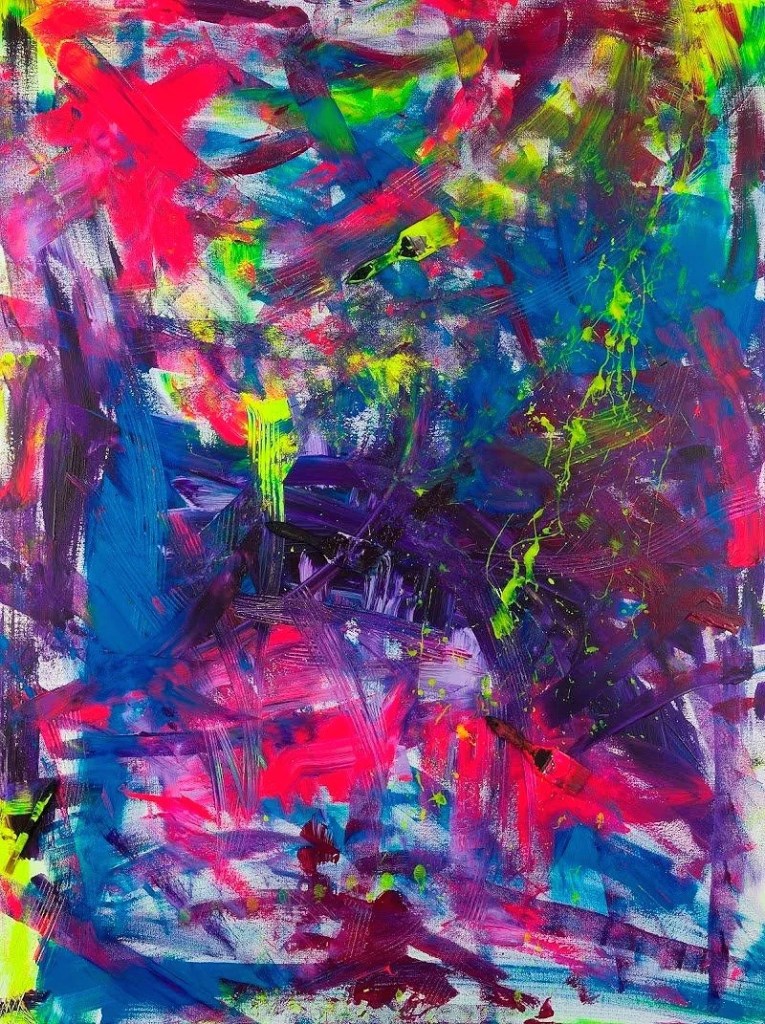
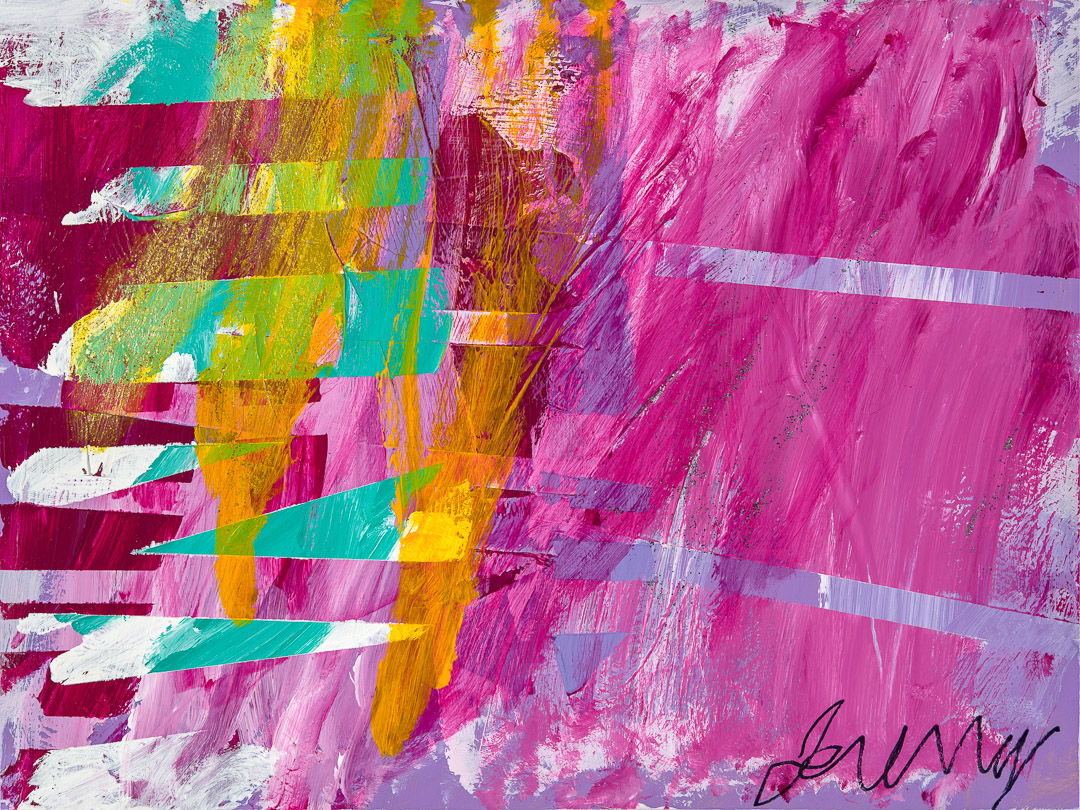
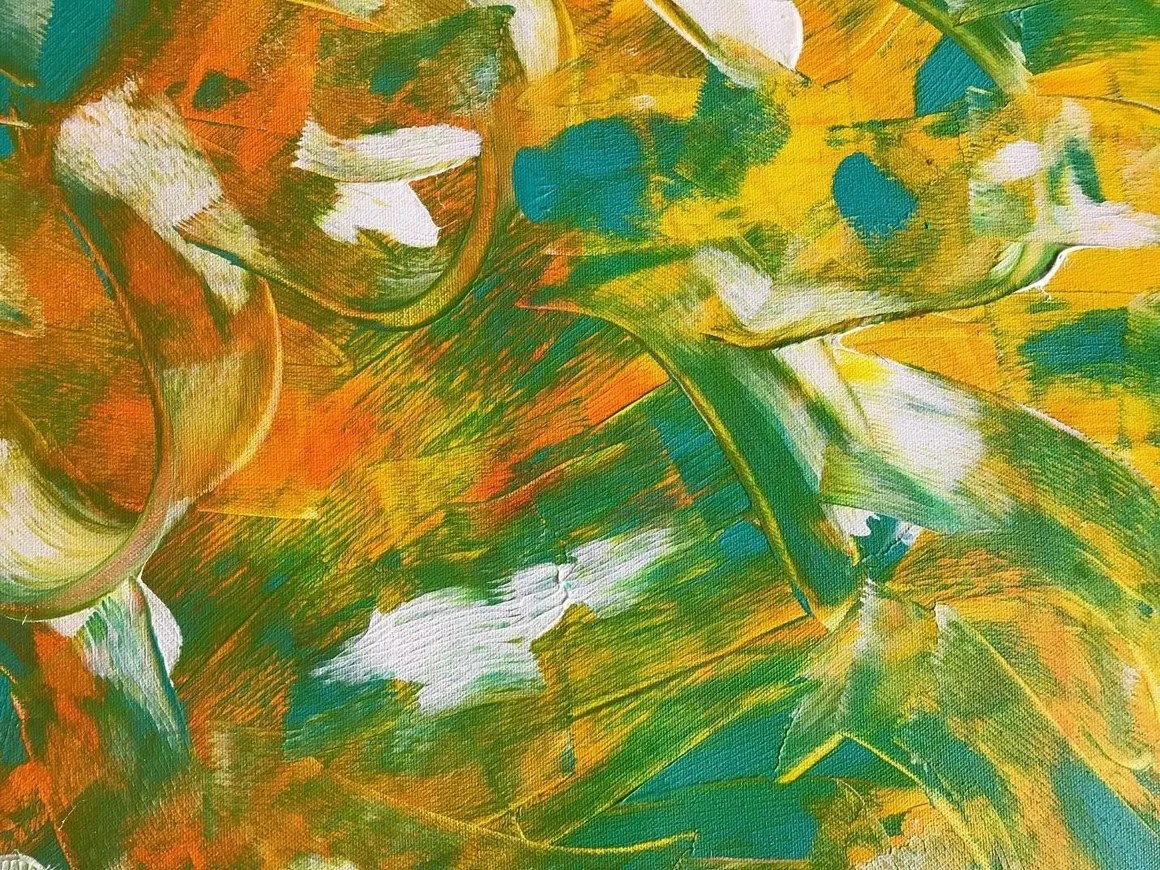
The image above is an untitled UV acrylic painting by Cecile Lobert, an autistic and non-verbal painter. Every autistic person deserves to have their story seen, not just those of us who communicate through traditional methods. Cecile may not use words, but she expresses herself vividly and gives us insight into her life that others cannot do for her. She uses textures, colors, and emotional depth that past and present messaging from neurotypical people leave out.
In 2009, a non-profit advocacy group called Autism Speaks released a nationwide PSA called ‘I Am Autism’, which featured a voiceover from the perspective of their personification of autism. Here are a few lines from the PSA:
“I work faster than pediatric aids, cancer, and diabetes combined And if you’re happily married, I will make sure that your marriage fails. Your money will fall into my hands, and I will bankrupt you for my own self-gain. I don’t sleep, so I make sure you don’t either. I will make it virtually impossible for your family to easily attend a temple, birthday party, or public park without a struggle, without embarrassment, without pain. You have no cure for me. Your scientists don’t have the resources, and I relish their desperation. Your neighbors are happier to pretend that I don’t exist”
Autism Speaks has since apologized for their PSA, but the damage has already been done. Like Chimamanda Ngozi Adichie explains in “The Danger of a Single Story”, people form lifelong beliefs about others based on the first stories they hear about a demographic outside of their own, especially if they never hear from the demographic being discussed.
16 years after ‘I Am Autism’ aired, the Secretary of Health and Human Services said in a nationwide press conference that autistic people will never be able to pay taxes, hold a job, write a poem, go on a date, or use the bathroom unassisted. If you are autistic and or have been emersed in neurodivergent spaces, you know that depiction is not true and certainly not whole. Even autistic people who experience the struggles described above, they can and do have vibrant, meaningful, happy lives. The Autism Speaks PSA and the HHS secretary’s statements are both centered around arbitrary lists of things they think autistic people cannot do, framing it as if not being able to do those things makes autistic people’s lives miserable and empty. These narratives influence the greater population’s perception of disabled people, which then influences policies and practices that harm disabled people.
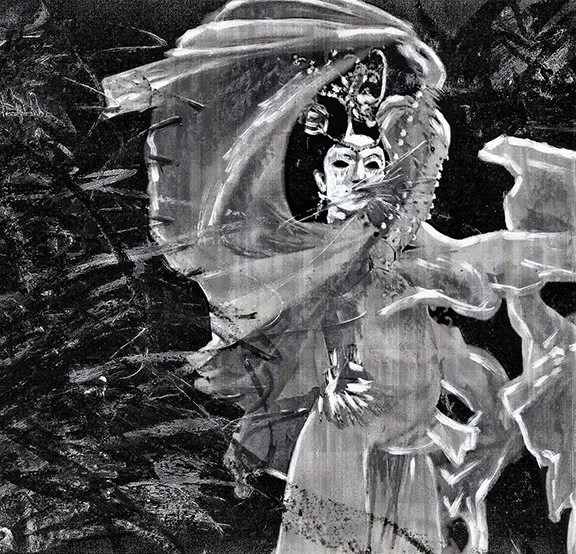
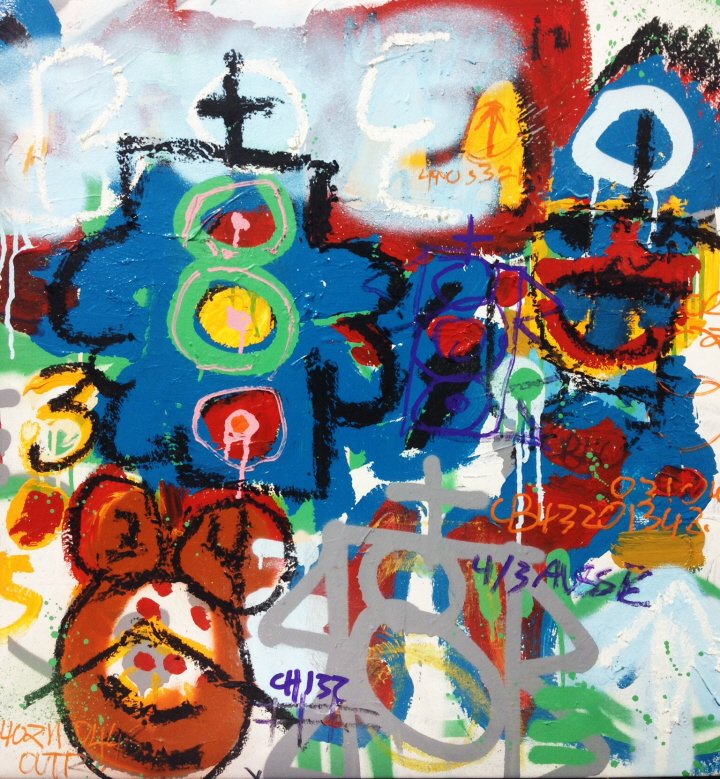
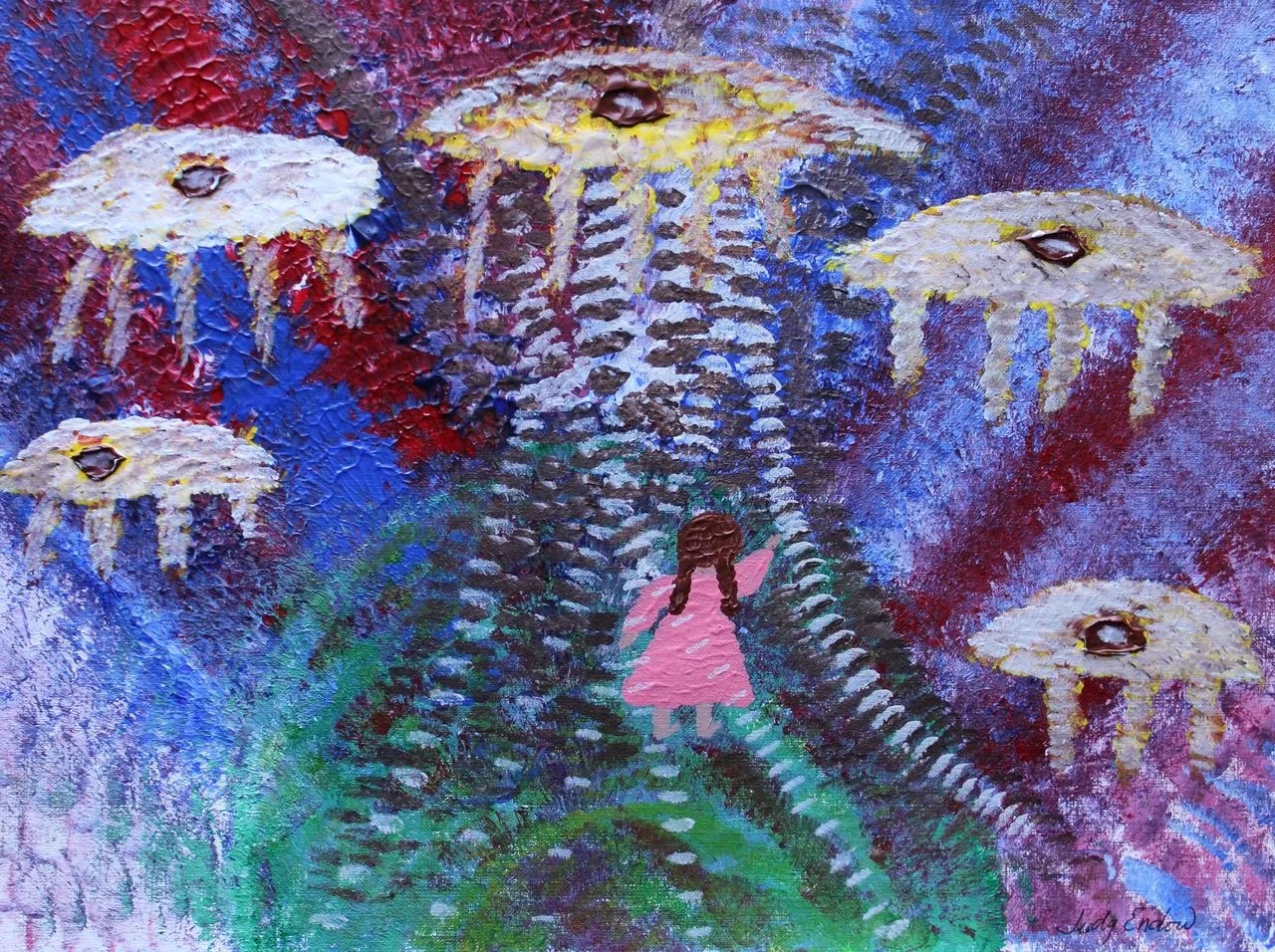
Below you can see more art from autistic artists. Seeing through their eyes rather than the scornful eyes of people who wish to eradicate autism gives them agency and a voice that is being stripped from them. I hope the depth, color, texture, and care put into these pieces allow you to see the depth and range of autistic people’s experiences and abilities which have been downplayed by people with a lot of influence and reach.
December 10, 2003. Baltimore Maryland. 6lbs 7oz. 7:30pm. No pulse. No breathing. No movement. Dead on Arrival. Blue skin. Purple lips. Silence. monitors sound. Doctors try to revive her. still no pulse. Time of death 7:31. Try one more time. A voice of desperation. Try one more time…
Some may ask, well what happened. Who was it? How did the parents feel? Did the baby die? Did the doctors try again? You can’t just leave us on a cliff hanger like that. Where some see birth as a moment a life is born. For some it’s a moment of grief. Some a moment of fear. Some a moment of happiness. Some a moment of death. But whose story is it to tell? Is it the baby being born or the parents who endeavor that pain or that happiness in that moment. Who is it to say that a baby doesn’t want their story to be told? They have no say with their own story. The world can’t write its own story with no pen. Yet there’s world history. People can’t tell their own story with no voice. Yet there are echoes that never fade. The art of story telling isn’t always just about WHAT story you’re telling. It’s WHO’S story you’re telling. Take the pen out of other people’s hands. Write your own story.
…December 10, 2003. Baltimore Maryland. Silence. Sound. Silence again. The story doesn’t end- it just waits for someone to tell it. Maybe it’s already been told. Maybe you’ve heard it before. Or maybe…it’s still being written.