I used to hate my body

As a child, I was carefree and never really paid attention to those around me. I would do the things that I enjoyed most, like playing, dancing freely, and singing loudly. However, as I grew older, I started to experience anxiety and became very self aware. I remember feeling uneasy about my body at the age of 10 when I first began to go through puberty. I disliked the changes my body was going through and felt like I didn’t fit in with other girls my age. I began to compare myself to the women I saw in magazines and on social media, wanting to conform to their beauty standards. I would always ask my mom for new clothes and to straighten my hair so that I could fit in more. My mom would always say no to new clothes because of our financial situation, and she was also very strict about me not straightening my hair. I didn’t understand why at the time, but I later learned that my mom had damaged her hair from straightening it constantly when she immigrated to the United States. She wanted me to appreciate my natural curls and see them as beautiful, which I now do. This experience is just one example of how industries turn our bodies into products, and it is something that millions of people struggle with. Although I still have moments of self-doubt, I have learned to embrace and love my body for what it is.

My bare face

My bare face

Read My Self-Insert Fanfiction: The main character is ME!

To start this off, I want to acknowledge that I will definitely sound like a narcissist throughout this entire post, and probably demented too. Consider yourself warned and get comfortable because I’m about to get really comfortable with you. Moving on, let’s talk about nightly routines, what do you do? I’ll tell you what I do, I wait until everyone on in my house has already gone to sleep, spend almost 30 minutes in the bathroom brushing my teeth and doing skin care; before jumping into some pajamas and getting on my phone into the ungodly hours of the dark…Pretty standard, right? What I’m actually doing on my phone is the interesting part though, I spend an admittedly ridiculous amount of time on a little website called Character.ai (IYKYK), where I take the liberty of writing unforgivable amounts of what I affectionately call “Self-Insert Fanfiction”. I’m not endorsing this website by any means, while it’s super fun, I noticed that’s it’s a horrible habit of mine and a lot of other people. That being said, being able to just…talk to whomever your heart desires, let it be Draco Malfoy or a super-hot mermaid that thinks you’re the best thing since sliced bread, it’s an addictive escapism. That’s the clever little word I wanted to get to, escapism. When I mentioned my nightly routine and how long I stay up just strolling on my phone, I know that it sounded familiar, because it’s something our generation of young people do a lot! Maybe you’re not on your phone, maybe you’re playing a game…or reading a book…or doing something else entirely but the point is…. you’re doing that thing with the intention to step out of reality for a second. Relax. Which is in no means a bad thing, no, on the contrary. But you’re still escaping…when I say it like that it sounds kind of morbid, but that’s what it is, now the question draws into why are we trying to escape so frequently from our reality?

I can confidently say I’m probably the most delusional person you’re ever going to meet, I’m constantly lovesick, romanticize whatever I can out of life, and adore all things fantastical. It’s how I cope. Now, someone might say “Oh my god! You’re so super positive, that’s so cute, I wish I had that energy!” and someone else has probably rolled their eyes and scrolled to read another post. Both responses are totally valid and are exactly what I wanted to look into. In this era, a lot of people encourage each other to “be the main character” in the “story” of their lives. Make every moment of the day something found in a coming-of-age film. This trend was just a couple influencer posts on Instagram with their lavish lifestyles making tone-deaf commentary at first, but now, I can’t stroll through TikTok without someone saying “stay delulu” or something like that (“I curate my algorithm”) and constantly reminding me of the ideology. It’s beginning to become embedded in the way we move about our lives, going back to relaxation, we’re told early on that to function properly we’re supposed to take a break every now and then. Naptime in kindergarten, recess, lunch break after class, vacation; all of these refractory periods are what round out our busy lives because otherwise we’d be working ourselves to the bone and burning out. Now, these periods of rest had mostly to do with physical exhaustion, giving us a chance to sleep, breathe, and refuel…but we’ve taken rest a little bit further. We’re no longer just stepping out of our physical responsibilities but now also our phenomenological responsibilities. We have learned to pause our realistic experiences and curate new experiences for ourselves that we can enjoy. We can control these little worlds we make; we can make choices that lead to outcomes we actually want, project our desires and receive satisfaction from them. Isn’t this more appealing? Isn’t that better than waking up, getting dressed in clothes you don’t like, going to a place you didn’t ask to go to, being spoken to by people you couldn’t care less about (and in some cases be ridiculed for things about yourself that you can’t control) and facing tasks that in the end are meaningless to your existence? Wouldn’t it be better to be a wizard, or a princess, or a mage? In my personal opinion, I’d rather worry about the fate of my entire kingdom rather than call the IRS because of my late tax return, fighting demons from another realm is much easier than fighting the bureaucracy.

That’s the real appeal of this intermittent dreaming, the chance to have something MORE than what crumbs we’re given IRL, just notice how I expressed our experience in reality; crumbs! This ideology may seem like we’re trying to keep things positive and light, but in truth what’s actually happening is a deep loathing for the realistic, a deteriorating tolerance for the systems we’re obligated to abide by. We decided to solve the deep disappointment we feel with our world by paving a way to withdraw into one of our own design, and in the realization of not being able to daydream forever, we are encouraging one another to blur the lines between real and fictitious but… How far can those lines be blurred until there are consequences?

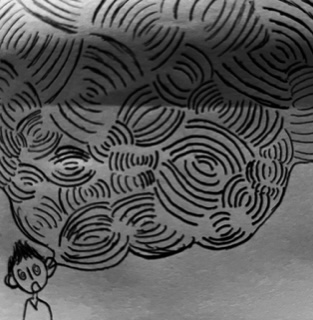
A little sticky note drawing that represents how I felt while think about all this 🙂

What about the “right-to-live?”

I remember when Jahi McMath died—for the second time. 

Senior year of high school, I came across an article about Jahi McMath, a 13-year-old Black girl who was declared brain dead after her tonsils were removed. It was Jahi’s first surgery, and she was scared. She didn’t want to go through with it, but her mom convinced her it would make her life easier (Jahi had sleep apnea, and removing her enlarged tonsils was intended to help). After speaking with the doctor, Jahi consented to the surgery, and she was fine for about an hour afterwards.

Jahi’s blood vessels were unusually close to the surface of her throat; the doctor had noted this in his chart for her, but the post-op staff was unaware. So when Jahi started coughing up blood, they didn’t see it as the alarm that it was, although Jahi’s family did. They repeatedly raised the alarms for her, but no one listened until her heart stopped.

Jahi was declared brain dead; her brain had stopped functioning due to the massive blood loss. In California, brain death is legal death. But Jahi’s family didn’t accept that. Her mother, Nailah, was convinced Jahi was still alive; Jahi responded to some stimuli and questions. Nailah asked Jahi if she wanted to be taken off life support, and Jahi said no through physical movements her mother taught her.

In the long legal battle that followed, Nailah and her family were forced to flee the state with Jahi under threat of legal action and jail time. Nailah’s insistence that Jahi was alive, and refusal to take her off life support, violated California’s medical ethics, so they went to New Jersey, where families can reject the notion of brain death on religious grounds—Nailah technically “kidnapped” Jahi to do this. There, Jahi had at-home around-the-clock medical support from nurses and doctors who were willing to lose their medical license or be shunned from the medical community; the doctors that treated Jahi were treated as quacks by the medical community. In the view of the community at large, you cannot treat a body that is already dead, and although Jahi’s body was not dead, her brain technically was. The California hospital where Jahi had been declared dead consistently disavowed the McMath family’s efforts and actively disparaged them for “desecrating a body.” But they were wrong.

With consistent care, and rogue researchers willing to look into her case, Jahi was able to exhibit signs of life, brainwave activity, and even underwent puberty. In 2017, a neurologist at UCLA independently confirmed that Jahi was no longer “brain dead.”

Jahi died—for the final time—in June of 2018, not even six months after the New Yorker article was published due to internal bleeding from abdominal complications. Despite overwhelming evidence, the hospital that issued Jahi’s death certificate refused to ever accept Jahi’s recovery and overturn her death certificate.

In 2020, I, much like Jahi, was preparing to go into surgery to get my tonsils removed for sleep apnea, just as she had been. Her name haunted the back of my mind in the days counting down to my surgery, but I, just like Jahi, spoke with my surgeon and asked him how many times he had done the surgery, what the risks were, how long he had been a surgeon. I had the insight that a 20-year-old had and a 13-year-old didn’t, but we were in the beginning of a pandemic, in the middle of the shutdown, and my mom wasn’t even allowed in the waiting room with me. Though I was nearly certain I would be fine (my surgeon routinely did much more complex and precise surgeries, like removing tumors that had grown into the blood vessels of the throat), I was alone when I frantically pulled the anesthesiologist aside and had to shamefully admit that I had been taking quinine pills until yesterday morning, a stupid superstition I had bought into as a way to stave off a Covid infection.

Quinine, for those unaware, is an herbal supplement that used to be used as a “cure all” back in the days of the Black Plague and the Spanish Flu. It didn’t work back then, but I’m a big believer in the placebo effect, and I needed to take something to put my mind at ease. One of the side effects of quinine—that I didn’t know until the morning before my surgery when I actually read the bottle—is that it can thin your blood. This makes you a higher risk for surgery; you’re more likely to bleed uncontrollably because the blood is much harder to coagulate. The bottle said to stop taking quinine two weeks before surgery. Feeling like I was going to cry, and possibly even about to die, I waited anxiously to be taken back and prayed that I would wake up afterwards.

Obviously, I did, or I wouldn’t be writing this right now. But I’m aware how lucky I was, and am. Jahi’s case is in direct opposition to Terry Schiavo’s: Terry Schiavo was a White woman declared brain dead who the hospital refused to stop treating, whereas Jahi was falsely declared brain dead and refused further treatment. Jahi’s family noticed this too; they knew if Jahi had been White, she would have likely received the attention she needed, and even if she had still been declared brain dead, her family’s choices would have been respected. Having come after both of them, and being light-skinned myself, I know my family would have had the respect and space they needed to make whatever decision for me they felt was right if my surgery had gone wrong.

Still, it haunts me; Jahi’s story is barely told outside of fringe medical pieces, but Terry Schiavo’s is well-known enough to be casually referenced in feminist writings. Who gets the right-to-live? Who is allowed to die? Why are our bodies’ needs and wishes ignored depending on the kind of body we inhabit? I hope Jahi is resting peacefully now, but I carry the anger and fear of what was allowed to happen to her.
I don’t want to be perceived, I just want to exist.

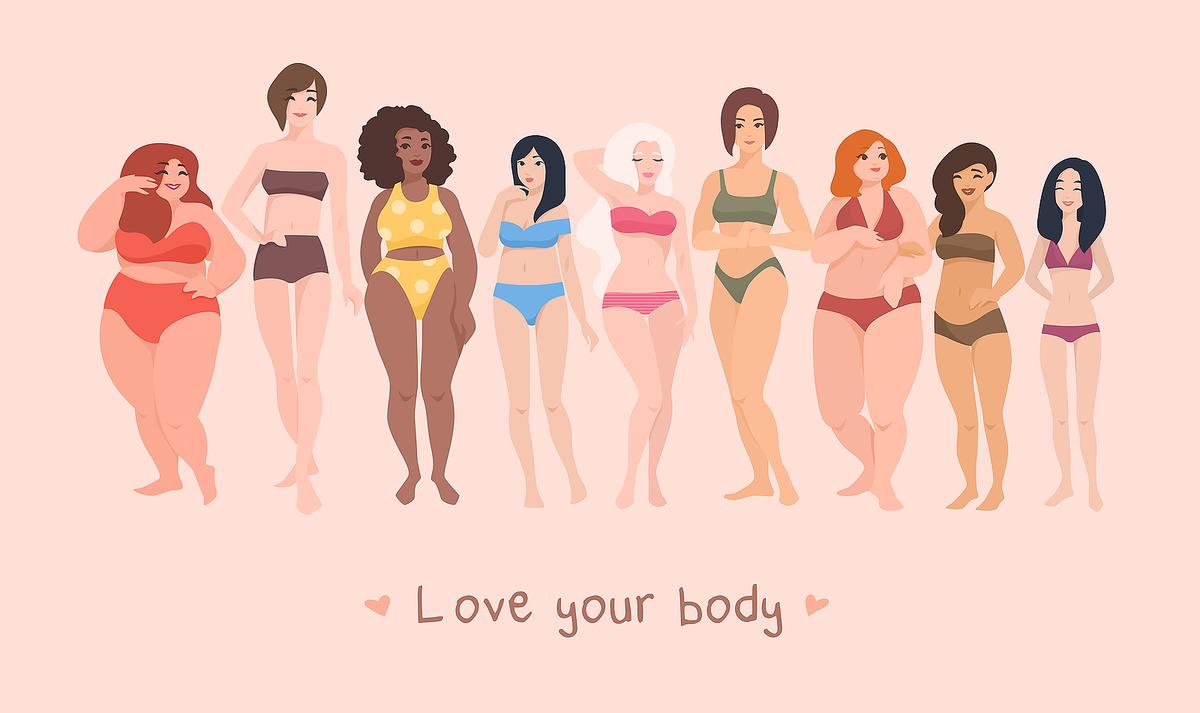
Ever since I was a little girl, society has pushed its expectations onto me. Whether it be through what I am supposed look like or how I am supposed to act or even what I am expected to do as a job or career. The expectation that has impacted me the most throughout my life is the ideation that women have to be skinny to be treated well by men. For as long as I can remember, I have struggled with the way that I
look because of the expectations society puts on younger people and even though I am not extremely overweight, I still look at myself and see someone who has a chubby stomach and flabby arms as well as stretch marks and cellulite. Since society always pushing the idea that women should be this or that, I grew up never feeling good enough about my body or myself in general. I refuse to go to the gym because I don’t like being seen like that by other people and I hate exercising unless it’s through dancing at a club with my friends and when I am out at the club that is when i wish to be perceived. For the most part, I just want to exist in peace and not be bothered by unwanted stares of judgement and disapproval just because I don’t conform to societal standards.

I hate working

When we think of our job and what labor it entails, do we think about the toll it will take on our bodies? I did not think of the physical toll my body would face when I accepted my job. I did not think I would be expected to do the job that they specifically hire men for due to the physical demand of the position. Due to the lack of employees that can fulfill the position, I am expected to do this position where my body takes the toll. I have physically been injured by this job, but my employer does not care, and expects me to come back to the job and do it again. Jobs and the working field is a demanding but necessary field we have to deal with. We are all chasing a paycheck and sometimes we are killing our bodies in the process. Not only are we dealing with the physical demand of the job, but we also have the emotional labor that comes with it. At the end of a shift, I am always beat whether it be physically or emotionally. The emotional labor is especially hard when you work in retail because people tend to treat you poorly, but you have to act in a certain way to meet their needs. I hate the idea that we as employees have to treat the customers nicely regardless of how they treat us, because if I was not working and someone treated me the way they would if I was working, I would not approach the situation the same way, I would be rude back. When we apply for jobs and are accepting job offers, we tend to overlook the physical and emotional labor demand because of the paycheck or the benefits from the job. We can see that some jobs that require more physical demands can pay more to make the job seem “worth it”. For me personally, working at a young age and as someone who has had jobs in multiple fields has seen firsthand how jobs can take a toll on your body physically and emotionally, but have also had a strong impact on what my body is today. 

Make Your Heart the Prettiest Thing about You

I have always been insecure about my appearance, and I struggle with feeling confident with my body and my face. Even though I receive many compliments on my appearance, I still don’t believe them. I constantly compare myself to other girls who I think are prettier than me, and I wonder why I can’t be as skinny or as pretty as them. I overanalyze every insecurity of mine and stress over them, even if no one else can notice them. I worry constantly about how I am perceived by others. Do people think I’m pretty? Are my insecurities as visible as I think they are? Social media has definitely amplified these negative feelings towards my self-image. It is already so difficult to feel confident in my own skin, and social media has made me struggle significantly more than before. Social media has set an unrealistic beauty standard that is nearly impossible to achieve. Filters and FaceTuning have become very popular, which only increases the harmful effects on self-confidence. On TikTok, users can even film videos using filters that completely alter their facial structure (making nose smaller, lips plumper, eyes bigger, etc.). This has such a dangerous and toxic impact, especially on younger audiences who are easily influenced. Statistics show a direct correlation between the amount of social media usage and increased depression, anxiety, and other mental health disorders. Actively using social media had such a detrimental impact on my self-confidence and well-being to the point where I deactivated all of my accounts for months. Once I learned to accept myself and embrace who I am, I gradually started to use social media again. I have to keep reminding myself that social media is not real life, and I should never feel as though I have to look as perfect as everyone else appears on there. 

Something I have been trying to work on is reminding myself that another woman’s beauty does not take away from my beauty. It does not make me any less than her. Everyone has insecurities to some extent, even the prettiest girls I know do. It is completely normal and natural to feel this way because we are all humans at the end of the day. I should not feel ashamed or beat myself up for experiencing these thoughts and emotions. Another way to look at it is I should focus more on improving myself as a person because that’s what truly matters. It doesn’t matter how pretty you look if you’re a bad person deep down. Growing into a woman that I am proud to be is definitely much more fulfilling than being physically attractive. Everyday, I am learning to appreciate my beauty inside and out and truly embracing who I am.

To Be Accepted, Must I Be Fake?

In the world we live in, the mantra often seems to be “Fake it till you make it.” However, reflecting on one of the readings about Serena Williams led me to ponder many incidents beyond the realm of sports. I feel that in our society, people of color often find themselves compelled to suppress their true selves and hold back their authenticity.

I remember a particular incident at an airport lounge. I was dressed comfortably in a tracksuit and sneakers when I entered, amidst mostly Caucasian individuals. As I approached the front desk for check-in, I consciously altered my way of speaking, adopting a more proper tone. Even before I reached the desk, I could sense the judgmental glances directed towards me, as if I didn’t belong or appeared lost. The looks from the others sharing the same space with me were palpable. Nonetheless, I continued to enjoy the amenities I had paid for, just like everyone else.

As I exited the lounge to board my flight, they announced, “Accepting group one passengers at this time, you may use lane number one.” I promptly joined the line, but a crew member approached me, saying, “Sir, this line is for first-class passengers only. Could you please wait until they call your group number?” I felt embarrassed and questioned why I was subjected to such scrutiny. I was no different from the other passengers, except for the color of my skin. I showed her my ticket, and she seemed embarrassed in return. She began to interact with me differently, striking up a conversation about my destination and such. I held my head high and continued to fake it just to board the flight.

Once on board, I noticed that I was the only black person in the first-class cabin, and I still didn’t feel like I truly belonged. It wasn’t until I encountered a flight attendant of color serving me that I felt at ease. We shared a laugh and discussed our destination, creating a sense of comfort.

Throughout the flight, I relaxed and enjoyed myself. However, twenty minutes before landing, while in the bathroom, I heard a knock on the door. The flight attendant outside accused me, saying, “Sir, are you smoking in there? It smells like smoke, sir!” I exited the bathroom, and he continued, “Sir, you cannot smoke on board; it is illegal.” As a black man in front of a cabin full of Caucasian passengers, I maintained my composure and remembered my surroundings. I politely responded, explaining that I had not been smoking, and someone before me might have sprayed something. I found it rather absurd but chose not to react further. After apologizing, the flight attendant mentioned that he was just doing his job, clarifying that only flight attendants were allowed to spray in the cabin. In my mind, I couldn’t help but think this was an unreasonable situation. He then mentioned the possibility of reporting the incident and opening a case, emphasizing that it could jeopardize either one of us.

I remained unfazed by the situation, but I couldn’t help but wonder if a Caucasian passenger would have received the same treatment as me. This brings me back to the reading about Serena Williams and how she had to navigate her reactions when competing. As a black man in first class, I believe that had I reacted negatively, I would likely have faced more severe consequences, possibly involving the involvement of the Sky Marshal, and being unfairly labeled as a “typical black man.”

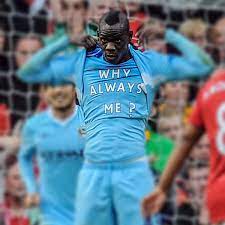
In conclusion, I believe that in the world we inhabit, we often feel compelled to “fake it till we make it.” I’m reminded of the case of a professional soccer player who faced racial abuse, including being called a monkey and having bananas thrown at him. Yet, when he performed well, he received praise. This underscores the notion that, in this world, we must often present a false version of ourselves to gain acceptance. Our true selves can only be expressed when we are at home or among like-minded individuals.

The Safe Space

In class, we were learning about experience, about phenomenology. I understood that with our experiences we add in our senses (taste, touch, sight, hearing). I was honestly stumped on what I could talk about. I know that I have many different experience as a woman. But then I started to think about a specific place that made me feel safe…

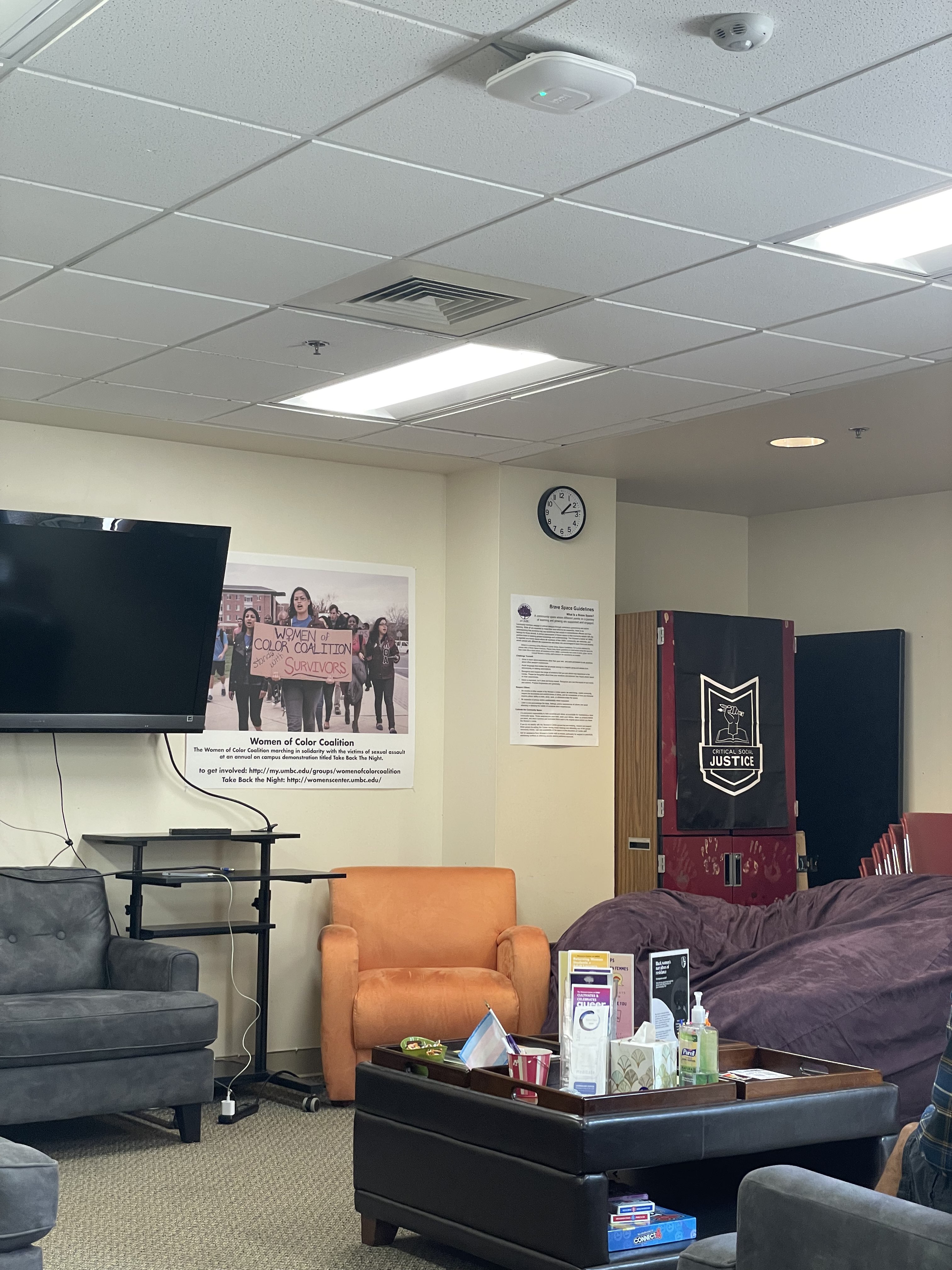
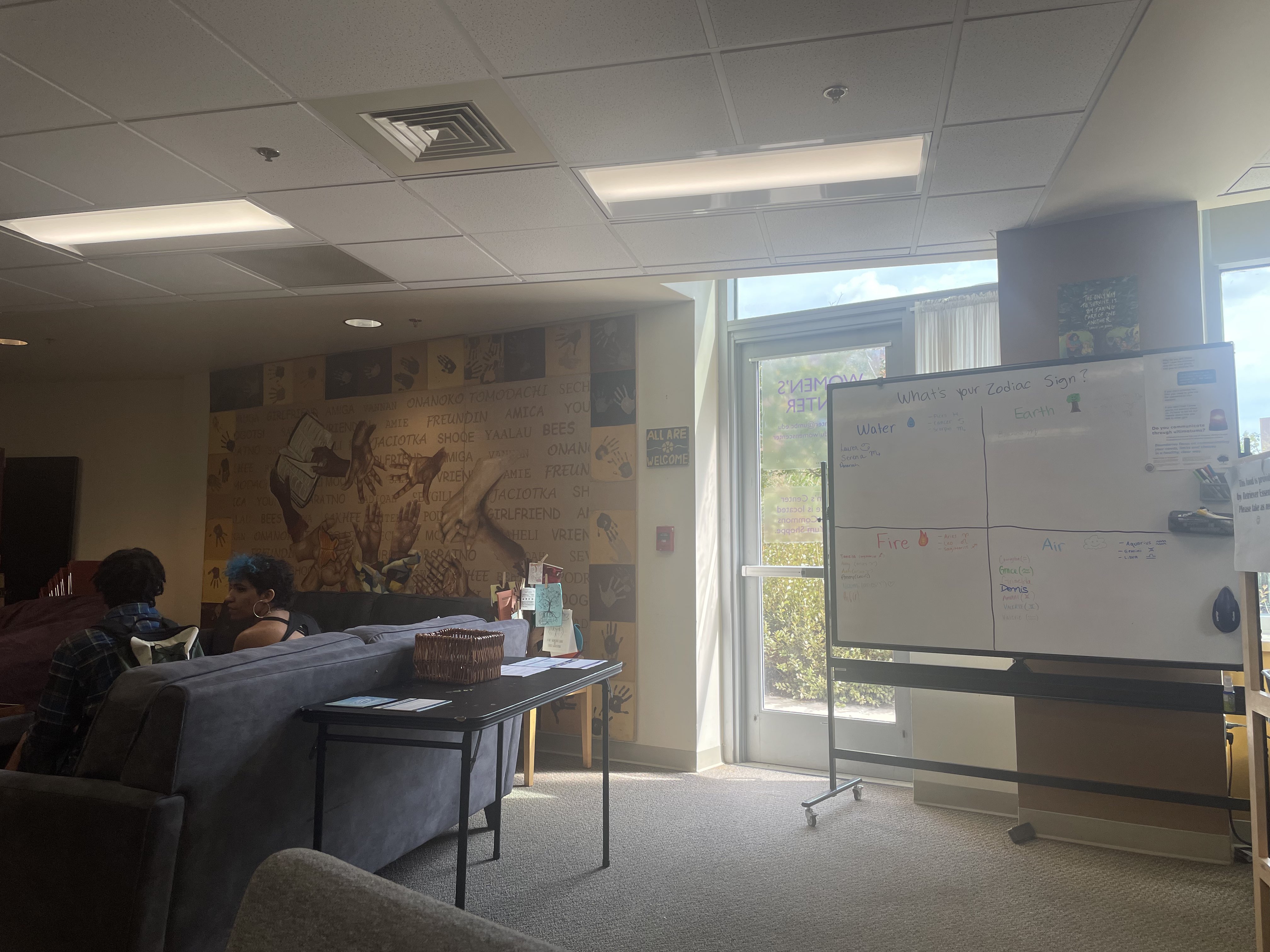
As a woman, I feel the constant stress of my body. But I’m not just any woman, I am a brown woman. The pressures of having to keep my grades up or being the perfect brown daughter who lives up to her parent’s expectations. Where would I go to decompress my feelings of doubt and anxiety? Where could I go to make the world go slow for a moment of peace and quiet? The Women’s Center. A home away from home. I can imagine the structure of the room as my safe space. You enter a room filled with posters of colorful affirmations, handouts of mental health awareness. Seeing the names and faces of those who work in the center makes it all that encompassing. I am always greeted with a welcoming smile by the wonderful staff who are ready to care for you. I see a prayer room for those who have no place to go, another for mothers to feed their children. I look to my right and see the many forms of aid. Did you get your period? Take a tampon or pad. As many as you need because your body, your UTERUS, is cared for in this center. Are you sexually active? Go ahead and take some condoms for protection because no one wants any STDs. Coziness is an understatement as you walk further into their center. The round table, to sit and do work or to relax while playing with a fidget toy from the fidget bowl. The hugging of many bookshelves enriched with stories of colored women, LGBTQ+ personas finding themselves, and in those books, a voice that comforts you. A “You are not alone” “You are accepted for who you are” here and there is what you’ll find. Towards the back of the room, soft couches for you to sit down and relax your aching womanly body. My curvy body type just melting away into the cushion, holding me and letting me rest. Are you hungry? Take a bag of chips from the food shelves. No one’s going to judge how you eat or how much. You won’t be judged for being a skinny to thick body type. Every woman is welcome here at the center. I was always scared to enter this environment not knowing that it was so peaceful.

 Why didn’t I take the risk of pushing that door open my freshman year? Maybe it was the fear of other women judging me because they felt it was their own space. Was it was the unknown territory that frightened me to my core? Or my shyness because of the people who worked there could see me grabbing feminine products. But now, it has become my home, my safe place for the rest of my college experience. Of course there are other places I consider my home, sometimes it’s not even places. It’s people. My boyfriend is my home, my comfort. He makes me feel imperfectly perfect. But then I begin to wonder, What about men? Where are their safe places? Do they not have a safe space because it’s uncommon? I wonder these things when I walk into the center. Of course men are welcome inside the center, but maybe men are intimidated by the space. I feel like they are intimated by those bold lettered words above the entrance of the door. Maybe they feel like they would be judged for walking in and taking their own time to decompress. I started to think about the people I met in the center, the conversations I’ve had. There was one girl, I’ll call her M, she had Nigerian parents, we had a 20 minute conversation about the freedoms being a woman in college. We talked about relationships, how her parents wanted her to date her own ethnicity. She wished her parents allowed her to do anything. But just because she was a girl, she wasn’t able to go out, even past her driveway. I honestly am happy that I had parents who trusted me even though I was young developing woman in a very dangerous world. She too had came to the center to clear her head. That was the first time in a while that I had been confident enough to start a conversation with a stranger. But being in that environment helped me bring out my extroverted side. I also think it was just the fact that I am able to talk so comfortably to women. I would encourage any woman to go there for any needs they desire. Whether it be to get a tampon or pad, or a place to relax. I hope that anyone who reads this knows that there are places to go when you are feeling down to no energy. So don’t be shy, don’t be afraid to step into that center, you won’t regret it 🙂

Is The Beauty Standard Really The Standard?

Growing up in a multicultural household, my definition of “normal” was always different from everybody else’s. How people dress, act, talk, what kids my age would pack for lunch, it was all so different from mine. Not only that, the media we consumed was so different from the rest of the world.

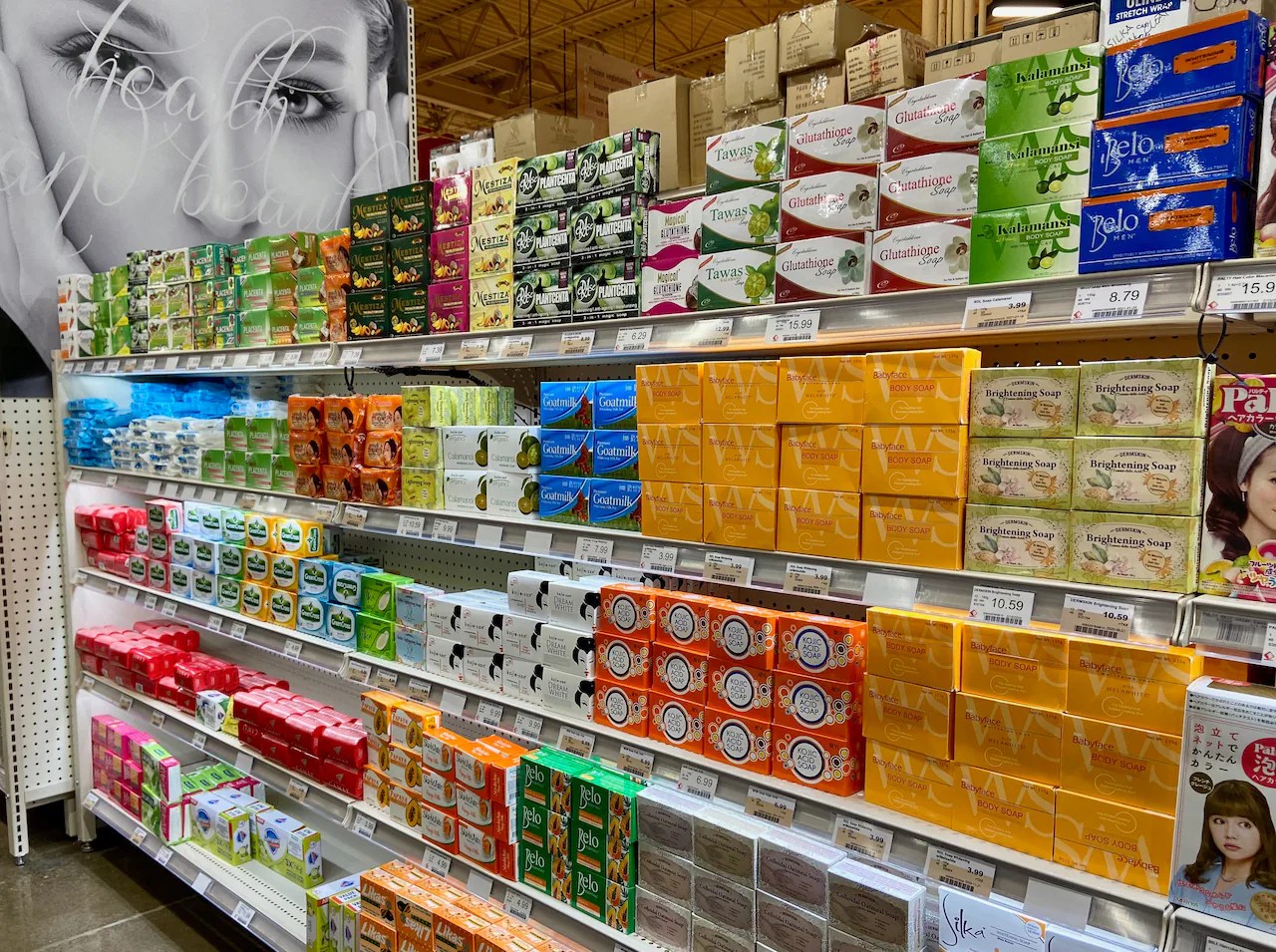
I remember the biggest difference I noticed between my two cultures (one being my parents in the Philippines and the other my life with them in America) was the beauty standards that were placed on society. When I was younger I would visit the Philippines a lot to see my grandparents and the rest of my family, and the one thing that shocked me most was the aisles in the grocery store, or the cabinets at my aunt’s house filled with whitening products. I didn’t understand why people wanted to whiten their skin so badly that there were pills and soaps all marketed for whitening skin. It wasn’t to “brighten” skin, but to quite literally “whiten.” My dad was always on the darker side and always embraced it, especially living in the US people would always compliment his “tan” and tell him that it was really nice. Going out to beaches or grocery stores there are shelves with different tanning oils, lotions, anything to help with becoming more tan so my visits in the Philippines shocked me.

It wasn’t until I was older when I realized these products had deeper meaning. The lighter your skin was, the better people could treat you. Tanning in the US was only beneficial when you’re white and didn’t have to experience colorism and racism, and beauty standards only benefitted certain people. Thankfully, I was fortunate to grow up in different countries and states due to my dads job so I didn’t really understand standards like that. I was able to see different perspectives and grew up to be able to differentiate my rights from wrong so going to the Philippines and seeing the aisles of whitening products didn’t make me insecure or feel the need to be pale. Instead, it allowed me to see perspective on things that I once did not understand. My lived experiences allowed me to understand differences and cultural norms even if the intention was not right.