I have been chronically ill since I was 16. It started with POTS. Then came the classic Fibromyalgia. Chronic Lyme Disease. You name it. But I didn’t label myself as disabled back then. “Chronically ill” was the phrasing I used. Back then I didn’t know much about the disability community. I was just a sick teenager and young adult.
Then in 2020 I was diagnosed with an degenerative autoimmune disease- Ankylosing Spondilitis. I had to be put on immunosuppressant medication; the only thing that would stop the progression of my disease. It was scary to be immunocomprimised during the pandemic. I had to be really careful, and I basically couldn’t do anything or leave my house.
This is when I started learning about the disability community. I began to identify as disabled. I started educating myself about disability rights, and quickly became an advocate online. And of course some people decided this was too much for them. My (ex lol) best friend broke up with me (via text) spouting some nonsense about talking about my disability too much. She also claimed I was faking my autism (I had recently begun to self diagnose, and would later go on to recieve an official diagnosis) for attention. My own parents constantly questioned me about my referral of myself as disabled. It caused me so much pain and imposter syndrome.
Thankfully, I was able to work through this and come out on the other side, proud to call myself disabled. I am greatful for my friends and family that support me, help me, and care for me. They don’t dismiss me. I know I am disabled enough.
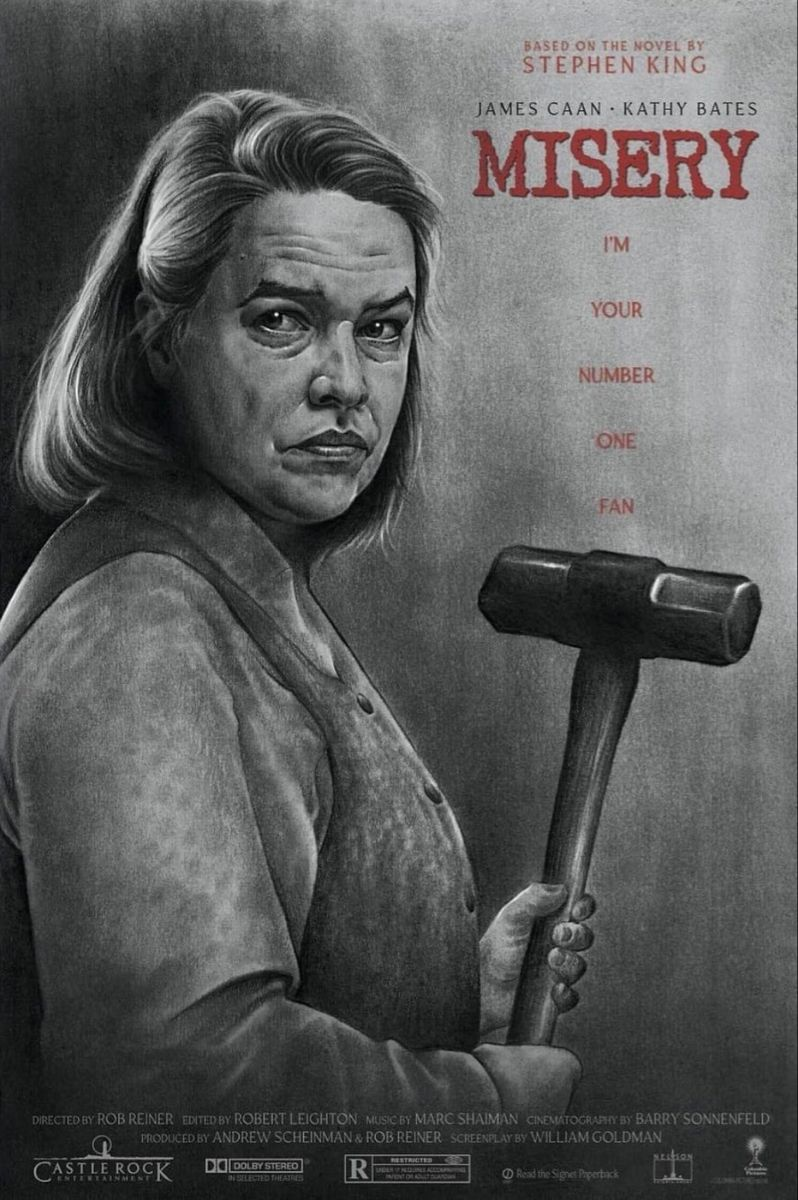
How many horror movies include fat characters? How many of those movies portray their fat characters as people with morbid bodies? Unfortunately, the abuse of fat bodies in horror films is a trend that has been very popular in the movie industry. Blade (1998), is my favorite example of the manipulation of bigger bodies to make it seem like the fatter you are, the grosser you are. A minor character in the movie, Pearl, was a vampire antagonist who got tortured for answers regarding an infamous vampire syndicate. Pearl’s obesity was turned into an instrument of disgust. Her skin was blemished with whatever torture mechanisms had been used. Human’s disgust with skin is also a fascinating aspect in the whole topic. Films oftentimes dramatically stretch, twist, and blemish skin to make a person seem inherently gross. Another example I find myself thinking about frequently is in The Walking Dead. There are a multitude of fat zombies in the series and almost always, those zombies are killed or displayed with the contents of their stomach laying out. These scenes tell me that the stomach is the feature of our bodies that we fear and think to be disgusting. It’s not only TWD that does this either. Every single zombie movie I’ve watched has had at least two fat characters who are either killed in an incredibly violating way, or who are absolutely grotesque zombies. Moving out of the supernatural realm, the antagonist Anne Wilkes in the movie Misery is a bigger woman who holds her favorite author captive so he can rewrite the sequel to her favorite book series. Anne’s body is portrayed as monstrous due to her size which can be interpreted as the masculinization of fat female bodies. Towards the ending of the movie, Anne and the author are fighting each other for the freedom of the author. The author struggles a great deal against the smaller woman (granted, he was in a wheelchair, but he still would realistically be stronger than the woman especially since he had been “training” with a 15-20 pound type writer daily). After multiply bashing her in the head with the typewriter, she kept getting up. These are only a few examples, however, it is important to keep in my mind how often fat bodies are portrayed in this way.
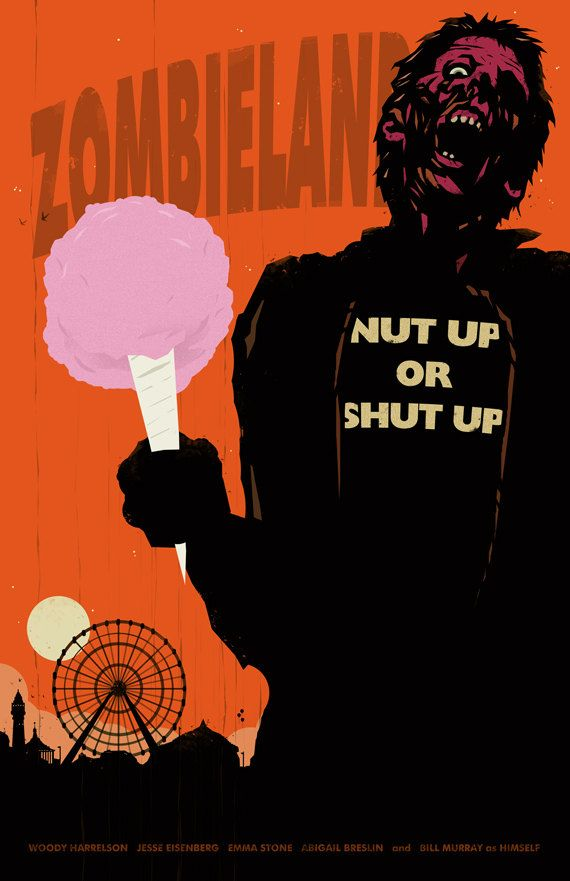
Zombieland has another example of fatphobia not even 2 minutes into the movie
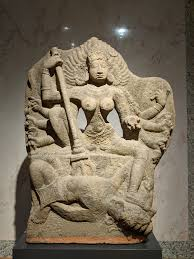
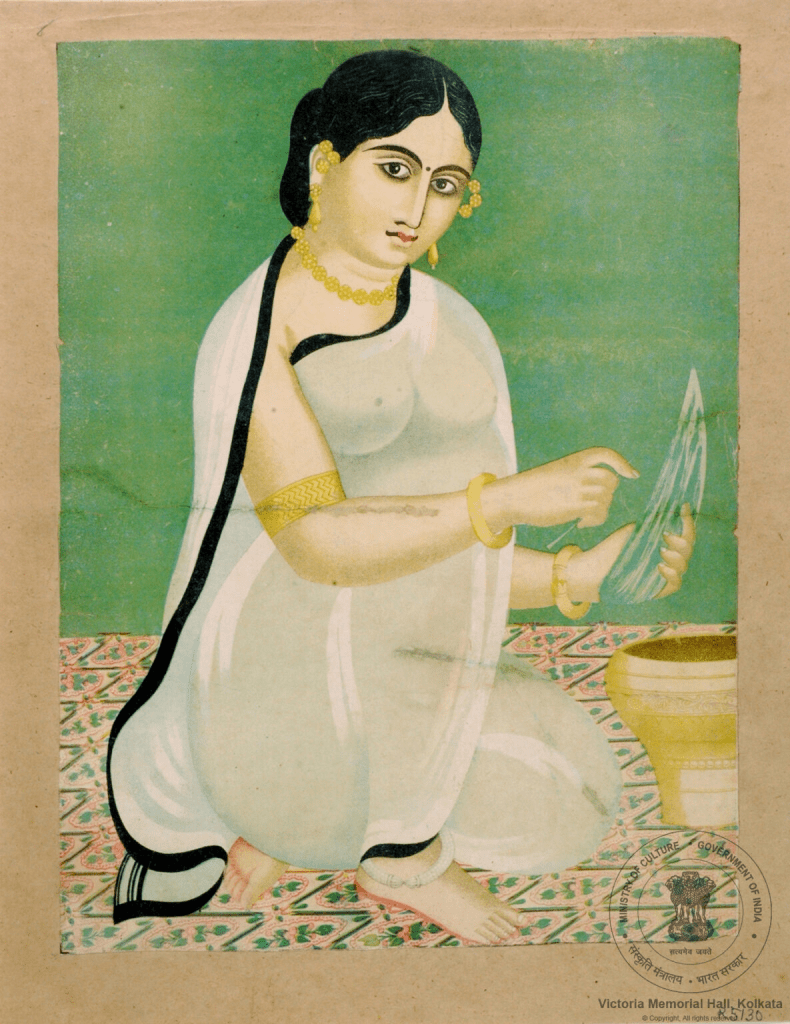
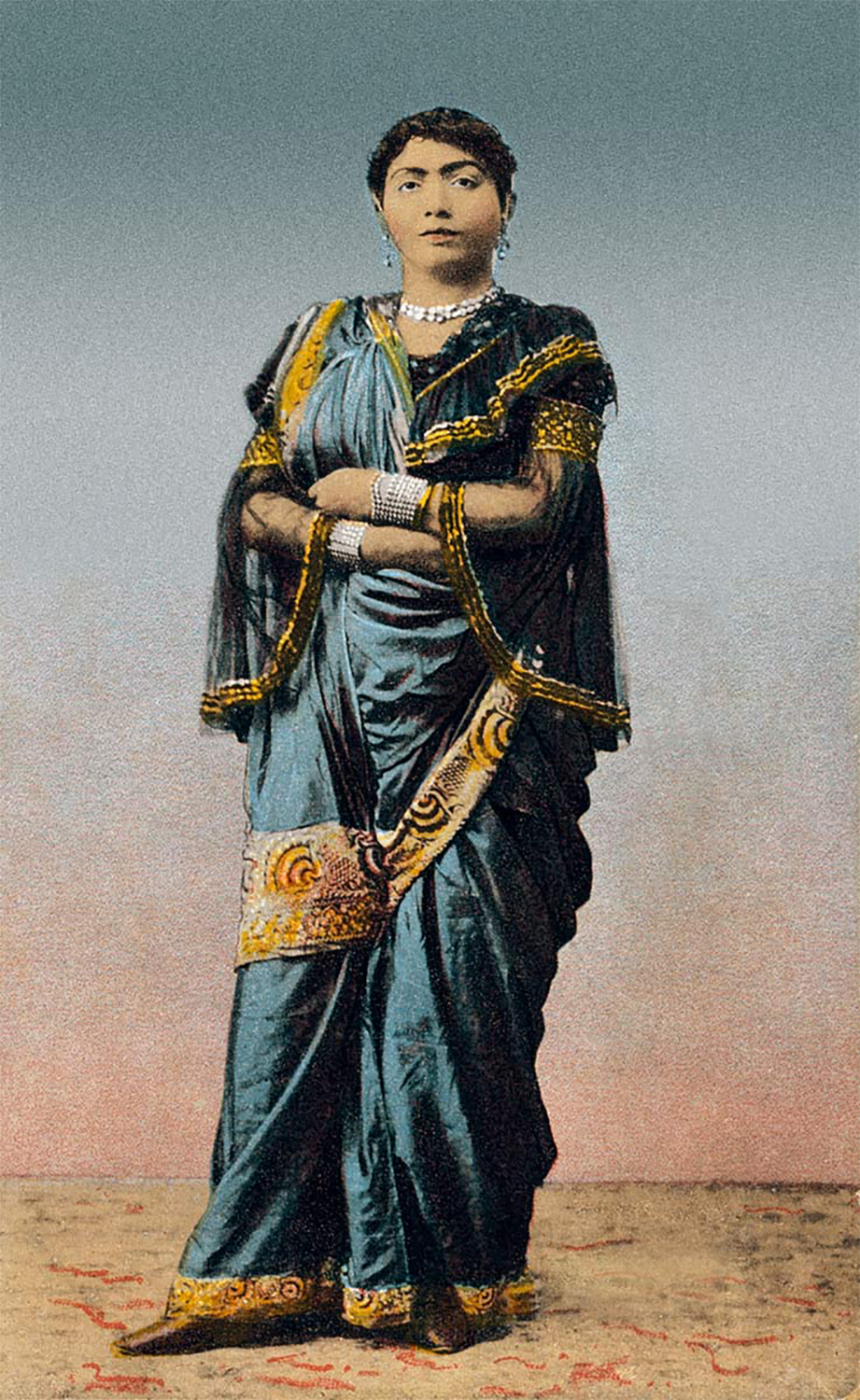
Growing up Baptist, I was always told that my body was to be hidden, especially the breasts. I always wondered why that is. AFAB people have breasts, consisting of tissue and mammary glands to give life, to feed their young. Why is that sexual? As a lesbian, I understand the appeal, but once again, why is there such a deep seated sexualization of these two orbs of tissue? An example of the sexualization of breasts is seen in the change of saree styles pre and post British rule in India. Before the western influence, sarees were often worn without a blouse under it, simply consisting of a long piece of cloth draped around the body. With the British rule came the western ideals of modesty, leading to sarees being worn almost exclusively with blouses in the modern day, ensuring there is no breast visible. I remember being 15, babysitting for an Indian family that taught me this. The mother who is now a dear friend of mine showed me historical portraits of Hindu deities, many of which had breasts visible, specifically the goddess Durga. She is a warrior goddess, seen as a symbol of feminine strength, depicted in ancient sculptures with breasts uncovered, the breasts being a part of symbolizing feminine strength. In this sculpture, she is seen slaying a buffalo-headed beast called Mahisha. (See photo.) Durga was a fierce warrior while simultaneously being a symbol for motherhood and maternal love. She is the Hindu maternal protector of the universe itself.
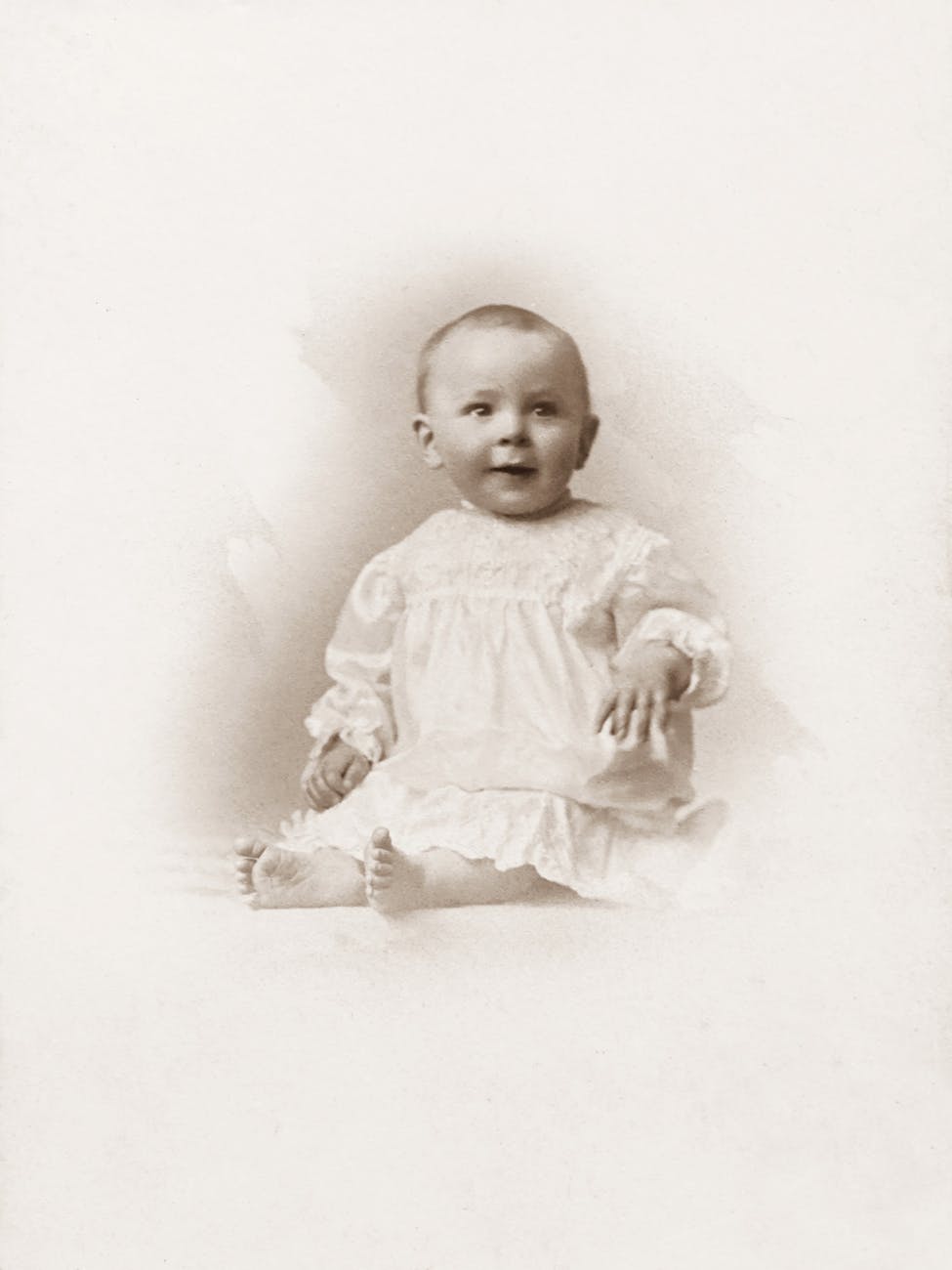
The first photo is a painting of a woman wearing a saree in the 19th century. The second photo is of a woman wearing a saree in 1910.
Breasts themselves are not sexual, rather they a reflection of the broader societal issues regarding women’s bodies. Sexualizing breasts gives men power over them by making women uncomfortable with them being visible or sexualised, leading to a change in women’s behavior, in this case, covering the breasts. If men are ogling something about your body, you will feel pressured to hide it, therefore the men have the power over what of the body is shown. It all goes back to the patriarchy.
Throughout various abhorrent efforts to dehumanize any given particular group, the question of what is deemed ‘natural’ has often been present. The concept of ‘naturalness’ is made to be synonymous with ‘goodness,’ ‘correctness,’ and any term that denotes a certain level of social acceptability or praise. Yet, the definition of ‘natural’ does not indicate some infallible or permanently held state of being. Rather, it is an ever-changing term, constantly adjusting to new norms and technologies as our society changes.
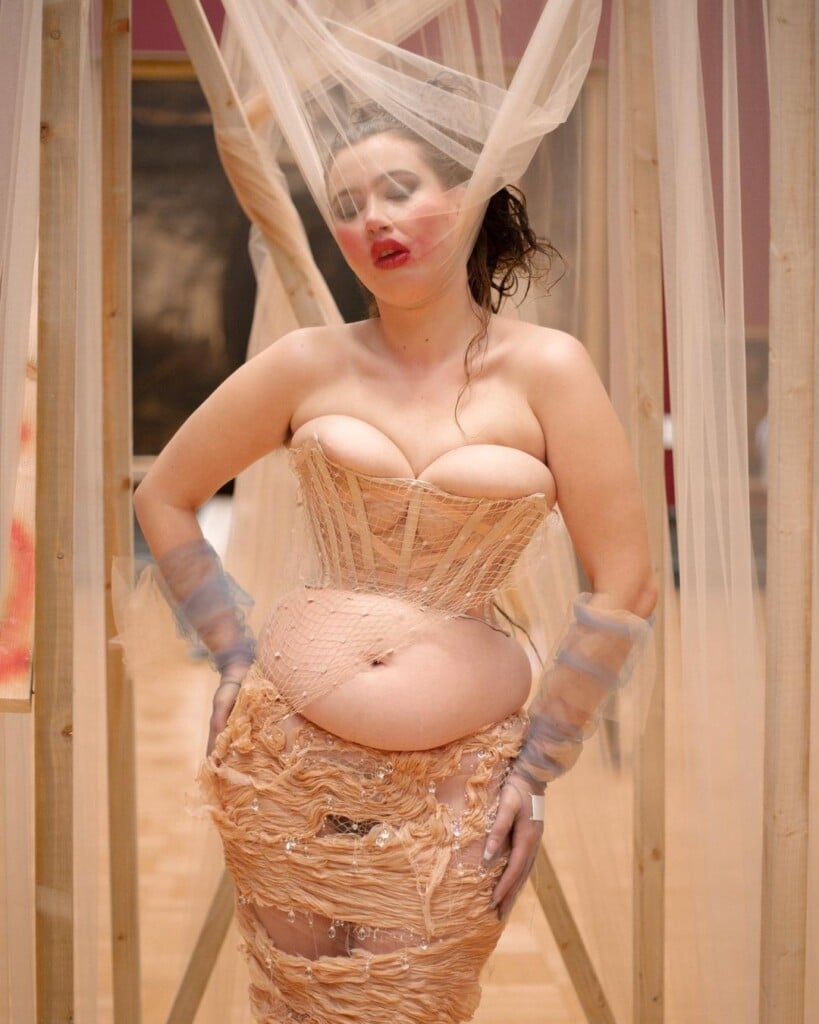
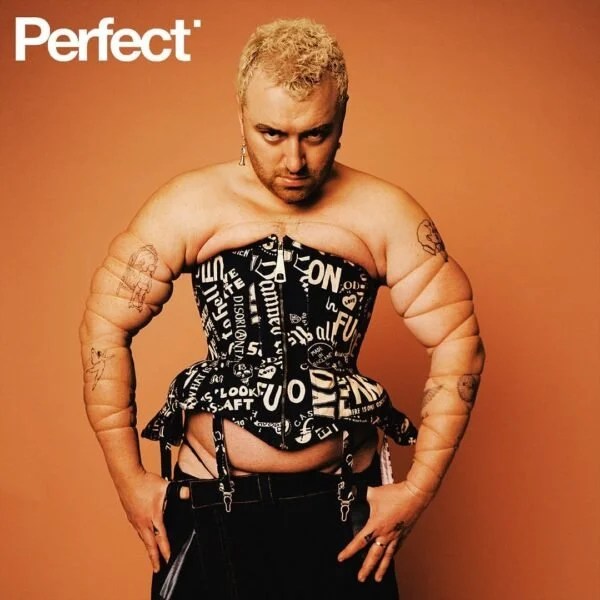
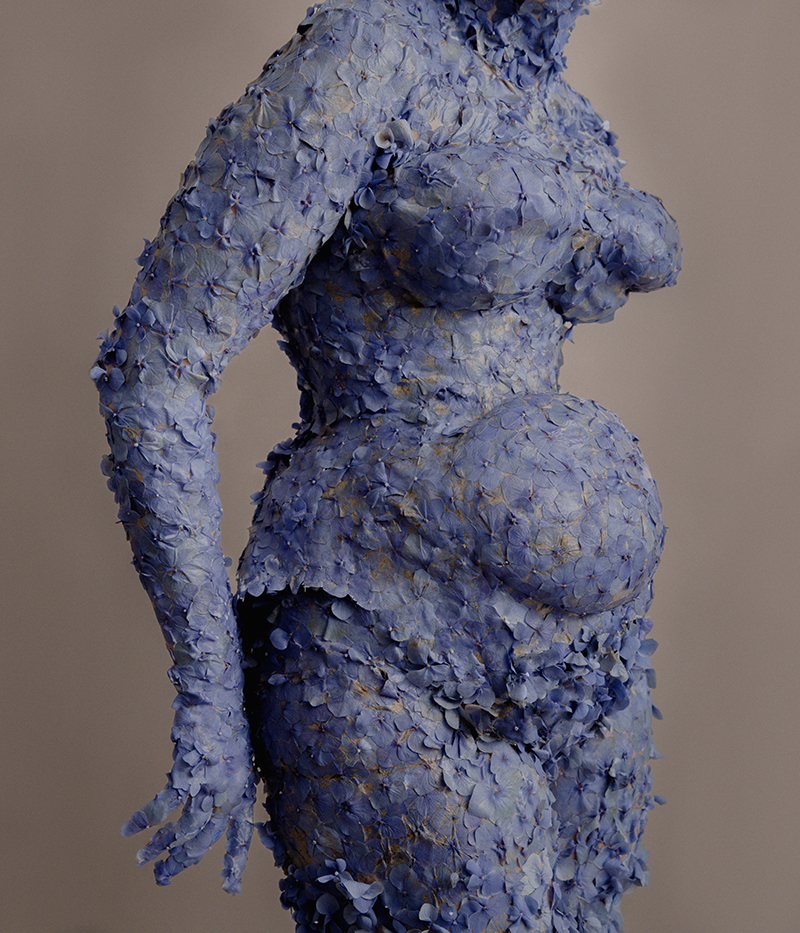
The image above features Michaela Stark on display at the Milan Fashion Week in 2024. Michaela is an Australian “body-morphing” artist currently located in London, who has made several headlines for her ‘Panty’ clothing line, which consists of lingerie and undergarments geared for “all bodies.” She perfectly captures the ways in which our clothing shapes and defines us, and never the other way around. I found Michaela in a sea full of Instagram models, body dysphoric rhetoric, and promotions of every possible procedure to fix every possible flaw of the body, media we consume every single second. Her work was eye-catching, shocking, and…normal.
What is possibly normal about contouring the body in such outrageous ways only to be put on display? Exactly. And yet it has been normalized in every other context by labels. The thin bodies we have shoved down our throats (while completely dismissing our own) are fit to be morphed and changed however need be, whether that be through soft shapewear or restricting corsets. Thin bodies are the ideal, and they must be accompanied by hairless and flawless skin. There mustn’t be a blemish in sight, a wrinkle to see, a stretch mark to grieve. Michaela Stark does this same thing, but we know it’s different. Except we know it’s not different but media has told us it is and so it must be. We all share the burden of having a “broken” body, the only difference is whether your body was born “broken” or conditioned into being “broken.” We all have something we must be desperately fixing at any moment.
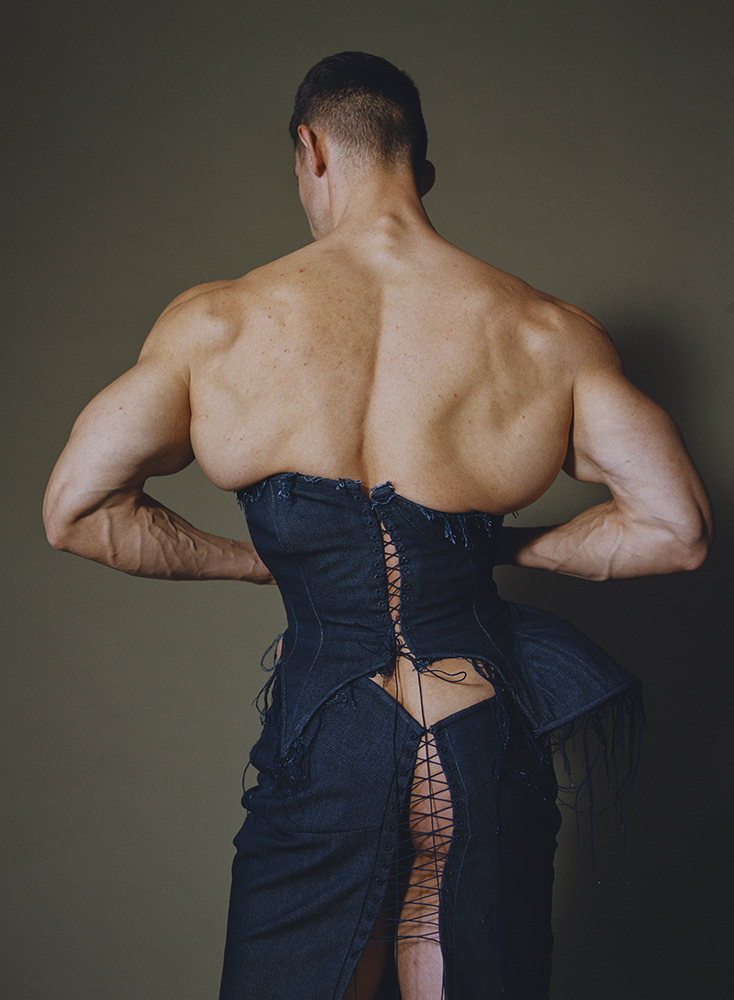
And even through political, social, and public statements that individuals like Michaela Stark make (whether that be through voice or body) where is the representation for men? Society holds tight to how a woman should be, and perhaps we are given some lenience because our bodies are meant to change (not by much though, don’t get ahead of yourself) through the natural processes of pregnancy and birth (yes, I know how demoralizing that is to women anyway), but men don’t get this recognition because it’s socialized to us that they don’t need it. A man’s body should only change for the better: gaining muscle, growing taller, being smarter, stoic. Women are the clay that is never left untouched, always malleable in another person’s hands. Men are the statues, the pyramids, never to fall or be broken down. And a statue should NEVER change. Who knows what waits for you when you don’t identify as either of those things.
My point is that labels are damning, the same way our bodies are socialized and conditioned to be damned. Whether you learn this through the words of Stryker’s My Words to Frankenstein, the sociological concepts of Patricia Collins, or the memoirs in Duane and Rajunov’s Nonbinary, we need no explanation for how this affects us. Through personal experience, we already know. The next step is how we break down these labels that separate us from our bodies, and innovators like Michaela Stark are a perfect example of such. It’s also critical we nip this body-dysphoric-rhetoric in the bud, right at the source: by teaching our children to evolve and grow for their own personal empowerment and not to fit social code. Our girls must know courage and strength the same way our boys receive it. Our boys must know emotion and compassion the way our girls receive it. Most importantly, I think, is instilling these traits as good qualities of a person, rather than subjecting them to a gender binary that supports no one.
Michaela Stark represents a movement of bodies, and in that name we must assume this includes EVERY BODY. If we wish to combat the social construct of the body as its ingrained in our everyday reality, let us begin with abstract thinking.
To be a muse is to be worthy. To be a muse is to be beautiful and talented, chosen and seen. To be a muse is to be exhilarated and exhausted, honored and objectified, proud and pornified. There cannot be one state of being without the other, so long as there is one being to perceive and one being to be perceived.
In some societies, perhaps, it is possible for a muse to exist without the constant fear and awareness of their own and another’s presence. In patriarchal and sexist cultures, however, the muse faces an internal and external threat of surveillance, and therefore sexualization. “(Patriarchal and sexist) society defines woman as object, as a mere body, and… are in fact frequently regarded by others as objects and mere bodies” (Young, I. “Throwing Like a Girl: A Phenomenology of Feminine Body Comportment Motility and Spatiality,” p. 153-154). For feminine muses, they “learn to live out (their) existence in accordance with the definition that patriarchal culture assigns to (them, and) are physically inhibited, confined, positioned, and objectified” (152). The definition becomes internalized, which then manipulates and forces women into being more feminine- more submissive, docile, small, quiet. “Women often approach a physical engagement with things with timidity, uncertainty, and hesitancy… (They) lack an entire trust in (their) bodies to carry (them to their) aims. There is… a double hesitation here. On the one hand, (women) lack confidence that (they) have the capacity to do what must be done… The other side of this tentativeness is… a fear of getting hurt… (They) often experience (their) bodies as a fragile encumbrance, rather than the medium for the enactment of (their) aims” (143-144). The subordination of feminine beings is at the root of patriarchy, and it grows as more minds and bodies accept the notion that feminine and masculine categories cannot intermingle. The stronger the patriarchy becomes, the more ‘natural’ it seems that feminine bodies are weaker than masculine bodies. In reality, women “have more of a tendency than men to greatly underestimate our bodily capacity,” as well as the relentless pressure of being perceived as a muse, which results in under-performance.
“Whether I want to admit it or not, my growth is relevant, is obvious…but not when it comes to my body. Kind of. I can’t explain it. I do feel better about myself. I enjoy what I look like…and haven’t used my body as an obstacle or excuse of not trying. But that trauma from being bigger still lingers. What people think of me still stays in the back of my mind, when I get hit on in public it still surprises me…”
Phenomenology teaches us that bodies are not just biological objects but lived experiences, shaping how we perceive, move through, and make meaning of the world. It is the “science of the essence of consciousness.” It is with that then, that we recognize that our Western society has nothing to prepare us for this type of perspective. We are forced to live so physically in our world that we often resort to theories and philosophies to provide cushioning and comfort, but it us that must invoke that change. This is where we feel stuck. The tools and unlimited opportunities but too many fixed mindsets to put it into action. It’s something we feel when we’re 16 and likely what we’ll feel when we’re 60, the outside pressure of constantly separating one’s body from the mind.
What my 16-year-old mind didn’t realize was that there was an exact name for my feeling, an effect of society’s demands: Feminine Motility. How women may move if they must. That’s the feeling you get, anyway. We describe this detached feeling of our body as Ambiguous Transcendence, where we are both separated but bound to our body. The verbal “I can” which ultimately becomes “I can’t” under Inhibited Intentionality, and the Discontinuous Unity, where one severs their capacity in the body from the possibility of the world. At every more we are controlled, questioned, and doubted from something we can’t see but recognize.
It’s an unbelievable reality to merely stumble upon one day, usually in your adolescence. I think that’s the point too, to get you when you’re your most fragile, mentally. It feels damning, but then you get older, and at some point your mind aligns with your physical age and I think that’s what it means to enter adulthood and understand Phenomenology. To recognize that our body is a biological being, but also something that transcends beyond the physical world and our social boundaries. Moving (both emotionally and literally) from childhood to adolescence to adulthood is a painful process, one we can’t understand until we’ve been through it.
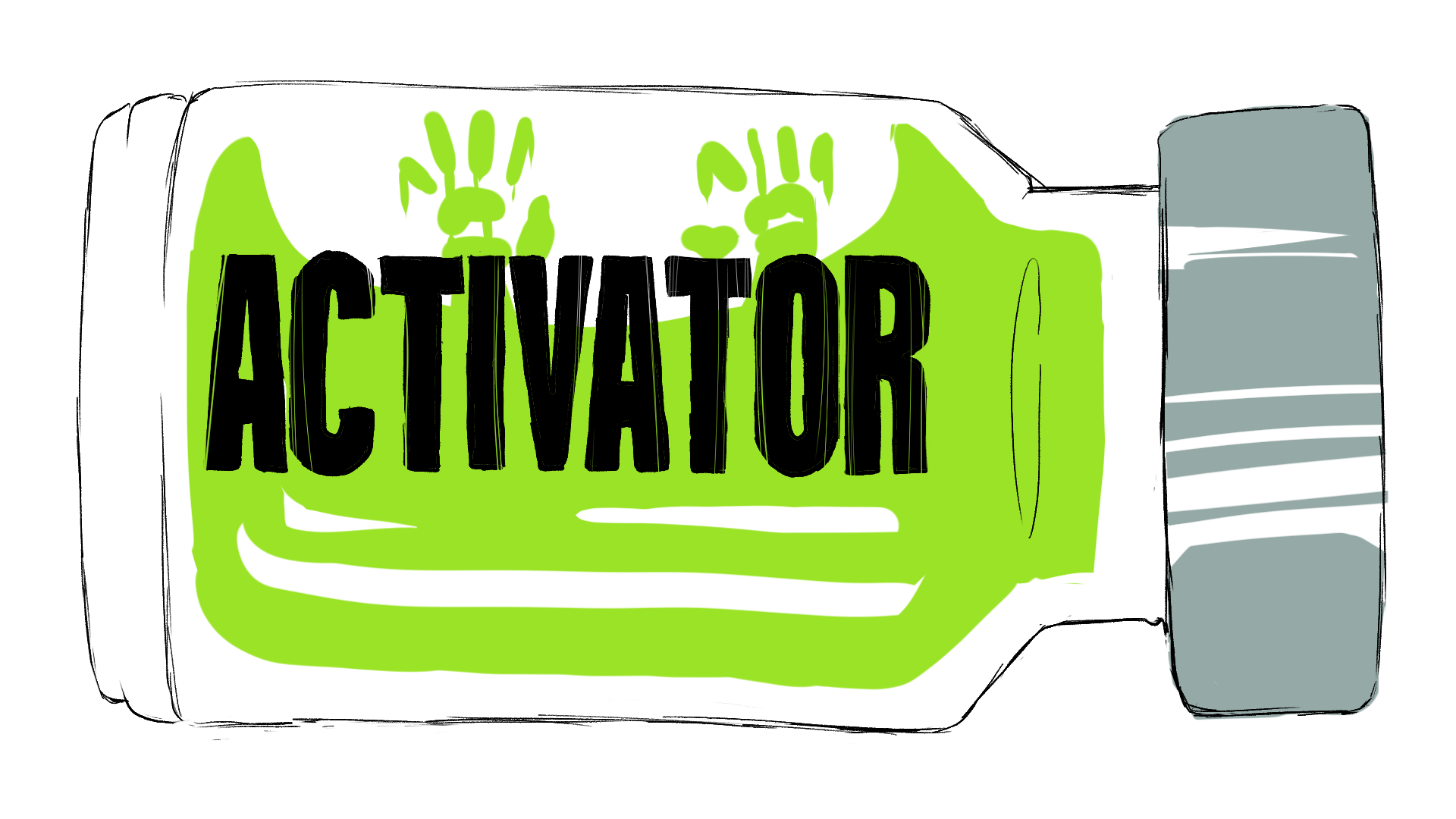
Illustration by me of a vial of “Activator” from the film The Substance with small green hand prints.
The Substance is easily my favorite horror film to come out this year, and probably my favorite film regardless of genre to come out of 2024. It executes common horror tropes beautifully while offering a combination of fresh new ideas that haven’t felt explored in the specific way Coralie Fargeat, the director, addresses them. The film’s plot and general message are also incredibly relevant to politics of Desire and how physical attractiveness is measured among different groups of people.
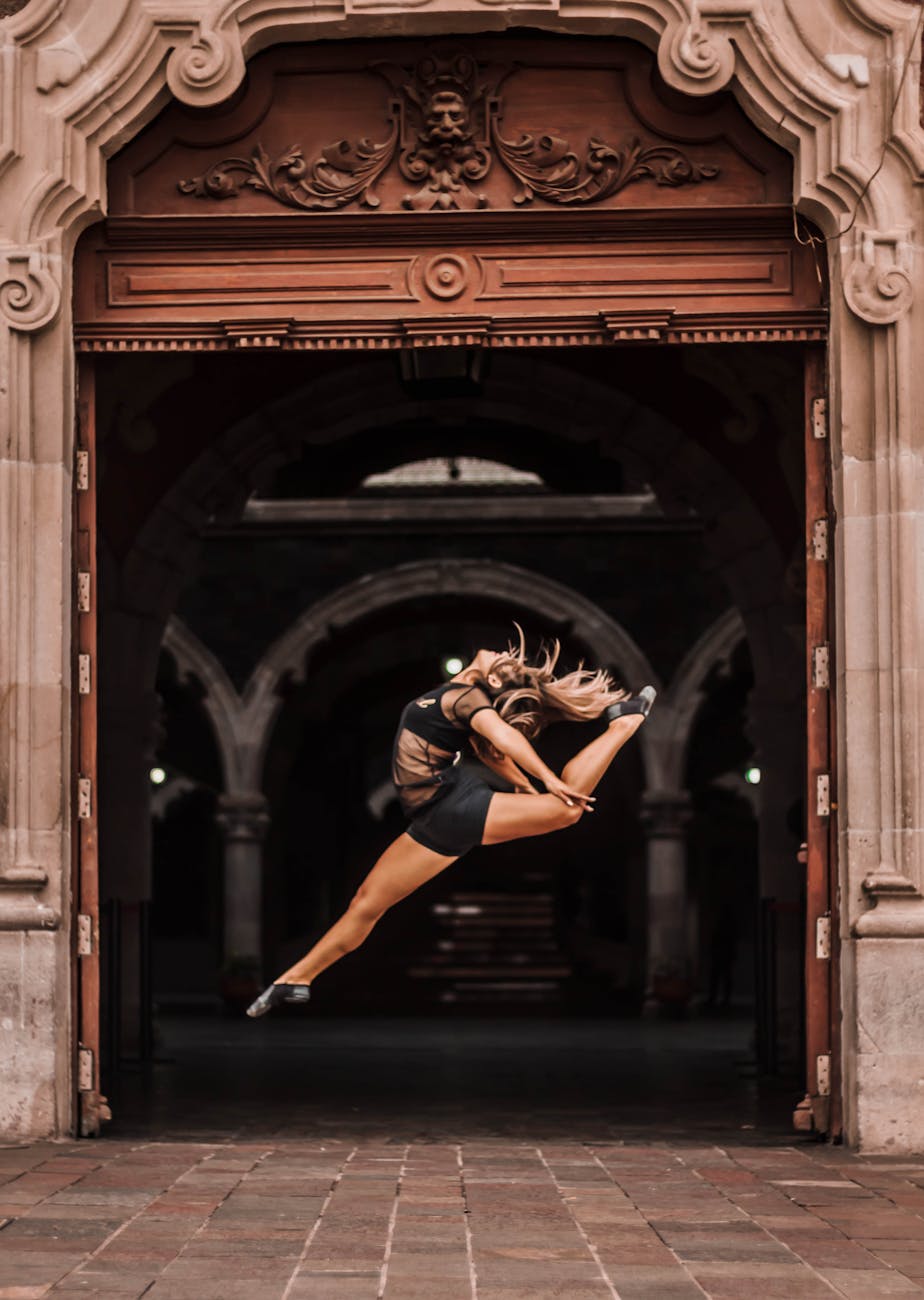
Growing up, my parents put me in every sport imaginable. If my school provided it, I did it. Baseball, basketball, soccer, you name it. And I HATED IT. Running back and forth on the field/court, winning, losing—it all sucked. But there was one sport (yes, it’s a sport. Fight me.) that I actually looked forward to every week, and that was dance. I’ve been dancing since 2 years old. My mom put me in ballet just like every other little girl, and when I tell you I absolutely LIT UP on stage. There are videos of me as a toddler convincing my classmates with stage fright to get on stage and perform. After ballet, I did Irish dance for 7 years. Not my favorite (it was too stiff and strict for me) but I stuck with it so I could take what I learned from class and teach it to my friends at school. At the same time, I did hip hop for 5 years, and that’s where I really started to come to life. I had the most attitude of any 3rd grader on that stage. It inspired me to start choreographing my own dances for me and a couple of my dancer friends to perform and film as part of our own little variety show. Then came tap and jazz class, then musical theater. My love of dance continued through middle school and high school, where I began choreographing for my schools’ musicals. Even in college, I still go back to my middle school to teach kids the dances for their school productions. Every car ride is spent looking out the window, choreographing new dances in my mind. It is a core part of my being. And every step I have taken in my dance journey came with bringing others the joy of dance. It has taken me years to recognize that I was meant to help others move. I live to light up on stage and allow others to do the same. Watching their faces when they finally get a step right that they have been struggling with. Seeing them get excited when they come up with their own choreography and run up to me to show off their new dance. Hearing them telling their parents that their favorite part of rehearsal was dance class. It all makes me feel like I have a place in the world. As Kimerer Lamothe said, “Every movement a human makes animate potentials that them become who that human is—one who made that movement. One who can make that movement again” (Lamothe 127). I was given movement from my teachers from my childhood, and I became the teacher for my friends and students, and they will become teachers for their circle, and on and on. Dance is who I am. It always will be, even if I don’t dance every day anymore. I will never separate that part of me. And that is what I believe I was put on this planet to do. Move others.
When I was eight, the first piercing into my body was for a ritual, a gentle whisper of tradition inscribed on the skin. Or maybe these were the things little girls did, bearing a tiny badge of belonging. I didn’t question it, didn’t need to. It fell into the soft quilt of childhood.
At twenty, a sharper needle danced across my skin: a second lobe, a nose ring, a tragus. These weren’t whispered rites; they were restless proclamations. Boredom had seeped into my bones, and the sting of metal felt like a remedy, a spark against the dull ache of routine.
But the tragus rebelled, itching, and inflamed, and was eventually lost, snagged in the tangle of intimacy during a hug. A small casualty, nonetheless one that left its mark within memory memory of touch and unintentional loss.
Now, they hang silent companions. Some days, they feel like artifacts of whimsy I can’t quite justify. On other days, they’re ornaments of a self I’ve grown to understand. Mistakes? Maybe. Or maybe they are just chapters, stitched in by silver and steel, each adding texture to the story I wear.