Infantilization of Autism

The article on the infantilization of autism really made me think about my cousin who has autism. He’s about 3 years younger than me, so I’ve always seen him as a younger brother. However, reading Stevenson’s article made me wonder if myself and my family have been infantilizing him in some ways. In a lot of ways, he’s like a stereotypical teenager. He can be moody, he likes alone time, and he likes video games. In some other ways, he still enjoys a lot of typical “kid” stuff. He likes Dora and YouTube Kids, a lot of his favorite toys are children toys, and many of his favorite songs are kids songs. Basically, he’s pretty unique in his interests, and doesn’t necessarily act like a stereotypical kid or teenager. 

A few weeks ago, he discovered Cards Against Humanity and has been reading the cards out loud. If you don’t know about this game, the whole point of it is to be as offensive as possible by combining two different cards (I put an example as a picture). My family was a little conflicted as to whether or not they should stop him from reading the cards. Their first reaction was to stop him because what he was saying was inappropriate to them. But when they considered his age, they realized that it’s actually pretty normal for teens his age to like offensive humor. It was interesting to me that this was our first reaction, and I’m not sure if it’s infantilizing him or not. 

On one hand, we don’t want to treat him like he’s a kid. We shouldn’t completely shelter him from the world, he’s a teenager now. On the other hand, we don’t want to set a bad example or have him repeat the things on the cards in an inappropriate situation. In the end, we decided to let him keep reading the cards out loud, but to just let him know that they’re intentionally offensive and not the way people should talk to each other.  Overall I think we handled the situation well, however, I think that it shows that we have a bias towards seeing him as a kid that we have to think a lot about to correct. I think that this bias is definitely perpetuated by the media and autism charities that only depict autistic people as kids.
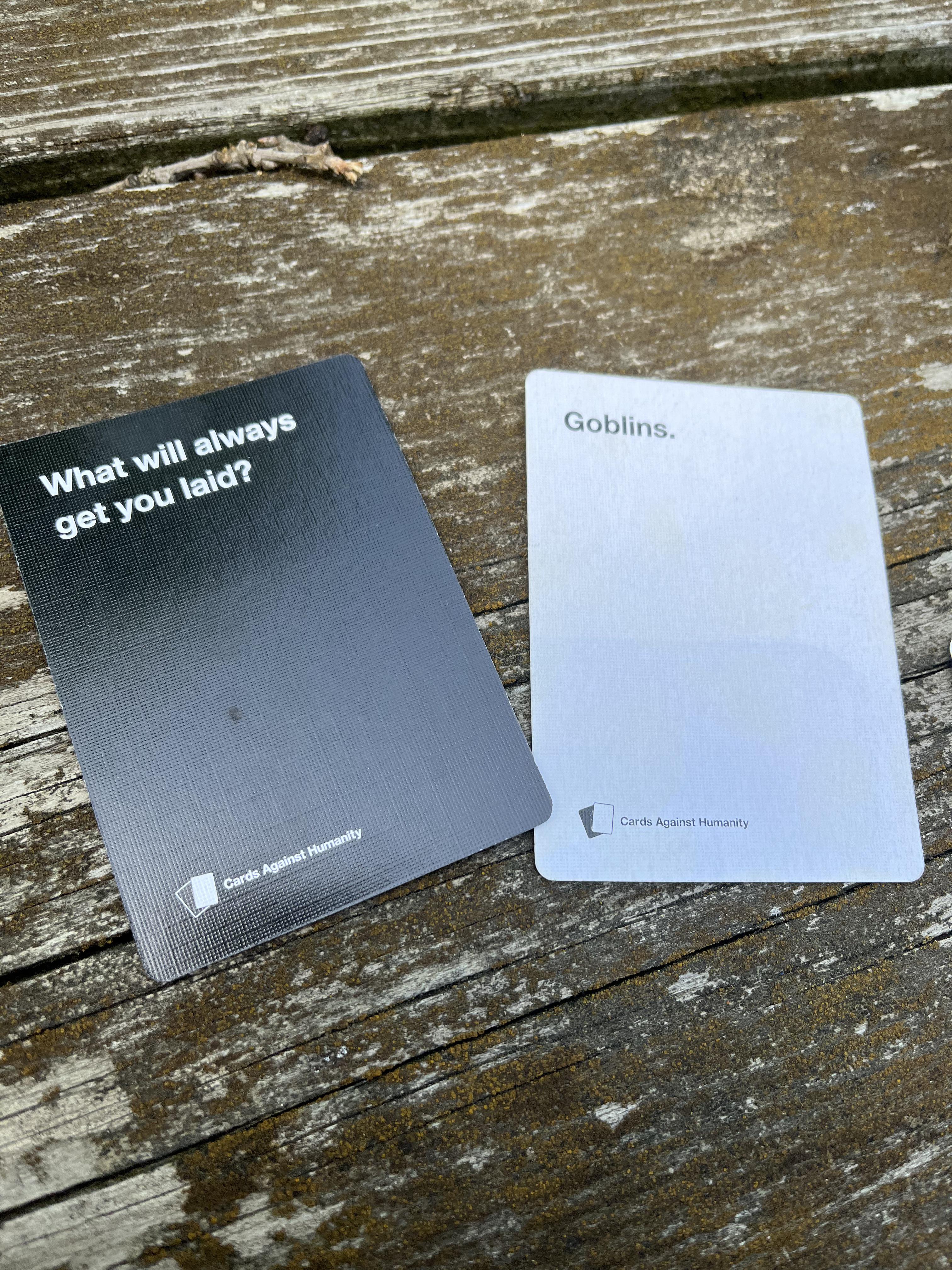
A picture of two Cards Against Humanity cards, one says “What will always get you laid?” The other says “Goblins”

Why scales?

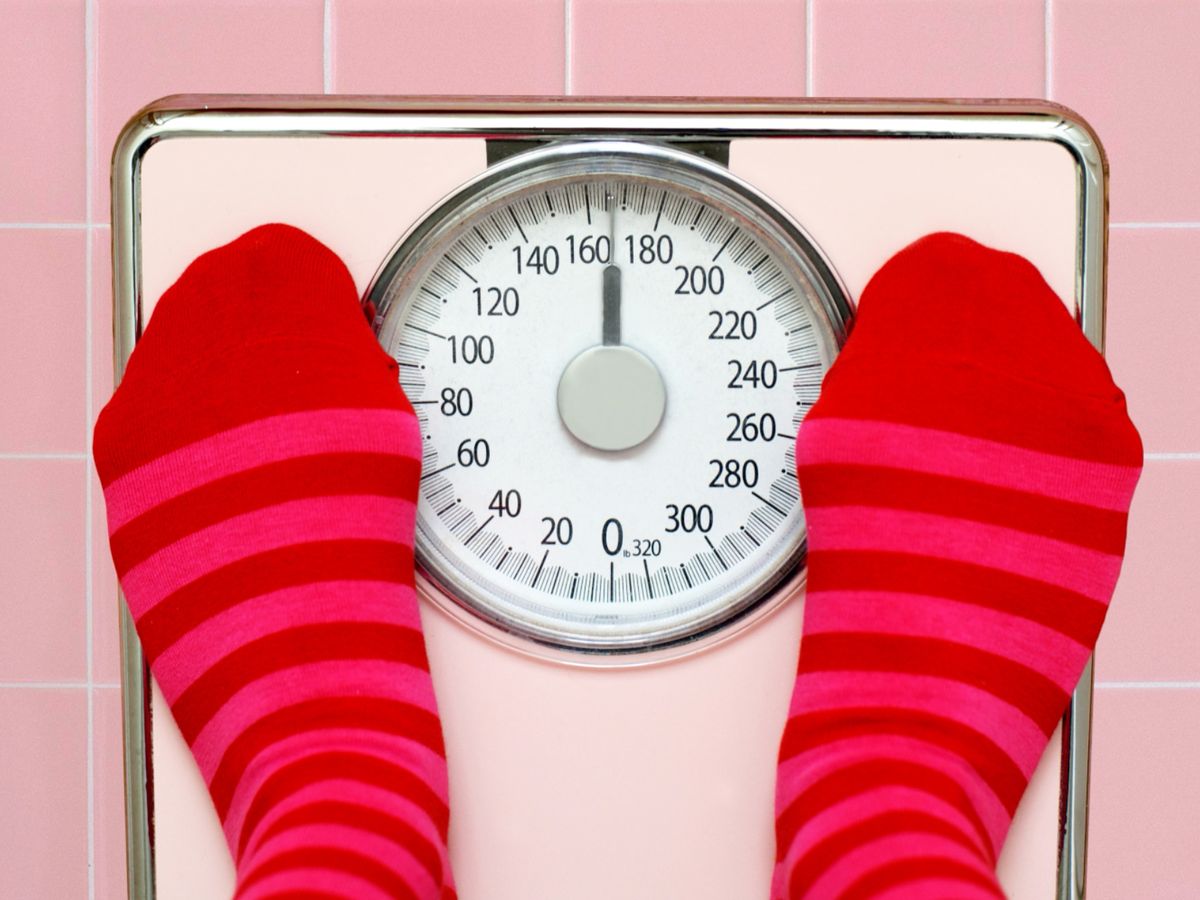
When is the last time you stepped on a scale? Did you like the results? I’m pretty sure you immediately thought about ways to lose weight and fast. No one wants to wait months or years to see a noticeable change. For as long as I can remember, society has specific guidelines on what a “perfect body” for a male and female. The characteristics are different, but the goal is to look good for others, no matter the cost…to one’s mental or physical health. When we do not have the body of what society deems “beautiful”, we sometimes may go to extreme habits in order to be excepted. Have many diets have you been on? Counting calories, eliminating carbs and sweets and implementing more fruits and vegetables in your daily routine? We will often try anything to look the par, but the methods do not stick because we are too busy trying to be accepted instead of being healthy. For example, when women give birth, often times their goal is to get back to pre-pregnancy weight or being labeled a “MILF Mother I Like to Fuck). In order to achieve this sometimes u realistic goal, rather than exercising and changing eating habits, one may look for a quicker approach, such as diet pills, special drinks and bars, insane diets such as only eating watermelon each day for a specified number of days (watermelon challenge) and the new craze, Ozempic injections. For me, I never really paid any attention to this weight loss drug because I am not a fan of needles (tattoo needles are not the same) and was under the impression that only Hollywood uses this drug, which from the before and after transformations that I’ve seen, do in fact look incredible, but at what risk? I took some time out of my day and listened to a podcast by Mike and Aubrey titled Ozempic. I learned a lot about this drug and came to the conclusion that it isn’t right for me and for those that use it without a medical reason are selfish. This drug is also the main ingredient that is used for people are have Diabetes. At the height of the Pandemic, the diabetic patients were rationing out their medication because people were purchasing it for weight loss. This drug has some unkind side effects such as regular gastro issues, acute kidney disease, gall bladder cancer, pancreas and other issues. If you are a healthy person, taking this drug has the potential to make you sick, but because society classifies beauty with weight, the scales should not be tipping with weight, but tipping with how much weight one has lost. Are you comfortable with yourself to lose weight the old fashion way or do you use a scale?

No, I Am Not Autistic

“Are you autistic?” A peer asked me recently with a genuine look on their face. They quickly added that they were on the autism spectrum, and were just trying to see if we shared that in common. I shook my head and politely said “No, I am not autistic specifically, but I have other neurodivergences.”

I’ve probably had this conversation, if in different words, over a hundred different times. I know I share a lot of traits and experiences with people on the spectrum, and a lot of people in my life from family, friends, and acquaintances, to near strangers, have seen that and mentioned it to me. I know that I do not always pass as neurotypical, and that is bound to raise questions and assumptions. I don’t mind explaining myself, I am used to it.

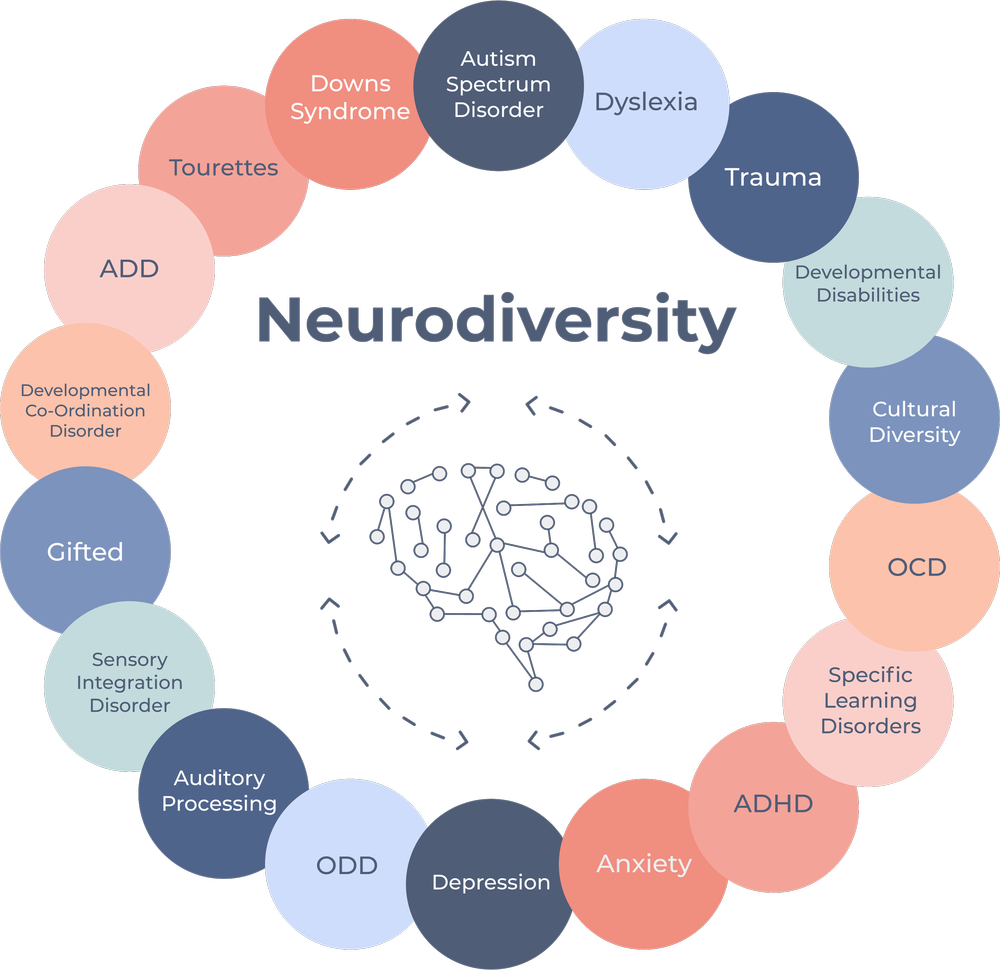
A lot of people seem to think that ‘neurodivergent’ just means autistic, and that’s not true. Neurodivergency encompasses all kinds of neurological differences (see graphic below for examples), a lot of which happen to have overlapping traits. For example, sensory issues, stimming, hyperfixations, lack of social awareness, and meltdowns are all traits associated with autism that all also occur in other neurodivergences. I have been tested for autism on three separate occasions in my life, and despite having all of the aforementioned traits I have always been told that my autistic traits are better described by other neurodivergences.

Like I said, I don’t mind people assuming or asking if I am autistic. What I do find annoying is when I explain that I am not autistic and I am not believed. People who barely know me have listened to me explain the previous paragraph and responded with things like “it’s ok to self diagnosis as autistic though, you don’t need a diagnosis” and a recent example “Oh, don’t worry I know lots of people who have only realized they are autistic once they get to college.” I know people mean well when they say things like that, but it just feels like I am being contradicted about my own identity, or that the people telling me those things think they somehow know my experiences better than me and my psychologists.

Hoe Phase

Hoe Phase

Why is it that when men sleep with multiple women or have multiple partners that its empowering and applauded, but when women decide to experiment and embrace their sexuality they’re shamed? Growing up I’ve seen the different ways that sexuality has a huge double standard. But I feel like as long as both partners are being safe and considerate, why does it matter who sleeps with who? It’s not like it effects anyone else’s life other than the ones involved, but yet someone always has something to say.

Girls are always told while growing up if you have multiple partners throughout your life time that you are of lesser value then someone who has waited to save themselves for marriage or someone that has slept with only one or two people. But in reality, just because you haven’t had as much experience it doesn’t make you any different than someone who has lots of experience. Sometimes women feel the need to experiment with their bodies, just like men do. Women just want to feel pleasure, just like men do. 

This generation of young adults are completely shifting the views on sexuality and what is now considered ‘normal’ and ‘acceptable’ and it’s amazing. But let me say this, no im not promoting people to sleep around, catch unnecessary bodies and to be unsafe because there are still things to worry about such as disease and unwanted pregnancy. All im saying is stop demonizing women that also enjoy sex and don’t want commitment. There are now female artists that talk about their sex life in their music, such as Nicki Minaj, Megan the Stallion, and Sexy Redd. But it’s not just about sex, it’s about female empowerment, it’s about women being able to express what they like and what they don’t like.

NeuroDIVERGENT

Being neurodivergent means a lot of different things to a lot of different people. Being neurodivergent to our family just means being normal. It’s hard being different, it’s tough trying to be strong all the time for a kid that’s just like you and trying to tell her one day it will be different and she will have a ton of friends and life will be fantastic and people won’t be assholes-but I can’t. Because I am her. I can’t show her a better future where people are better when people aren’t being better to people like us. So I mask and I stay quiet and keep to myself and try not to make friends because losing them is harder than making them. And making them in a world full of technology- when you are neurodivergent and well-me… it’s even harder. So I write, and I fight for others to get what they need. Racial equality, Reproductive justice, HUMAN RIGHTS, EQUALITY?! We all need to be better humans. Our kids deserve better.

autism and religion

for the past 3 weeks or so I have been attending a weekly catechism class to complete my confirmation, whatever that even is. I was raised Catholic so i know some of the basics, i mean i’m baptized and i did my first communion and i went to church every sunday and on holidays, but that was like 10 years ago i don’t go to church anymore and i rarely pray anymore. My personal beliefs, morals, and sexuality have been victims of the catholic church and it feels alienating to be back at the church I grew up in just so I can be my nephews godmother once he inevitably gets baptised and most likely gets put through sunday school just like i was. My mom has gotten way more religious in the last ten years, so she’s involved in everything catholicism. I am bisexual, fat, pierced, awkward, and my spanish has gotten worse and these are spanish catechism classes. A lot of the “students” are people my moms age or a few years older than me, I get a lot of stares and I feel like the teacher targets me and acts passive aggressive towards me because she somehow knows based on my embodiment that I am out of place.

cartoon clip art of the virgin mary. very popular catholic idol

Anyway that’s just some backstory, this past monday we ended up talking about children and how some people in the mass get annoyed when parents bring their loud kids to sit with them in the pews instead of staying in the blocked off “lobby” area where parents are encouraged to take their children when they start acting up. A young woman who has a son with autism spoke up and asked “what about parents who have children with autism? how do i get my son to become more involved with the church?” She also added that he is hard of hearing and they communicate through ASL. This mother seemed almost desperate for an answer, I felt sorry for her because I could tell that she struggles with her sons disabilities. The teacher said something along the lines of pray to god for guidance and teach your son how to properly behave in certain settings, in this case when attending sunday mass. This was not the answer the mother wanted because she then reiterated her question in hopes of getting a better more concise answer. The teacher, realizing maybe she came off in a bad said that she understands the struggle because she too has family members with autism who, by repetitive action/instruction, are “by the grace of god” able to participate in religion as would a “normal” person. Her response still rubbed me in the wrong way, she made it sound like you can pray autism away, that it’s just another thing to beg god to make better. There is a weird thing that happens in some hispanic households in which parents will either ignore or deny that there are certain behaviors in their child that raise certain flags. Usually due to pride, autism is seen as a punishment, extra work, and extra sacrifice. At least this is how i’ve come to understand autism from the perspective of people who oftentimes come from developing countries where ASD isn’t *diagnosed as often. Keyword diagnosed because it is definitely still prevalent, parents just don’t take their kids to the pediatrician as often like they do here in the U.S.

I can recognize that faith in whichever way plays a large role in people’s quality of life, but idk catholicism is strange and having been away from religion for so long, some of what is discussed and believed feels so extremist to me. We are all part of one body, we are the church of god, in order to be saved we must spread the “truth” whatever the fuck that fucking means. The other day this teacher woman said that yoga is bad!!!!!!! because the movements are based in prayer/meditation that is centered in the self and not in god which is SINFUL!!!!! WHAT DO YOU MEAN?!?!?!?!? my nephew is lucky I love him enough to put myself through these weekly classes until literally NEXT SPRING!!!! I’m only doing it for the title of godmother and for the love of my nephew.

Intersections: Disability + Sexuality

Intersections: Disability + Sexuality

I remember one day when I was bored scrolling on Twitter (side note: I will die before I casually call the app “X”) and there was this suggested post and creator that popped up when I refreshed my feed. The contents were a Grindr message (Grindr is a gay dating/hookup app) to the post creator saying something along the lines of “I am *** up in the large stall near the Adidas store waiting.” Now, granted, as a first message to anyone on any app, that line is very inappropriate and borderline sexual harassment given the nature of Grindr; however, the reason why the creator posted it to begin with was to make fun of this person with a disability, quoting above the photo with a “lol” and having a second photo within the same post of the profile information of the person where they explicitly state that they are disabled and use a wheelchair.

It was heartwarming to see the comments of the post defend the profile, commenting how insensitive it is to write someone off sexually simply because of a disability. Comment after comment after comment defended this profile.

A reserved parking space symbol in white with a blue background.
Photo by Ann H on Pexels.com

What the entire spectacle of a post did was trigger a dialogue within me; disabled people often get animalized or othered by society, making them unhuman. As is the case with the post, the disabled are deemed unsexy and incapable of sexual activity, scrutinized by an abled person for behavior that many others partake in. Being sexual is not confined to a binary or any other limiting factor, which the creator seemed to be trying to push, especially as he continued to defend his post in the replies.

In a way, it forces thought about the ground the foundation is built upon; if abled people are a majority and do what is best for them and decide what is best for them, then the accommodations that they make for disabled people are few and far between (and this isn’t even touching the number of people with invisible disabilities and neurodivergence). But how do we change the foundation so that it works with the predetermined ground?

In my mind, the answer comes down to education. How many disabled kids, kids with invisible disabilities and chronic illnesses, and kids with a form of neurodivergence are separated from abled kids and kids that are neurotypical as they progress through school and life? We don’t teach basic empathy and love in school, and so people see those different from them as Other.

Another Diet

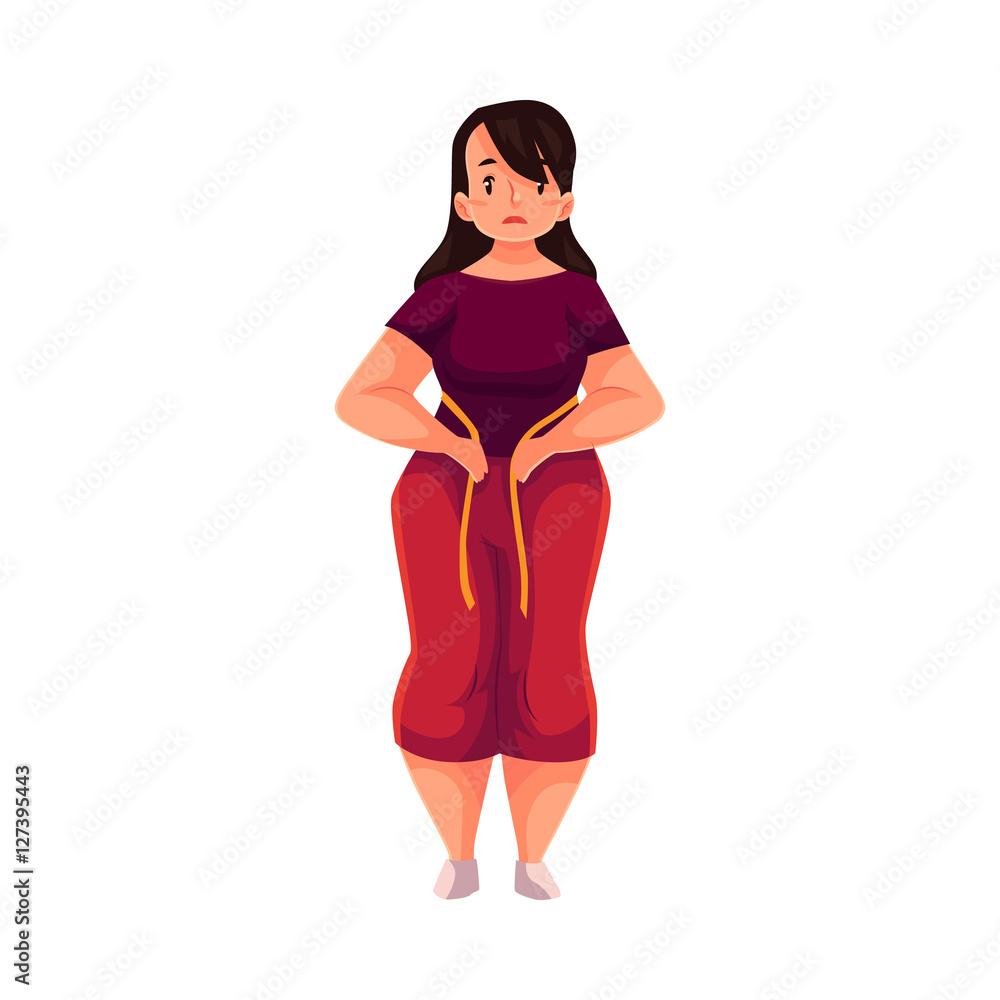
Women wrapping a measuring tape around her, looking sad.

tw: ED

Ever since I was young, I was an obese kid and trust me I was reminded of it everytime. Till this day I remember stepping on the scale in 5th grade in front of my PE teacher and seeing that I weighed over 100 pounds. I was so embarrassed of this weight as I saw other girls giggling and asking each other what they weighed. I was devastated as a 5th grader that I weighed that much even though I considered myself active. I used to play kickball, tag, run around the playground, but I never looked like the other 5th graders. So, this is where my unhealthy obsession with diets started. When I went into 6th grade I started doing a military diet (ik ik how bad it is for you but it was very popular with “noticeable” results). I was consistent with it and actually lost 3 pounds, but not realizing that this was all water weight. I kept doing this military diet on and off up until 7th grade when I noticed that I wasn’t losing or gaining weight. I had lost all hope of losing weight and went into a “oh well who cares” phase and started binge eating. So, of course I gained a lot of weight. Then in 9th grade I learned about the beauty of counting calories. I thought this would be the fix to all my problems and I could eat anything I wanted as long as I tracked it and kept my calories under 1200 (ik ik this is not recommended). I kept this going up until 11th grade till I just stopped losing weight again and went back into a binge eating phase. Over those past years I have tried a good amount of diets/fast such as the water fast, watermelon diet, and keto. Nothing worked, and whenever I brought up my concerns to my pediatrician he would always say it’s all normal since you are growing (bless him). However, I wish he had started some type of intervention that wouldn’t lead me to binge eating every couple of months when I stop seeing weight loss. This cycle haunts me till this day and I honestly haven’t found a way to break it. So, when I was listening to the Maintenance Phase podcast I listened to the Ozempic topic and I was intrigued with this type of solution because it seemed like an easy fix but as I listened to the podcast more, I learned how bad it was for us.

Is it All In My Head?

TW: ED 

I’ve struggled with anxiety for six years now, since my freshman year of high school. It has significantly impacted all aspects of my life. In the past, I struggled with social anxiety and low self-esteem. This caused me to be very reserved and made it difficult for me to form connections with people. Throughout high school, I was known as the shy girl who never raised her hand in class and spoke very quietly during presentations. I dreaded introducing myself or hanging out with people I wasn’t familiar with. Fortunately, I overcame these struggles when I came to UMBC. I have definitely improved my social skills and gained a lot more confidence in myself.  I became very involved in clubs and frequently attended different events on campus . This helped me develop my social skills and gain experience making connections with others. Now, I can make new friends with no difficulty and show my authentic personality without any fear of being judged. 

From an academic aspect, I still let my anxiety get the best of me. I tend to overthink and ruin my own mood by imagining the worst possible scenarios. Even if I prepare for an exam and study thoroughly, I convince myself that I don’t have the knowledge or skills to perform well. Before an important exam, I often experience racing thoughts, difficulty with breathing, and feeling very uneasy/tense. Sometimes, these feelings intensify so much to the point where I feel in danger. It is hard to describe these feelings, but I feel an overwhelming sense of panic and pain in my chest. This may correlate to my self-doubt and lack of confidence, which leads me to have negative thoughts about myself and my academic potential. If I perform well on an assignment or test, I hardly acknowledge it or feel proud of myself. On the other hand, if I perform poorly, I will fixate on that one grade and allow it to destroy my confidence. I think it’s important to put things into perspective and remind myself that school is just one aspect of my life, not my entire life. I shouldn’t let a bad grade define my self-worth or cause me to doubt my capabilities. It is completely fine to make mistakes because in the end, everything will be okay and I will end up exactly where I am meant to be. 

My anxiety has also impacted my physical health and diet. When a specific event occurs in my life (conflict with a close friend, relationship issues), I experience an immense amount of anxiety and let my thoughts be consumed with the situation. I am unable to eat complete meals due to the pain in my stomach, tension in my throat, and nausea. My body craves food, yet I am unable to eat anything because if I do, I won’t be able to hold it down. The thought of swallowing food literally makes me sick. It is such a scary feeling to see yourself become increasingly skinny, yet not being able to do anything about it because you are still too anxious/sad to eat. These symptoms will usually last for around a week, depending on how long the situation takes to be resolved. 

There are many different ways in which an anxiety disorder can be managed. This includes cognitive therapy, corrective breathing techniques, mindfulness, and building self-esteem. Personally, the most effective way in which I cope with anxiety is by expressing my emotions to someone I trust. My overthinking and low self-esteem are ultimately the root causes of my anxiety, so speaking to a close friend or family member definitely helps me sort through my emotions and feel less overwhelmed. In addition, I recently started meeting with a therapist who specializes in anxiety and coping skills. At times, my anxiety makes me feel as though I have no control over anything. But with the right resources and people, I hope to overcome this journey and live a happier, healthier life.

Can Anything Be Considered a Disability?

In our culture, the word “disability” frequently evokes pictures of people who have obvious disabilities or trouble moving around. But the truth is much more complex. There are many different kinds of disabilities, and not all of them are obvious at first. Certain disabilities are obvious, like needing a wheelchair or cane, but others stay hidden, hidden beneath the surface of day-to-day interactions. The requirement glasses is one of the best examples of an invisible disability. Many people deal with vision impairment, that greatly affects their daily lives but is frequently overlooked by others by wearing glasses or contact lenses.

A change in viewpoint is necessary to comprehend the actual nature of disability. It entails realizing that a wide range of conditions can cause disabilities. Not all of which are apparent right away. Consider the experience of those who wear glasses, for example… Even though wearing contacts or glasses may not initially seem like a disability, they are a type of accommodation that is required for getting around. Those who rely on these are aware of the limitations and difficulties they would face in their everyday lives if they did not have them. The usage of glasses is inextricably linked to their capacity to operate well in their surroundings, from reading signs to identifying faces. This highlights how crucial it is to promote a more accepting and compassionate view of disability. It emphasizes how important it is to recognize and make accommodations for all kinds of disability, whether they are obvious or hidden. By extending our senses.