Over the last two weeks, we’ve been reading stories about queer people who struggle with their identity and sexuality while also trying to fit in with society. It made me think about times when I struggled with how I wanted to represent myself. I’m not queer, and I haven’t faced the same challenges they have, but it still made me reflect on my own experiences with identity. I remember being in middle school, going through that awkward stage of trying to figure out who I was. One specific memory that stands out was an argument I had with my mom about what I wanted to wear to school. Up until then, she was the one picking out my clothes all very feminine and “girly” I was tired of it because I was bigger, and I didn’t like how those clothes fit my body. They were too tight, and I just didn’t feel comfortable. I told my mom I didn’t want her picking out my clothes anymore, but she wasn’t having it. She kept saying I didn’t know what looked good on me. I ended up breaking down crying before she finally agreed to let me choose my own clothes.
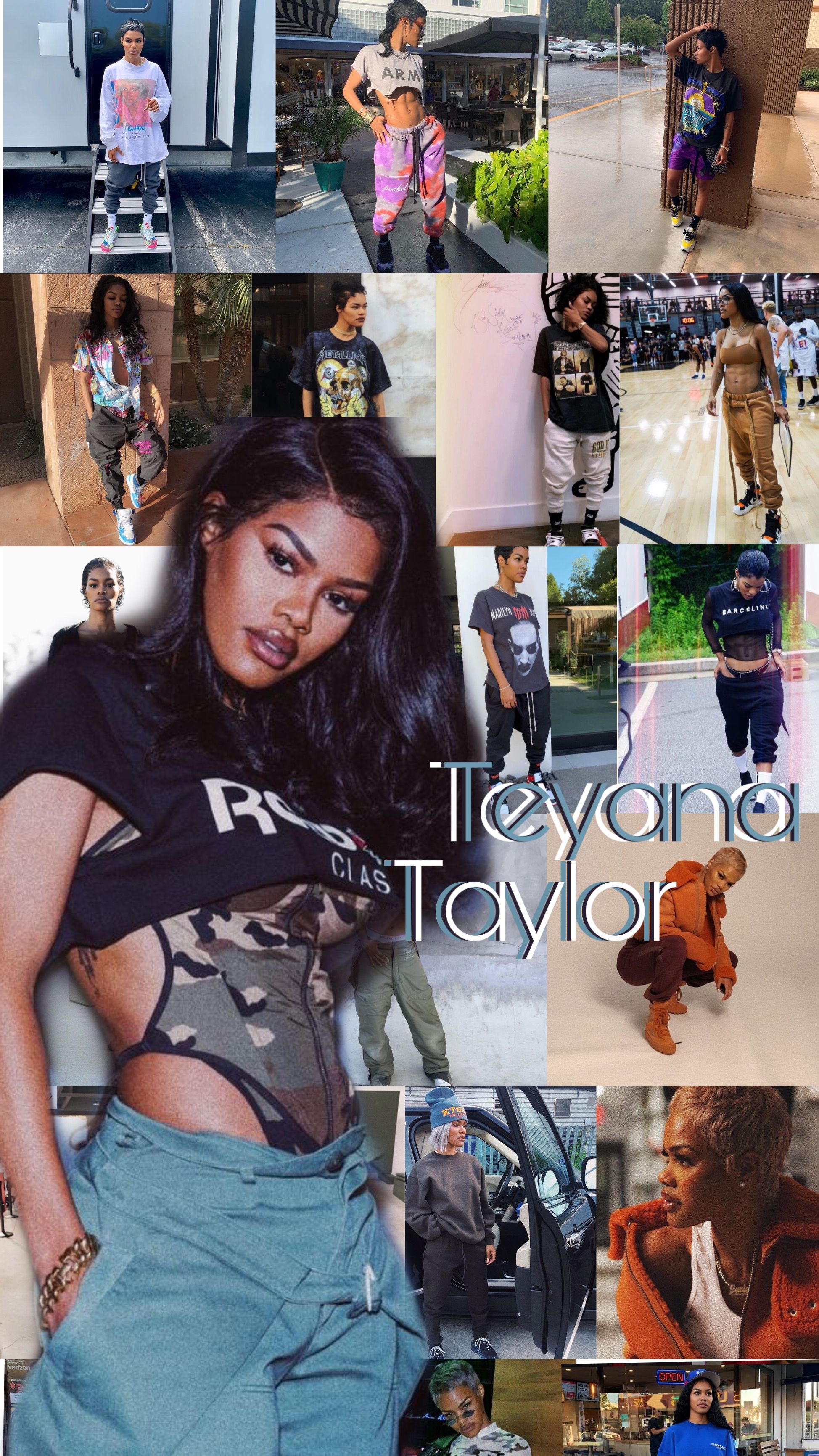
After that, I went straight for hoodies, graphic tees (mostly from the men’s section), and sweatpants. I stopped wearing those form-fitting clothes that girls were “expected” to wear. My mom didn’t like it at all she’d call me a “tomboy” and compare me to my older sister who still let her pick out her outfits. She’d even say things like, “People might think you like girls.” But for me, it was never about that. I just felt more comfortable and confident in those clothes. It wasn’t about gender or sexuality it was about comfort and feeling like myself. All through middle school, I stuck with that style. It wasn’t until I was about to start high school that I started adding more feminine pieces again because I was becoming more comfortable with my body. Even now, I still like to mix both masculine and feminine styles. My style inspo is Teyana Taylor she mixes masculine energy with feminine flair, and I love that balance. Reading these stories in class made me realize that almost everyone goes through what I’d call a mini identity crisis at some point. Maybe not as deep as what queer people face but still those moments where you’re just trying to figure out who you are and how you want the world to see you.
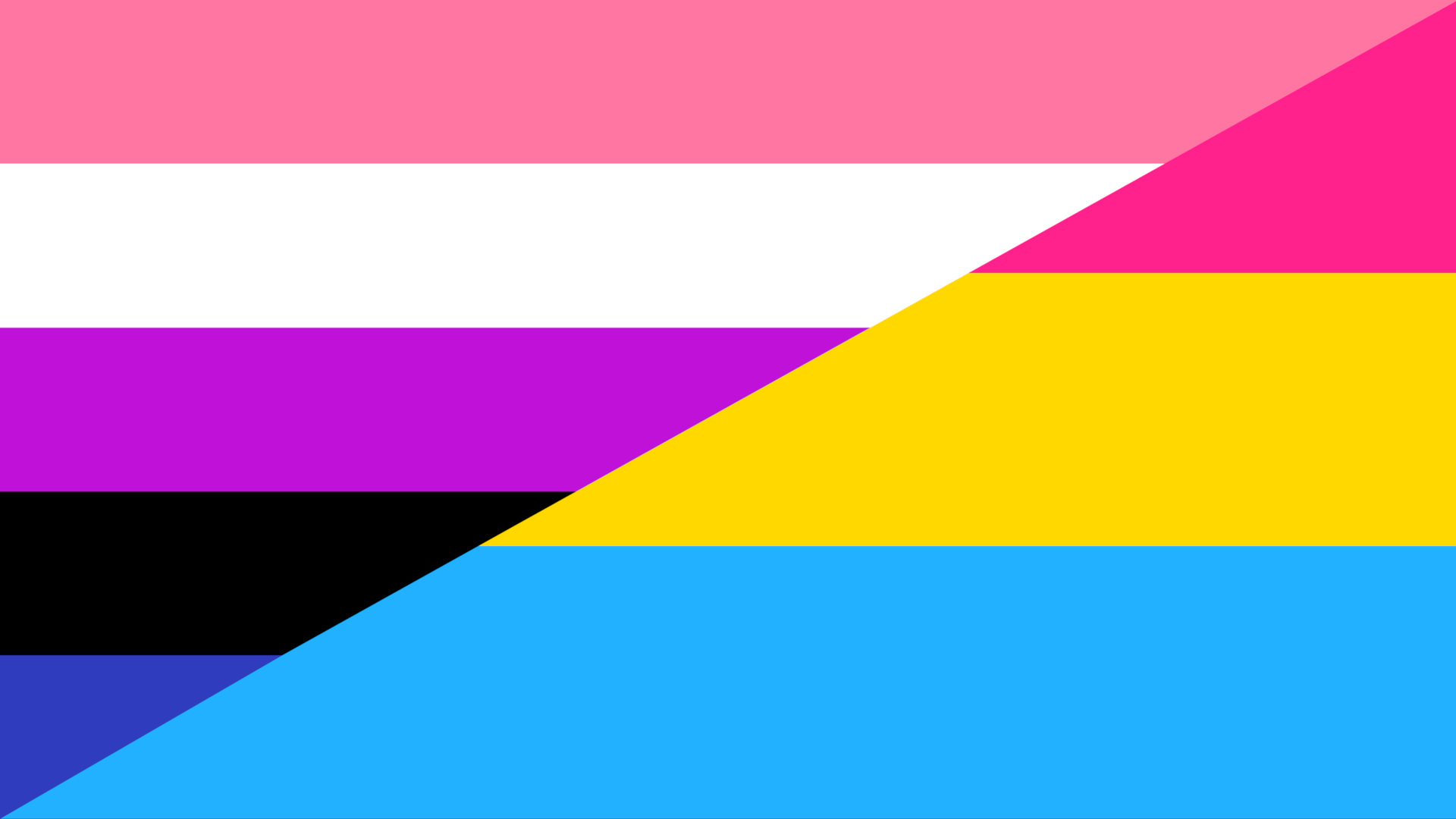
Label the foundation of modern society. Why is labeling yourself or someone so important? Why does it matter so much to someone what my gender or sexuality is? I never really thought about this until recently and the more I think about it the more I question everything. When I was young, I always assumed I was a girl and straight but as I got older and learned more about myself, I learned that no I am not. I learned more about myself. I would describe myself as gender fluid, pansexual and asexual. At the same time labels are not that important to me when come to gender personally but as for sexuality it matter more because I have been with a man for a few years and because of this many people assume I am straight when I tell them I’m pan they seemed confused why I be with a man this irritates me internally because it make me feel like I am not a part of the LGBTQ+ community this way of thinking I have faced more by those in the community then thoughts outside of the community.
Until I started back at college in fall of 2023 when I met the amazing group of people I love dearly I always felt like an outsider I did not feel wanted in the LGBTQ+ community nor the straight people community I felt like I was just drifting in space in a way, this not feeling like I belong the more I go to therapy and work on myself the ,ore I realized this sense of not belonging truly affected me. In the book nonbinary I relate with many of the stories although myself am not nonbinary the questioning of faith and the not feeling like I belong and the questioning of why labeling matters so much. No matter if you feel labels are important to you personally or not, I think things like this should be spoken about more in society, so people like me and many others know they are not alone and feel like they belong somewhere in this strange world we live in.
The use of imaginative language, metaphors and similes in writing, particularly for minority communities, is one of the most prevalent forms. But, why? Why do the experiences of a queer person have to be compared a fictitious creature or an inanimate object at an attempt to be heard? And more importantly, why are the only people allowed to speak directly in the first person and still be understood white men?
Have you ever scrolled online and see people confidently declaring their gender and sexuality like they’ve had it figured out since birth? “I’m nonbinary.” “I’m a lesbian.” “I’m pan.” Meanwhile, I’m sitting here wondering, why do I feel like nothing? This question has been bouncing around my head for a while now. But after reading Nonbinary: Memoirs of Gender and Identity, specifically Christopher Soto’s “What Growing Up Punk Taught Me About Being Gender Nonconforming” and Aubri Drake’s “Clothes make the Gender/Queer,” made me realize that maybe this feeling of nothingness isn’t emptiness, but simply uncertainty in a world that demands certainty from everyone.
Soto writes, “I tell my friend who still presents outside the binary that I want to be alive. I want to live. And so this is my gender: a desire to live.” That line hit me like a ton of bricks. For me, identifying as a woman has always been about survival. It’s safer, easier, less questioned. I don’t have to explain myself or fear someone reacting violently because I don’t fit their idea of what a woman “should” be. Soto ties their fear to capitalism and violence because the way safety, livelihood, and even love feel like privileges granted to those who conform. Sometimes I wonder if I’d feel freer to explore my gender if the world wasn’t punishing those who step outside the binary.
Growing up, everyone labeled me a “lesbian” before I could even figure it out on my own. I was the tomboy wearing my dad’s clothes, obsessed with comic books instead of makeup. My mom used to tell me to “act like a lady,” for simply sitting in my own home with my legs open. Then puberty hit, and suddenly I had curves I didn’t ask for. Aubri Drake’s words that “clothes started clinging to my body in all the wrong places… they stopped being a form of expression and instead became material to hide in”described exactly how I felt. I started hiding under oversized clothes because my body no longer felt like mine, but a spectacle for others.
For years, I bounced between labels from bi, lesbian, pan, and now to queer. Each one feeling right for a second and wrong the next. I even dated men exclusively at one point just to prove something, though my attraction to women has always been stronger. Every time I picked a label, I felt like a fraud and that everyone knew I was out of place.
When it comes to gender, being called “masculine” or “feminine” makes me physically recoil. I don’t feel like either. I identify as a woman because it’s practical since it’s what fits easiest in the world’s boxes, but that’s never been the only reason. I’ve briefly thought about identifying as nonbinary, but fear always stops me: fear of losing cis privilege, fear of not being taken seriously, fear of violence. Like Soto, I get what it means to feel “illegitimate” just for wanting to live safely.
That’s why the label queer has been a relief. It’s flexible. It’s fluid. It lets me breathe. I don’t have to get a headache by searching for answers I don’t have yet. My gender and sexuality are personal, evolving, and maybe a little messy, but at the end of the day, that’s ok.
A few months ago, before reading these essays, I went down a rabbit hole on Reddit trying to understand why I felt “genderless.” I remember scrolling for hours through different threads from queer and neurodivergent people describing the same sense of in-betweenness I couldn’t name. One that stood out to me was called “Does anybody else feel genuinely genderless?” on r/NonBinary, more specifically this one quote:
“When I lean more towards masc or femme with my presentation that’s all I feel it is — a presentation. Or really what it actually is is society interpreting my presentation as gendered. Ultimately it’s still just me. I don’t feel more feminine when I wear skirts — but it’s perceived that way.”
When I lean more towards masc or femme with my presentation that’s all I feel it is — a presentation. Or really what it actually is is society interpreting my presentation as gendered. Ultimately it’s still just me. I don’t feel more feminine when I wear skirts — but it’s perceived that way.”
That line felt like someone cracked my brain open and wrote down my thoughts. It echoed everything Soto and Drake described; that gender can feel more like a performance that others interpret than a truth you embody. Re-reading that thread and other ones I mindlessly scrolled actually helped me realize I wasn’t broken for feeling detached from gender. I was just tired of performing one.
I still feel like “nothing,” but I don’t see that as a bad thing anymore. That nothingness feels like freedom; free to move, question, and change without being boxed in. Reading these essays made me realize I’m not alone in that uncertainty. There’s comfort in knowing gender and sexuality don’t have to be solved; they can just evolve. Maybe “nothing” is true freedom. Maybe my gender isn’t nothing — maybe it’s just mine.
Understand and explain how different forms of embodiment are produced and shaped by narratives. That’s the course learning objective for this unit. The further explanation notes how oral history is produced by selves and produce selves in their telling.
While I was reflecting on how my topic was going to connect to the course objective, I reflected on my recent experience watching the production of “Call Me By Any Other Name…Just As Sweet”. The piece was very impactful, and while I watched the production I was struck with the familiar thought when I am witness to an impactful piece of art- ‘I wish everyone I’d ever loved or know was here next to me to see this too’. Thinking about it more, I think its a thing of I see my human experiences mirrored back to me in media/art and I crave that visibility in my loved ones. Like.. I wish I was understood in THIS way. It’s like when you watch an impactful movie with your family or friend and you want them to get it in the same way you did.
That’s what ‘Questions of Faith’ from Nonbinary: Memoirs of Gender Identity felt like for me. Like I wished people in my life would read and understand my feelings about it. It’s a memoir produced by selves and it produces selves (recognition and validation of my own experience).
Complicated hometown church/small town feelings. Growing up in a small town, being active in church activities, being known as one image of a person and feeling very different. I avoid spaces where I might be known in my hometown to avoid seeing people that know my family, or dress differently in my church to uphold the image. I am very selective with who I’m out to, and to which family friends and people know I am dating my girlfriend.
The feeling of looking for faith communities that fit me. Beyond the feeling of ‘fun’, I struggle with connecting with individuals in faith communities when I leave big parts of me at the door. I have felt like individuals in faith spaces I have been in the past lack a lot of nuance and say a lot of things that make me cringe internally.
Having faith questioned in queer spaces. This one is like when queer spaces are exclusive of religion because of their experience of church hurt/other reasons. Being ridiculed by queer people for being religious. ‘You are still brainwashed and an idiot if you are queer and religious’.
The biggest factor to drive me away from religion is the intense pressure from Christians to conform to a very specific image of a religious person. My family, Christians that I know and Christians in politics drive me away from being religious more than the world/ or sin does.
Cycles of faith. Practicing faith because I was forced to but continuing to practice even though I don’t need to anymore. Leaving and coming back to faith, feeling anchored and simultaneously held down and restricted by it.
Growing up in a conservative household, I was constantly told to cover up because of men’s “wandering eyes”. I was taught that if I were to be sexually assaulted, it would have been my fault, instead of the person who sexually assaulted me. Out of fear, I obliged, wearing modest clothes throughout my childhood, convinced that I could never be safe. My mother also told me to speak properly, to never talk back to elders or men, and to hold my tounge if I was uncomfortable. In Throwing Like a Girl, Iris Marion Young describes how women move with “inhibited intentionality”, we know we can act, but we feel like we shouldn’t. That was my childhood: constantly silencing and covering myself to make myself more palatable for men. These habits became ingrained in me, because for so long, they were all I knew to do.
Constant microaggressions is something that really is a shared experience. My introduction to phenomenology was not that microaggressions takes a large toll. Microaggressions are comments that can be so subtle even I shake it off and disregard it with expression and then internalize it. Whenever I read something in this class, I always find myself reflecting on experiences and realizing how quickly I will “simply” internalize it and not express the discomfort. I put the term simply in quotes because how simple can it be to internalize the feeling of being put in a majority when you are not the same as every person in that majority? For me, the word “simply” in that context is the repeated, chronic discrimination is something that I have had to deal with my entire life. There is never a time when I think about what would be the outcome of this everyday internalized discrimination against myself.
“Perceptual practices can be organized, like bodily movements used to perform various operations, into integrated units that become habitual.”
Alcoff, Linda Martin. “Towards a phenomenology of racial embodiment.”
Alcoff’s article made me critically think about my own and shared experiences with discrimination. In her article, I took away a new perception about microaggressions. I think this shift is because of that “simple” term I mentioned before. Someone in a constant routine usually will start to be able to do those things with so much ease that it becomes automatic. So automatic I never thought about these costs. An emotional performance is put on when faced with microaggressions. An example is suppressing anger. Something you are constantly emotionally performing for is something that takes on the body. That constant suppression can lead to a breakdown and an overwhelming feeling that makes you feel exhausted. Some days there will just be all those performances that take a toll on self-efficacy.
To be a muse is to be worthy. To be a muse is to be beautiful and talented, chosen and seen. To be a muse is to be exhilarated and exhausted, honored and objectified, proud and pornified. There cannot be one state of being without the other, so long as there is one being to perceive and one being to be perceived.
In some societies, perhaps, it is possible for a muse to exist without the constant fear and awareness of their own and another’s presence. In patriarchal and sexist cultures, however, the muse faces an internal and external threat of surveillance, and therefore sexualization. “(Patriarchal and sexist) society defines woman as object, as a mere body, and… are in fact frequently regarded by others as objects and mere bodies” (Young, I. “Throwing Like a Girl: A Phenomenology of Feminine Body Comportment Motility and Spatiality,” p. 153-154). For feminine muses, they “learn to live out (their) existence in accordance with the definition that patriarchal culture assigns to (them, and) are physically inhibited, confined, positioned, and objectified” (152). The definition becomes internalized, which then manipulates and forces women into being more feminine- more submissive, docile, small, quiet. “Women often approach a physical engagement with things with timidity, uncertainty, and hesitancy… (They) lack an entire trust in (their) bodies to carry (them to their) aims. There is… a double hesitation here. On the one hand, (women) lack confidence that (they) have the capacity to do what must be done… The other side of this tentativeness is… a fear of getting hurt… (They) often experience (their) bodies as a fragile encumbrance, rather than the medium for the enactment of (their) aims” (143-144). The subordination of feminine beings is at the root of patriarchy, and it grows as more minds and bodies accept the notion that feminine and masculine categories cannot intermingle. The stronger the patriarchy becomes, the more ‘natural’ it seems that feminine bodies are weaker than masculine bodies. In reality, women “have more of a tendency than men to greatly underestimate our bodily capacity,” as well as the relentless pressure of being perceived as a muse, which results in under-performance.
So earlier I was trying to do this assignment and I was critiquing it constantly and trying to make it sound more deep and professional than necessary so I’m starting over with a new approach. Dr. Kate said that it should be in “our own voice” so I’m going to write in a sort of free-write style. That being said, bear with me.
My idea for the blog comes from the very first reading we were assigned this semester. When I was reading it for the first time, some of it was confusing me quite a bit but there was one particular section that was pretty straight forward to me. Within the first couple of pages, the authors talk about bodies in relation to cyberculture. They particularly mention how, in the 21st century, we are able to have an extension of our bodies in the form of televideo calls and/or avatars. In other words, the body is not just the physical being.
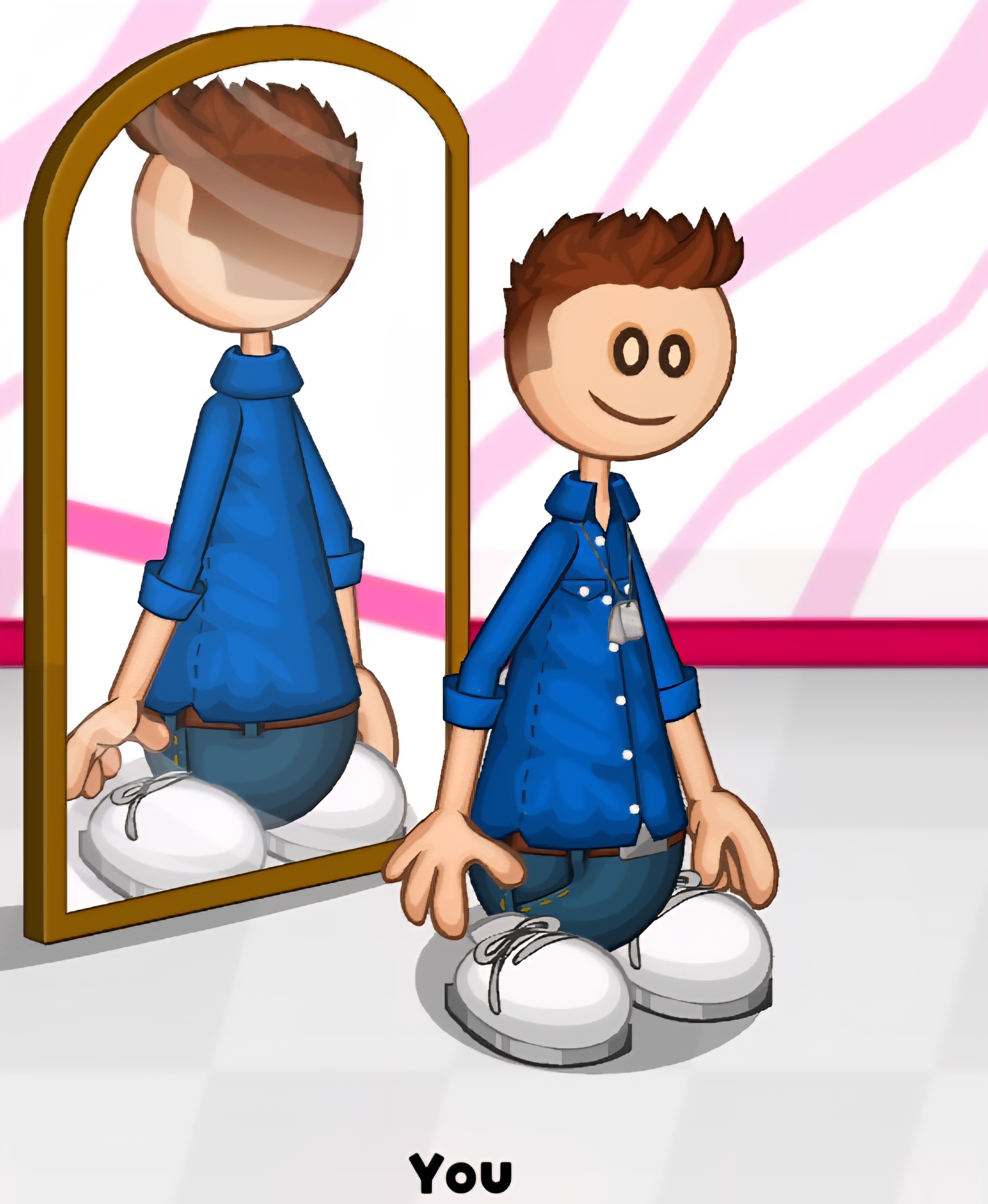
This got me thinking about my own experience with video game avatars. Since I was a child, I would always, without a doubt, choose to play as the male character and not the female character (even though I was AFAB). Like whether it was Mario Kart or Papa’s Hotdogeria, my character had to have the ♂️ selected. Even when I would play board games like Clue with my family, I would always choose Prince Azure over Lady Lavendar. I remember feeling some level of guilt for picking to play as these characters as I started to approach middle school age, but I literally could not force myself to pick the others.
Screenshot of My Current Papa’s Hotdogeria That Doesn’t Totally Look Like Me (Best $1.99 I Ever Spent BTW)
Not to get too vulnerable or personal or anything but I’m going through a bit of a gender journey at the moment and this has actually been something I’ve been reflecting on for the past couple of months. My desire to “be” the boy characters in these games, I’m starting to believe, was likely a projection of what I wanted for myself in real life. This didn’t exactly feel like something I could be capable of when I was 8 so I was confined to doing it from behind a controller or keyboard. However, I think I was actually lucky to be able to somewhat experience worldly interactions (even computer-generated ones) from the perspective of the body I mentally felt comfortable in even though it didn’t match my physical body.
Some people get tattoos and piercings to feel more appropriate within themselves. I, and many others, chose to take it a different route (not that I haven’t also partaken in the former). By accepting virtual avatars as an extension of myself, I allow myself to learn about my own identity and perform it (think “doing gender” in my case”). I think we are all lucky to be able to have this type of outlet for exploration and expression and we shouldn’t take it for granted. I hope we can find even more ways in the future for people to safely/freely form their identities in terms of embodiment.
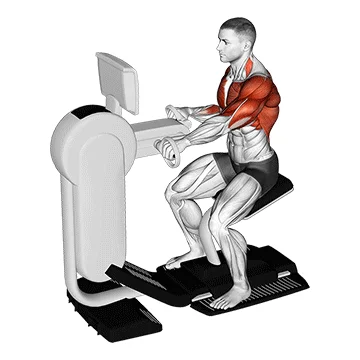
The gym is such an interesting place from an academic’s point of view, as each person experiences it differently. So as a fem-presenting disabled person, I decided to do some field research in regards to the gym (aka I needed an excuse to suck it up and go) So off I went in my wheelchair, leg braces in tow to get some walking practice in. As I arrive at the RAC, I am greeted by the out of order door opener!! What a great start… way to encourage disabled people to be active. I got some (a lot of) stares, because disabled people being active is outside of the norm to which people perceive. Where I see opportunity, and things I can do and adapt, able-bodied people see what I can’t do, and get all surprised when I do something outside of their idea of what disabled people are capable of. To me, I was just minding my business working out, but to others, I may have been perceived as inspirational or extraordinary simply because of phenomenology. What I experience and the people around me experience are two totally different things. Going to the gym is normal for me, whereas its not “normal” to see a disabled person in the gym for many able bodied people, making it seem out of place in how they experience the world. I also experience gym equipment differently, and it is evident that those who designed the gym and it’s equipment designed it from their own experience. For starters, there was a hand cycle in the gym (think of a stationary bike, but with the pedals at about shoulder height, a photo will be attatched) At least the gym had one, but that is not without faults. A wheelchair user like myself needs to a) transfer onto the seat on the machine and b) have enough lower body and core strength to balance on the seat. As someone that is ambulatory, it is not an issue for my own lived experience, but to someone else it very well may be. The hand grips also require a LOT of hand strength to hold onto, and I found it to be quite difficult. There are hand cycles out there that a wheelchair user can roll up to, and I just wish that was the case at the RAC. There were also no tactile buttons, braille or a headphone jack for audio instructions on ANY of the machines throughout the gym, making it so someone that does not experience vision cannot use the machines unassisted. I think learning about the concept of phenomenology is something that a lot of people that design gyms and other spaces should learn about. How you experience things is not the same as others for so many reasons, whether that be race, trauma, upbringing and ability. Growing up I was told to “put myself into the shoes of others” and that is the very basics of phenomenology, which gets built upon by looking into factors that I mentioned previously. Understanding how another person may feel is great, but understanding how someone may experience your creation, words or actions is a great step to bettering the world. Rather than connecting to course materials in the form of articles, I decided to conduct some field research to apply the overarching concept of the course so far: phenomenology. It felt fitting considering phenomenology is all about experiencing the world, and I think that it was a success!